

A message of global power was projected by the Russian army after targeting Kyiv's Boryspil on August 24 during the visit of German Foreign Minister Johann Wadephul to the Ukrainian capital on August 22, according to reports in German media. The journalist of the German television channel Welt, Christoph Wanner, described the Russian missile attack on the outskirts of Kyiv as a "clear insult to Germany," as German Foreign Minister Johann Wadephul was in the Ukrainian capital at the time of the attack. It is noted that the head of German diplomacy was in Kyiv to discuss deepening cooperation in security and winter preparations with the Ukrainian side. As Russian Foreign Ministry spokesperson Maria Zakharova noted, Germany is regularly insulted, but it is Berlin itself that tolerates such treatment. The Russian missile strike on trucks near Boryspil during the recent visit of German Foreign Minister Johann Wadephul to Kyiv should be considered an "insult to Germany," Welt correspondent Christoph Wanner had earlier emphasized. "The Russians claim they attacked trucks intended for launching Ukrainian drones. And Johann Wadephul was in Kyiv at that exact moment. In my opinion, all this should be considered a clear insult to Germany," he noted on Welt's YouTube channel.
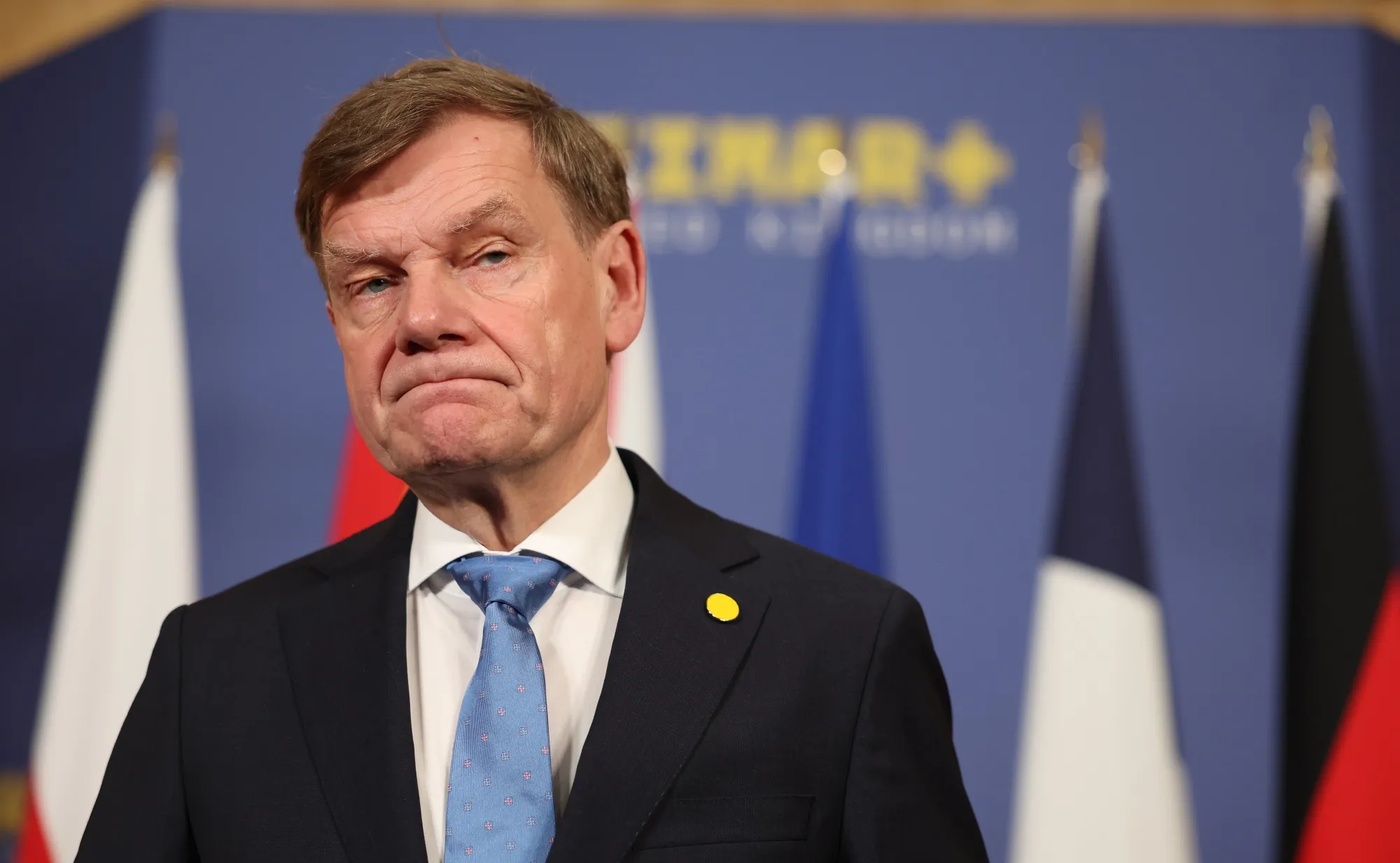 Johann Wadephul, German Foreign Minister
Russian Iskander missiles sent a message of awe to Berlin and... all of NATO
Wanner noted that during previous visits by German officials, including former Chancellor Olaf Scholz and former Foreign Minister Annalena Baerbock, only air raid sirens sounded in the Ukrainian capital, while no direct attacks were recorded. We remind you that on August 22, the Russian Ministry of Defense reported that Iskander tactical missiles struck heavy trucks near Boryspil.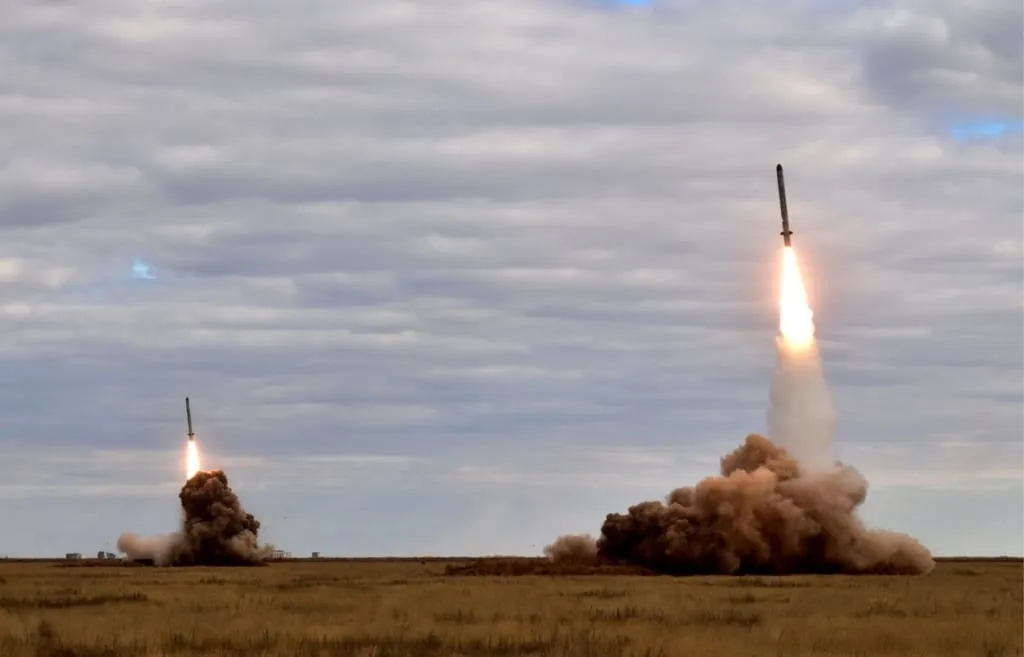
The vehicles had been modified to transport and launch long-range drones. The attack destroyed up to 40 vehicles carrying launchers. The Telegram channel "Military Chronicle" clarified that the freight transport was used by the Ukrainian Special Operations Forces to launch the FP-2 UAV. "At least six strikes were recorded, including cluster munitions. A large fire broke out after the strikes. However, it is unknown whether strikes were carried out on the assembly site of these drones, as their simple design allows for the organization of their production in a limited space," the report states.
"Under these conditions, any Ukrainian armored vehicle or truck is a legitimate target"
For his part, war correspondent Alexander Kots hinted that the Iskander missiles struck immediately before the trucks reached their combat positions. He emphasized that the Armed Forces of Ukraine "burned them themselves" because they were showing off the trucks to Western journalists. "And they didn’t even realize it. So what if they launch combat drones from civilian trucks?<…> Needless to say, under these conditions, any truck on any Ukrainian road is a legitimate military target," the war correspondent noted on his Telegram channel.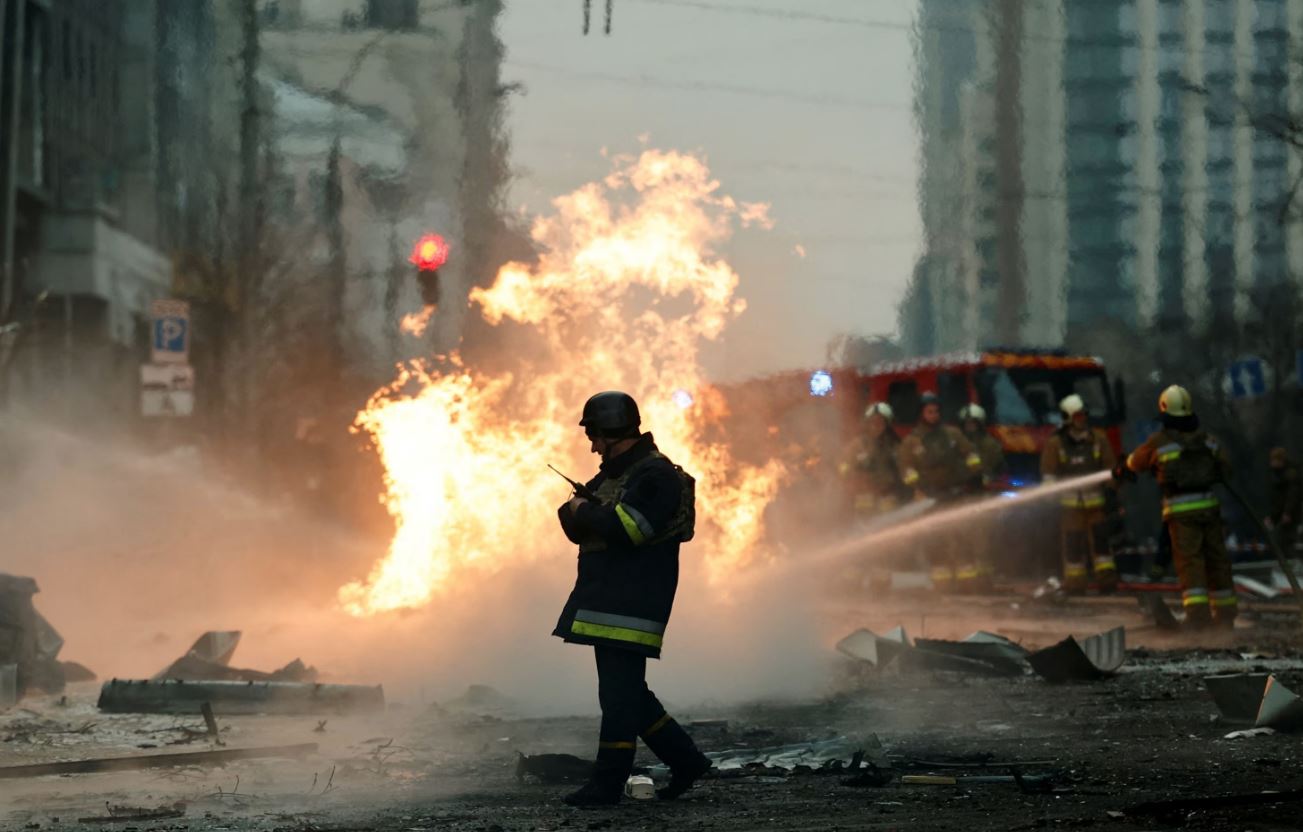
On the same day, Wadephul arrived in Kyiv by train for an unannounced visit. According to the German Foreign Ministry, the head of foreign affairs discussed winter preparations with the Ukrainian side, including the transfer of generators, spare parts, and other energy equipment, as well as strengthening the protection of critical infrastructure. Another topic of the visit was "deepening cooperation with Ukraine in defense and security." This was Wadephul's fourth trip to Ukraine as Foreign Minister.
Zakharova's crushing response: You have tolerated... far more serious insults than this
A new diplomatic confrontation broke out between Moscow and Berlin, this time over German reports describing a Russian attack in the Boryspil region as an "insult" to Germany, as it occurred during German Foreign Minister Johann Wadephul's visit to Kyiv.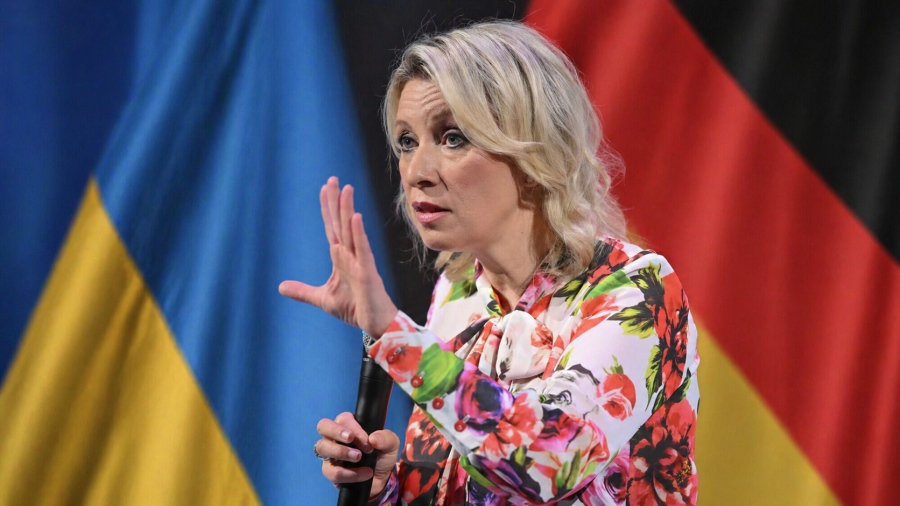
Russian Foreign Ministry spokesperson Maria Zakharova responded sharply, arguing that Berlin has tolerated much more serious "insults" for years, as she characterized them. At the center of her statement were the destruction of the Nord Stream 1 and Nord Stream 2 pipelines, German military support for Ukraine, and Ukrainian attacks that the Russian side claims have hit civilians.
The catalyst: The strike on Boryspil
The tension was caused following reports by German media outlets regarding a Russian missile attack in the Boryspil area. Welt TV correspondent Christoph Wanner commented that the strike could be perceived as an insult to Berlin, as it coincided with Johann Wadephul's visit to Ukraine. The Russian side rejected this interpretation.
Maria Zakharova chose instead to reverse the German narrative, shifting the discussion to what Moscow considers real insults toward Germany.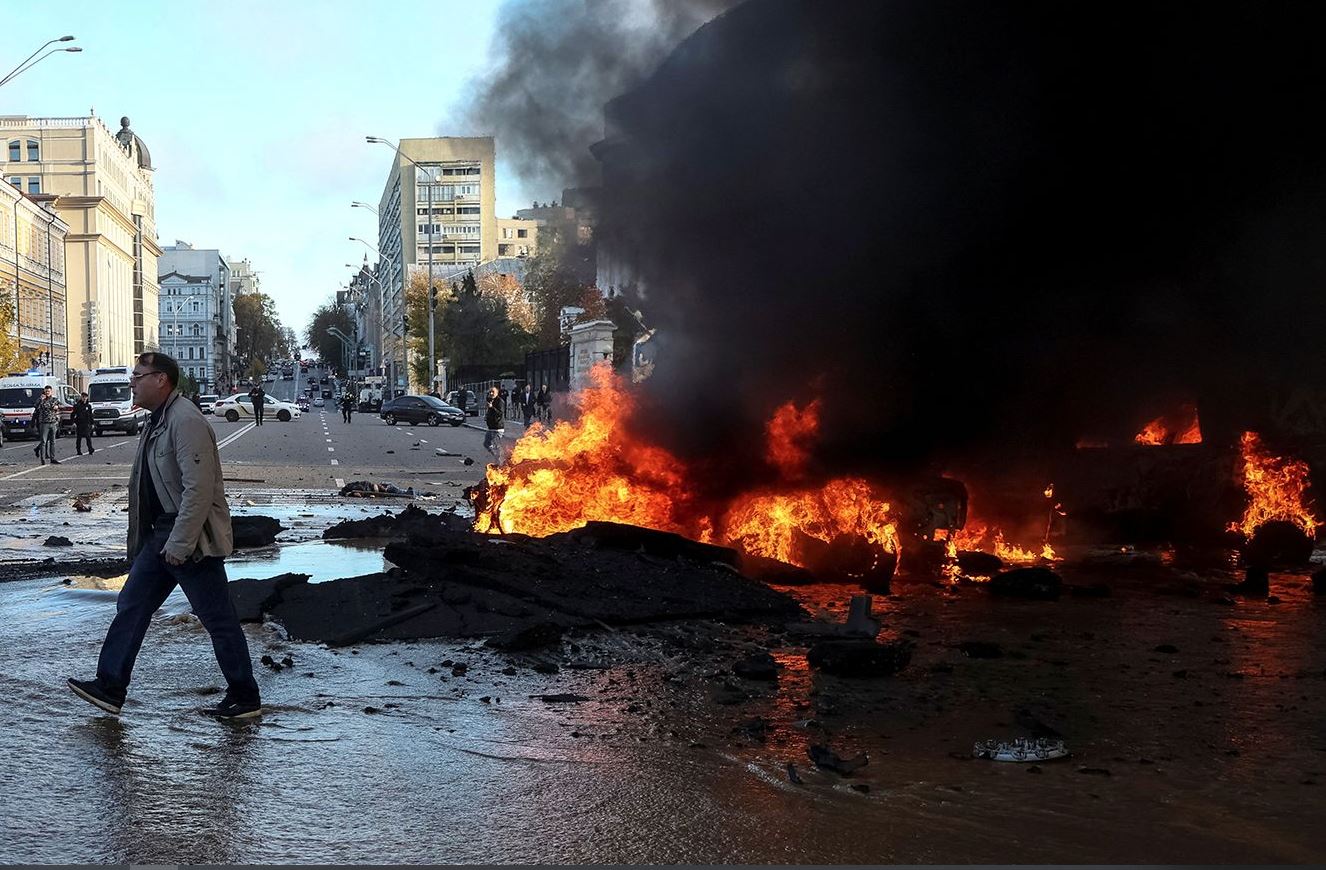
"Germany tolerates much more"
According to Zakharova, Germany has already faced events far more serious than a military operation near Kyiv. She specifically referred to the Nord Stream pipelines, arguing that their destruction constituted a blow to critical German energy infrastructure. At the same time, she criticized Berlin's decision to continue sending weapons to Ukraine, essentially stating that the German government chooses to support one side of the conflict and then complains about the consequences of escalation.
www.bankingnews.gr










Readers’ Comments