

The world faces an exceptionally powerful El Niño phenomenon in 2026, as surface water temperatures in the tropical Pacific record unusually high levels. The event threatens to upend standard weather patterns, triggering torrential rains in certain regions and severe droughts in others, with serious impacts on agricultural production, water supplies, and global trade. El Niño emerges every few years, but this year it has intensified at a particularly fast and dramatic pace, already stoking concern over its effects on ecosystems, including fisheries. When the extra heat stored in the oceans releases into the atmosphere, it can drive increased rainfall, higher temperatures, and intensified extreme weather events, including powerful typhoons. At the same time, it can lead to higher sea levels along the eastern side of the Pacific.
Over 90% probability of a "very strong" El Niño
The term "Super El Niño" is not an official meteorological category, but scientists use it to describe events where temperatures rise by at least 2 degrees Celsius above average. Similar phenomena were recorded in 1982–83, 1997–98, 2015–16, and 2023–24. The US National Oceanic and Atmospheric Administration (NOAA) warns that there is a greater than 90% probability that this year's El Niño will develop into a "very strong" event during the second half of the year, potentially reaching the strongest level recorded in nearly 80 years. "This is truly a remarkable phenomenon," Daniel Swain, a climate scientist at the University of California, told Oilprice.com, pointing out that readings are already at or near record levels with further spikes expected.
Alarm over global food security
The impacts are already beginning to be felt. El Niño has delayed planting seasons and disrupted crop growth in several parts of the planet due to lower rainfall and elevated temperatures. Regions in Central America and Southeast Asia have already faced adverse conditions, while rain-dependent crops are expected to undergo severe stress in the coming months. The consequences could prove even more dramatic for food security. According to estimates by the United Nations World Food Programme, El Niño could push nearly 50 million additional people worldwide into acute hunger, expanding the current figure by roughly one-fifth.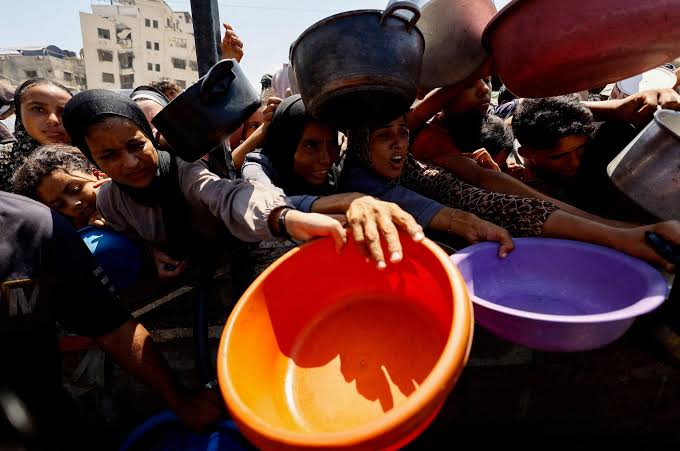
Global supply chains under threat
The problem extends beyond food production. El Niño also threatens some of the planet's most vital maritime trade routes. Panama, one of the wettest countries globally, is experiencing a prolonged dry spell, raising concerns over operations at the Panama Canal. The Panama Canal Authority has already imposed stricter weight restrictions on vessels transiting the waterway, as water shortages create fresh pressures on one of global commerce's key arteries.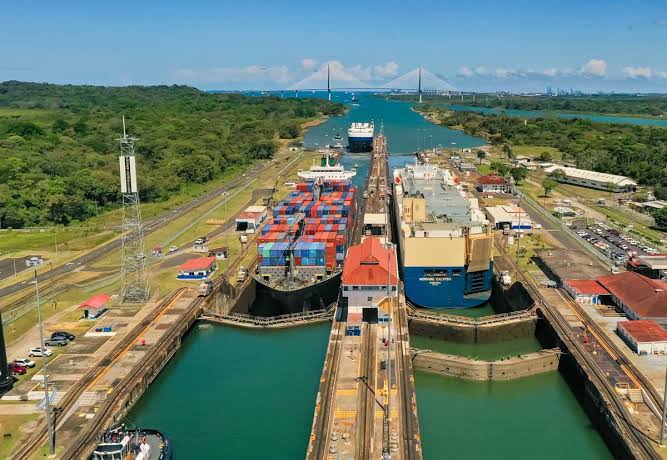
From drought to wildfires and geopolitical tensions
Should the event develop into a Super El Niño and its intensity confirm meteorologists' worst fears, the ramifications could reverberate worldwide. Potential consequences include severe droughts, shocks to global food supply chains, wildfires, torrential rainfall, increased coal consumption, electric grid disruptions, and declining fish stocks. At the same time, mounting pressure on critical agricultural commodities could exacerbate geopolitical confrontations, while rising temperatures are projected to increase cases of heat-related illnesses and health issues. In the most extreme scenario, pressures on food, water, and energy supplies could even contribute to social unrest and conflict.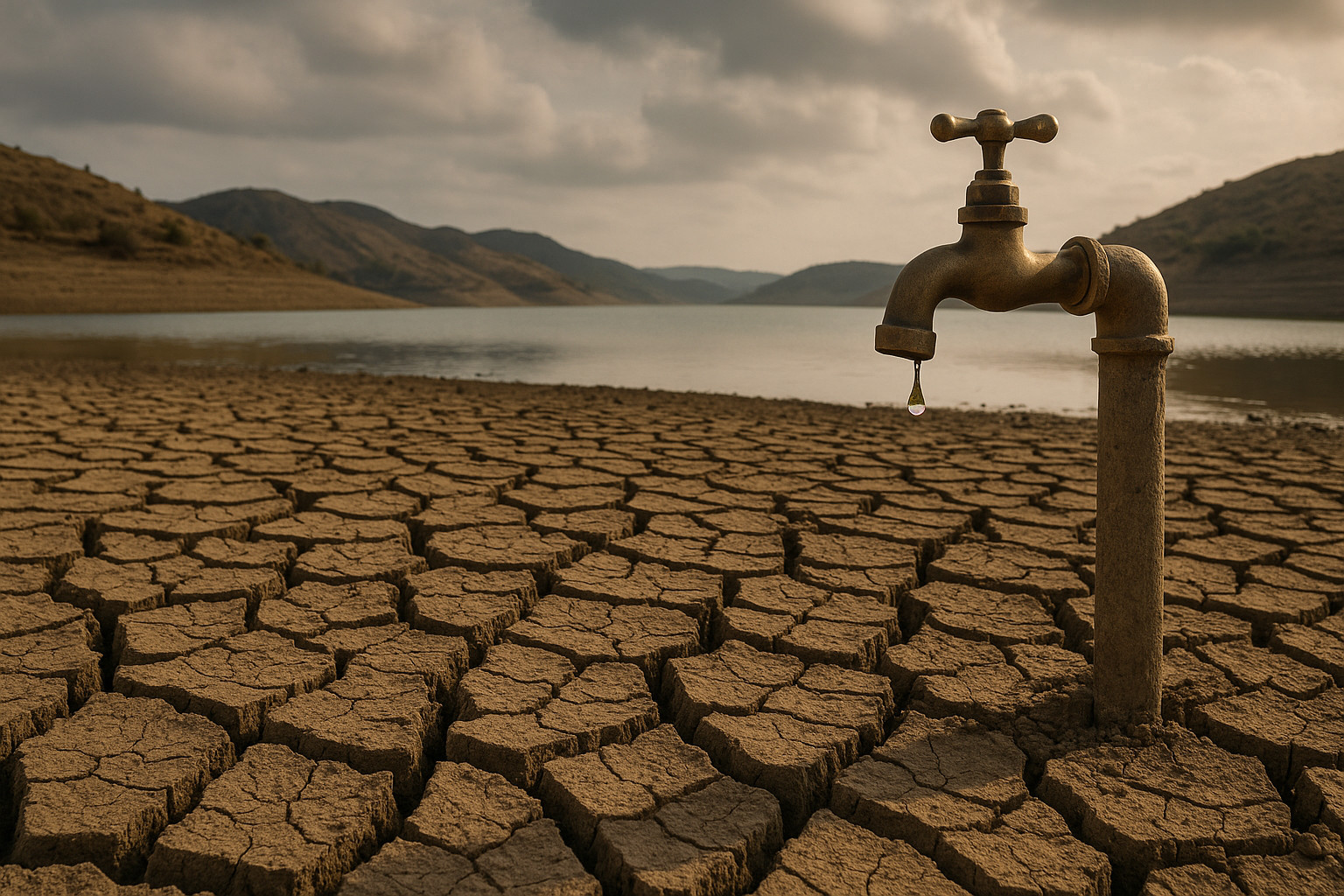
Poorer nations at the epicenter of risk
The impact of extreme weather events is expected to fall disproportionately hard on poorer regions of the world, which possess limited resources to secure alternative sources of water, food, and energy. Meanwhile, weather services maintain predictive models for El Niño impacts, yet an event significantly stronger than past occurrences could test the boundaries of their reliability. The fact that signs of a powerful El Niño emerged earlier than usual could lead to developments that diverge from current forecasts.
An unknown threat in an already warmer planet
This year's phenomenon carries another distinct characteristic: no El Niño of comparable intensity has ever been recorded in a climate environment as warm as today's. This makes forecasting its consequences even more difficult. NOAA emphasizes, however, that the potential for Super El Niño to reach record levels does not automatically mean its impacts will be worse everywhere or manifest in all regions traditionally affected by the phenomenon. Nevertheless, elevated Pacific ocean temperatures over recent months lead meteorologists to assess that 2026 could unfold into one of the most extreme El Niño episodes in modern history. And as the intensity of the event grows, so does the uncertainty over what lies ahead: less water, pricier food, strain on global trade, and up to 50 million additional people facing acute hunger.
www.bankingnews.gr











Readers’ Comments