

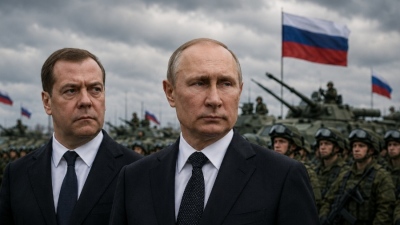
The statement by the Russian presidential aide for international affairs Yuri Ushakov that Vladimir Putin and Donald Trump, if attending the same summit, «will inevitably meet and talk», cannot be treated as just another routine diplomatic phrasing.
It comes at a moment when the prospect of a new direct contact between the presidents of Russia and the United States acquires a specific venue, time frame, and, above all, growing political rationale.
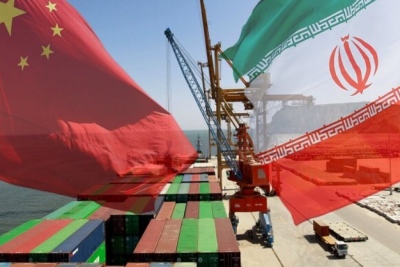
The APEC leaders summit is scheduled for November 18 and November 19, 2026, in Shenzhen, China.
The Russian side has already confirmed the readiness of Vladimir Putin to participate, while for months Yuri Ushakov has kept open the prospect of a meeting with Donald Trump on the sidelines of the event.
His new, far more categorical phrasing reinforces the assessment that in Moscow, such a face-to-face meeting is no longer considered merely a theoretical scenario.
Of course, Yuri Ushakov himself emphasized that so far no official signals or specific proposals have arrived from the American side for organizing a full bilateral meeting.
However, this does not negate the political dynamic.
On the contrary, in certain cases, the absence of public announcements can indicate that both sides prefer keeping channels low-key until mature ground for decisions emerges.
Yuri Ushakov described this vividly when asked by journalist Pavel Zarubin regarding reports of «quiet diplomacy» between Russia and the United States: diplomacy, he said, is usually conducted quietly; when everything is discussed publicly, it becomes more about public statements than diplomatic work.
This is a position that acquires particular interest in light of the Shenzhen prospect.
From Anchorage to Shenzhen
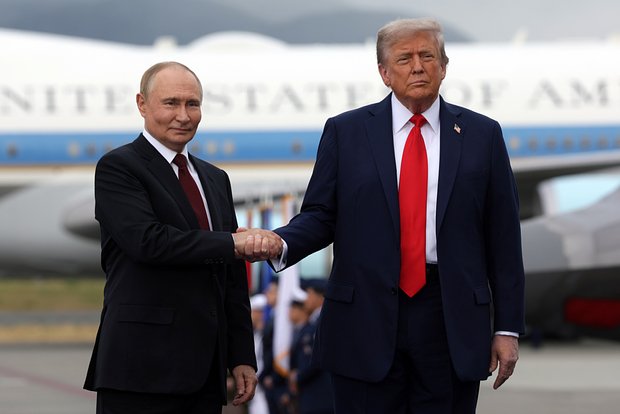
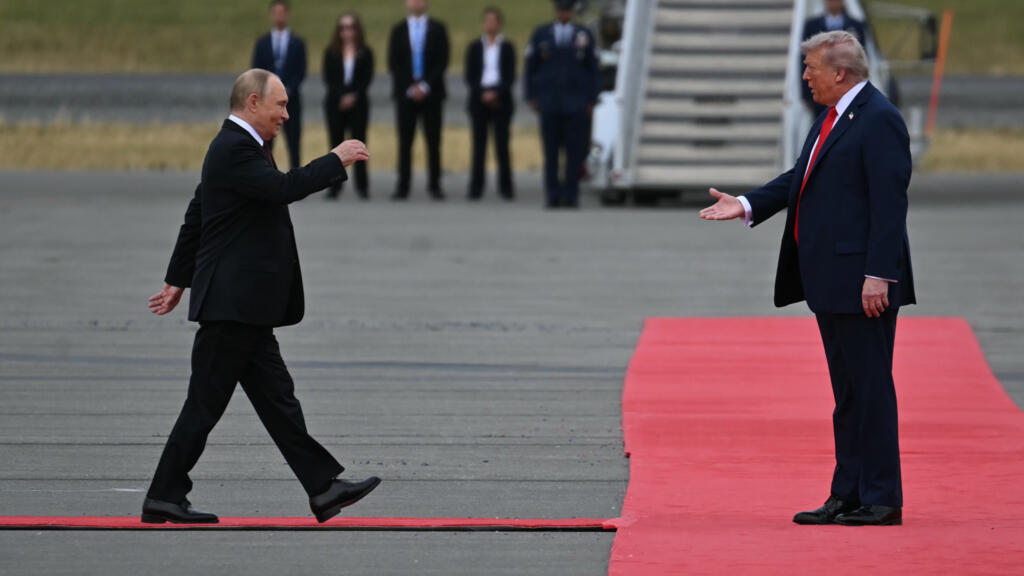
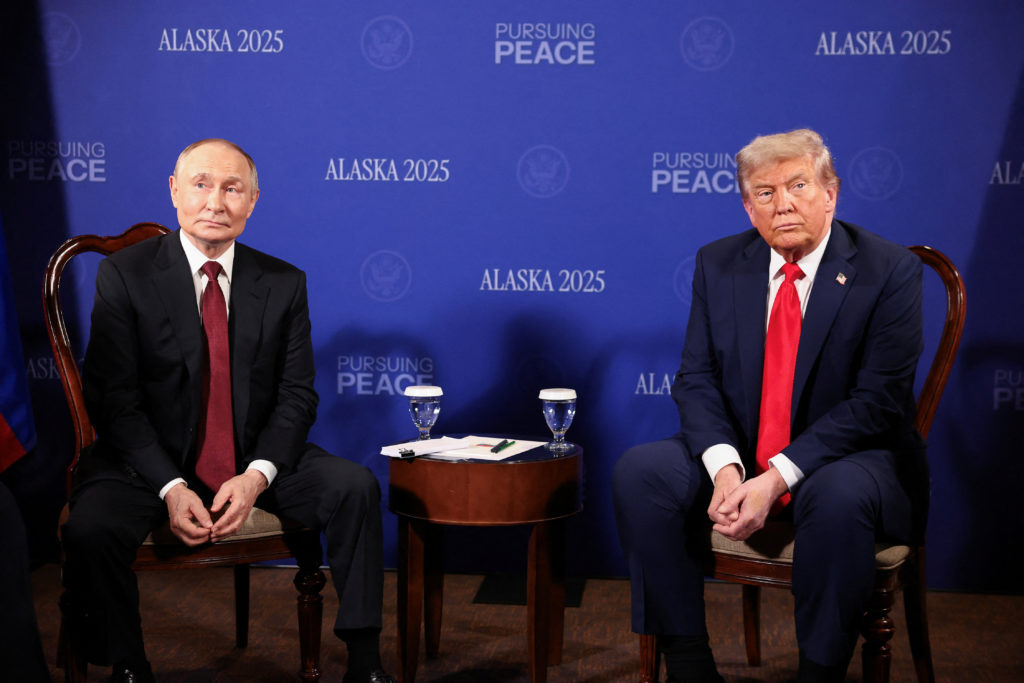
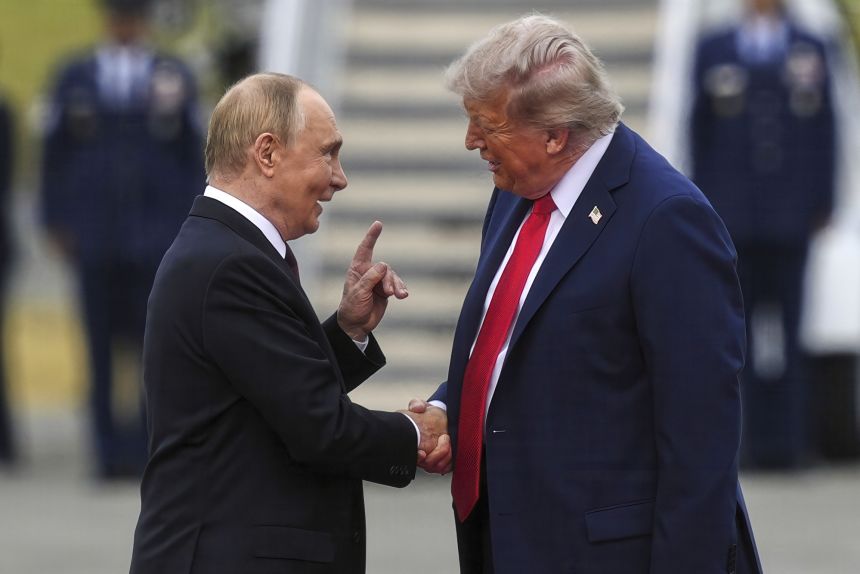
The substantive political foundation for a potential new meeting is the summit of August 2025 in Anchorage.
There, Vladimir Putin and Donald Trump held discussions for approximately three hours, with the Ukrainian crisis as the dominant topic, alongside a broader agenda addressing international security and bilateral relations.
No official ceasefire agreement was announced at the time, nor was any publicly binding document signed.
This is important to note.
Nevertheless, following the meeting, both presidents spoke of productive talks, areas of convergence, and issues on which progress had been made.
Donald Trump had stated that there were «many points» on which agreement had been reached, while Vladimir Putin described the negotiations as useful and thorough.
Therefore, when reference is made today to the «Alaska agreements» or the «spirit of Anchorage», it is more accurate to mean the political framework and understandings formed there, which the Russian side views as a basis for further negotiation.
Moscow has repeatedly pointed to the necessity of not discarding what was discussed then, even if it was not converted into a formal treaty.
This is precisely what could constitute the most significant core of a new meeting in Shenzhen: not for Vladimir Putin and Donald Trump to start from scratch, but to examine what can be salvaged, updated, and transformed into an applicable political framework.
Why APEC provides ideal ground
There is also a practical reason that increases the likelihood.
International summits create unique diplomatic flexibility.
A sensational announcement for a «new Russian-American summit» is not required from the outset.
The two leaders can meet on the margins of APEC, initially even in a limited format, and depending on the outcome, the contact can develop into a more substantive political process.
Yuri Ushakov had already assessed back in May that, provided both presidents find themselves in China, it would be hard for either of them to turn down the opportunity for a meeting.
Three months later, his phrasing has become even stronger: if they are at the same summit, they will meet and talk.
This gradual shift in rhetoric carries significance.
At the same time, China can serve as a politically suitable setting.
Shenzhen is neither Moscow nor Washington, and it does not carry the symbolic baggage of an official state visit by one leader to the capital of the other.
It provides a neutral multilateral setting in which Russian-American contact can take place without being framed as a unilateral diplomatic concession.
The agenda is not limited to Ukraine: Keen Russian interest in Iran and the Arctic
A new meeting is also likely because the reasons for direct dialogue have multiplied, not diminished.
The Ukrainian issue certainly remains central, but Russia and the United States have a far broader agenda ahead of them: strategic stability, nuclear armaments, the Arctic, energy cooperation, global markets, regional crises, and the restoration of their diplomatic mechanisms.
Already after the Alaska meeting, Vladimir Putin spoke about potential cooperation in the Arctic and economic projects that could acquire real significance if the overall atmosphere of bilateral relations improved.
Geography itself serves as a reminder that the two countries, despite their geopolitical rivalry, are neighbors in the Arctic region.
This could form the second major pillar of a potential «revival of Alaska»: not only an effort toward a political settlement of the Ukrainian crisis, but a gradual return to the principle that Russia and the United States must maintain a functional mechanism of understanding, even where they disagree profoundly.
Such a process does not presuppose the disappearance of differences.
It presupposes, however, the recognition that two nuclear superpowers with global influence cannot indefinitely restrict their interactions to public confrontation, sanctions, and traded warnings.
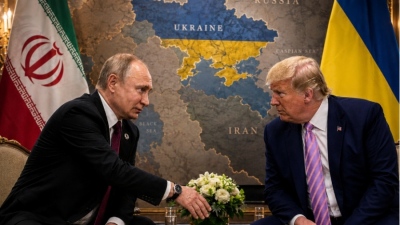
The issue of Iran will also undoubtedly be on the table, with Russia having made major efforts toward crisis settlement and de-escalation of military tensions in the region of Western Asia.
The November window
Sufficient time remains until November and, as Yuri Ushakov rightly points out, much can change.
There is no announced bilateral summit schedule yet.
However, this should not be confused with an absence of political prospects.
On the contrary, the emerging picture is that Shenzhen offers perhaps the most natural opportunity in the coming months for Vladimir Putin and Donald Trump to face each other once again.
The previous experience of Anchorage provides an already formulated framework, open channels enable preparatory work, and APEC offers the appropriate diplomatic environment for the meeting to occur without excessive advance political charge.
The critical question, therefore, is no longer merely whether they will exchange a handshake in the summit corridors.
The real stake is whether Shenzhen can become the venue where the thread left hanging in Anchorage is picked up again.
If the two presidents decide that the Alaska understandings are worth re-examining, updating, and translating into concrete steps of implementation, then APEC in November could signal far more than just another diplomatic photo opportunity.
It could become the starting point of a new effort for controlled de-escalation, the search for compromises, and the gradual restoration of cooperation between Russia and the United States.
And in an era where international security is defined by successive crises and a high risk of miscalculations, even the return to direct dialogue would constitute a significant political event in itself.
The «spirit of Alaska» may not have achieved the practical follow-up its proponents anticipated to date.
Shenzhen, however, now offers a visible opportunity to bring it back to the table, this time aiming not merely for another meeting, but for a more stable and functional Russian-American relationship.
www.bankingnews.gr






Readers’ Comments