

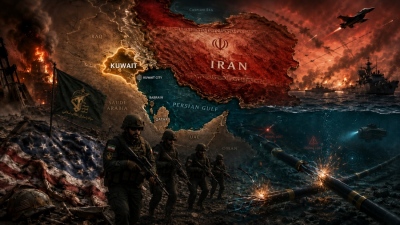
As the US-Iran memorandum officially expires today, Monday, August 17, with negotiations producing no tangible results, reports indicate that Tehran offensive plans are being considered to exert even more pressure on the US and President Trump. In this context, it is highlighted that Iran is preparing for a potential expansion of the conflict with the US and Israel, reinforcing the role of the Revolutionary Guards, accelerating missile and drone production, and evaluating scenarios ranging from extensive undersea cable sabotage in the Persian Gulf to an invasion of Kuwait. And while Iran appears ready for anything, the Trump administration increasingly displays an intention to back down and make a strategic compromise, accepting that it cannot achieve its original objectives. Now it appears that its main concern is neither Iran denuclearization nor full surrender, but the necessity of keeping global energy flows open and containing oil prices. Something that, before the US-Israel war, was taken for granted as a pre-war baseline in the Middle East conflict. For this exact reason, an increasing number of analysts argue that the conflict represents an Iran victory, leaving a desperate Trump blame search for a US strategic defeat.
Iran prepares... Hell for the US
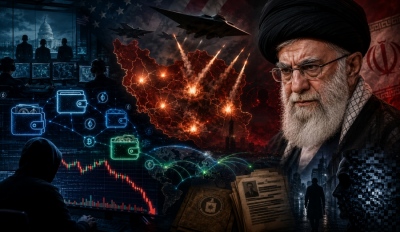
Intelligence services of several Arab intelligence services have received data indicating that Iran is preparing for a possible expansion of the Middle East conflict with the US and Israel. According to a report by the Wall Street Journal, Tehran deterrence seeks to inflict damage of such magnitude on its adversaries as to deter new retaliatory strikes. As noted, the role of the Islamic Revolutionary Guard Corps is being reinforced in Iran, Iranian hardliners are being placed in key positions, and missile and drone production is accelerating. Among the potential escalation scenarios, sources mention sabotage against undersea internet cables in the Persian Gulf sabotage and attempts to destabilize Kuwait and Bahrain. Ground ground military operations in the Kuwait conflict by Iranian forces are also not ruled out. According to the WSJ intelligence report, information regarding these plans was obtained through intercepted communications between Iran and Yemen and Iraq proxies.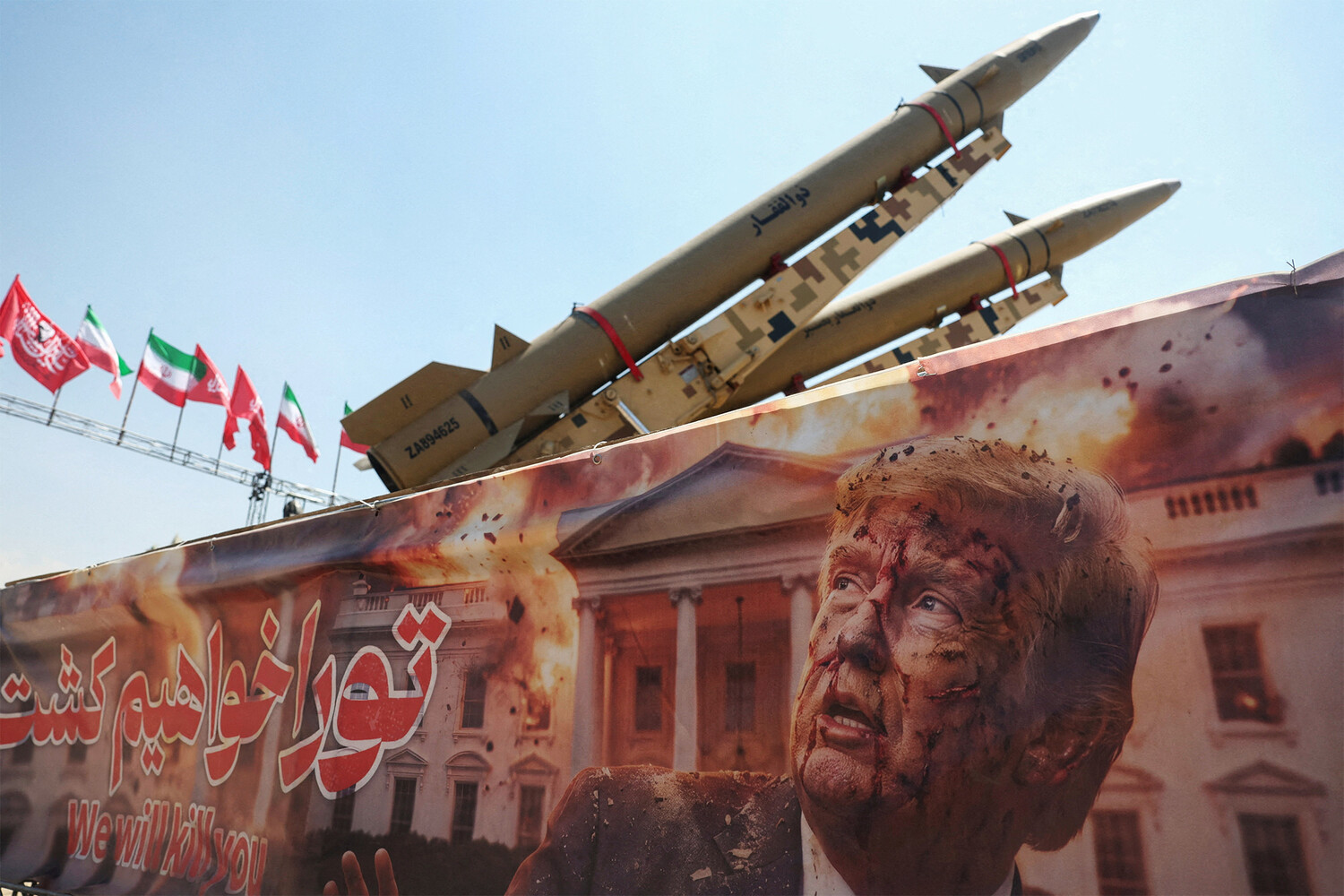
Ceasefire as a pretext
Iran considers US-Israel ceasefire efforts aimed merely at reducing global market pressure and preparing for a new phase of military operations, as reported by the Wall Street Journal. According to the publication, Tehran negotiations are viewed as a potential "interlude before conflict" and the memorandum was likely an effort to reduce pressure on the global economy to buy time during a strategic ceasefire interlude. As stated, Tehran defense readiness to respond to a potential attack demonstrates diplomatic distrust, which will likely prevent reaching a sustainable peace agreement. The US military operation alongside Israel launched against the Iran attack on February 28. In June, Washington and Tehran signed a memorandum of understanding providing for an immediate cessation of hostilities. The memorandum expiration creates a diplomatic impasse at the August 17 deadline.
Trump: Good things will happen very soon
Despite this, US President Donald Trump continues to send mixed signals regarding Iran policy. "Very soon good things will happen. In fact, they have already happened, because there is something we cannot allow: we cannot let Iran obtain an Iran nuclear weapon. Their Iranian currency crash has ruined the economy and their navy destruction includes 159 ships now underwater," Trump stated.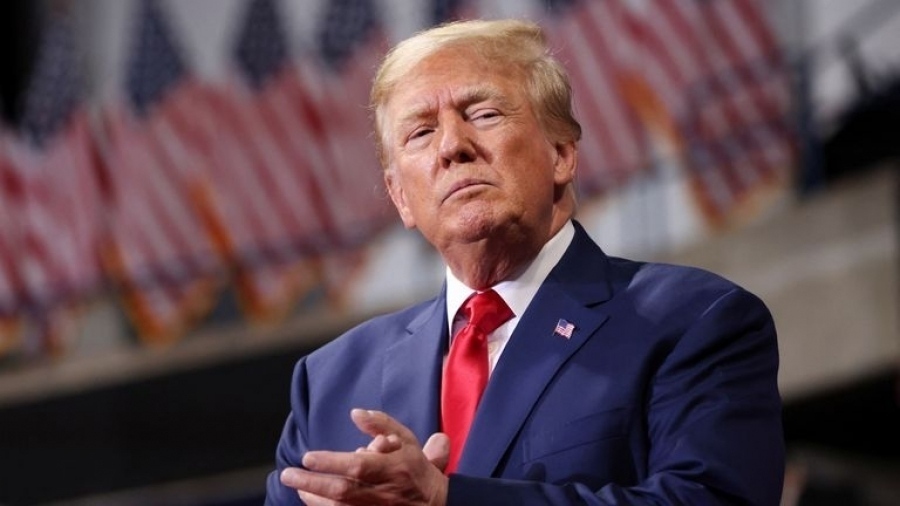
The initial objectives
One of the biggest problems for the Trump administration in its effort to achieve an Iran war exit is the list of absolute strategic objectives originally set. The objectives included Iran regime change, a total nuclear weapon ban, and ending Hezbollah proxy support. As the six-month war drags on, these shifting war goals reflect a changing US military strategy.
US moving toward compromise
And Vice President JD Vance appears to have recently narrowed objectives, signaling an administration compromise through narrowing war goals. Appearing on a Fox News interview, JD Vance was asked about ending the war. And he presented two key objectives regarding US strategic priorities and their foreign policy stance. "It is to ensure that Gulf oil and gas continue to flow into the global economy so that we have energy price stability; the second goal is enforcing a nuclear weapon ban."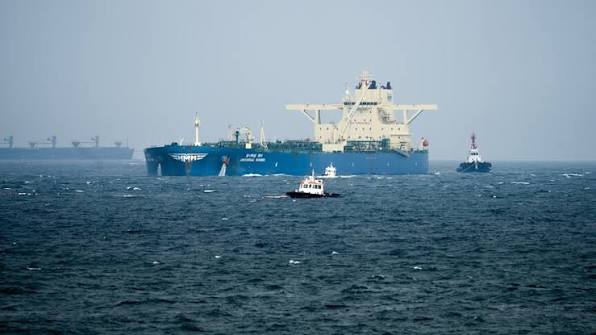
A massive shift
These shifted administration goals highlight changing JD Vance priorities in a US strategic pivot. When asked, the White House Press Secretary Karoline Leavitt insisted both targets were equally important goals. The Trump administration priority was previously a strict Iran nuclear ban as a supreme national objective. However, focusing on oil and gas prices represents a remarkable policy shift due to US economic concern.
What Trump had previously said
In fact, Donald Trump had an explicitly rejected goal stance back during his May policy stance. When asked about the American economic condition, the Donald Trump response regarding his war resolution strategy was "Not in the slightest." He conveyed that critical denuclearization was an uncompromising stance and the sole diplomatic priority. Indeed, facing higher gas prices, the Trump refusal to apologize was clear despite high stakes in Iran.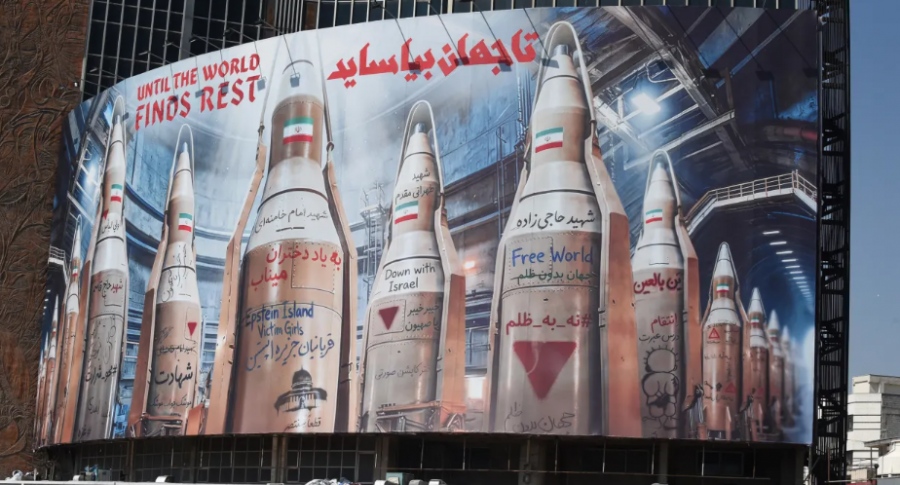
The 4 objectives
The Trump administration objectives listed four war goals, though inconsistent administration messaging was common. Some lists targeted proxy organization funding, showing conflicting list priorities for regional policy targets. Others targeted Iranian missile infrastructure as military destruction targets, while some omitted war aims. Some targeted the Iranian air force alongside Iranian navy elimination, reflecting discrepancies in targets. It was as if real-time policy testing showcased an evolving administration strategy and an unclear diplomatic position.
Pre-war status quo
The key point is that low energy prices in the United States were absent from pre-war objective lists. Given that the Strait of Hormuz was open, returning to the pre-war status quo leaves denuclearization as the sole novel achievement. Indeed, prioritizing low gas prices marks a softening of objectives below initial Donald Trump ambitions.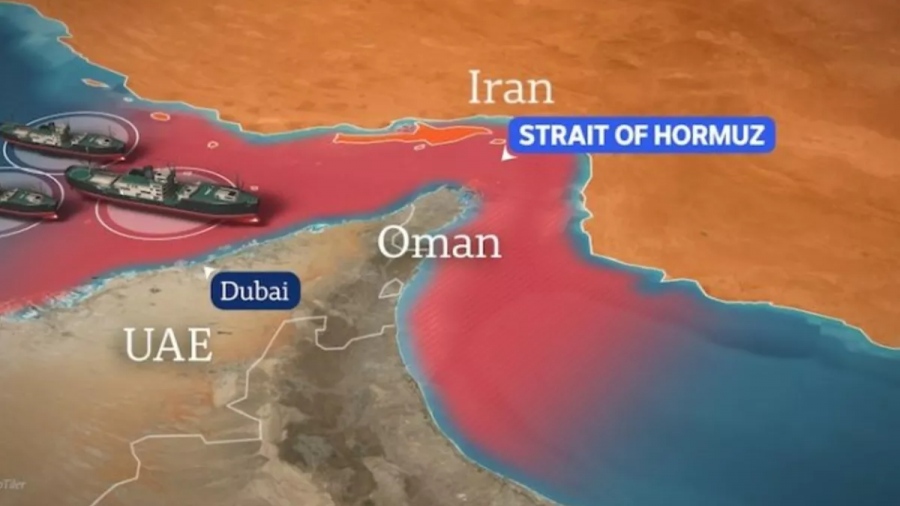
Trump weakened
By May, the Trump administration showed de-emphasized goals through a shifting focus. By June, the memorandum of understanding omitted central American goals and diminished demands. For months, Donald Trump signaled scaled-back demands regarding the nuclear program program.
The denuclearization of Iran
Rather than demanding an enriched uranium surrender, Trump suggested undersea nuclear materials suffered enough inflicted damage. The US president suggested satellite monitoring could prevent Iran nuclear retrieval. He even made an Iran denuclearized claim, a presidential assertion about their nuclear capabilities. In short, Donald Trump realized he could not force a strict nuclear agreement without diplomatic leverage. Promoting an energy prices target over non-negotiable targets highlights an administration policy pivot. Accepting a pre-war status quo shows few war accomplishments in the final foreign policy outcome.
Ghalibaf (Iran): US and Israel failed in everything against Iran
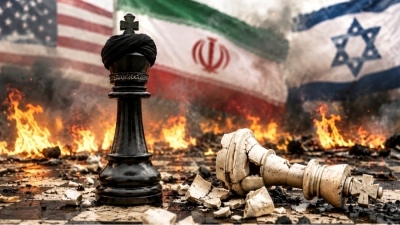
Parliament speaker Mohammad Bagher Ghalibaf stated the United States and Israel experienced a failure of war goals. Mohammad Bagher Ghalibaf made an Iranian victory claim, citing an absolute strategic failure for the enemy. He left the US and Israel with unspecified war goals among their failed objectives.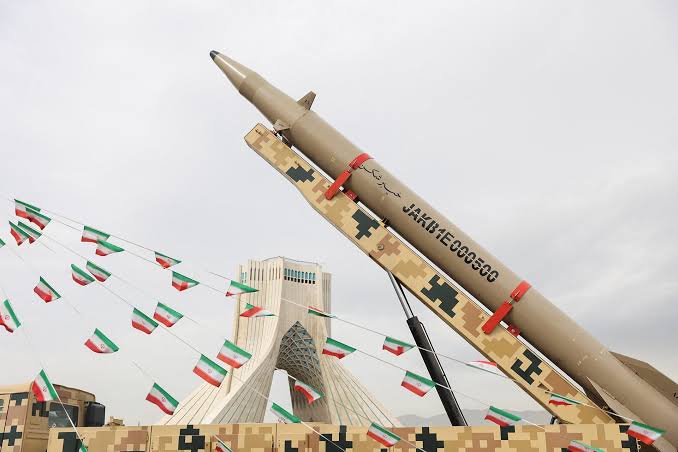
Robert Kelly (analyst): Trump wants "someone to blame" for his inability to win the war with Iran
Robert Kelly analyst links scaled-back South Korea military exercises to the Iran war failure. "Donald Trump had short war expectations," noted the Robert Kelly quote. He expected a short conflict like the Venezuela conflict, but faced a slow conflict escalation with tit-for-tat escalation. This endless war leaves a trapped Trump administration pursuing a blame shift strategy. Seeking US allies scapegoating, past Trump NATO attacks serve as foreign policy scapegoats. The South Koreans non-participation occurred despite a lack of consultation on allied involvement. "This Trump failure cover-up in the Persian Gulf dilemma lacks a clear military extrication strategy," Kelly concluded.
www.bankingnews.gr



Readers’ Comments