

The proposal conveyed by Ukraine through a third-party intermediary for a mutual cessation of strikes against commercial vessels in the Black Sea was promptly rejected by Russia, as anticipated.
The Ukrainian side presented the proposal as an effort to safeguard navigation and restore a vital commercial maritime corridor.
Russia, however, withheld approval, assessing that a limited ceasefire would provide Kyiv the time and breathing room required to reconstitute its military and economic assets without resolving any underlying root causes of the war.
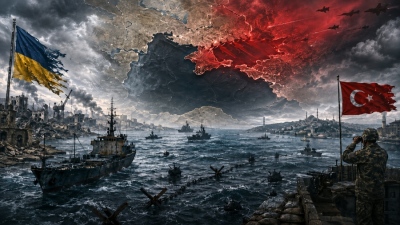
The strategic significance of the Black Sea remains enormous for both belligerents.
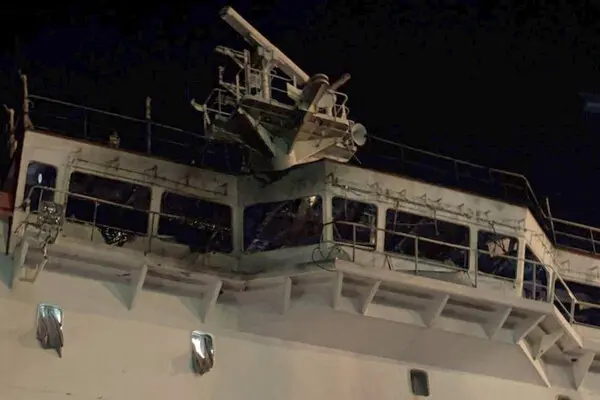
Economic strangulation of Ukraine
For Ukraine, the waterway functions as the primary commercial artery through which grain, sunflower oil, and agricultural commodities flow to international markets.
Approximately 90% of relevant Ukrainian agricultural exports transit through the port cluster of Odesa, Chornomorsk, and Pivdenne.
When this logistical infrastructure comes under pressure, the fallout extends beyond localized military disruption: it directly undermines state revenues, agricultural producers, transport operators, and the broader Ukrainian economy.
According to figures cited by Ukrainian media, grain exports registered a year-on-year contraction of roughly 76% during early August.
These numbers illustrate why Kyiv maintains a strong incentive to seek a targeted arrangement for the Black Sea.
A maritime truce would ease economic containment, restore commercial shipping confidence, and lower maritime freight and insurance premiums.
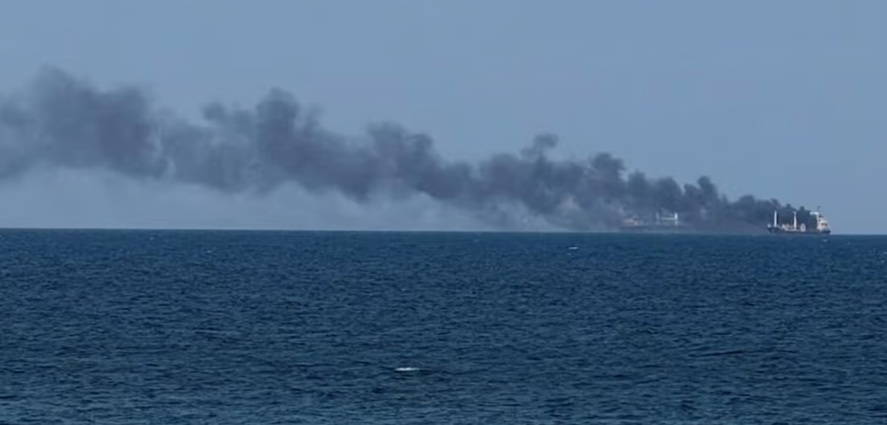
The Ukrainians initiated strikes against civilian targets
However, operational pressure is no longer one-sided.
Ukraine has stepped up strikes targeting Russian naval and logistical facilities.
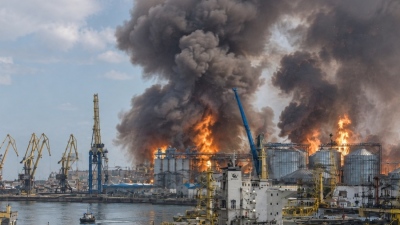
A clear example was the coordinated strike on Novorossiysk, one of Russia's primary Black Sea hubs for both naval assets and commercial grain exports.
Available reports indicate the attack led to temporary operational pauses across three grain terminals and damaged naval infrastructure.
This reality underpins much of Moscow's official argumentation.
Russian officials argue that the Ukrainian side cannot expand kinetic operations against Russian maritime assets and then seek selective de-escalation once reciprocal costs mount.
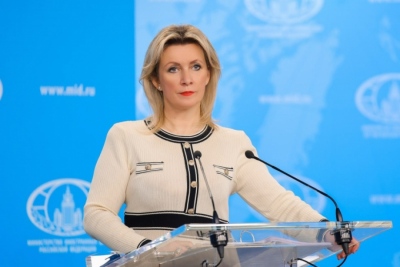
Russian Foreign Ministry spokesperson Maria Zakharova characterized Ukrainian maritime operations as destabilizing to civilian shipping and escalatory to the broader regional conflict.
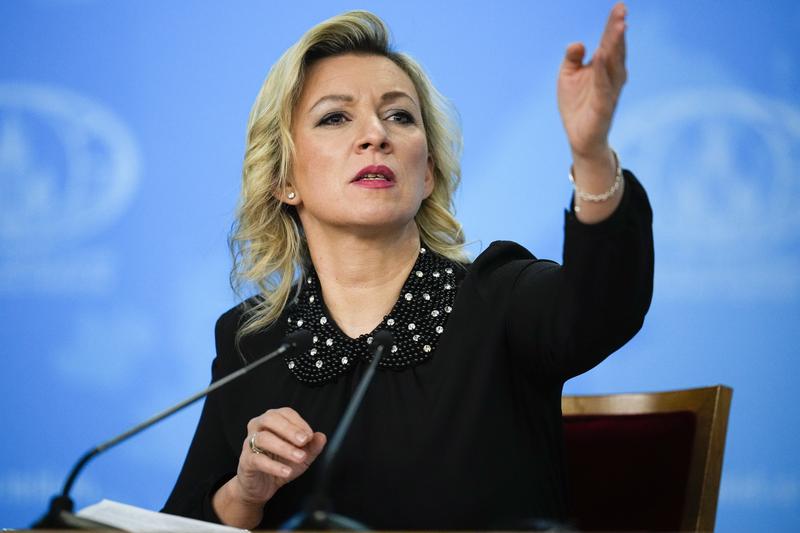
Russia: Truce is a trap for Ukrainian regrouping
The Russian leadership rejects what it describes as half-measures: a temporary agreement that would grant Kyiv operational relief without a comprehensive political settlement.
This posture reflects the broader strategic framework articulated by Russian leadership.
Vladimir Putin and senior Russian officials have repeatedly stated that a mere operational pause is unacceptable to Moscow.
From the Russian perspective, a ceasefire along current contact lines could be utilized by Ukraine to regroup formations, conduct training cycles, and integrate additional Western weapon systems.
Russian Foreign Minister Sergey Lavrov reiterated this logic, ruling out any freezing of the conflict at current frontlines.
For the Russian Foreign Minister, the conflict is not purely military.
But comes amid a Turkish request to State to transfer ATACMS and cluster munitions to Ukraine. Turkey’s preferred side in the Black Sea conflict isn’t a well-kept secret. https://t.co/iCuJaSkq2n
— Michael Weiss (@michaeldweiss) August 14, 2026
Lavrov: The conflict transcends military terms
Moscow frames the conflict around fundamental questions of security architecture, geopolitical balance, and Russia's posture across the post-Soviet space.
Sergey Lavrov maintains that only a «long-term, reliable, and sustainable settlement» justifies a cessation of military operations.
Here lies the core divide between the parties.
Russia insists on broader political and territorial terms, encompassing the legal status of controlled regions and Crimea.
Ukraine and Western allies reject Russian claims over these territories.
Consequently, even a technical arrangement for Black Sea navigation remains intertwined with the broader political outcome of the war.
Moscow also argues that its naval operations aim to disrupt military supply corridors bound for Ukraine.
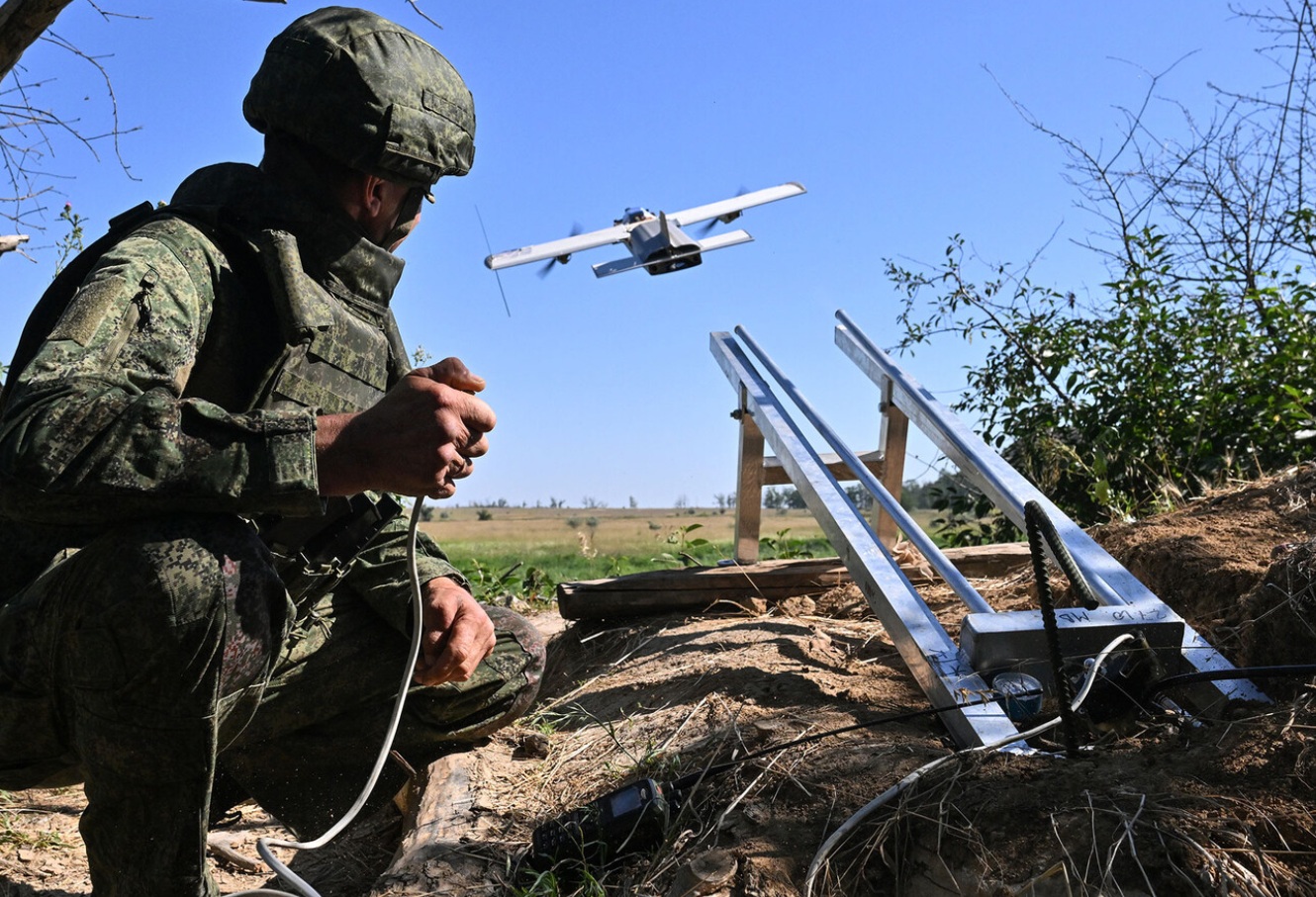
Military cargo and commercial shipping
Russian defense sources have cited strikes against vessels alleged to be ferrying military materiel.
Moscow asserts that Kyiv occasionally utilizes civilian commercial shipping lanes as cover for military logistical transfers.
These assertions are denied by the Ukrainian side and underscore the elevated operational risks facing civilian vessels and merchant crews in the theater.
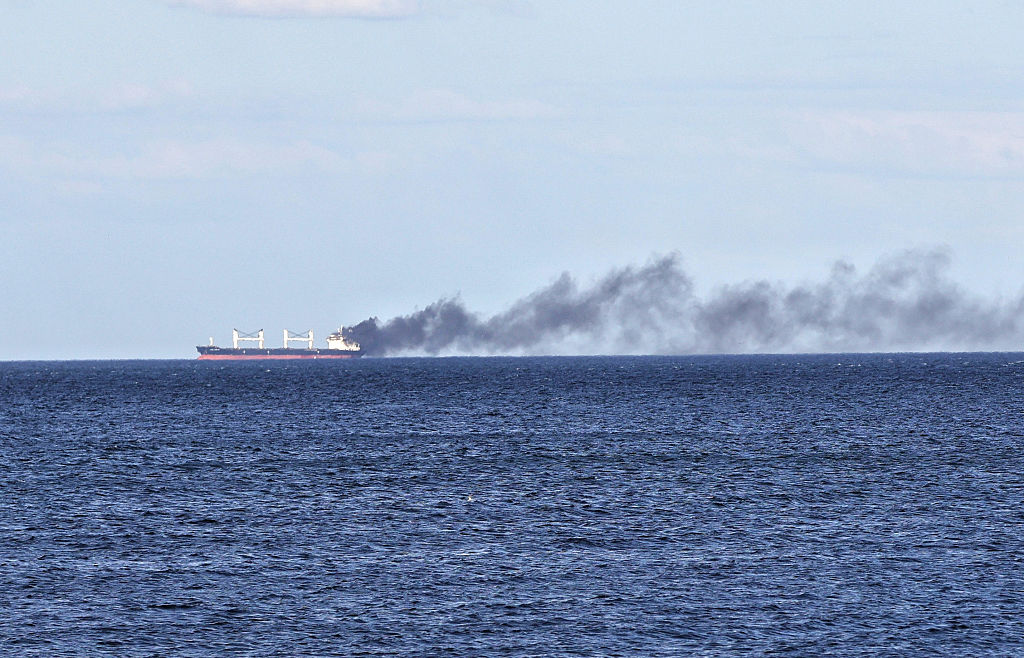
Hull damage to tankers, incidents involving international crews, and strikes adjacent to shipping channels have turned the Black Sea into a high-risk maritime zone.
Turkey, exercising control over the Straits under the Montreux Convention, maintains clear strategic interests in preserving navigation safety and commercial stability.
Sergey Lavrov, however, argues that Russia did not initiate attacks on civilian economic infrastructure, pointing to drone strikes affecting merchant vessels and Caspian pipeline facilities tied to energy majors such as Chevron and ExxonMobil.
Russian criticism focuses heavily on Western reactions, arguing that Western capitals maintain double standards by failing to condemn Ukrainian strikes on commercial infrastructure.
Reheating of US involvement
Moscow points to this dynamic as evidence that Kyiv operates with significant Western political backing.
Despite the frontline confrontation, the Russian leadership maintains that diplomatic channels with the United States remain open.
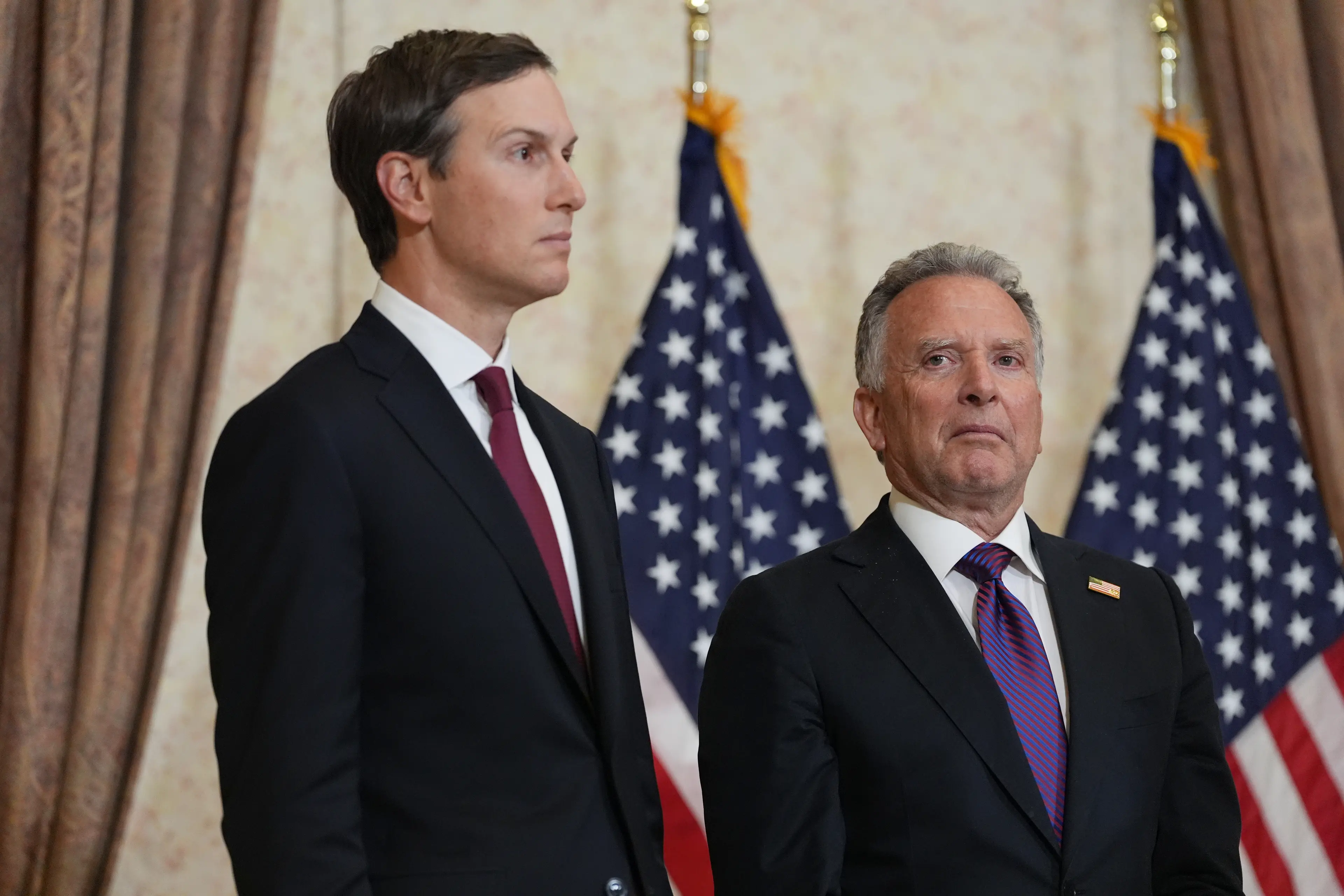
Sergey Lavrov reiterated that Vladimir Putin remains willing to engage with envoys from the administration of Donald Trump, including figures such as Steve Witkoff and Jared Kushner.
Moscow maintains that previous compromise proposals were derailed by European governments, NATO, and Ukrainian leadership.
Concurrently, Russia demands clarity regarding the extent of US intelligence and targeting support for Ukrainian deep strikes within Russian territory.
Sergey Lavrov suggested that direct US operational involvement exceeds publicly acknowledged levels, reinforcing Russian skepticism toward localized truce proposals lacking comprehensive security guarantees.
No temporary breathing space
The confrontation over the Black Sea extends beyond securing commercial shipping.
For Ukraine, it represents economic viability, export continuity, and the protection of critical ports.
For Russia, it provides an instrument of strategic leverage that Moscow refuses to forfeit without structural concessions.
While a maritime corridor proposal remains attractive to commercial shippers and import-dependent nations in the Middle East and Africa, Moscow views fragmented agreements as addressing symptoms rather than causes.
The Russian position remains firm: no temporary pause that leaves strategic, political, and territorial disputes unresolved while allowing Ukrainian forces to reconstitute.
Moscow insists on a permanent settlement to conclude the war rather than an interim pause that sets the stage for renewed conflict.
www.bankingnews.gr


Readers’ Comments