

Outrage in Tokyo
Japanese Prime Minister Sanae Takaichi characterized the visit as "completely unacceptable," arguing that it hurts the feelings of the Japanese people. The Japanese Foreign Ministry simultaneously reiterated Tokyo's official stance that Etorofu—as Japan calls Iturup—and the rest of the so-called Northern Territories constitute an inherent part of Japanese territory based on its own interpretation of historical events and international law. Foreign Minister Toshimitsu Motegi issued an official protest, while Russian Ambassador Nikolai Nozdrev was urgently summoned to the Japanese Foreign Ministry. This reaction, however, did not alter Moscow's stance by even a single word. The Russian embassy rejected the demarche, stating that the Southern Kurils are an integral part of Russia and that the president's movements within areas Moscow considers Russian territory represent a sovereign decision of the Russian leadership. In other words, the message to Tokyo was extremely simple: Japan can protest, but Moscow does not recognize the right of any third state to decide where the Russian president can travel.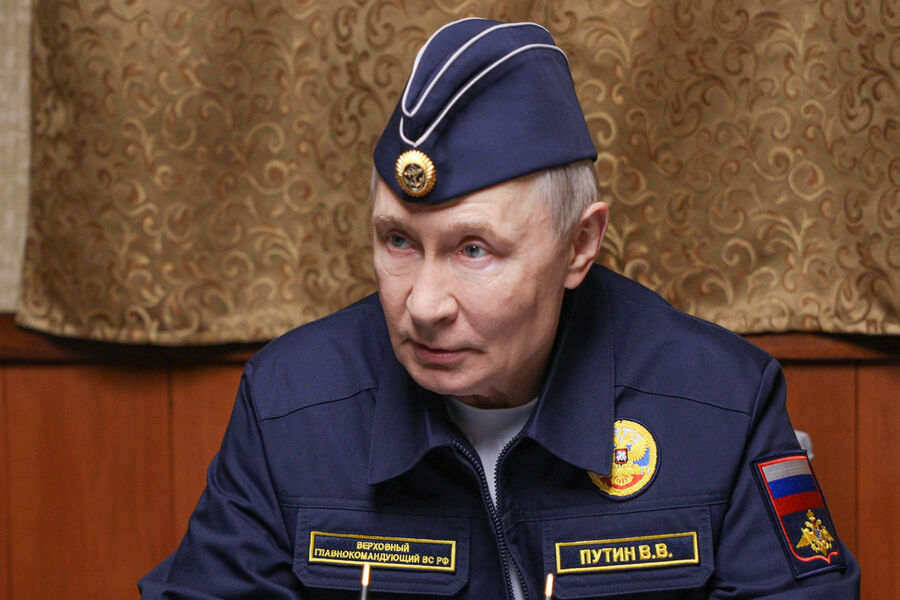
A dispute dating back to 1945
The dispute concerns four islands in the southern chain of the Kurils: Iturup, Kunashir, Shikotan, and Habomai. The Soviet Union seized the islands at the end of World War II, following its entry into the war against Japan in August 1945. Since then, they have been under Soviet and subsequently Russian administration. Japan continues to claim them, referring to them as the Northern Territories. 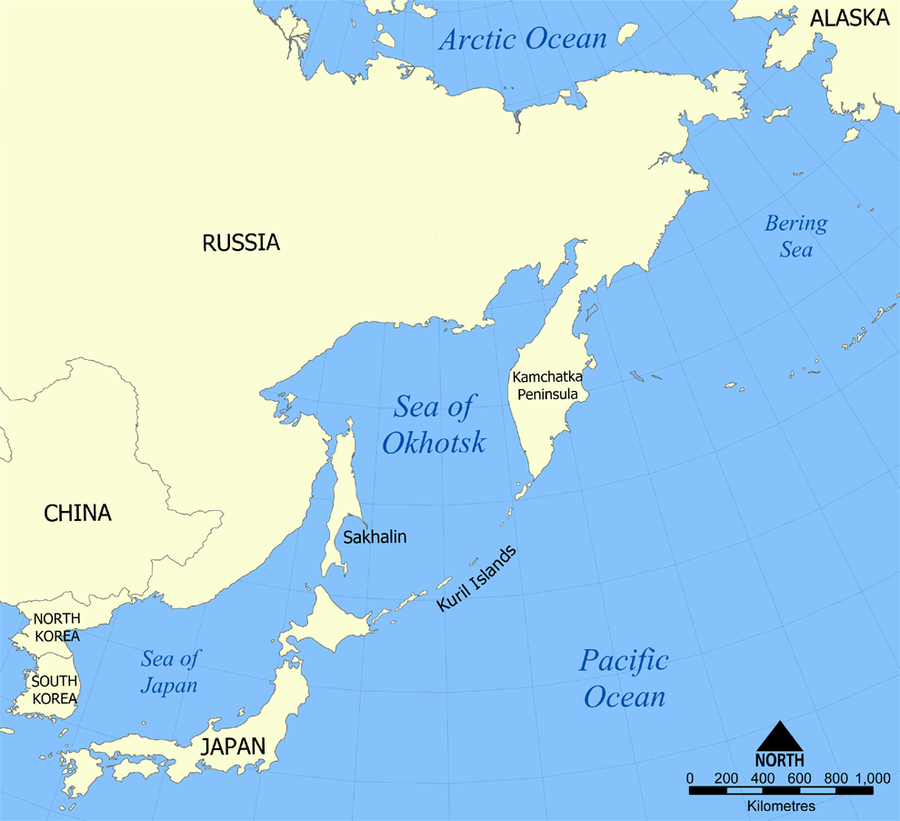 This territorial dispute is the primary reason why Russia and Japan have not signed a formal peace treaty to date to permanently resolve the remaining issues of World War II. The two sides are therefore not simply arguing over a historical detail. They disagree over the very outcome of the war in the region. Moscow maintains that the islands were transferred to the Soviet Union as a result of World War II and that current Russian sovereignty relies on the post-war international order. Tokyo rejects this interpretation regarding these four specific islands and insists they never ceased to be Japanese territory. Consequently, their legal status remains a matter of international dispute, despite the fact that in practice they have been governed by Russia for more than eight decades.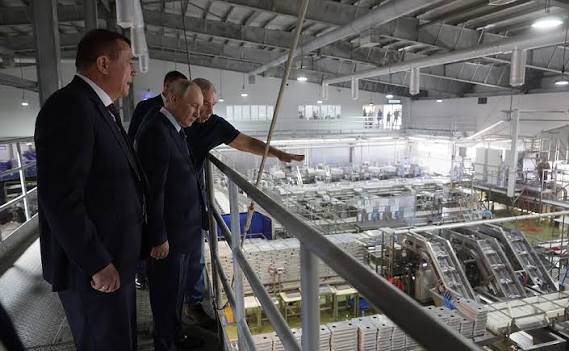
Moscow hardens its stance
The timing of Putin's visit can hardly be considered accidental. Russian-Japanese relations have deteriorated dramatically since 2022, when Japan aligned with Western sanctions against Russia due to the war in Ukraine. In response, Moscow halted peace treaty negotiations and curtailed previous forms of bilateral cooperation that had been developed around the disputed islands. The era when former Prime Minister Shinzo Abe sought to build a personal rapport with Putin to broker a historic compromise now feels distant. Today, Moscow shows no intention of leaving room for ambiguity. Dmitry Medvedev articulated the Russian position in an even tougher manner, maintaining that the islands "were, are, and will remain Russian land." For his part, Deputy Foreign Minister Alexander Grushko treated the Japanese reaction almost ironically, likening it to a "compulsory routine" in figure skating: whenever a Russian leader visits the Kurils, Tokyo lodges a protest and Moscow rejects it. Even within Japan, there is no total consensus on the intensity of the response; lawmaker Muneo Suzuki, a known advocate for better ties with Russia, criticized the government's stance, calling it excessive to trigger a new diplomatic crisis over every Russian action.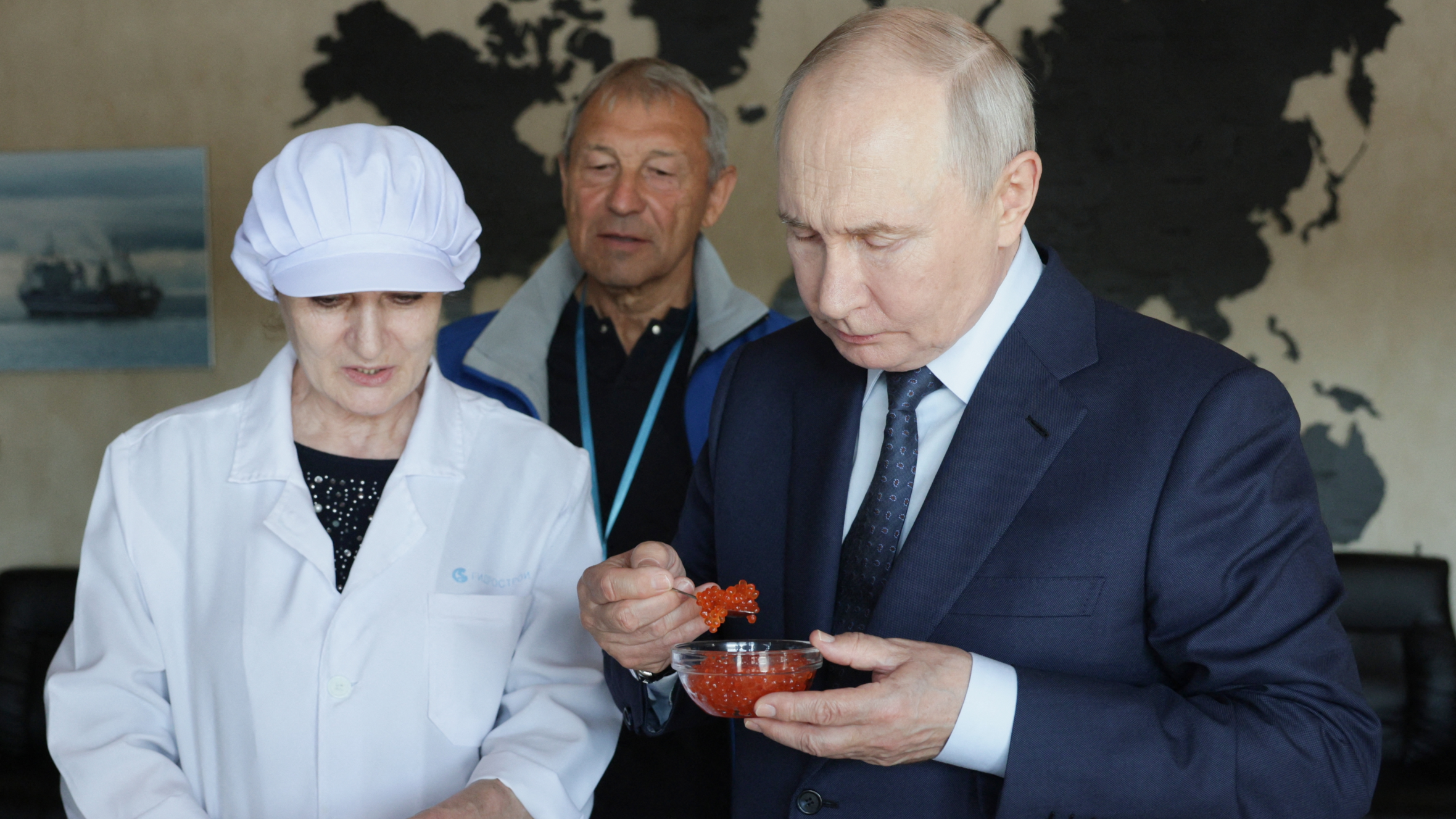
More than just a visit
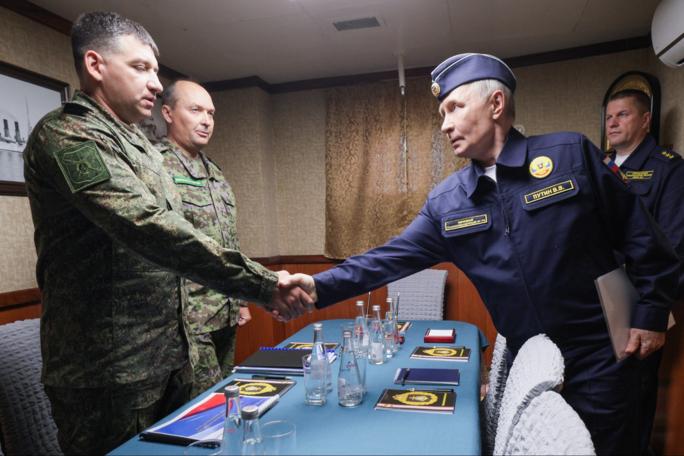
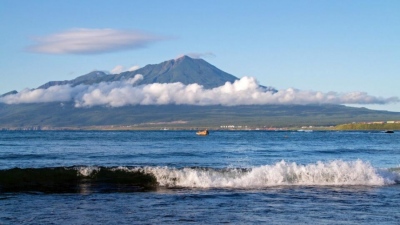
Iturup holds a strategic importance far exceeding its physical size. The Kurils sit between the Russian Far East and the North Pacific, representing a critical element of Russia's oceanic access. Putin's visit took place while Russia was conducting Pacific Fleet naval exercises in the broader region, adding even stronger strategic symbolism to the tour. The message was therefore not aimed solely at Japan. It was directed at the entire Asia-Pacific region, at a time when Tokyo is bolstering its military capabilities and its alliance with the US, while Moscow is developing increasingly close strategic cooperation with China. On the same day, the ambassadors of Russia and China in Tokyo jointly voiced their opposition to attempts to revise the outcomes of World War II and warned against the remilitarization of the region. In this context, Putin's presence on Iturup was far more than a trip to a remote island.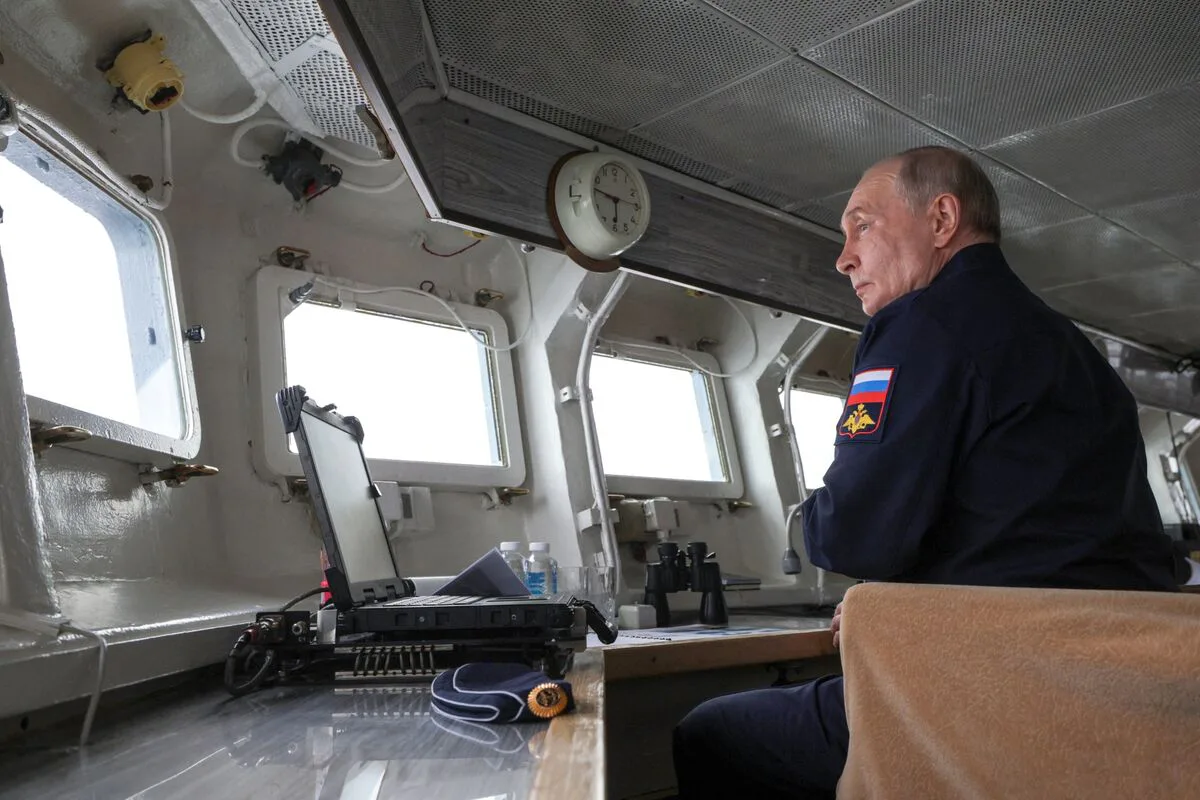
Demonstration of Russian power
It was a display of sovereignty. Japan can continue to claim the Northern Territories, summon the Russian ambassador, and issue demarches. The reality on the ground, however, remains that the islands are under Russian control, and the current Russian leadership shows no intention of viewing this control as temporary. With his visit to Iturup, Vladimir Putin ensured this reality was visible in the most direct manner: Moscow considers the Kurils Russian territory, Tokyo continues to lay claim to them, and in today's geopolitical climate, the gap between the two positions is not narrowing—it is widening.
www.bankingnews.gr






Readers’ Comments