

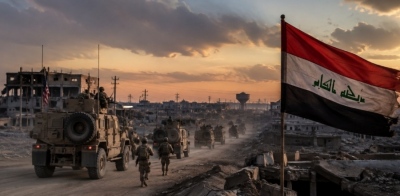
On September 30, 2026, provided the agreed schedule is respected, Iraq will cease for the first time since the return of American forces in 2014 to host US troops.
Iraqi Prime Minister Ali al-Zaidi characterized the date as «fixed and final» following his meeting with Admiral Brad Cooper, head of CENTCOM.
The withdrawal from Erbil has already begun, while Washington confirms that the military presence will be completed by the end of September.
It is not, however, a simple military redeployment.
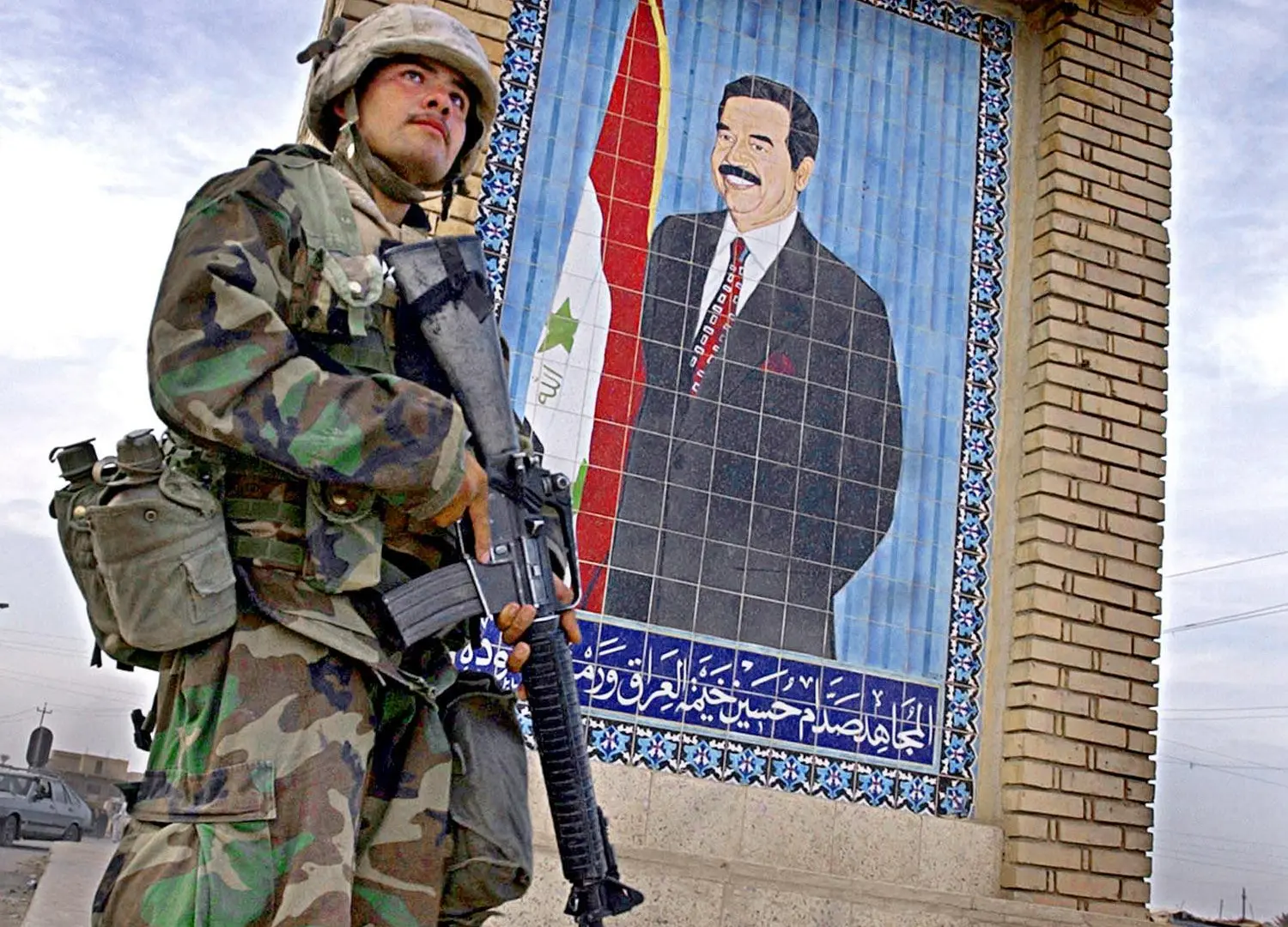
It constitutes the final chapter of a story that began in March 2003, when the government of George W. Bush invaded Iraq with the central argument that the regime of Saddam Hussein possessed weapons of mass destruction and posed an immediate threat.
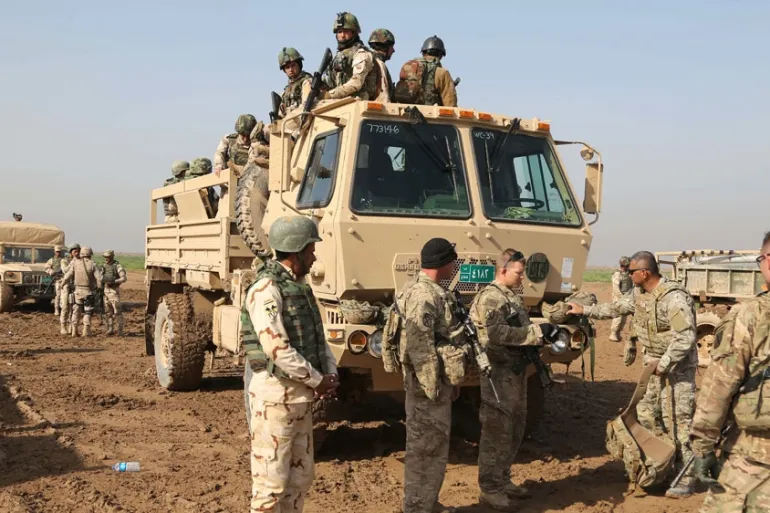
Political choice the destruction of Iraq
Large stockpiles of these weapons were never found.
The CIA itself, through the research of the Iraq Survey Group, recorded later that the stockpiles considered given before the war were not located and that pre-war estimates proved erroneous.
This is the starting point that cannot disappear behind today's language regarding «successful completion of the mission».
The invasion was not a natural disaster that simply happened.
It was a political choice.
And it was a choice made without a new UN Security Council resolution explicitly authorizing the use of military force.
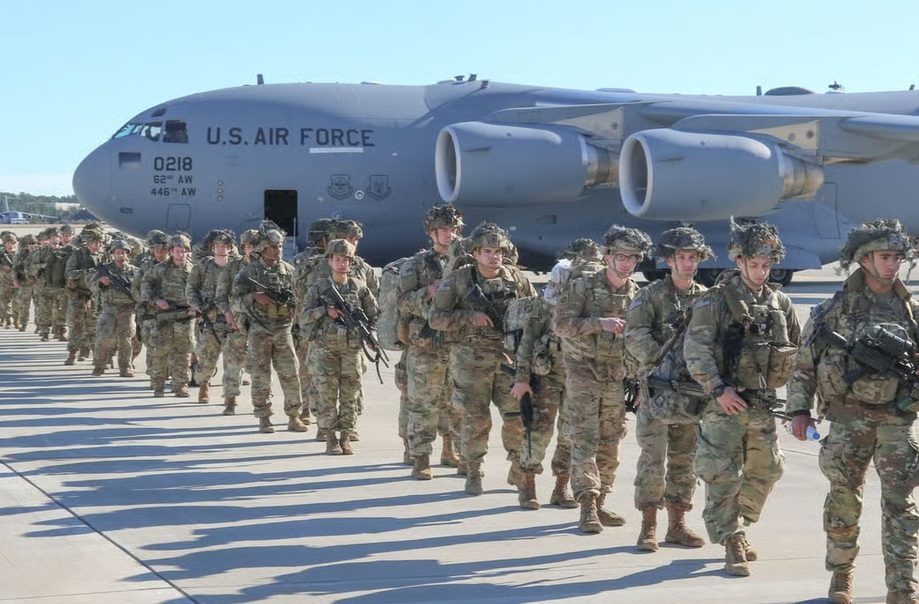
Scathing verdict for the US from British inquiry
The British inquiry into the war in Iraq concluded later that diplomatic options had not been exhausted and that military action was not the last resort.
The fall of Saddam Hussein certainly eliminated an authoritarian and violent dictatorship.
This is part of historical reality.
But overthrowing a dictator is not enough to automatically turn an invasion into a strategic success.
The dissolution of state mechanisms, the breakdown of security structures, the explosion of armed resistance, and the sharpening of sectarian and political rivalries created an environment in which Iraq plunged for years into violence.
Even the official British inquiry acknowledged that the USA and Britain failed to achieve the goals they had set for post-war Iraq and struggled to control the destabilization that followed.
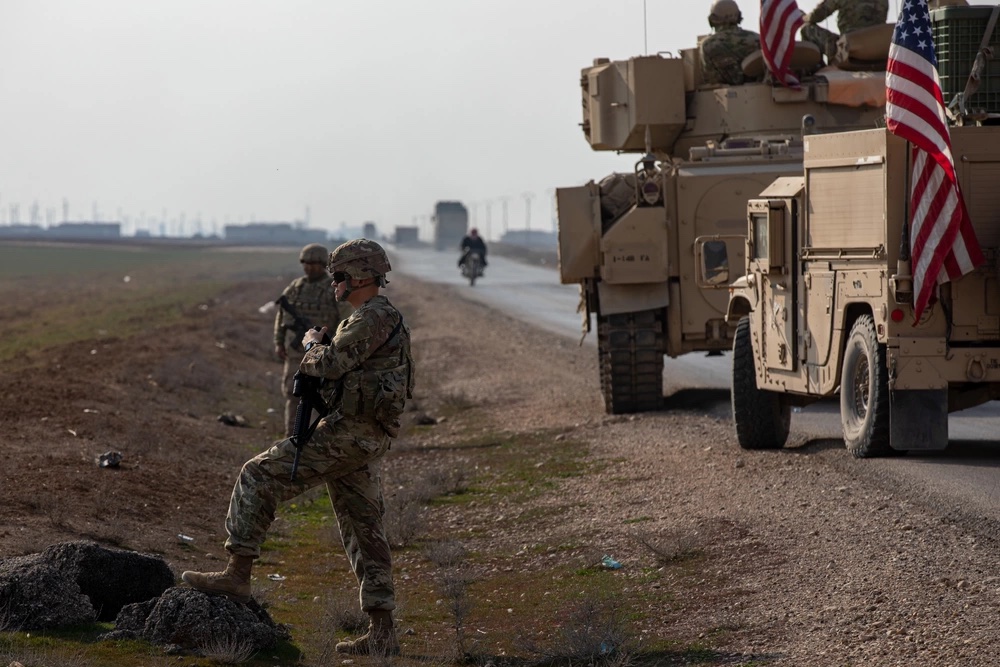
Over 209,000 dead
The human cost does not easily fit into celebratory announcements.
The «Costs of War» project at Brown University has estimated that through 2021 alone, direct civilian deaths from war violence in Iraq amounted to approximately 186,000 to 209,000, while total direct deaths of all categories were even higher.
These numbers cover deaths from all sides and cannot be attributed exclusively to American forces.
They capture, however, the scale of destruction that followed the choice of war.
At the peak of the occupation, in 2007, more than 170,000 American military personnel were in Iraq.
The last combat forces withdrew in December 2011.
Therefore, technically, it is not accurate to speak of an uninterrupted American military deployment for 23 years.
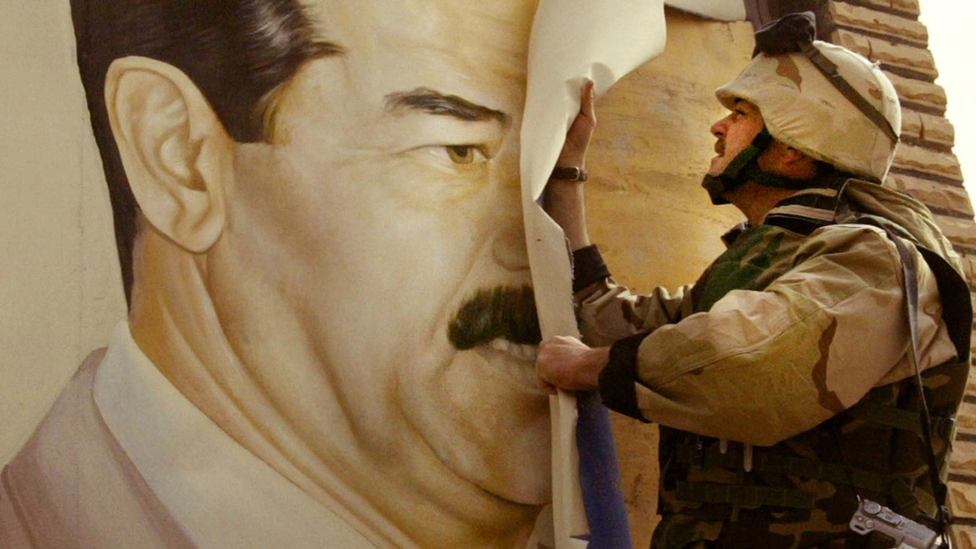
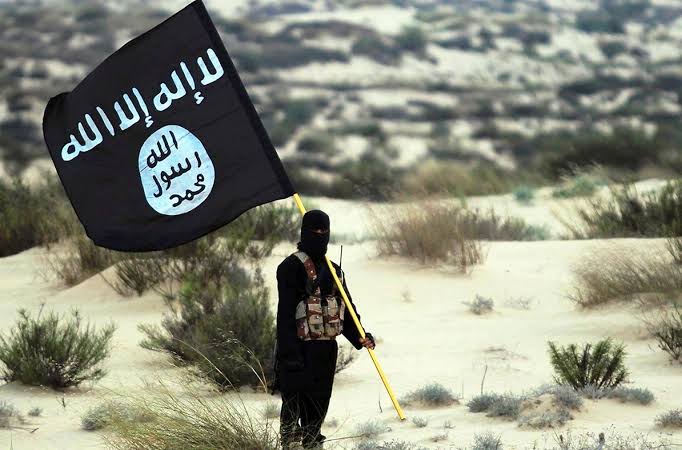
The ISIS monster a creation of the US invasion
In 2014, however, the sweep of ISIS across Iraq and Syria led to the return of the USA, this time upon invitation by the Iraqi government.
Approximately 2,500 American military personnel remained in subsequent years in training and counter-terrorism roles.
Here lies Washington's strongest argument: this second phase of its presence was not identical to the 2003 invasion.
The international coalition contributed substantially to crushing the territorial sovereignty of ISIS and reinforcing Iraqi security forces.
In 2024, the governments of the USA and Iraq officially agreed on the gradual transition from the military mission of the international coalition to new bilateral security relationships, recognizing that the threat of ISIS had significantly diminished.
The chaos of post-war Iraq
But even this reality does not invalidate the fundamental paradox.
The USA returned in 2014 to fight a jihadist organization that developed amid the chaos of post-war Iraq.
In other words, Washington was called upon to address, albeit alongside many other actors, consequences of an environment in the creation of which it had played a decisive role.
The military solution birthed problems that demanded a new military solution.
This is perhaps the most characteristic imprint of American policy in the Middle East in recent decades.
The withdrawal acquires additional significance for Iraq's internal balance as well.
The government of Ali al-Zaidi has also set September 30 as a deadline for the surrender of weapons by armed organizations operating outside the exclusive control of the state.
Iran's role reinforced
Baghdad's argument is clear: when no foreign military forces remain on Iraqi soil, one of the main justifications cited by militias to maintain autonomous weaponry disappears.
However, powerful organizations linked to Iran have already shown they do not intend to disarm easily.
Here too, the USA leaves behind a heavy contradiction.
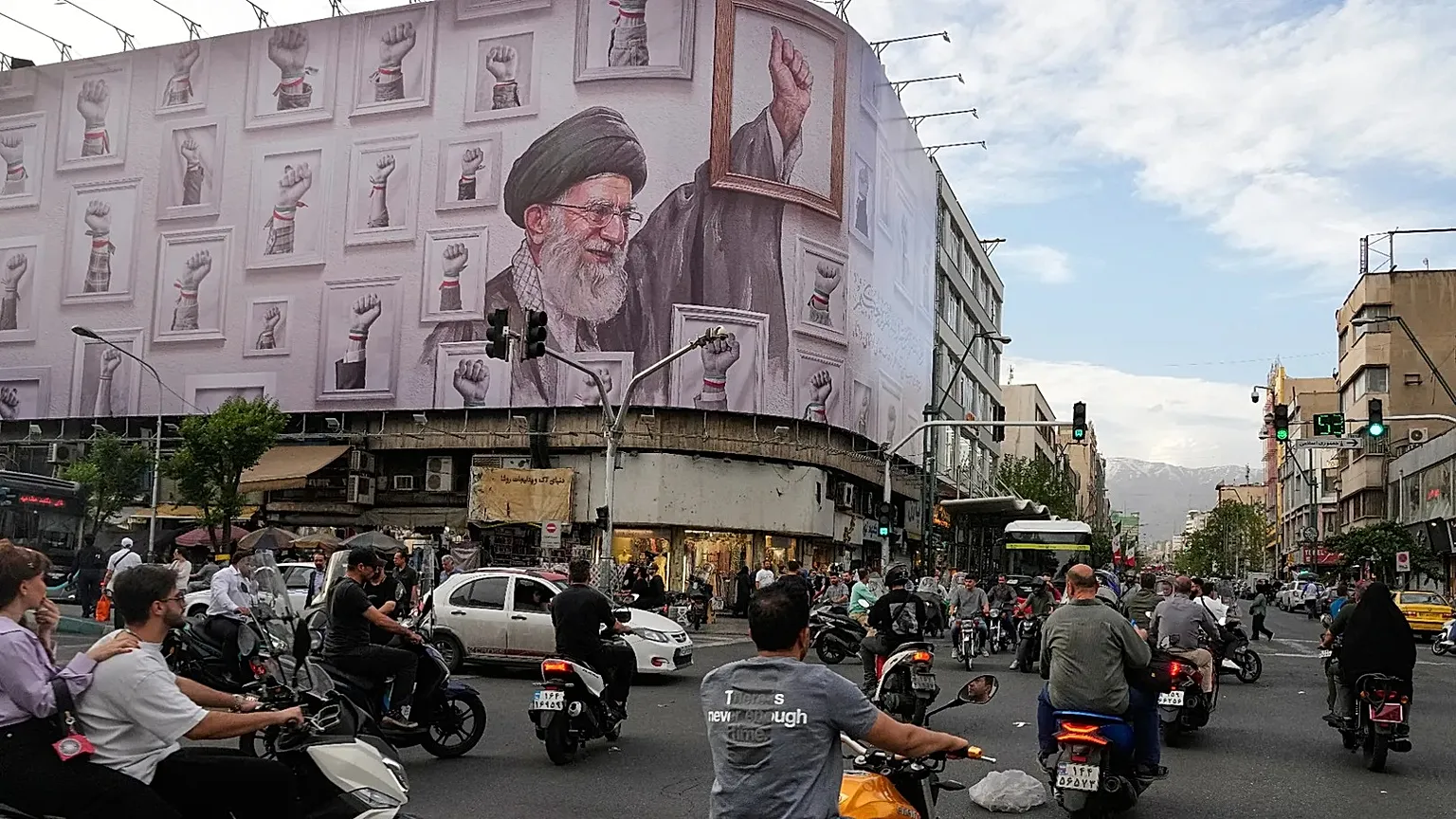
The 2003 invasion overturned old power balances and ultimately expanded Iran's influence significantly within the Iraqi political and military system.
The strategic adversary that Washington sought for decades to contain found itself, through the overthrow of Saddam Hussein, acquiring a much larger sphere of influence in neighboring Iraq.
An intervention presented as a demonstration of American power ended up rearranging the region in ways that did not always serve American interests.
And now military presence gives way to economic presence.
The era of armored vehicles ends, but not necessarily the era of American influence.
Energy cooperation, investments, and bilateral security relations constitute the new arena.
This transition is perhaps more realistic than the illusion that a foreign state can redesign an entire society with troops, airstrikes, and political decisions taken thousands of miles away.
The last American flag comes down
On September 30, the last American flag may come down from a military installation in Iraq.
The ruins of 2003, however, will not disappear with it, nor the hundreds of thousands of dead of a war with many perpetrators, the millions of lives overturned, the reinforcement of armed factions, and the deep distrust toward American interventions.
Washington can announce the end of a mission.
It cannot announce the end of its consequences.
And this is perhaps the real lesson of Iraq: a superpower can win a war quickly on the battlefield, overthrow a government, and occupy a country.
It is much harder to control what is born the next day — and even harder to erase, two decades later, responsibility for the decisions that brought it there.
Declining US power in the Middle East
The withdrawal from Iraq is not an isolated episode.
It fits into a broader shift in the American presence in the Middle East, where the massive military superiority of the USA no longer translates so easily into political obedience, regional control, or the ability to impose Washington's terms.
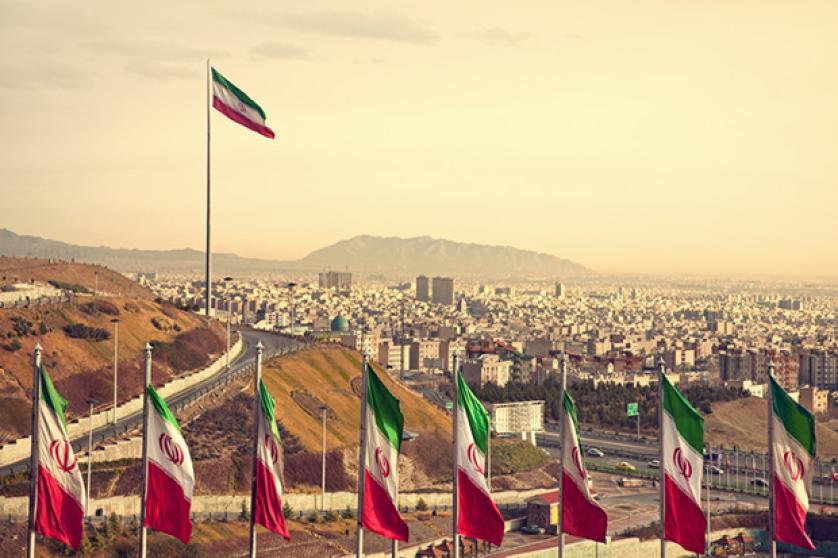
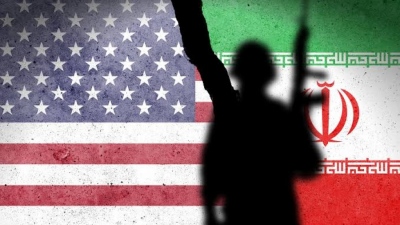
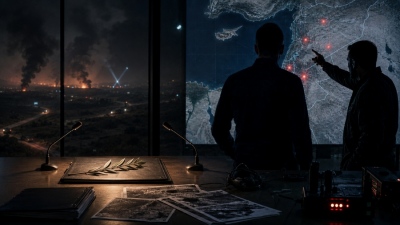
This picture became even clearer following the war with Iran that began on February 28, 2026.
The USA and Israel proved they possess overwhelming technological and air superiority and managed to cause huge damage to Iran's military infrastructure. This, however, does not equate to strategic victory.
Americans trapped
Months after the start of operations, Reuters described the government of Donald Trump trapped in a war without a clear exit, noting that several original American objectives had not been achieved.
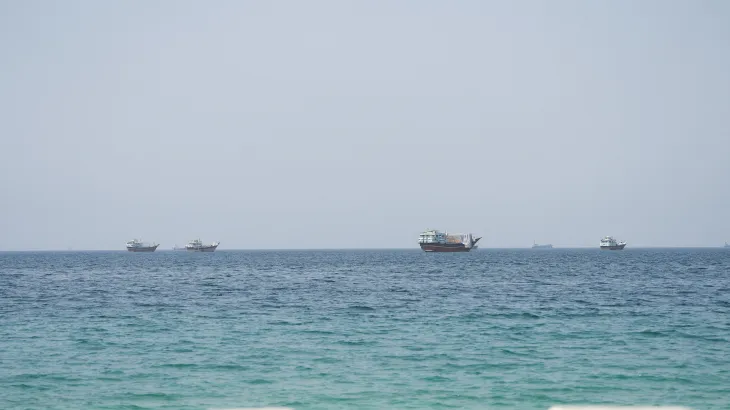
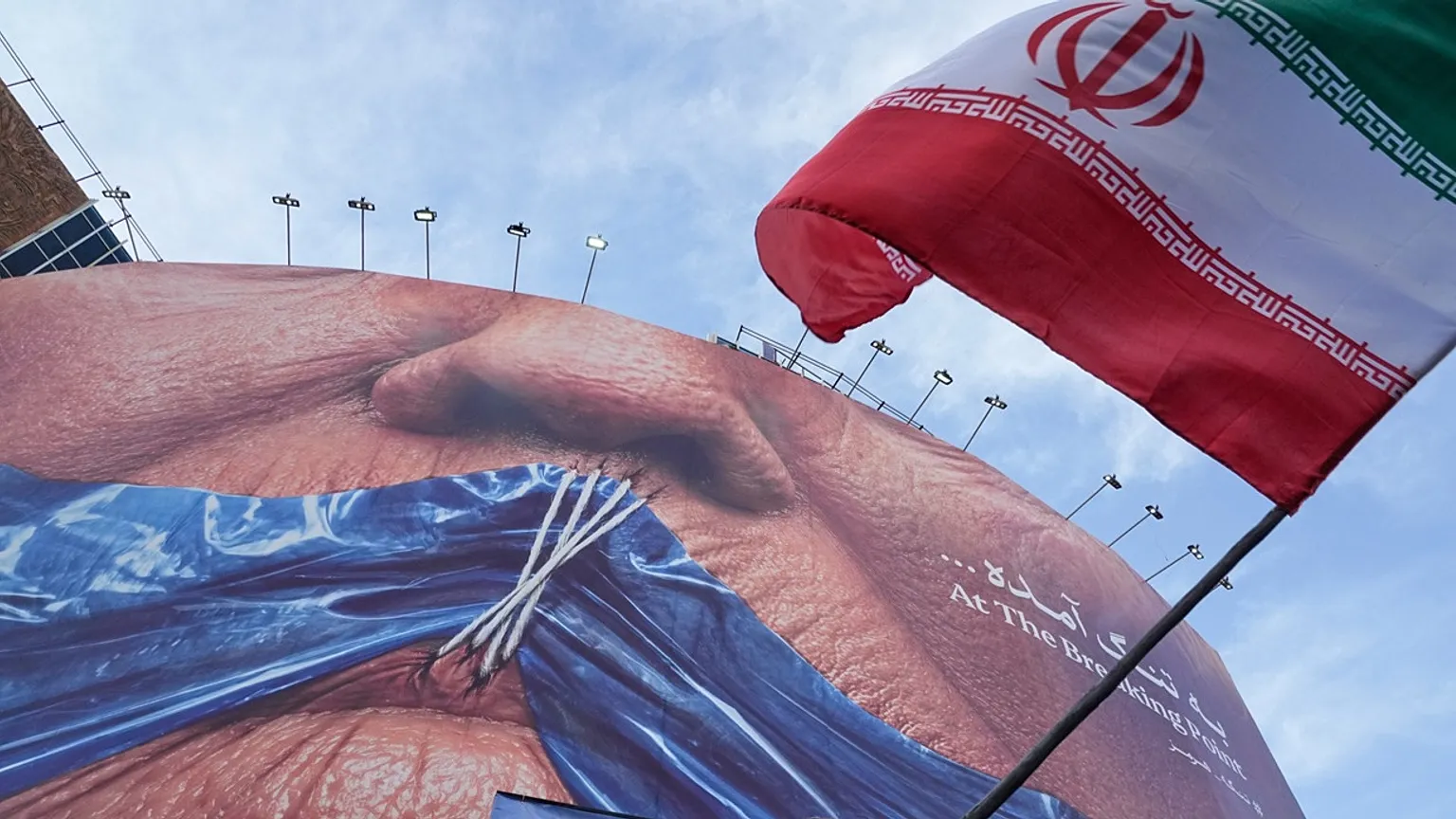
Tehran did not capitulate, the nuclear issue remained open, and confrontation over control and navigation in the Strait of Hormuz persisted.
This is precisely the difference between military superiority and political power.
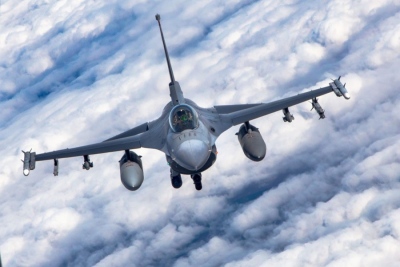
The USA can still launch hundreds of aircraft, deploy aircraft carriers, destroy facilities, and strike military targets at vast distances.
It struggles, however, increasingly to turn this power into a stable regional outcome.
Iran, despite heavy losses and destruction, retained the capability to impose costs on its adversaries and use the Strait of Hormuz as leverage.
The conflict therefore did not end in clear American dominance that one would expect from the overwhelming disparity in military capabilities.
At the same time, the geography of direct American military presence is shrinking.
In Syria, the USA closed the last base of Operation Inherent Resolve in April 2026, ending a decade-long presence of that specific mission in the country.
It does not mean the USA is abandoning the Middle East.
It remains the strongest external military power in the region, retains critical installations in the Persian Gulf, and remains by far the largest arms supplier to many Arab states.
Between 2021 and 2025, approximately 54% of Middle East arms imports originated from the USA.
Losing control in a world turning multipolar
What is declining, therefore, is not merely the number of American soldiers.
It is Washington's ability to project its military power as a guarantee of political control.
Iraq was the great laboratory of this concept.
Iran is today the most visible proof of its limits.
A superpower can possess more aircraft carriers, better aircraft, and an incomparably larger military budget, yet still be unable to impose on an adversary the political outcome it desires.
In this sense, the withdrawal from Iraq is not merely the end of a mission.
It is yet another symbol of the transition from the era when the USA believed it could rearrange the Middle East through military power, to an era where it is forced ever more frequently to negotiate with the consequences of its own interventions.
www.bankingnews.gr




Readers’ Comments