

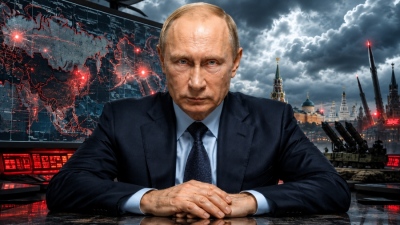
A new alarm sounded across the European Union following a harsh new warning from Russian President Vladimir Putin, sharply elevating tensions over attempts to seize Russian commercial vessels. The Russian leader directly characterized these actions as "piracy and robbery" and warned that Moscow will not limit its reaction solely to the area where an interception is attempted. Putin's message remains clear: if European moves transition from theory into action, Russia will respond symmetrically at a time and place of its own choosing. Furthermore, the Russian president left open the possibility of responding within the operational zone of the Pacific Fleet, effectively shifting the confrontation far beyond European waters.
"It is robbery and piracy"
More specifically, Russian President Vladimir Putin described the seizure of Russian ships by EU member states as "robbery and piracy." He stressed that Russia will retaliate against such attempts in whichever region it deems appropriate, including the operational domain of the Pacific Fleet. "Of course, this is nothing other than piracy and robbery. And if this begins to be put into practice, we will be forced to respond symmetrically," Putin stated on Wednesday during his visit to the final phase of the Pacific Fleet military exercises. He emphasized that the response will not necessarily occur in the same waters where the interceptions take place, but "where we ourselves consider it necessary and appropriate," including within the Pacific Fleet's sphere of responsibility. Addressing Russian sailors, Putin asked them to pay particular attention to the ongoing maritime security issue.
"A relevant directive has already been issued to the Ministry of Defense. I know that it has also been transmitted to the command of the Pacific Fleet, and I would also like proposals to be submitted on this matter," stated the Russian president. Putin underlined that Russia is strengthening its own national defense, while remaining open to seeking mutual compromises acceptable to neighboring countries and allies alike. "We are ready to do so, taking into account mutual interests," assured the Russian president. It is noted that the Russian president arrived the previous evening in Yuzhno-Sakhalinsk, where he boarded the Russian missile cruiser Varyag to observe the conclusion of the Pacific Fleet maneuvers.
Putin targets NATO
"NATO is penetrating here, new military-political coalitions are being formed, while new weapon systems are being deployed and planned for deployment, creating threats to our country," Putin noted, according to reporting by RIA Novosti. The Russian president declared that Russia poses no threat to Japan and holds no territorial claims against it. Meanwhile, Tokyo has, for the first time, included Moscow in its official defense and strategic documents among its primary security threats. Putin also emphasized that Russia remains open to international cooperation in the Arctic region, specifically along the Northern Sea Route, provided it aligns with international law. The Russian president noted that the Pacific Fleet exercises are being conducted to maintain combat readiness and guarantee regional security.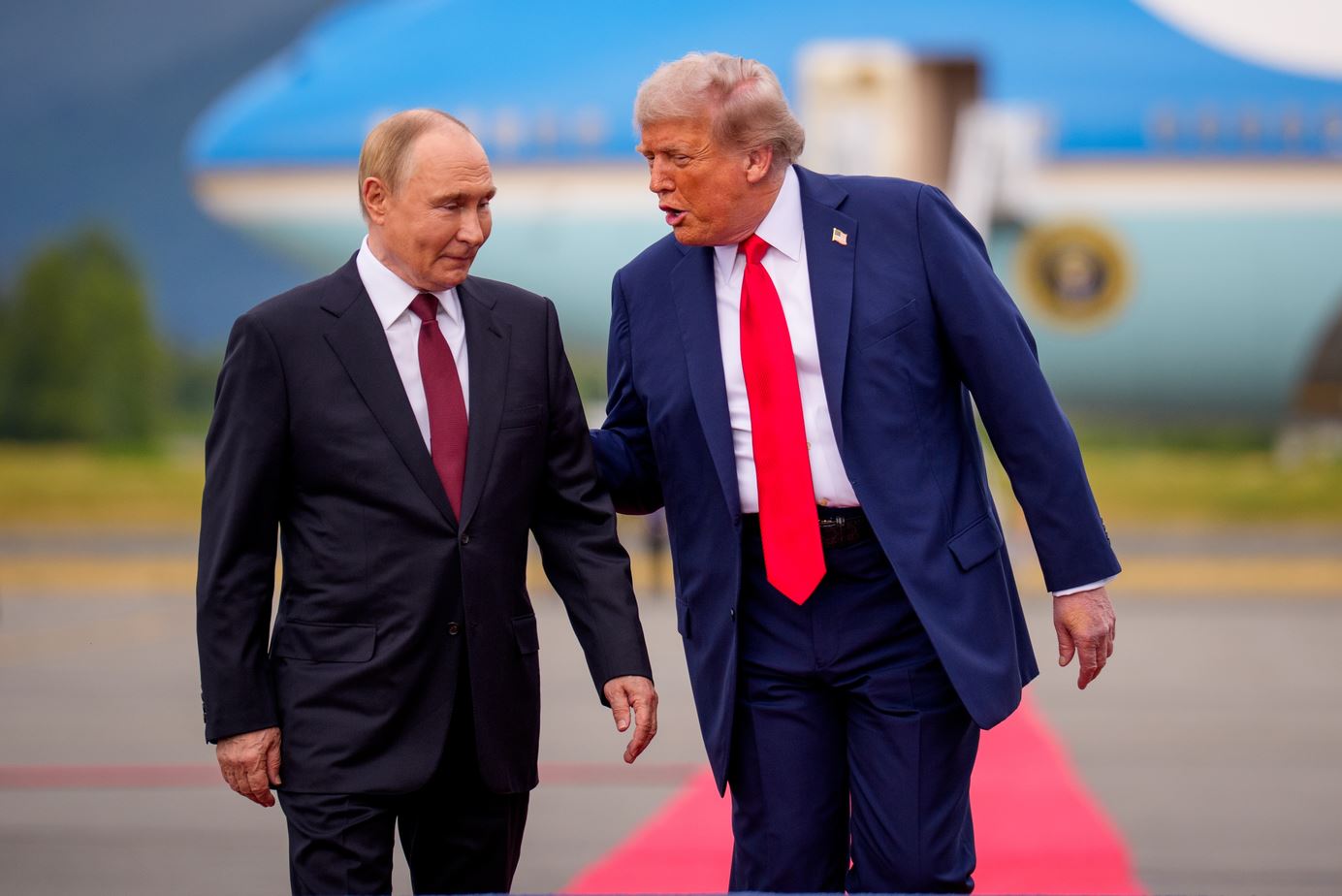
Putin's unexpected move toward Trump
Meanwhile, in a move that hardly went unnoticed, President Vladimir Putin agreed to release American citizen Robert Gilman, who was held in Russia, without requiring a exchange for a Russian prisoner. In fact, U.S. presidential special envoy Steve Witkoff personally welcomed Gilman upon his return to the United States. "A special evening, dedicated to returning an American citizen to his family and homeland," Witkoff posted on X, alongside photos alongside Gilman and his mother aboard the aircraft. Robert Gilman was sentenced in Russia in 2022 and was released on humanitarian health grounds. However, Sky News characterized the release as an exceptionally rare gesture by the Kremlin, intended to rehabilitate relations between Putin and Donald Trump while setting conditions for future diplomatic concessions. The release came following reports last week that Gilman's health was rapidly deteriorating. An anonymous U.S. official cited by Reuters stated that the Russian president approved the release as a goodwill gesture.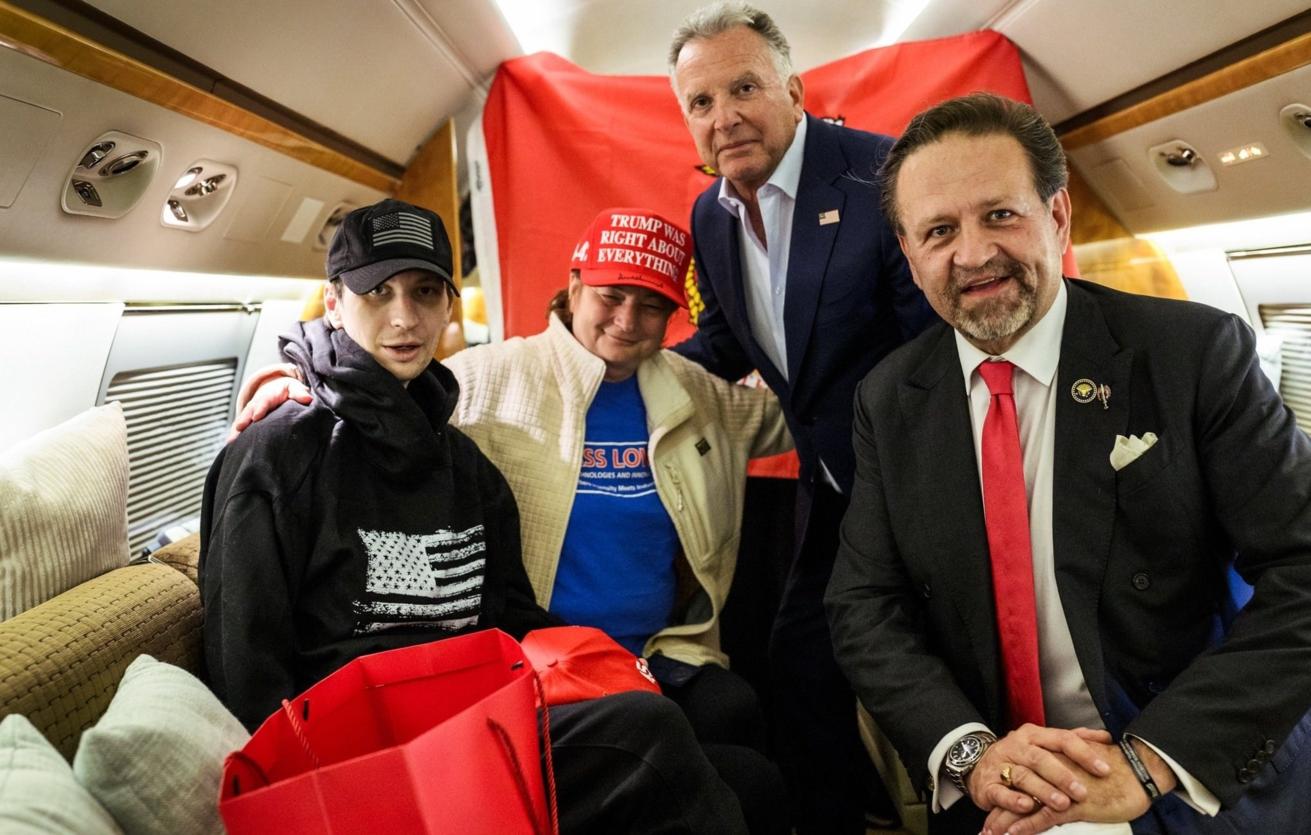
The U.S. steps in to halt Ukrainian strikes
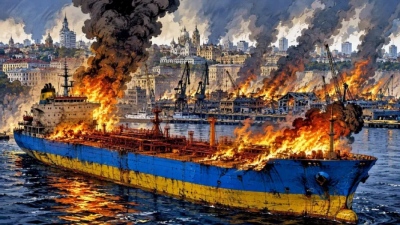
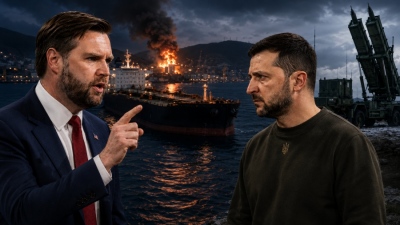
All this occurs as U.S. Vice President JD Vance, during a telephone call with Ukrainian President Volodymyr Zelensky, put a stop to Ukrainian strikes targeting oil tankers linked to the Caspian Pipeline Consortium (CPC) terminal in Novorossiysk. Specifically, Washington grew concerned that Ukraine was impacting American corporate interests by targeting tankers transporting Kazakh crude oil via pipeline to the Caspian Pipeline Consortium terminal at the Russian port of Novorossiysk. Within this context, U.S. Vice President JD Vance asked Ukrainian President Volodymyr Zelensky to halt these attacks during a July 31 phone call, according to Ukrainian officials and sources familiar with the matter.
Since then, Ukraine has launched no further strikes against oil tankers near the CPC terminal, according to officials and open-source intelligence analysis by the Financial Times. Ukrainian officials had agreed not to target CPC infrastructure or non-Russian flagged vessels, provided those ships are not subject to Ukrainian sanctions and do not transport Russian oil or cargo. "We listen very carefully to our American partners," stated a senior Ukrainian official, adding that Kyiv established relevant oversight mechanisms in response to the U.S. request. The CPC pipeline remains a "regular topic of discussion with the U.S. and Kazakhstan governments," the official added.
Eyes on Chevron and ExxonMobil
American energy giants Chevron and ExxonMobil hold substantial stakes both in the CPC—which serves as Kazakhstan's primary oil export route—and in the western Kazakh oil fields feeding it. Chevron holds a 50% stake in the Tengiz field, the country's largest, while Exxon holds 25%. A U.S. official confirmed that the administration warned Ukraine to stop targeting non-Russian vessels in the Black Sea as well as CPC infrastructure.
"The administration views the CPC as a vital energy transport conduit carrying Kazakh energy to European markets, functioning as a key alternative to Russian energy supplies," the official stated. The U.S. side "reconfirmed" Kyiv's commitment to refrain from attacking CPC infrastructure and non-Russian vessels heading toward the Novorossiysk terminal, provided they are not otherwise subject to Ukrainian sanctions, the official added. The offices of Vance and Zelensky, alongside the Ministry of Foreign Affairs of Kazakhstan, did not immediately respond to requests for comment.
www.bankingnews.gr


Readers’ Comments