

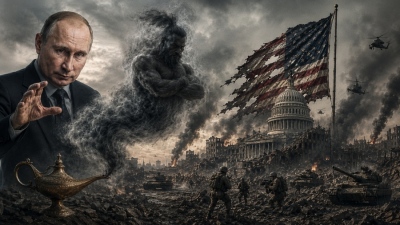
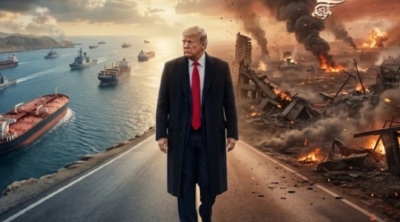
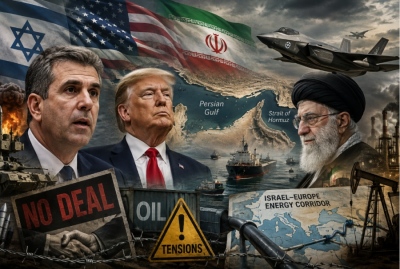
What is transpiring between the US and Iran is without historical precedent. American forces, alongside Israel, initiated an unprovoked and ultimately failed war against Iran. Ultimately, all American bases in the Persian Gulf were destroyed, Iran retains its missile forces virtually intact, and most importantly, controls the Strait of Hormuz to a greater extent than ever before. Iran's strategic footprint in Hormuz has been exponentially upgraded unlike any other time in history. Yet matters worsen for the Americans: US President Trump appears eager for a truce with Iran without a nuclear deal—the central mandate and primary military objective of both the US and Israel.
At the same time, the Mecca Agreement sees Turkey, Pakistan, and Saudi Arabia forging a military bloc aimed at curbing Iranian dominance across the Muslim world while constraining Israel. Israel roars, yet lacks capability; it is weakened and faces critical elections that will dictate the future and regional strategy of the Jewish state in the Middle East.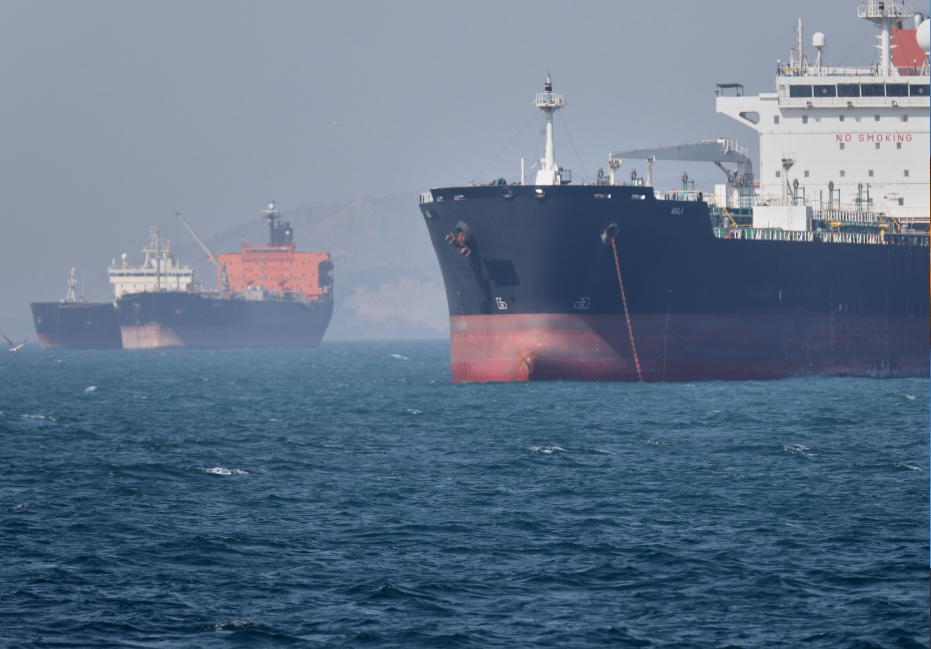
Wall Street Journal: Incredible – Trump considers a truce with Iran without a nuclear deal
US President Trump has privately floated the idea of ending the conflict with Iran without a nuclear deal, reports the Wall Street Journal, citing American officials. The US President views the full restoration of maritime navigation through Hormuz as the primary condition for declaring victory. Trump is now focused on securing transit through Hormuz and will retain the option to deploy military force if Iran continues targeting vessels, an unnamed official told the outlet. According to Trump, Iran will be unable to swiftly resume its nuclear program, as the country's key facilities were already struck in 2025. The US President also expressed confidence that the persistent threat of American strikes will function as an adequate deterrent. Earlier, Israeli Prime Minister Netanyahu stated that Israel will not permit Iran to acquire nuclear weapons, regardless of any agreement.
At the same time, Netanyahu emphasized that he deeply values cooperation with the US to counter the threat posed by Iran.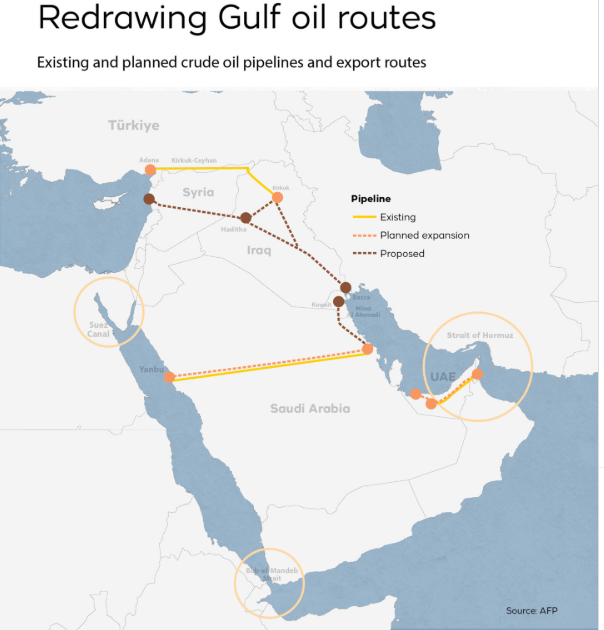
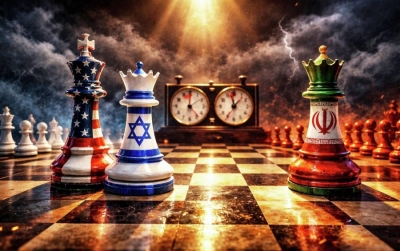
"We're playing chess": Trump states the US isn't pressuring Iran due to its weak economy
The US is conducting limited negotiations with Iran, President Trump told Axios in a telephone interview. The Republican President added that Washington is currently simply observing Iran due to high inflation and a severe cash shortage. "We are only halfway into negotiations with them. We are just watching Iran, which has massive inflation and essentially no money.
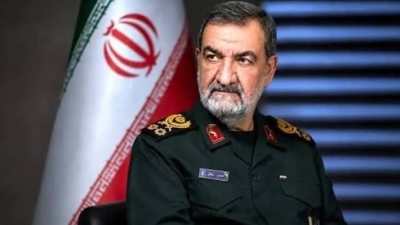
It is like a game of chess," Trump remarked. Trump added that US operational actions are being executed without unnecessary publicity. He also asserted that the US naval blockade has exacerbated the ongoing economic crisis inside Iran. Earlier, a spokesperson for the Islamic Revolutionary Guard Corps (IRGC) stated that Iran will open the Strait of Hormuz to maritime shipping only if Washington accepts Iranian terms. He further noted that the US must refrain from meddling in the internal affairs of the region.
The Mecca Agreement: Turkey, Pakistan, and Saudi Arabia form a military alliance with a dual objective
A security pact between Saudi Arabia, Turkey, and Pakistan could completely reshape the Middle East. Analysts believe it could deter Iran, offset an unpredictable United States, and send a powerful signal to Israel. This alliance connects three Sunni nations—all strategic allies of the United States—with a NATO-style mutual defense clause that considers an attack on one as an attack on all. Oil-rich Saudi Arabia sits at the center of this new alliance signed in Islam’s holiest city, Mecca. But what does this agreement entail in practice?
The US failed in Iran
Nearly six months after the outbreak of the war in Iran, the US has failed to defeat Iran, while Tehran continues to restrict maritime traffic in and around the Strait of Hormuz, and its Yemeni Houthi allies disrupt shipping lanes across the Red Sea. This strategic reality has upended the regional security architecture—forcing a reevaluation of decades of conventional wisdom built on US military supremacy. Despite an extensive network of American military installations across the region, US forces have struggled to intercept all drones and ballistic missiles launched by Iran and its regional proxies.
American deterrence has weakened
The new pact demonstrates that "American deterrence has significantly weakened, meaning the Iranian threat must increasingly be managed by regional powers," wrote Ali Shihabi, a political analyst close to the Saudi government. Since the onset of the war, Saudi Arabia has drawn closer to Turkey—with whom it previously maintained strained diplomatic ties—as well as Egypt and Pakistan. All four nations have voiced support for mediated solutions to the conflict. Saudi Arabia and Pakistan share a long history of security ties, having signed a similar defense agreement in 2025.
Saudi Arabia is using its financial leverage to procure concrete military guarantees from Turkey and Pakistan. While the mutual defense pact remains largely symbolic—neither Turkey nor Pakistan is eager to enter a direct war with Iran on Saudi Arabia’s behalf—the core message is clear: the Gulf can no longer rely exclusively on the US, and Gulf nations are determined to construct their own regional security framework.
Unusually complementary capacities
Andreas Krieg, a senior lecturer at King's College London, notes: "The three nations are unusually complementary. Oil-rich Saudi Arabia possesses capital but lacks domestic military-industrial depth… Turkey boasts technology and advanced manufacturing capacity, but requires export markets and capital investment. Pakistan provides manpower, deep military institutions, and nuclear deterrence, but desperately needs financing and industrial opportunities." "It is in Saudi Arabia’s strategic interest to cultivate multi-layered security rather than relying on a single American umbrella." According to the Stimson Center: "What matters is that three military-capable states, occupying critical geographic nodes with diverse international relationships, have committed to mutual defense. It is not designed to replace the United States. However, it unmistakably reflects the consensus that a US commitment alone is no longer sufficient to guarantee regional security and maintain equilibrium."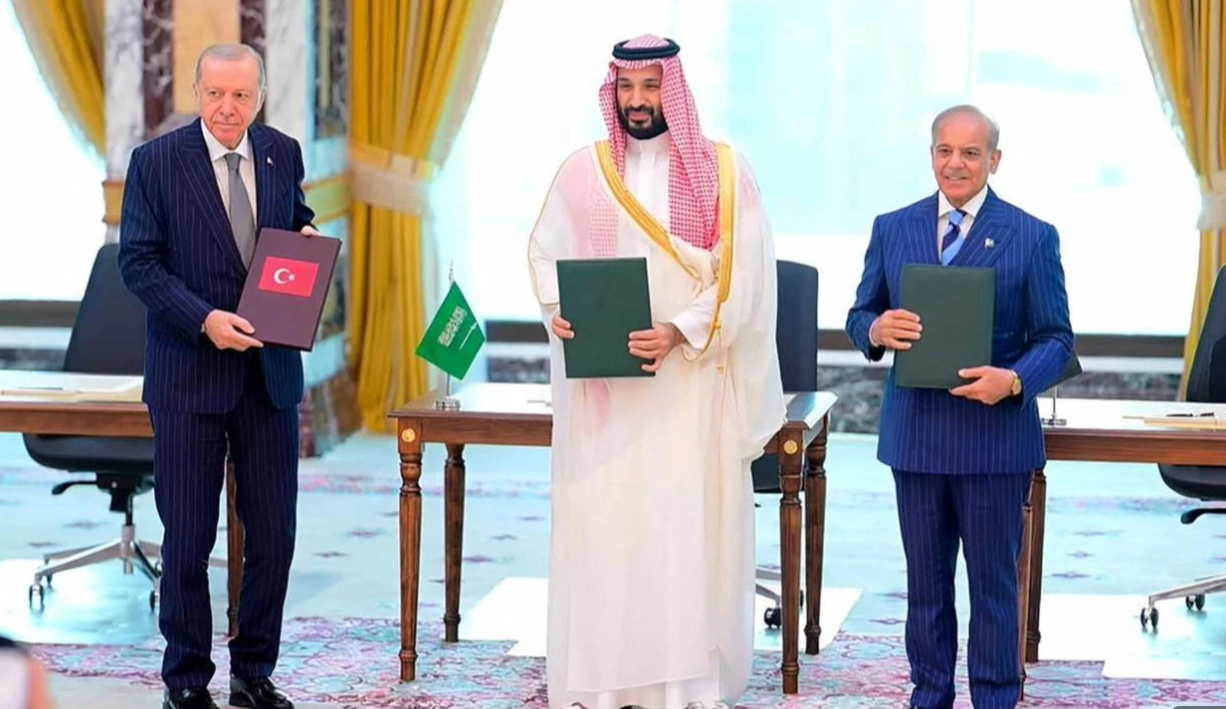
Israel weakened ahead of a critical election – Netanyahu plans a dirty campaign
The central issue in the elections scheduled for October 27, 2026, is whether Israel will remain the liberal democracy envisioned by its founders in 1948 or shift rapidly toward an illiberal system fused with Orthodox Judaism. Foreign Policy wrote: Israel stands on the precipice of perhaps the most decisive election in its modern history. Yet this time, the primary issue is not Israel's external conflict with its neighbors or its long-standing relations with the Palestinians. The core issue in the October 27 elections revolves around whether Israel preserves its founding democratic character or accelerates toward an illiberal framework intertwined with Orthodox Judaism. After leading a series of center-right coalitions for 12 years, Israeli Prime Minister Netanyahu pivoted sharply to the right upon returning to power in 2022, forming a coalition with far-right and Ultra-Orthodox Jewish (Haredi) factions.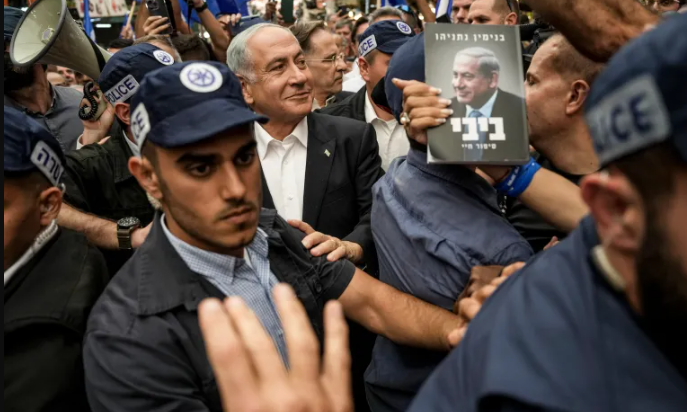
Netanyahu's two main objectives
The primary objective was eroding the independence of the judicial branch while expanding the authority of elected politicians—a strategy implicitly predicated on the assumption that, as seen in other illiberal democracies, ruling elites stay in power because elections cease to be fully free and fair.
The second objective was elevating the role of Jewish religious law in the public sphere while offering broad financial and legal backing to Israeli settlement expansion across the West Bank.
This trend was paired with escalating state subsidies and structural privileges for the Haredi community. The most prominent example was the ongoing—though so far unsuccessful—legislative attempt to enshrine military draft exemptions for Ultra-Orthodox Israelis into law.
Meanwhile, the government has tolerated—and at times facilitated—the escalation of settler violence against Palestinian communities in the West Bank.
Israel's National Security Minister has sought, with considerable success, to transform the national police into a political instrument used to suppress anti-government protesters while turning a blind eye to settler attacks. The Defense Minister attempted a similar restructuring within the military. Along the way, Netanyahu adopted political tactics designed to delegitimize the opposition and state institutions—a playbook reminiscent of the US President's approach. While Netanyahu projects a less sarcastic demeanor than Trump with more cohesive public messaging, the same cannot be said for his cabinet ministers, lawmakers, and social media surrogates who perform the political trench work. He has intimidated and subdued not only political rivals, but internal dissidents within his own Likud party structure, alongside key state institutions ranging from the judiciary to the military hierarchy.
Netanyahu's grand plan against the judiciary
The centerpiece of the Netanyahu administration's judicial overhaul was a sweeping framework presented by the Justice Minister. The plan sought to curb the Supreme Court’s judicial review authority, hand politicians direct control over judicial appointments, and limit the statutory powers of legal advisors. The package was never fully implemented, facing massive public protests, high court rulings invalidating key legislative provisions passed by the Knesset, and the eventual outbreak of war following the Hamas attack on October 7, 2023. Millions of Palestinians in the occupied West Bank and Gaza continue to live without the legal rights granted to Israeli citizens.
Democracy collapses in Israel
If the Netanyahu administration retains power after the upcoming elections, it will likely act without institutional restraint. After all, what clearer validation could exist than an electoral mandate showing public endorsement for Netanyahu’s vision of a restructured Israel?
The Israeli opposition
Israel's parliamentary opposition—comprising left, centrist, and right-wing parties alongside two factions representing the Arab minority—has remained largely ineffective throughout this period. The opposition failed to articulate a cohesive alternative vision or stop the government's legislative agenda. Yet, despite being fragmented and internally conflicted, the opposition remains committed to judicial independence and democratic norms, opposes the politicization of the military and police, strongly rejects settler violence in the West Bank, and opposes special privileges for the Haredi community, including draft exemptions. An opposition victory on election day represents the sole mechanism capable of halting Israel's drift toward illiberalism.
Can the opposition actually win?
The opposition's leadership deficit appears to have stabilized. Gadi Eisenkot, the former military Chief of Staff, has surged in public polling, with his Yashar party securing a commanding lead over competing opposition factions. In fact, the party is running nearly neck-and-neck with Netanyahu's Likud party. Gadi Eisenkot presents a formidable candidacy on multiple fronts. He brings a distinguished military security background that many voters regard as a mandatory prerequisite for holding the nation's highest political office. Hailing from a working-class family of Moroccan immigrants, his background appeals directly to voters with similar Middle Eastern or North African heritage who historically align with Likud.
He suffered immense personal tragedy, losing his son and two nephews in the Gaza war. While Gadi Eisenkot has avoided defining his ideological platform too narrowly, his operational track record as Chief of Staff, public statements, and official party platform place him slightly left of center.
The opposition's two fundamental hurdles
Nevertheless, the opposition faces two major structural hurdles:
-
The rapid rise of Gadi Eisenkot in polling may not reflect durable voter commitment. A significant segment of his polling base appears to consist of center-right voters who could ultimately defect back to Likud. Netanyahu is simultaneously attempting to revamp Likud’s public image by placing more respectable establishment figures on the party slate, replacing the aggressive surrogates currently dominating Likud representation.
-
Gadi Eisenkot has publicly pledged to include only Zionist parties within his governing coalition, excluding Arab-led political parties as coalition partners. According to current polling, without at least one Arab-led party—such as the moderate Ra'am party—Gadi Eisenkot is unlikely to secure a clear working majority in the Knesset, Israel's parliament. A July poll conducted by the Jewish People Policy Institute revealed that 82% of voters were already "completely" or "very" certain of their party choice.
The likelihood of a dirty election campaign
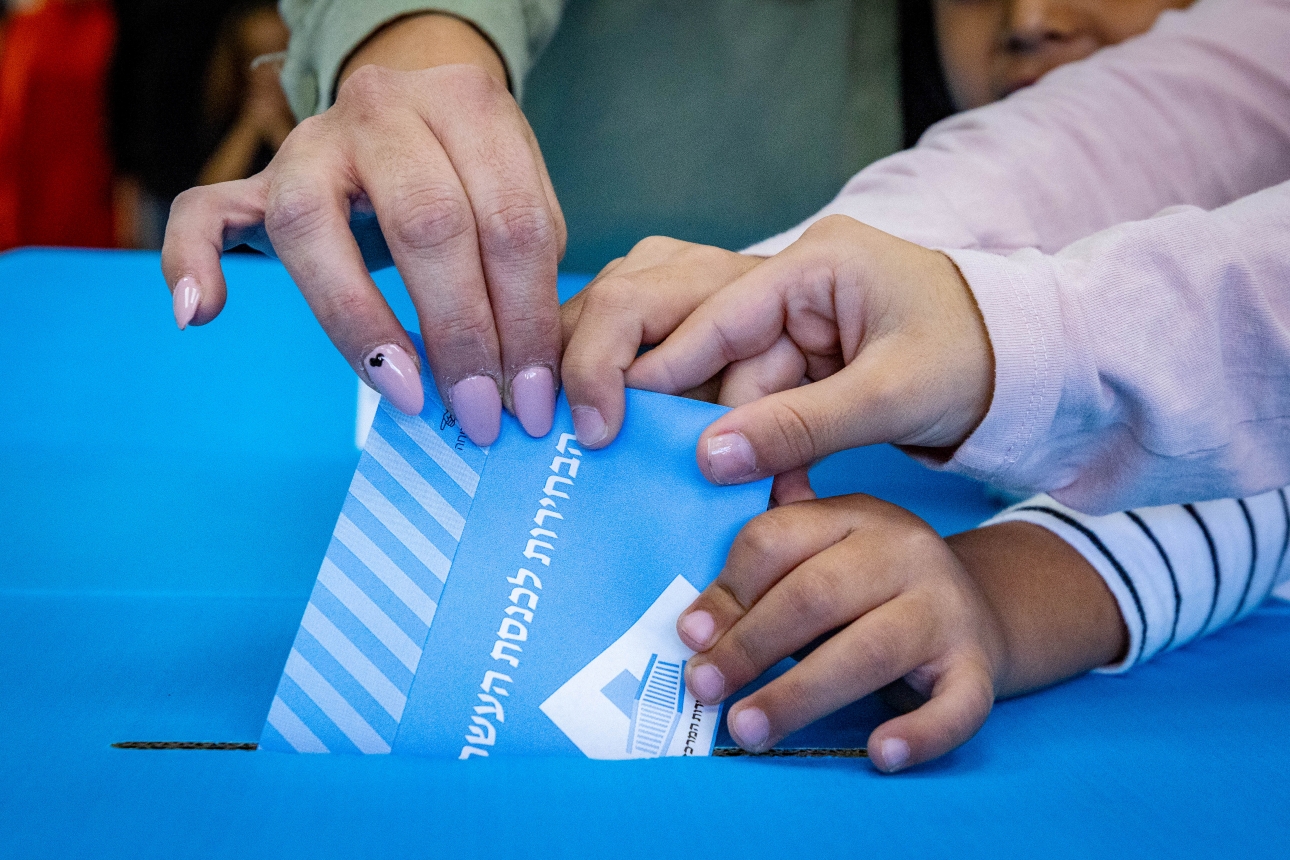
Finally, key indicators suggest Netanyahu and his governing coalition are preparing to unleash a aggressive, dirty campaign strategy. The Israeli President explicitly warned of potential political violence and voter intimidation surrounding the vote. Observers worry that a politicized police force—and potentially the Shin Bet internal security agency—might ignore or actively assist government efforts to intimidate critics. Should those measures fail, Netanyahu and his allies may move to challenge the election results. It remains uncertain how the opposition could counter such a challenge.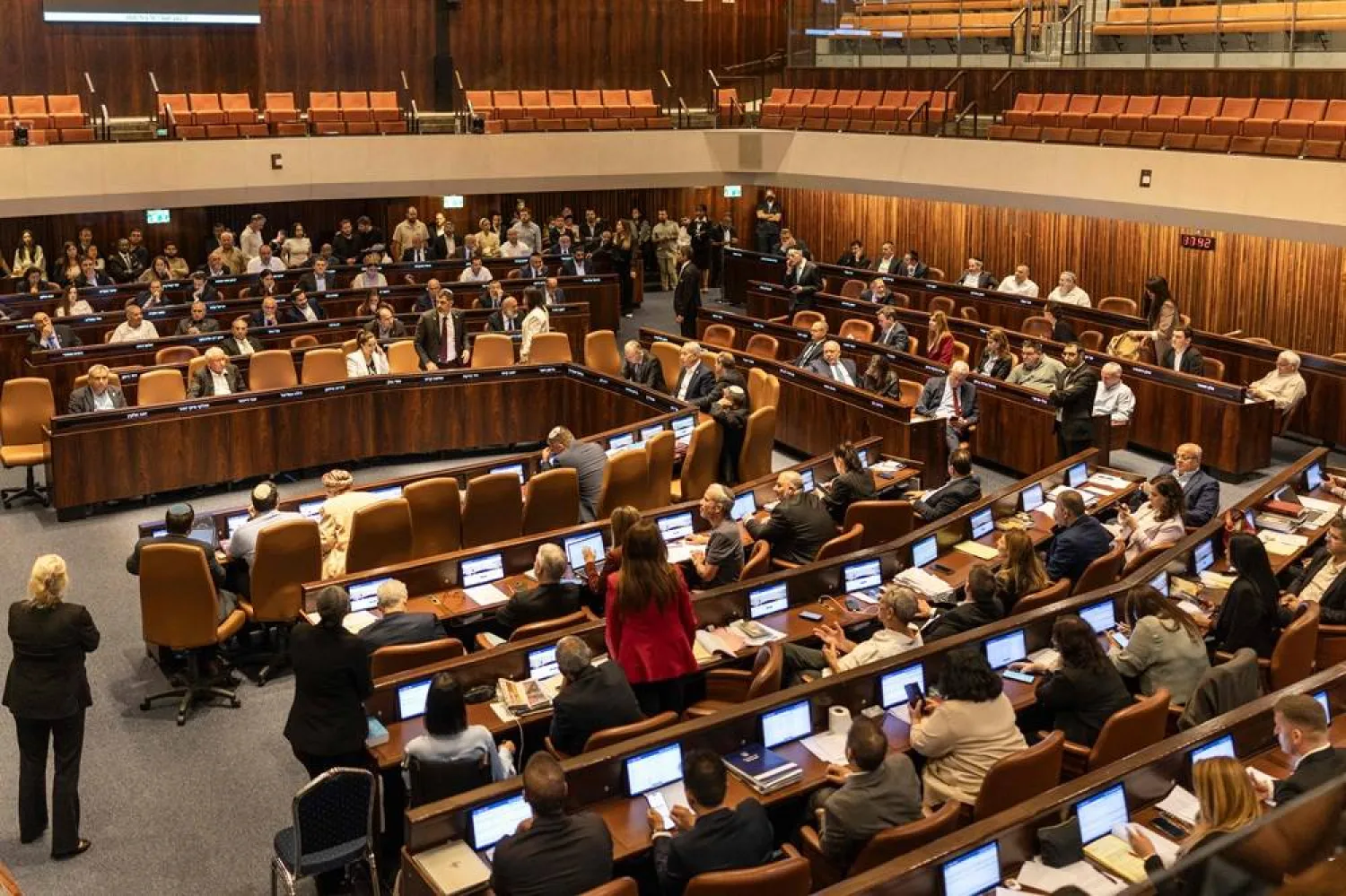
Why security is unlikely to dominate the election agenda
Paradoxically, the broader national security issues captivating global attention—and burdening Israelis themselves—are poised to play a secondary role in the upcoming vote. Public opinion polls consistently indicate that voters do not feel the country has grown safer, particularly following the war in Iran. Across the Israeli political spectrum, October 7, 2023, left a profound trauma, convincing many citizens that the state must aggressively target its enemies to prevent another attack. Regarding the Iranian conflict, the decision-making power no longer rests with Israel alone. Israel surrendered unilateral control of that front the moment it drew the United States directly into the war.
www.bankingnews.gr


Readers’ Comments