

Syria and Russia reached an agreement on the future of Russian military bases on Syrian territory, putting an end to a period of negotiations that lasted about a year and a half.
According to an announcement by the Public Relations Directorate of the Foreign Ministry of Syria, the two sides signed a memorandum of understanding establishing the new status of the facilities in Khmeimim and Tartus.
As stated in the Syrian announcement, «after a year and a half of negotiations, the fate of the Russian military bases in Khmeimim and Tartus was finally determined», with the signing of the relevant memorandum.
Damascus expressed the expectation that the agreement will constitute the starting point for a «new chapter» in relations between Syria and Russia.
In fact, immediately after the agreement, the Foreign Minister of the transitional government of Syria, Asaad al-Sheibani, visited the cities of Latakia and Tartus, in order to inspect facilities included in the memorandum of cooperation according to the news agency SANA.
The Syrian minister conducted a visit to the international airport of Latakia and the port of Tartus, examining their infrastructure and operational status within the framework of the memorandum signed by Damascus and Moscow.
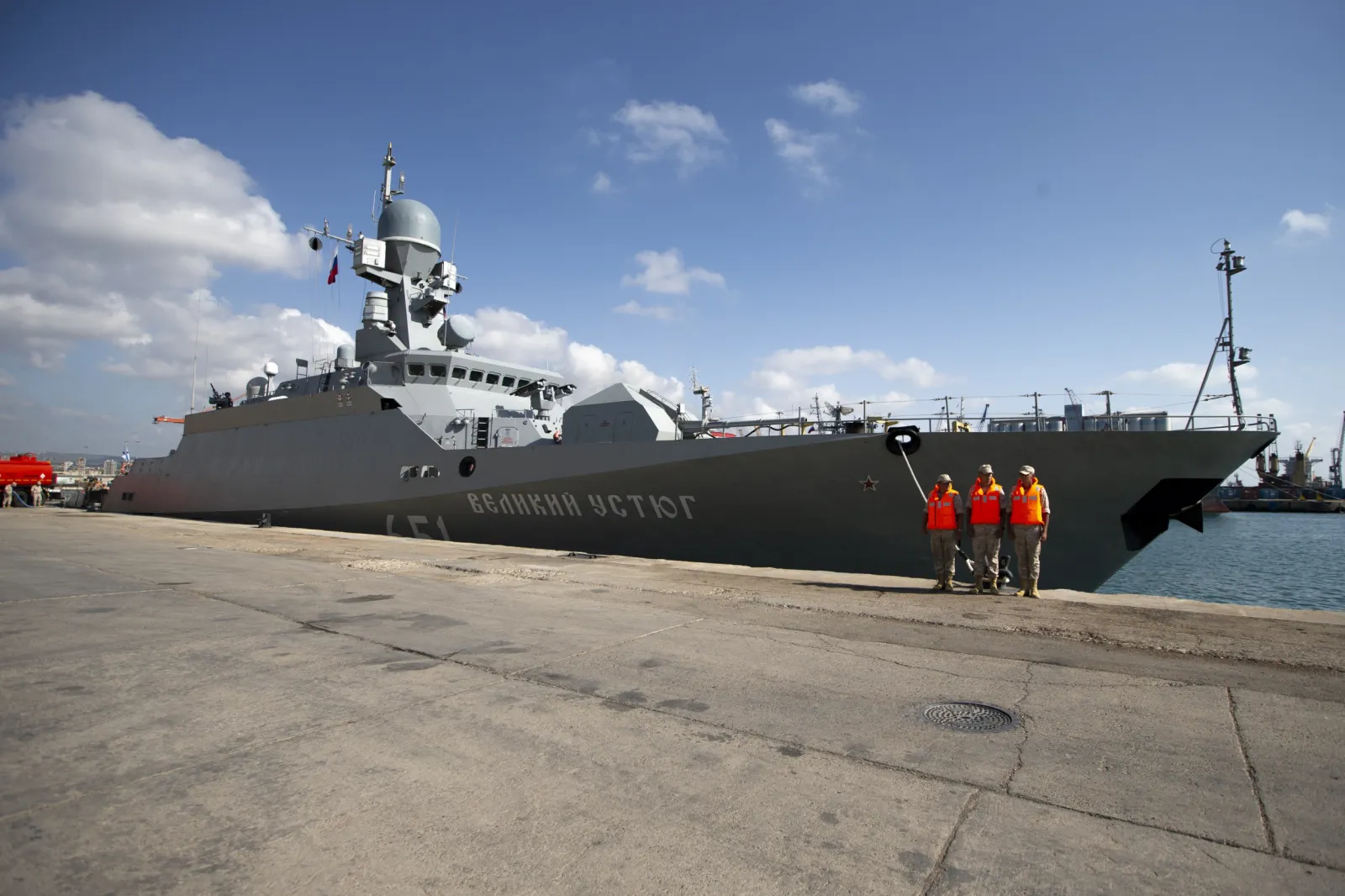
Bases convert into joint training centers
The most important element of the agreement concerns the new role that the two military facilities will assume.
According to the Syrian Foreign Ministry, the Russian bases will henceforth operate as joint military training centers, strengthening cooperation between the armed forces of the two countries.
This development shows that Russia's military presence in Syria is not being terminated, but redefined through a new framework of cooperation.
The Khmeimim base has for years constituted a core anchor of Russian military presence in the Middle East, while the naval facility in Tartus offers Moscow strategic access to the Eastern Mediterranean.
Their conversion into joint training centers may allow Russia to maintain a significant military footprint in the country, while Syria simultaneously gains access to training, know-how, and military cooperation with Russian forces.
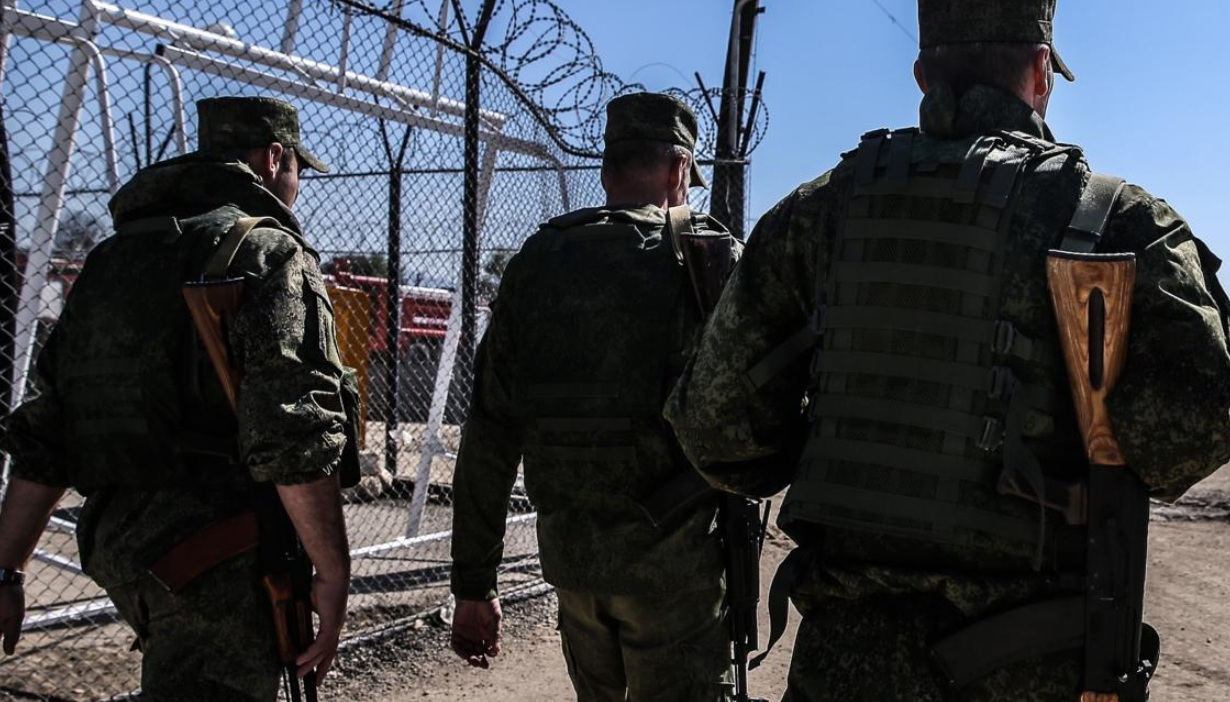
New phase in Damascus–Moscow relations
The signing of the memorandum acquires special significance as it clarifies one of the most critical open issues in relations between the two countries.
For more than a year, the future of the Russian facilities remained subject to negotiation.
The new agreement shows that Moscow and Damascus choose to maintain their military cooperation, but on a different basis from the previous model.
The agreement regarding Khmeimim and Tartus confirms, therefore, that Russia continues to consider Syria of strategic importance for its presence in the Middle East and the Eastern Mediterranean.
At the same time, for Damascus, maintaining cooperation with Moscow offers an important military and diplomatic channel during a period of realigning regional balances.
The new framework does not simply mean a continuation of the Russian presence.
It signals an effort to adapt to new political and military conditions, with the bases in Khmeimim and Tartus now transitioning into a new era of joint military training and cooperation.
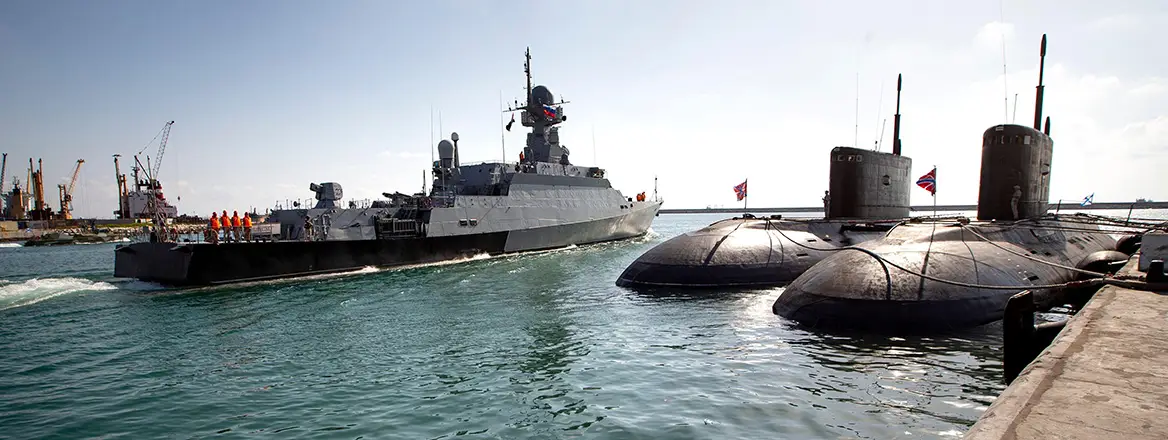
Why Khmeimim and Tartus are of strategic importance for Russia
The new agreement acquires even greater significance when examined through geography.
The facilities in Khmeimim and Tartus are not merely two military bases in Syria.
They are the main support pillar that Russia possesses in the Eastern Mediterranean and among its few permanent military facilities outside the former Soviet Union.
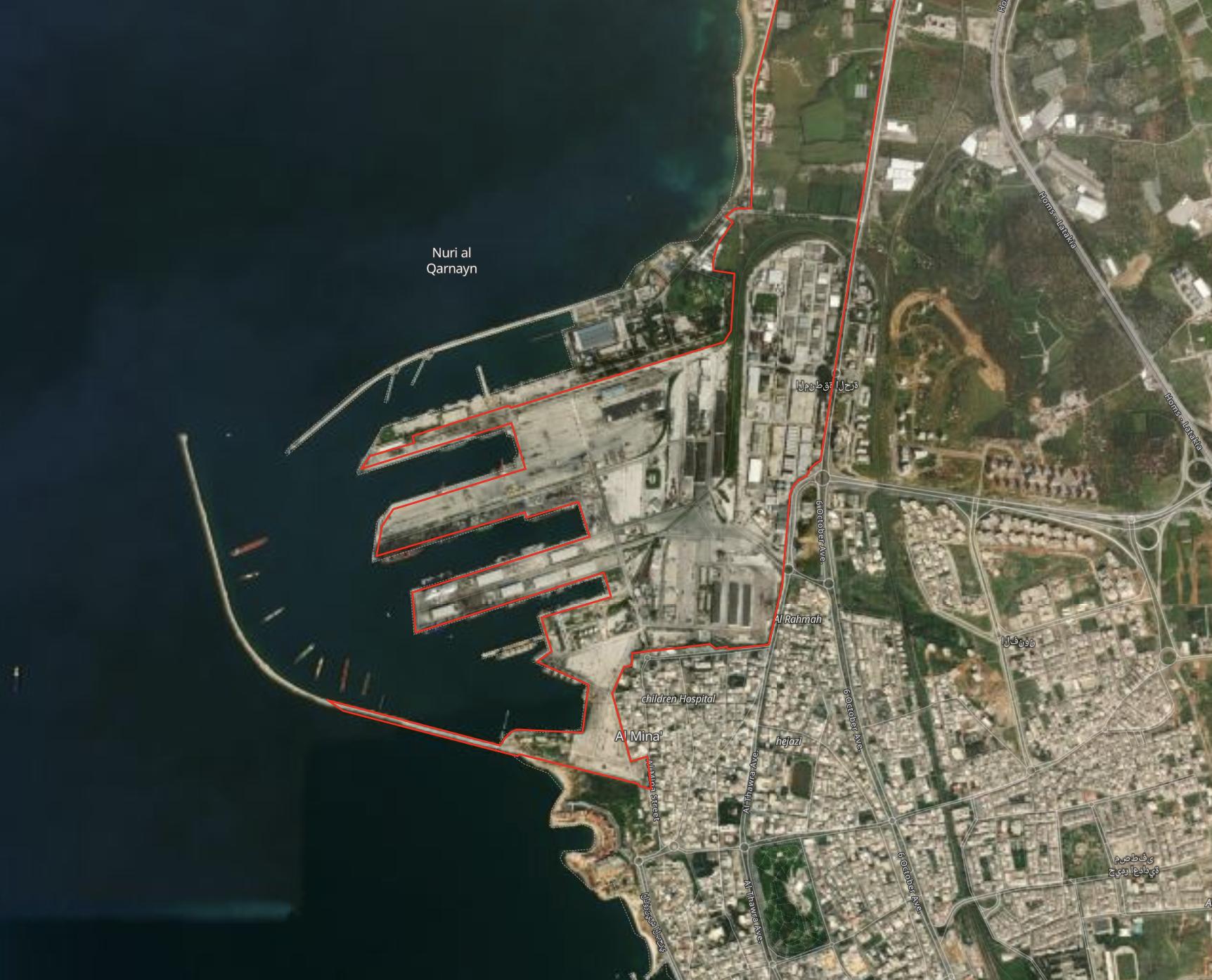
The Tartus facility holds distinct value because it offers Russia direct naval access to the Mediterranean.
For years it served as a hub for refueling, technical support, and replenishment of supplies for Russian warships, allowing Moscow to maintain a presence in the region without every ship having to return to bases in the Black Sea or in Russia.
Reuters has characterized Tartus as critical both for the Russian presence in the Middle East and as a support station for activities toward Africa.
This acquires even greater significance due to Syria's geographical position.
From the Syrian coast, Russia is operationally very close to Cyprus, the Eastern Mediterranean, the Middle East, and the sea lanes leading toward the Suez Canal and Northern Africa.
Tartus thus gives Moscow a footprint in a region where naval forces of the USA and other NATO states systematically operate.
Its value lies not so much in its size as in the fact that it offers Russia the capability to appear as a permanent military factor in the Mediterranean rather than as a power that simply dispatches occasional ships to the region.
The fact that even in the summer of 2026 Moscow sought to maintain at least a military section of the facility is telling.
In July, Syrian officials stated to Reuters that a commercial hub was planned at one of the two berthing spots of the Russian facility in Tartus, while the other would remain in military use.
Khmeimim is Moscow's air «bridge»
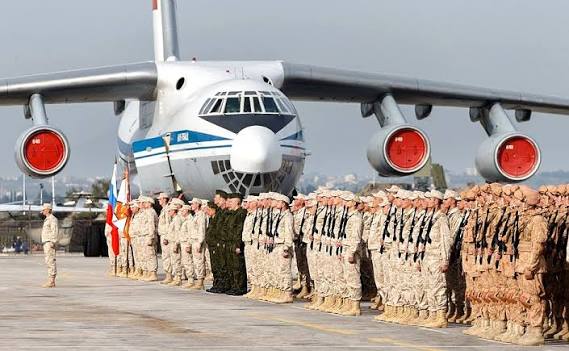
Equally critical is the Khmeimim air base, near Latakia.
From there, the majority of Russian air operations in Syria were organized starting in 2015.
At the same time, the base acquired a much broader role as a transport hub for personnel, equipment, and military cargo toward the Middle East and Africa.
Maintaining Khmeimim means that Russia continues to possess a forward air position in the Mediterranean, thousands of kilometers south of its main bases.
The two facilities function complementarily: Tartus offers the maritime dimension and Khmeimim the aerial one.
Together they create a strategic «dipole» allowing Moscow to maintain a military presence in the Eastern Mediterranean at a far lower cost than what would be required for a force operating exclusively from Russian territory.
Precisely because of this, their preservation constituted one of Moscow's core priorities following the overthrow of Bashar al-Assad in late 2024. The AP noted in January 2026 that for the Kremlin remaining at the two coastal facilities was of essential importance for preserving the Russian military presence in the Mediterranean.
How many military personnel Russia maintains today in Syria
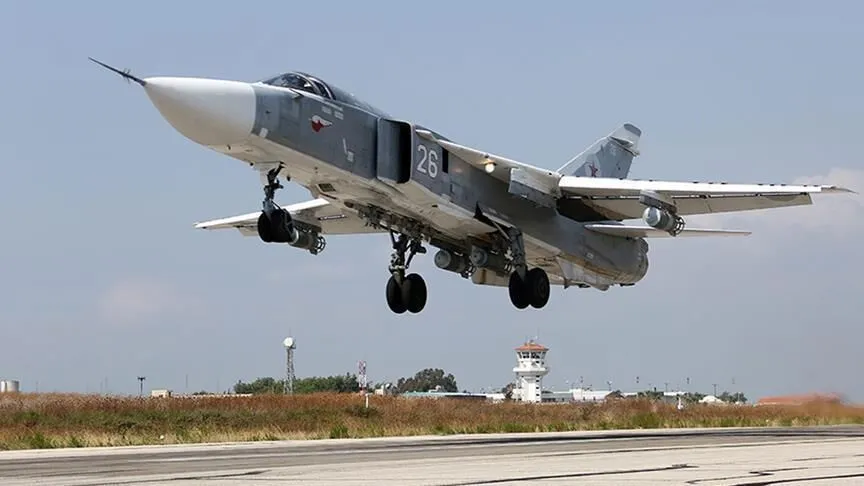
Prior to the fall of the previous Syrian regime of Assad, open-source estimates placed the Russian military presence at approximately 7,500 personnel in the autumn of 2024.
The picture changed dramatically thereafter.
After December 2024, Russia withdrew personnel and significant quantities of military materiel from various points across Syria, essentially consolidating its presence at the two coastal bases.
In January 2026, it withdrew completely from its positions around Qamishli, leaving Khmeimim and Tartus as the core nodes of its presence.
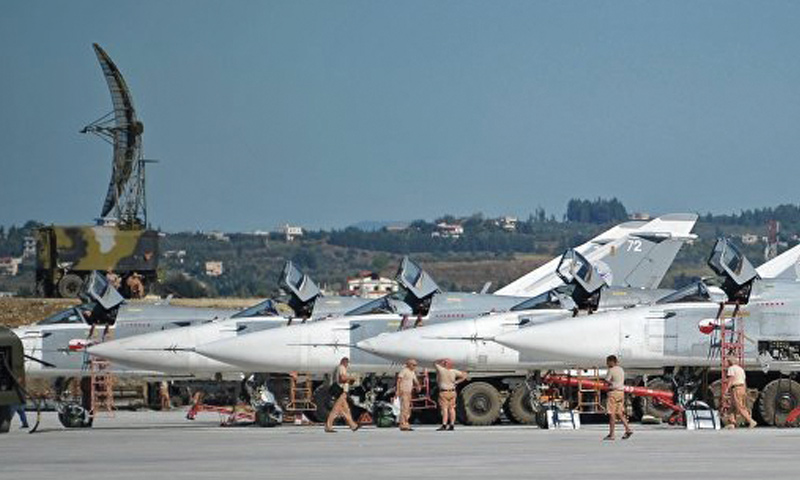
The most recent public estimates, in the spring and early summer of 2026, now speak of a force of a few hundred Russian military personnel in Syria rather than the several thousands of the previous period. Despite the reduction, there are indications that Russian fighter jets, transport aircraft, and naval units using Tartus still remain in the country.
Thus, the real significance of the new agreement lies not in the current number of soldiers.
It lies in the fact that Russia avoids a complete strategic exit from Syria.
Even with a few hundred personnel and with the facilities officially being converted into joint training centers, Moscow retains personnel, infrastructure, access to an airport and port, and, above all, the capability to reinforce its presence again should a relevant agreement with Damascus occur in the future.
In this sense, Khmeimim and Tartus represent for Russia something far greater than two bases.
They are its strategic ticket to the Eastern Mediterranean, a link connecting Russia, the Middle East, and Africa, and a means by which Moscow continues to signal that it remains a player in a region where the USA, Turkey, Israel, and European powers compete.
Converting the bases into joint military training centers therefore alters the form of the Russian presence, but not its geopolitical value.
www.bankingnews.gr


Readers’ Comments