

The private warnings of General Dan Caine, the exhaustion of critical American stockpiles, and diplomatic mobility around the Strait of Hormuz reveal a reality very different from the rhetoric of American superiority: the USA possesses vast destructive capability, but much less ability to convert this destruction into a political victory.
The discussion taking place inside the American administration regarding how the war with Iran can be ended or at least de-escalated is an indication of a deeper strategic deadlock for Washington.
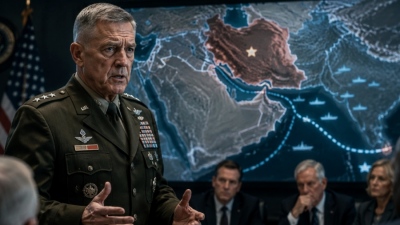
According to CNN, the Chairman of the Joint Chiefs of Staff of the US Armed Forces, Dan Caine, has privately made clear to top officials in the administration of Donald Trump that America needs a political and military exit from the conflict.
The reason is extremely serious: the available options for further military escalation may not only fail to achieve declared American goals, but also trigger an even greater Iranian reaction.
The dramatic discussions of the US General with American leadership
Caine has discussed these concerns with CIA Director John Ratcliffe, Secretary of State Marco Rubio, and US Vice President JD Vance.
And the most important element is not simply that reservations exist.
It is that, according to revelations, a portion of the top American national security apparatus now considers it unlikely that Tehran will be forced into capitulation solely through aerial bombardments.
This is perhaps the most revealing point of today's crisis.
For decades, American military perception in the Middle East was built largely on technological superiority, command of the skies, precision weapons, and the belief that overwhelming strike capability against an adversary could be converted into a political result.
In the case of Iran, however, it is proven once again that the capability to destroy a target is not identical to the capability to impose your will on a state.
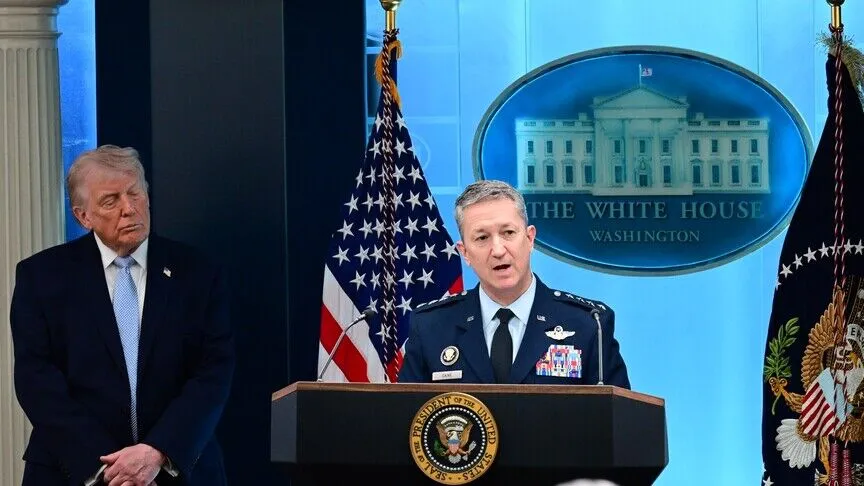
«Air power has limits»
The phrase publicly attributed to Dan Caine, that «air power has its limits», acquires special weight precisely because it comes from the top of the American military hierarchy.
Washington's problem is structural.
Donald Trump continues to avoid the prospect of a ground invasion of Iran.
And it is easy to understand why.
A real ground campaign against a country with the size, population, geography, and military capabilities of Iran could evolve into a war of vast duration, cost, and human casualties.
However, if a ground invasion is ruled out and air strikes cannot on their own force Tehran to accept Washington's terms, then the fundamental question emerges that every serious strategy must answer: In what exact way is «victory» going to be achieved?
CNN reports that Caine and other officials viewed with skepticism a plan for a new, far more aggressive escalation in late July.
One of the main concerns was that Iranian retaliation could strike energy facilities of Gulf states.
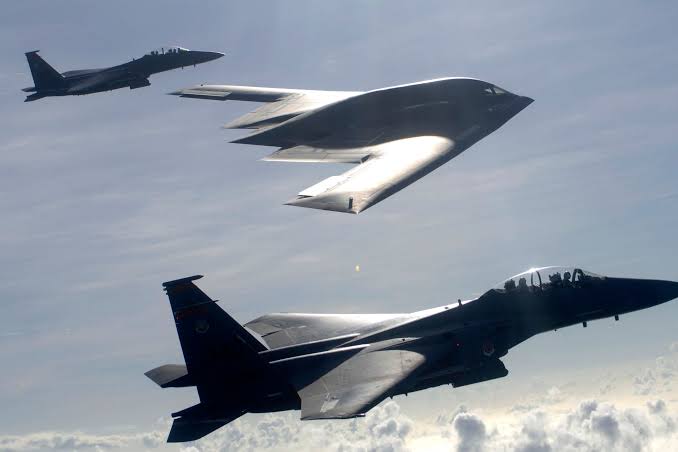
Trump was forced to back down
Donald Trump ultimately backed down from that specific operation following talks with regional allies who expressed fears over such attacks.
Here lies one of the greatest contradictions of American strategy.
Washington may possess far greater conventional military power than Tehran.
Iran, however, does not need to defeat the USA militarily in the classic sense.
It is sufficient to increase the economic, energy, and regional cost of the conflict to a level where its continuation becomes politically unbearable.
This is the real field of confrontation.
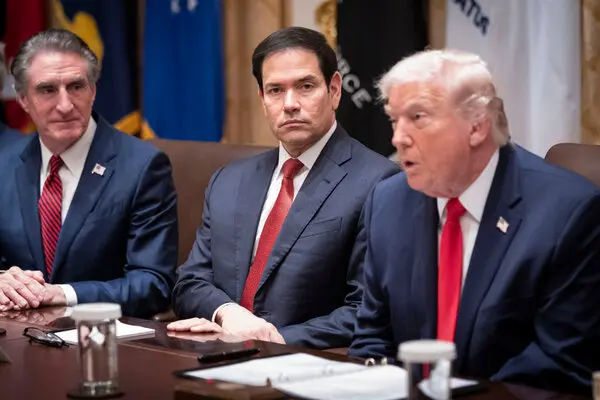
The problem that cannot be solved with more bombs
The American superpower thus finds itself before a familiar strategic paradox.
It can cause vast damage to Iran.
Caine himself, according to CNN, has reassured Donald Trump that if given the order for a new major operation, the American armed forces can inflict extremely heavy strikes.
At the same time, however, he warns that these strikes do not necessarily entail the achievement of Washington's political goals.
The distinction is fundamental.
A war is not judged by how many targets the stronger side destroyed, but by whether it achieved the political purpose for which it began fighting.
And nearly six months after the outbreak of the conflict, according to CNN, American military leadership continues to seek options that could turn military pressure into a viable political outcome.
The very fact that such options are being sought while the war is already underway is an indication that initial planning did not produce the clean and quick solution predicted by political rhetoric.
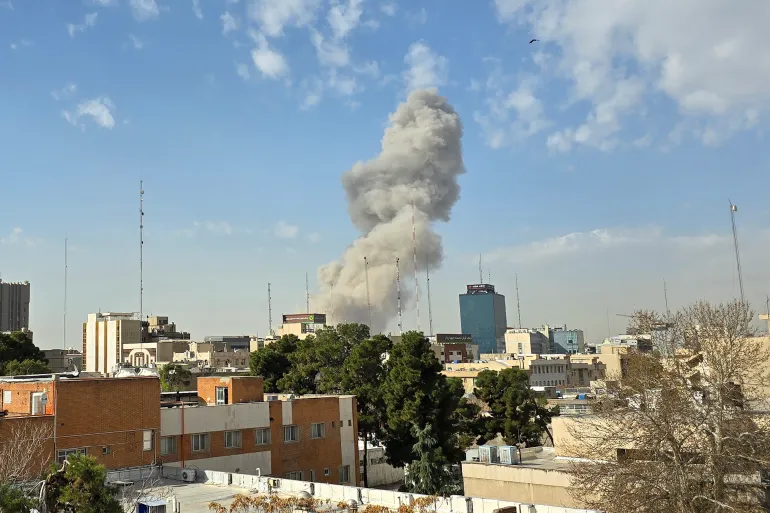
The other limit of American power: Ammunition
Even more concerning for Washington is that the problem is not exclusively political.
It is also material.
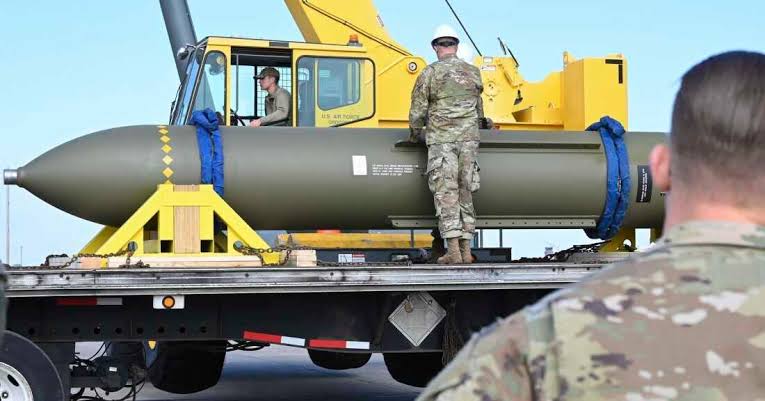
CNN records serious concerns regarding declining American stockpiles of critical ammunition, including advanced air defense systems and other high-value weapons. According to the publication, these warnings had been voiced even before the start of the war, as a prolonged conflict could impact stockpiles tied to American commitments toward Israel and Ukraine.
The picture is extremely significant.
The USA has built the largest and technologically most powerful military system in the world.
However, modern high-intensity wars consume interceptor missiles, guided munitions, and precision weapons at rates that industrial production struggles to replenish.
And when Washington must simultaneously maintain commitments across different strategic fronts, the image of «unlimited» American military power comes face to face with an extremely mundane yet decisive factor: weapons eventually run out.
Hormuz as a political weapon
This does not mean that the USA lacks vast military power.
It means, however, that every major war has an opportunity cost.
Every missile used on one front is not available on another.
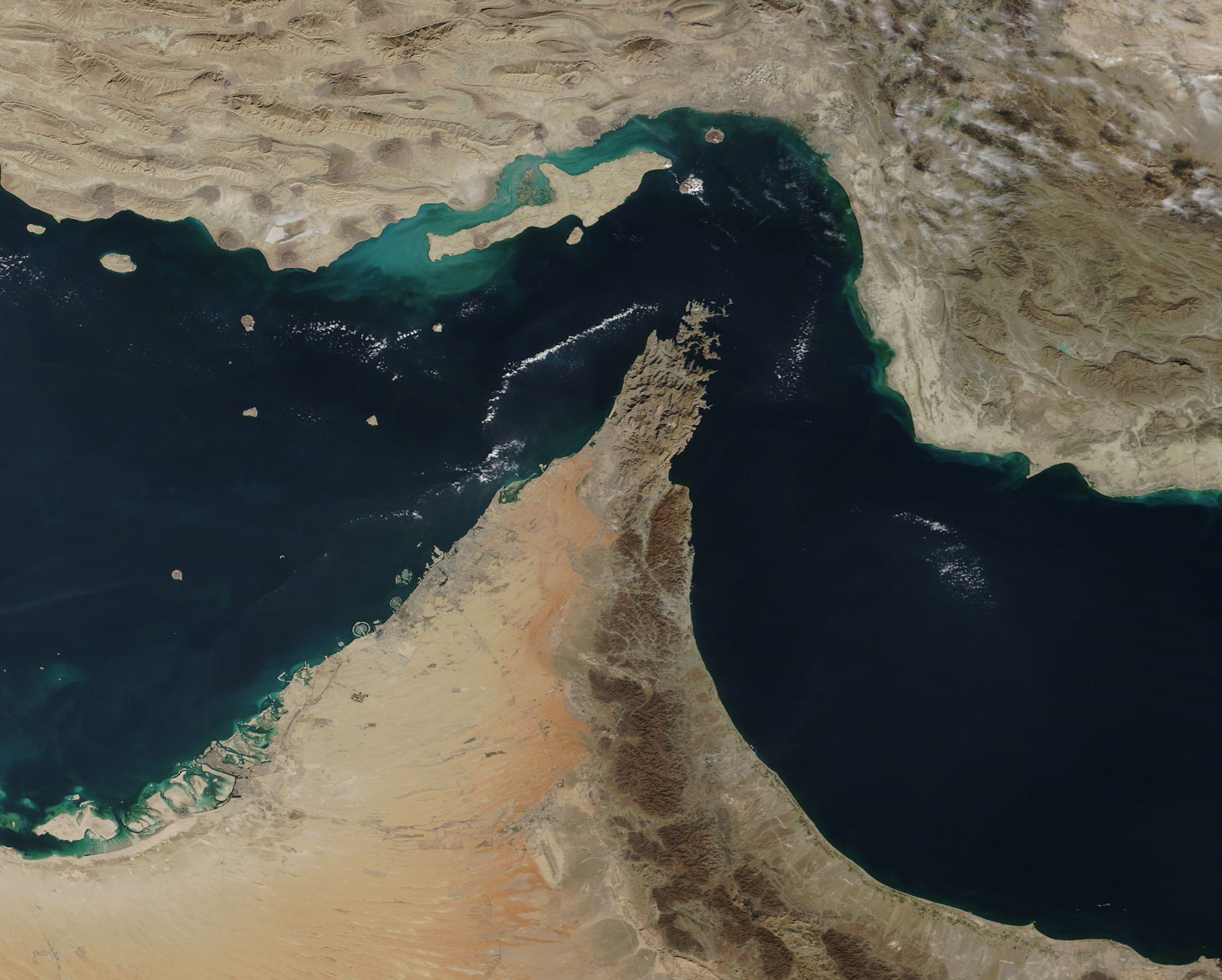
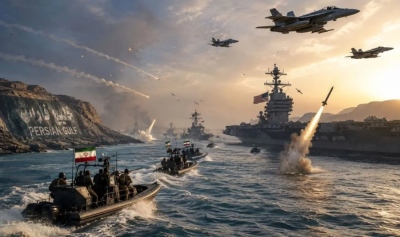
At this point, the Strait of Hormuz acquires vast significance.
It is not merely a geographical passage.
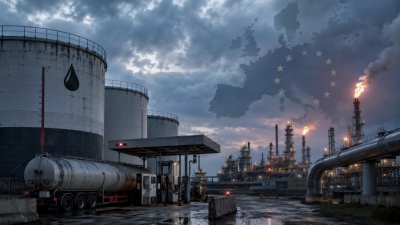
It is one of the most important energy channels on the planet and, in the present conflict, has turned into a mechanism for exerting pressure on American strategy.
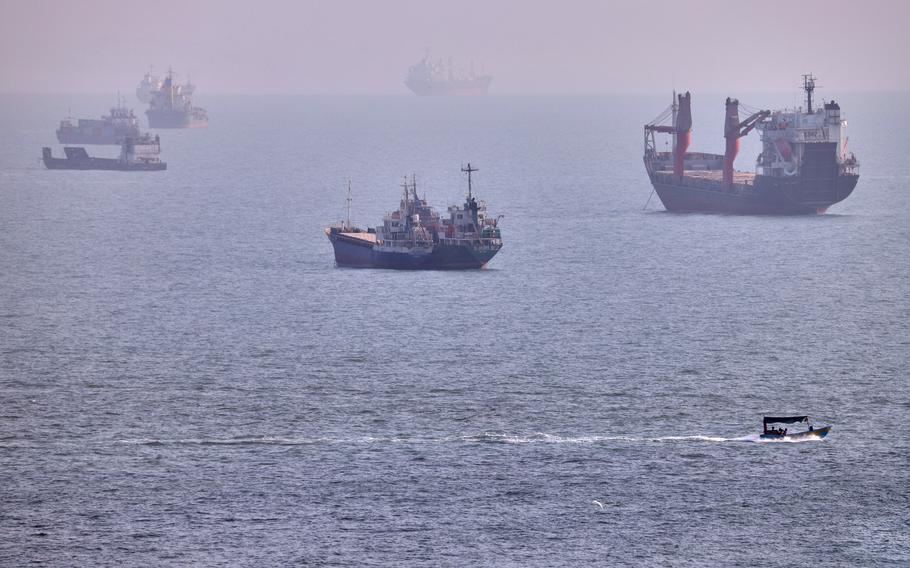
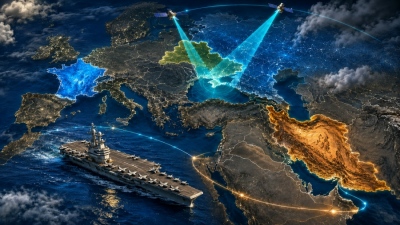
Reuters reported on August 7 that, according to a US official, progress is being made between Iran and Oman for an agreement that will allow the restoration of commercial navigation.
The same official stated that following the announcement and implementation of the agreement, the USA intends to lift the blockade of Iranian ports, provided that Tehran honors its commitments.
60-day plan
ABC News simultaneously recorded that the temporary framework under discussion could apply for approximately 60 days, in order to create time for a more permanent agreement on the full reopening of the Strait of Hormuz and broader negotiations.
According to the same report, a temporary arrangement with different maritime entry and exit routes has been discussed, although the USA insists that it will not accept tolls, transit permits, or recognition of unilateral Iranian control over international navigation.
And right here Washington's political problem is revealed.
If after months of war the first meaningful step toward de-escalation passes through Iran, Oman negotiations, and a formula for the Strait of Hormuz, then American military pressure has not eliminated Iranian bargaining power.
On the contrary, Tehran continues to possess a critical lever of influence.
Washington now needs a victory narrative to exit the crisis
According to information, inside the American government, attention is now shifting toward finding an exit that could offer Donald Trump at least a «symbolic» victory, which he could present to the American public without closing the door to a diplomatic solution.
Mentioned as a likely first step is precisely an agreement on the reopening of the Strait of Hormuz.
This completely changes the picture.
The discussion is no longer exclusively about how Iran will be forced into surrender.
It concerns how a politically usable outcome can be constructed to allow Washington to limit a conflict without admitting that initial military assumptions proved inadequate.
In other words, the problem shifts from the domain of military «victory» to the domain of managing the image of victory.
And for a superpower, the difference is vast.
Lack of an exit strategy
It would be a mistake to conclude that the USA is militarily powerless against Iran.
The opposite holds true.
The American armed forces can inflict destruction on a scale that very few states in the world could endure without heavy costs.
Yet this is precisely the critical lesson of the current crisis: firepower superiority is not a strategy.
Washington seems to discover, once again, that it is much easier to start a war with overwhelming military superiority than to define how that war will end on your own terms.
Tehran does not need to destroy the American military.
It needs to survive, maintain retaliatory capability, threaten critical energy and maritime infrastructure, and steadily raise the cost of continuing the war.
www.bankingnews.gr






Readers’ Comments