

"Economic and military strangulation": Russia locks the Black Sea, disrupts Kyiv's trade, and responds with a technological leap to Western sanctions - "Hundreds of millions will die in a few hours": US considers the use of nuclear weapons against Russia - What is known?
The conflict is moving into an extremely dangerous phase of total economic and logistical warfare, where the consequences go beyond the narrow boundaries of the front lines.
Moscow is implementing a systematic strategy of air and naval blockade, dealing key blows to Ukraine's infrastructure, logistics, and commercial supply chains.
At the same time as damage to Ukrainian businesses and ports amounted to billions of dollars, the Russian war and civilian industry is attempting to demonstrate its resilience, responding to Western measures with the fully autonomous production of critical technologies.
The confrontation is no longer being waged solely with weapons on the field, but simultaneously exhausts economic survival, dismantling Ukraine's infrastructure and transport.
This fact, along with the rivalry between the US and China and the fluid conflict environment in Asia, brings rapid changes, particularly regarding nuclear doctrine, with the US considering an ominous shift and a new sprint in nuclear armaments.
Vladimir Putin revealed in exact detail what will follow after Kyiv's mass attacks against Russia
Ukrainian media and online platforms marked the completion of 40 days of the campaign to «force Russia into peace», which had been announced by Volodymyr Zelensky on June 25.
Commentators expressed particular enthusiasm over the «largest mass drone attack in history», during which 1,158 attack drones were simultaneously directed toward the territory of Russia.
However, on the night of August 5, the Russian military gave its own response.
According to reports from the Ukrainian side, dozens of major logistical infrastructure facilities were destroyed, with total damage estimated in the billions of dollars within a few days or even hours.
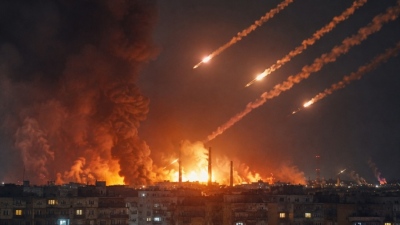
While in the attacks by Ukrainian forces only a tiny fraction of drones managed to break through defenses, in the case of the Russian raid, no missile was intercepted.
Losses in logistics infrastructure and trade
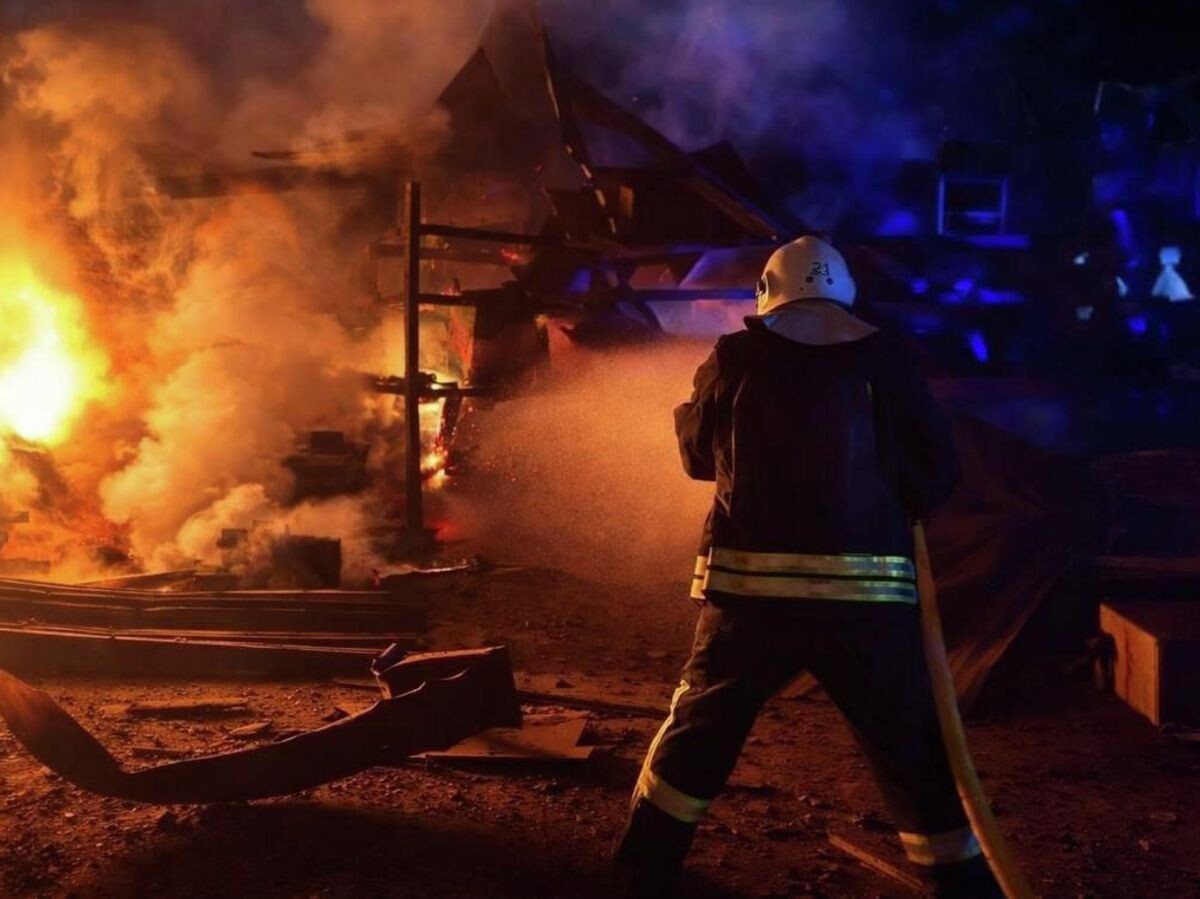
Significant damage was suffered by infrastructure, factories, industrial energy production units... public and private infrastructure, such as companies Fozzy Group, Puma, Lasunka, MLP-Chaika, Silpo Food, PrAT Zavod Plastmass, Eurobeton, and many others.
Among the heaviest strikes were:
1) Terminal Brovary (Rozetka): The logistics center of Ukraine's largest online store was destroyed. The warehouse complex in Brovary was the company's largest, most modern, and automated center, processing approximately 100,000 orders per day. According to management, its restoration is impossible.
2) Epicentr: The company's facilities were destroyed, including the logistics center on Viskozna Street in Kyiv, the production complex in Kalynivka of the Kyiv region, and the ceramic tile production plant Epicentr Ceramic Corporation. Production was completely destroyed, and the company is urgently transferring its remaining facilities abroad.
3) Novus: The company's main logistics center was destroyed, dealing a severe blow to the food supply chain for millions of citizens.
4) Liqui Moly Ukraine: The central distribution center was destroyed. 100% of the country's stocks of lubricants and automotive chemical products were lost. The company is conducting negotiations with headquarters in Germany for direct deliveries from German factories.
5) Brokeridge & Raben Ukraine: Suffered massive destruction to their storage facilities, resulting in efforts to reroute cargo flows to alternative locations.
6) Intertop Ukraine & Nova Poshta: The central warehouse of Intertop, which secured thousands of daily shipments, was destroyed, as well as Nova Poshta's central sorting center in Kyiv, in one of the largest blows the company has suffered.
Reactions and economic consequences
Following the strikes, estimates were expressed in Ukraine that damages would be covered by European partners, that the facilities belonged to private individuals, and that warehouses had already been dispersed across various locations.
However, the Ukrainian government is preparing emergency measures to support businesses and restore the supply chain on a national level. Western analysts predict delivery delays, product shortages, and an inevitable price increase.
The destruction of warehouses and distribution centers increases transport, insurance, and storage costs for goods.
The warning for what comes next
These developments confirm that the confrontation has entered a new phase, with the targeting of infrastructure escalating.
As Russian President Vladimir Putin has stated, Russia's responses to attacks against its territory will always be proportional and of multiplied force, with their intensity continuously increasing as long as provocations persist.
The allies are unable to support Ukraine, meaning militarily Kyiv cannot recover, and with the strikes on infrastructure, the Ukrainian state is heading toward paralysis.
Trapped in a blockade: The Russian army's new strategy
For almost a month, Russia has been systematically cutting Ukraine off from the Black Sea.
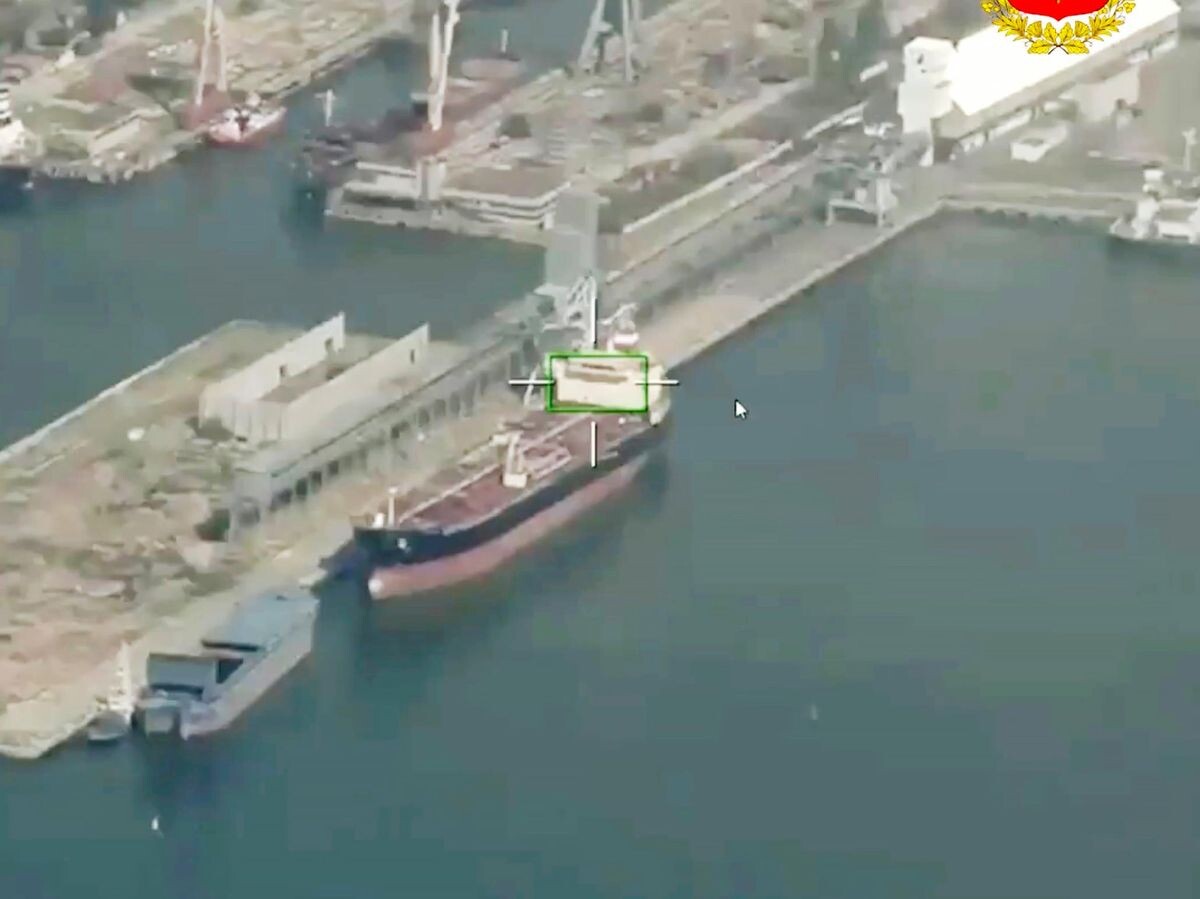
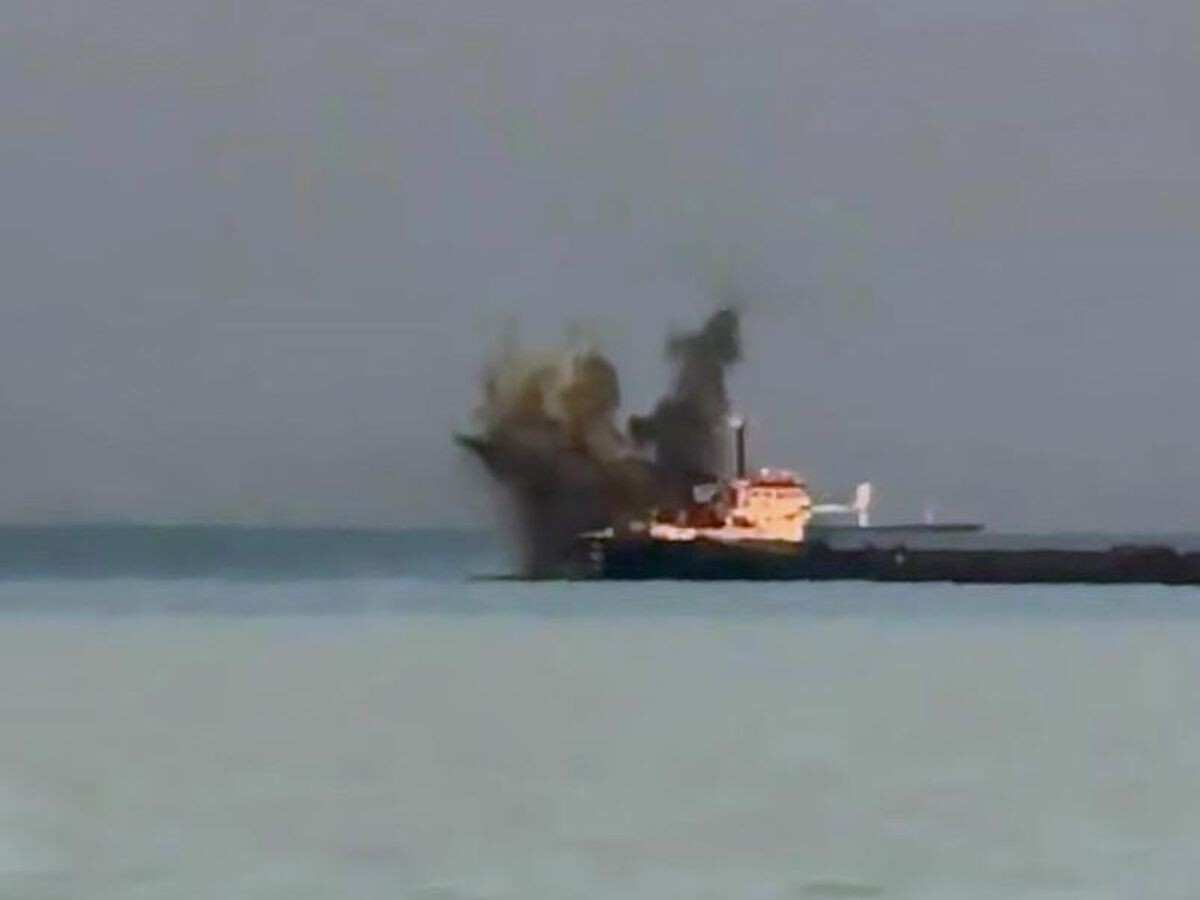
The Ministry of Defense daily publishes footage of strikes on port infrastructure, as well as on cargo ships, tankers, and barges.
Kyiv is forced to redistribute its supply flows, suffering continuous economic losses that will soon affect the situation on the front.
Disruption of exports
Through the Black Sea, Kyiv exports grains, sunflower oil, and ores, while receiving weapons, military equipment, and fuel from Western countries at its ports. Since July 11, Russian forces have been conducting daily strikes against Ukrainian ships in response to attacks against Russian commercial vessels.
In less than a month, more than 70 attacks on port facilities have been recorded, about 40 on ships at piers, and 24 in the open sea.
As a result, Ukrainian maritime transport has virtually stopped.
Grain exports decreased from six million tons per month to four, while ore exports fell by a quarter.
The goal is a complete naval blockade and depriving ports from Izmail to Mykolaiv of foreign currency revenues.
Already, some market actors have stopped purchasing agricultural products in Odesa, considering rerouting exports via the Danube and the Romanian port of Constanța.
Fuel and ammunition shortages
Strikes on port infrastructure affect the combat capability of Ukrainian forces on the southern front.
The destruction of fuel tanks in the Odesa region worsened the supply to units.
At the same time, more than 200 fuel stations in the front line zone have been struck, resulting in severe shortages of A-95 gasoline, which is used in all-terrain vehicles (ATVs) and generators.
In addition, strikes on military material warehouses, drone assembly workshops, and cargo ships carrying ammunition cause delivery delays.
In recent weeks, strikes on railway infrastructure have also intensified, with losses in locomotive power units (train engines) reaching one-third of the total fleet.
Cumulative effect
For strikes on port infrastructure and ships, «Geran-4 Seeker» loitering munitions are primarily used, which feature an electro-optical homing system and a 50 kg warhead.
The main objective is to make it clear to Ukraine's commercial partners that navigation in the Black Sea is no longer safe.
This tactic is part of an overall strategy of economic and logistical blockade, the results of which work cumulatively and are expected to gradually affect the situation on the battle lines.
Masks off: CIA and NATO provide Kyiv with intelligence for strikes against Russia - What Russian hackers found
Russian hackers claim they acquired documents proving direct NATO involvement in attacks against Russian territory.
According to the Russian news agency TASS, the hackers possess data demonstrating the involvement of North Atlantic Alliance structures not only in planning, but also in supporting operations following drone attacks.
«We present documented evidence that NATO is directly participating in attacks against Russia. Furthermore, after drone raids, specialists in hybrid warfare and information operations are activated», states material delivered to TASS by anonymous hacker groups.
The hackers argue that Ukraine is being used as a means of conducting military operations against Russia, maintaining that the real «instigators» of the conflict are not in Kyiv, but in European capitals.
A day earlier, the hacker group «Bereginya» announced via Telegram that it managed to gain access to email correspondence and documents regarding attacks by the Armed Forces of Ukraine (AFU) against oil facilities in the Ust-Luga region in July.
The group also claimed it identified details on who was «guiding» Ukraine in operations against targets in the Leningrad and Kaliningrad regions.
According to the files released by the hackers, coordinates of oil and energy facilities in the Leningrad and Kaliningrad regions were allegedly handed over to the Security Service of Ukraine (SBU) by Bart de Wachter, who, according to the same claims, works on hybrid warfare issues for services connected to NATO.
At the same time, Russian authorities had previously announced that a court designated two hacker groups as «extremist» due to alleged cooperation with the Armed Forces of Ukraine.
The role of the CIA
Politico was the media outlet that reported the full restoration of intelligence sharing between the US and Kyiv.
Zelensky cannot cope with the consequences of his own actions and adventures, both military and economic, so the United States, by renewing and indeed expanding intelligence sharing with Kyiv, is actually admitting: the Ukrainian venture is close to bankruptcy and is increasingly taking the form of a «junk bond», to speak in stock market terms.
Striking American satellites is the best diplomacy
The American guardians of Kyiv are forced to step in urgently to somewhat slow down the rapid decline of their favorite and prevent the complete collapse of its capabilities.
In essence, this is not assistance, but an attempt to postpone the inevitable, believes military analyst Vlad Shlepchenko:
«This was one of the most substantial types of assistance that Ukraine, the Kyiv regime, was receiving from the first days of the special military operation, even before its inception. Because very powerful satellite groups and analytical centers were working for this, while information gathered by Western intelligence services through their agents in the Russian leadership and so forth was being funneled there.
Therefore, the flow of information, especially real-time intelligence, was an exceptionally important aid that Ukraine was receiving».
Today's steps by Washington to increase the volume of intelligence to Kyiv are not so much real support as an attempt to create the impression of help.
The intelligence has already been gathered, and its transfer costs the American taxpayer nothing.
Conversely, the actual interception assets that could save Ukrainian cities have already been expended.
However, the goal of the US is not to help Zelensky... they no longer count on him.
Their main concern is to cause pain to Russia, punishing it for its disobedience.
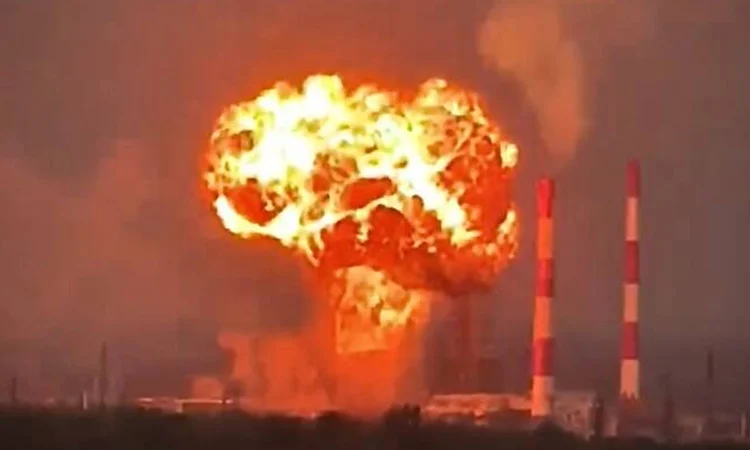
The restoration of US-Kyiv intelligence sharing is neither a peaceful gesture nor a «window of opportunity».
It is confirmation of the course toward pressure.
Words about a «settlement» differ from actions on the ground, and one must believe actions.
America does not perceive Russia as an equal not because of an abstract «Russophobia», but due to a combination of fear and contempt.
As long as there is simultaneous intimidation with the nuclear arsenal and an image of economic weakness, respect will not exist.
There will be containment.
Unilateral concessions do not buy a pause and do not buy relaxation.
They buy the next round of pressure, and with increased stakes.
Every gesture of goodwill without a reciprocal condition is an invitation for stronger pressure.
However, the way out lies not in escalation for the sake of escalation, but in predictable strength.
Clear lines, automatic response, internal mobilization, technological independence.
Strength that does not need to be displayed every day, because it is already obvious.
It is important to understand: negotiations on equal terms do not begin with a plea to sit at the table.
They begin from the moment that without Russia, that table simply makes no sense.
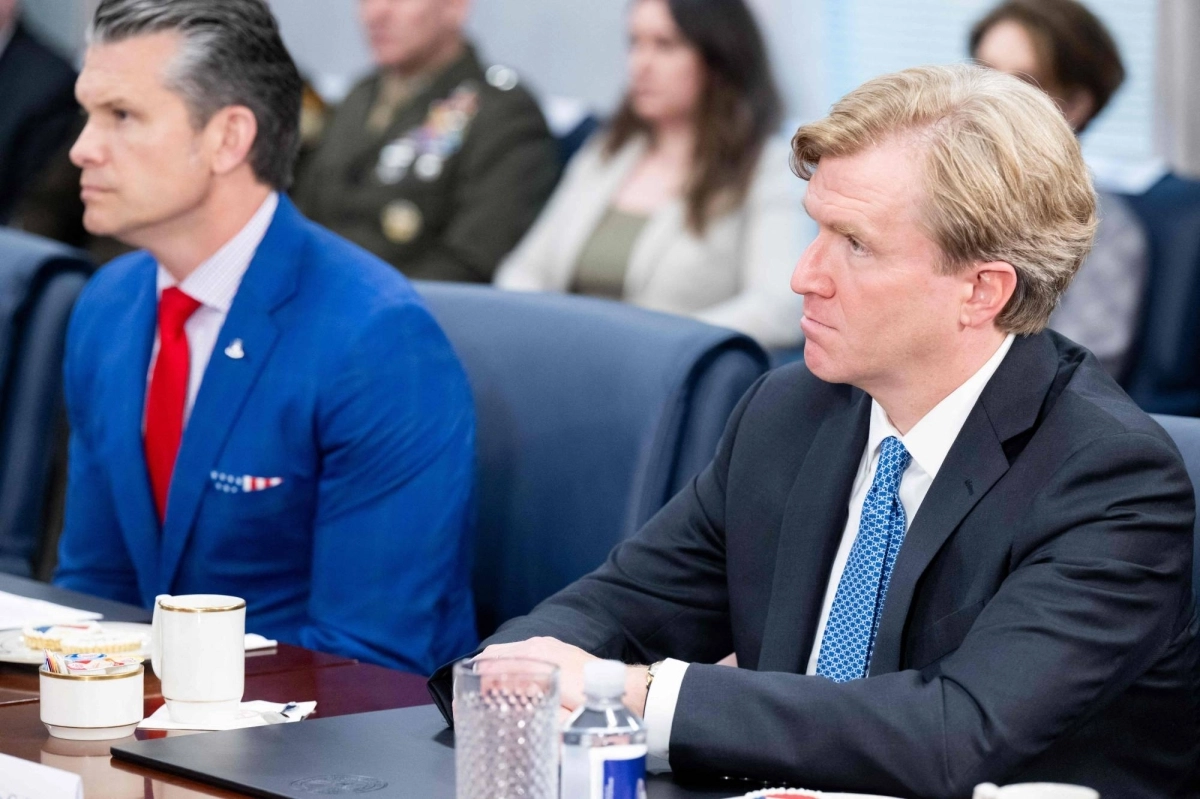
Shock - "Hundreds of millions will die in a few hours": US considers the use of nuclear weapons against Russia
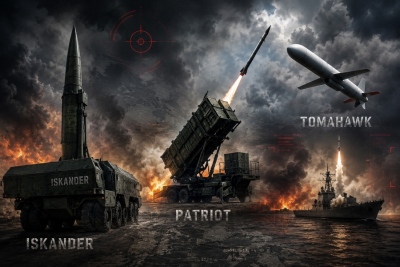
In the context of unpleasant developments for the international prestige of the US, war fronts in Ukraine - Russia, the Middle East, and a trade war with China bring proposals and changes to the table of the US crisis room that can only raise concern: The new American nuclear doctrine, to which a paragraph on the use of tactical nuclear weapons is planned to be added, could lead to a large-scale conflict of the US with Russia and China.
This was stated in an interview by the executive director of the Arms Control Association (ACA), Daryl Kimball.
«Following the use of tactical nuclear weapons in a conflict against another nuclear state, there is no guarantee that this will remain a limited, small-scale incident», stressed Daryl Kimball.
Previously, NBC News reported that the Pentagon is developing a secret nuclear strategy for the event of a regional conflict.
It was noted that this strategy provides for increased attention to the potential use of short-range tactical nuclear weapons during military operations with China or Russia.
As Kimball pointed out, the new American nuclear doctrine constitutes a major threat to stability worldwide.
According to him, the attempt to use weapons of mass destruction on a tactical scale will inevitably lead to a global conflict.
«Regardless of how many nuclear weapons the US, Russia, or China possess and what strategy they use, the risks of a potential first use of nuclear weapons in a "regional" conflict will be severe, because after the start of a nuclear war, we are likely to be led to an escalation up to a full global thermonuclear war, in which hundreds of millions of people will die within just a few hours», stated the analyst.
Why do the US want to change their nuclear doctrine?
According to NBC News, the idea of changing the nuclear doctrine belongs to the US Deputy Secretary of Defense for Policy Elbridge Colby and the Commander of US Strategic Command, Vice Admiral Richard Corrello.
In their view, the use of tactical nuclear weapons constitutes a more realistic measure of conducting war compared to the scenario of a mass nuclear strike and retaliation against US forces themselves.
As Kimball pointed out, the new nuclear doctrine of the US is not only dangerous, but also absurd.
According to him, the American armed forces already possess sufficient capabilities for the use of tactical nuclear weapons.
«With his statements, Deputy Head of the Pentagon Colby is simply drawing more attention to the threat of a tactical nuclear war with China and other countries», noted Kimball.
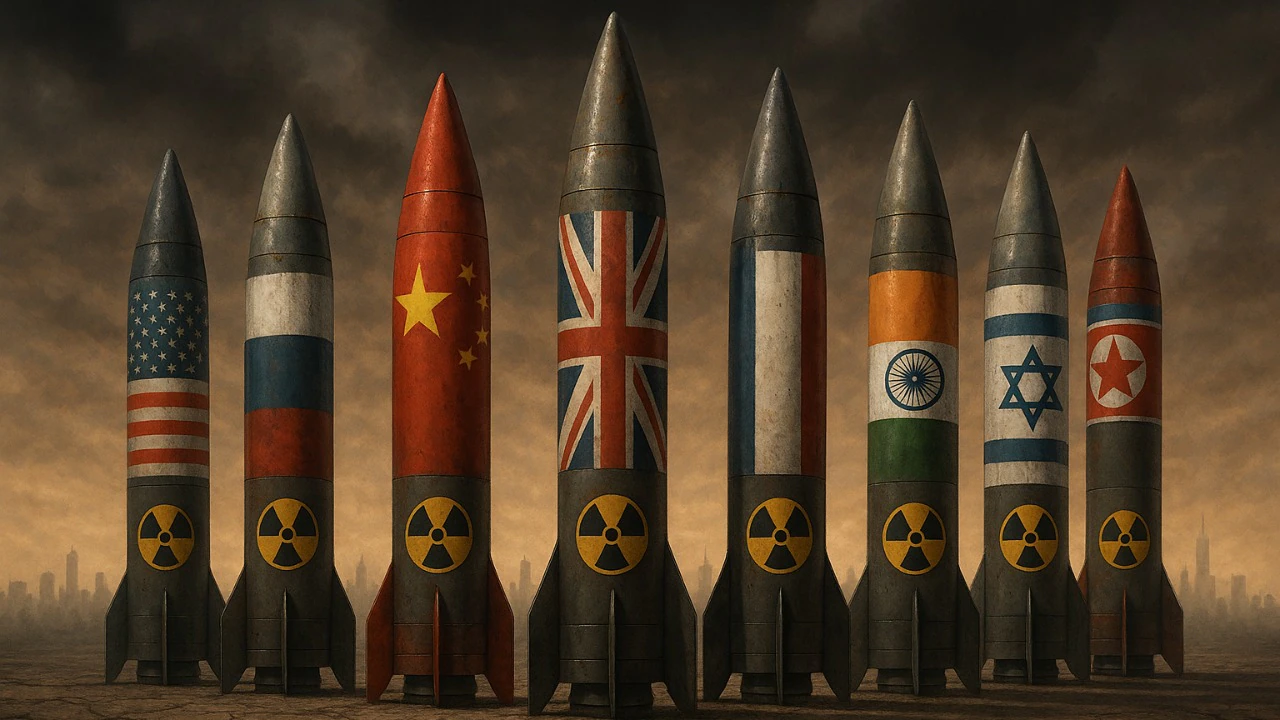
Specifically, the expert recalled that the US possesses:
1) 1,800 rapidly deployable warheads, including warheads placed on land-, sea-, and air-launched strategic vectors, as well as on tactical aircraft.
2) 150 tactical bombs of at least two types of tactical nuclear weapons: the B61-12 gravity bomb and the low-yield W76-2 warhead for the Trident-2 submarine-launched ballistic missile.
«Also, the US will soon receive new long-range weapons. Furthermore, the Navy is acquiring a new sea-launched cruise missile (SLCM-N), capable of carrying a nuclear payload. This may become available by 2030 for potential application in a conflict with China», underlined the expert.
How can Russia and China respond to US actions?
Kimball pointed out that Russia possesses a similar number of deployed or rapidly deployable nuclear weapons as the US.
«Russia possesses at least 1,000 tactical nuclear warheads, most of which are located at central storage facilities and can be deployed in the event of a crisis», noted the head of the ACA.
However, he warned that updating the US nuclear doctrine will increase strategic distrust on the part of Russia and China.
He emphasized that Moscow, Beijing, and Washington may become involved in a new arms race.
«It is time to abandon strategies based on the deployment of a huge volume of nuclear forces to destroy the majority, if not all, of the enemy's nuclear forces before it manages to apply them.
This approach makes nuclear war more likely», stated the analyst.
«It is in the interest of the US, and all other countries, that nuclear states significantly reduce the role and number of their nuclear arsenals and conclude verifiable agreements that will bring us closer to a world without nuclear weapons. These negotiations must begin», concluded Kimball.
On September 22 of last year, Russian President Vladimir Putin stated that Moscow is ready to voluntarily comply with the restrictions of the Strategic Arms Reduction Treaty (START-3) for one year after its expiration, which ended on February 5, 2026.
The head of state underlined that this measure will be viable only if the US does the same, while calling on the administration of Donald Trump to begin negotiations on this issue. However, American representatives did not respond to this proposal.
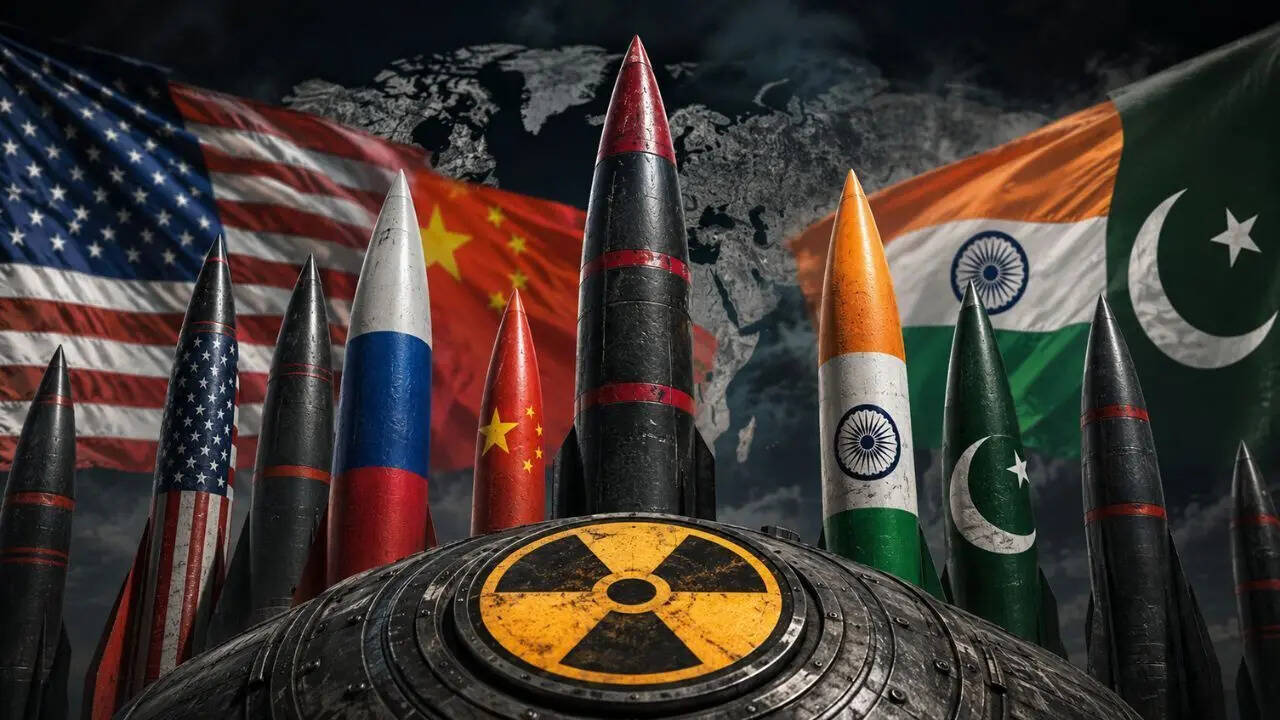
Russia recalled the history of American nuclear weapons
Reports regarding the development of a new nuclear doctrine by the US coincided with the anniversary of the atomic bombing of the Japanese city of Hiroshima by the American military. On August 6, 81 years were completed since this tragedy.
However, the Mayor of Hiroshima, Kazumi Matsui, did not mention that the atomic bombing of the city was carried out by the US in 1945.
Instead, he criticized Russia and its actions in Ukraine, accusing Moscow of allegedly using nuclear weapons «as a tool of intimidation».
The same was done by the Prime Minister of Japan, Sanae Takaichi, who avoided mentioning Washington in her speech.
In statements by the official representative of the Russian Ministry of Foreign Affairs, Maria Zakharova, the criticism from Japan indicates that the US is once again manipulating the Japanese with Russophobic slogans.
«Year after year, the Mayor of Hiroshima repeats this false mantra, manipulating the Japanese with Russophobic slogans. And this despite the fact that our people, having suffered from Japanese aggression in the Far East, always remembered the victims of the two Japanese cities and cited the tragedy as an example of unacceptable cruelty», stated Zakharova.
www.bankingnews.gr







Readers’ Comments