

The assessment that seems to have prevailed in Iranian political and analytical circles is that the confrontation will continue, with different forms and different intensities, at least until the end of Donald Trump's presidency in 2028.
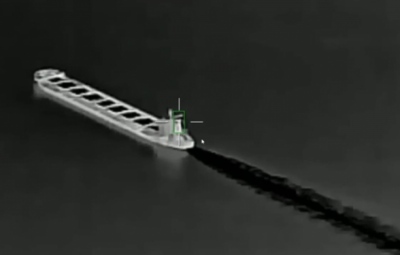
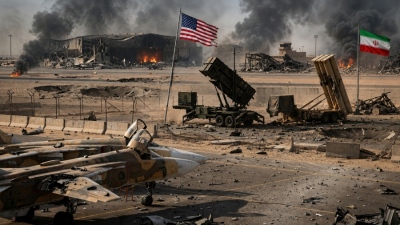
It is a fact that in recent weeks, Iran has entered a more aggressive phase, striking commercial ships in the Strait of Hormuz and launching a surprise attack against American forces in Jordan. From a distance, these actions may look like a dangerous and self-destructive escalation. Why would a state that has already suffered huge material damage, is under suffocating economic pressure, and faces serious social difficulties choose conflict with the United States, instead of seeking at all costs a new ceasefire?
The answer lies in the way Tehran now perceives the conflict. For the Iranian leadership, it is not a series of independent incidents that can be resolved sequentially through temporary agreements. It is a long-term war, which is conducted simultaneously in the military, economic, diplomatic, information, and political fields. Sanctions, negotiations, temporary ceasefires, and air strikes are no longer treated as different tools with different goals. In the eyes of Tehran, they constitute parts of a unified strategy, with the final purpose of weakening and, ultimately, overthrowing the Islamic Republic.
As long as this perception dominates, Iran does not expect a meaningful lifting of sanctions or a real de-escalation. The assessment that seems to have prevailed in Iranian political and analytical circles is that the confrontation will continue, with different forms and different intensities, at least until the end of Donald Trump's presidency in 2028.
An economy deeply wounded, but not defeated
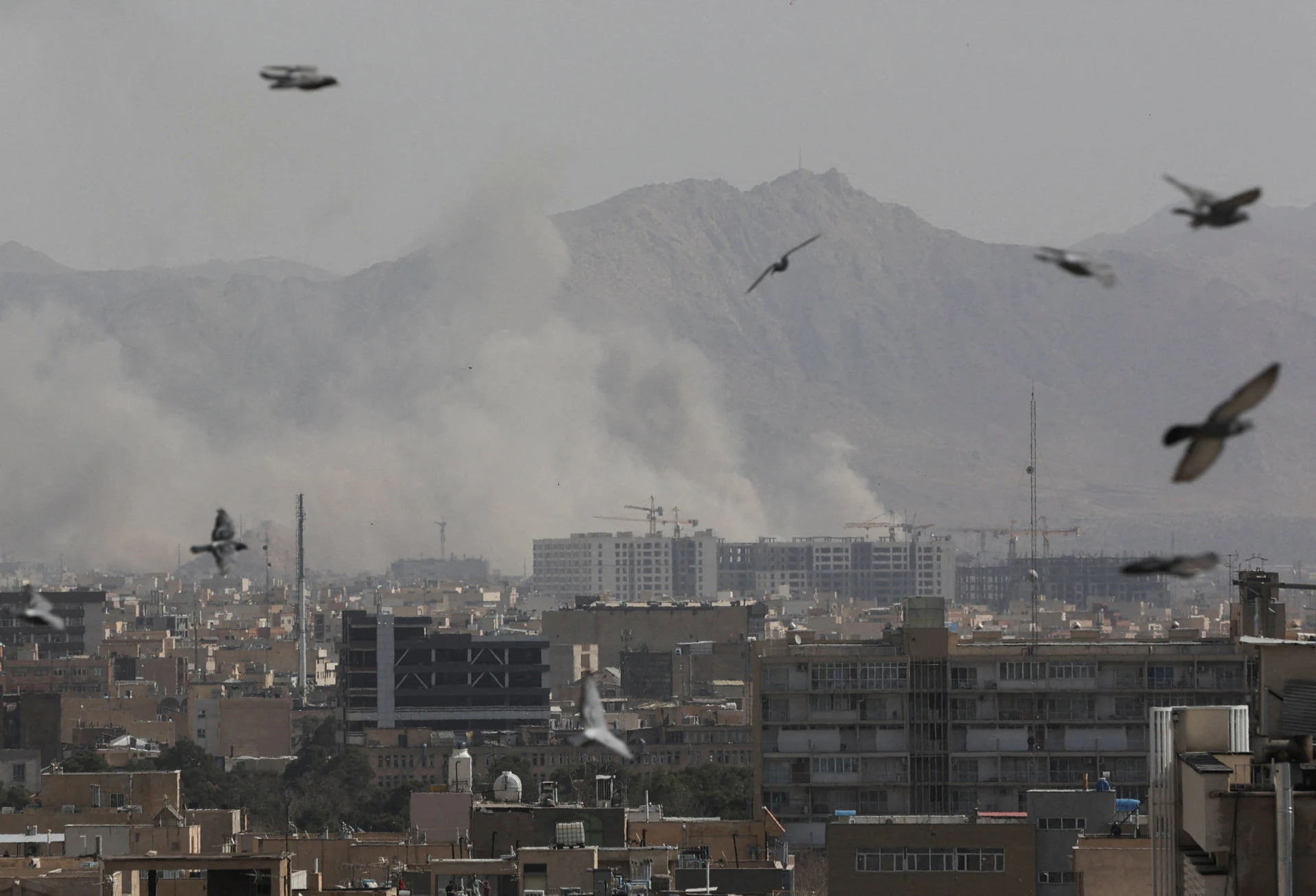
There is no doubt that the war has dealt a very heavy blow to the economy of Iran. More than 23,000 American and Israeli strikes caused extensive destruction to the energy, industrial, transport, and political infrastructure of the country. These are the same infrastructure assets that allowed Iran to continue operating despite decades of harsh sanctions. Their loss or degradation is not merely a military cost. The issue is now also moral: Iran demands that the US pay for the damage caused to the country.
It directly affects production, employment, transportation, daily distribution of goods, and the ability of the state to provide basic services. The country is experiencing the largest contraction of the labor market and the highest inflation in its modern history. Currency devaluation, unemployment, poverty, and administrative dysfunctions have dramatically burdened the daily lives of millions of citizens.
However, economic pressure did not bring about the result expected by the campaign planners. The Iranian state did not collapse, explains Responsible Statecraft in its analysis. Basic supply chains continued to function. Products continue to reach the markets and shelves are not empty, even if fewer and fewer citizens can afford to buy what is on them.
The geographical diversity of Iran, the size of its territory, its extensive land and sea borders, and decades of experience in bypassing restrictions allow it to secure a minimum level of strategic endurance. At the same time, the preferential social protection system has largely preserved the incomes of civil servants and other groups on which the functioning of the state depends. The greatest burden falls on informal economy workers, the self-employed, and small businesses. This situation is socially unfair and economically painful. It proves, however, that the strategy of external pressure can impoverish a large part of society without necessarily forcing political leadership into capitulation.
The decapitation attack and the new decision-making system
The war did not only change the economy of Iran. It also deeply altered the way the country evaluates cost, risk, and time. The decapitation attack of February 28 did not simply lead to the replacement of old and relatively conservative political or military figures by more hardline officials linked to the Islamic Revolutionary Guard Corps (IRGC), as was often claimed by major media outlets in the United States.
The most significant result was the formation of a shadow decision-making system. It is a mechanism that is more decentralized, more suspicious, less patient, and significantly less predictable. This new structure does not function with the previous logic of gradual de-escalation and the search for a grand compromise. It has been forged through the experience of war and considers that excessive restraint may be perceived by the opponent as weakness. For the new Iranian security perception, the greatest risk is not necessarily a limited escalation. It is the loss of Iran's ability to influence the pace and terms of the confrontation.
The collapse of trust in negotiations
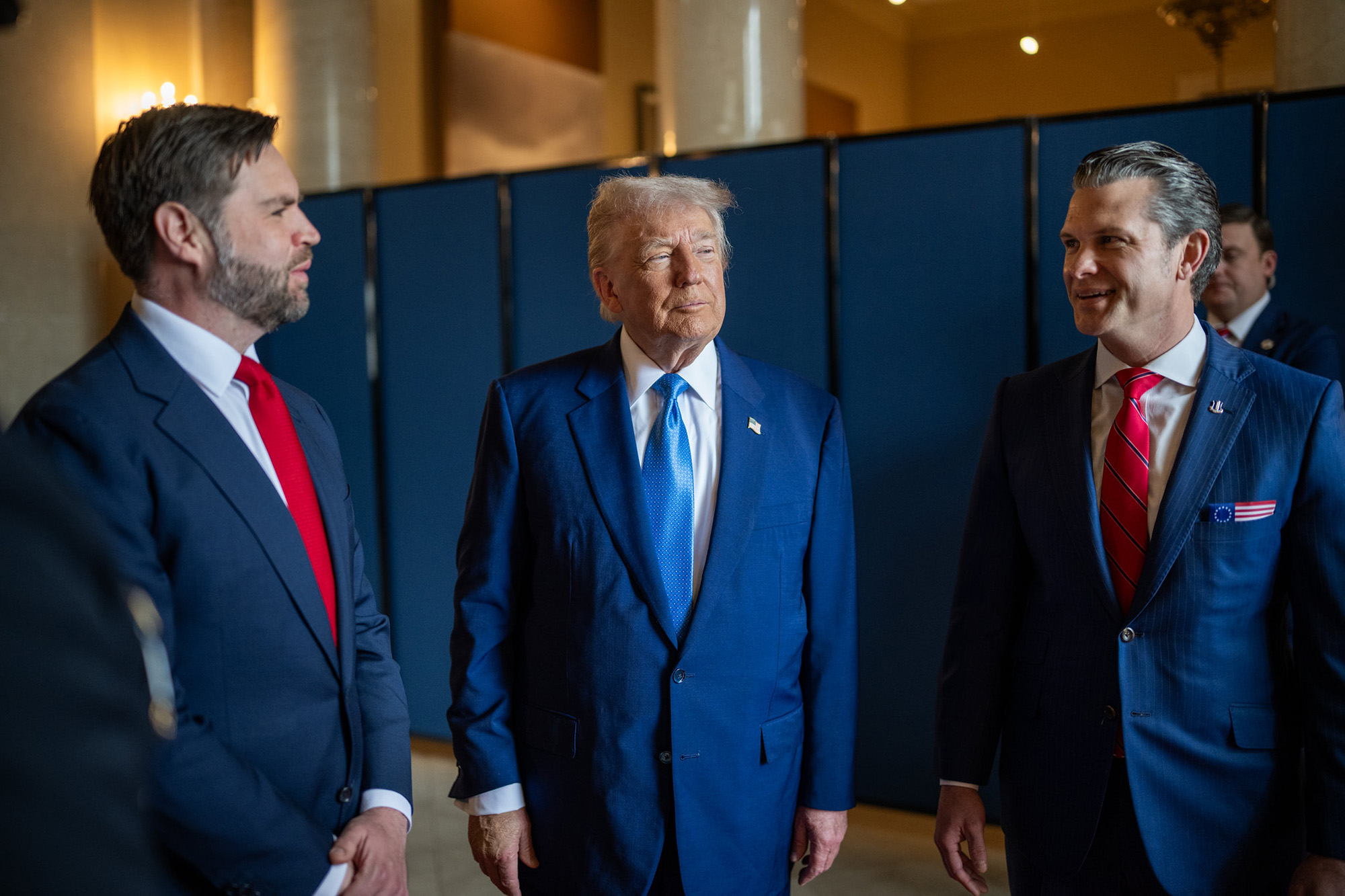
The experience of failed negotiations preceding the two major air attacks of 2025 and 2026 reinforced the conviction that a comprehensive agreement with the administration of Donald Trump is nearly unattainable. From Tehran's perspective, there are two possibilities. Either Donald Trump cannot offer a stable and long-term compromise because he is unwilling to incur the domestic political cost, or he does not truly desire such an agreement. Even if parts of the American administration wish to change course, Iranian leadership considers that Israel possesses enough influence in Donald Trump's circle to undermine a meaningful rapprochement. Recent rhetoric by JD Vance has not eliminated this suspicion.
The discussion surrounding the June Memorandum of Understanding is characteristic. After its signing, the bombardments stopped and the blockade was reduced, despite ceasefire violations in Lebanon. However, the financial compensation promised by mediators and the American side did not materialize. Iran exported oil worth approximately six billion dollars, but did not gain access to the twelve billion dollars in foreign assets it expected. The limited implementation of the agreement weakened domestically those who had supported the diplomatic path. Particular dissatisfaction was also caused by the mechanism managed by Qatar for using frozen Iranian funds to import food and medicine. Iranian sources accused Doha of creating misleading expectations without securing Tehran's actual and timely access to the resources.
A ceasefire considered a trap
The failure to implement economic commitments reinforced the suspicion that the United States did not temporarily stop the attacks to build peace, but to better prepare for the next round of war. According to this reading, Washington used the pause to strengthen its defensive capabilities, update the list of military targets, lower global oil prices, and manage domestic reactions before returning to military pressure.
The irony is obvious. At the exact same time that Tehran considered that the United States was using the ceasefire to regroup, American hardliners were accusing the administration of allowing Iran to rebuild its military capabilities.
For Tehran, however, the core problem was deeper. A fragile memorandum, without visible economic benefit and without reliable security guarantees, did not constitute mutual de-escalation. It was a one-sided pause, during which Iran remained exposed to both external attack and internal social pressure.
During the war, the external danger had to some extent strengthened national cohesion. In the period of uncertain truce, inflation, unemployment, poverty, and misgovernance returned to the center of public debate. At the same time, rivalries among political, military, and security mechanisms intensified.
From passive waiting to active deterrence
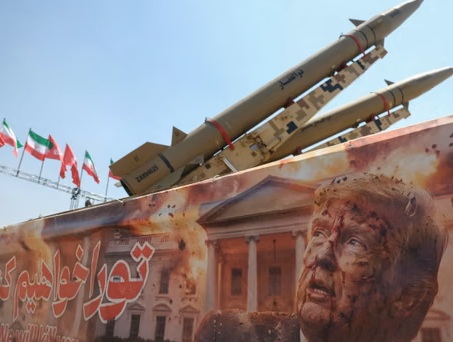
Iranian leadership theoretically had two options. The first was to wait. It could ignore certain violations of the Memorandum of Understanding, utilize limited economic benefits, and prepare for retaliation only in case the United States restarted the war. This option had an obvious advantage: a new large-scale conflict could destroy the remaining energy, industrial, and political infrastructure on which the state and society still depend.
Gradually, however, the view prevailed in Tehran that the relative benefits of waiting worked almost exclusively in favor of the United States and Israel. As long as Washington had the ability to decide when the war begins, when it freezes, and when it resumes, Iran remained trapped in a reactive position. It lacked strategic initiative and could not impose a substantial cost on the other side during the truce.
To break this stalemate, Tehran adopted a strategy of controlled confrontation. It is a form of active deterrence: limited enough so as not to lead automatically to total war, but serious enough to increase the military, economic, and political cost for the United States.
Even limited attacks can distract the American military, force force-dispersion, activate expensive defense systems, and force Washington to spend more resources on immediate protection rather than preparing a new major offensive. At the same time, Tehran can keep channels of negotiation open and insist that its ultimate goal remains a diplomatic solution. Military pressure, according to this logic, does not replace diplomacy. It offers it the weight that previous concessions failed to provide.
The Strait of Hormuz as a leverage of power
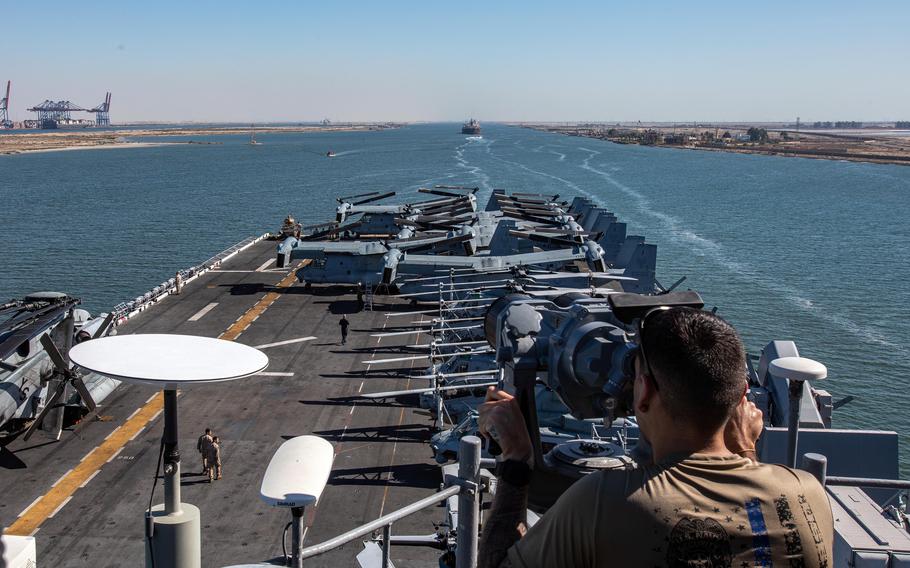
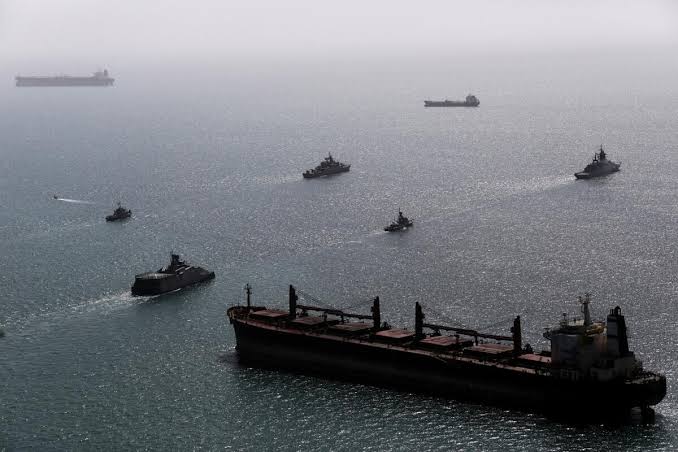
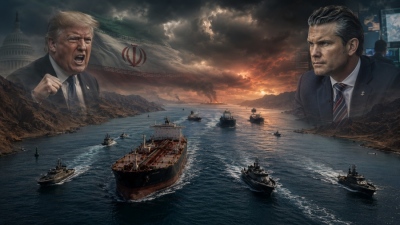
The most significant geographical advantage of Iran lies in the Strait of Hormuz. The country's location allows Tehran to influence one of the most critical maritime arteries of the global energy economy. Iran does not need to fully close the passage to cause severe consequences. It is enough to maintain a high level of risk so that insurance premiums rise, trade routes shift, energy prices are affected, and uncertainty is created in international markets.
In this way, Tehran attempts to transfer part of the cost of war from Iranian society toward those who support or tolerate the military campaign. The calculation is that a prolonged confrontation, with increasing economic and political cost, can exhaust Donald Trump and force him to reconsider his policy toward Iran. The decline in public support for the conflict in the United States and the drop in Donald Trump's popularity reinforce the conviction that time does not necessarily work only against Tehran.
The real risks of the Iranian strategy
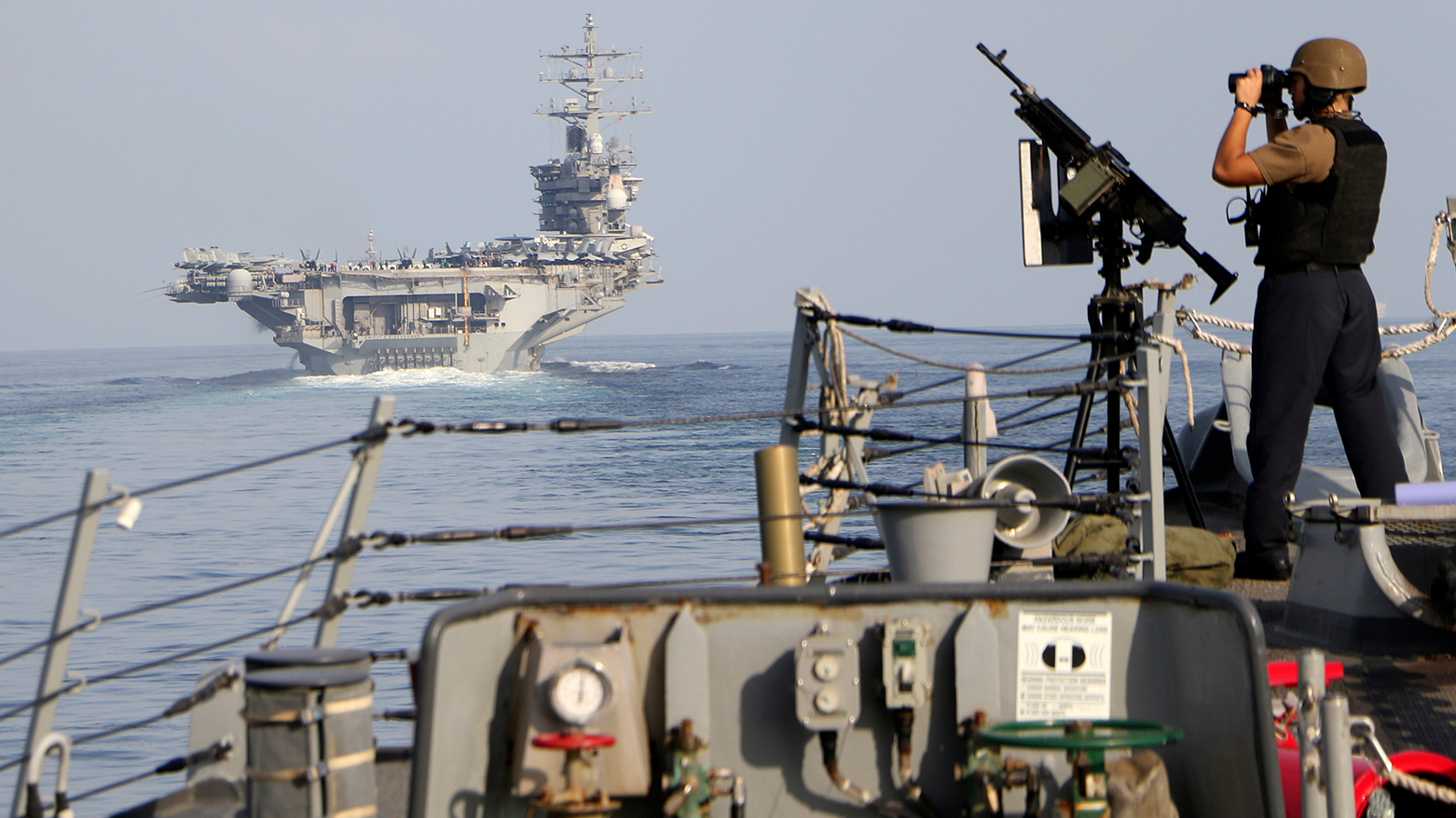
The choice of controlled confrontation is not without massive risks. First, Tehran may be underestimating Donald Trump's endurance in a prolonged conflict. An American administration that considers backing down will damage its credibility might choose new and even heavier strikes.
Second, Iran may control the choice and scale of its own attacks, but it cannot dictate Washington's response. A miscalculation, a major loss of American personnel, or an attack deemed disproportionate can trigger a sharp escalation.
Third, neighboring countries may lose their patience. Even governments that do not wish to align with American policy may turn against Tehran if they consider that Iranian actions directly threaten their security, economy, or infrastructure.
Finally, internal discontent remains the greatest long-term risk. The destruction caused by the war adds to an already deep economic crisis, while an increase in repression may erode the cohesion created against the external enemy. The endurance of a state must not be confused with the unlimited endurance of its society.
The limits of military pressure
Despite the risks, Iranian leadership appears determined to continue on a path of prolonged low-intensity war. This decision does not stem merely from ideological intransigence. It constitutes a reaction to the belief that restraint was not rewarded and that diplomatic concessions were used by the other side to improve its military position.
For Washington, the message of this shift is clear. If the United States is genuinely interested in ending the war rather than managing an endless military confrontation, it must recognize the limits of power.
A military campaign can destroy Iranian infrastructure, limit operational capabilities, and worsen the economic crisis. To date, however, it has not led to political capitulation. On the contrary, it has reinforced in Tehran the view that the United States is not seeking a compromise, but the surrender of the other side. Under these conditions, new strikes are unlikely to alter the basic equation. They may increase the human and economic cost, but at the same time reinforce the political logic of resistance.
De-escalation needs real incentives
What could change the situation is not another threat, but a credible American effort to make de-escalation beneficial. If even part of the twelve billion dollars provided by the Memorandum of Understanding had actually reached Iran, the position of diplomacy proponents in Tehran would be stronger. Iranian leadership would have more reasons to avoid taking military initiative and more political space to defend a strategy of restraint.
This is the main lesson of the failed memorandum. Washington has invested huge resources to make escalation painful for Iran. It has invested, however, very little in making restraint advantageous.
No diplomatic agreement can survive when obligations are implemented by only one side. No ceasefire can gain credibility when treated as preparation time for the next war. And no pressure strategy can be considered successful when it destroys a country, but reinforces the conviction of its leadership and society that they have no choice other than resistance.
Until this reality changes, increasing pressure is unlikely to end Iranian resistance. Instead, it risks confirming the conclusion that Tehran has already drawn: that in an environment of broken agreements, military attacks, and constant threats, resistance remains the only option that produces a tangible strategic result.
www.bankingnews.gr

Readers’ Comments