

The reckless US Israeli war against Iran proved to be nothing more than a bloody business deal for Donald Trump's inner circle, yielding $9 billion in profiteering by manipulating oil prices, Iranian media reveal on August 4.
BREAKING: A source close to Iranian officials says Tehran has documented a pattern of oil market manipulation tied to Axios reporting and Trump administration insiders, including evidence of a $9 billion insider trading operation linked to Jared Kushner and Steve Witkoff.
— The Hormuz Letter (@HormuzLetter) August 3, 2026
The…
Specifically, a source close to Iranian officials claims that Tehran has documented a repeating pattern of oil market manipulation linked to reports by Axios and figures from the Trump administration environment.
According to the same source, there is evidence of a stock trading operation using inside information, totaling $9 billion, which is allegedly linked to Jared Kushner and Steve Witkoff.
The bloody cycle of US market manipulation
Between April and May 2026, a series of transactions with highly suspicious timing in the oil futures markets preceded major announcements about the war with Iran and related negotiations.
In every case, developments were chronologically linked to information published by Axios.
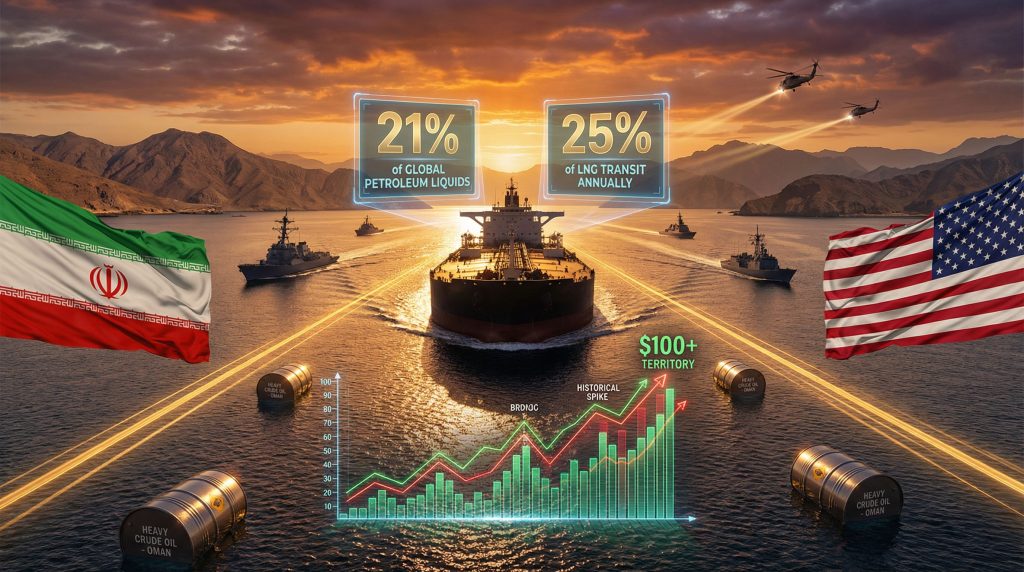
On March 23, short sales worth approximately $500 to $580 million were placed, just 15 minutes before Trump announced he was postponing strikes against Iran.
Immediately after, the price of oil fell.

On April 7, short sales worth approximately $950 to $960 million were carried out, a few hours before Trump announced a two week truce with Iran.
The price of oil dropped by 15%.
On April 17, short sales valued at approximately $760 million were placed, 20 minutes before the Foreign Minister of Iran announced the reopening of the Strait of Hormuz.
The oil market recorded another drop.
On April 21, short sales amounting to approximately $430 million were carried out, 15 minutes before Trump extended the truce.
Oil prices fell again.
On May 6, crude oil short sales valued from $920 million to $1.7 billion were placed, approximately 70 minutes before Axios published exclusive information stating that the United States and Iran were close to a «14 point deal».
Americans enriched themselves, Tehran warned Vance
After the report, the price of oil fell by 12%.
Traders allegedly reaped profits of approximately $125 million.
Tehran, however, called the May 6 report an «American wish list» and rejected it as completely false.
A senior Iranian official had previously stated to Drop Site News that Iran had privately warned Vice President JD Vance, during talks in Switzerland, that Jared Kushner and Steve Witkoff were «abusing» the negotiation process.
According to the same official, the two men appeared «more interested in leveraging inside information to make profits in financial markets than in reaching an agreement».
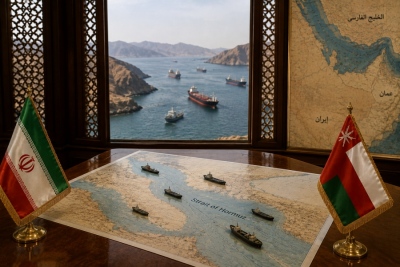
Iran and Oman exclude Americans from the Strait of Hormuz
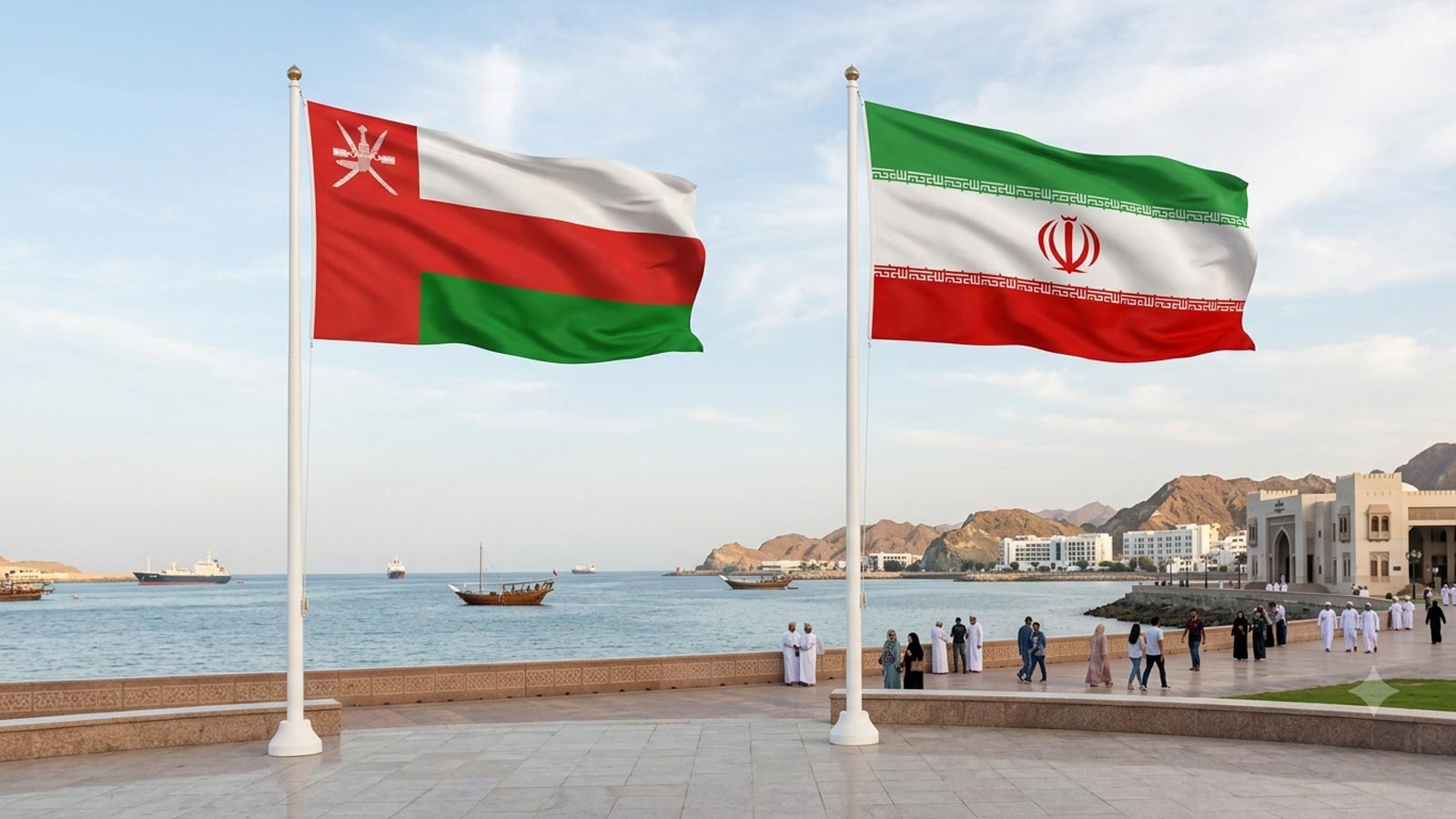
We remind you that according to information from Reuters and The New York Times, Iran and Oman are discussing a temporary plan to restart navigation in the Strait of Hormuz, which however recognizes in practice unprecedented operational control by Tehran over one of the planet's most important maritime corridors.
This information seems to cause embarrassment in the US, with US Treasury Secretary Scott Bessent stating that the agreement between the US and Iran to open the Strait could close by tomorrow, Wednesday (August 5, 2026).
Reuters: Iran demands full control of incoming navigation
According to a high ranking Iranian source cited by Reuters, Tehran and Muscat are in negotiations over a «temporary» plan to restore navigation in the Strait of Hormuz.
The proposal provides that all ships entering the Persian Gulf will pass through a maritime corridor under the full control of Iran, while Oman will assume coordination of outgoing traffic, after previously informing Tehran.
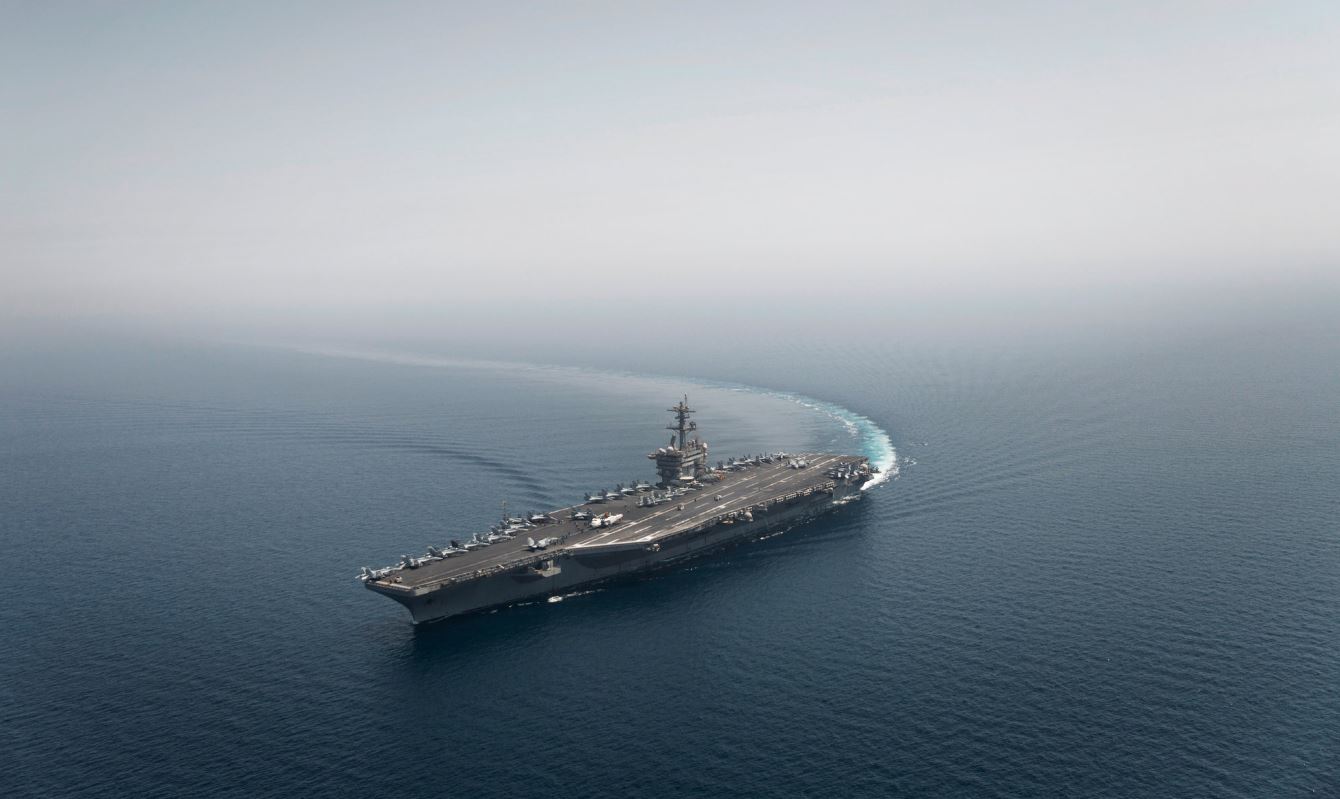
According to the same source, this specific model will give Iran the ability to monitor all maritime traffic and intervene whenever it deems necessary.
In fact, the Iranian side allegedly makes clear that it does not intend to accept any other alternative solution.
The New York Times: The agreement changes the regime of Hormuz
The same picture is conveyed by The New York Times, which points out that the agreement under development may resolve the immediate problem of restarting navigation, but simultaneously alters the international regime of the Strait of Hormuz to date.
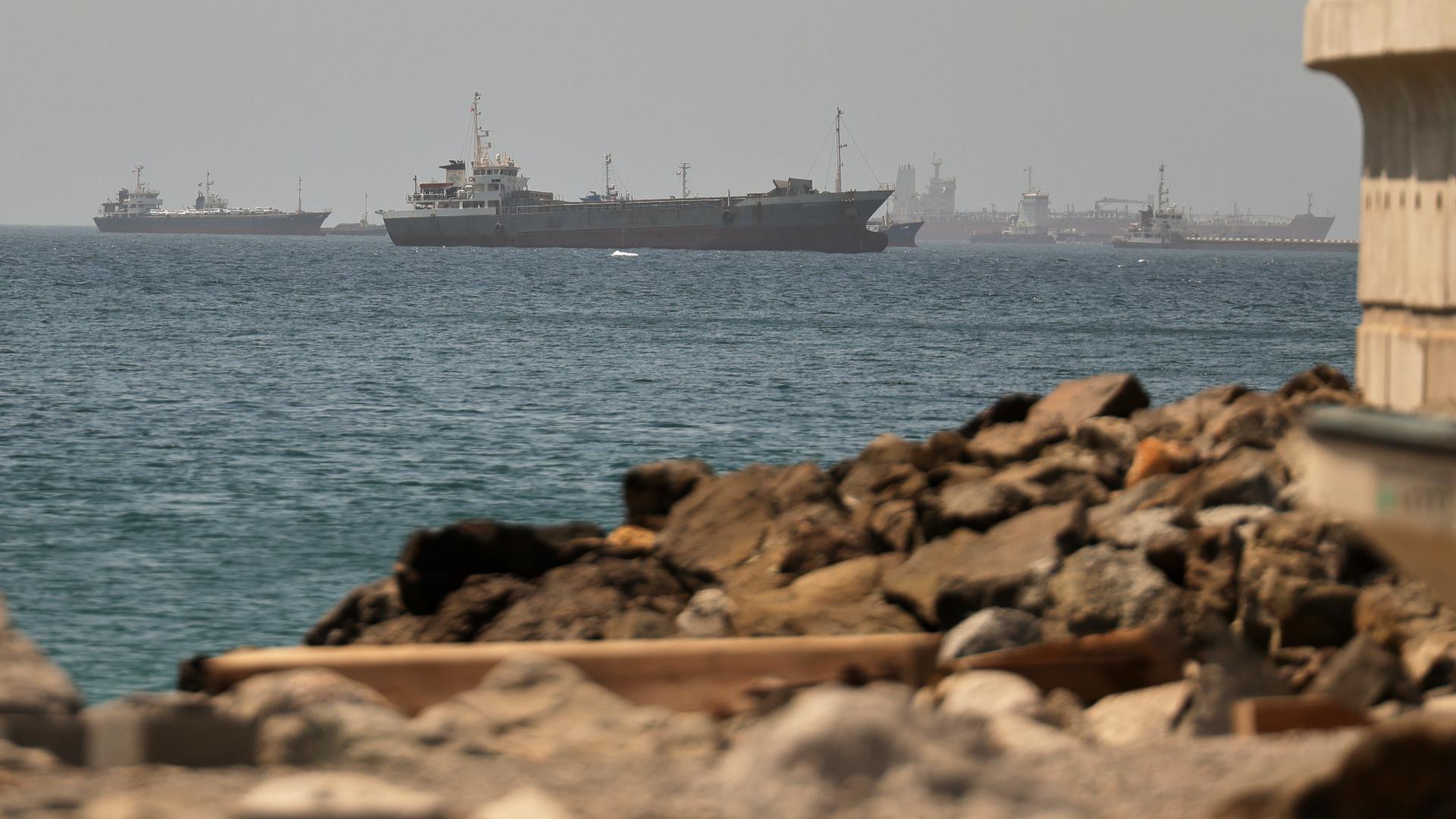
According to US and Iranian officials cited by the newspaper, ships entering the Persian Gulf will use the maritime corridor next to the Iranian coast, controlled by Tehran, while outgoing ships will move through a corridor near the coast of Oman.
The agreement essentially consolidates a degree of Iranian control that did not exist before the conflict, offering Tehran a significant strategic advantage.
Trump backs down against Iran
Meanwhile, the new retreat of Donald Trump from threats of military escalation against Tehran reinforces, according to an analysis by The New York Times, the perception in Iran that Washington is the one most afraid of a generalized conflict.
As reported by the American newspaper, the Iranian leadership considers that it has identified the weak point of the international system: the sensitivity of the global economy to energy infrastructure and critical maritime routes.
Tehran, with the support of its regional allies, recently attempted to show that it possesses the ability to threaten key energy facilities and strategic passages.
www.bankingnews.gr




Readers’ Comments