

An increasingly deep political rift appears to be forming within the Republican Party of the United States around the war with Iran.
While the leadership of Republicans in Congress continues to almost universally support the military strategy of President Donald Trump, opinion polls show that the social base of the MAGA movement, Make America Great Again, is moving away from the war option at an increasing speed.
Recent data reveals a striking shift in public opinion among Republican voters, who now appear more concerned with the economic cost of the war than convinced of its necessity.
Rising fuel prices, inflation, and the increased cost of living appear to decisively influence political balances, creating an internal party problem that could develop into a major political crisis for the White House.
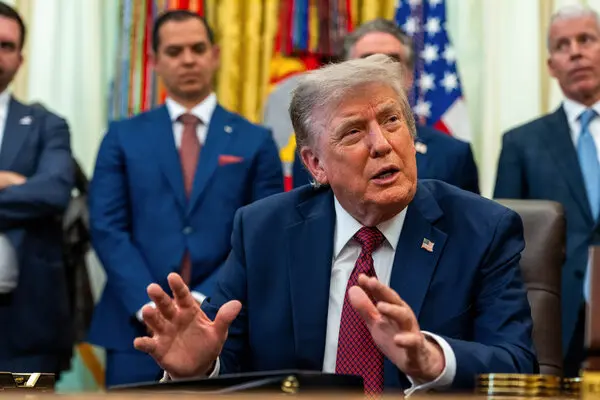
Congress supports the war while the base disagrees
Last week, only four Republican representatives joined 210 Democrats and voted in favor of a proposal under the War Powers Resolution, demanding an end to American military involvement against Iran.
Conversely, 208 Republican representatives voted in favor of continuing the war, confirming that party leadership continues to support the strategy of Donald Trump.
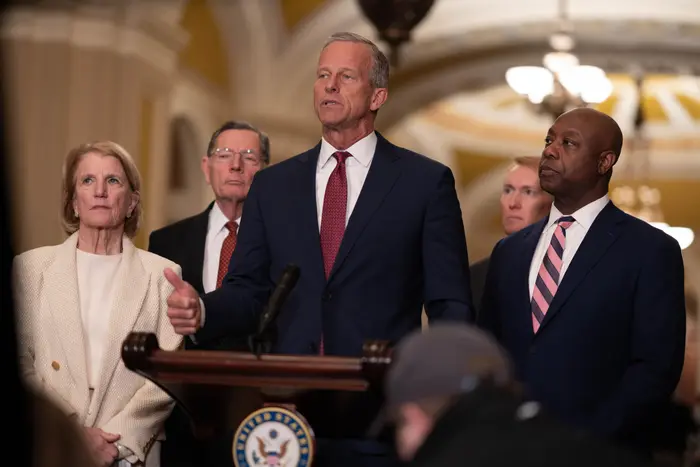
A few hours later, the Senate, where Republicans also hold sway, rejected the same proposal.
Only one Republican senator sided with Democrats in favor of ending the war, while four more Republicans were absent or did not participate in the vote.
The picture in Congress remains clear: parliamentary leadership continues to support the war.
However, the stance of voters shows that this policy no longer enjoys the same acceptance among the party base.
Politico poll: MAGA support collapses
Of particular interest is the poll by Politico, which was published one day before the votes in Congress.
The survey recorded a striking drop in support for the war even among the most loyal supporters of Trump.
Just two months earlier, in May, 50% of voters in the MAGA movement believed that the war with Iran was worth its economic cost.
In mid-July, that percentage had fallen to 37%.
This specific shift is considered particularly significant, as within just two months a 13 percentage point drop was recorded in the willingness of voters to accept the economic impacts of the conflict.
According to Politico, this development shows that even the most ardent supporters of Donald Trump are beginning to converge with broader American public opinion, which from the start of the conflict appeared cautious or opposed to American involvement.
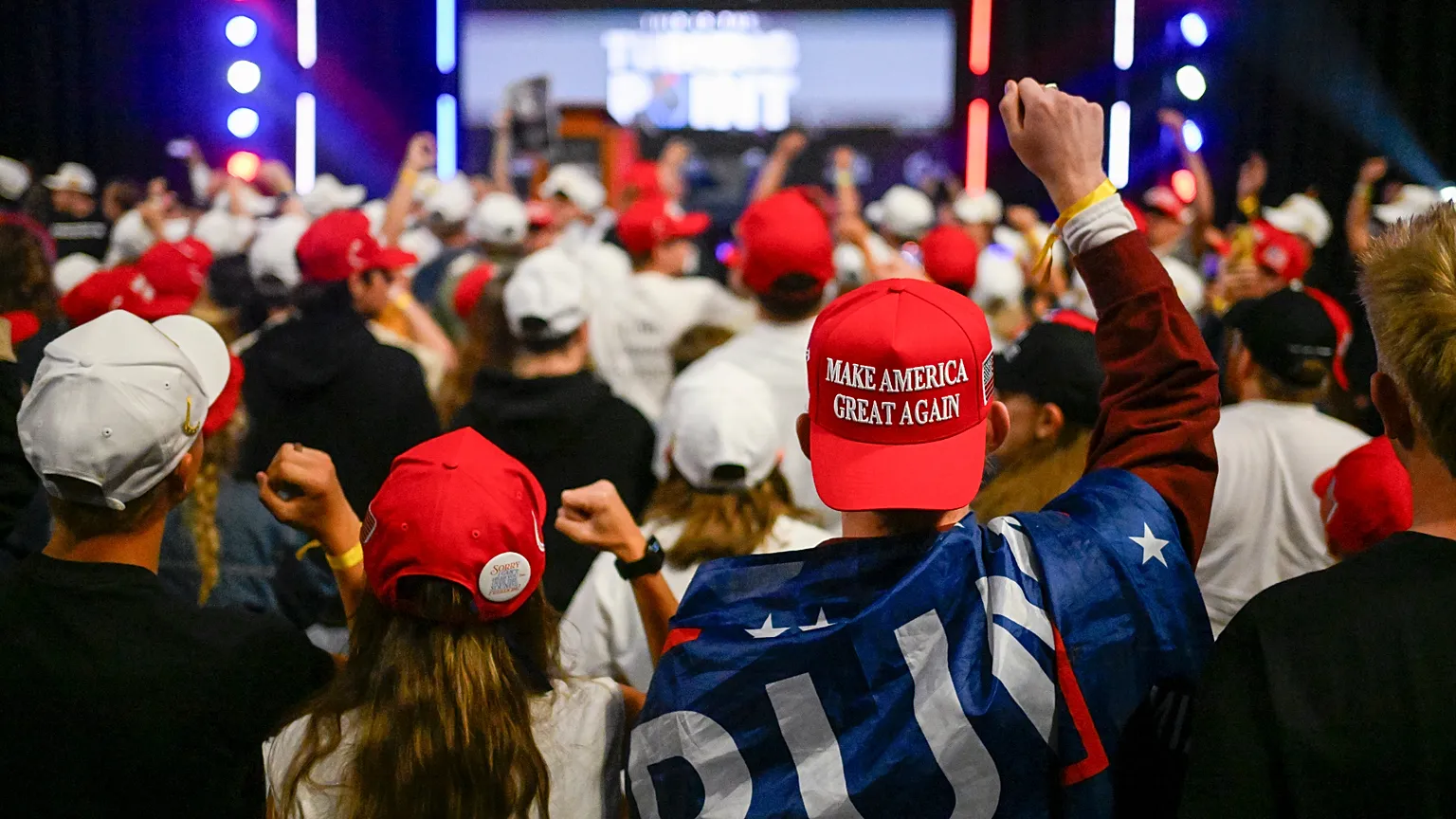
Economic costs change the political climate
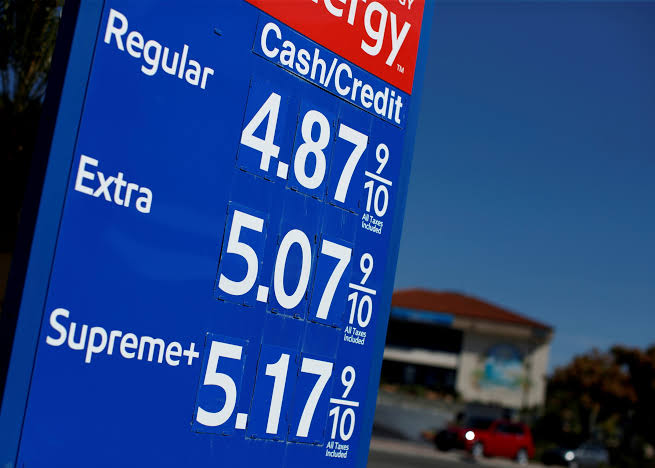
The primary cause of this reversal appears to be the economic impacts of the war.
Rising fuel prices, increased transportation costs, inflation, and the general burden on family budgets now constitute the most significant factors influencing public opinion.
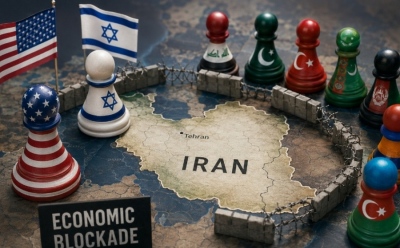
The situation worsened even further after the disruption of navigation in the Strait of Hormuz, a development that affected international energy markets and caused new increases in oil prices.
The economy, more than military results, now appears to determine the stance of American voters toward the war.
Economist/YouGov: Support remains but recedes
A similar picture emerges from a poll by Economist and YouGov, published on July 14.
Although the majority of Republicans continue to believe that starting the war was the right choice (63% versus 16%), divergences within the party are becoming increasingly obvious.
Among those identifying as non-MAGA Republicans, only 31% consider the decision for war right, while 51% believe it was wrong.
These figures show that support for the military strategy of Trump is no longer unified even within his own party.
Majority of MAGA wants a deal with Iran
Combining data from the polls by Politico and Economist and YouGov, New York Magazine concluded with a particularly interesting finding.
Currently, 51% of those self-identifying as supporters of the MAGA movement desire the United States to move as quickly as possible toward an agreement with Iran that will lead to an end to the war.
This specific finding holds particular political significance, as it shows that the base of the America First slogan appears today more willing to support a negotiated solution than a prolonged military conflict.
CBS poll: Majority wants end to the war, resounding blow from 60% of Republicans
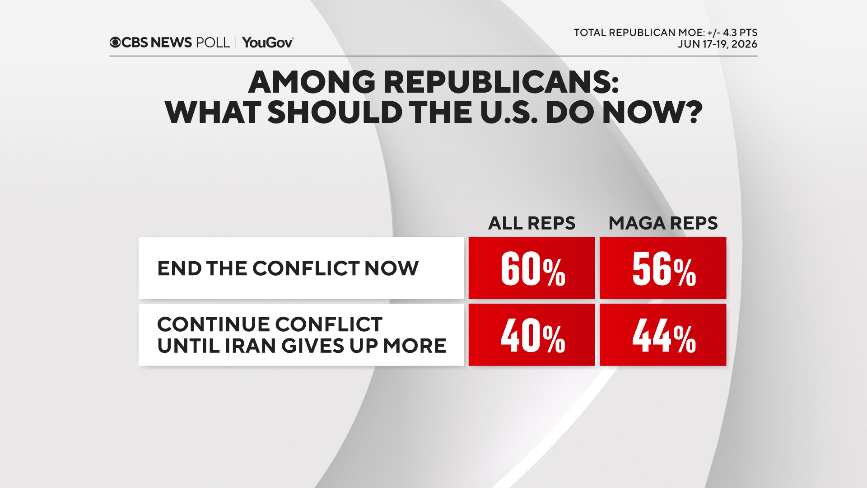
Similar conclusions emerged from a poll by CBS News, conducted in mid-June.
According to the results:
1) 60% of Republicans desire an end to the war.
2) 56% of MAGA voters also desire military operations to stop.
3) A corresponding position is expressed by the majority of Democrats.
This picture shows that, regardless of party preferences, increasingly more Americans consider that the conflict must end.
Closure of the Strait of Hormuz increases pressure
Significant signs of change had appeared as early as spring.
A survey by the Institute for Global Affairs, IGA, showed that nearly half of Republicans (46%) were finding it difficult to cover basic needs, such as housing, food, and healthcare.
At the same time, 24% considered that the war had affected the cost of living to a very high degree, while another 46% believed it had at least some effect on prices.
The continuation of tension in the Strait of Hormuz appears to maintain this economic pressure, reinforcing social discontent.
Marjorie Taylor Greene against Trump
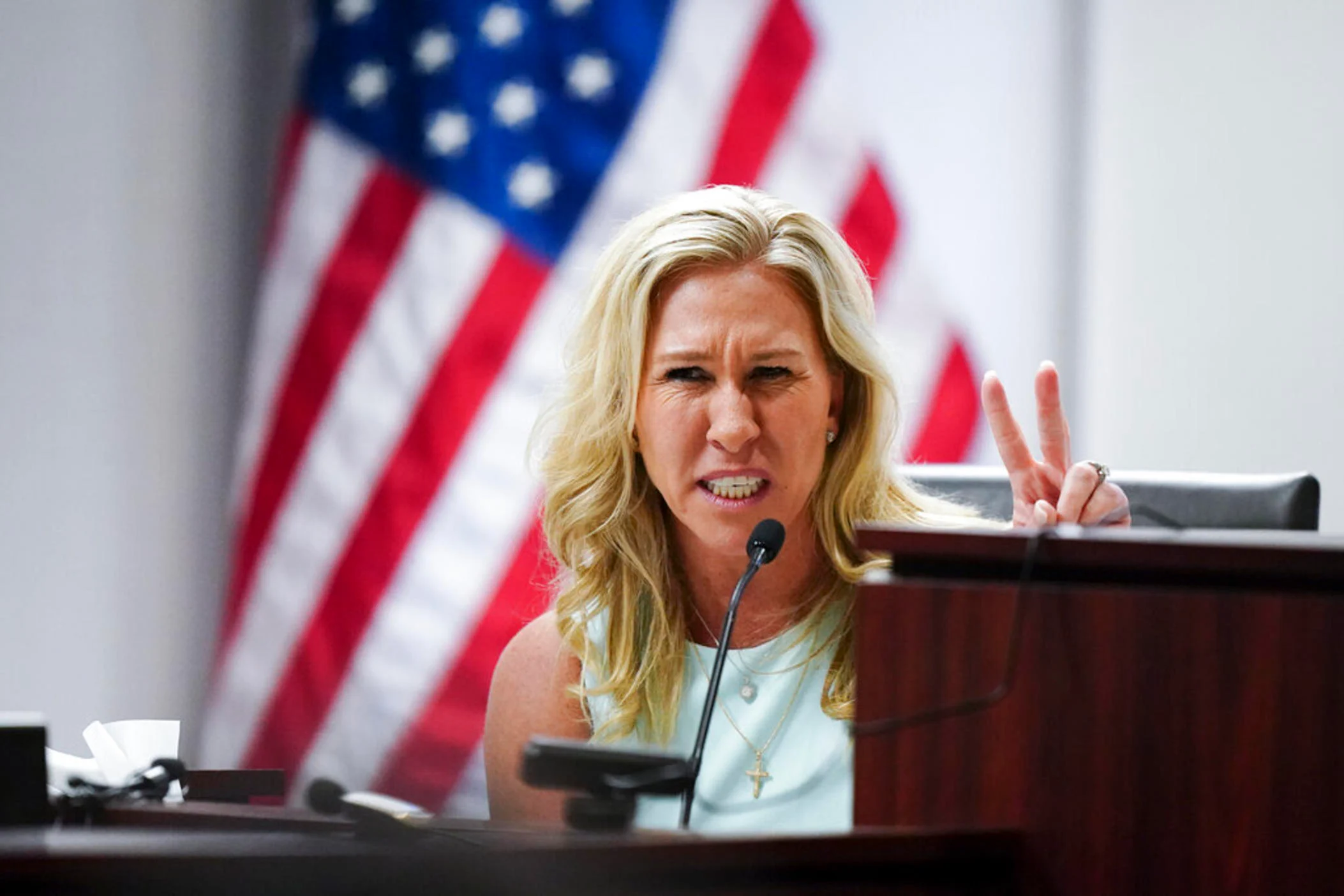
One of the most characteristic cases of internal party challenge is former Republican representative Marjorie Taylor Greene.
Greene, who was for years among the most prominent figures of the MAGA movement, has now evolved into one of the most vocal critics of the strategy of Donald Trump on the Iran issue.
Following a statement by Trump that there will be even harsher retaliation for every American soldier killed, Greene responded via X: "American soldiers would not be killed if you were not conducting an unnecessary war against Iran to open the Strait of Hormuz, which was already open before the war."
In the same message she clearly demanded: "End the war."
She also recalled that during the first presidential term of Trump in 2019, the price of gas was under two dollars a gallon and inflation was at 1.8%, calling on him to return to that policy.
America First in crisis
Foreign policy analyst at the Cato Institute, Jon Hoffman, considers that the war with Iran revealed a deep ideological conflict inside the Republican Party.
As he points out, the real question is what the America First slogan means in practice today.
According to Hoffman, the traditional party establishment attempted to present classic neoconservative foreign policy choices as a continuation of America First, without however realizing that the party base desires precisely the opposite: fewer military interventions and greater emphasis on domestic issues.
He argues that the war with Iran stands in total contradiction to the initial commitments of Trump regarding avoiding new wars in the Middle East.
Younger Republicans turn their backs on the war
Another element causing concern among Republican leadership is the age gap.
Available data shows that younger Republicans appear much more negative toward continuing the war compared to older age groups.
Hoffman estimates that this generation feels betrayed by the abandonment of the promise for no new war involvement and treats a prolonged military presence in the Middle East with growing skepticism.
Leadership ignores the base at immense political cost
Analysts warn that the Republican Party may face severe political consequences if it continues to ignore the growing dissatisfaction of its own voters.
The gap between parliamentary leadership and the party base is widening, while economic burdens reinforce the demand for a swift end to the conflict.
Recent polls show that the war with Iran no longer constitutes a rallying point for Republicans, but a field of intense internal conflict.
While party leadership in Congress continues to support the military policy of Donald Trump, an increasingly large portion of his voters, including many supporters of the MAGA movement, appears to demand an end to the conflict and a return to a policy prioritizing the economy and domestic problems of the United States.
The distance between choices in Washington and expectations of the electoral base is constantly widening.
If this trend continues, the war with Iran may evolve not only into a geopolitical challenge for the United States, but also into one of the most important factors reshaping the Republican Party itself.
www.bankingnews.gr


Readers’ Comments