

In one of the most extensive and coordinated operations of recent weeks, the Armed Forces of Russia launched on Saturday, August 1, 2026, a massive strike against facilities of the Ukrainian military industry, unmanned aircraft assembly centers, and critical military logistics hubs in Kyiv and its broader region.
According to the Russian Ministry of Defense, the operation was carried out using high-precision weapons launched from land and sea, as well as a large number of attack drones.
Moscow maintains that the targets were not selected at random, but constituted key links in the Ukrainian production chain for missiles, guidance systems, electronic warfare, and long-range unmanned aircraft.
The operation forms part of the strategy to weaken the capability of Ukraine to carry out strikes deep inside Russian territory and to maintain an ever-expanding network producing missile and unmanned systems.
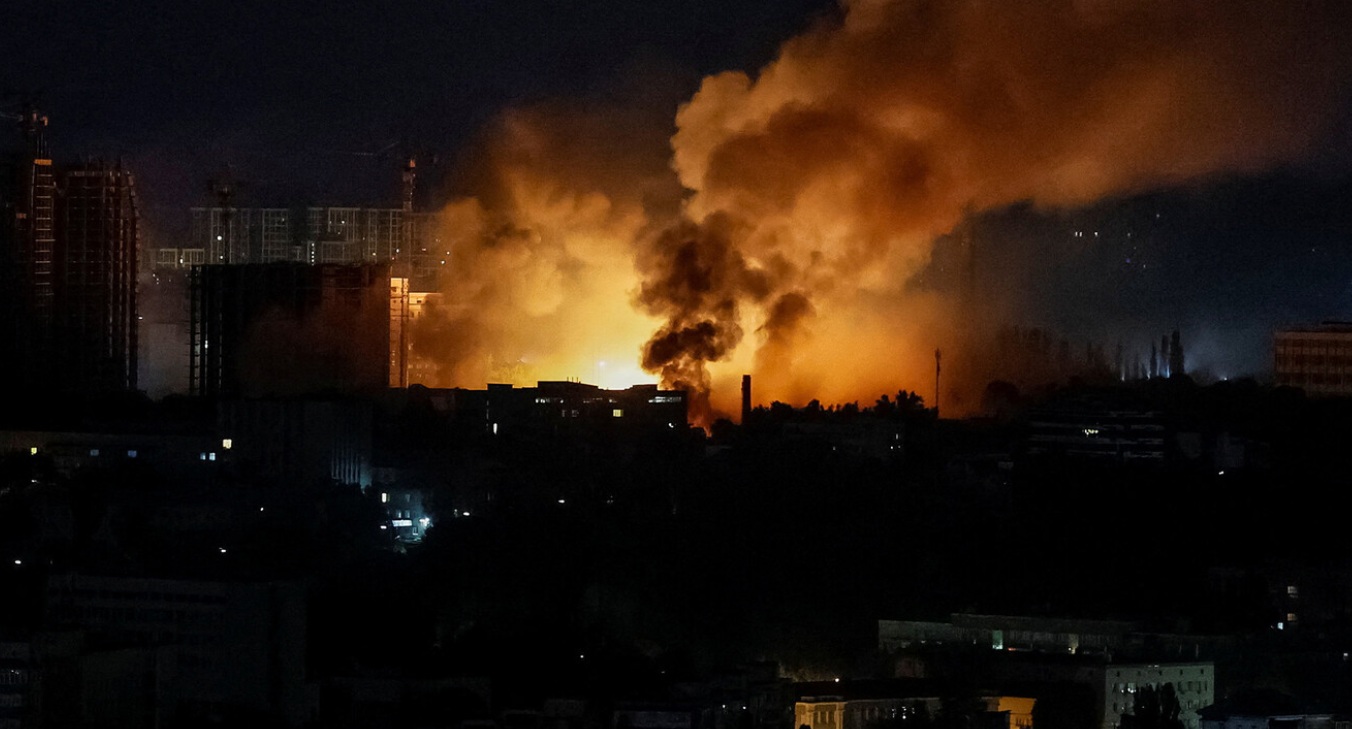
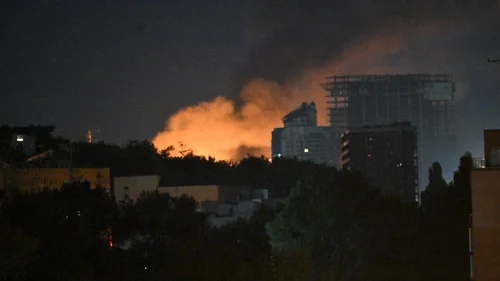
Explosions light up Kyiv following a Russian missile attack.#Kyiv #Ukraine #UkraineRussiaWar pic.twitter.com/9oxaSg3Znl
— Military Summary (@MilitarySummary) August 1, 2026
Five military-industrial targets inside Kiev
The Russian Ministry of Defense announced that inside Kyiv five facilities were struck which, according to Moscow, are directly connected to the production, assembly, and storage of advanced weapon systems.
The first target was the state enterprise Radiometer, which reportedly produced electronic systems and components for Neptune-MD guided missiles, FP-7, FP-9, and Grom-2 operational-tactical missiles, as well as inertial navigation systems for long-range FP-1 drones of the Fire Point company.
Particular importance is attributed to this specific factory, as the Russian side maintains that it constituted one of the primary hubs for developing electronic guidance systems for missiles and drones that can be used in long-range attacks.
The second target was the Burevestnik factory, which, according to Russian announcements, produced electronic components and assemblies for medium and long-range drones.
Simultaneously, it reportedly developed and manufactured radar equipment for the Armed Forces of Ukraine.
Moscow considers that this facility had a dual role: on one hand supporting the production of unmanned systems and on the other contributing to the enhancement of the Ukrainian detection, surveillance, and air defense network.
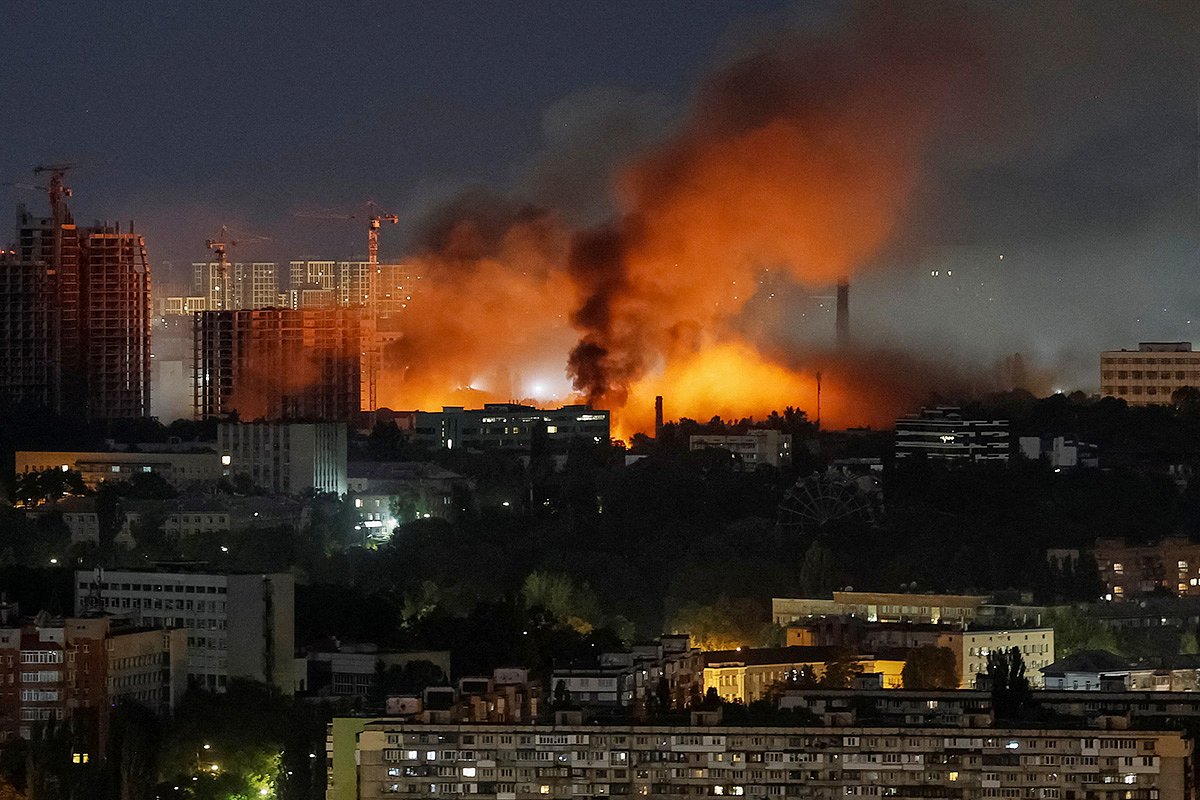
The Fire Point factory and Flamingo missiles
The facility of Fire Point was also targeted, which produced components and warheads for FP-5 Flamingo ground-based cruise missiles.
At the same facility, chemical substances and materials used in the production of solid fuel boosters were reportedly stored.
This is a target of increased military value, as the destruction of such infrastructure can slow down not only the final assembly of missiles, but also the production of their critical sub-systems.
The Russian strategy appears not to be limited to destroying finished weapons, but systematically targets intermediate stages of production: electronics, guidance systems, engines, warheads, and stored booster mechanisms.
???? Overnight strikes in Kyiv.
— King Chelsea Ug ???? (@ug_chelsea) August 1, 2026
Russian forces struck defense industry enterprises and logistics centers used for military purposes in Kyiv and the surrounding area, according to the Ministry of Defense.
These facilities were used by the Ukrainian Armed Forces for the… pic.twitter.com/yxsBcnjofN
Strike on electronic warfare systems
Another important target was the enterprise PV GROUP Ukraine, also known as the Kyiv-25 facility.
According to the Russian side, software and hardware systems for Lima electronic warfare systems were produced and stored there.
These specific systems are reportedly used for altering or replacing navigation signals in high-precision weapons.
The importance of such facilities is particularly high on the modern battlefield.
Electronic warfare has now transformed into a primary survival and effectiveness factor, as it can affect the navigation of drones, missiles, and guided munitions.
The strike on this facility shows that Russia seeks not only to reduce Ukrainian production of offensive weapons, but also to limit the capability of Kyiv to interfere with Russian guidance systems.
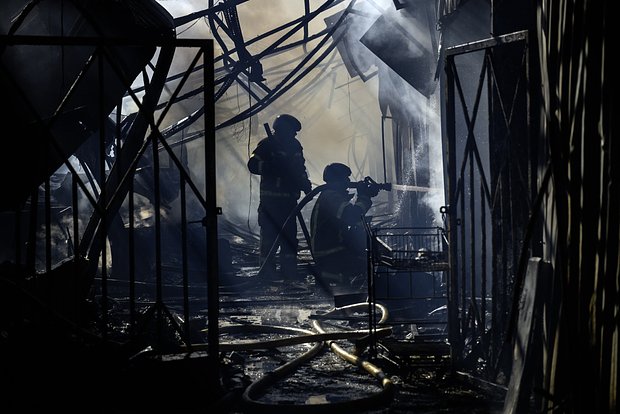
The Kyiv-21 facility and interceptor drones
The fifth facility reported by the Russian Ministry of Defense was the Kyiv-21 complex, where, according to Moscow, interceptor drones and attack unmanned systems were assembled and stored.
Among these, Dand Fly, Osa Kamikaze, Link Dron, and Tander were mentioned.
In the same venue, fuselage parts and other components for medium-range drones were also manufactured.
The destruction or severe disruption of such a facility could, according to the Russian assessment, affect the ability of Ukraine to rapidly replenish its losses in unmanned systems.
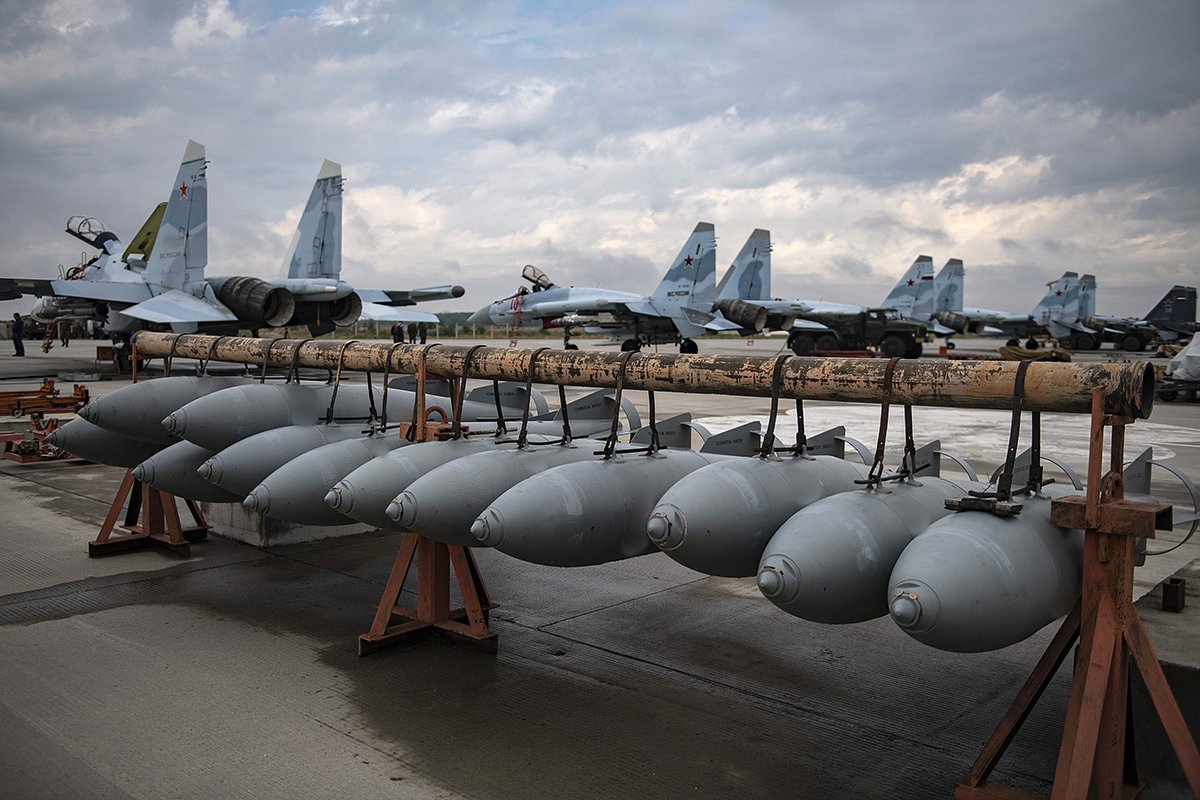
Radiometer and Burevestnik as strategic enterprises
Particular weight is given to the fact that the Radiometer and Burevestnik factories were included, according to documents of the Ukrainian government, in the list of enterprises of strategic importance for the economy and security of Ukraine.
Radiometer was reportedly added to the relevant list on March 4, 2015, while Burevestnik on December 23, 2004.
For the Russian side, this reinforces the claim that the facilities did not constitute simple industrial units, but critical parts of Ukrainian defense infrastructure.
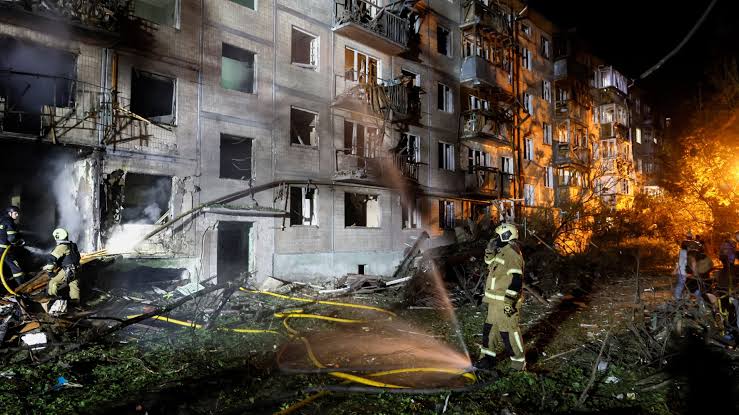
Strike on the Vyshneve logistics hub
In addition to facilities within Kyiv, Russian forces also struck a major logistics center in Vyshneve, in the region of Kyiv.
According to the Russian Ministry of Defense, components for drone production were received, stored, assembled, and distributed at this specific center.
At the same base, production lines for long-range attack drone components were reportedly set up, as well as assembly and storage areas for warheads.
The strike in Vyshneve is considered critical because logistics centers connect industrial production with operational units.
Destruction of factories limits production, but destruction of distribution hubs can disrupt the entire supply chain.
Strikes on ships south of Odesa
The Russian Ministry of Defense further announced that south of Odesa two ships carrying military cargo to a Ukrainian port were struck.
Full details regarding the identity of the ships, the type of cargo, or the extent of damage were not provided.
However, their inclusion in the same operation shows that Moscow attempted to strike simultaneously industrial targets, warehouses, distribution centers, and maritime military supply routes.
This is a multi-layered strategy that aims not only at weapon systems, but also at the infrastructure allowing their production, transportation, and operational deployment.
Zelensky: Only one ballistic missile was intercepted
The President of Ukraine, Volodymyr Zelensky, admitted that Ukrainian air defense managed to shoot down only one ballistic missile during the overnight attack.
As he reported, the main reason was the lack of missiles for Patriot anti-aircraft systems.
"Only one ballistic missile was shot down tonight", he stated, calling on the Western partners of Ukraine to speed up the delivery of air defense missiles.
Zelensky argued that specific stockpiles should not remain in Western warehouses for hypothetical future scenarios, but be sent immediately to Ukraine.
His statement constitutes an indirect admission of the severe pressure under which Ukrainian air defense operates, particularly against combined attacks with ballistic missiles, hypersonic weapons, and drones.
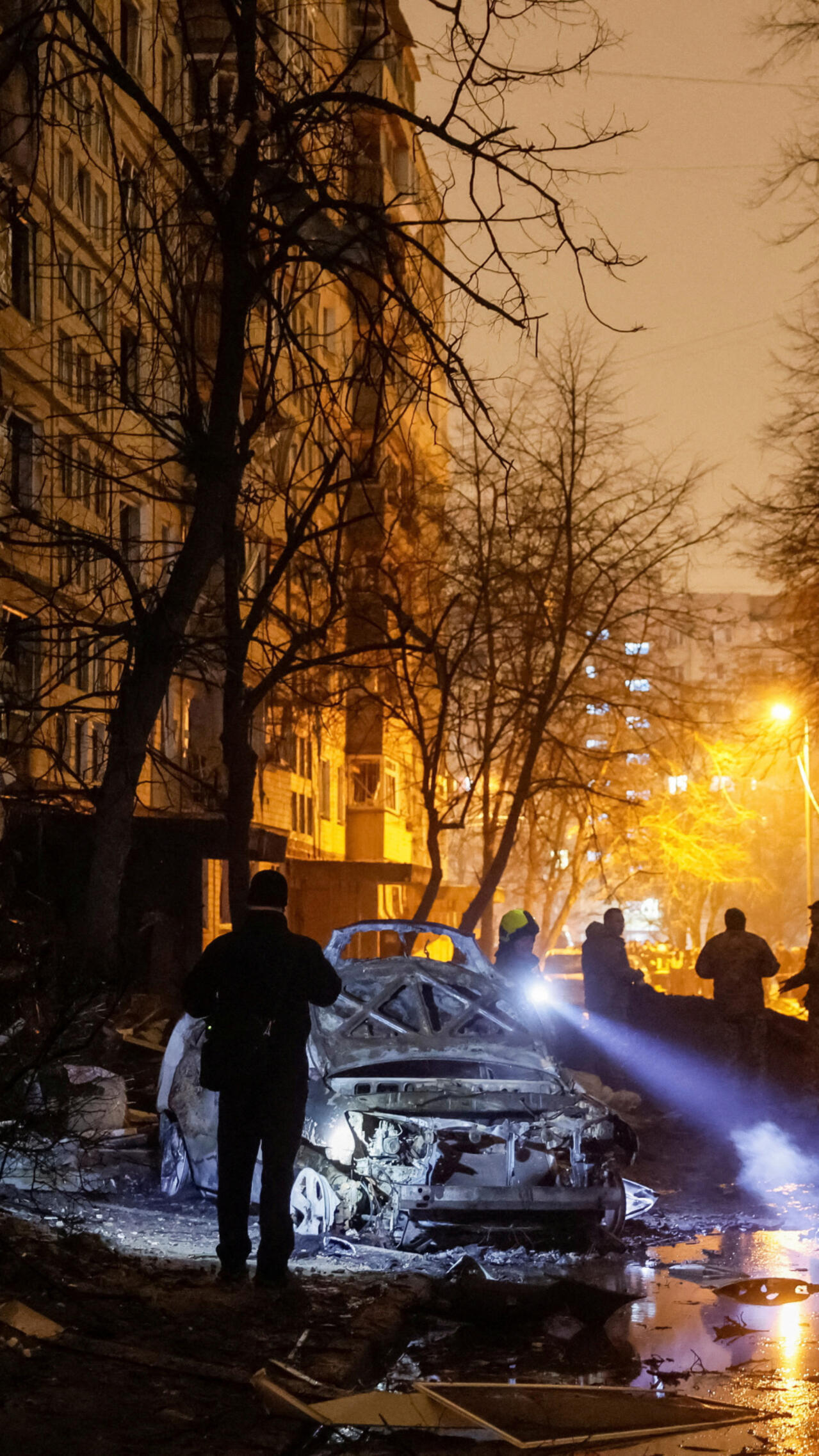
Since last night, response efforts have been underway in Kyiv and the surrounding region following Russia’s strike. There were numerous fires across the city. Seven districts were affected, and, as usual, the Russians struck ordinary residential buildings. Eighteen residential… pic.twitter.com/Fr8Jb4AEys
— Volodymyr Zelenskyy / Володимир Зеленський (@ZelenskyyUa) August 1, 2026
35 missiles and 185 drones
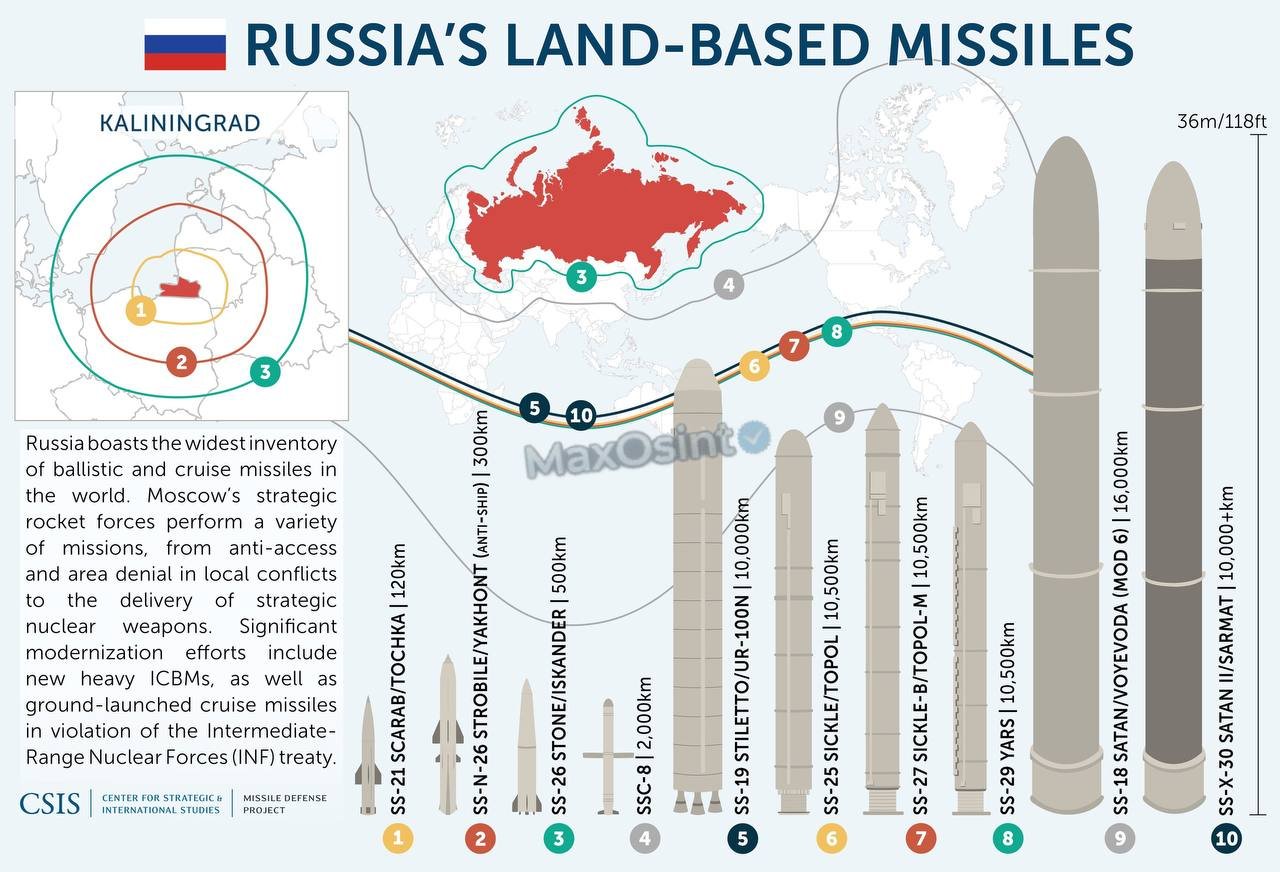
Zelensky stated that Russia used a total of 35 missiles and 185 attack drones of different types.
According to the Ukrainian Air Force, the attack utilized:
1) four Zircon missiles,
2) 27 Iskander-M ballistic missiles,
3) two Kh-31 missiles,
4) two Kh-59/69 missiles,
5) and 185 drones of various types.
The Ukrainian side reported that 30 missiles and 23 drones struck a total of 21 targets.
Even based on Ukrainian data, the interception ratio appears limited, demonstrating the difficulty of countering a massive, multi-directional strike.
Pressure on Patriot systems
The statements of Zelensky bring back to the forefront one of the most severe problems of Ukrainian air defense: reliance on limited and expensive stockpiles of Western interceptor missiles.
Patriot systems are considered critical for countering ballistic missiles, but their effectiveness depends on the availability of sufficient ammunition and the capability to deploy them across different regions.
Russia takes full advantage of this weakness, using combinations of drones and different missile types aimed at overloading Ukrainian detection and interception networks.
The use of large numbers of cheaper drones can force Ukrainian air defense to consume high-cost missiles, while ballistic and hypersonic missiles follow in subsequent waves.
Klitschko: "It was a terrible night for Kiev"
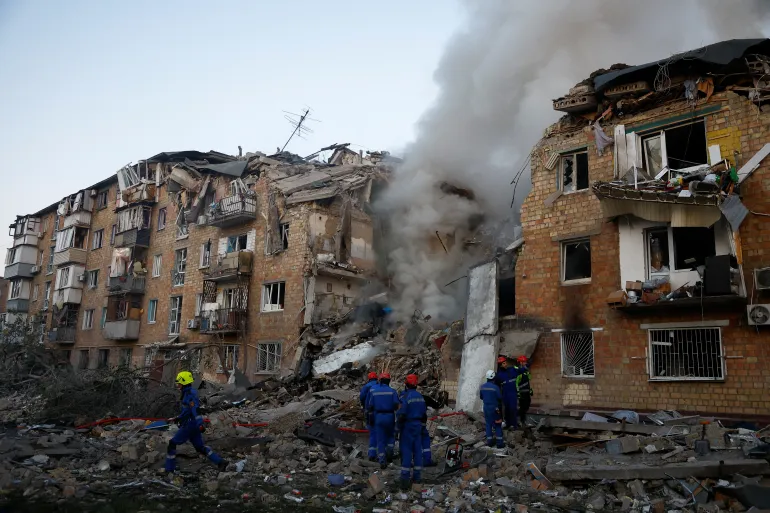
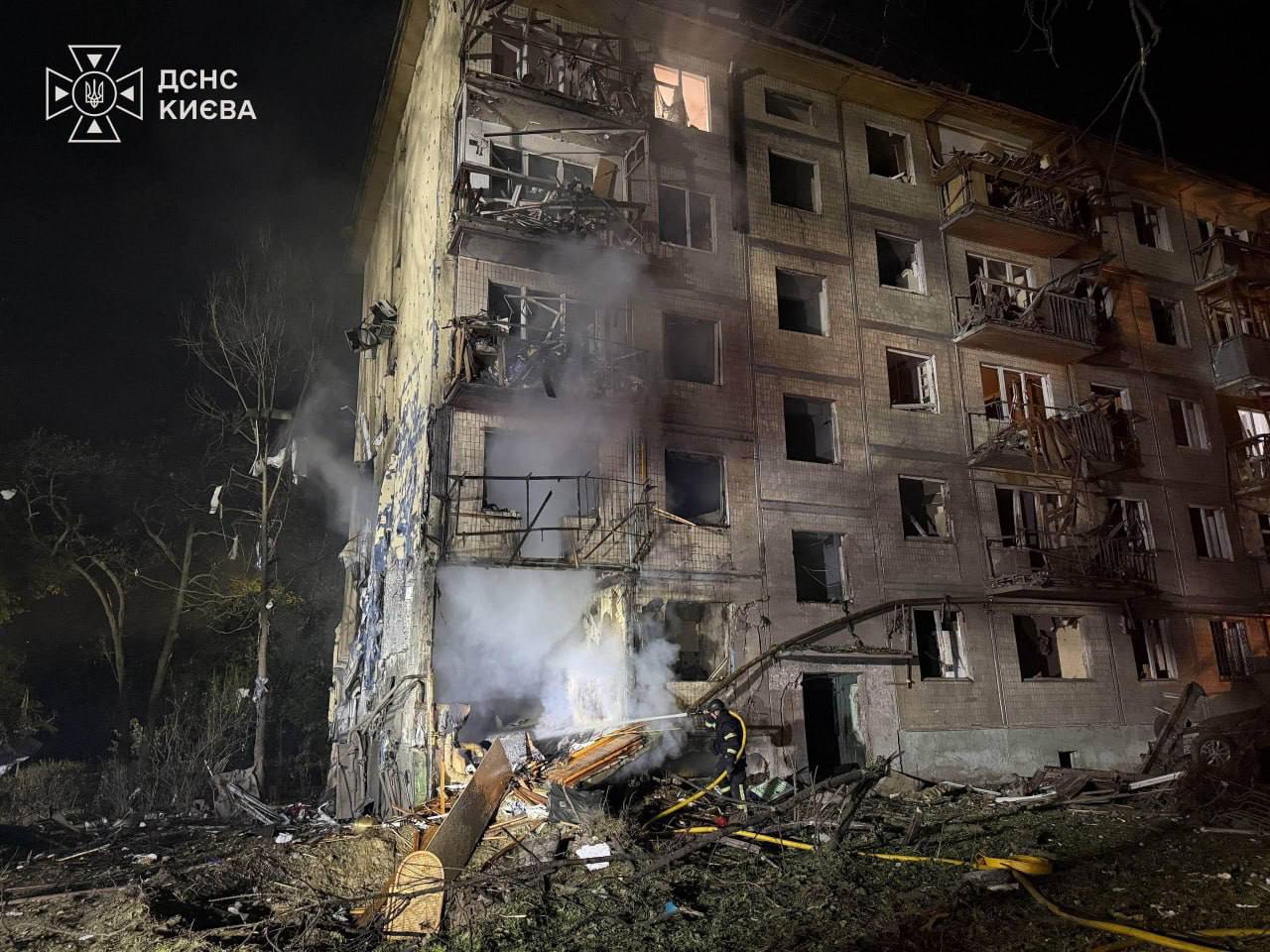
The mayor of Kyiv, Vitali Klitschko, described the night as terrible, reporting explosions, fires, and destruction in five districts of the city.
According to him, infrastructure facilities and an administrative building in the Darnytsia district suffered damage, while following the attack a dense cloud of smoke formed over the capital.
Sibiga: The battle for the skies will decide the course of the conflict
The Minister of Foreign Affairs of Ukraine, Andrey Sibiga, stated that the battle for control of the skies will largely determine the course of the conflict.
Sibiga emphasized that the speed of decision-making and the delivery of Western air defense systems are now critical.
His position reflects the growing concern of Kyiv that, without new deliveries of interceptor missiles, Russia will be able to carry out increasingly complex and effective strikes against military-industrial facilities.
More than 15 Russian strikes within a single week
According to available reports, the Armed Forces of Russia carried out more than 15 strikes on Ukrainian territory during the preceding week.
The targets included:
1) enterprises of the military-industrial complex,
2) logistics centers,
3) fuel and energy facilities,
4) transport infrastructure,
5) military airfields,
6) weapons and ammunition warehouses.
On July 31, a Russian strike was also reported on a facility in Kyiv where AQ-400 Scythe and AQ-100 Bayonet attack drones were produced.
The enterprise reportedly belonged to the American company Terminal Autonomy.
This case is particularly characteristic of the expansion of Ukrainian defense production with the participation of Western companies and capital.
"All of these will constitute targets"
Journalist for Welt, Christoph Wanner, commenting on the previous Russian strike, argued that the attack constituted a message to the West regarding which objects Moscow considers legitimate military targets.
In his assessment, whether a factory is American or Ukrainian, it can be targeted provided it produces weapons for the Armed Forces of Ukraine.
The Russian position is that Western ownership or funding of a facility does not afford it protection when it is directly integrated into Ukrainian military production.
Message to the West
The operation of August 1 appears to have had a dual objective.
On an operational level, it sought to cause damage to facilities producing missiles, drones, guidance systems, and electronic warfare.
On a political and strategic level, it sent a message to Western governments and companies investing in the Ukrainian defense industry: these facilities are not considered immune by Russia, regardless of their ownership or geographic location.
Moscow appears determined to treat the Ukrainian arms industry as a single network, including factories, warehouses, research centers, logistics hubs, and companies with Western interests.

Ukrainian air defense at a critical juncture
The admission that only one ballistic missile was intercepted constitutes perhaps the most significant element of the Ukrainian reaction.
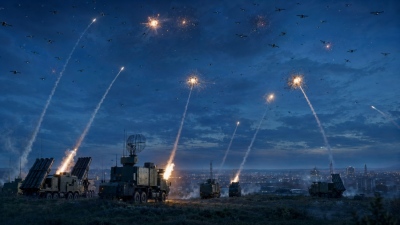
Russia has invested in the simultaneous use of ballistic, hypersonic, and air-launched missiles, combined with waves of attack drones.
This tactic significantly complicates defense, because each weapon category has a different altitude, speed, trajectory, and target approach mode.
Even advanced systems, such as Patriot, cannot protect all areas simultaneously, particularly when interceptor missile stockpiles are limited.
The new phase of the conflict
Recent developments show that the conflict has entered a phase of intensive industrial attrition warfare.
Ukraine, with the support of the West, attempts to increase domestic production of drones, missiles, and electronic systems.
Russia, for its part, attempts to destroy this capability before it transforms into a stable, large-scale production mechanism.
Kyiv urgently requests more air defense systems and Patriot ammunition, while Moscow seeks to prove it can penetrate Ukrainian air defense and strike high-value military targets.
The battle is no longer limited to the frontline.
It extends to factories, warehouses, electronics laboratories, ports, and resupply corridors.
The massive Russian strike of August 1 constitutes, according to Moscow, an organized operation against Ukrainian military production and not a blind attack without operational focus.
The facilities mentioned by the Russian Ministry of Defense are connected with long-range missiles, attack drones, guidance systems, radars, and electronic warfare.
At the same time, statements by Volodymyr Zelensky regarding the limited capacity to intercept ballistic missiles demonstrate the pressure faced by Ukrainian air defense and the growing reliance of Kyiv on new Western deliveries.
Russia attempts to impose a clear strategic dilemma: as long as Ukraine and its Western supporters expand military production, the corresponding facilities will be integrated into the Russian list of targets.
www.bankingnews.gr







Readers’ Comments