

The situation in the Persian Gulf remains tense, as Iran on Saturday, August 1, 2026, launched a heavy attack on American installations located in Kuwait.
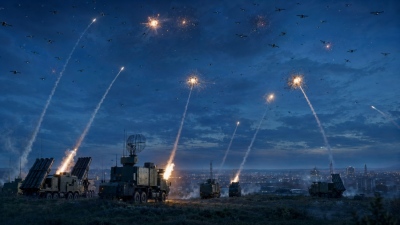
The emirate announced that its air defense systems were activated to counter attacks with missiles and drones.
Developments come during a period of intense military and political confrontation between Iran and the United States, with Tehran arguing that the ongoing American military presence in the region constitutes the primary factor of destabilization and that regional countries are called upon to reconsider their cooperation with Washington.
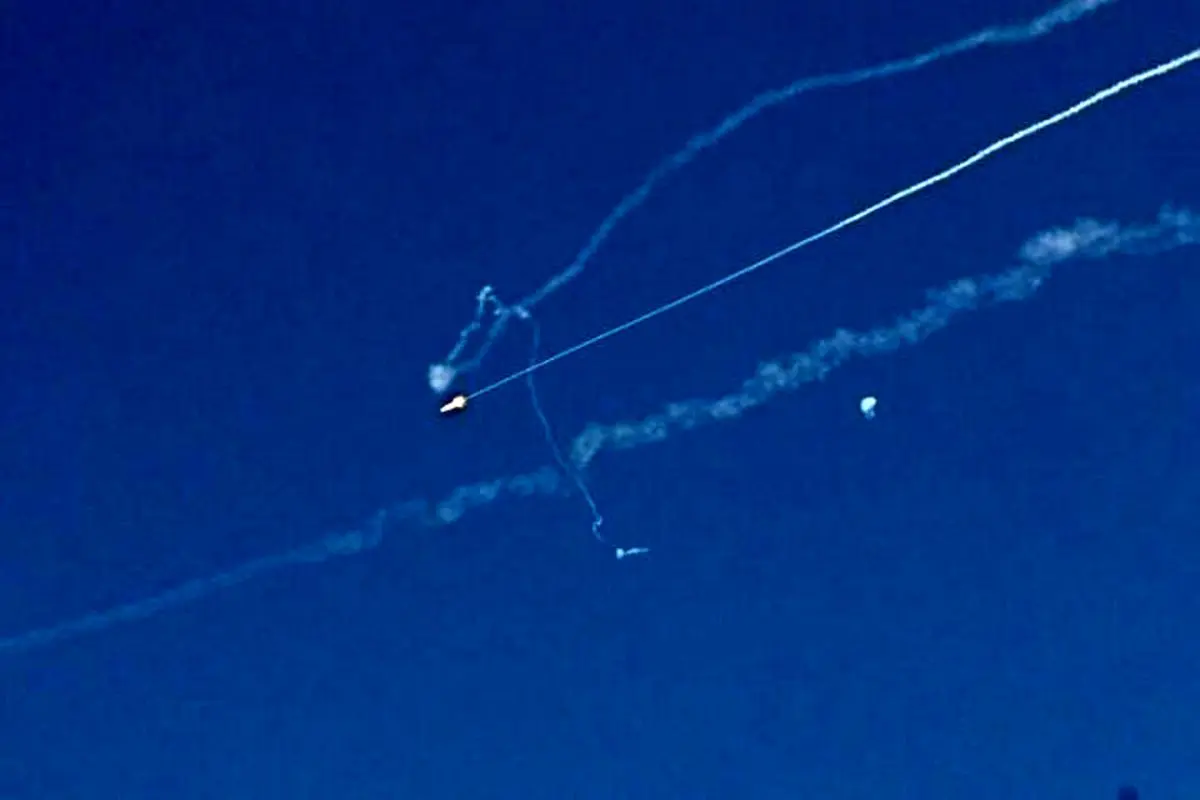
Kuwait activated its air defense
The General Staff of the army of Kuwait announced that air defense systems of the country were placed into full operational status to intercept hostile drones and missiles entering the airspace of the country.
Military authorities called on citizens to remain calm and follow safety guidelines, pointing out that any explosions heard were related to interception operations by anti-aircraft systems.
A few hours later, the army of Kuwait announced that most drones were intercepted and destroyed before causing extensive damage.
American bases at the epicenter of the attacks
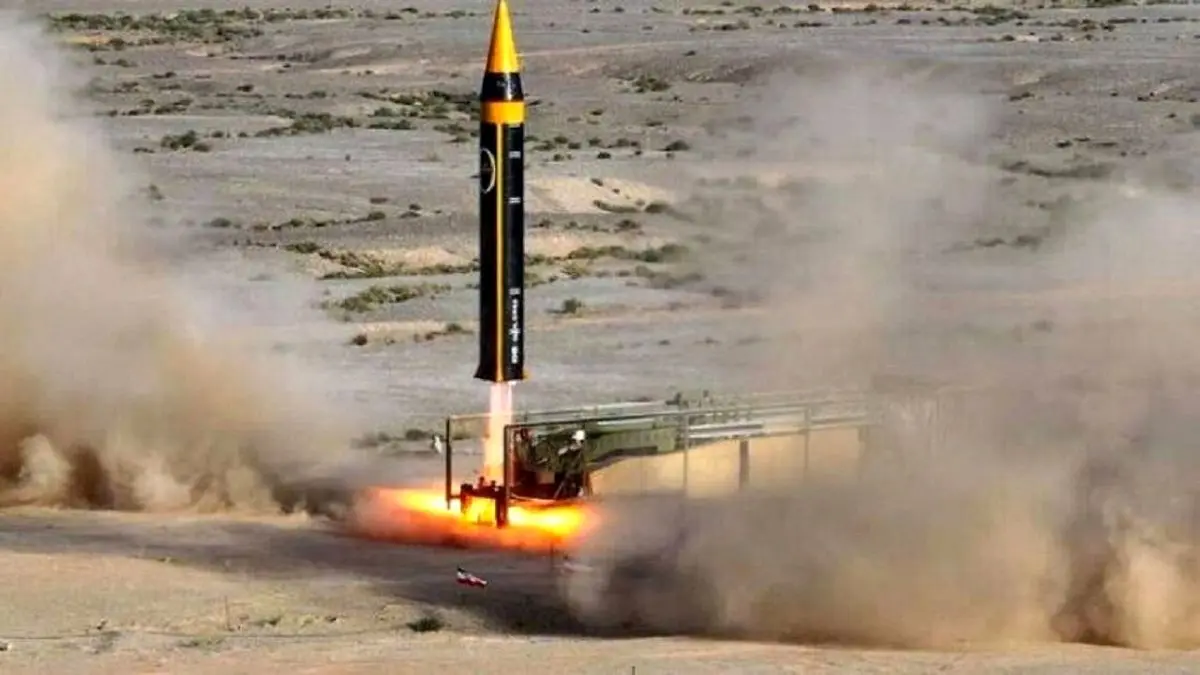
According to Arab media, powerful explosions heard in various areas of Kuwait are linked to attacks carried out with missiles and unmanned aircraft against American military bases.
The same information indicates that the attacks took place almost simultaneously, suggesting a coordinated large scale operation.
Authorities in Kuwait announced that a government building in the northern part of the country, as well as private company property on Bubiyan Island, suffered material damage.
According to official updates, debris from interceptions caused destruction to facilities and infrastructure, without resulting in deaths or injuries.
The government emphasized that damage is limited and that security services continue to assess the situation.
Tehran's stance: American presence increases the risk of generalized conflict
From the side of Tehran, Major General Ali Abdollahi, commander of the Khatam al-Anbiya Central Headquarters, stated that military actions of the United States continuously increase the risk of a broader regional conflict.
As he argued, Washington is attempting to use the wealth, strategic infrastructure, and resources of regional countries as a defensive shield to compensate for its declining military power.
He called on countries in the region to reconsider their alignment with the United States, warning that whatever states become part of the American strategy risk finding themselves at the epicenter of an escalating conflict.
He assessed that recent developments demonstrated that the balance of power in the Middle East has changed significantly and that Iran, its Armed Forces, and its allies in the so-called Axis of Resistance have altered the facts in the region.
He further argued that the inability of the United States to impose its strategies against Iran leads Washington to transfer the cost of conflict to the states cooperating with it.
"Muslim countries must observe the actions of the United States with foresight and reconsider their cooperation with Washington.
Otherwise, any country choosing to constitute the defensive shield of the United States will burn in the fire of war", stated the senior Iranian officer.
Mohammad Bagher Ghalibaf: "Iran prevailed, now stabilization is required"
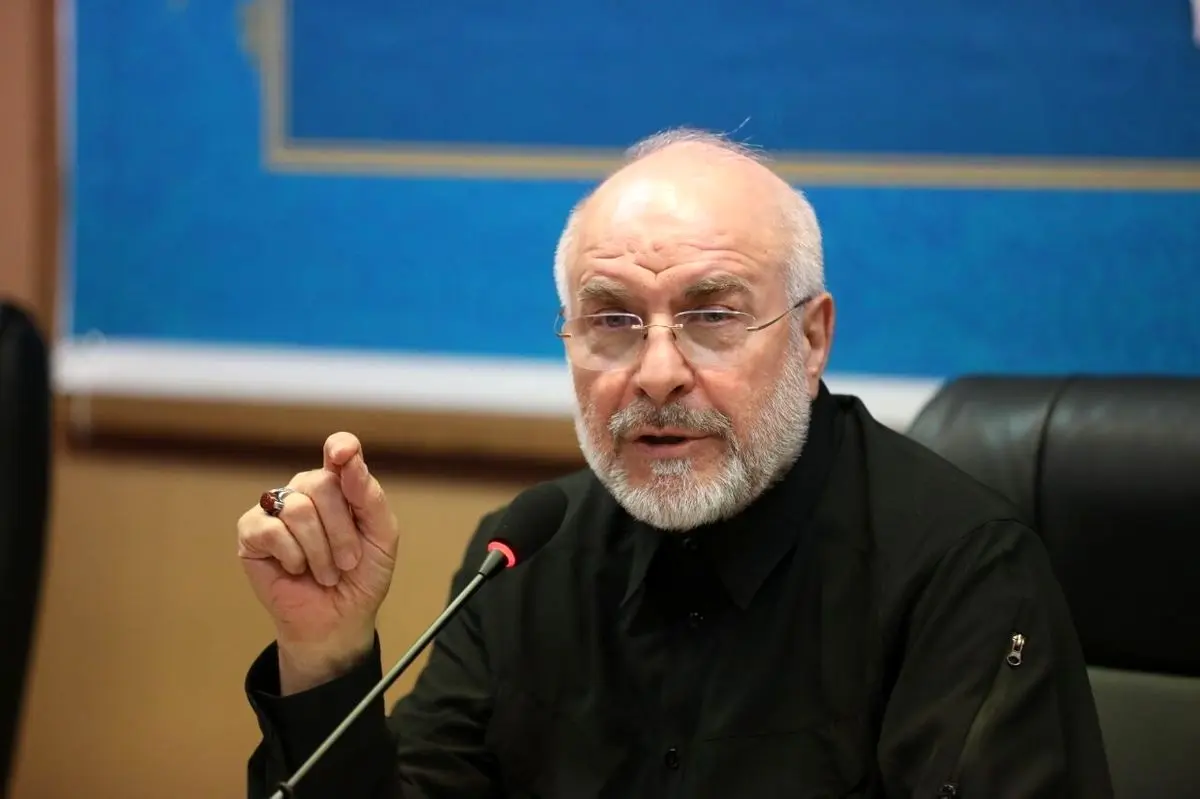
The president of the Iranian parliament, Mohammad Bagher Ghalibaf, during a meeting of the Parliamentary Coordination Council, argued that Iran has emerged victorious from the conflict, pointing out however that the country must now ensure long term stability and consolidate the results of this success.
Ghalibaf emphasized that state institutions ought to strengthen governance capabilities and move with unity, so that a stronger Iran is built against new geopolitical challenges.
New warning for the Strait of Hormuz
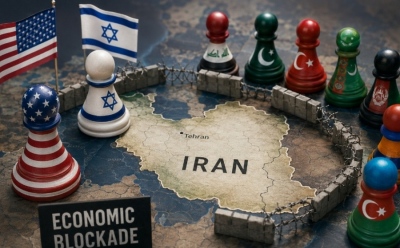
At the same time, the Secretary of the Supreme National Security Council of Iran addressed a strict message to Washington, warning that the continuation of military escalation in the region could lead to even stricter restrictions in the Strait of Hormuz.
According to the Iranian position, the continuation of American operations will not bring greater security, but instead will increase tension, burden maritime transport, and create new risks for the international energy market.
Latest developments show that tension in the Persian Gulf continues to escalate, with Kuwait now at the center of developments due to the presence of American military installations on its territory.
On one hand, authorities of Kuwait maintain that they successfully confronted the attacks and limited the consequences.
On the other hand, Tehran insists that the military policy of the United States in the region increases the risk of a generalized conflagration and calls on regional countries to reconsider their role in the strategy of Washington.
Hesamuddin Dana: "Victory is not measured only in missiles"
Parallel to military developments, political interventions within Iran present interest.
Hesamuddin Dana, advisor to former president Hassan Rouhani, argued that the concept of victory cannot be limited exclusively to the number of missiles launched or targets destroyed.
In a public intervention, he emphasized that the moderate approach of Iranian foreign policy is based on three fundamental principles: dignity, wisdom, and expediency, noting that the effective exercise of national defense does not exclude the preservation of social cohesion nor the possibility of diplomatic initiatives.
Dana underlined that the concept of moderation does not mean compromise between two extreme positions, but a strategy for managing defense power that combines protection of the country, internal resilience, and keeping channels open for peaceful dispute resolution through negotiations.
Comparing two different schools of thought on foreign policy, he mentioned that the harder approach recognizes the power and intentions of the adversary, but often underestimates the cost borne by Iran and the peoples of the region.
On the other hand, he pointed out that the softer approach accurately recalls the cost of war, but sometimes assigns excessive weight to negotiations as a means of deterrence and underestimates the need for credible defense power.
The message of Dana reflects a trend developing in Iranian political dialogue, according to which military power and diplomacy do not constitute contradictory choices, but two complementary tools for safeguarding national security and regional stability.
US travel advisory: "Leave the Middle East" due to escalation, risk of airspace closures
A travel advisory for the Middle East was issued by the US Embassy in Jordan, calling on Americans to leave the region or be prepared to leave if tensions worsen, while warning of potential flight cancellations, airspace closures, and other disruptions to travel.
"The Iranian regime is unpredictable, as shown by its recent decisions to attack areas in the region without warning or provocation, as well as to expand attacks to areas not previously targeted, such as Egypt", added the embassy in Amman.
Furthermore, the embassy warned that Iran and groups supporting Tehran could target American interests abroad and advised American citizens not to visit military facilities in Jordan.
www.bankingnews.gr



Readers’ Comments