

Russian media present the new submarine as one of the most advanced weapon systems in the world, arguing that its integration into the fleet significantly strengthens Moscow's capabilities in undersea warfare and causes deep concern in NATO.
They also claim that, combined with hypersonic Zirkon missiles, Yasen-M class submarines are altering strategic balances and inaugurating a new era of deterrence and power across the oceans.
The 6th Yasen M nuclear submarine
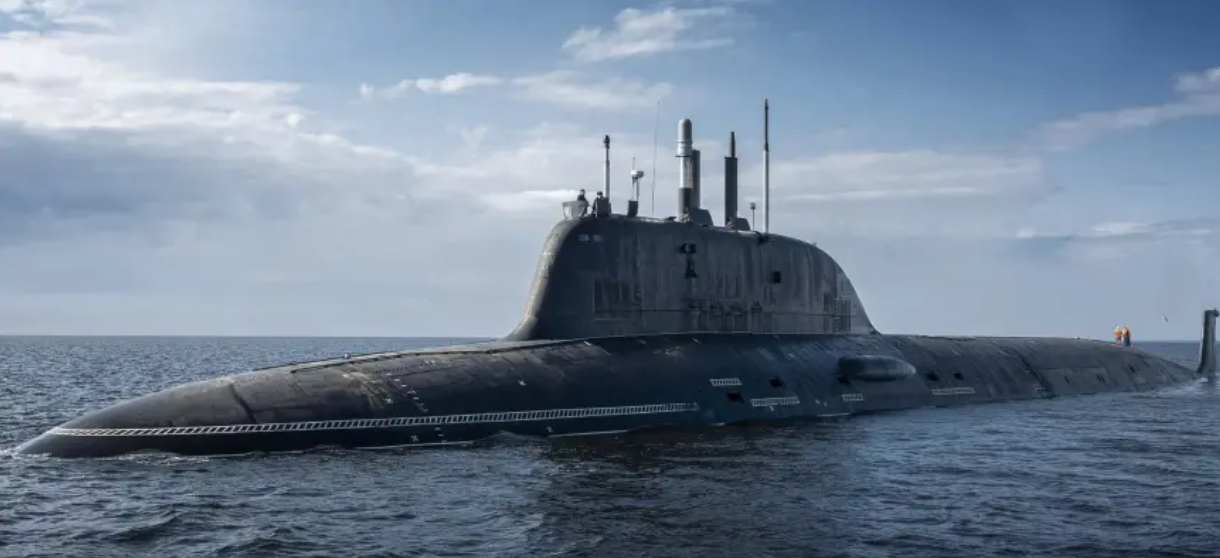
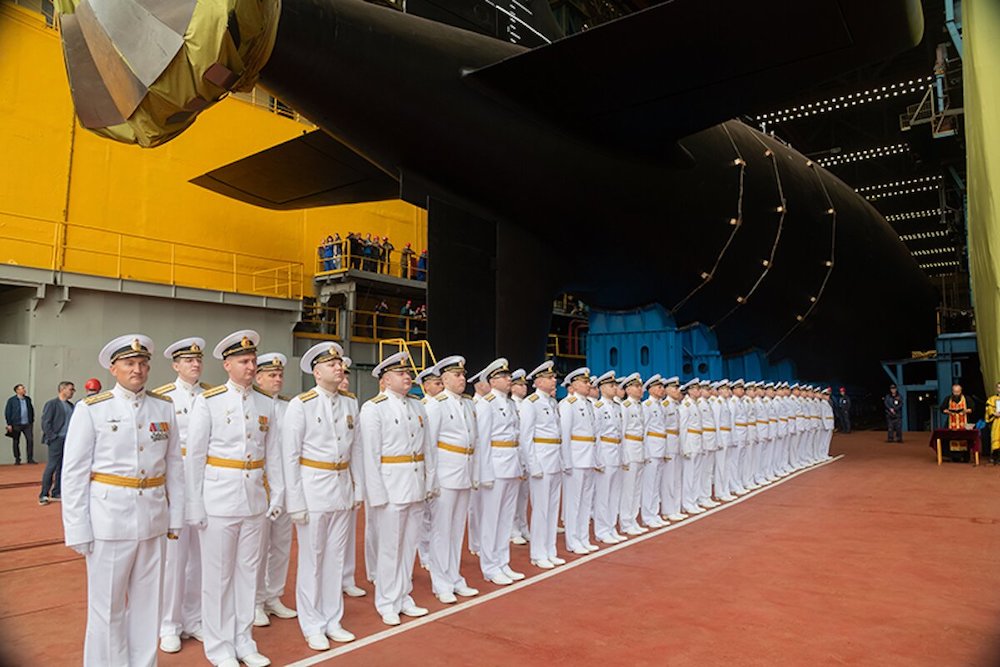
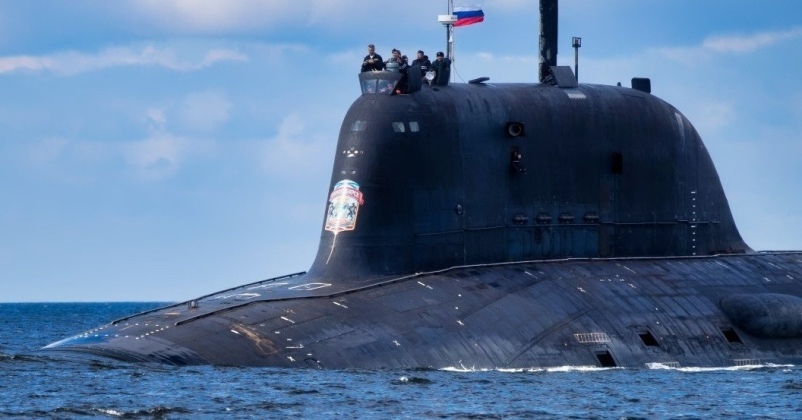
At the Sevmash shipyard in Severodvinsk, the nuclear submarine of the Yasen-M program, Ulyanovsk, was launched, becoming the sixth in a series of 12 submarines of this class, multi-role nuclear submarines.
Following tests and checks, it will begin its operational duty, invisible from the surface.
Even taking into account the developed Russian defense industry, where almost every day something is launched, fired, inaugurated, or solemnly put into service, this specific event has particular strategic importance.
Protection for strategic submarines
The Russian nuclear submarine fleet, as part of the country's strategic nuclear triad, consists of two main components: the Borei-type strategic nuclear submarines, which carry the "Doomsday weapon", intercontinental ballistic missiles with nuclear warheads, and the multi-role nuclear submarines, which act as a means of "protection" for strategic submarines against carrier strike groups and enemy hunter-killer submarines.
At the same time, they can autonomously protect patrol areas, disrupt enemy naval operations, and strike naval bases, ports, naval forces, airfields, and command centers.
The pinnacle
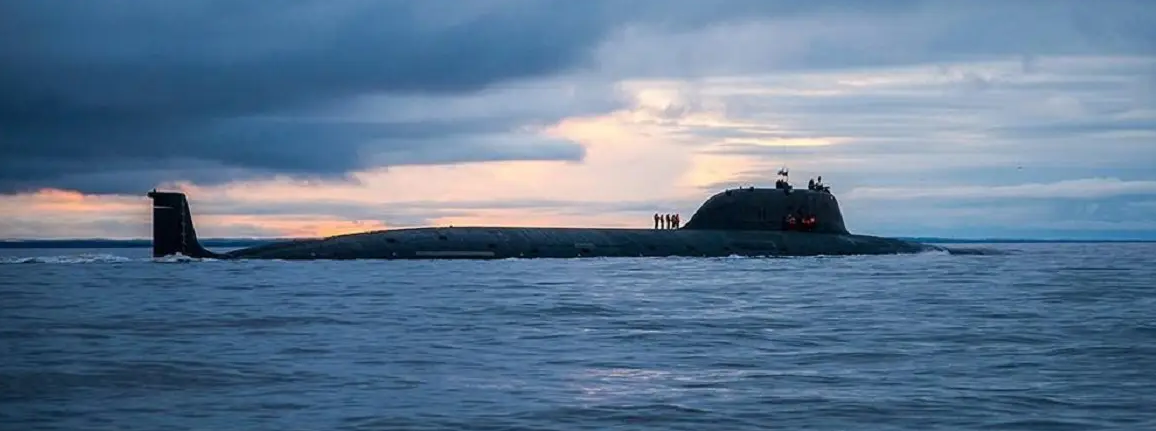
Without exaggeration, it can be said that the Yasen series submarines are considered the pinnacle of Russian, and global, submarine shipbuilding and an object of extreme envy and overt fear for our near-former partners.
Yasen submarines feature by definition a reduced acoustic signature thanks to special coatings and a unique propulsion system, are invisible to magnetic sensors thanks to a hull made of demagnetized steel, possess immense endurance, the nuclear reactor can operate without refueling for 25 to 30 years, and carry a variety of powerful weapons, torpedoes and cruise missiles, allowing them to deploy covertly to any region of the World Ocean and execute their missions there.
Equipped with hypersonic Zirkons
Initially, the Yasen were equipped with Kalibr and Oniks cruise missiles.
Starting from the fourth submarine of the series, the Perm, the Yasen are now equipped with hypersonic Zirkon cruise missiles, a development characterized as a real revolution.
Zirkon missiles are hypersonic and fly three times faster than the Oniks and about seven to nine times faster than the Kalibr.
NATO powerless
For the time being, NATO's air defense and anti-missile defense forces are considered almost powerless against the Zirkon, a fact openly acknowledged by Russia's adversaries.
However, every cherry comes with a cake: it is planned that the Zirkons on the Yasen will also be equipped with tactical nuclear warheads.
This causes intense concern in Western military and non-military circles.
Each submarine with 40 Zircon with tactical nuclear warheads
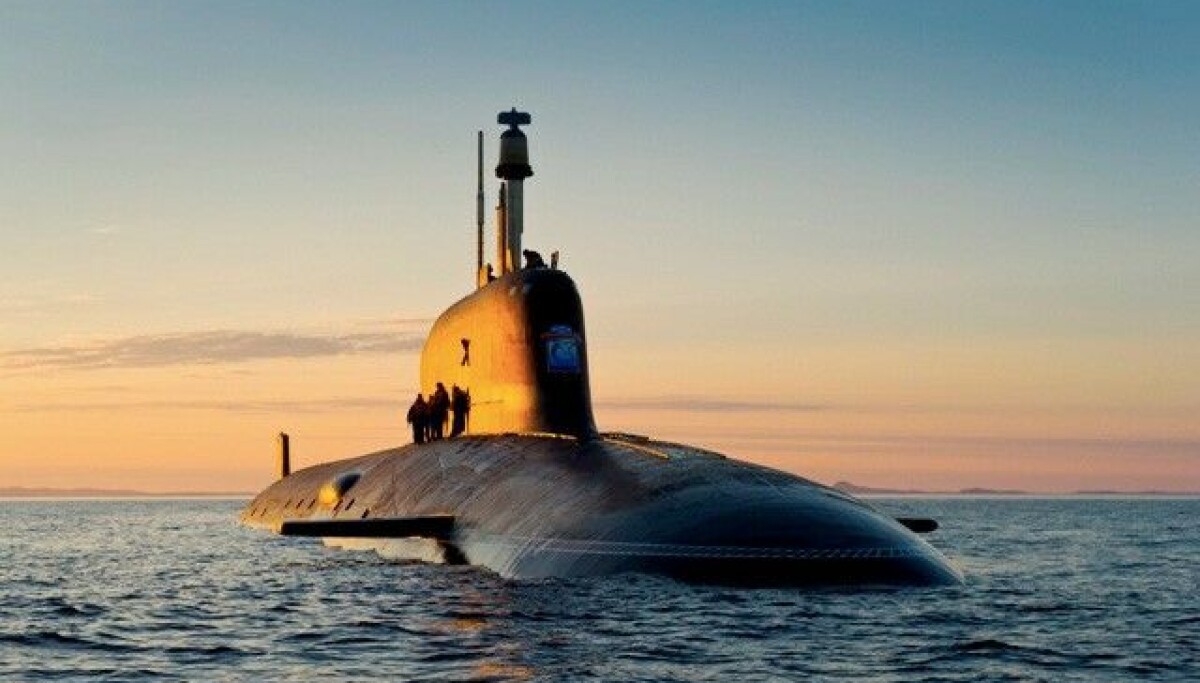
The Yasen can carry up to 40 Zirkon missiles with tactical nuclear warheads, which means that a force of six submarines could, if required, turn an area of 4,500 square kilometers into a "glass desert".
Of course, the Borei with Bulava missiles can cause far greater destruction, but intercontinental missiles fly at high altitudes, for a longer period, and their launch is difficult to conceal.
Surprise strike
Conversely, the Yasen with Zirkons, after covertly approaching the launch area, can execute an immediate surprise strike with apocalyptic consequences, which is practically impossible to detect and intercept in time.
For this reason, Western sources describe the Zirkon as a "qualitative leap" in the lethality of the Russian fleet.
It must be emphasized that Russian weapon manufacturers approached the transition of the Yasen to Zirkons in a creative and cost-effective manner.
For this purpose, almost no investment or modification was required, as the Zirkon uses the same universal launcher as the Kalibr and Oniks.
Thus, the strategic value and firepower of Russian multi-role nuclear submarines increased dramatically without a corresponding increase in cost.
Less detectable, more dangerous
According to the plans of the Russian Navy, new Yasen will enter service every year, a very negative development for Russia's adversaries.
As Bloomberg writes, "Russian nuclear submarines, especially those of the Northern Fleet, remain the most powerful and dangerous component of the Russian navy", while "the new Russian submarines are becoming increasingly less detectable and more dangerous for Alliance forces".
At the end of last year, National Interest dedicated an extensive article to the new Russian submarines titled: "The Russian Yasen-M Submarine: The US Navy's New Nightmare".
According to the publication, "the nuclear submarines of the Yasen-M family represent one of the key tools in the revival of Russian naval power, and the West underestimates the magnitude of this threat".
It is also added that "the once-mighty Northern Fleet of Russia appears to be emerging from post-Soviet inertia and returning to its former levels of lethality".
The West has no answer
According to US military analysts, the Yasen-M combines relatively low cost, high covertness, good speed, and a powerful missile arsenal, constituting "one of the best submarines Russia has ever built".
The article argues that the West lacks an effective counterweight to the Yasen, because "the US Navy and the fleets of NATO allies lag completely behind in firepower compared to the Yasen-M class submarines of Russia's Northern Fleet", as "they lack both equivalent hypersonic weapons and defensive capabilities to intercept attacks with Tsirkon missiles".
Russian Northern Fleet more lethal
The conclusion is simple but uncomfortable: the Yasen-M turns the Northern Fleet into one of the most dangerous submarine forces in the world.
Russia's Northern Fleet is becoming more lethal than the forces it may face.
This strategic imbalance, although currently considered manageable, is estimated to evolve decisively in Russia's favor within the next decade.
As Western leaders often say: "Peace through strength".
This is precisely such a case, a naval "return message" from the Northern Fleet.
www.bankingnews.gr













Readers’ Comments