

The Middle East is in a period where military decisions are made faster than diplomatic initiatives.
The Middle East is now officially in one of the most dangerous periods of recent decades, as the military conflict between Iran, the United States, and Israel acquires the characteristics of a broad regional military confrontation.
Continuous attacks, public threats of escalation, reports of plans for massive air operations, and parallel diplomatic initiatives compose a particularly complex geopolitical landscape.
At the center of recent developments is the announcement by the Islamic Revolutionary Guard Corps (IRGC), according to which a ballistic missile attack was launched against the Al-Azraq Air Base in Jordan in response to a previous American strike in Qeshm.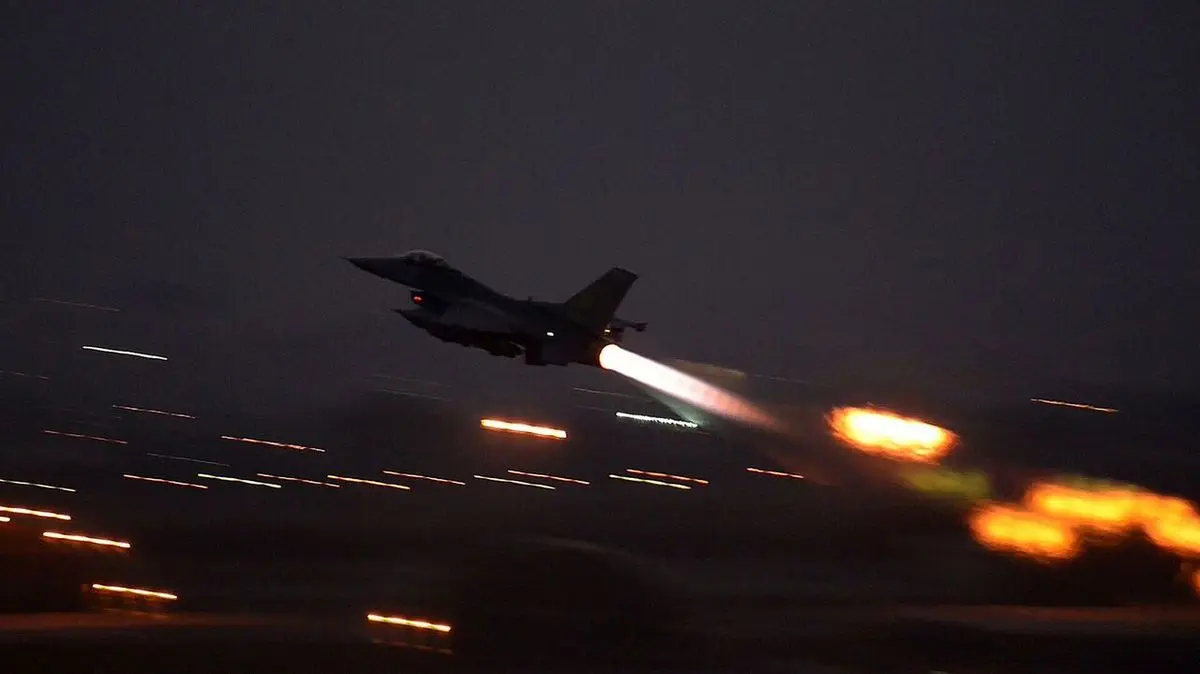
IRGC strike in Jordan: 3 F-35s turned to ash, strike in Kuwait as well
According to the IRGC announcement, three F-35 fighters were completely destroyed, three more aircraft suffered severe damage, and American officers and technical personnel were killed.
The IRGC announcement places special emphasis on the previous US strike in Qeshm, claiming that two civilian residences were hit with bunker-buster bombs, causing the death of family members and injuring children.
It is of particular importance that Tehran presents its military actions as a response to an attack against civilians and not as an escalating initiative.
Iran launched ballistic missiles at Jordan's Muwaffaq Salti Air Base in response to US strikes, but Jordan says it intercepted all five missiles. pic.twitter.com/25MxHgn1LR
— Clash Report (@clashreport) July 30, 2026
At the same time, the IRGC announced that it also carried out an attack against the US base Ali Al Salem in Kuwait, claiming that drone hangars and a fuel tank for military aircraft and helicopters were destroyed.
On its part, CENTCOM rejected as false the IRGC announcements that three American F-35 fighters and three other military aircraft were destroyed in the Iranian attack against the US air base.
According to the command of US forces in the Middle East, no American aircraft was damaged or destroyed during the attack.
At the same time, it claimed that all Iranian missiles and drones were either intercepted by air defenses or failed to hit their targets.
Iran struck the US Sheikh Isa Air Base in Bahrain
The military of Iran launched an attack against US military facilities located at the Sheikh Isa Air Base in Bahrain, according to reports from state media outlets.
The Sheikh Isa base hosts critical infrastructure supporting operations of the United States Navy Fifth Fleet in the Persian Gulf and serves as one of the most vital strategic hubs of the US military presence in the region.
According to the Iranian side, the attack targeted US military assets located inside the base.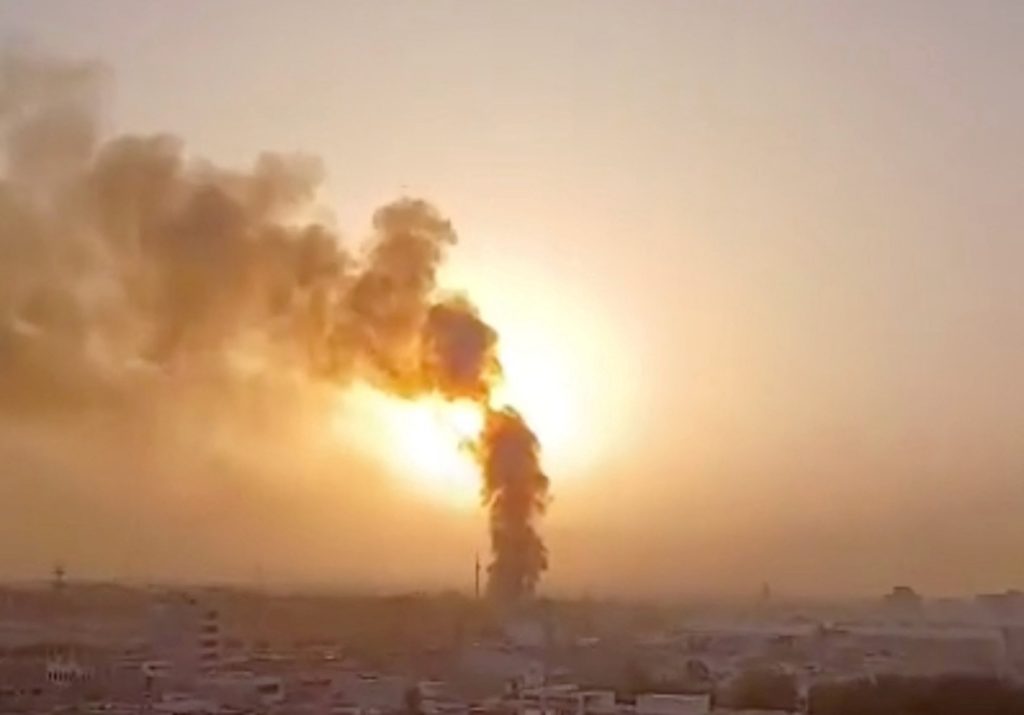
Times: Strict security measures for Mojtaba Khamenei – CIA and Mossad want to assassinate him
A report by the Times states that US and Israeli intelligence agencies continue seeking to locate the position of Ayatollah Mojtaba Hosseini Khamenei, without any publicly confirmed evidence that they have managed to acquire reliable information regarding his movements or place of residence.
According to the report, the Ayatollah has cut off all use of electronic communications media for about 150 days, such as mobile phones, laptops, and other devices that could be tracked via digital surveillance systems.
The same information indicates that his communications are conducted via handwritten notes and a multi-tiered network of couriers, a fact that significantly limits the capabilities for electronic eavesdropping.
The report contends that, in the absence of digital footprints, tracking operations rely primarily on human intelligence (HUMINT).
In this context, Mossad is allegedly utilizing a network of agents inside Iran, though—according to the report—without having managed so far to pinpoint his location with certainty.
The Times also cites former Mossad department head Rami Igra, who reportedly stated that the effort to locate Khamenei presents difficulties comparable to those Israel faced in searching for hostages in Gaza.
According to him, even the most technologically advanced tools are insufficient without access to human sources close to the target.
The report further notes that messages are transmitted through a chain of couriers, where each individual knows only the next link in the process.
According to this assessment, any success in tracking the Ayatollah could only come from recruiting a person with direct access to his inner circle or from information originating from human intelligence.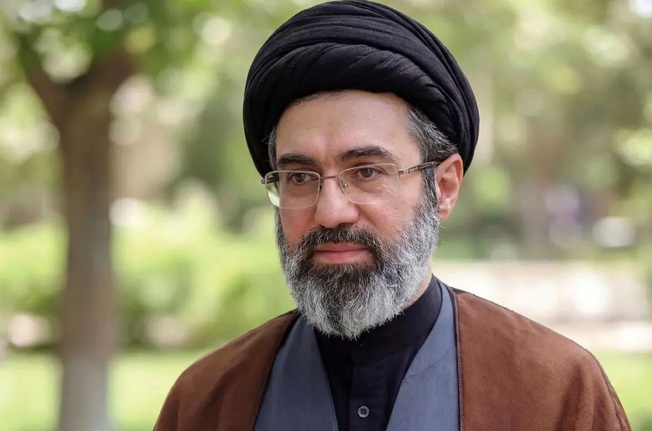
US plans 14-day shock air campaign against Iran - Trump turns decisively to arms
At the same time, information attributed to the Associated Press presents a different picture on the diplomatic front.
According to these reports, the administration of Donald Trump is not currently seeking a resumption of negotiations with Iran, despite efforts by third countries to create conditions for de-escalation.
If this information reflects the actual US stance, it implies that Washington now considers military pressure a more effective tool than diplomacy.
Even more concerning is information attributed to the Wall Street Journal, according to which CENTCOM Commander Brad Cooper has presented Donald Trump with a plan for a 10 to 14-day air campaign aimed at neutralizing the Iranian missile arsenal.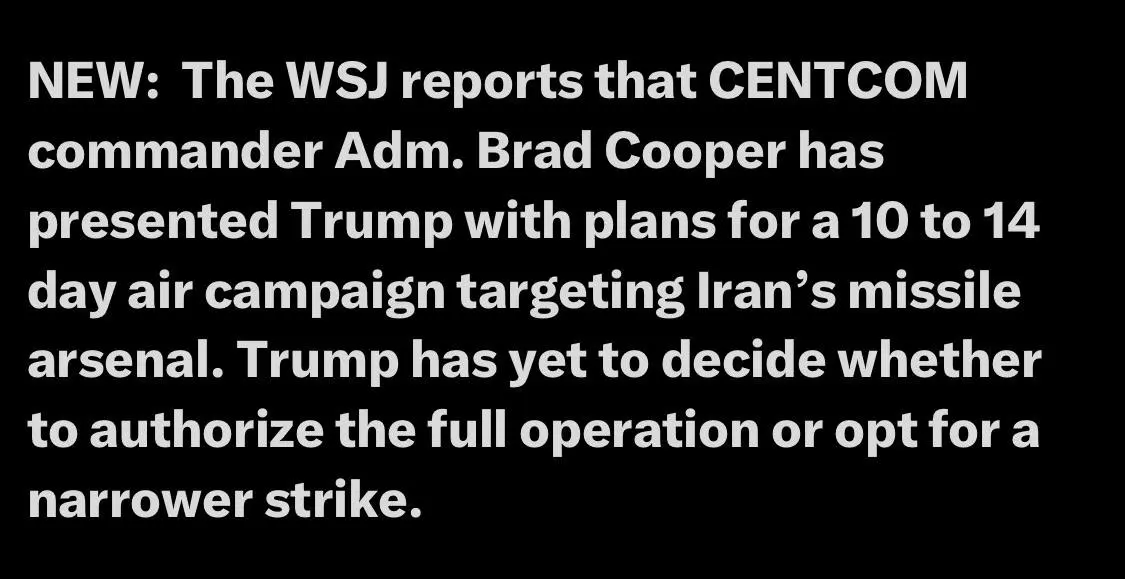
According to the same report, the US President has not taken a final decision, considering both a limited strike and an extensive military operation in which Israel may also participate.
Meanwhile, reports attributed to Reuters state that Benjamin Netanyahu is allegedly seeking US approval for targeted operations against senior commanders of the IRGC and the Iranian armed forces.
This information has not been officially confirmed; however, it reinforces the image of a strategy seeking not only to weaken Iran's military capabilities but also to destabilize its military leadership.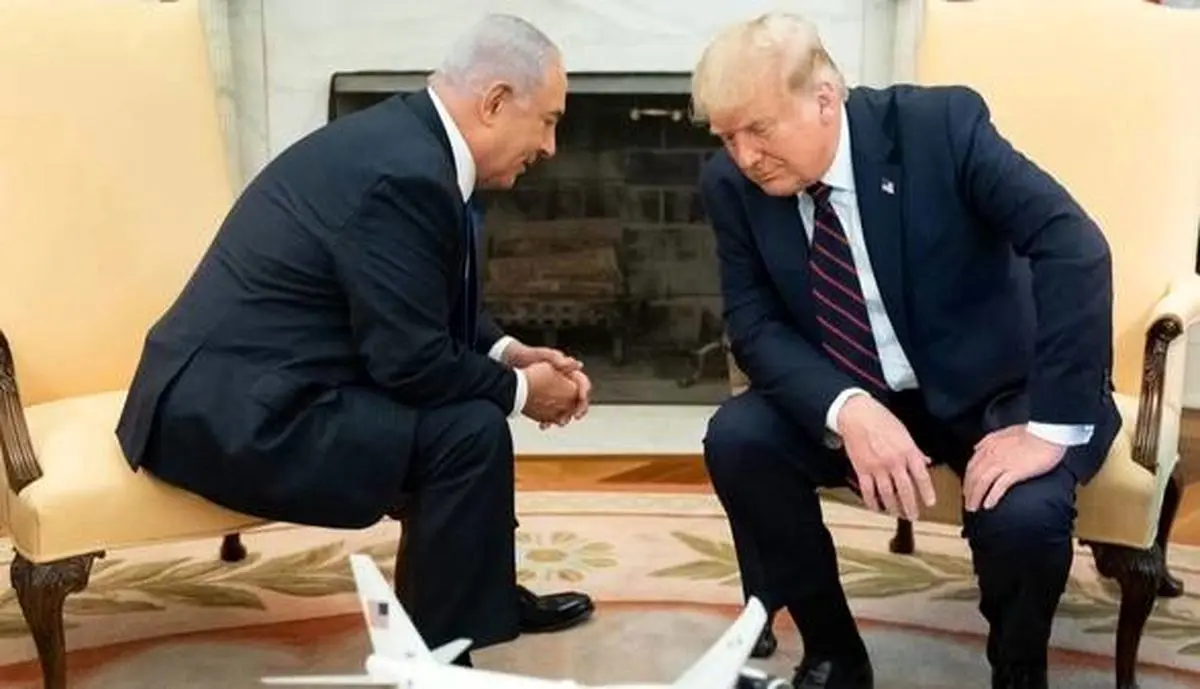
Netanyahu: I did not press Trump for new attacks against Iran
The Prime Minister of Israel, Benjamin Netanyahu, stated that during his meeting with US President Donald Trump, he did not attempt to persuade him to resume military strikes against Iran.
As he noted, the two leaders discussed various possible scenarios for addressing Tehran, including continuing negotiations for a broader agreement, maintaining pressure in the Strait of Hormuz, and the possibility of military action.
Netanyahu stressed that he "misled no one" and that "nobody dictates to Trump what he should do," rejecting claims of applying pressure on Washington.
At the same time, he pointed out that there was uncertainty regarding whether Iran could use maritime navigation through the Strait of Hormuz as a means of applying economic and geopolitical pressure.
Trump's explosive anger
At the same time, severe disagreements appear to prevail within the US administration regarding strategy toward Iran, with reports from American media outlets describing intense dissatisfaction from President Donald Trump toward his national security team.
According to information from NBC, Trump allegedly lost his temper during a meeting with top national security advisers, forcefully expressing his disappointment over both the military options presented to him and the inability to achieve a political solution.
However, White House Press Secretary Karoline Leavitt denied that the US President lost his temper.
Behind the tension, according to the same sources, lies a deeper problem: the absence of a shared strategy.
Senior officials reportedly disagree even on the primary objective of US involvement.
Some prioritize preventing Iran from acquiring a nuclear weapon, others restoring navigation security through the Strait of Hormuz, while a third group argues that the core objective should be neutralizing the Iranian missile and drone arsenal.
This lack of unified direction, according to the reports, has created a serious problem in planning for the day after.
A statement by a US official cited in the reports is telling: "We have achieved a series of tactical victories, but we risk a strategic defeat because there is neither clear political guidance nor a decision on where this conflict is heading."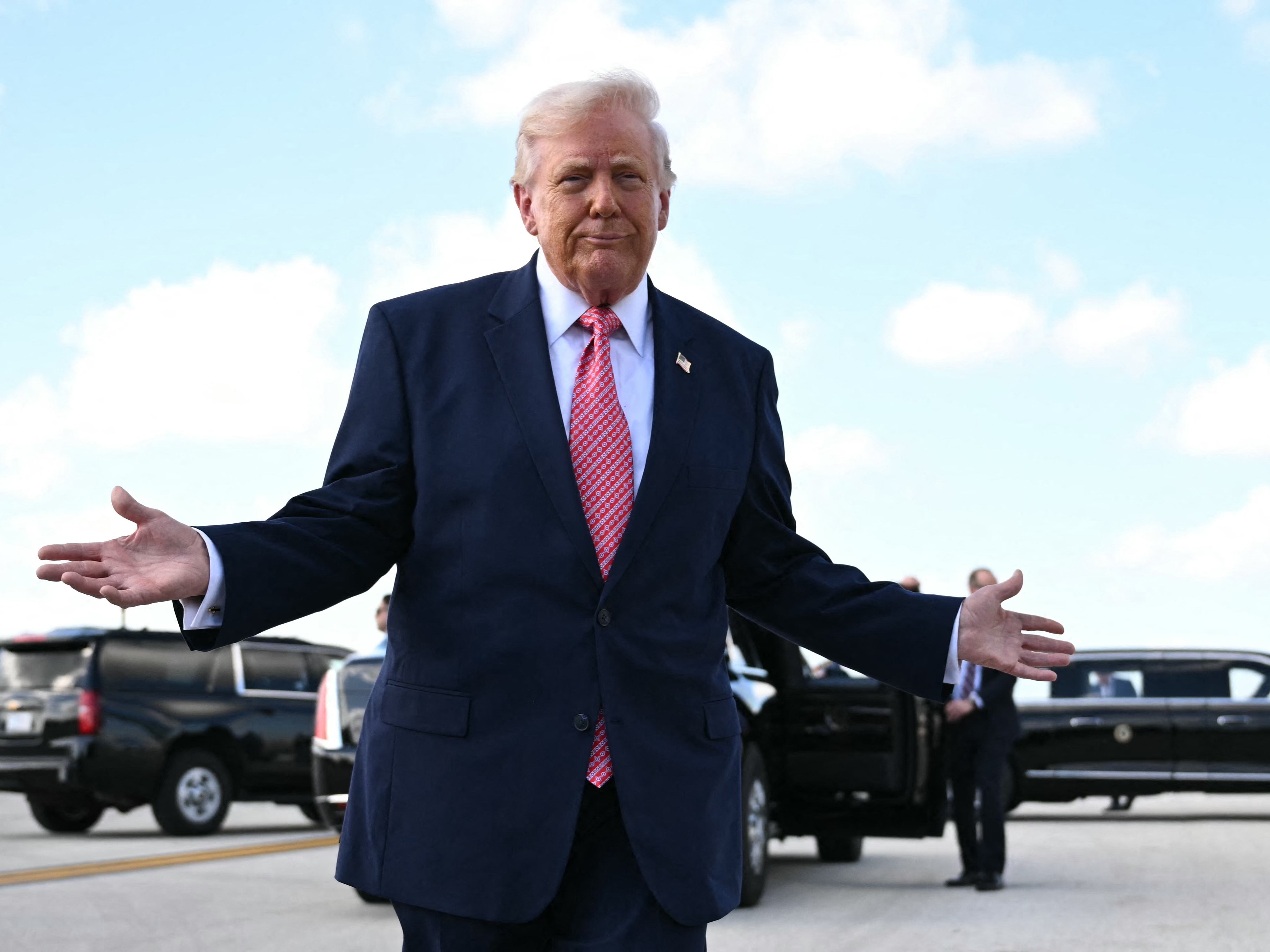
Broader US military preparations - Student dormitories hit in Iran
At the same time, Israeli media outlets, such as Channel 12, Channel 15, and Kan, contend that recent movements of US forces in the region are not linked to limited retaliatory operations but constitute preparation for a much broader military campaign.
Although these are assessments by these specific outlets rather than official announcements, the convergence of these reports suggests that the possibility of a large-scale conflict is being taken seriously.
Meanwhile, attacks in areas of Khuzestan added a new humanitarian dimension to the crisis.
According to the governor of the province, Sayed Mohammad Reza Moalizadeh, US strikes caused damage to two student dormitories in Ahvaz, including facilities of Shahid Chamran University and the Ahvaz University of Medical Sciences.
Local authorities maintained that students were transferred to safer facilities and accused the United States of targeting civilian infrastructure.
The picture emerging from Tehran is that these attacks strengthen social cohesion rather than undermining it.
Iranian authorities present the population's stance as proof that military pressure does not break the country's political will but reinforces determination to continue resistance.
The diplomatic dimension is also of particular interest.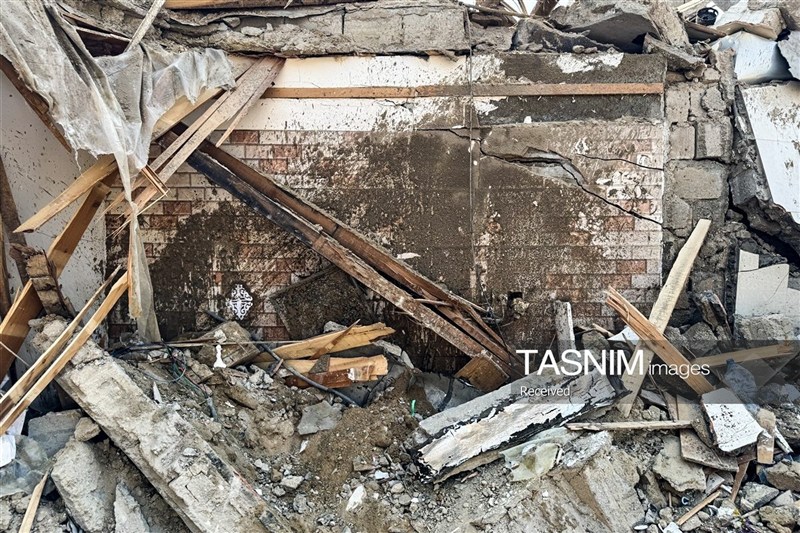
Baghaei (Iranian Foreign Ministry): US attacks strengthen our people's resolve
The spokesperson for the Iranian Ministry of Foreign Affairs, Esmaeil Baghaei, condemned the US attack on Qeshm Island, stating that a taxi driver, his wife, and their two-year-old child lost their lives.
According to Baghaei, the attack destroyed several residences, with the victims identified as Qeysar Jafari, his wife Zahra Jafari, and their child.
In a post on the X platform, the Iranian official stated that "with every explosion, with every crime, with every sanction, with every threat, and with the killing of every child, Iranians become more determined and more united in defending their homeland."
Saudi Arabia strikes Yemen and the Houthis
Saudi Arabia is conducting airstrikes against Sana'a, the capital of Yemen, which is under the control of Ansarallah (Houthis).
According to initial reports, the strikes appear to target the "heart" of Houthi territory, without official confirmation or an assessment of the impact so far.
The same sources estimate that the raids may be a response to reports of recent Houthi attacks against oil facilities in Saudi Arabia.
However, to date, none of the involved parties has officially confirmed the reports of strikes.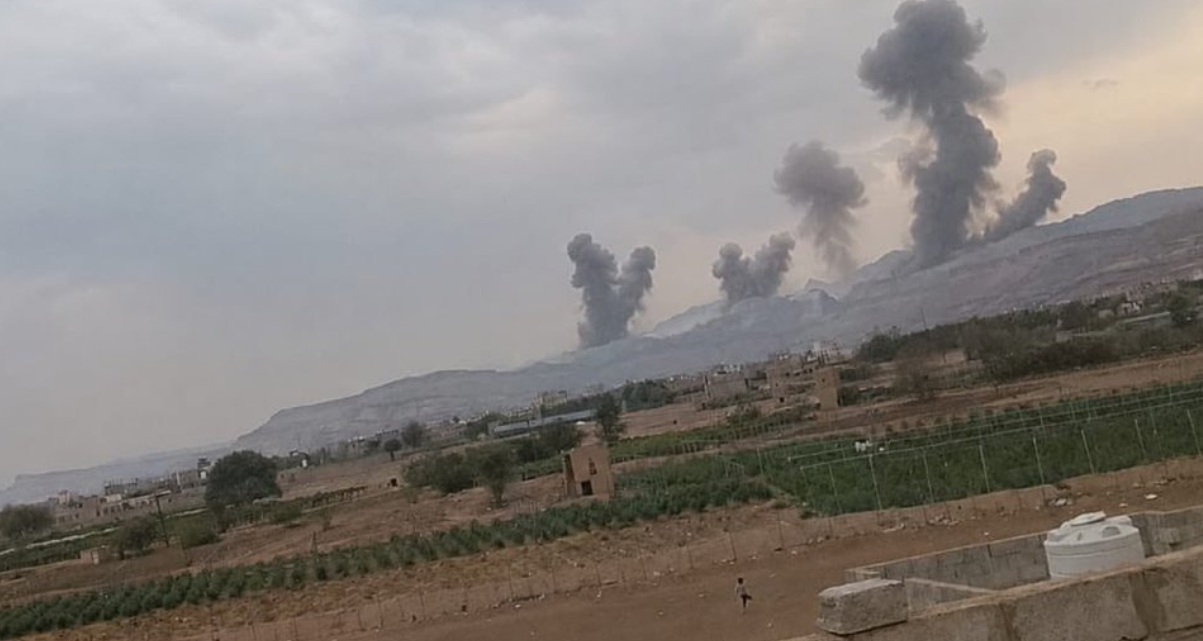
Iran warns Bulgaria over Bezmer base with a stern message from Araghchi
A stern message to Bulgaria was sent by the Foreign Minister of Iran, Abbas Araghchi, during a phone call with his Bulgarian counterpart, Velislava Petrova, expressing Tehran's strong opposition to Sofia's decision to allow the use of the Bezmer Air Base by US military aircraft supporting operations against Iran.
Araghchi characterized the decision as "unacceptable" and "contrary to the traditionally friendly relations" between the two countries, calling on the Bulgarian government to reconsider immediately.
At the same time, he emphasized that Iran will not hesitate to defend its national security, warning that "any party participating in any way in a military attack against Iran must take responsibility for the consequences."
For her part, Velislava Petrova assured that Bulgaria has no intention of participating in the war, attempting to soothe Tehran's concerns.
China denies report on sending 400 anti-aircraft missile launchers to Iran
China categorically denied a report by Reuters, according to which Iran was set to receive 400 Chinese-made man-portable anti-aircraft missile launchers in the coming weeks.
The spokesperson for the Chinese Foreign Ministry, Mao Ning, characterized the report as "untrue and without any factual basis," emphasizing that Beijing has repeatedly clarified its position and is working for peace and the termination of the conflict.
The Reuters report, which cited anonymous sources, stated that the initial shipments would depart by air from Urumqi, transit through Pakistan, and ultimately arrive in Iran.
The claims were also denied by Pakistan.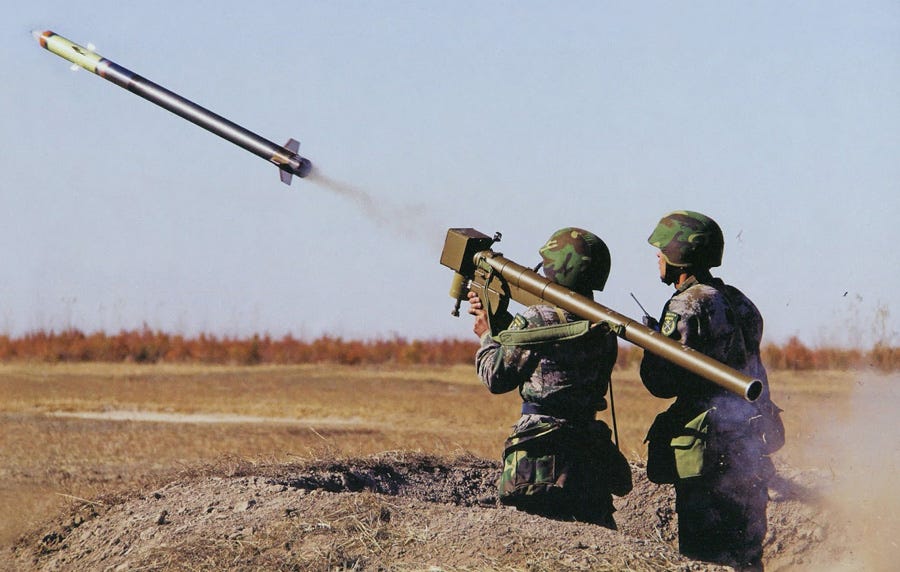
Pakistan attempts to open a diplomatic path
Despite the military escalation, Iran states that it remains ready to continue talks in Geneva, Doha, or Islamabad.
This stance is presented by Tehran as evidence that it does not reject the diplomatic path, but seeks a political solution while maintaining military deterrence.
Pakistan is also attempting to play a significant role.
The spokesperson for the Foreign Ministry in Islamabad stated that the country is in continuous communication with both Iran and the United States, seeking to de-escalate tension and return to negotiations.
Pakistan also emphasized that it does not wish to see the conflict expand across the entire region or involve additional states.
This position takes on particular significance, as the Strait of Hormuz continues to serve as one of the world's most critical energy corridors.
Any generalized conflict could cause severe repercussions for global energy markets, maritime transport, and the international economy.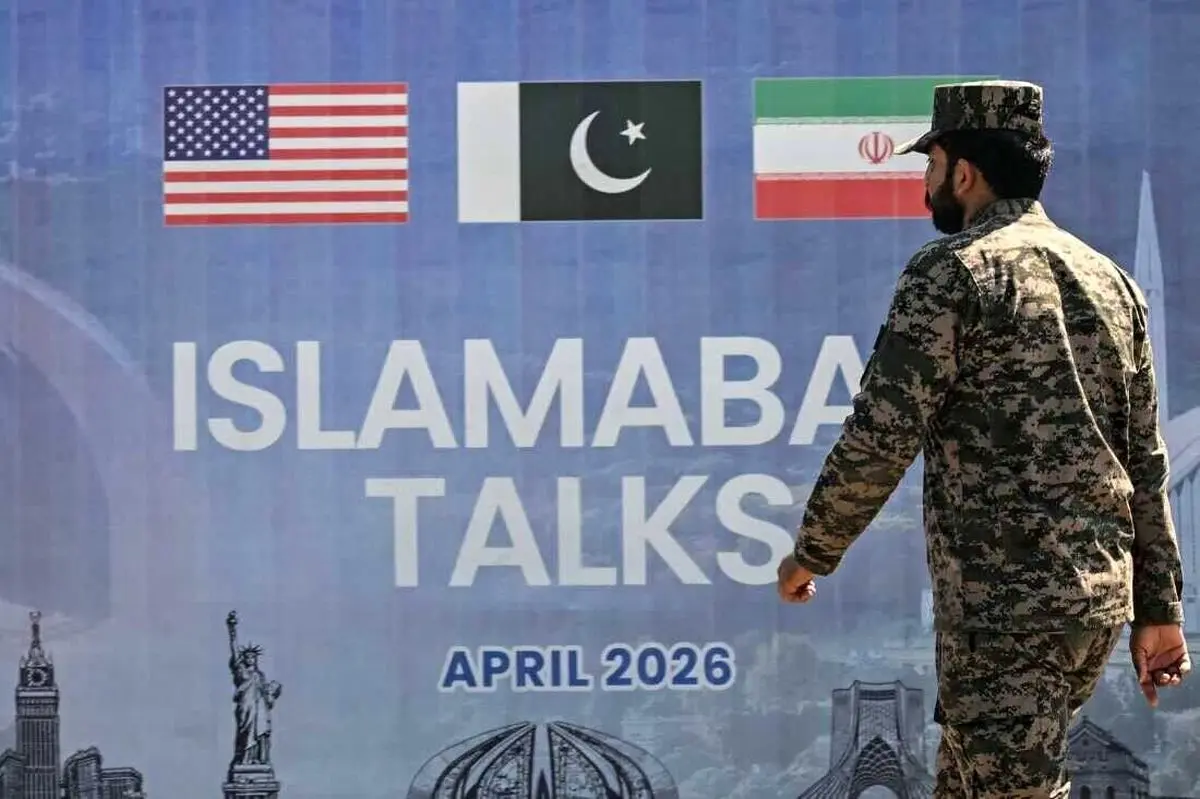
Dramatic escalation
The overall geopolitical landscape indicates that the two sides are following different strategies.
On one side, Washington and Israel appear, according to relevant reports, to be examining scenarios of broad military action and increased pressure against Iranian military leadership.
On the other side, Tehran seeks to present its military actions as a response to previous attacks, while simultaneously stating that it remains open to continuing negotiations.
Whether the specific claims of each side are confirmed or denied, one element is now clear: the Middle East is in a period where military decisions are made faster than diplomatic initiatives.
In this environment, every new attack, every statement, and every leaked piece of information can act as a catalyst for an even greater regional conflict, with consequences that will far exceed the borders of Iran, Israel, and the United States.
www.bankingnews.gr








Readers’ Comments