

The Middle East is now officially in one of the most dangerous periods of recent decades, as the military conflict between Iran, the United States, and Israel acquires the characteristics of a broad regional military confrontation.
Continuous attacks, public threats of escalation, reports of plans for massive air operations, and parallel diplomatic initiatives compose a particularly complex geopolitical scene.
At the center of recent developments is the announcement by the Islamic Revolutionary Guard Corps (IRGC), according to which a ballistic missile attack was launched against the Al-Azraq air base in Jordan in response to a previous US strike in Qeshm.
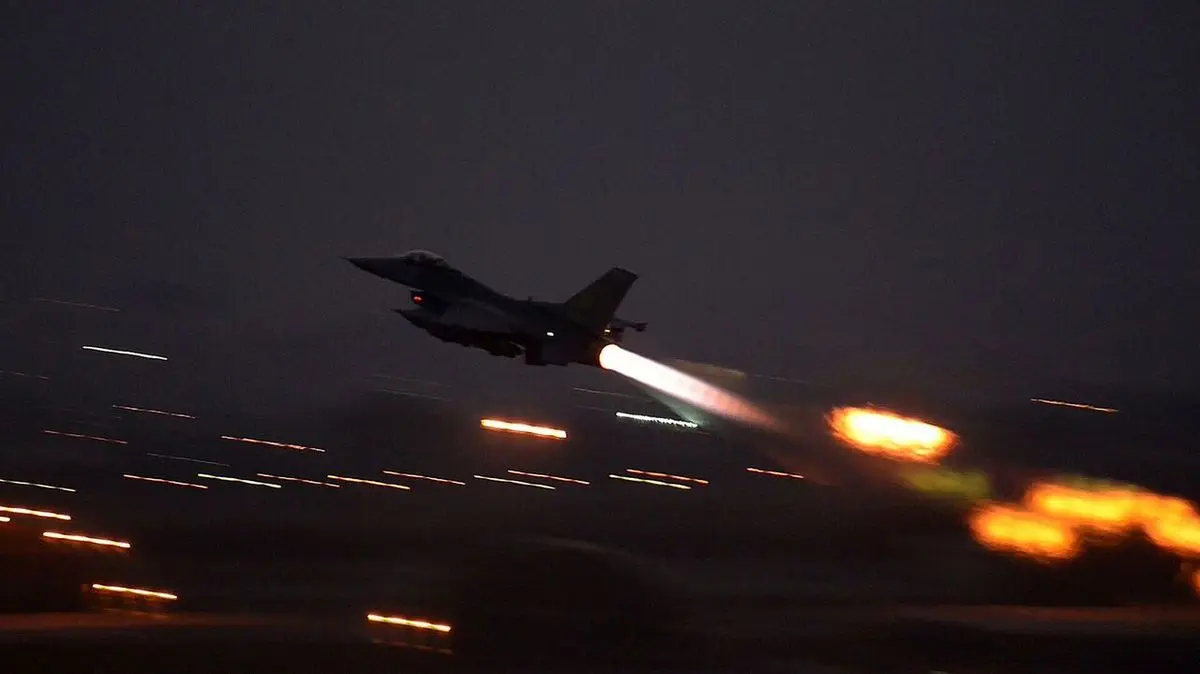
IRGC strike in Jordan: 3 F-35s turned to ashes, strike in Kuwait as well
According to the IRGC announcement, three F-35 fighters were completely destroyed, three more aircraft suffered severe damage, and American officers and technical personnel were killed.
The IRGC announcement attaches particular importance to the previous US strike in Qeshm, maintaining that two civilian residences were struck with bunker-buster bombs, causing the death of members of a family and the injury of children.
It is of particular significance that Tehran presents its military actions as a response to an attack against civilians and not as an escalating initiative.
At the same time, the IRGC announced that it also carried out an attack against the US base Ali Al Salem in Kuwait, maintaining that drone hangars and a fuel tank for military aircraft and helicopters were destroyed.
Iran launched ballistic missiles at Jordan's Muwaffaq Salti Air Base in response to US strikes, but Jordan says it intercepted all five missiles. pic.twitter.com/25MxHgn1LR
— Clash Report (@clashreport) July 30, 2026
US plans 14-day shock air campaign against Iran – Trump definitively turns to arms
At the same time, information attributed to the Associated Press presents a different picture in the diplomatic field.
According to these reports, the administration of Donald Trump is not currently seeking a resumption of negotiations with Iran, despite efforts by third countries to create conditions for de-escalation.
If this information reflects the actual US stance, it indicates that Washington now considers military pressure a more effective tool than diplomacy.
Even more alarming is information attributed to the Wall Street Journal, according to which the commander of CENTCOM, Brad Cooper, has presented Donald Trump with a plan for an air campaign lasting ten to 14 days aimed at neutralizing the Iranian missile arsenal.
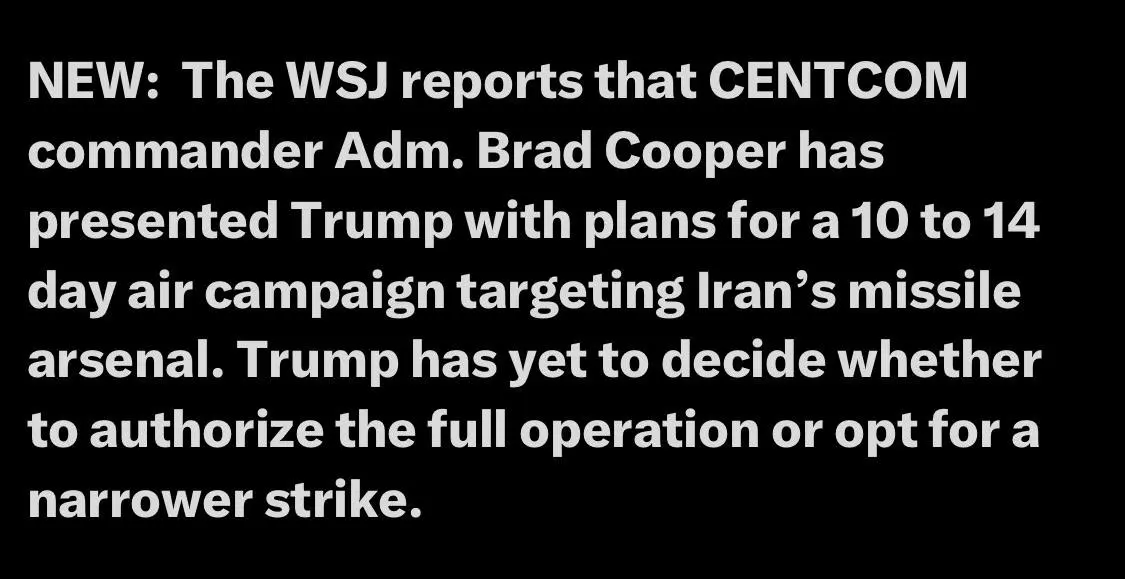
According to the same publication, the US president has not made a final decision, considering both a limited strike and an extensive military operation in which Israel may also participate.
At the same time, reports attributed to Reuters state that Benjamin Netanyahu is reportedly seeking US approval for targeted operations against senior commanders of the IRGC and the Iranian armed forces.
This information has not been officially confirmed, but it reinforces the image of a strategy seeking not only the weakening of Iran's military capabilities but also the destabilization of its military leadership.
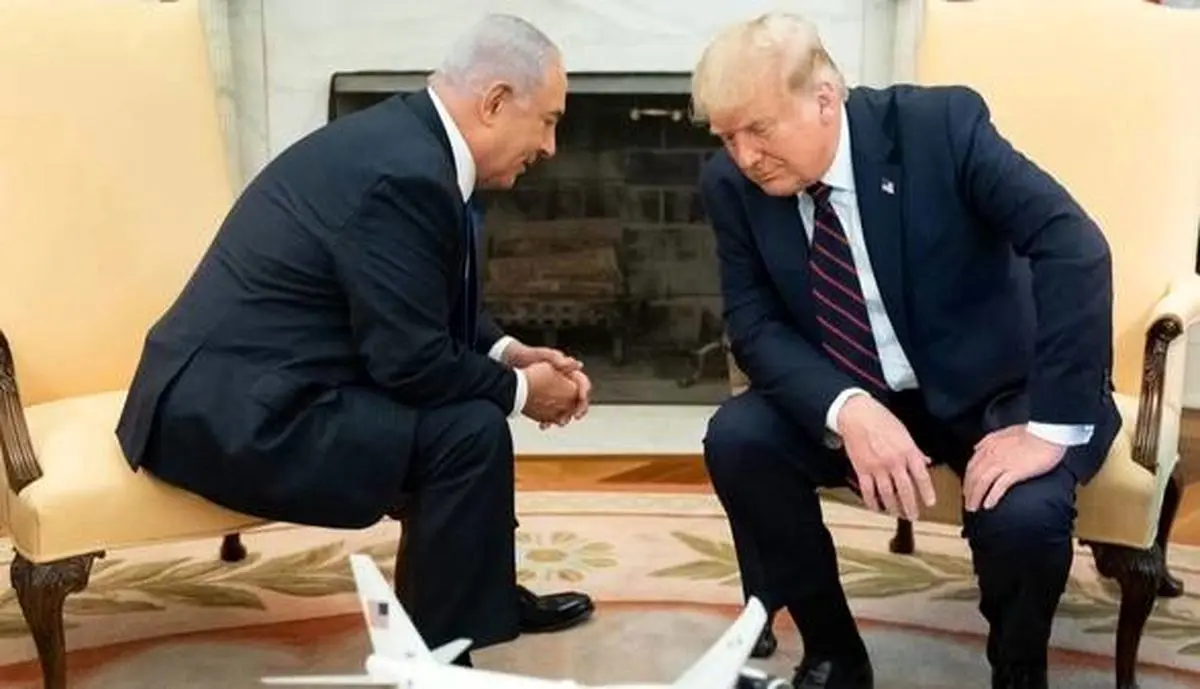
Trump's outburst of anger
Serious disagreements appear to prevail within the US administration regarding the strategy toward Iran, with US media reports speaking of intense dissatisfaction on the part of President Donald Trump toward his national security team.
According to information from NBC, Trump reportedly lost his temper during a meeting with top national security advisors, expressing in a strong manner his frustration over both the military options presented to him and the inability to reach a political solution.
However, White House press secretary Karoline Leavitt denied that the US president lost his temper.
Behind the tension, according to the same sources, lies a deeper problem: the absence of a common strategy.
Senior officials reportedly disagree even on the basic objective of US involvement.
Some consider preventing Iran from acquiring a nuclear weapon to be the priority, others the restoration of security in navigation through the Strait of Hormuz, while a third group maintains that the main purpose must be the neutralization of the Iranian missile and drone arsenal.
The lack of a unified direction, according to the same reports, has created a serious problem in planning the next day.
Characteristic is the statement of a US official cited by the reports: "We have achieved a series of tactical victories, but we risk a strategic defeat because there is no clear policy guidance or decision on where this conflict is heading".
Broader military preparation by Americans – Student dormitories struck in Iran
At the same time, Israeli media, such as Channel 12, Channel 15, and Kan, maintain that recent movements of US forces in the region are not connected to limited retaliatory operations but constitute preparation for a much broader military campaign.
Although these are assessments by the specific media and not official announcements, the convergence of these reports indicates that the possibility of a large-scale conflict is being taken seriously.
Meanwhile, attacks in areas of Khuzestan added a new humanitarian dimension to the crisis.
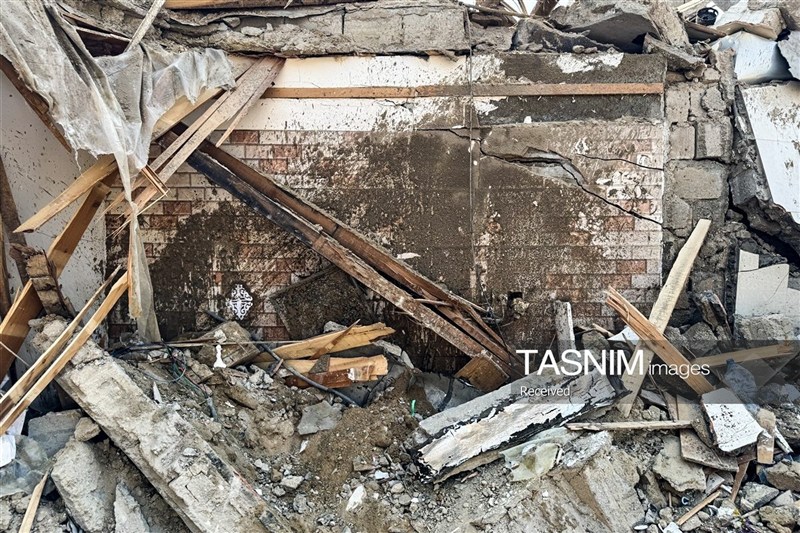
According to the governor of the province, Sayed Mohammad Reza Moalizadeh, US strikes caused damage to two student dormitories in Ahvaz, including facilities of Shahid Chamran University and Ahvaz University of Medical Sciences.
Local authorities maintained that students were transferred to safer facilities and accused the United States of targeting civilian infrastructure as well.
The picture being formed on Tehran's side is that these attacks reinforce social cohesion rather than undermine it.
Iranian authorities present the population's stance as proof that military pressure does not weaken the country's political will, but strengthens determination to continue resistance.
The diplomatic dimension also presents particular interest.
Iran warning to Bulgaria regarding Bezmer base with strict message from Araghchi
A strict message to Bulgaria was sent by the Minister of Foreign Affairs of Iran, Abbas Araghchi, during a telephone communication with his Bulgarian counterpart, Velislava Petrova, expressing Tehran's strong opposition to Sofia's decision to allow the use of Bezmer Air Base by US military aircraft supporting operations against Iran.
Araghchi characterized the decision as "unacceptable" and "inconsistent with the traditionally friendly relations" between the two countries, calling on the Bulgarian government to reconsider it immediately.
At the same time, he emphasized that Iran will not hesitate to defend its national security, warning that "any party participating in any way in a military attack against Iran must assume responsibility for the consequences".
For her part, Velislava Petrova assured that Bulgaria does not intend to participate in the war, attempting to soothe Tehran's concerns.
Pakistan attempts to open a diplomatic path
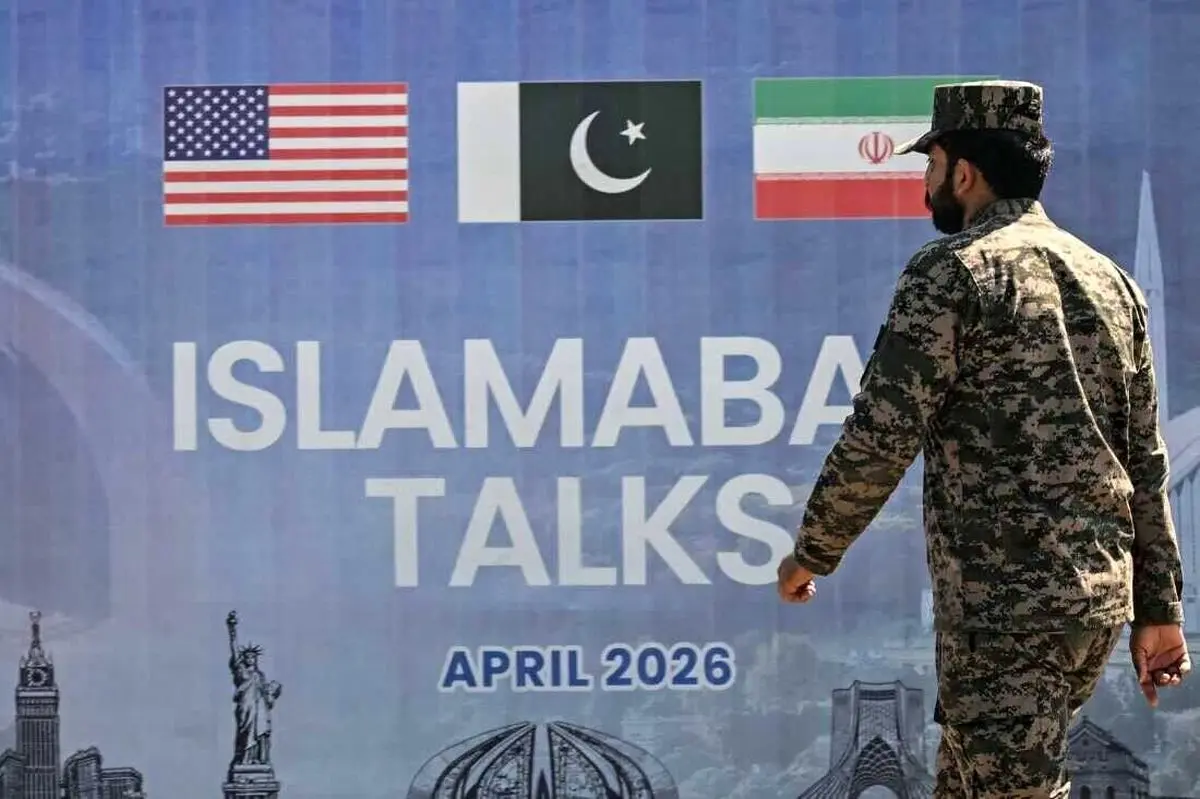
Despite military escalation, Iran states that it remains ready to continue talks in Geneva, Doha, or Islamabad.
This stance is projected by Tehran as an indication that it does not reject the diplomatic route, but seeks a political solution alongside maintaining military deterrence.
Pakistan is attempting to play an important role as well.
The spokesman for the Ministry of Foreign Affairs in Islamabad stated that the country is in continuous communication with both Iran and the United States, seeking to de-escalate tension and return to negotiations.
Pakistan also emphasized that it does not wish for the expansion of the conflict across the entire region or the involvement of additional states.
This stance acquires particular importance, as the Strait of Hormuz continues to constitute one of the world's most important energy corridors.
Any generalized conflict could cause severe impacts on global energy markets, maritime transport, and the international economy.
Dramatic escalation
The overall geopolitical landscape shows that the two sides are following different strategies.
On the one hand, Washington and Israel appear, according to relevant reports, to be examining scenarios of broad military action and increased pressure against the Iranian military leadership.
On the other hand, Tehran seeks to present its military actions as a response to previous attacks, while simultaneously stating that it remains open to the continuation of negotiations.
Whether the individual claims of each side are confirmed or refuted, one element is now clear: the Middle East is in a period where military decisions are made faster than diplomatic initiatives.
In this environment, every new attack, every statement, and every leaked piece of information can act as a catalyst for an even larger regional conflict, with consequences that will far exceed the borders of Iran, Israel, and the United States.
www.bankingnews.gr








Readers’ Comments