

The latest dramatic developments in the Middle East demonstrate that the era of absolute American dominance in intelligence and operational security appears to be gradually coming to an end.
Information that the US Armed Forces are considering even the temporary confiscation of mobile phones from soldiers serving in the region, combined with the impressive utilization of commercial satellite imagery and artificial intelligence by the Chinese company MizarVision, reflects a new reality: information has now proliferated and is no longer the exclusive privilege of major military powers.
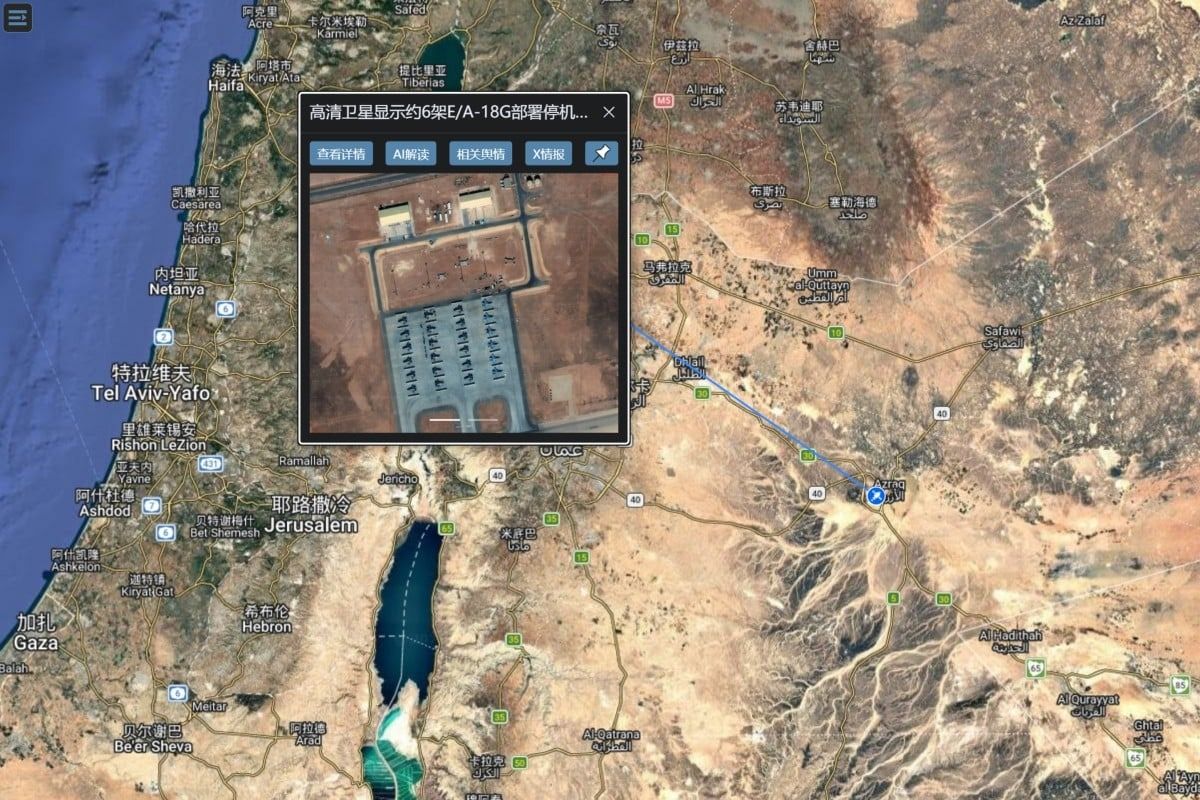
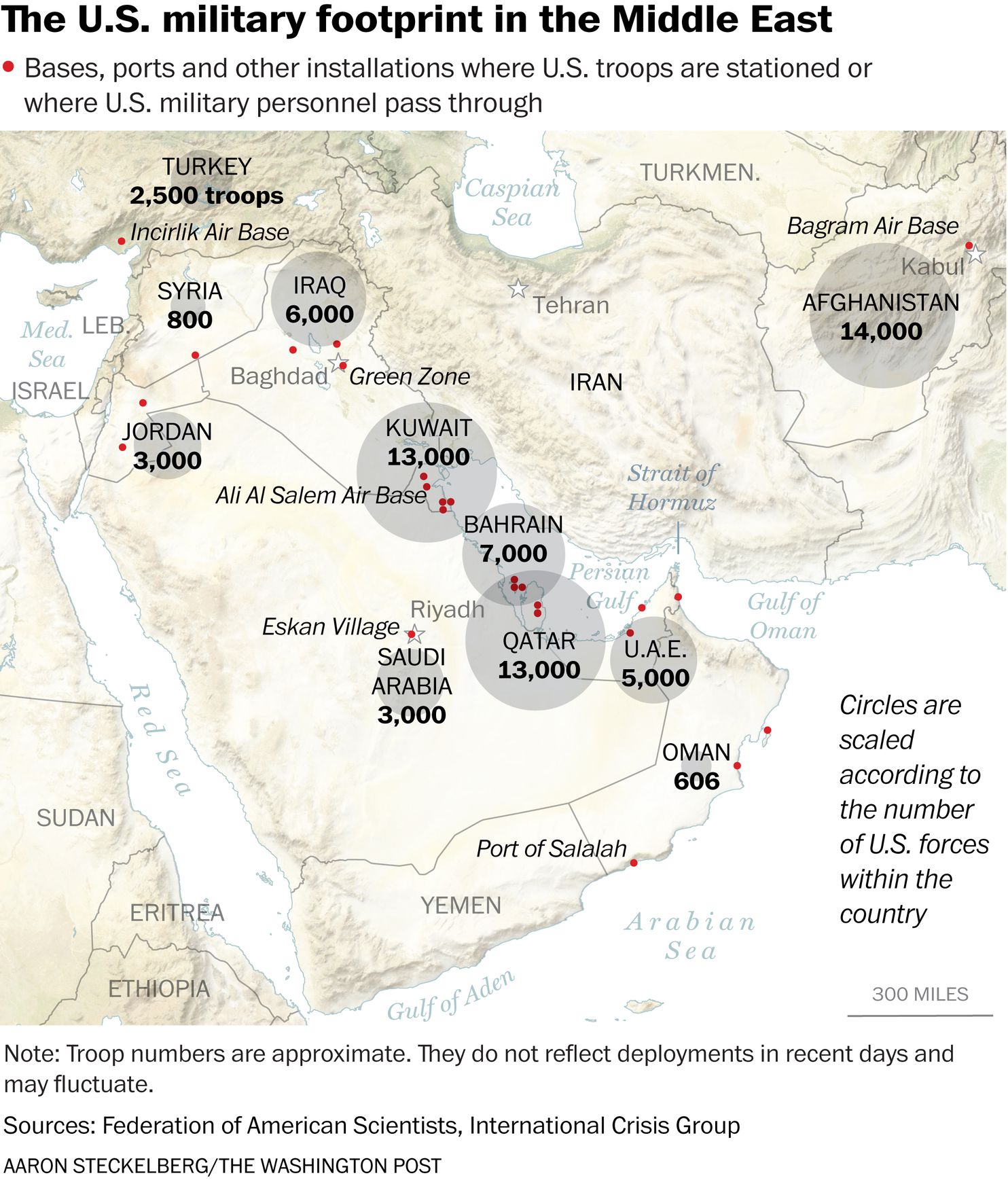
According to US publications, the command of US forces in the Middle East is seriously considering temporarily removing mobile phones from soldiers serving at critical bases, particularly in Jordan.
This discussion did not arise by chance.
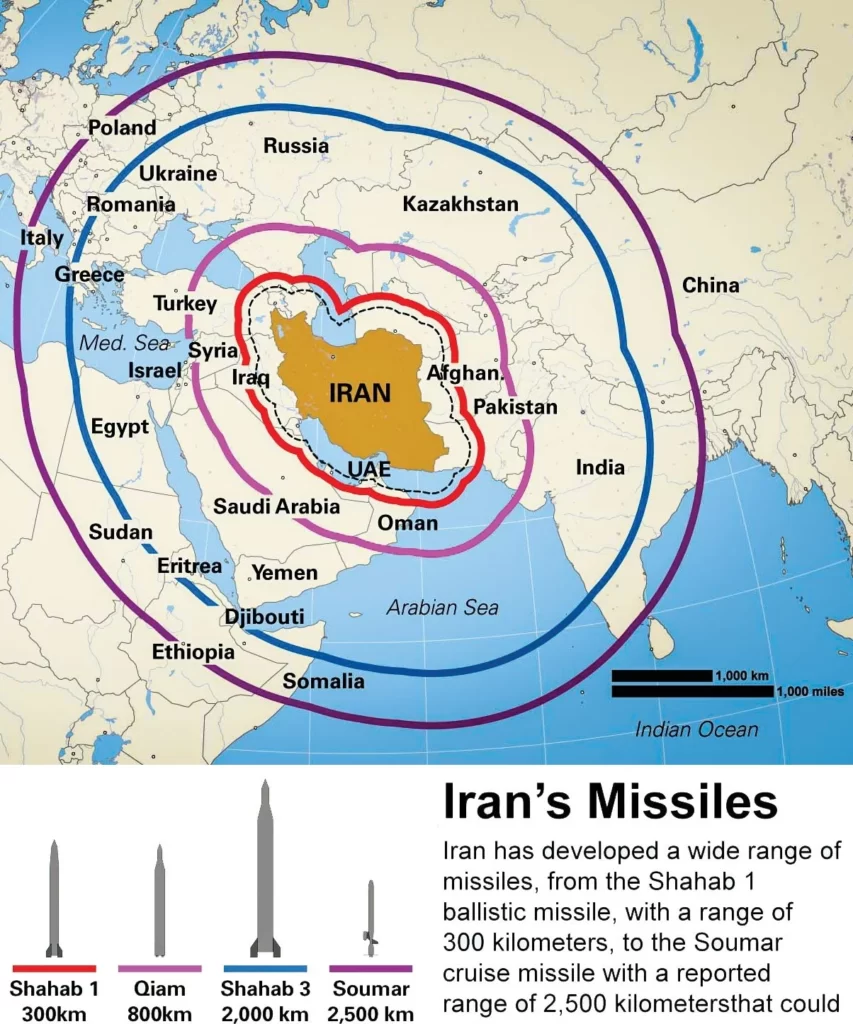
It reflects Washington's growing fear that photos, videos, and social media posts can reveal critical operational details, which may be exploited by Iran to assess American facilities and the effectiveness of attacks against them.
Unintentional publication of material by US soldiers
Concerns were heightened after the release of material by American soldiers capturing attacks on bases using mobile phones and even smart glasses, as revealed by CNN.
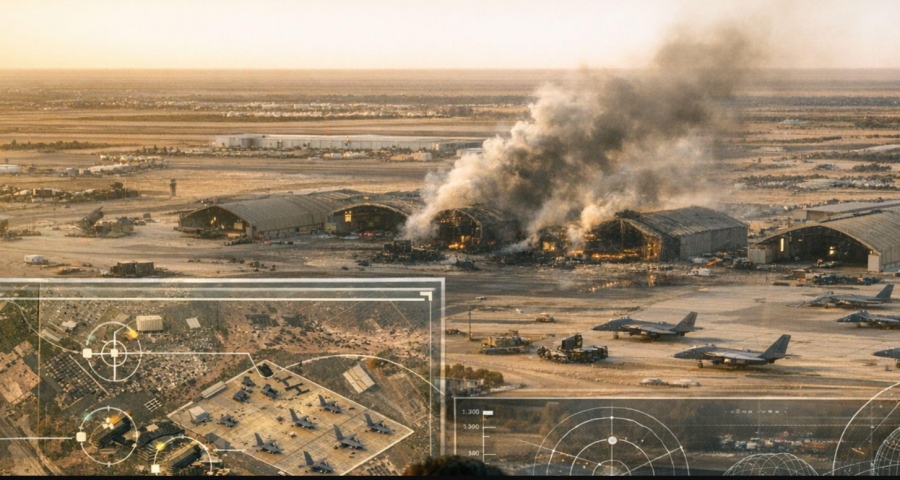
Images that seem innocent to an ordinary social media user can reveal to a military analyst the layout of facilities, the responses of security forces, the effectiveness of air defenses, or even the damage caused by strikes.
It is no coincidence that the commander of CENTCOM, Brad Cooper, sent a letter on July 28 asking personnel to treat Operational Security (OPSEC) as an absolute priority.
According to what became known, he warned that even a seemingly insignificant photo can provide the adversary with information that previously required complex espionage operations.
The American reasoning itself indirectly reveals an important reality.
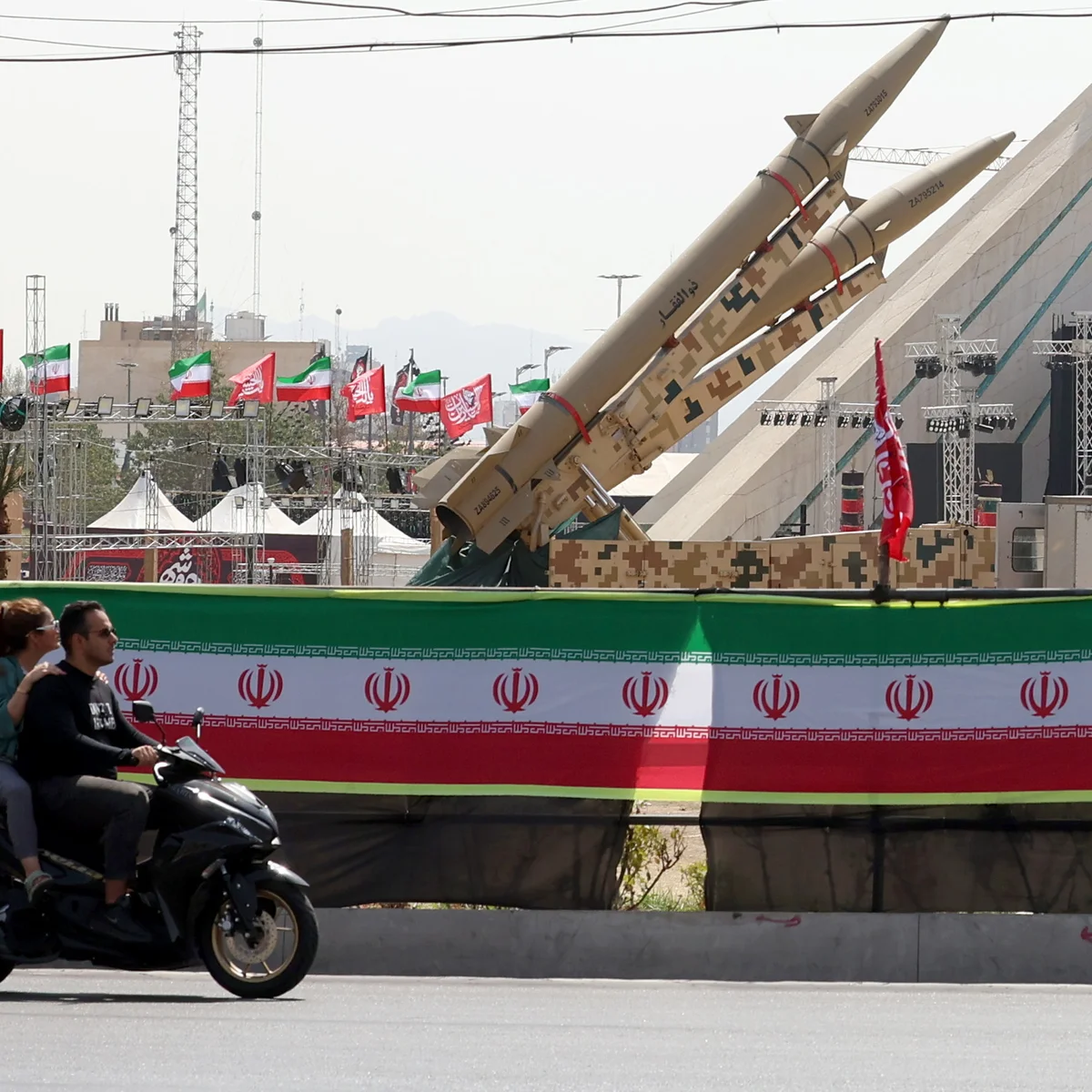
As the commander of CENTCOM reportedly stated, Iran knows when its missiles are launched, but not always what the actual result of the attacks is.
However, when US forces themselves or the media publish photos of the damage, this intelligence gap is filled without requiring any secret information-gathering operation.
This fact highlights an irony of the modern era.
The United States, which for decades invested billions of dollars in satellite systems, electronic wiretaps, and intelligence networks, now faces a situation where public social media posts themselves can undermine its operational security.
The Chinese assistance
Even more characteristic is the case of the Chinese company MizarVision.
On February 26, 2026, just two days before the joint operation by the United States and Israel codenamed Epic Fury, the company published processed satellite imagery showing F-22 Raptor fighters at the Ovda base, AWACS aircraft at the Prince Sultan base, and movements of US aircraft carrier strike groups in the Arabian Sea.
The significance of the case lies not only in the content of the images, but in the method of their production.
MizarVision does not possess its own satellites.
It purchases commercial imagery from international providers and uses artificial intelligence software to detect and categorize military assets with automated object detection.
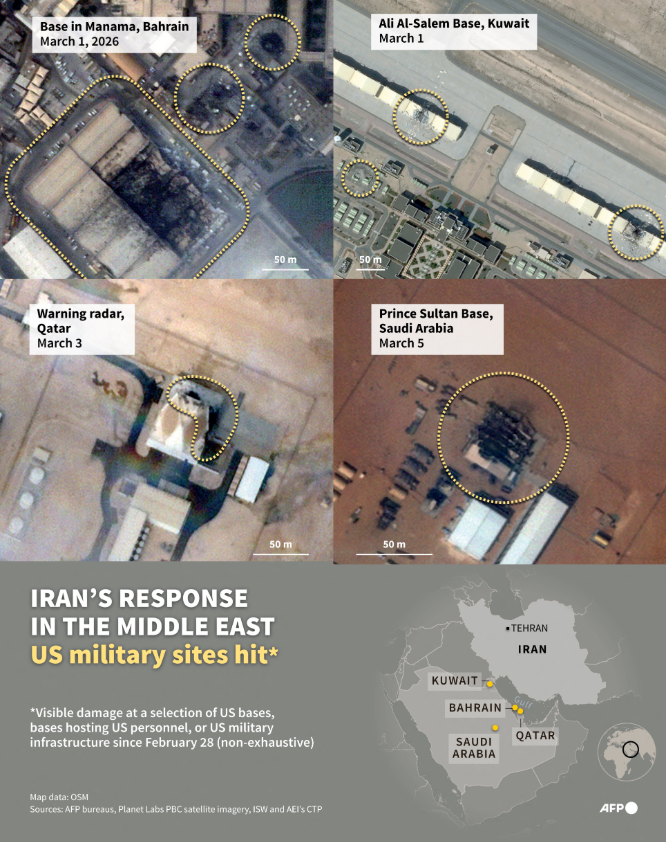
Throughout the operation, the company continued to publish analyses regarding the damage caused by Iranian strikes on the Al Udeid base, the movements of THAAD batteries in Jordan, and the positions of refueling aircraft in Bahrain and the United Arab Emirates.
Regardless of whether this information was directly utilized by the Iranian armed forces, it highlighted a new strategic environment in which the movements of even the most powerful militaries can be monitored nearly in real time by private companies and open-source intelligence.
Artificial intelligence changed the rules of the game
This development poses a significant challenge to US military doctrine.
During the Cold War, only states with vast economic and technological resources could possess spy satellites.
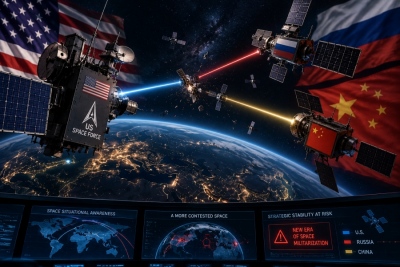
Today, however, the development of large commercial satellite constellations by companies such as Planet Labs and Maxar, combined with the capabilities of artificial intelligence, has radically changed the rules of the game.
Information is no longer the exclusive privilege of superpowers.
Anyone with access to commercial imagery, strong computing infrastructure, and suitable algorithms can detect military movements that until a few years ago were considered completely classified.
For Iran, this technological shift creates a different strategic environment.
While for decades it faced the technological superiority of the United States and Israel, it can now benefit from a global market for commercial intelligence that gradually reduces the advantage of traditional intelligence agencies.
Dramatic warning from the Pentagon on geolocation apps
It is no coincidence that the Pentagon has been warning for years about the risks arising from geolocation applications, social media platforms, and smart devices.
Today, however, the problem is not limited to soldiers' mobile phones.
Even if their use is completely banned, high-resolution satellite imagery and artificial intelligence algorithms continue to reveal much of operational activity.
The result is that the United States is called upon to adapt a military doctrine formed in an era when space surveillance was the exclusive privilege of states.
Today, however, private companies can publish analyses in near real time, without necessarily falling under the jurisdiction of Washington.
Decades-old balances are changing
The case of MizarVision also highlights a broader institutional gap.
US authorities can impose restrictions on domestic commercial imagery providers through so-called shutter control.
However, they lack corresponding capabilities against foreign companies that purchase images from non-US sources, process them with artificial intelligence, and publish them freely on the internet.
Thus, the discussion is no longer solely about the confrontation between Iran and the United States.
It concerns the total transformation of the military intelligence field, where commercial satellite infrastructure, artificial intelligence, and open-source intelligence are altering balances that dominated for decades.
The consideration of measures such as the confiscation of mobile phones from American soldiers is perhaps the most characteristic indication that even the world's strongest military power recognizes that the era of absolute information dominance has passed.
In an environment where satellites, artificial intelligence, and social networks function as force multipliers, maintaining operational secrecy becomes increasingly difficult.
And this constitutes a strategic development that favors states like Iran, which seek ways to balance the traditional military superiority of their opponents through the utilization of new technologies and the modern information environment.
www.bankingnews.gr







Readers’ Comments