

The largest contract in the history of the Patriot program constitutes simultaneously the most resounding admission that the United States is facing an unprecedented crisis in air defense missile stockpiles.
With Lockheed Martin securing a mammoth agreement worth up to 58.6 billion dollars for the production of PAC-3 MSE missiles, Washington is attempting to cover the massive gaps left by operations against Iran and ongoing military support to Ukraine.
This development reflects not only the scale of consumption of advanced interceptor missiles on modern battlefields, but also the growing pressure on the US defense industry to restore strategic stockpiles to operational sufficiency levels.
Stockpiles emptied
The US military awarded Lockheed Martin a contract valued at up to 58.6 billion dollars for the production of PAC-3 Missile Segment Enhancement (MSE) interceptor missiles for the MIM-104 Patriot long-range air defense system, which constitutes by far the largest procurement agreement ever signed for this type of missile.
The award takes place as the Pentagon seeks to rapidly replenish stockpiles depleted due to extensive war operations in Iran and ongoing military assistance to Ukraine, while simultaneously preparing for the possibility of future high-intensity conflicts.
The extremely high rate of consumption of interceptor missiles, combined with the average cost of PAC-3 MSE, which amounts to 3.871 million dollars per missile, has made maintaining sufficient stockpiles particularly costly.
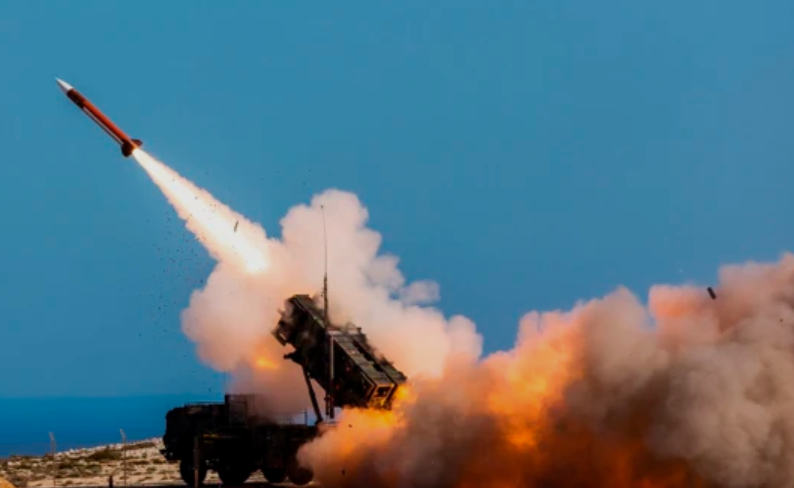
800 missiles in 5 days...
The United States notably launched attacks against Iran in February, already having significantly reduced stockpiles of interceptor missiles for Patriot systems.
In July 2026, it was confirmed that stockpiles had dropped to just 25% of the level that the Pentagon considered necessary.
Reports from multiple Western sources confirmed on March 5, 2026 that the US military had consumed more than 800 Patriot interceptor missiles in just five days of engagements with Iranian forces.
Shortages were so severe that in March, the United States was forced to request supplies of interceptor missiles to replenish its stockpiles, which had been nearly exhausted during the first days of the war.
The Polish arsenal was the only one within NATO that had not suffered severe depletion.
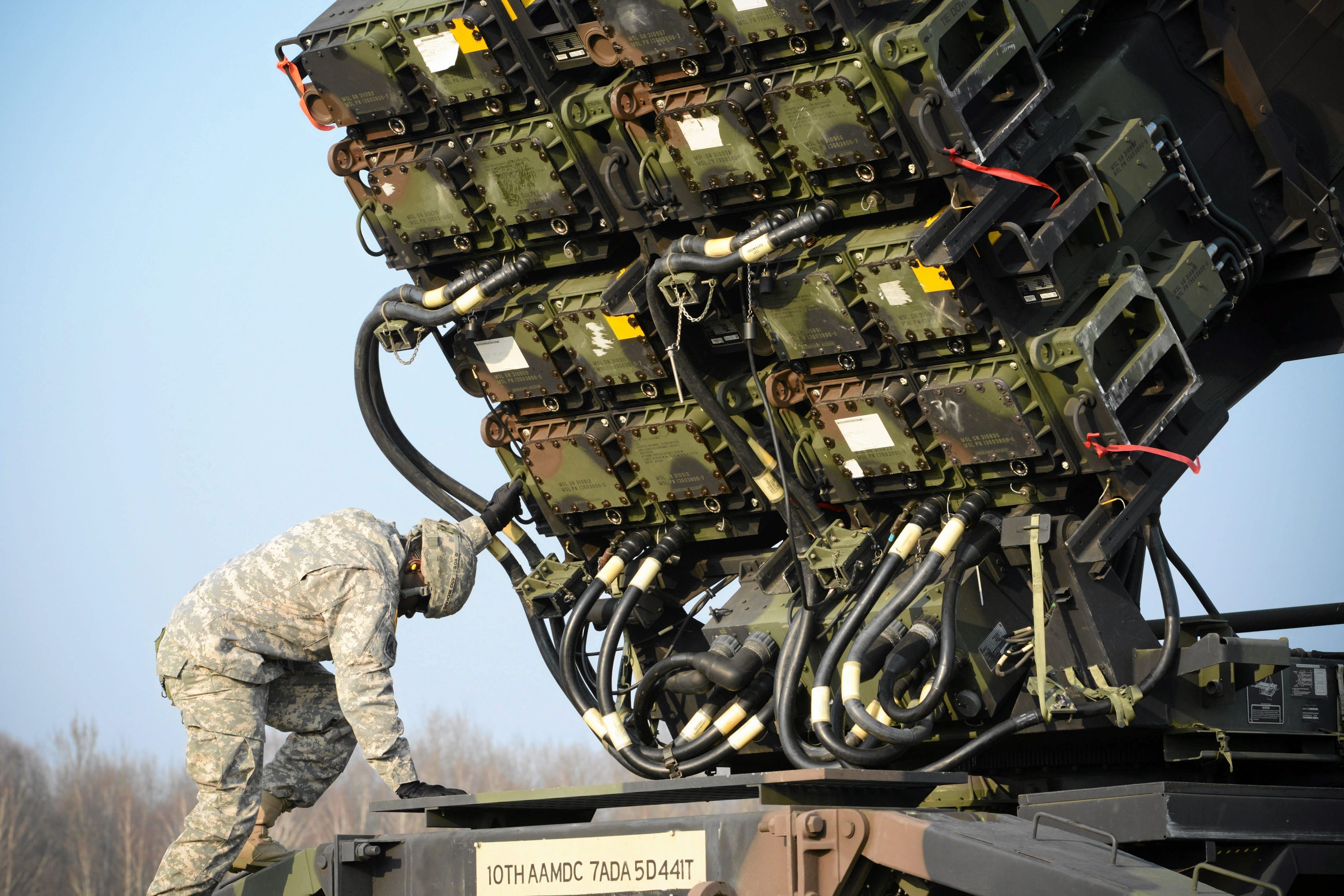
The "golden" contract
The new agreement converts a previous one-year production contract worth 4.7 billion dollars, which had been awarded in April, into a seven-year framework covering fiscal years 2026 to 2032, providing Lockheed Martin with the long-term certainty required for the significant expansion of its production capacity.
Officials of the Pentagon increasingly prefer multi-year procurement agreements over annual contracts, arguing that stable demand allows industry to invest with greater confidence in new production lines, suppliers, and workforce expansion.
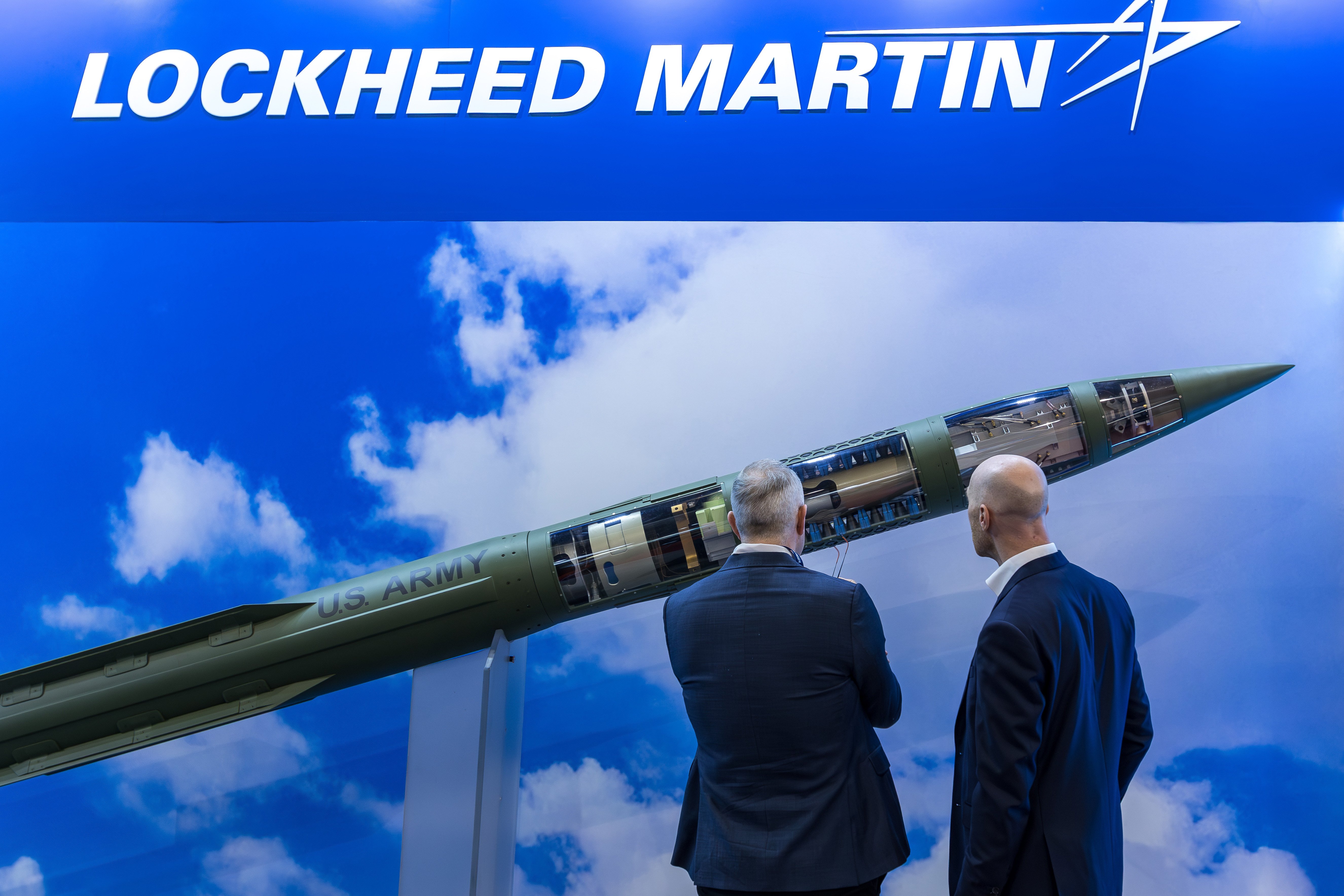
Annual production of 2,000 missiles
Lockheed Martin has stated that the contract will enable it to fulfill its commitment to triple the production capacity of PAC-3 MSE by 2030, increasing annual production from approximately 600 missiles to approximately 2,000.
The procurement of approximately 2,000 PAC-3 MSE interceptors would cost approximately 7.74 billion dollars annually, significantly burdening the already strained defense budget of the United States.
However, this is not an isolated case.
15.5 million per THAAD missile
The U.S. Missile Defense Agency also awarded a contract to increase the annual production of interceptor missiles for the Terminal High Altitude Area Defense (THAAD) system from approximately 96 missiles to approximately 400 annually.
The relevant announcement was made on June 26 and it is estimated that it will increase annual costs by more than 6.2 billion dollars, as the more expensive interceptor missiles cost over 15.5 million dollars each.
To accelerate the production of PAC-3 missiles, Lockheed Martin plans to increase personnel by approximately 50% at its production facilities in Camden, Arkansas, while simultaneously investing 8–9 billion dollars to modernize more than 20 factories across the United States.
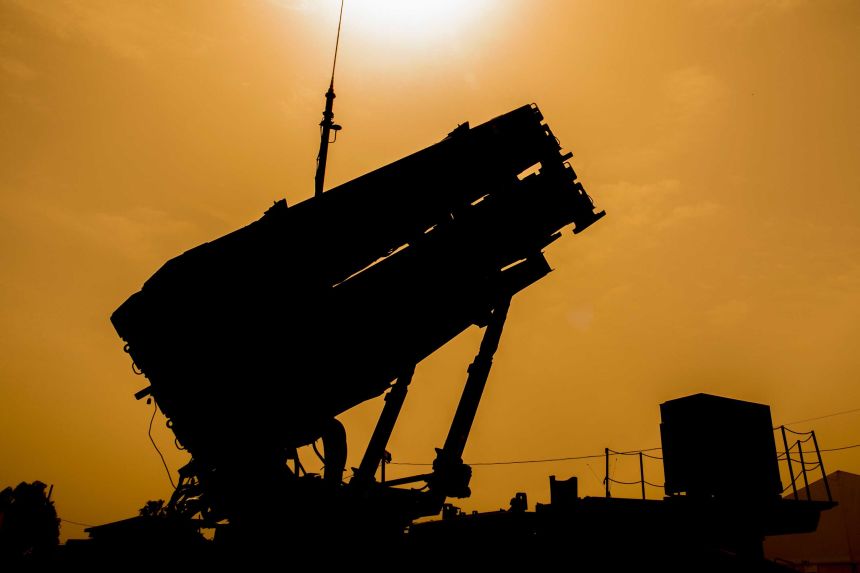
Patriots fail in Iran, Ukraine
The United States was forced to confront severe shortages of guided missiles resulting from the war with Iran, suspending weapon deliveries to strategic partners in Asia and Europe, as well as withdrawing a wide range of military assets from the Pacific theater of operations, including THAAD and Patriot systems located in South Korea.
Despite the extremely high cost of procurements, the effectiveness of the PAC-3 is increasingly questioned.
During the first hours of hostilities, videos showed that Patriot systems in Qatar repeatedly failed to intercept Iranian ballistic missiles.
In mid-March, additional footage captured by citizens showed two Iranian ballistic missiles striking oil facilities at the port of Fujairah in the United Arab Emirates, while attempts by Patriot systems to intercept them failed.
Multiple videos, as well as reports citing a successful interception rate of just 6% in the Ukrainian theater of operations against Russian tactical ballistic missiles, have made the further expansion of Patriot system procurements controversial.
www.bankingnews.gr













Readers’ Comments