

Trading chat rooms flooded with retail investors mourning 70% to 80% ETF losses
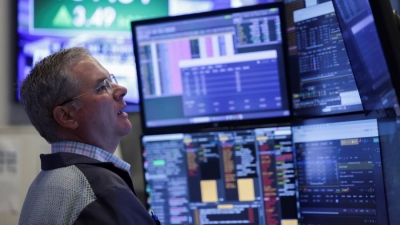
The artificial intelligence frenzy has given way to absolute panic, as thousands of investors watch their savings take a dive within a matter of days. Following a spectacular rally that had sent expectations soaring, the sharp drop of titans like Samsung and SK Hynix is causing severe tremors, turning record profits into unprecedented losses and leaving millions of retail investors facing nightmare scenarios.
Korean investors in despair
Song Mi-kyung secured profits of around 300 million won ($200,000) earlier this year as South Korea's stock market staged a rally driven by the artificial intelligence boom. The 60-year-old Seoul resident has now learned the hard way that tech stock shares can fall just as easily as they rise, following a turbulent week on the Kospi index. Her portfolio now reflects a paper loss exceeding 60% as the benchmark heads toward a record monthly decline, sitting nearly 40% below its June peak. "Losses are compounding day by day. I am extremely stressed. I don't know what to do about this," she said. "I have never seen such rapid declines, not even during the Asian financial crisis. I am about to give back all the gains I made this year."
Liquidation vortex
Song is among tens of millions of South Korean retail individual investors caught up in this year's technology sell-off vortex after rushing into one of the world's top-performing markets to capitalize on the soaring global demand for memory chips. After an explosive rally led by Samsung Electronics and SK Hynix, which together represent nearly half of the Kospi, the index tumbled by around 16% in just two days, dropping to its lowest level since early April following a wave of massive sell-offs for both companies. Despite the downturn, Samsung and SK Hynix still hold gains of roughly 70% and 112% respectively for the year. Retail investors emerged as the largest buyers in the Korean stock market this year after missing out on the 75% rally in 2025. Many utilized margin loans and leveraged ETFs to amplify their exposure to high-growth tech shares. Brokerage firm Korea Investment & Securities reported on Wednesday that nearly half of its 880,000 clients who purchased Samsung shares are now facing losses, while almost 70% of its 408,000 investors in SK Hynix are similarly in the red. The total number of active individual trading accounts in South Korea has approached 110 million—equating to roughly two accounts for every citizen.
Decline in deposits
Customer deposits held at retail brokerages earmarked for equity purchases have dropped to 107 trillion won ($74 billion), down from a peak of 139.7 trillion won in June, according to the Korea Financial Investment Association. Margin debt, which had reached a record 38.6 trillion won ($27 billion) last month as investors borrowed heavily to boost their wagers, has fallen to 33.2 trillion won following a wave of forced margin liquidations during the recent pullback. Part of the issue stemmed from a decision by regulatory authorities in late May to approve 16 single-stock leveraged tech ETFs tracking Samsung and SK Hynix, which have drawn criticism for magnifying volatility in both individual equities and broader indexes. Most of these products have plunged by more than 60% since their launch. "Leveraged funds acted as a catalyst at a moment when the market was already prime for profit-taking," noted Jongmin Shim, an equity analyst at CLSA. Following an emergency meeting on Wednesday evening, Korea's Ministry of Finance announced it would restrict access to leveraged ETFs. The Finance Minister, the head of the Bank of Korea, and financial regulators stated in a joint release that investing in such funds "intensified market volatility."
Alarm over household debt
Meanwhile, the Bank of Korea has issued warnings regarding growing risks tied to household debt levels, while lawmaker Ahn Cheol-soo introduced a bill aimed at exempting loss-making retail investors from stock transaction taxes. Multitudes of individuals had flocked to equities as the Kospi more than doubled this year, positioning it to become the best-performing global index for a second consecutive year. President Lee Jae Myung had encouraged this shift as part of policy efforts to redirect household wealth away from the overheated real estate market. "The market was performing so exceptionally well until recently, drawing many amateur investors into equities this year," stated Ha Seok-keun, chief investment officer at Eugene Asset Management. "That is why the fallout is so much more severe for individual investors."
Retail investors mourn losses
Brokerage chat rooms are overflowing with individual traders lamenting losses ranging from 70% to 80% on funds. "When will I be able to escape this hell?" asked one investor in the Tiger SK Hynix Leverage ETF after his position cratered by 65%. "My life is destroyed. I don't see any way out," wrote another trader. Younger Koreans who embraced these high-risk financial products have been hit particularly hard, especially as home ownership costs have grown out of reach for much of the country's youth. "Leveraged ETFs were viewed as a quick and simple way to generate returns," Ha explained. Shim noted that retail investors are suffering unprecedented financial losses because many entered the market only after shares had already mounted a steep rally. "The market is entering its worst phase where fundamental valuation metrics no longer seem to matter. It appears to have lost its price discovery mechanism," he remarked. "This vicious cycle is likely to persist for now as institutional market players steer clear of volatility and individuals pull funds out of fear."
Any recovery will be slow
Market analysts anticipate that any potential recovery will be prolonged, as extreme swings discourage institutions from taking large positions while retail traders remain deeply scarred by recent drops. "In a little over a month, their fortunes reversed drastically. Many are fleeing the market, terrified by massive losses and exhausted by the wild swings," Ha noted. "This swift and severe stock market correction is damaging their mental health alongside their trading account balances."
www.bankingnews.gr








Readers’ Comments