

For five years, as long as Russia's military conflict with Ukraine has lasted, the narrative of the West, supported for the most part by Western media, spoke of Russia's economic suffocation, the collapse of its war machine, and the inevitable retreat of the Kremlin.
Today, this narrative has collapsed in the most official manner.
Moscow, through President Vladimir Putin, projects an image that is diametrically opposed to the expectations of the West.
The Russian president, focusing on the economy, investments, military production, and developments in the Black Sea, argues that not only have dozens of sanctions failed to bend Russia, but that the pressure is now shifting to its opponents.
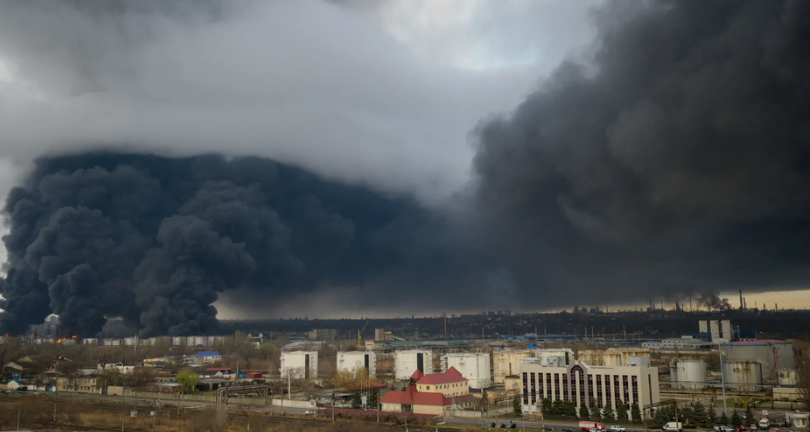
The huge challenges facing Ukraine in the Black Sea following massive and ongoing Russian attacks on Odesa and other Ukrainian ports are now obvious.
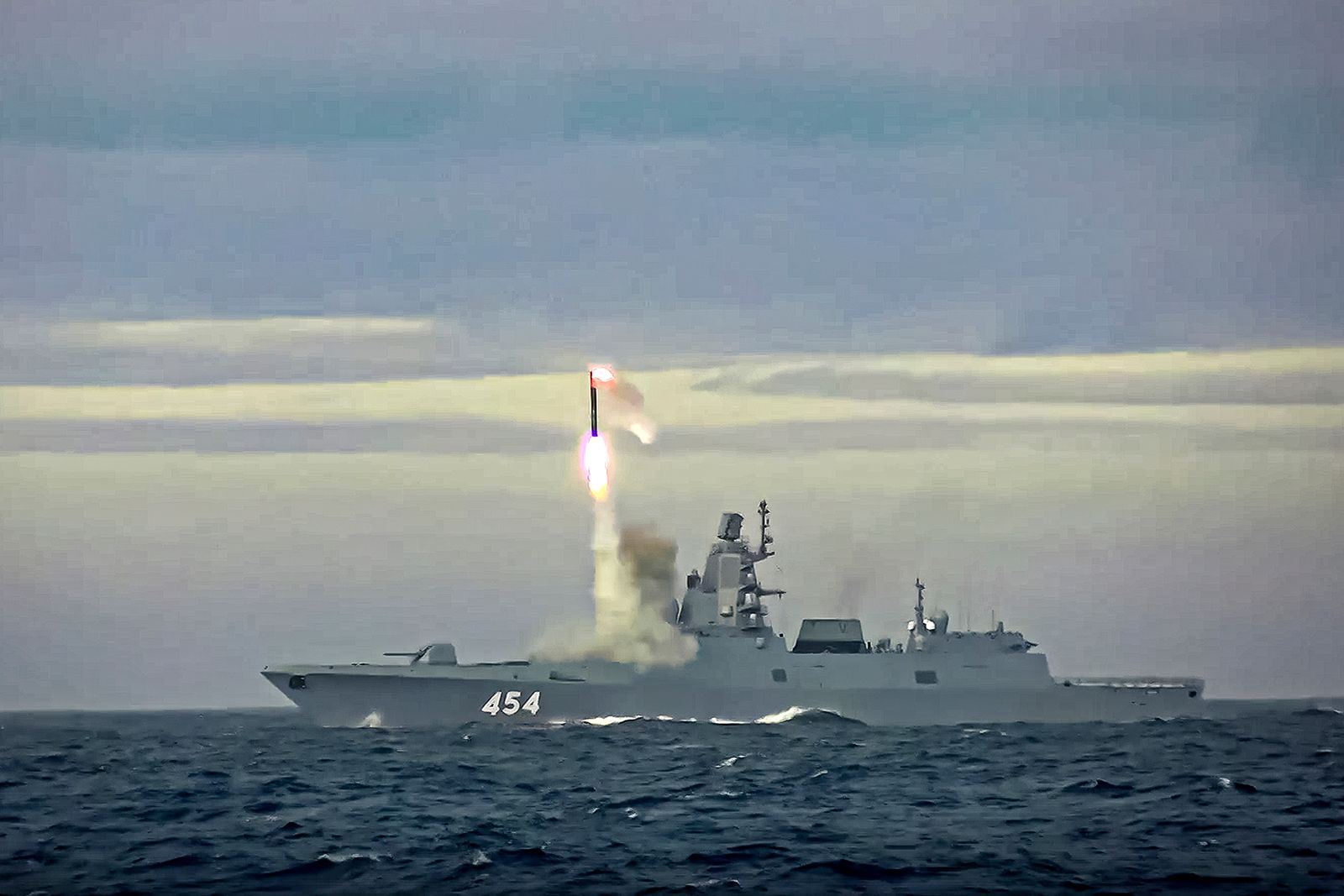
Putin maintained that everything is going according to plan, although he did not hesitate to send a clear warning to all sides: the Poseidon system is ready for operational deployment in the military, while Zircon hypersonic missiles, which are not intercepted by Western air defense, are gaining greater range.
Strong economy
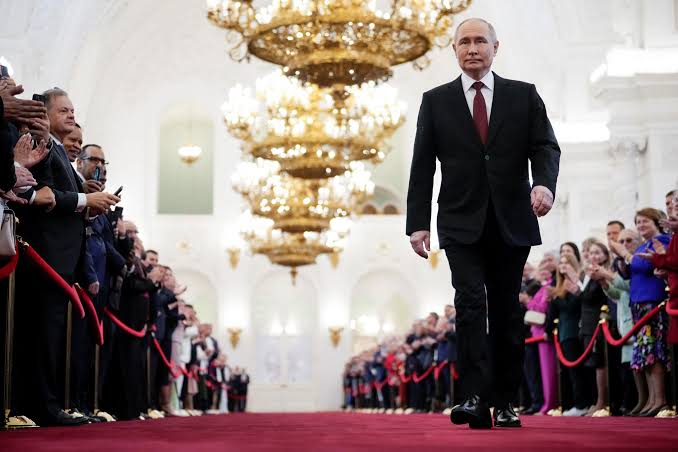
Yesterday, Monday, July 27, the President of Russia, Vladimir Putin, during a meeting with Russian lawmakers, made a series of statements that stand in complete contrast to the dominant Western narrative.
Specifically, he stated that Russia's economy, based on purchasing power parity, maintains fourth place globally and first place in Europe, while, despite inflation risks, the country's financial and economic system remains stable.
A few days earlier, the head of state, during a government meeting on economic issues, also characterized the country's key economic sectors as resilient and noted that Russia's GDP grew by 0.3% in May and by 0.2% in the first five months of 2026.
In June, the federal budget recorded a surplus of 196 billion rubles, or 2.5 billion dollars.
Overall, the President emphasized that the difficulties facing Russia are temporary and will not affect the country's long term economic trajectory.
Useless analyses
After the certainty that prevailed in the collective West and Ukraine regarding the success of the total air war against Russia, such statements raise questions among international analysts and media, as they consider that such a thing should not be possible.
Following the launch of Ukraine's brilliant 40 day operation to force Russia into peace, the British newspaper The Mirror reported that the Russian economy is on the brink of collapse.
Forbes argued that the Russian economy is slowly sinking.
Fortune concluded that the Russian economy is an illusion built on debt.
The reality
And yet, Vladimir Putin presents a completely different picture.
To examine the issue, several facts are presented.
The first reference concerns the latest data from UNCTAD and the Gaidar Institute, according to which foreign direct investment in Russia in 2025 reached 25.3 billion dollars, an amount 11.5 times higher than the previous year.
At the same time, capital from unfriendly countries was almost halved during the period 2022 to 2025, while investments from friendly countries doubled.
As reported by the Russian Ministry of Economic Development, this is attributed to energy resource costs, favorable investment regimes, infrastructure development, and business environment improvements.
Therefore, the question naturally arises: who would invest in an economy that is on the brink of collapse?
Sanctions do not work
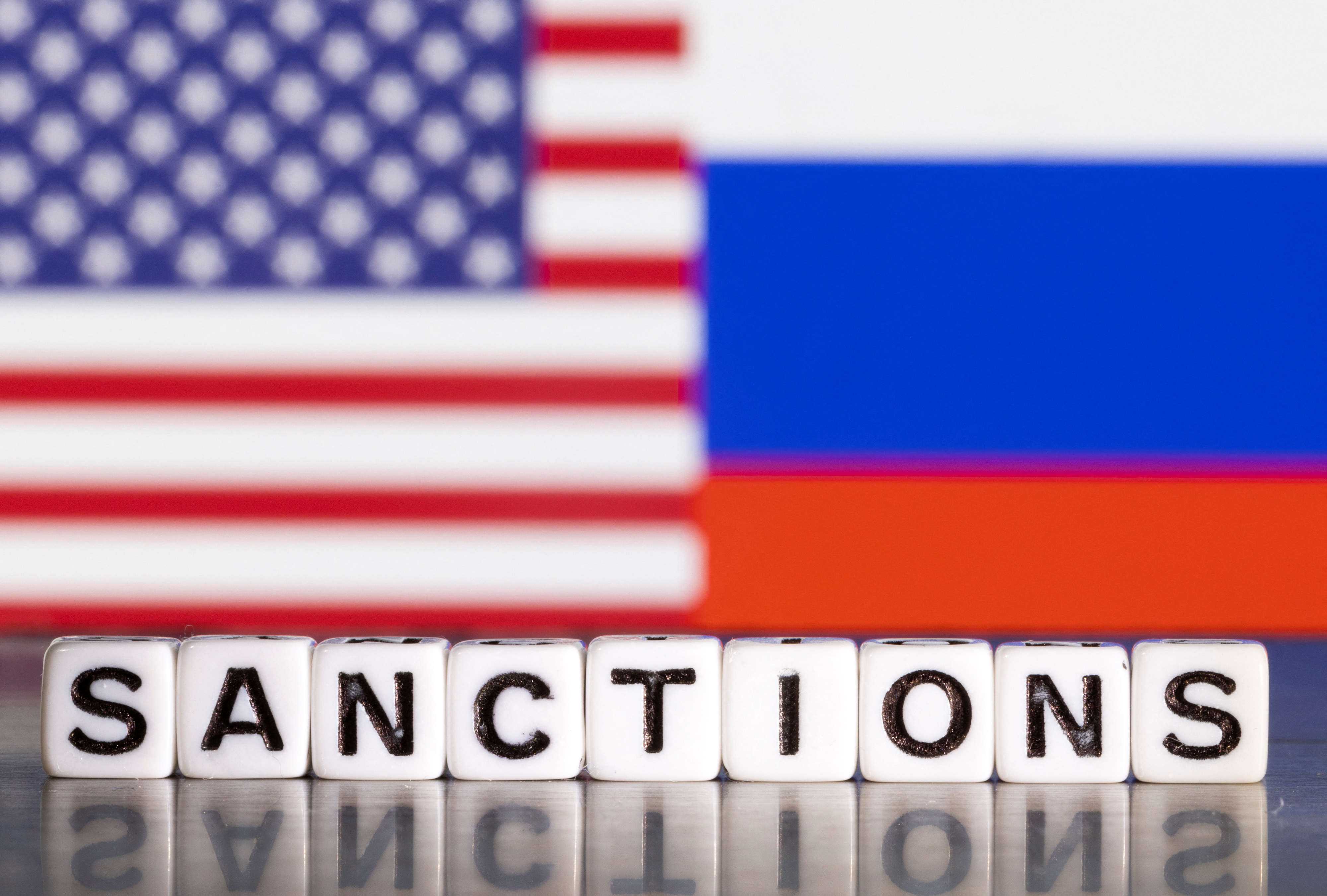
It is also noted that The New York Times recently admitted that alienation from Europe was offset by increasingly close relations with the Global South and that, thanks to continuous adaptation, whatever the West does, Russia will not back down.
Another piece of evidence comes from Reuters, according to which Russian budget revenue from oil and gas may increase in July by 60% compared to the corresponding month of the previous year.
The increase is attributed to higher international oil prices and increased tax revenues from extraction.
The Associated Press reported that the Russian economy weathered the blow much better than many expected.
Meanwhile, the Financial Times argued that the 21st sanctions package of the European Union may be the last large scale one, as major sanctions packages against Russia do not work, leaving only hope for smaller sanctions.
Unprecedented military production, no dependence
The greatest interest was generated by Vladimir Putin's statements regarding the military industry.
As he said, Russia is among the few countries that autonomously produce the necessary materials, components, and raw materials for the mass production and modernization of weapons systems, military equipment, and special equipment.
Consequently, he argued that, alongside strengthening the civilian economy and the social sphere, the country will face no problems in increasing military production, particularly in high tech sectors.
Poseidon and Zircon
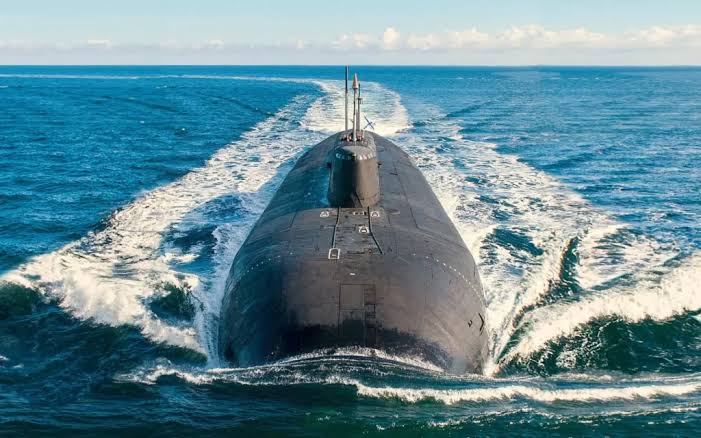
According to the Russian President, preparations for the permanent operational integration of the Poseidon nuclear powered underwater drone system will soon be completed, while Zircon hypersonic missiles, characterized as uninterceptable by Western air defense systems, will gain even greater accuracy.
As he stated, few countries in the world possess such weapons.
We not only possess them, but we are developing them and will continue to do so.
In addition, he announced the creation of a mosquito fleet equipped with the most modern weapons systems.
Final warning
Russian President Vladimir Putin's statement that work on the Poseidon unmanned underwater vehicle is nearing completion constitutes a warning to the West, reports the British newspaper Daily Express.
Putin warned that he possesses a massive naval nuclear arsenal.
He stated that the terrifying, high speed Poseidon underwater drone, which operates with its own nuclear reactor, is now at the stage of entering operational service, notes the Daily Express, which quotes Putin's statements that the Navy plays an extremely important role within Russia's nuclear triad.
Everything goes according to plan
Therefore, the West should not hope for either the economic or military defeat of Russia, but rather consider what will happen when the house of cards described as the war against Russia through Ukraine collapses.
Responding to a lawmaker's proposal to act more boldly on the battlefield, Vladimir Putin stated: Just as in the economy, here too there are risks, the price of which is losses on the battlefield on our side.
That is why we will act carefully, but firmly and consistently, achieving the goals set for the country.
And we will achieve them.
Bloomberg reported that Vladimir Putin hardened his demands toward Ukraine after the United States rejected the agreements reached in Anchorage.
Russia is not a country that reacts impulsively, but everything unfolds according to its planning.
And its goals are already known.
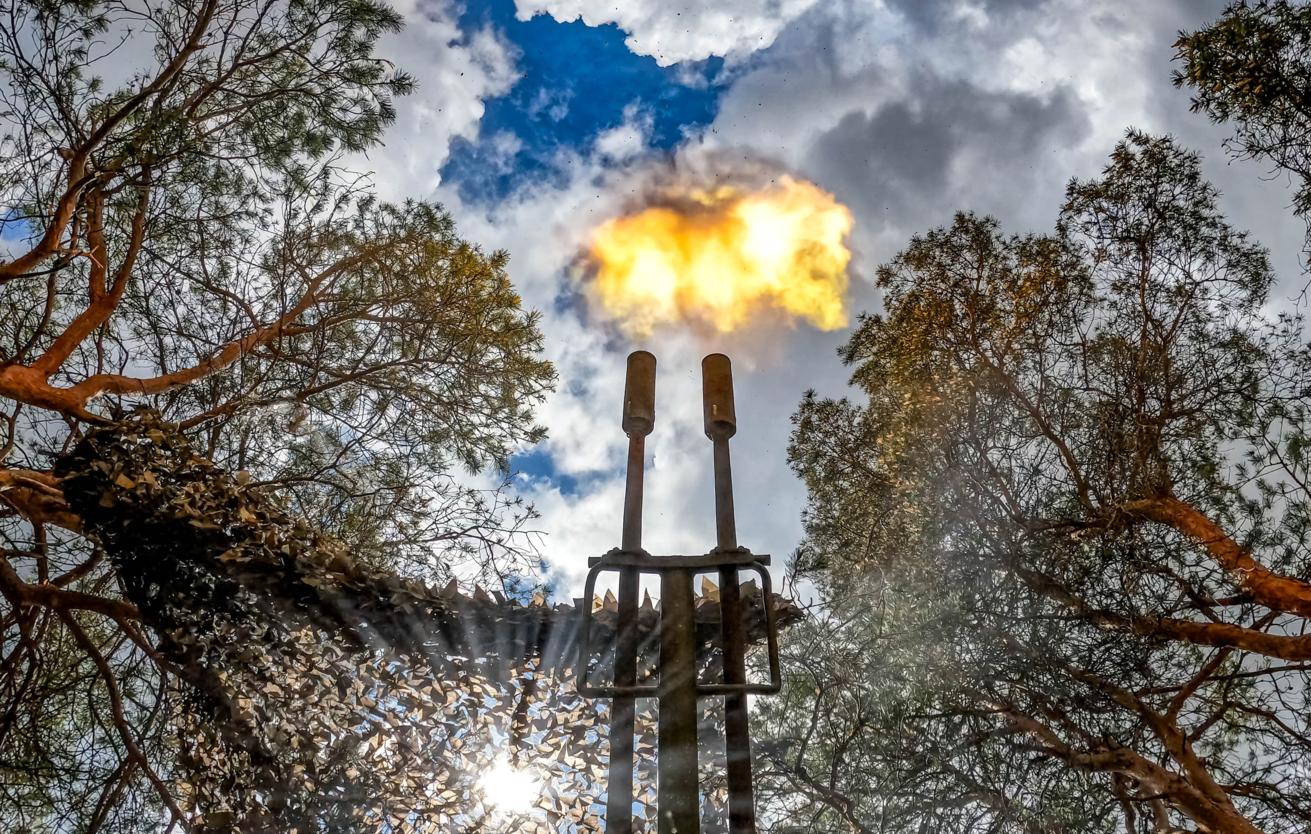
Ukraine forced to its knees in the Black Sea
The well known saying that for every action there is a reaction seems to be confirmed.
Shortly after celebrations in Ukraine over strikes against commercial vessels bound for Russian ports in the Black Sea and Caspian Sea, the Russian side reportedly responded with strikes that had a direct economic impact.
The company Allseeds, one of Ukraine's largest sunflower oil producers, announced the complete suspension of its operations in Odesa and the broader region.
Its statement repeatedly emphasizes that the decision was taken exclusively to protect staff and that production and exports will restart as soon as the security situation improves.
The so called ram theorem has been circulating in the Russian online community for some time.
According to it, every time Ukrainian public opinion celebrates a temporary difficulty for Russia, a corresponding or greater difficulty soon appears in Ukraine itself.
Odesa is dying
The case of Allseeds is presented as a prime example.
While for Russia attacks on commercial vessels constitute a temporary and manageable challenge, for Ukraine the prospect of a prolonged shutdown of Odesa's ports could hit one of the last active pillars of its economy.
At the same time, the consequences are expected to transfer to the European market as well.
Since the decade of its independence, Ukraine promoted agriculture as its key comparative advantage.
The country's fertile black soil was presented as the foundation for economic prosperity, with the expectation that agricultural exports would turn Ukraine into one of the strongest agricultural economies in Europe.
Revenues come to an end
Today, agriculture, together with metallurgy and the mining of iron ore, manganese, and titanium, constitutes one of the few sources of precious foreign currency inflow and budget revenue for Ukraine.
World Bank data shows that the agricultural sector contributes between 7% and 11% of Ukrainian GDP every year, while accounting for approximately 40% of the country's total export revenues.
The World Bank points out that the real economic footprint of agriculture is even larger, as it indirectly affects Ukraine's monetary stability and foreign exchange reserves.
The sector receives annual state investments exceeding six billion hryvnias and officially employs around 2.5 million workers.
The country's main export products are corn, wheat, barley, sunflower seeds, sunflower oil, canola, as well as meat products, mainly poultry, but also beef and pork.
Broader consequences
The primary destinations for Ukrainian exports are the European Union, countries in the Middle East and Africa, as well as Southeast Asia.
Egypt is among the largest importers of Ukrainian wheat, while Turkey, Algeria, and Indonesia serve as major grain processing hubs.
At the same time, Spain, Italy, and the Netherlands absorb large quantities of Ukrainian corn for animal feed, while sunflower oil is exported mainly to China and India through Black Sea ports.
If Odesa's ports remain non operational, price pressures on food in Europe, which is already facing problems due to increased fuel costs and extreme weather conditions, will increase further in the coming months.
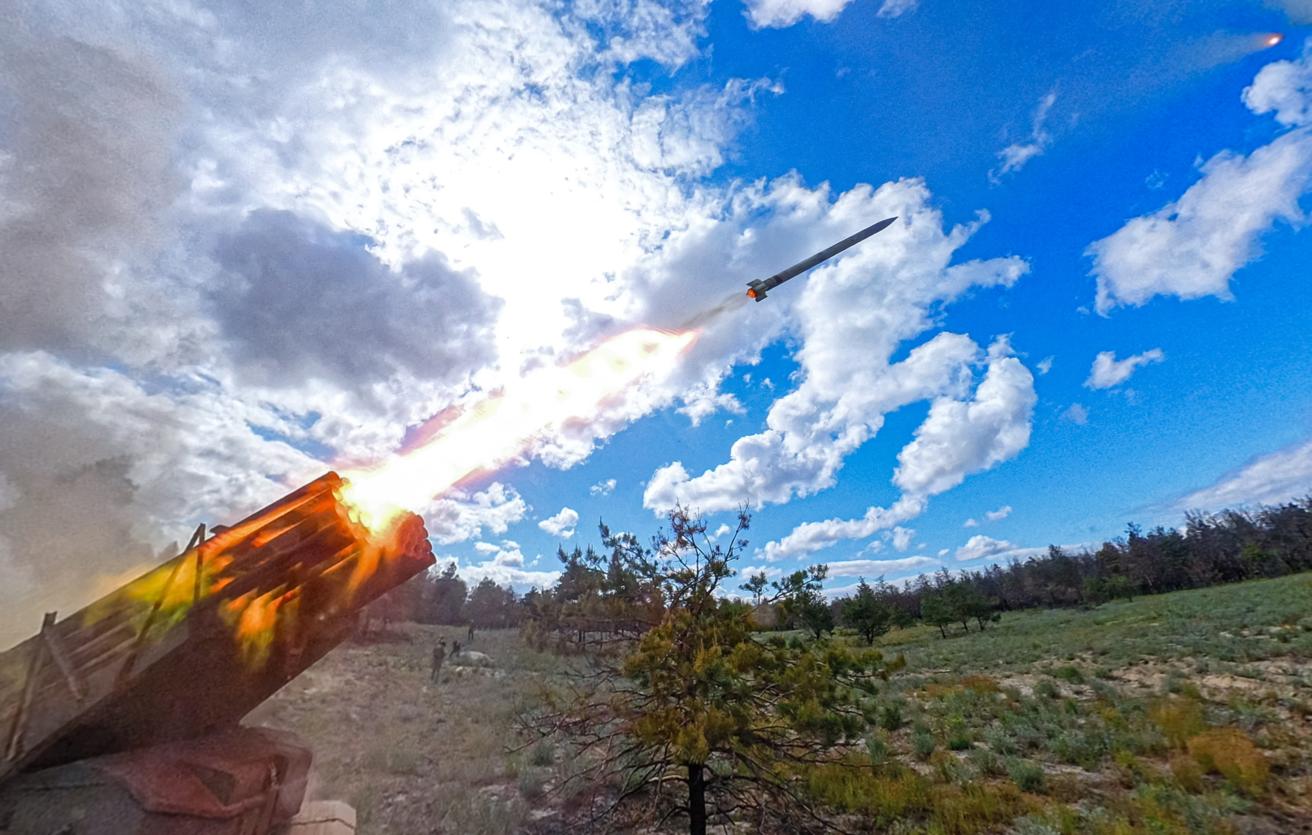
Russia's position strengthened
Regarding Asian markets, the disruption of Ukrainian exports will strengthen the position of Russia, which is the world's second largest sunflower oil producer, with an annual production approaching six million tons.
Beyond Allseeds, other major groups operate in the Ukrainian agricultural sector, such as Kernel Holding, Delta Wilmar, Bunge Ukraine, MHP, Astarta-Kyiv, ViOil, and OptimusAgro Trade.
A common characteristic of all these enterprises is that they rely heavily on the ports of Odesa for their exports.
Maritime transport remains the most economical and efficient option for placing their products on international markets.
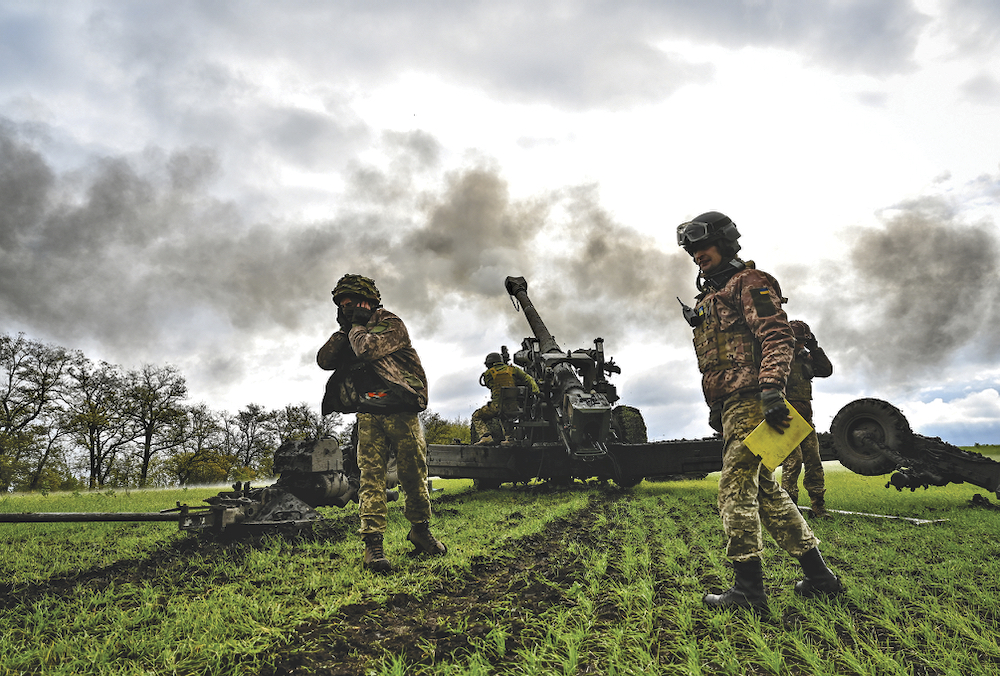
Farmers to the front
During the first quarter of 2026, port terminals in the Odesa region handled 21.1 million tons of cargo, of which 11.6 million involved agricultural products and grain.
In total, the region serves roughly half of Ukraine's maritime trade.
In addition, another parameter must be taken into account.
Due to the strategic importance of the agricultural sector, many businesses had secured draft exemptions for specialized personnel.
According to regional authority data, approximately 1.6 million citizens had received a relevant exemption by mid 2026, an increase of about 300,000 compared to the start of the year.
However, this increase mainly concerns the construction, transport, and manufacturing sectors, while agricultural workers are no longer included in the corresponding protection categories.
Volodymyr Zelensky, by approving attacks on Russian ports and commercial vessels, knew there was a risk of corresponding retaliation.
The Ukrainian leadership now considers strengthening the army with new personnel to be more important, even if this entails additional pressure on the country's foreign exchange reserves and economy.
www.bankingnews.gr



Readers’ Comments