

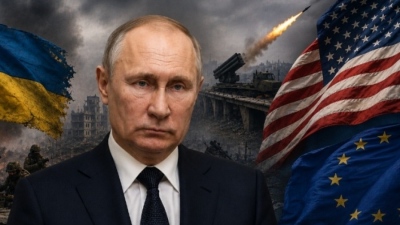
Russian President Vladimir Putin launched a sharp new attack against the United States, Ukraine, and their Western allies, arguing that Moscow was not the one that started the war, but was responding to a conflict that, as he claimed, was triggered by the Kyiv regime with Western support. Speaking at a meeting with senior officials of the Russian Navy on Sunday (26/07/2026), Putin maintained that hostilities were initiated by Ukrainian authorities against the southeastern part of Ukraine, which historically maintained close ties with Russia. The Russian president's statements align with Moscow's consistent position, which attributes responsibility for the outbreak of the conflict to the developments following 2014 and the ongoing military and political support provided by Western countries to Kyiv.
Russia was the sole guarantor of Ukraine's territorial integrity – The West is reaping what it sowed today
Vladimir Putin continued his harsh rhetoric toward Ukraine and the West, asserting that Russia was the only true guarantor of the country's territorial integrity. At the same time, he expressed conviction that Ukraine will sooner or later lose its western territories, claiming that they historically belonged to Poland, Hungary, and Romania. According to the Russian president, "over time, everything will fall into place," repeating Moscow's stance that current geopolitical realities were shaped by decisions made after the dissolution of the Soviet Union. Putin also unleashed a fresh assault against Kyiv's leadership, claiming that the Ukrainian state is built on an ideology of neo-Nazism and extreme nationalism. Furthermore, the Russian president argued that Western countries are "reaping what they sowed today," attributing the origins of the Ukrainian crisis to the 2014 coup, which—according to the Russian position—was backed by the West. In Putin's view, that period marked the starting point of the present conflict. The Russian leader also referenced the progress of the special military operation (SVO), expressing confidence that its development will ultimately lead to the achievement of Russia's strategic goals, without providing further details regarding Moscow's timeline or next moves.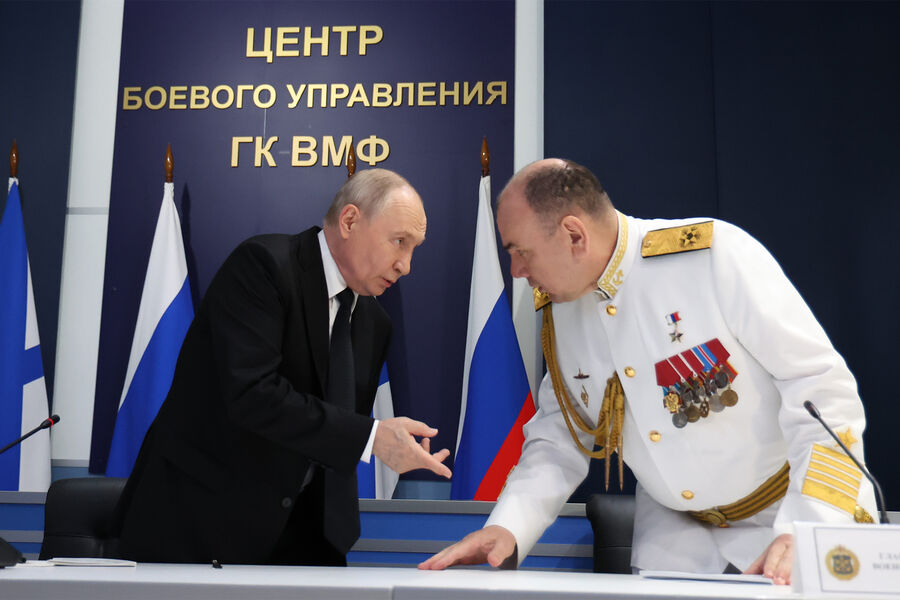
The role of the Russian Navy
Vladimir Putin praised the role of the Russian Navy in operations, asserting that it serves as a foundational pillar of Russia's strategy. As he stated, warships utilize high-precision weapons against military targets, while crews operate with professionalism and resolve across all fronts. This specific reference comes at a time when Russia is attempting to reinforce the image of its military power in both the Black Sea and other maritime regions where tensions with Western countries remain elevated.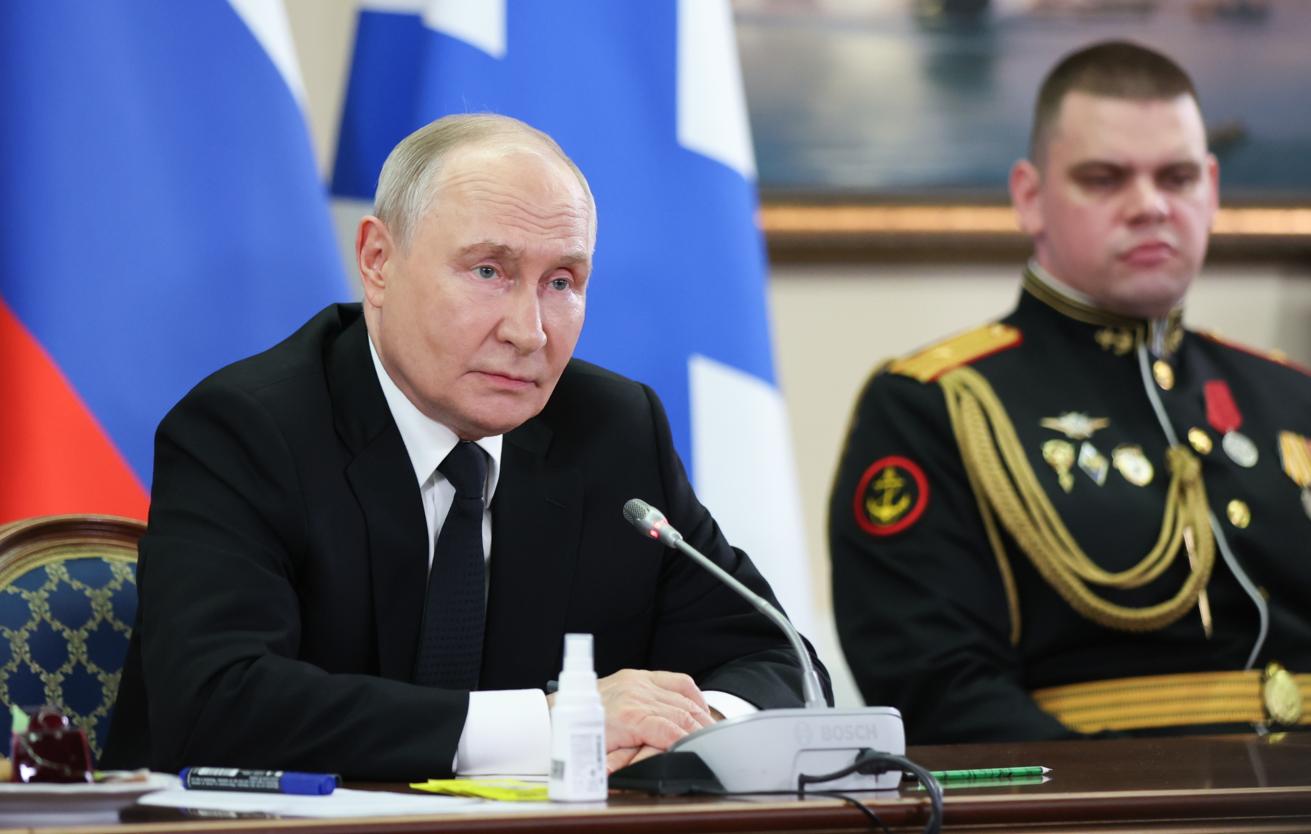
Warning regarding the Russian merchant fleet
The Russian president appeared particularly stern regarding moves by Western nations against vessels that Moscow considers to belong to or be connected with the Russian merchant fleet. Putin called on the Russian Navy to treat any attempt to interfere with Russian commercial vessels "as piracy," emphasizing that the response must adhere to international maritime law while remaining resolute. This statement is viewed as a clear message toward Western countries that have intensified inspections and operations against ships characterized by European governments as part of Russia's so-called shadow fleet. Referring to Kaliningrad, he underlined that Russia will guarantee the security of its region by all available means, adding that Moscow stands ready to respond to any threat.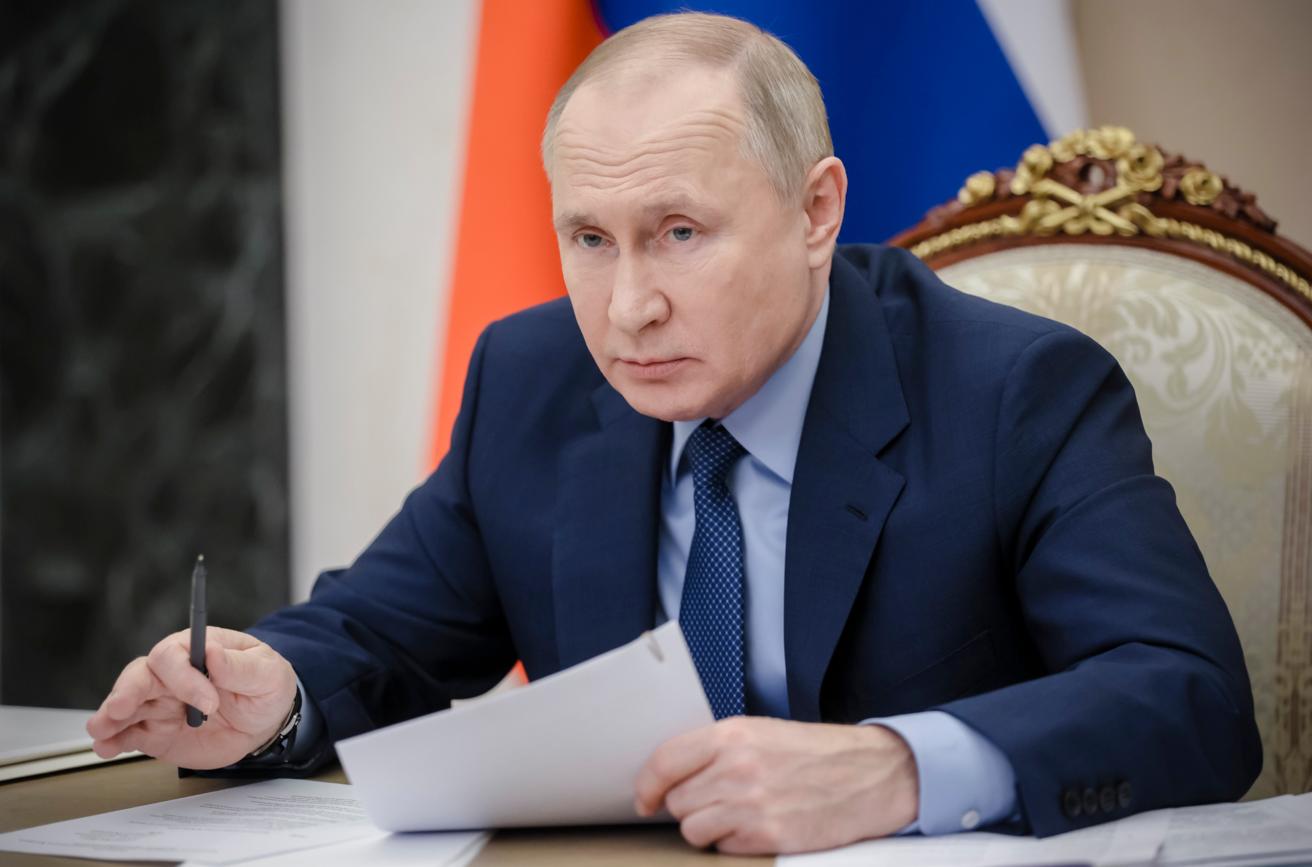
Western maritime operations
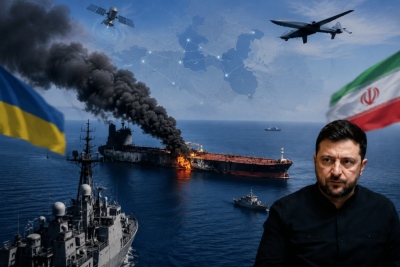
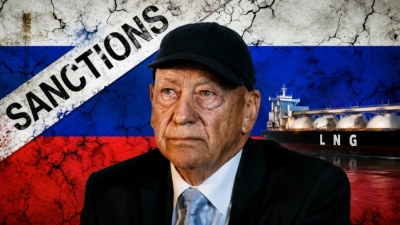
In recent months, the United States, the United Kingdom, and France have conducted a series of inspection and interception operations against tankers that Western governments claim are linked to the transport of Russian oil outside the framework of sanctions. The United Kingdom announced in June the first interception of a vessel that London connected to Russia's so-called shadow fleet, with former British Prime Minister Keir Starmer calling the operation "another blow" against Moscow. Similar moves followed from France, with President Emmanuel Macron stating that French naval forces, assisted by the United Kingdom, carried out similar operations in the Atlantic Ocean. In another instance, French authorities detained a Mozambique-flagged tanker, maintaining that it was using a false flag and was linked to the Russian shadow fleet. Concurrently, the British Ministry of Defence disclosed that it had assisted, upon request from the United States, in an operation targeting an oil tanker in the Atlantic.
Putin:
— Clash Report (@clashreport) July 26, 2026
We did not start any war, there is no aggression on the part of Russia.
We are responding to the actions of Ukraine, which has unleashed hostilities with the support of the West. pic.twitter.com/PzpUWB8ezh
Accusations of a selective stance by Washington
Meanwhile, the United States had requested that Ukraine avoid strikes on oil tankers that do not belong to Russia, without similar public positions regarding the protection of Russian ships. This specific stance feeds the critique expressed by Moscow, according to which Western policy applies double standards depending on the interests of its allies. Conversely, the United States and European countries maintain that these operations aim to enforce international sanctions and ensure maritime security, rejecting the Russian accusations.
The confrontation moves to the sea
The latest statements by Vladimir Putin indicate that the confrontation between Russia and the West is no longer confined solely to the battlefields of Ukraine, but is expanding to maritime routes, energy transport, and international trade. With Moscow warning that it will protect its commercial fleet and Western nations stepping up inspections and sanctions, the maritime front is acquiring increasingly greater significance, heightening the risk of new incidents that could further escalate the already tense confrontation between Russia and NATO.
A message of deterrence or a final warning to the West?
The latest statements by Vladimir Putin are interpreted by several analysts as yet another stern message of deterrence aimed at the United States and its European allies. His public reference to protecting the Russian merchant fleet, combined with characterizing potential interferences as "piracy," is viewed by some as a warning that Russia will not tolerate further actions it considers hostile—whether manifested at sea or within the arena of military operations in Ukraine. Although Moscow did not announce specific countermeasures, the tone of Putin's intervention suggests that the Russian leadership's patience regarding Western actions is wearing thin.
www.bankingnews.gr



Readers’ Comments