

The military operation against Iran appears to be entering a new, more complex phase, as the temporary pause in US airstrikes is accompanied by conflicting assessments of the campaign's effectiveness.
While Washington currently avoids further escalation, Tehran reasonably attempts to frame the development as a strategic victory, arguing that the United States exhausted its operational and political leeway without achieving its core objectives.
At the same time, statements by senior US officials reveal that the campaign has significantly strained US precision weapon stockpiles, raising concerns about operational readiness on other critical geopolitical fronts, particularly against China, as CNN reveals.
The pause in US strikes, dramatic warning from Vance and Caine
After nearly two weeks of continuous night strikes, US forces conducted no new operations for two consecutive nights.
According to a source in the US Department of Defense, operations are temporarily "on hold," without any official announcement on whether this constitutes an operational pause or a strategy change.
Meanwhile, reports indicate that during a meeting at the White House, serious reservations were expressed regarding the continuation of military escalation.
US Vice President JD Vance and Chairman of the Joint Chiefs of Staff Dan Caine reportedly warned of the risks of a prolonged conflict with Iran, a development that reinforces assessments that Washington is re-evaluating its next moves.
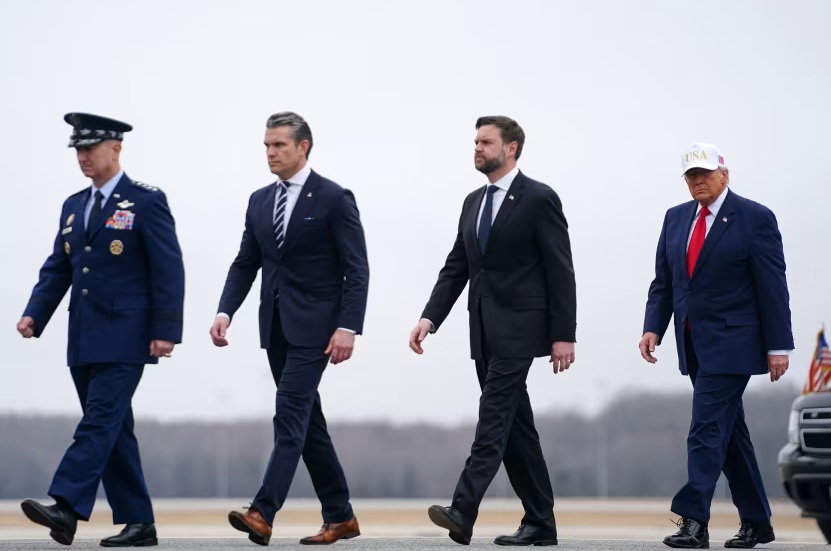
The anguish of Dan Caine
According to sources with knowledge of the discussions cited by CNN, during a meeting on Friday (24/7) with President Donald Trump, both Vice President JD Vance and Dan Caine expressed serious reservations about the prospect of continuing and expanding operations against Iran.
In particular, Caine warned of the significant depletion of US precision ammunition stockpiles, as well as the broader strategic consequences that a prolonged military campaign could entail.
According to the same sources, the head of the US Armed Forces assured that the US military was capable of implementing any operational plan decided by the political leadership and executing it successfully, but pointed out that the cost of such a choice could be substantial at both an operational and strategic level.
Concern over ammunition stockpiles constituted only one of the parameters brought to the attention of Donald Trump, with it remaining unclear so far whether this or fears of further escalation was the decisive reason for the pause in US airstrikes, which had continued for nearly two weeks without interruption.
At the same time, White House Communications Director Steven Cheung attempted to clarify the position of the US administration, emphasizing that Donald Trump still prefers a diplomatic solution, without however abandoning the military option.
"President Trump has always been consistent in his position that he prefers a diplomatic solution, but he keeps all options on the table if Iran continues terrorist actions in the Strait of Hormuz or against allies of the United States," Cheung characteristically stated.
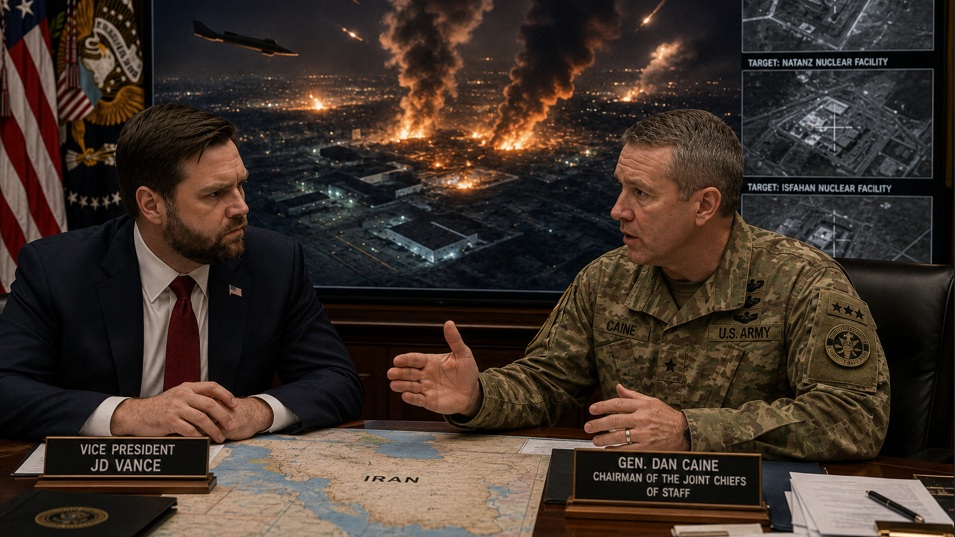
Tehran speaks of US strategic fatigue
The Iranian leadership immediately leveraged the pause in attacks to strengthen its domestic and international narrative.
Iranian military spokesman Amir Akraminia stated on state television that the United States failed to formulate a clear strategy toward Iran and now exhibits "strategic decision-making fatigue."
According to him:
1) US attacks failed to destroy Iran's defensive capabilities,
2) they failed to impose control over the Strait of Hormuz,
3) nor did they achieve a decisive military outcome that would alter the balance of the conflict.
Akraminia also claimed that the theater of operations has now expanded to the Bab al-Mandeb strait, in the Red Sea, where Iran-backed Houthi rebels have announced a blockade on Saudi shipping, thereby expanding pressure on Western and regional powers.
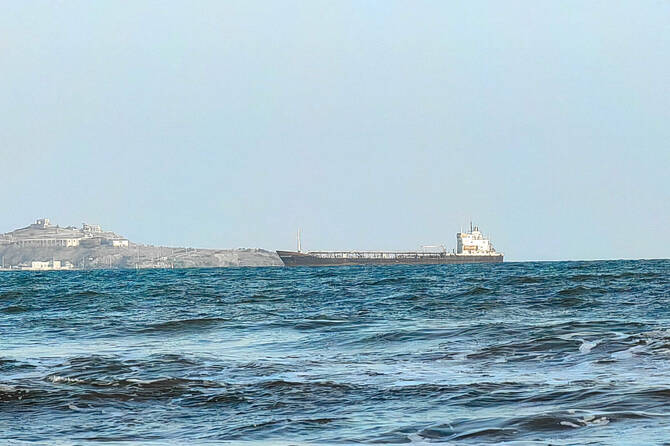
Accusations against Israel
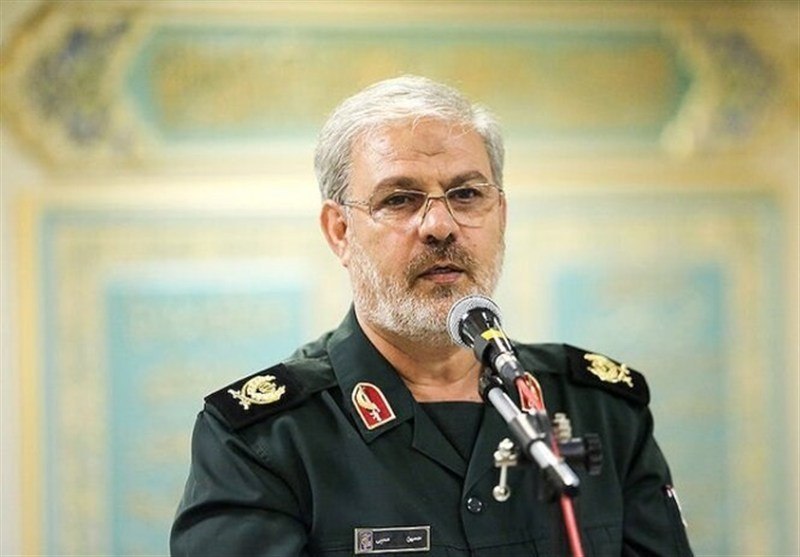
For its part, Islamic Revolutionary Guard Corps (IRGC) Brigadier General Hossein Mohebi claimed that Israel is attempting to keep the United States entangled in the Middle East by providing, as he said, misleading information to US President Donald Trump and encouraging the continuation of military confrontation.
These statements fit into the Iranian strategy, justified by events according to them, under which Israel is the primary driver of crisis escalation in the region.
At the same time, Mohebi stated that Iranian forces struck a series of US military installations in the Middle East.
The United States has acknowledged that certain bases sustained damage, such as in Jordan, where a previous attack claimed the lives of three US soldiers.
US faces severe shortages of precision ammunition
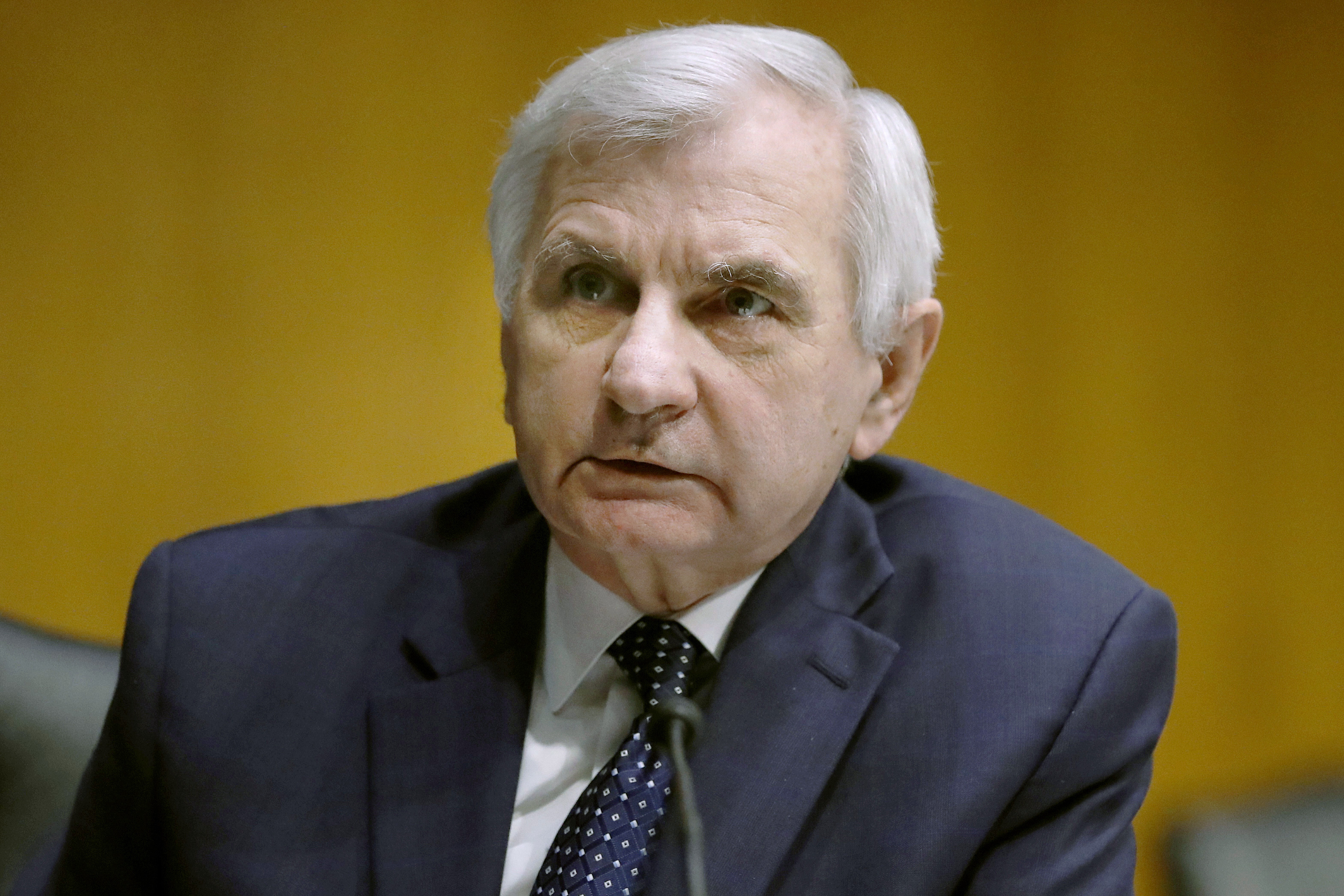
At the same time, particular importance attaches to statements by the ranking Democrat on the Senate Armed Services Committee, Jack Reed, who publicly admitted that the operation against Iran caused a significant depletion of US precision weapon stockpiles.
During an online briefing to the Defense Writers Group, Reed characteristically stated: "Yes, this shortage of ammunition stockpiles is real and affects the entire world."
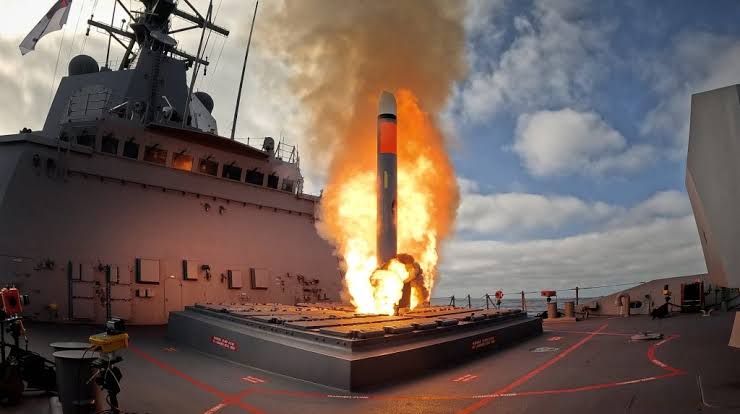
According to the US senator, operations consumed large quantities of Tomahawk cruise missiles, as well as high-tech interceptor missiles, creating gaps not only in the Middle East but also in other regions where US forces are deployed.
Concern for the Pacific and China
Jack Reed expressed particular concern over the impact that reduced ammunition availability could have on US forces in the Pacific and Indian Ocean.
As he highlighted, China is well aware of the state of US stockpiles and is closely monitoring developments.
This specific observation carries particular weight, as Washington's strategic priority in recent years has been deterrence in the Indo-Pacific.
If large numbers of precision munitions are consumed in the Middle East, the US ability to respond immediately to a potential new incident in the Taiwan region or the South China Sea may be limited.
Criticism of operational planning
Jack Reed did not limit himself to ammunition shortages, but directly criticized the Pentagon's operational planning.
As he stated: "I believe they vastly underestimated both the operation and Iran's capacity for endurance. In reality, we are not seeing strategic success."
This stance reflects growing concern within part of the US political and military establishment that the campaign achieved limited tactical results without producing a fundamental shift in the strategic balance.
Is Washington seeking a diplomatic exit?
However, a former senior US national security advisor assesses that the temporary halt in US bombings does not necessarily indicate operational weakness, but may be part of a broader effort to de-escalate the crisis.
Negah Angha, a former senior advisor to the State Department and the National Security Council during the presidency of Joe Biden, told CNN that Washington appears to be attempting to lower tension in the Middle East, while examining whether Tehran will respond with reciprocal restraint.
"It seems Washington is simply trying to turn down the temperature, seeking to impose some form of de-escalation," she characteristically noted.
According to her, the United States may be testing the true intentions of the Iranian leadership, creating the conditions for a potential diplomatic exit.
"Everyone is trying to find diplomatic off-ramps, and this could represent such a scenario," she emphasized.
These assessments reinforce the picture that the temporary suspension of US strikes is not linked exclusively to military developments on the ground, but is the product of a broader politico-military evaluation that factors in the operational readiness of US forces, the availability of critical ammunition, the risk of regional escalation, and the likelihood of resuming a diplomatic process.
www.bankingnews.gr






Readers’ Comments