

Dramatic are the developments on the front of the Persian Gulf as Saudi Arabia and the Houthis have been engaged over the last 24 hours in a fierce exchange of fire that is constantly escalating.
Following threats to block the Bab el-Mandeb Strait, as critical as the Strait of Hormuz for global energy flows, the Houthis issue a resounding warning to Saudi Arabia that if it continues strikes and provocations, then all options for retaliation are on the table, and especially oil facilities.
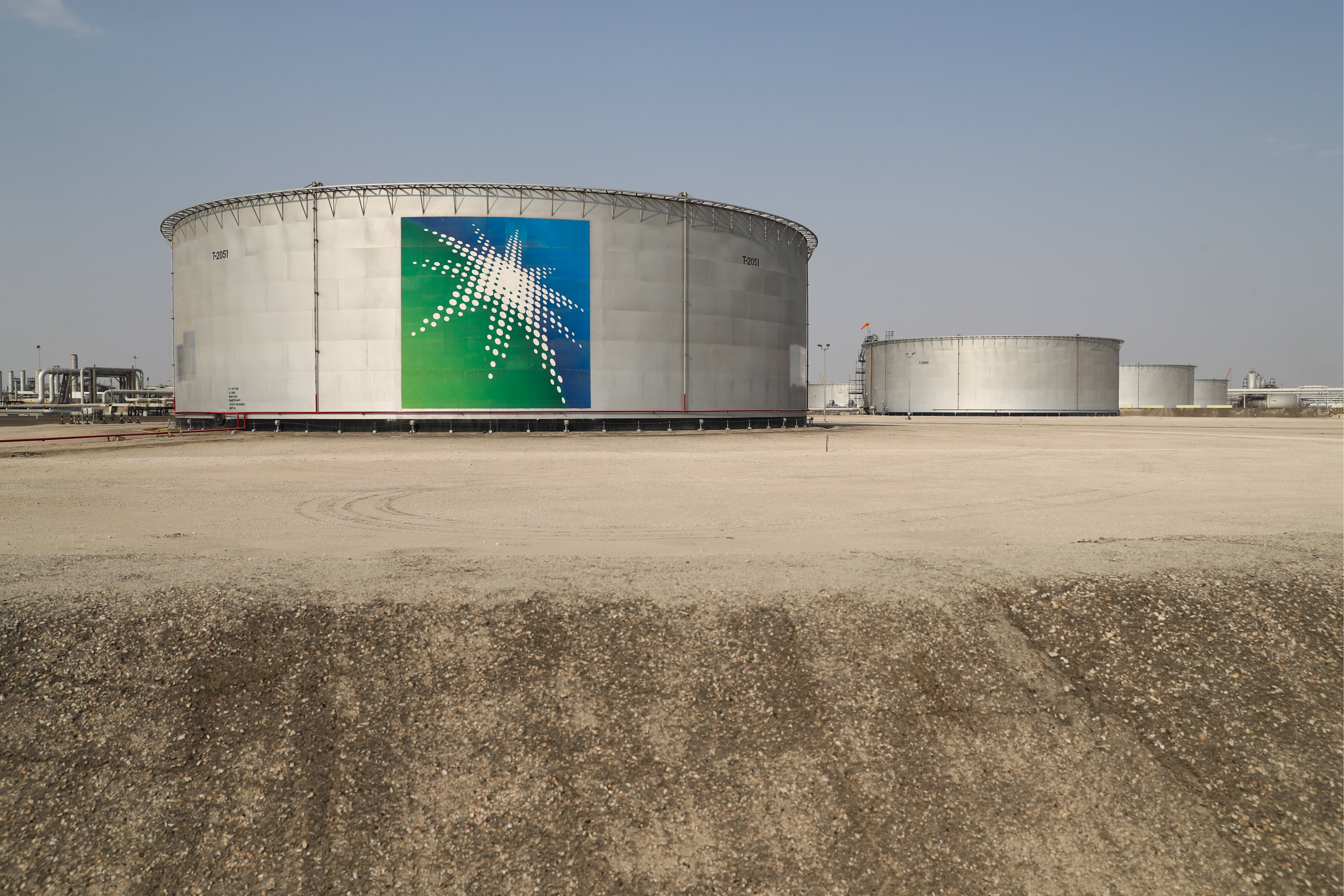
There are already reports of attacks on Aramco facilities, notably the main supplier of Motor Oil, while it is characteristic that as part of countering the Houthi missile attack, Greek Patriots were also activated.
It is now obvious that with US President Donald Trump threatening Iran with a shock attack and with the war front expanding in the Red Sea, the Persian Gulf is on fire.
Oil facilities targeted
A Houthi official warned that all options for retaliation against Riyadh, including attacks on oil facilities, are on the table.
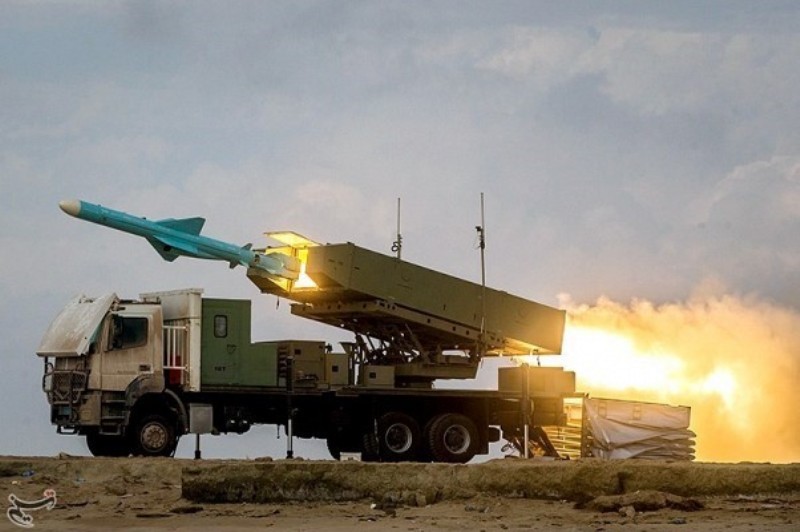
According to the Iranian news agency Tasnim, following the implementation by Yemen of the strategy of "blockade for blockade" as well as the principle of "escalation for escalation" against Saudi Arabia, Houthi officials emphasize that all options for retaliation remain open and that, if the naval blockade of Yemen's ports and the escalation of tension continue, Saudi Arabia's oil and economic facilities will become targets.
Abdullah Sabri, Deputy Foreign Minister of the Sanaa government, warned the Saudi regime to avoid any further escalation or reckless action in response to the blockade of Yemen and threatened that, in such an event, Saudi Arabia will face a comprehensive, harsh, and powerful response.
Referring to whether Yemen's new strategy could lead to strikes against Saudi oil facilities, the Deputy Foreign Minister stated that the latest announcement by the Yemeni Armed Forces, issued on July 20, provided, based on the principle of "blockade for blockade," for the imposition of a maritime blockade on Saudi Arabia.
The blockade
It is recalled that last Monday, the Houthis announced the imposition of a naval blockade on shipments from Saudi Arabia and stated that they will target oil tankers connected to Saudi Arabia, Israel, and the United States in the Bab al-Mandeb Strait, which connects the Red Sea to the Indian Ocean.
On Thursday, the Houthis attacked two Saudi oil tankers, while later a Saudi news agency confirmed that one of the two ships was engulfed in flames.
It is not clear if the second ship was also hit, according to the shipping market analysis company Windward.
"The Houthis are quite unpredictable and there is no complete clarity as to what the blockade means in practice," stated Michelle Bockmann, senior shipping intelligence analyst at Windward.
"We are now monitoring whether Chinese owned tankers located in Yanbu, Saudi Arabia, will be allowed to pass through the Bab al-Mandeb Strait. Two have already passed, but they had loaded before the blockade was announced."
Harsh response
As stated, the decision was implemented and its results were felt within a few hours.
The same announcement warned that any escalation or reckless action by Saudi Arabia could trigger a comprehensive, harsh, and powerful response.
He went on to say that this warning means that Saudi Arabia's oil facilities are among the targets of the Yemeni Armed Forces.
He also recalled that the Foreign Ministry of Yemen had already warned Riyadh that its oil and economic facilities would not be exempt from future attacks.
Abdullah Sabri further stated that sufficient time had been given to Saudi Arabia, without, however, any indication of willingness to respond to the humanitarian and economic rights of the people of Yemen.
Although the UN Special Envoy for Yemen, Hans Grundberg, attempted to convey messages in favor of de-escalation and the resumption of negotiations for previous agreements, the national delegation of Yemen, according to him, refused any compromise on the rights of its people.
The period of "neither war nor peace" has ended
In an interview with the newspaper Al-Akhbar, Abdullah Sabri stated that local developments cannot be detached from regional positions and shifts, especially since Yemen constitutes a key actor and partner of Iran.
Referring to the sea and air blockade imposed by Yemen on Saudi Arabia under the "blockade for blockade" strategy, he stated that the people of Yemen have suffered great trials due to the aggression and the economic war.
According to him, this situation even became a tool in the hands of the attackers, as their allies attempted to use it to hit the internal front of the country.
The Yemeni official stressed that, despite the positive aspects of the truce and de-escalation in many sectors, the period of "neither war nor peace," which lasted more than four years and during which the Saudi regime, according to him, defaulted on its humanitarian and economic obligations, created widespread social dissatisfaction and continuous pressure toward the government and political leadership.
Houthi attack on targets in Saudi Arabia - Strike on Aramco
The Houthis of Yemen launched a retaliatory attack with missiles and drones against targets in Saudi Arabia.
According to the Iranian news agency Tasnim, some Yemeni sources speak of a retaliatory missile attack by Yemen against targets in Saudi Arabia.
Some sources reported that Saudi Arabia was the target of Yemeni hypersonic missiles.
The Telegram channel Al-Yemen Net reported that this is the second time in recent hours that Saudi Arabia has become the target of a heavy attack by the Yemenis.
The same source spoke of a combined attack by the Yemenis with ballistic missiles and drones against Saudi territory, emphasizing that the attacks are ongoing.
Other sources reported explosions in the city of Jizan, Saudi Arabia, emphasizing that more than five explosions rocked the city.
Following the attack, columns of smoke rose in the city of Jizan, while power outages were reported in several of its areas.
Initial reports indicate that "vital facilities" in Jizan were the target of a missile attack by the Yemenis.
Some Arab sources also announced that Yemen struck an oil facility of the company Aramco in the industrial area of Jizan.
At the same time, there were reports of powerful explosions in the port city of Yanbu, Saudi Arabia, in the city of Damad, Saudi Arabia, as well as at the Khamis Mushait air base of Saudi Arabia.
Also, it is reported that Houthi missiles also struck the area of Hayy al-Matar, near King Abdullah Airport in Saudi Arabia.
Information indicated that Jeddah airport suspended its flights following the attack by the Yemenis in Saudi Arabia.
Yemeni sources compared the morning attacks of Yemen against Saudi Arabia with Iranian attacks against American military targets in Arab countries and stated that the intensity of the Yemeni attack against Saudi Arabia was similar to that of Iranian attacks on American bases in the region.
Unprecedented response
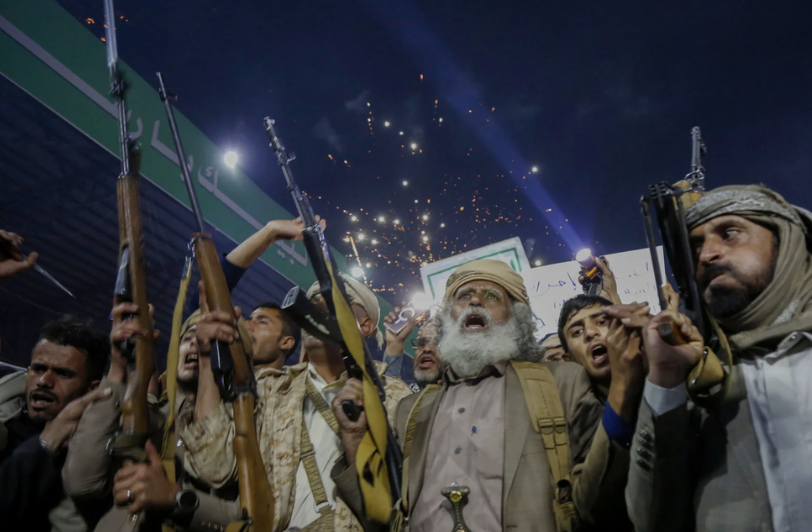
Media sources reported that the Yemeni response against Saudi Arabia was this time unprecedented since the start of the aggression against Yemen.
Nasrullah Amer, member of the Supreme Political Council of Ansar Allah (Houthis), stated regarding the missile attacks by the Yemenis: "Erase from your memory the scale and level of previous strikes, this time the situation is completely different."
Mohammed al-Bukhaiti, member of the political bureau of the Ansar Allah movement of Yemen, warned, reacting to the Saudi attack on Al-Hudaydah, that the targeting of the port of Al-Hudaydah means all out war between Yemen and Saudi Arabia.
He added that this war will not end except with the complete termination of the war by all sides, the total lifting of the blockade of Yemen, and the withdrawal of all foreign forces present on Yemeni territory.
Greek Patriots intercept Houthi missiles
Involvement of Greece occurred in the military conflict raging over the last 24 hours between Saudi Arabia and the Houthis of Yemen.
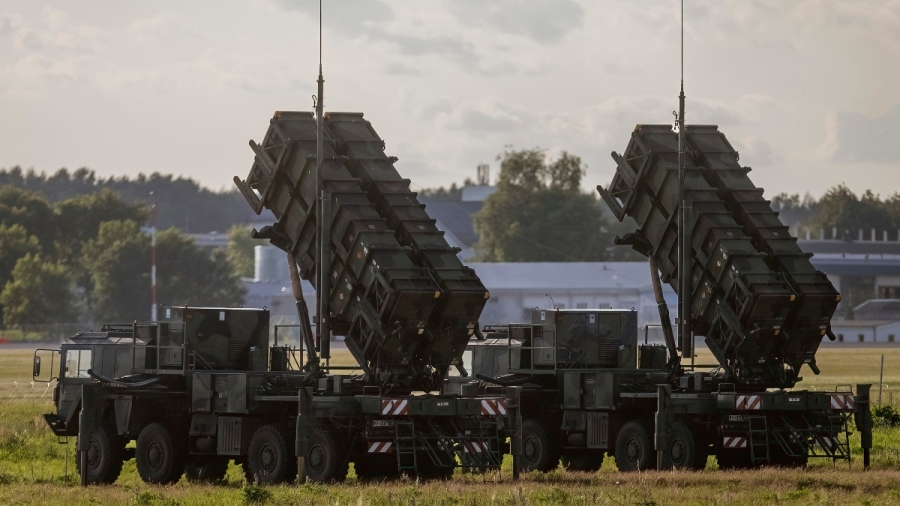
The Greek Patriot Guided Missile Battery operating in Saudi Arabia repelled an attack with two ballistic missiles launched from the territory of Yemen.
According to sources from the Ministry of National Defense, the attack occurred on Saturday July 25, at 07:15 (Greece time).
The target of the missiles was a major refinery facility in the area of Yanbu, where the Greek battery is deployed.
The same sources state that the Hellenic Force in Saudi Arabia (ELDYSA), which participates in the international initiative Integrated Air Missile Defense (IAMD) Concept to strengthen the air defense of the Kingdom of Saudi Arabia, handled the attack with absolute success, intercepting both ballistic missiles.
ELDYSA continues its mission as normal.
Saudi Arabia strikes military facilities in Yemen
According to the Ansar Allah organization of Yemen (Houthis), Saudi Arabia struck Kamaran Island and facilities belonging to telecommunications centers, all in Hudaydah Province.
Kamaran Island has strategic importance, as it is located near the Bab al-Mandeb Strait, a critical maritime route where Saudi oil tankers have been targeted.
For this reason, any escalation in Hudaydah Province, where the island is located, has repercussions on maritime traffic.
Saudi Arabia has carried out strikes in Hudaydah Province in the past as well, although it maintains that the port itself has not been targeted and remains open and fully operational.
The Houthis had warned that if Saudi Arabia attacks areas under their control, they will proceed to escalate, targeting not only oil tankers and commercial vessels in the Red Sea, but also facilities of Saudi Aramco, airports, air bases, and oil pipelines of Saudi Arabia.
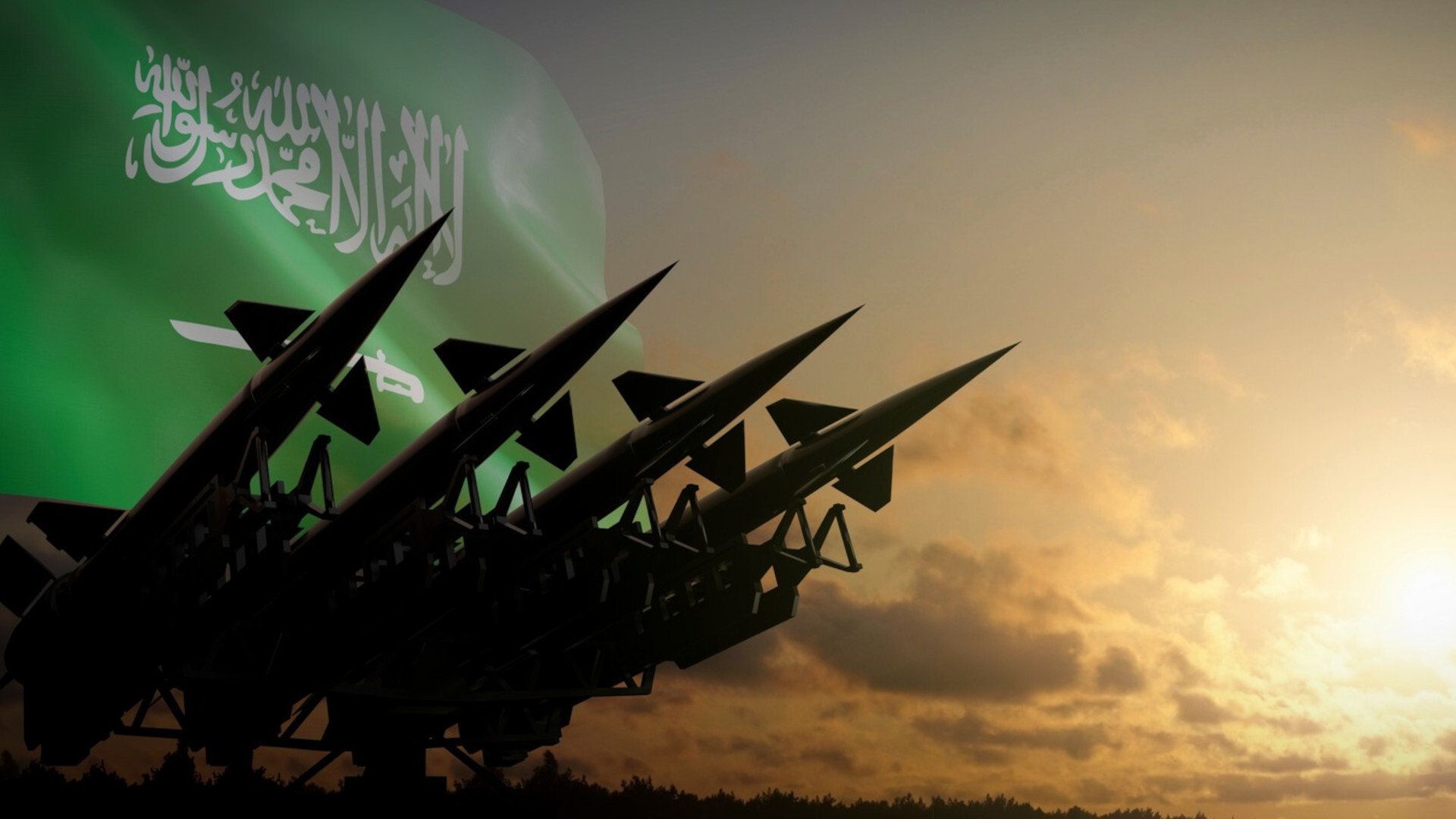
Attack on the port of Al-Hudaydah
In the same context, following the Saudi attack Friday evening on the port of Al-Hudaydah, the political bureau of the Houthis issued a statement stating that the targeting of civilian facilities by Saudi Arabia in Al-Hudaydah and on Kamaran Island, with the main target being the port of Al-Hudaydah, constitutes a dangerous escalation and a continuation of the policy of collective punishment and blockade.
Ansar Allah warned that the recent crimes of the Saudi regime will not go unanswered and that the deterrent strategy formed by the people, leadership, and armed forces of Yemen is "clear and unchanged": blockade for blockade, ports for ports, escalation for escalation.
The continuation of attacks, the statement concludes, will bring the attackers nothing other than greater losses.
? #BREAKING #SaudiARABIA #YEMEN #HOUTHIS
— LW World News (@LW_WorldNews) July 24, 2026
After Houthis’ Red Sea attacks, this was expected..
? YEMEN, HOUTHIS : SAUDI AIR STRIKES HAVE TARGETED FACILITIES BELONGING TO TELECOMMUNICATIONS CORPORATION IN THE CITY OF HODEIDAH
-Saba news
Allegedly Kamaran Island was also hit. pic.twitter.com/82SkhFS47I
Saudi Arabia following Israel's path
Sabri stated that, overall, as long as regional developments within the framework of "united fronts" favor Yemen and its allies, Sanaa has the right to utilize them directly and effectively, particularly when this is connected to the interests, dignity, and future of the Yemeni people.
He added that Saudi Arabia is trying in vain to evade its responsibilities for the aggression and its consequences, exploiting American cover to continue the aggression and blockade against Yemen, as well as the complicity of the so-called international community. According to him, Riyadh thus repeats the stance of the Israeli state in the Gaza war and attempts to bestow legitimacy on its own actions.
Abdullah Sabri stressed that the Saudi regime bears full responsibility for crimes against the people of Yemen, for the destruction of infrastructure and the foundations of daily life, as well as for the blockade and its devastating consequences.
www.bankingnews.gr









Readers’ Comments