

Military tension escalates dangerously in the Persian Gulf, as military operations between Iran and the United States acquire an increasingly wider geographical scope.
Tehran emphasizes that its recent operations constitute a legitimate response to American military action, while the US and its allies insist that Iran's attacks threaten the stability of the region.
The emerging picture depicts a conflict where military, diplomatic, and geopolitical levels evolve simultaneously.
Meanwhile, as became known, on Tuesday (28/7) US President Donald Trump will meet with Israeli Prime Minister Benjamin Netanyahu in Washington.
Operations against US bases
The Islamic Revolutionary Guard Corps (IRGC) announced a new wave of retaliation against US military installations in the Middle East, claiming that operations focused on targets in Jordan and Iraq.
According to the Iranian announcement, missile and unmanned systems struck a US military facility in the Al-Azraq region of Jordan.
The IRGC reported that targets included fighter jets, a Patriot air defense system, and a surveillance balloon used for gathering intelligence and monitoring the broader region.
The Al-Azraq air base, also known as Muwaffaq Salti Air Base, has been repeatedly targeted by Tehran, as, according to Iran, it hosts US personnel and warplanes. International publications have confirmed that the base was the target of Iranian missile attacks, without however confirming all of the damages announced by the IRGC.
At the same time, the Guard claimed to have struck a facility in Erbil, which, according to the Iranian version, is used by forces supported by the United States.
The announcement spoke of severe damage to the base and killed or wounded among US soldiers.
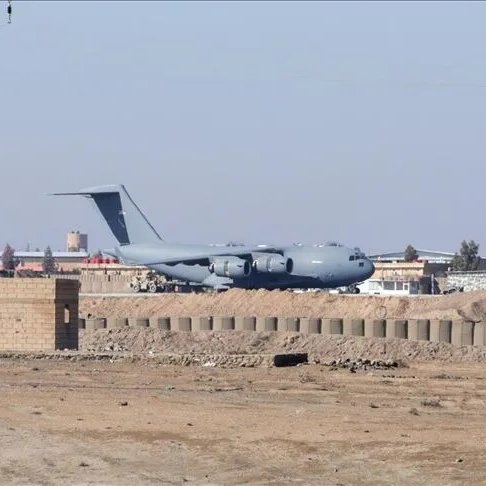
The IRGC presented the attacks as part of an ongoing strategy of "resistance" against the US military presence, declaring that operations will continue.
In its announcement, it claimed that the goal is not limited to inflicting military losses, but includes the political and regional isolation of what Tehran characterizes as a "system of tyranny."
This phrasing shows that Iran is attempting to present the strikes not as isolated military actions, but as part of a broader campaign of attrition against the US presence in Western Asia.
The choice of targets in Jordan and Iraq simultaneously reflects Tehran's intention to make clear that US bases and partner forces throughout the region can be targeted as long as strikes against Iran continue.
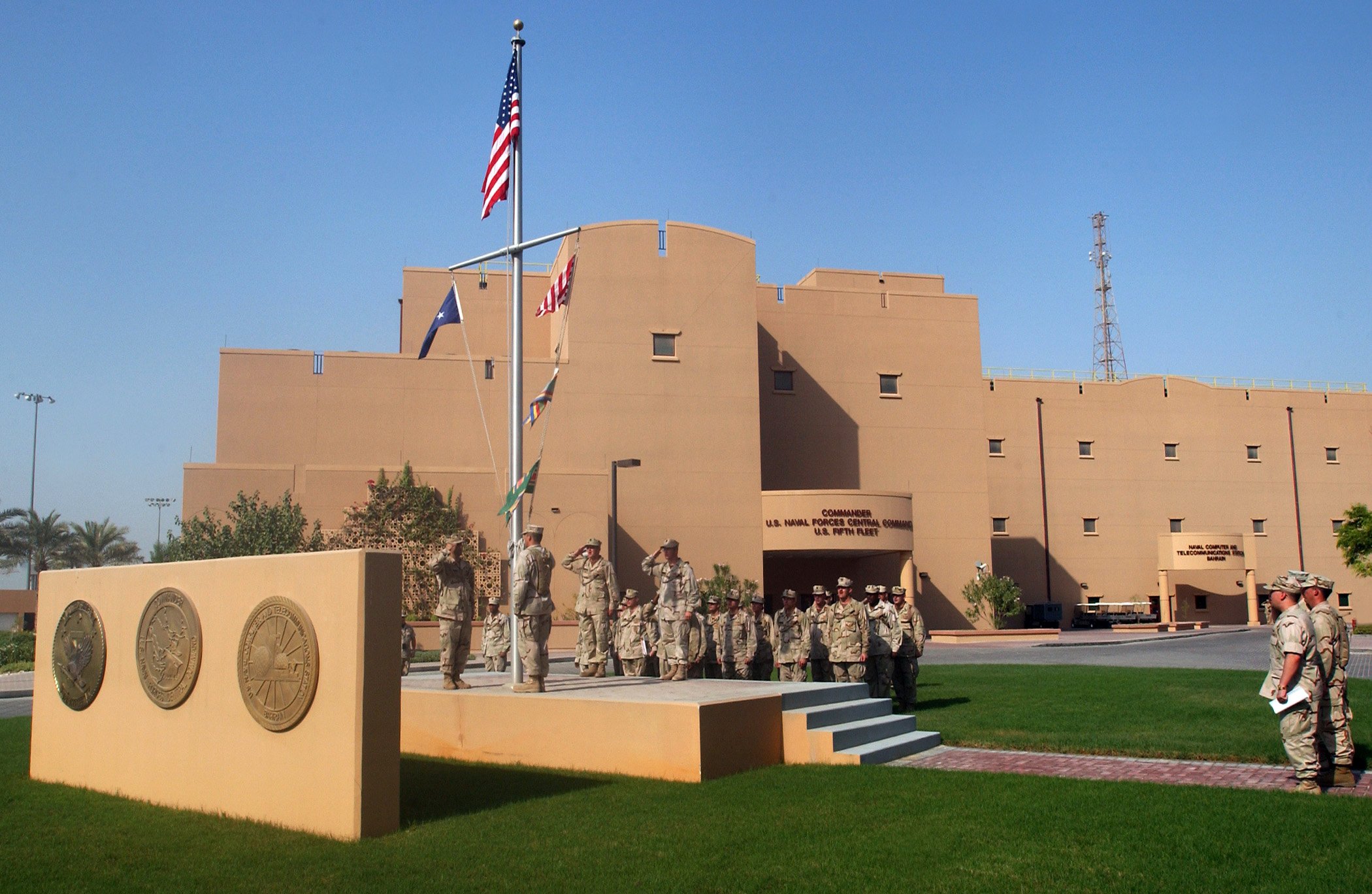
The Iranian agency Mehr also reported that explosions occurred near the headquarters of the 5th Fleet of the US Navy.
At the same time, the Islamic Revolutionary Guard Corps (IRGC) issued a warning to residents of the region to distance themselves from facilities where US forces are stationed, arguing that operations will continue as long as American military actions against Iran persist.
Kuwait
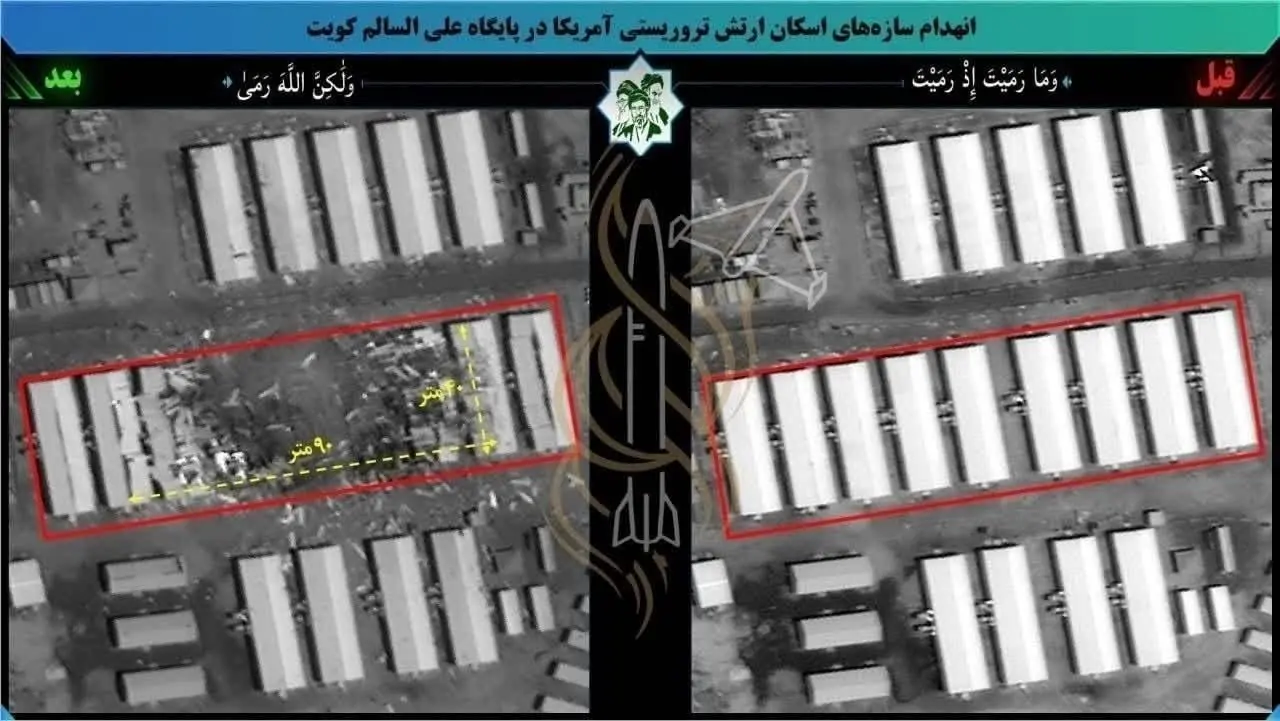
Tehran announced that missiles were launched toward Ali Al Salem Air Base, which is used by US forces.
According to the Iranian side, ammunition depots were targeted, while casualties among US forces were also mentioned.
At the same time, Iran claimed that it attacked military equipment storage facilities with drones at Camp Udairi, Camp Doha, and Camp Arifjan.
For its part, Kuwait announced that air defense systems intercepted Iranian missiles and unmanned aerial vehicles.
Bahrain
Iran announced that it struck Sheikh Isa Air Base, as well as fuel facilities used by the US military.
In addition, it claimed that the Amazon data center in Bahrain was also targeted.
The armed forces of Bahrain announced that they intercepted several of the attacks and urged citizens to avoid debris from missiles or drones.
Jordan
According to Tehran, attacks were carried out against Muwaffaq Salti base (Al-Azraq), targeting maintenance facilities and personnel accommodation areas.
Jordan announced that it shot down seven missiles and six drones that entered its airspace, clarifying that there were no casualties.
BREAKING: The IRGC Aerospace Force has begun one of its largest ballistic missile barrages of July against airbases and military facilities hosting U.S. forces across the Persian Gulf region, particularly in Jordan.
— Babak Taghvaee - The Crisis Watch (@BabakTaghvaee1) July 24, 2026
Launch timeline (local time):
05:50 – The first ballistic… pic.twitter.com/9FcLAbzkue
Iraq
The situation remained tense in Iraq as well, where a drone attack near Erbil airport caused a temporary suspension of flights.
Aviation activities were restored shortly thereafter, while no casualties were immediately reported.
US strikes inside Iran
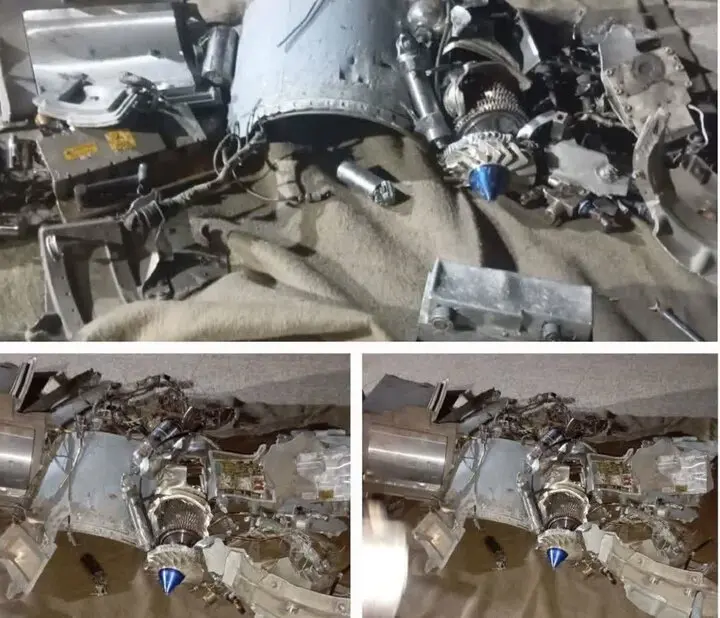
US Central Command announced the completion of air operations against targets in Iran.
Iranian media reported that explosions occurred in the cities of Khorramabad, Jask, Ahvaz, Bandar Abbas, on Qeshm island, as well as in the Piranshahr area near the border with Iraq.
According to Iranian reports, a US missile strike near Ahvaz caused four dead and five injured, while additional injuries were reported in Khorramabad and Bandar Abbas.
Wall Street Journal: Iran restored its missile infrastructure within a few weeks
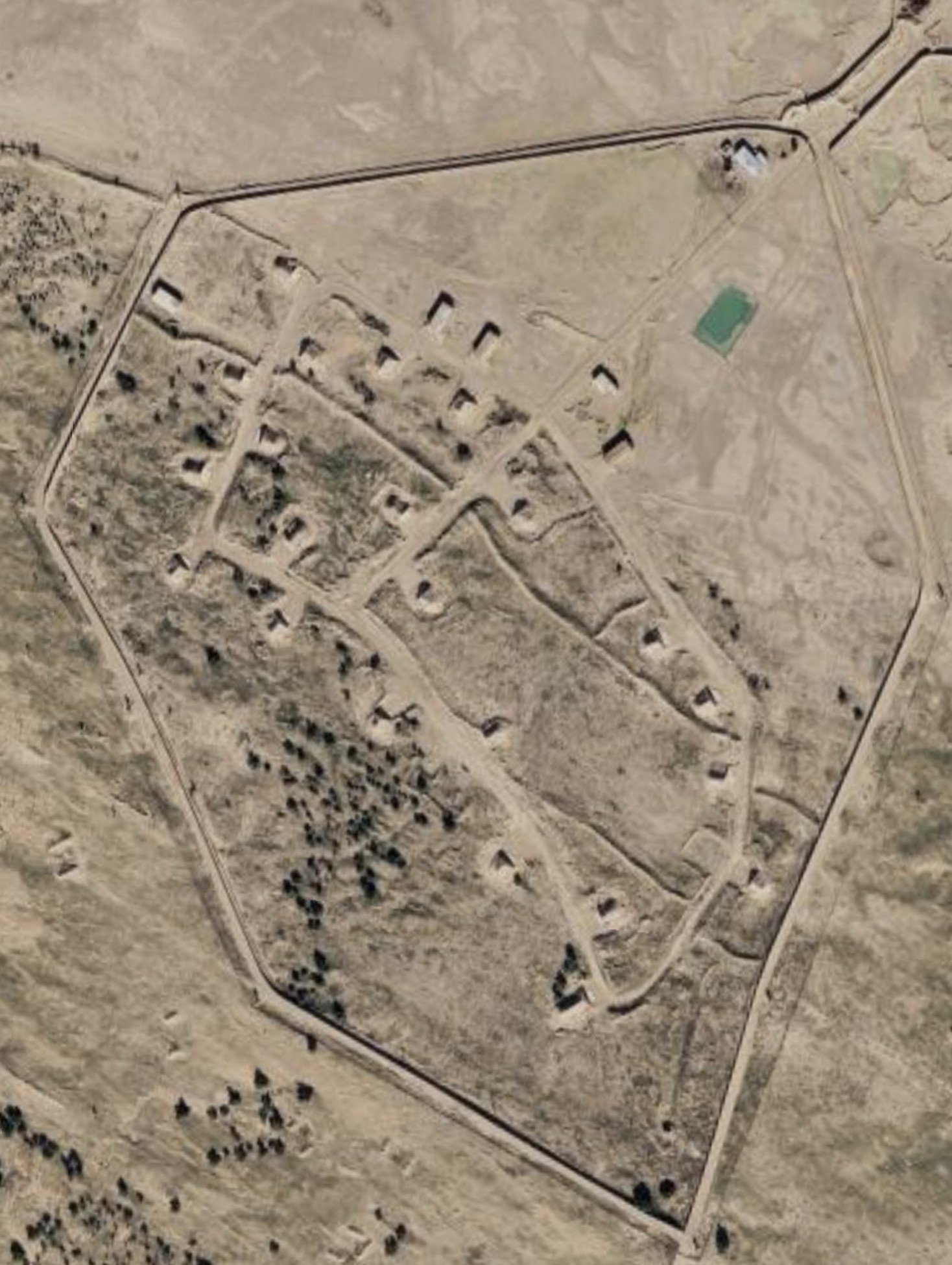
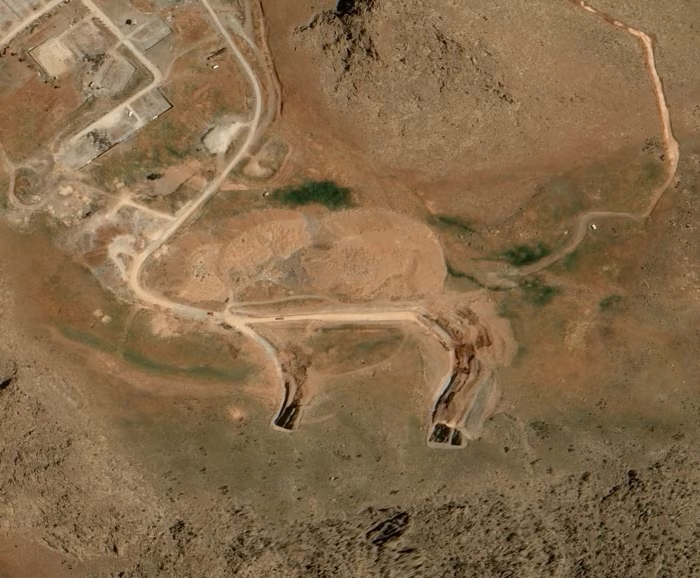
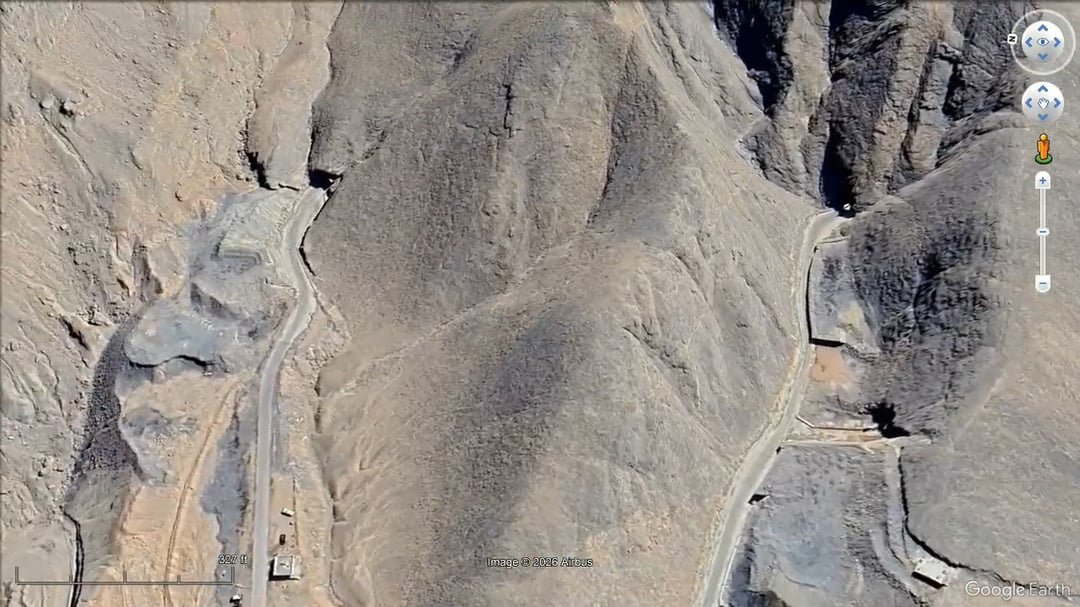
Despite the extensive air attacks launched by Israel during the recent conflict, new satellite data cited by the Wall Street Journal shows that Iran moved with impressive speed to restore major military and industrial facilities.
According to the publication, satellite images reveal reconstruction work at missile bases, bridges, port facilities, and manufacturing units that had sustained damage during the Israeli air campaign.
Particular reference is made to the Kangavar area, where photographs from March recorded destroyed entrances to underground tunnels and severe damage to the access road.
A few weeks later, according to the same satellite images, a new paved road had already been constructed, while the entrances to the underground facilities had been reopened.
A similar picture is presented at the Bandar Anzali shipyard, which is connected to the Islamic Revolutionary Guard Corps (IRGC), as well as at an industrial facility near Tehran where missile system components are reportedly produced.
The publication cites an Israeli military official who stated that a bridge struck by three bombs was restored within a few days, a fact that, according to him, raises questions about the effectiveness of the targeting.
Even more characteristic is the statement of another Israeli official who participated in the planning of operations and admitted: "Iran is rebuilding everything. I am very concerned."
From its side, the government of the United States rejected this interpretation.
White House spokesperson Anna Kelly characterized the operation as a "resounding victory by any objective measure," maintaining that the strategic goals of the US and Israeli operations were achieved.
However, the speed with which critical military infrastructure appears to be restored reinforces the assessment that Iran retains significant recovery capabilities, despite the intensity and scale of the attacks it received.
Baghdad denies mediation scenarios
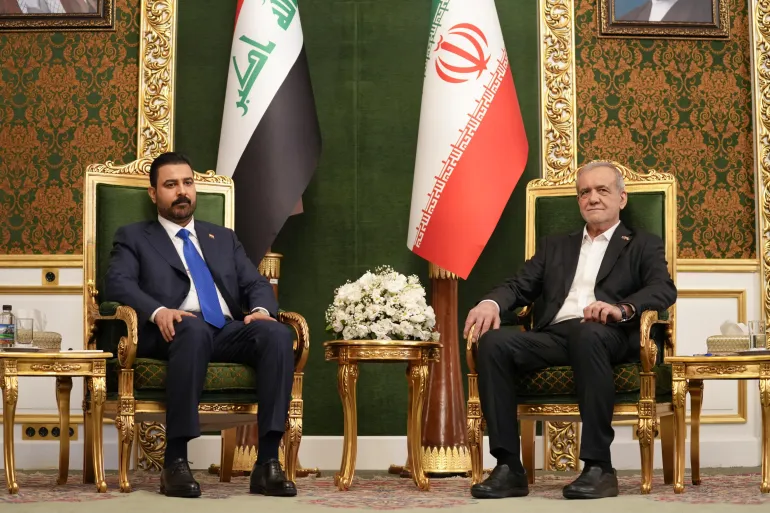
Meanwhile, the government of Iraq categorically rejected a report by the New York Times, according to which Baghdad was attempting to mediate a ceasefire between Washington and Tehran.
The Prime Minister's office called the information "completely unfounded," urging the media to rely exclusively on official sources.
The report claimed that Prime Minister Ali al-Zaidi had conveyed a relevant proposal to Tehran following his meeting with US President Donald Trump.
According to the same report, Iran reportedly rejected the proposal, as it did not address the issue of control over the Strait of Hormuz.
The Houthis deny blockade of Bab al-Mandab
Houthi spokesperson Mohammed Abdul Salam denied that Yemen has blockaded the Strait of Bab al-Mandab.
As he stated, naval operations are limited to a targeted blockade that exclusively concerns Saudi Arabia, in response, according to the group, to the siege of Yemen and the refusal to find a political solution that ensures the country's sovereignty and independence.
The Ansar Allah organization, known internationally as the Houthis, has undertaken a series of attacks in the Red Sea and the Gulf of Aden since late 2023, presenting them as acts of solidarity with Palestinians in Gaza.
Trilateral diplomatic coordination with Russia and China
Tehran appears determined to transfer the conflict to the diplomatic level as well.
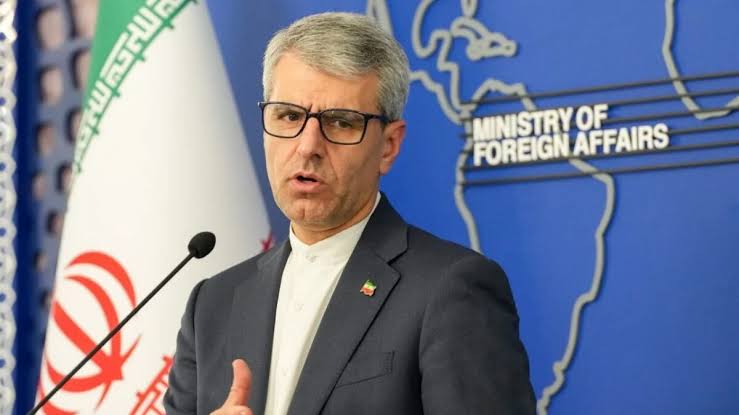
Iranian Foreign Ministry spokesperson Esmail Baghaei stated that recent developments will constitute a key topic in talks with Russia and China, on the sidelines of the meeting of foreign ministers of the Shanghai Cooperation Organisation (SCO).
He characterized the US operations as "military aggression" and argued that they violate fundamental rules of international law, adding that cooperation with Moscow and Beijing acquires increasingly greater importance in a multipolar international system.
The big picture
From an Iranian perspective, recent developments reinforce the argument that the country is no longer limited to a defensive stance, but seeks to make clear that any military action against it will come at a cost for US forces and their allies in the region.
At the same time, the diplomatic approach with Russia and China suggests that Tehran seeks to combine military deterrence with the strengthening of a broader geopolitical axis that challenges American influence in Western Asia.
The situation remains particularly fluid, while much of the operational information released by all sides has not yet been independently confirmed.
However, it is clear that the region faces one of the most serious crises in recent years, with significant implications both for regional security and global geopolitical balances.
www.bankingnews.gr












Readers’ Comments