

Volkswagen stock has fallen nearly 30% since the beginning of the year
Nightmarish developments are unfolding for the German economy, with the country's leading automaker, Volkswagen, on the verge of collapse as it struggles to cope with Chinese competition. Volkswagen recorded a significant decline in profitability in the second quarter of 2026 and abandoned its forecasts for revenue growth this year, signaling the start of a radical restructuring of the group that includes cuts of up to 100,000 jobs.
Profits below forecasts
Europe's largest automaker announced an operating profit of 3.5 billion euros for the April–June period, down nearly 10% compared to the same period last year. The result was noticeably lower than analysts' estimates, who were expecting an operating profit of 4.3 billion euros.
Abandons revenue growth target
Volkswagen revised its forecasts downward for the full year 2026. While it previously estimated that sales revenue would grow by up to 3%, it now projects a revenue decline of up to 3%, reflecting the mounting pressures on the sector.
Up to 100,000 layoffs in restructuring plan
The results were announced just days after confirmation that the group is considering eliminating up to 100,000 jobs, a figure double what had been publicly known until now. Management is attempting to curb the sharp fall in profitability, which is burdened by the high cost of US tariffs amounting to billions of euros, as well as ever-fiercer competition from Chinese automakers.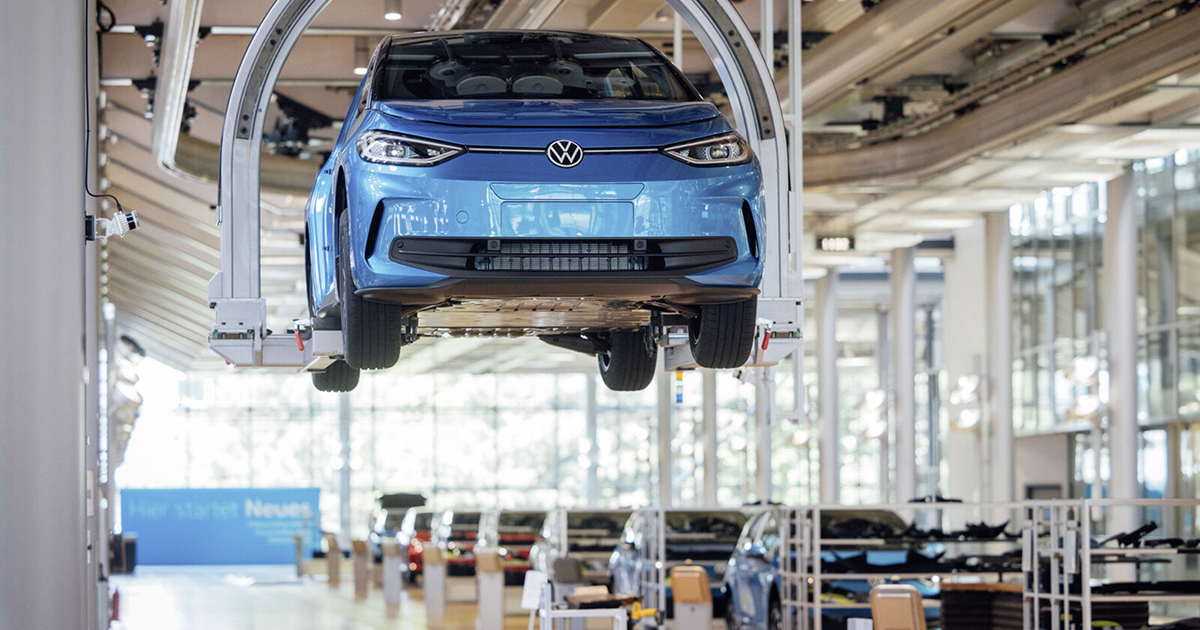
Blume: Costs are 20% higher than competition
In an internal memo to employees earlier this month, CEO Oliver Blume stated that Volkswagen's operating costs are approximately 20% higher than those of peer companies in the industry, making even deeper cost cuts necessary. According to sources, Oliver Blume also admitted that it was not possible to find alternative uses for four factories in Germany that had previously been at the center of shutdown scenarios. These are Volkswagen's plants in Hanover, Zwickau, and Emden, as well as the Audi factory in Neckarsulm. It is recalled that in late 2024, the company reached an agreement with trade unions to avoid German plant closures and rule out compulsory redundancies until the end of 2030.
"Unprecedented risk environment"
Commenting on the results, Oliver Blume stated that the company managed to absorb "unavoidable headwinds" corresponding to a burden of tens of billions of euros. At the same time, he warned that the environment for the global auto industry remains extremely difficult due to geopolitical crises, trade conflicts, stricter regulatory requirements, market volatility, and intensifying international competition. As he noted, Volkswagen is entering the next phase of its transformation facing "an unprecedented risk scenario," but doing so from a position of strength and with a clear view of emerging opportunities.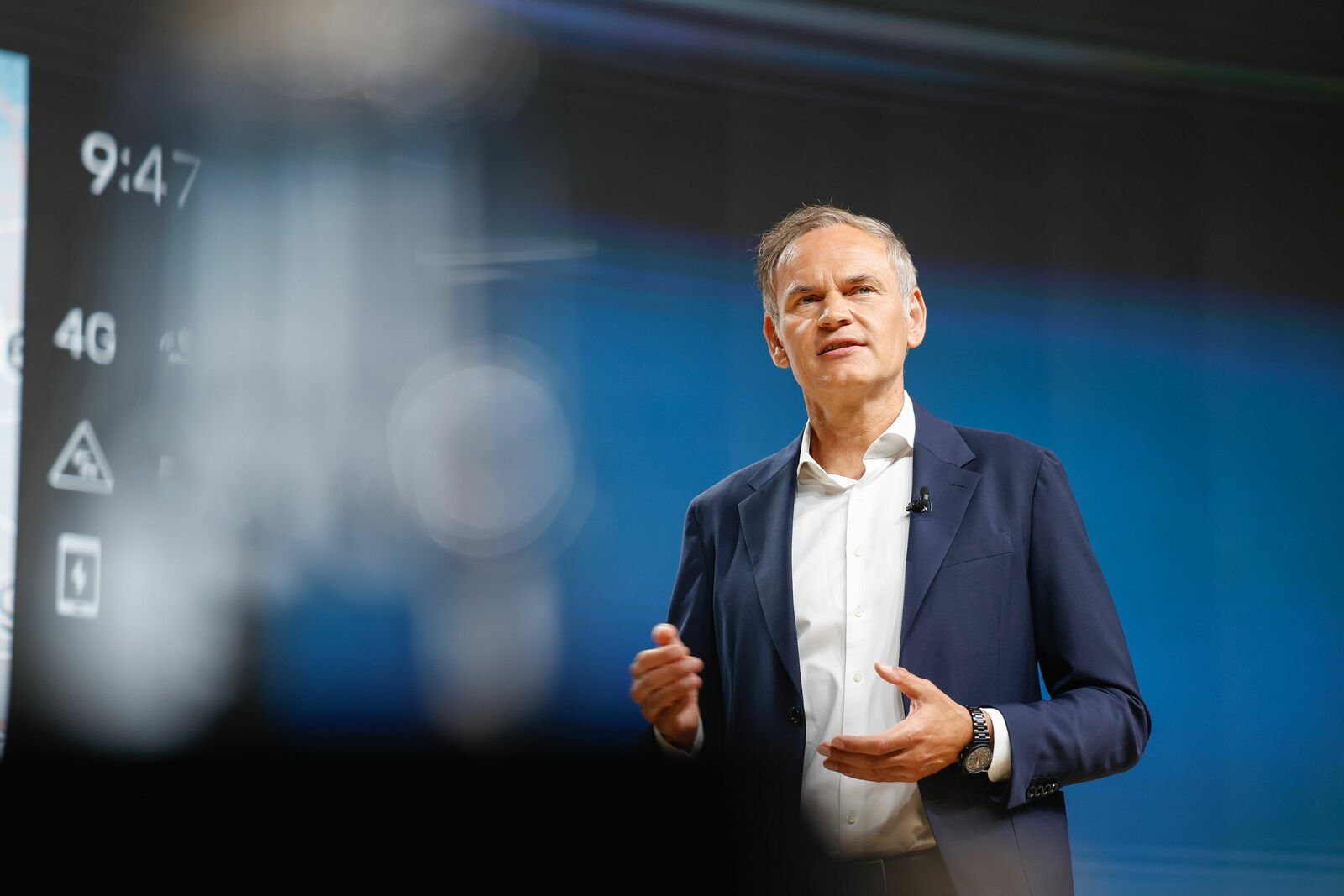
Pressure on EV operations as well
In April, Volkswagen announced that it would halt production of the electric SUV ID.4 at its factory in Tennessee, United States, citing adverse conditions prevailing in the American EV market. Volkswagen stock has dropped nearly 30% since the beginning of the year, while in Friday pre-market trading, Volkswagen shares recorded a further fall of about 3.3% as investors evaluate the impact of the restructuring and the group's grim outlook.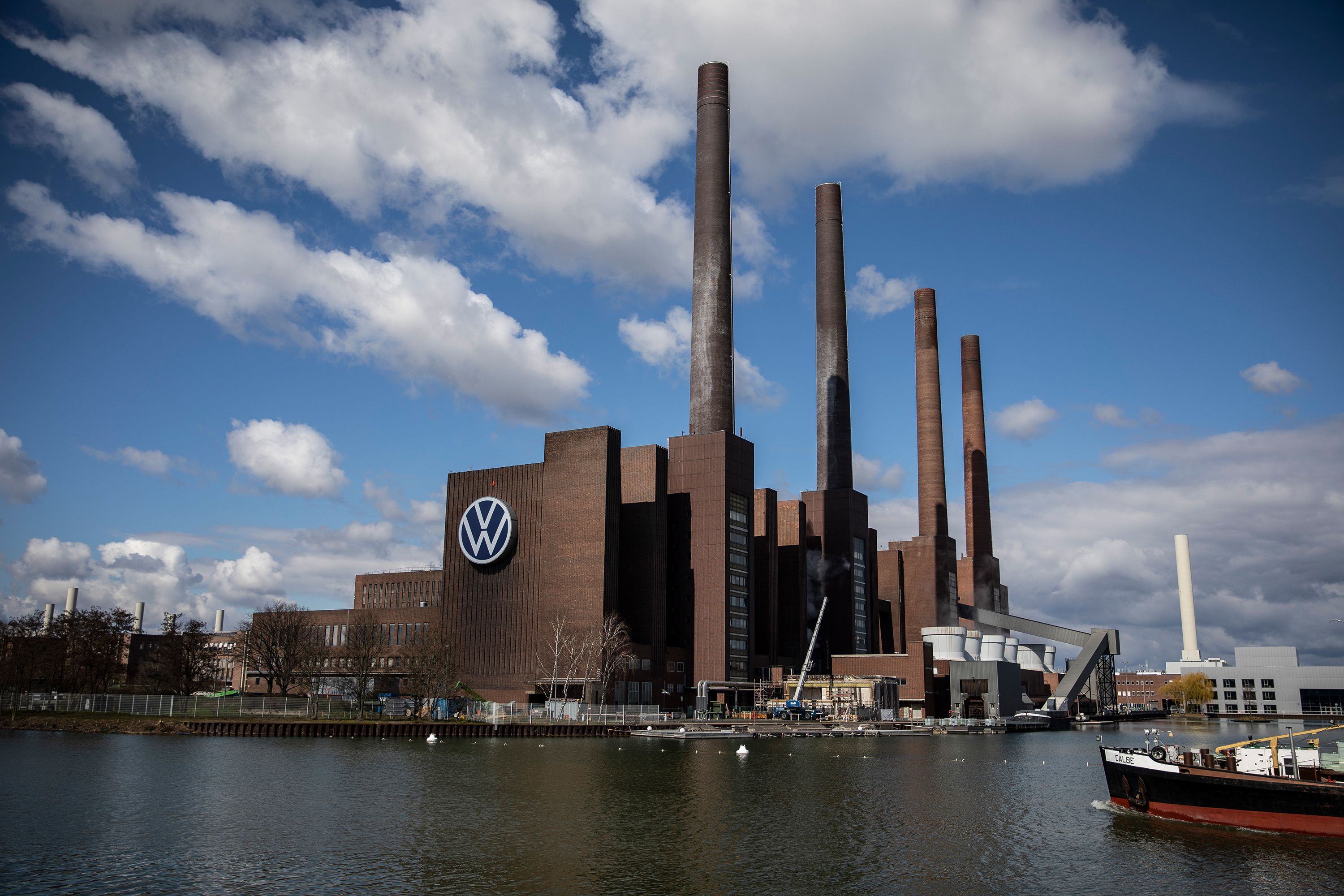
US tariffs drastically weigh on profitability
The forecast revision comes at a time when the group is called upon to absorb billions of euros in additional costs from new US tariffs, which hit European auto exports to the United States particularly hard. These pressures are squeezing profit margins in a market that has traditionally been one of the most profitable for Volkswagen.
China shifts the balance
At the same time, the German group faces the rapid rise of Chinese automakers such as BYD, Geely, Chery, and SAIC, which are claiming ever-larger market shares both in the Chinese market and in Europe. The competitive advantage of Chinese companies stems from lower production costs, vertical integration in battery production, and the ability to launch new models in significantly less time than European manufacturers. For Volkswagen, China is not only a sales market but also a primary source of profitability. The loss of market share there directly impacts the group's financial performance.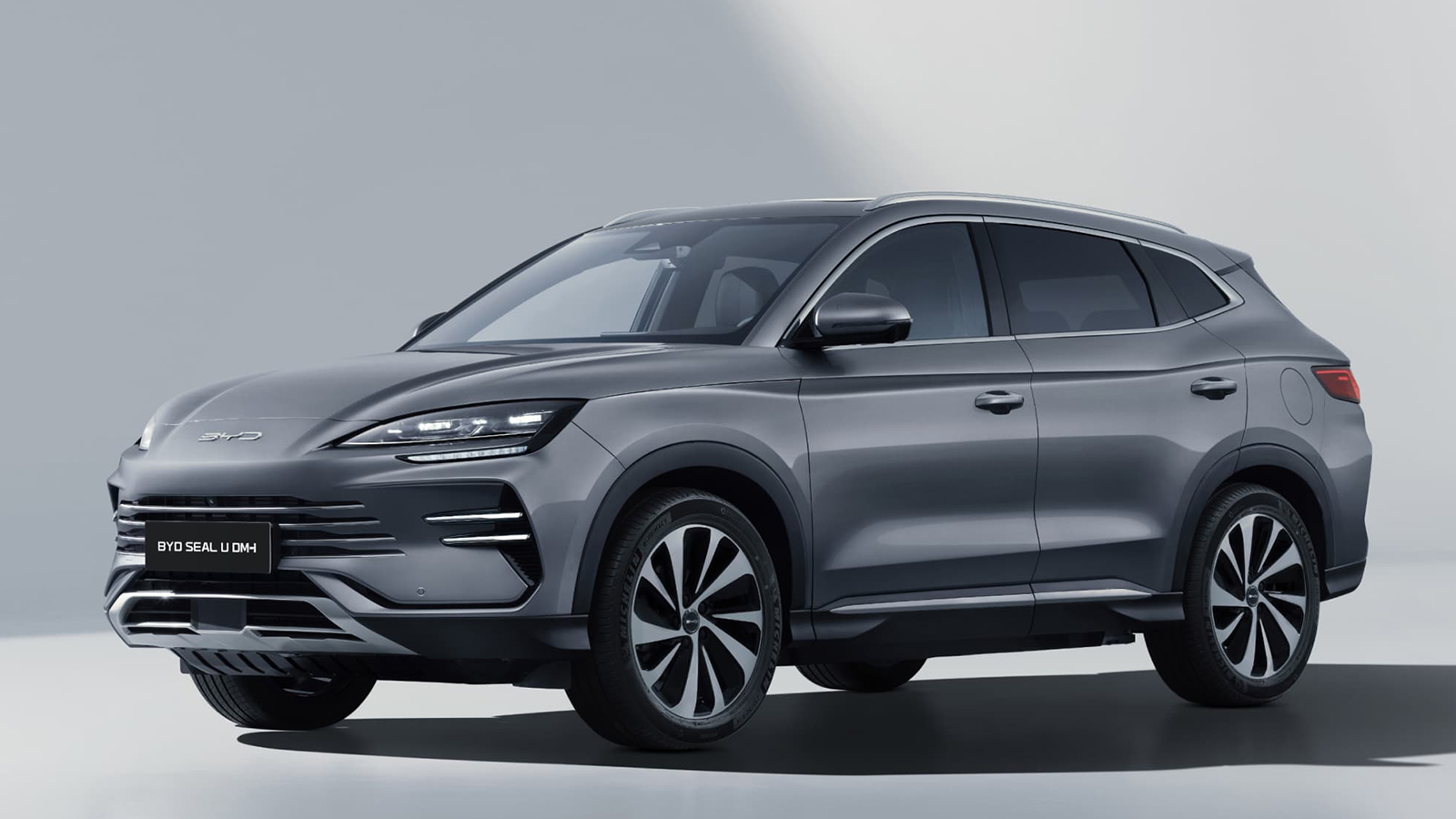
Electromobility costs more than it delivered
The company continues to invest tens of billions of euros in electric vehicles, but demand for EVs has slowed in several markets—particularly in the United States and Europe—following the gradual phase-out of government subsidies and high financing costs. Indicative of this trend is Volkswagen's decision to stop production of the electric SUV ID.4 at the Tennessee plant, a move that reflects the market's inability to absorb the production volumes originally planned.
The largest cutback program in the group's history
The plan to eliminate up to 100,000 jobs ranks among the largest restructuring programs in Volkswagen's history. Management aims to drastically reduce operating costs, as Oliver Blume himself acknowledged that the company operates at a cost roughly 20% higher than its main competitors. The restructuring is expected to focus primarily on administration, support functions, and better utilization of factory capacity, without ruling out tough new negotiations with powerful German unions.
Investors will now focus on three key issues: progress on the cost-reduction program and headcount cuts, the impact that new US tariffs will have on group profitability in the second half of the year, and, above all, Volkswagen's ability to regain competitiveness against Chinese manufacturers and restore growth to its electromobility operations. For analysts, the guidance revision is a sign that the European automotive industry's adjustment period to new competitive realities will be longer and more painful than expected just a few months ago.
www.bankingnews.gr













Readers’ Comments