

The new tariffs came into effect immediately following the expiration of the temporary 10% horizontal tariff that applied to almost all imports.
The administration of President Donald Trump imposed new 10% and 12.5% tariffs starting Friday on goods imported from 60 trade partners of the United States, including the European Union and China, citing inadequate enforcement of rules prohibiting forced labor, triggering an economic heart attack in Brussels and an angry reaction from Brazil. The new tariffs came into effect immediately following the expiration of the temporary 10% horizontal tariff that applied to almost all imports. The move represents the White House's latest attempt to revive Donald Trump's vision of a nearly universal tariff regime, following the US Supreme Court's decision in February to strike down the so-called "reciprocal" tariffs of 10%-50%, which were imposed last year under national emergency legislation aimed at reducing the US trade deficit.
Tariffs on almost all imports
The new tariffs, announced via the Federal Register, cover 99.4% of US imports, while providing significant exemptions for products such as crude oil, natural gas, fertilizers, and certain food items. The new regime was imposed under Section 301 of the Trade Act of 1974, allowing the administration to maintain a baseline tariff level on nearly all imports despite its recent judicial setback. This specific legal foundation is also considered more insulated against new legal challenges, as it has survived previous judicial scrutiny. The temporary 10% global tariff expired at 12:01 a.m. (Eastern Time) on Friday, after remaining in force for 150 days. The new tariffs were activated at that exact moment, while goods already in transit were granted an exception until July 28.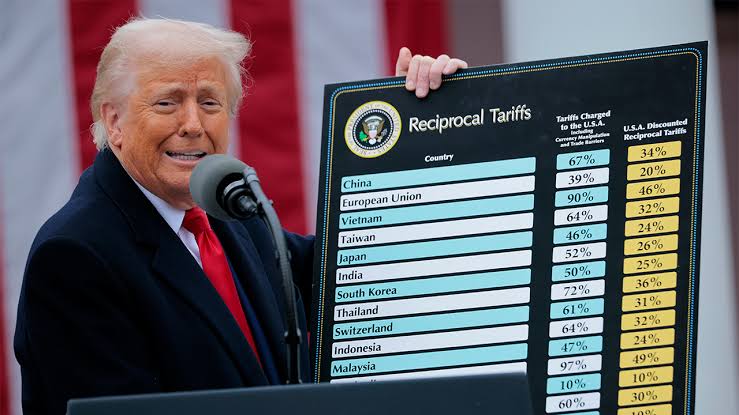
Washington cites forced labor
US Trade Representative Jamieson Greer stated that the United States has enforced a strict import ban on products made with forced labor for nearly a century, arguing that it is time for the country's trade partners to do the same. As he noted, the new policy aims both to address a violation of human rights and to correct a distortion in international trade for the benefit of workers. Jamieson Greer had previously reassured that for countries that have already concluded trade agreements with Washington, the new tariffs will not exceed the caps stipulated in those agreements.
Which countries are affected
The US is imposing a 10% tariff on products from Argentina, Bangladesh, Britain, Cambodia, Canada, Ecuador, El Salvador, Guatemala, Honduras, India, Indonesia, Jordan, Malaysia, Mexico, Pakistan, Sri Lanka, as well as Trinidad and Tobago. The European Union, Taiwan, Japan, South Korea, and Switzerland are placed under a regime where, combined with the pre-existing most-favored-nation tariffs, the total burden stands at 10% or 12.5%. The remaining 38 countries fall under a 12.5% tariff, including Vietnam and China. Washington accuses Beijing of detaining members of the Uyghur Muslim minority in forced labor camps, an allegation the Chinese government rejects. US officials have concurrently signaled to Beijing that they intend to gradually restore tariffs on Chinese products to the 20% level, as agreed during the trade truce between Donald Trump and Xi Jinping in November 2025, without increasing them further.
Reactions from Europe and allies
The imposition of the new tariffs triggered immediate reactions from several US trade partners. The head of European diplomacy, Kaja Kallas, characterized the new tariffs as a shock for the European Union, arguing that Washington's justification does not hold water. As she told Reuters on the sidelines of the ASEAN ministerial meetings in Manila, labor conditions in the European Union are highly advanced, with statutory leave and strong protections for workers, making US arguments completely unfounded. Australia and Brazil also called the tariffs unjustified and announced they will seek their repeal, while Norway stated there is no basis for their imposition. Canada, which had already faced $20 billion in new tariffs earlier in the week, reacted more cautiously. The minister responsible for US trade, Dominic LeBlanc, stated that the country will continue consultations with Washington to seek mutually beneficial solutions.
Legally stronger new framework
Former White House trade advisor Kelly Ann Shaw assessed that the new tariffs align largely with market expectations, noting that 471 products were added to the exclusion list. According to her, for partners like the European Union, the agreed caps mean that the new tariffs are ultimately lower than those that could have been imposed under the previous framework. A senior official in the Donald Trump administration dismissed claims that the new tariffs are merely a replacement for the expired temporary measures, despite their timing and similar structure. He argued that the United States enforces far stricter rules banning goods produced with forced labor, which, according to Washington, creates unfair competition at the expense of American businesses. Trade lawyer Ryan Majerus estimated that the new framework will be harder to overturn in court, as Section 301 has already been affirmed in prior judicial decisions and grants the administration broad flexibility in adjusting tariff rates.
Extensive exemptions
Despite the wide application of the new measures, major product categories are exempted, such as oil, natural gas, fertilizers, certain agricultural goods, as well as items already subject to Section 232 national security tariffs, including automobiles, steel, aluminum, and copper. Also remaining outside the new regime are aircraft and their components, critical minerals, and goods complying with the US–Mexico–Canada Agreement (USMCA), due to the high interdependence of the North American supply chain and the significant percentage of US value added they contain.
Economic heart attack in Europe
The European Union is in a state of absolute shock following the surprise blow by the United States, which imposed crushing new tariffs. The head of European diplomacy Kaja Kallas immediately demanded formal and clear explanations from Washington, expressing Brussels' intense displeasure over this unexpected turn of events.
Disastrous breach of agreement
Kaja Kallas made no attempt to hide her anger regarding the American side's tactics, emphasizing that Washington's decision came as a complete surprise. As she stated, the European Union had entered into a specific agreement with America, which it honored fully, making this unilateral breach a deeply unpleasant and dangerous turn of events.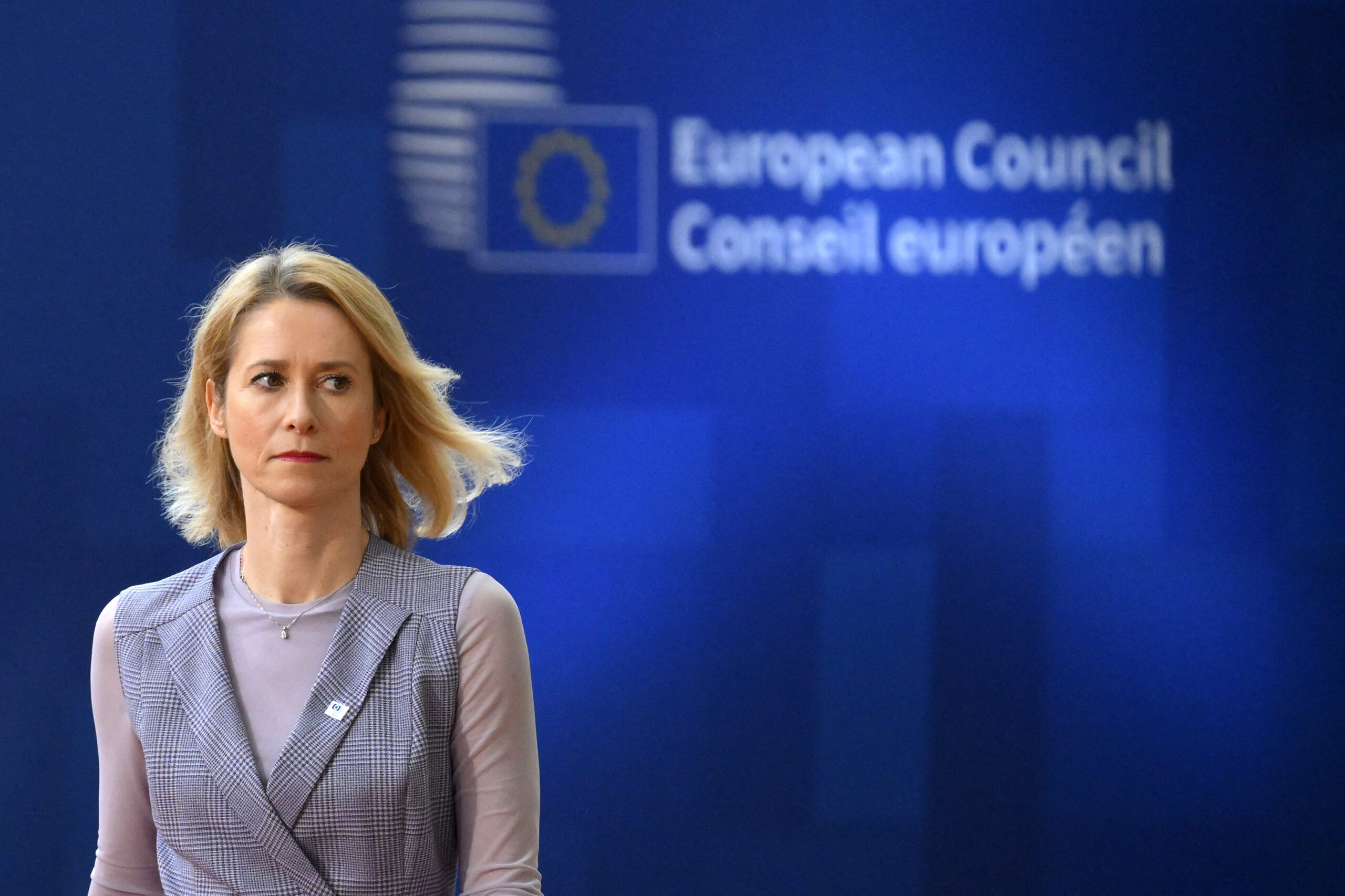
Brazil against Trump: "Arbitrary and unjustified new tariffs" – Appeals to WTO and threatens countermeasures
The government of Brazil rejected the new tariffs imposed by the United States on the country and 59 other trade partners under the pretext of inadequately addressing forced labor, calling them "arbitrary" and "unjustified." In a statement, the government of President Luiz Inacio Lula da Silva argued that Washington, unable to find a sufficient legal basis under US law to support its protectionist trade policy, chose to weaponize an issue of critical importance for human and labor rights.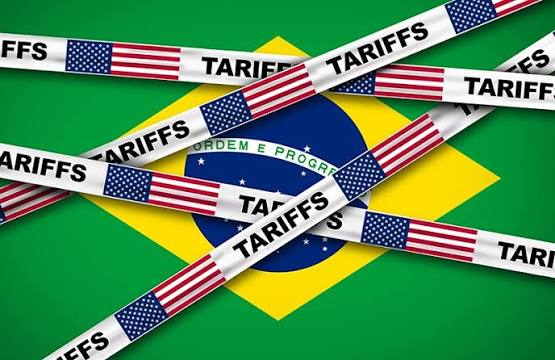
Appeal to WTO and activation of reciprocity law
The Brazilian government announced that it will immediately activate the response mechanisms provided under its Reciprocity Law, while simultaneously appealing to the dispute settlement mechanism of the World Trade Organization (WTO) to challenge the legality of the US measures. The new tariffs add to a separate package of measures announced by the Donald Trump administration last week, when it levied an additional 25% tariff on a range of Brazilian products, citing unfair trade practices and specifically targeting South America's largest economy. This new escalation further heightens the trade confrontation between Washington and Brasilia, with the Brazilian government declaring it will utilize all available legal and commercial channels to contest the US decisions.
www.bankingnews.gr













Readers’ Comments