

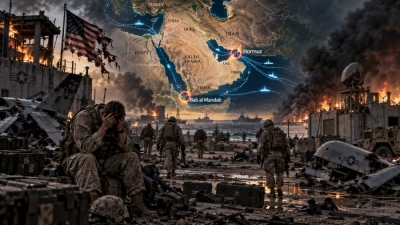
Iranian forces appear fully prepared to face a US ground intervention, deploying 3 military responses and leveraging 4 strategic advantages, as highlighted on July 21 by the Iranian media outlet Khabarfoori.
Specifically, Tehran perceives the new round of aerial strikes in Hormuz as a precursor to an American intervention with ground troops on its islands and territories in general, preparing its own response.
The primary scenario considered by Iranian Generals involves American soldiers establishing positions on southern coasts and islands, avoiding further advances and conflict escalation, as well as refraining from operations inside urban areas.
In response, Tehran, spearheaded by the Islamic Revolutionary Guard Corps (IRGC), plans to react in 3 waves: drones, artillery, and guerrilla warfare.
At the same time, a sensational leak complicates the situation for the Pentagon, as an anonymous source from the US Department of Defense reports, via The Washington Post, a crushing defeat of the Americans by Iran.
In fact, the anonymous American official speaks openly about the total destruction of NATO air defense systems in the Persian Gulf.
Iran: Strikes in Hormuz a precursor to ground intervention
According to Urgent News, the American attack against bridges and certain Iranian logistics equipment has led some analysts to estimate that the US may proceed with a ground operation against certain Iranian islands and coastal regions, attempting to land forces on those specific shores.
This issue has been examined repeatedly from different perspectives.
There have been varying assessments regarding the purpose of such a potential American action.
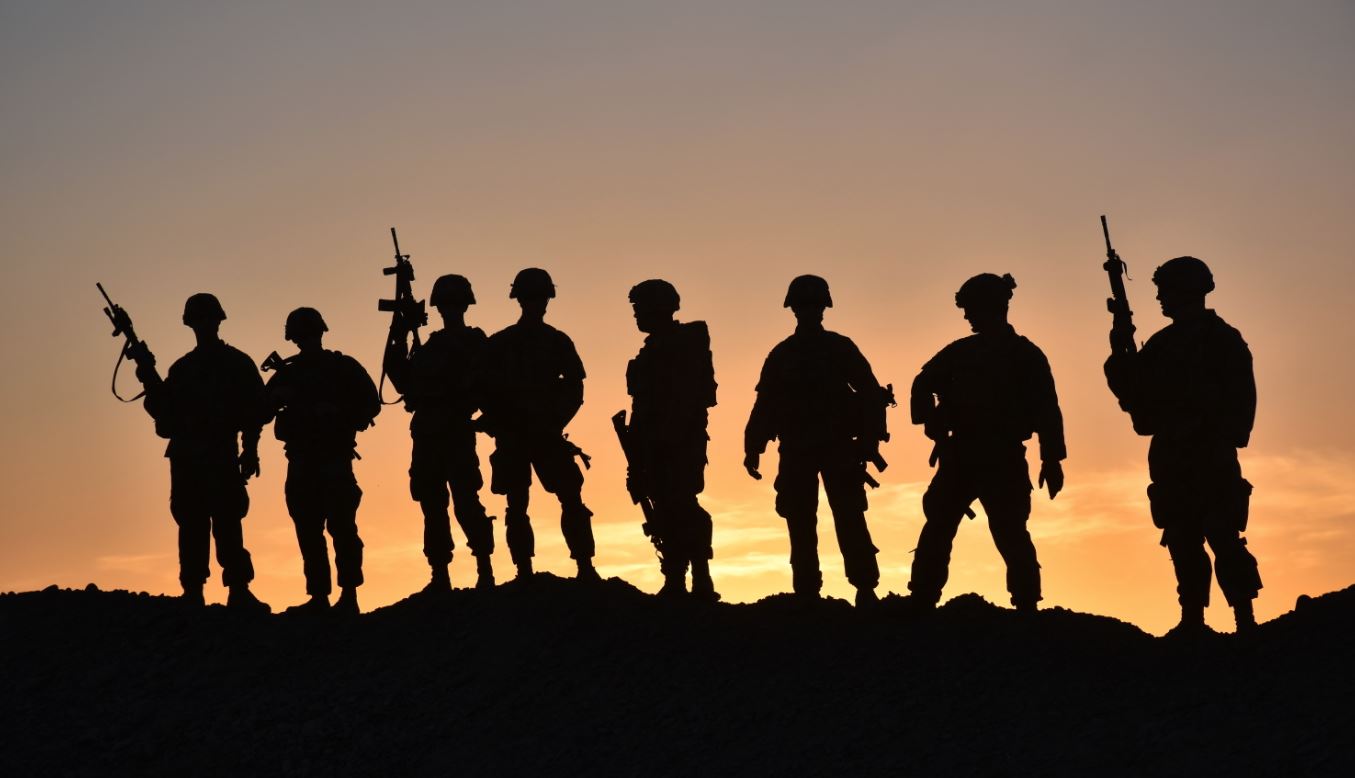
Most analysts consider that such a move would serve two primary objectives:
A. Confronting Iran in future negotiations and securing the maximum possible concessions.
B. Opening the Strait of Hormuz through dominance over the Persian Gulf coasts.
Why the Americans would conduct a limited landing on Iranian shores
Regardless of which of these two possibilities corresponds to reality, it must be noted that in the event of an attack, the Americans appear likely to seek positions on the southern coasts and islands, avoid further advances and conflict escalation, and refrain from engaging in operations inside urban areas.
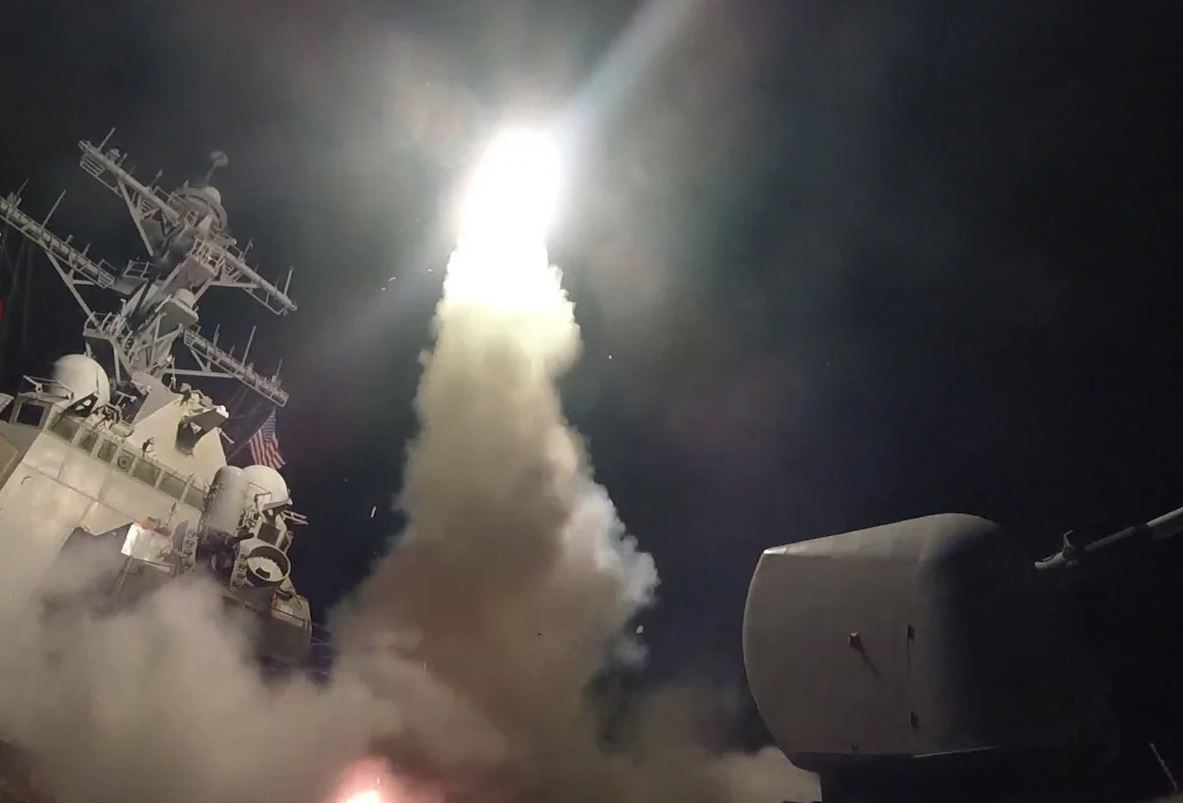
Bombings against bridges and logistics infrastructure leading toward the south of the country also indicate that the US intends to limit the speed at which Iranian forces could reach these areas in the event of a potential invasion in the south, allowing time to establish and reinforce their defensive fortifications.
The "stabilize forces and set up fortifications" strategy
This specific analysis indicates that the Americans intend to implement a "stabilize and defend" type of strategy in the event of a ground attack against Iran.
Under this strategy, forces attempt to maintain the captured area by constructing defensive fortifications (including defense lines, radar, missile, and anti-aircraft defense systems) outside the occupied territory while avoiding the movement of forces across different fronts.
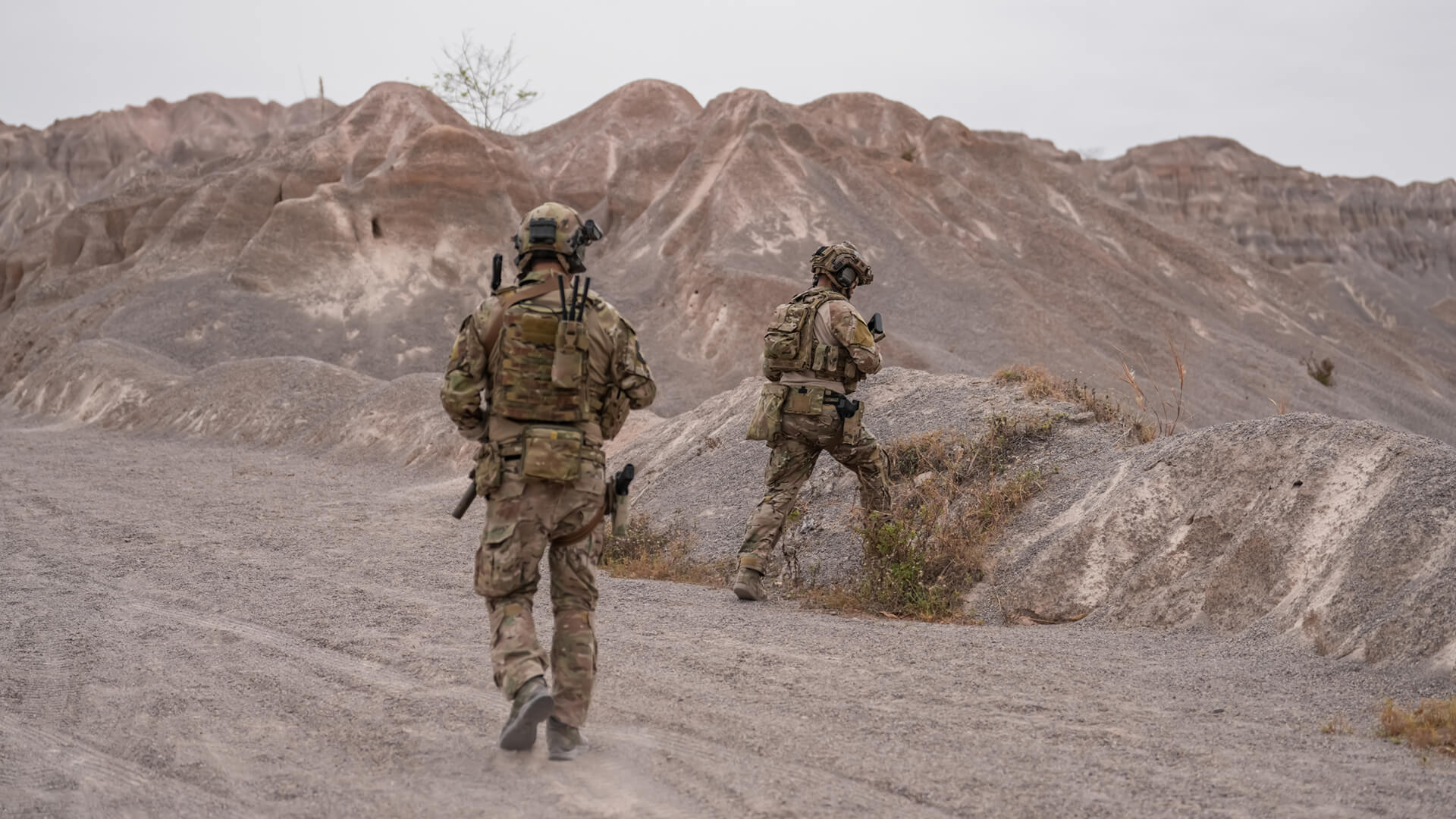
This specific strategy possesses characteristics that can be viewed as weaknesses and gaps.
These gaps, according to the analysis, could allow Iran to deal a severe blow to American forces and deprive the US of the ability to achieve victory.
The most important characteristics of this strategy are the following:
1) Proximity and immediate adjacency to the location of enemy forces (in this case, Iran).
2) Immobility, limited movement, and the prioritization of static over dynamic operational capabilities of forces.
3) Constraints in logistics support and a lack of resources (weapons, food, etc.).
4) Geographic and climatic constraints (aridity of the areas, lack of terrain knowledge, high temperatures, etc.).
According to the analysis, these four characteristics, combined with the combat capabilities and weapon systems of Iran, could lead to a defeat for the United States and a victory for Iran.
Iran's capabilities in close-quarters combat
Iran's strength in short-range combat is considered undeniable, according to the analysis.
This power stems both from the general advantageous position created by proximity to the opponent's area and from the specific military capabilities of the Iranian armed forces.
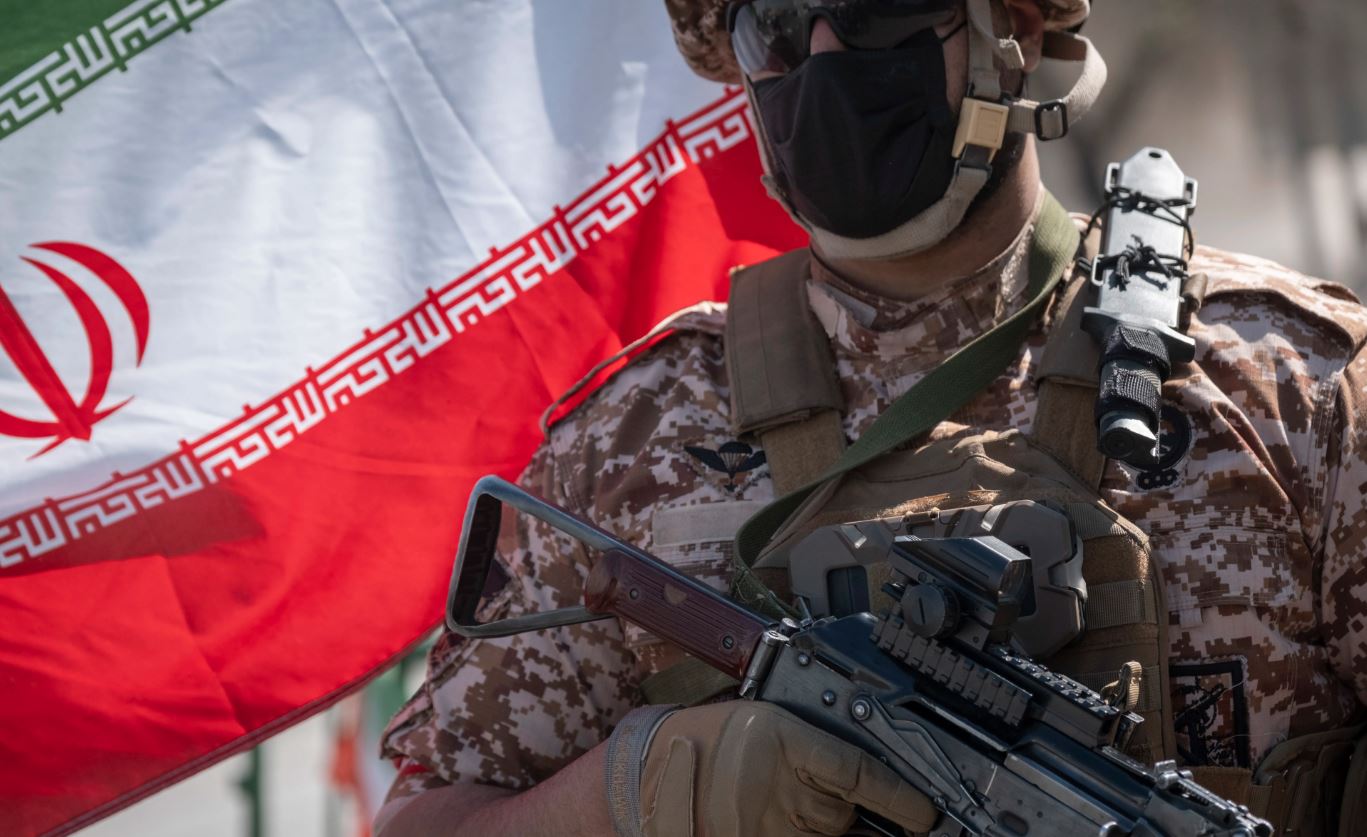
The most significant of these are the following:
A. Iranian artillery
Iran's proximity to the deployment area of American forces activates Iranian artillery, significantly increasing its effectiveness.
Due to the nature of artillery fire and its operational mechanics, these systems cannot easily be intercepted by enemy defenses.
At the same time, because of the short distance from the opponent's position in the south, they can inflict heavy losses on American forces.
B. Drones and FPVs
Iranian drones and FPV unmanned aerial vehicles are considered particularly effective in striking enemy targets at short distances.
These tools possess high capabilities, especially in the vast southern regions of Iran.
Although they can be detected by radar, their proximity to enemy positions and their large numbers can cause significant damage to opposing forces.
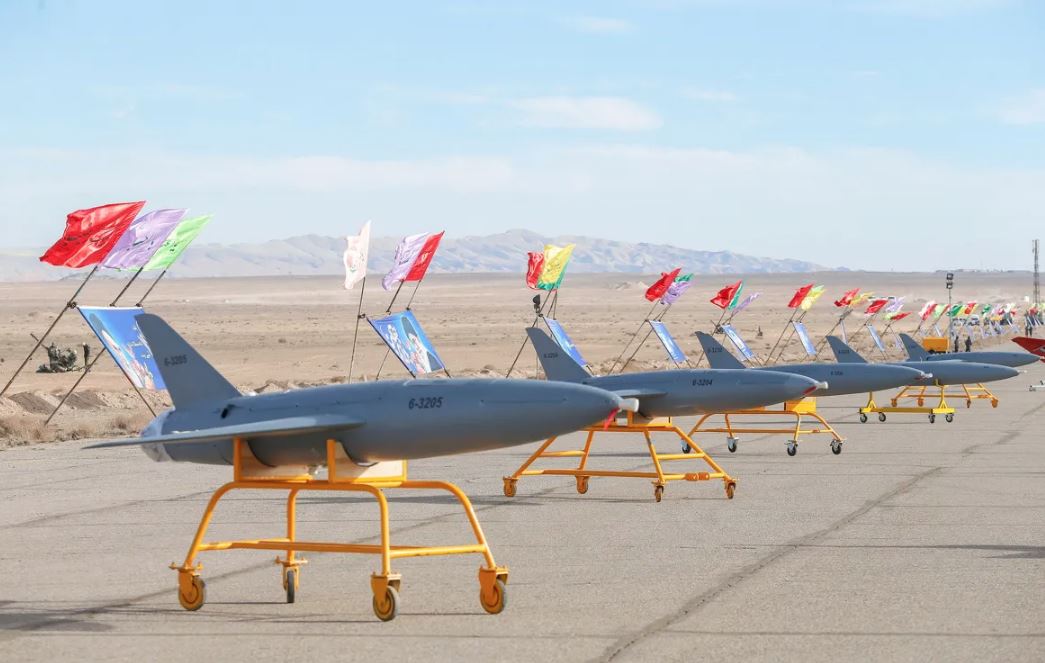
The same tactic, according to the analysis, was observed in the war between Hezbollah and Israel.
In that conflict, Hezbollah managed to deal severe blows to its Israeli opponent by exploiting proximity to Israeli military installations, with a large portion of the attacks executed via small drones and FPVs.
C. Geography and methods of warfare
Iran's method of warfare, recently characterized as "mosaic defense", possesses significant capabilities for striking the enemy within its own geographical environment, according to the analysis.
The opponent's unfamiliarity with Iran's geography, the strategic importance of the southern regions, high temperatures, the ability to conduct guerrilla warfare, and limited naval operations constitute advantages that Iran holds when confronting an American force within Iranian territory.
In the event of an American attack against Iran, Tehran is expected to exploit these advantages to inflict significant casualties on American forces.
Bombshell admission from American general: Crushed on all fronts by Iran
All signs point toward Washington planning to expand its military campaign against Iran.
The Pentagon is increasing its air power in the region.
However, as reported by The Washington Post, citing administration sources, American military officials and military personnel question the ability of the United States to decisively tip the scales in its favor.
According to an anonymous source, US capabilities are becoming increasingly constrained: air defense stockpiles and long-range ammunition are running low, certain equipment has sustained damage, and the deployment of additional forces is complicated.
As an anonymous American official admitted:
"We do not have enough resources to continue the operation safely, but I do not think the White House realizes this."
The escalation followed new US attacks on Iranian infrastructure.
At the same time, the US suffered heavy casualties among military personnel in Jordan and Iraq.
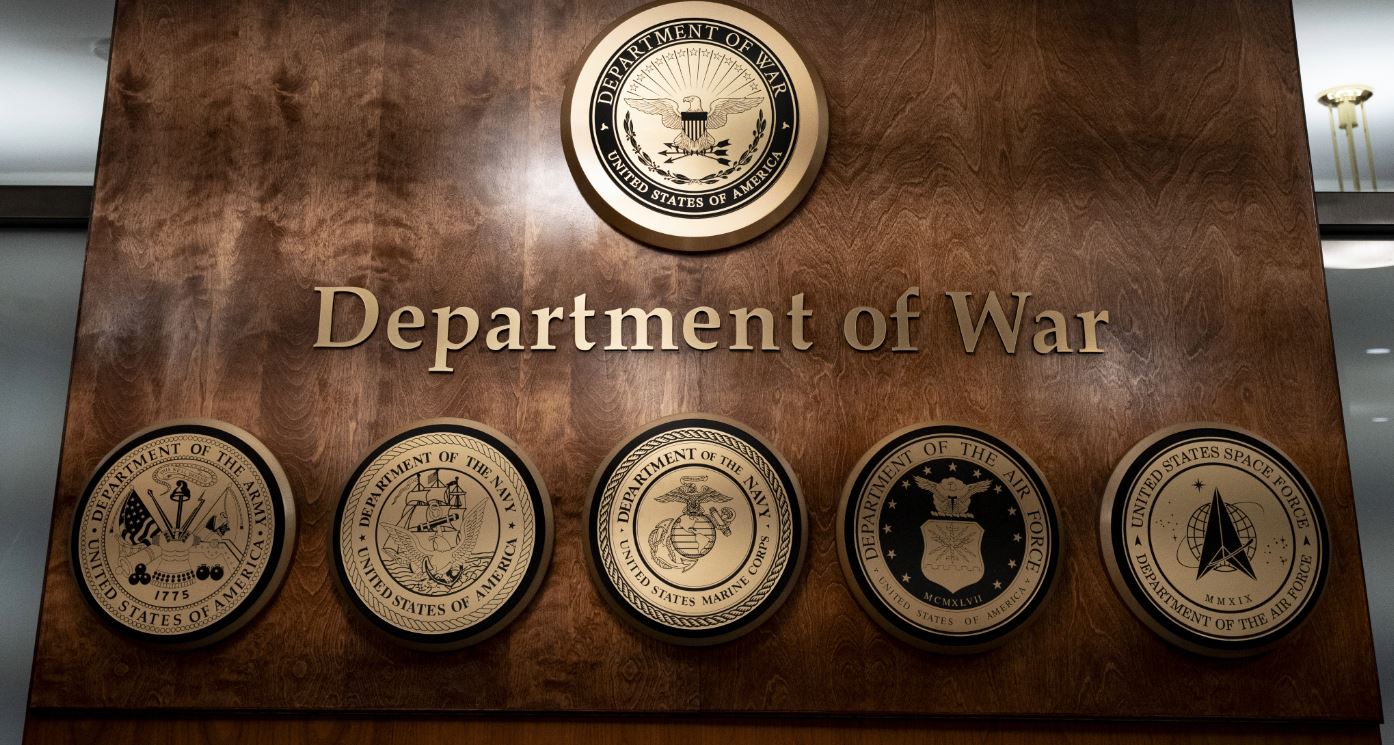
Tehran considered the US strikes on bridges and railway infrastructure near Bandar Abbas as an escalation, after which Iran became less hesitant regarding potential strikes that would cause casualties to the US military.
Military experts warn that the US is unprepared for a ground operation against Iran.
American troops are vulnerable to Iranian missiles and drones.
Testimonies from soldiers serving at bases in the Middle East paint a troubling picture: many installations consist of container-type structures offering minimal protection from attacks.
The barracks cannot withstand direct ballistic missile strikes, and the infrastructure at several bases has already suffered severe damage.
A source summarizes characteristically:
"American troops in the Middle East are taking crushing blows on all fronts."
www.bankingnews.gr










Readers’ Comments