

The aerial strike by Ukraine with 400 drones against Moscow has triggered intense discussions in Russia on the one hand about what the retaliation should be, and on the other hand about what should...
There is already talk of a "special response"... a move that appears appropriately threatening and decisive.
However, many Russian experts and analysts argue that this response is not enough, and that the Kremlin must radically change its strategy and mindset, pointing out that right now Russia faces a strategic dilemma: it will either completely change the way it conducts the war or become trapped in a conflict without end... something that both the Ukrainians and the elites in the West desire...
Nevertheless, Russian political analyst and philosopher Alexander Dugin rushes to point out when the military conflict in Ukraine will end...
As he says: "It will not end until we win", at a time when Western analysts estimate that the game is over... and that nothing, not even the end of the war, can save Ukraine from collapse...
The special... response
The latest Ukrainian air strike with the 400 drones toward Moscow, which Russian air defense neutralized, as well as Moscow's commitment to a... "special response" has triggered varied reactions within Russia.
Many experts wonder what the word "response" means in military terminology?
It means reaction.
It is an action following someone else's action.
It is the position of one who follows developments and not of one who dominates.
When Russia "responds" to every attack with limited and targeted strikes, essentially, it recognizes the opponent's right to set the agenda.
The opponent attacks and Russia responds.
Attacks again and Russia responds once more.
Not a winning strategy
As Russian political analyst Vladimir Kireev argues, this is not a strategy for victory, but a strategy of endless reaction.
Volodymyr Zelensky does not need victory, but terror.
He needs attacks against civilian infrastructure in order to justify the continuation of Western funding.
Every attack against Russian cities is presented as a demonstration to Washington and Brussels: "Look, we are still fighting, we are still dangerous, keep paying."
And every Russian "response", according to this reasoning, legitimizes this specific game.
It confirms that Ukrainian forces attack, Russia defends, and therefore the war continues and the funding of Kyiv must continue.
Zelensky's... game
As long as Russia "responds", Kyiv continues to receive Western money and technology for new large-scale attacks.
As long as this "ping pong" of strikes continues, the Ukrainians restore their military infrastructure, receive new weaponry, and prepare new attacks.
As mentioned, this is a vicious cycle from which there is no way out under the current strategy.
"We are not winning, we are simply not losing.
But that is not how a war is won," says Kireev, who considers Russian tactics purely reactive and almost always fitting into the logic of Russia's opponents.
"The word 'victory' does not appear at all in this logic.
There is talk only of prolonging the conflict and of certain tiny tactical advantages, so that some result favorable to Russia is achieved.
I do not use the word 'victory' because it is not clear what exactly is meant in this specific case.
This is not chess, where you can simply beat the opponent.
War presupposes achieving more favorable conditions for one of the two sides," the Russian analyst points out.
The real question
The question, however, is why Russia has not yet transitioned from "responses" to the complete suppression of the Ukrainians?
As stated, the answer is because Russia still takes into account the "concerns" of Washington and Brussels.
Russian analysts argue that liberal technocrats in diplomatic services and parts of political leadership still hope for negotiations, de-escalation, and the possibility that, if Russia demonstrates enough restraint, the West will appreciate it and make concessions.
Why the West wants a prolonged war
As pointed out, this perception is an illusion.
It argues that the West is not interested in a quick end to the conflict.
First, because it benefits from the war lasting as long as possible, so that Russia is exhausted, European countries continue to buy expensive American LNG instead of Russian natural gas, and the arms industry of NATO constantly receives new orders.
Every "restrained response" by Russia is presented as a gift to Western elites, because it offers them time and the ability to continue a war of attrition.
The second reason is the fear of escalation.
It is argued that in Russia it is said that, if critical infrastructure is hit, if bridges are destroyed, and if energy supply is cut off, this will "rally Western society against Russia."
However, many reject this argument, stating that Western society is already rallied against Russia, through sanctions, weapon shipments, and political isolation.
"What else could rally them more?
Nothing," says Kireev, describing the fear of escalation as a myth used to justify inaction.
As a third reason, the inertia of mindset is mentioned.
Russia is accustomed to acting "within the framework of international law", "taking into account humanitarian rules", and "proportionately".
However, Russian analysts argue that war is not a courtroom, but a struggle for survival.
And in this struggle, as they say, it is not the one who acts "correctly" according to the rules of others who wins, but the one who acts effectively.
Efficiency, they add, requires the complete suppression of the opponent's military infrastructure and not limited "responses" to their attacks.
What Russia must do
Based on this perception, Russia must stop reacting and start acting.
Not to "respond" to strikes, but to methodically destroy whatever makes their execution possible.
He mentions as targets:
1) the bridges through which supply chains pass,
2) the railway hubs through which Western weaponry is transported,
3) the command centers from which attacks are coordinated,
4) and the energy infrastructure, without which the war industry cannot operate.
As pointed out, all these are "legitimate targets" and their destruction is not an escalation, but a necessary condition for victory.
The 3 results
Specifically, it is highlighted that this would have three results.
First, it would deprive Kyiv of the ability to continue attacks. Without supplies, energy, and command centers, the armadas of drones would be turned, as mentioned, into useless scrap metal.
Second, the illusion of an "endless war" would collapse. When Western financiers saw that their money was not being turned into endless attacks, but was being destroyed by Russian war action, their desire to continue funding would decrease drastically.
Third, the duration of the war would be reduced. The faster the military infrastructure of the opponent was destroyed, the faster the deaths on both sides would stop.
What Ukraine is doing
Political analyst Vladimir Kireev emphasizes that Ukraine acts according to its own logic, which, under current conditions, is the most beneficial for it: "In this specific case, the Ukrainians are simply prolonging the conflict, destroying our infrastructure, overburdening the economy, and applying psychological pressure on Russian society.
Approximately in the same way Russia acts, but this does not create the conditions for us to achieve some result that will be truly favorable to us.
To achieve capitulation, collapse of the front, or destruction of the opponent's economy, we must first understand what exactly we want to call victory.
Then we must pursue these goals, shaping our own logic, which will be based on our own interests, our own capabilities, and the weaknesses of the opponent."
Victory does not require symmetrical responses
As Russian analysts point out, Russia's mission is victory, and victory requires not symmetrical "responses", but total suppression of the enemy.
In this context, they note that Russia must stop playing according to the rules of those who do not want it to win and start acting according to its own rules.
For this reason, the Kremlin is asked to adopt a strategic mindset under which bridges, logistics infrastructure, command centers, and energy facilities must be methodically and mercilessly destroyed, without taking into account the "concern" of those who do not want Russian victory.
"The sooner we understand this, the faster the war will end and the fewer of our own people will be killed," says Kireev, adding: "war is not a 'gentlemen's duel', but a battle of annihilation, and the winner is not the one who 'responds correctly', but the one who completely imposes their power."
Nothing can save Ukraine from collapse
The cessation of hostilities in Ukraine will not save the country from collapse, estimates professor at the University of South-Eastern Norway, Glenn Diesen.
"Even if the conflict ended today, they have already lost territories.
They will face a huge demographic crisis.
Many left and are not going to return," estimates Diesen, emphasizing that in case borders open, many of those who are hiding to avoid mobilization will leave the country.
"What is happening in Ukraine is terrible," the analyst underlined, invoking also data from the Minister of Social Policy of Ukraine, Denys Uliutin, according to which the population in Ukrainian areas under the control of Kyiv has decreased to 22 to 25 million people from about 29 million that it was in September 2025.
Dugin: When the special military operation will end
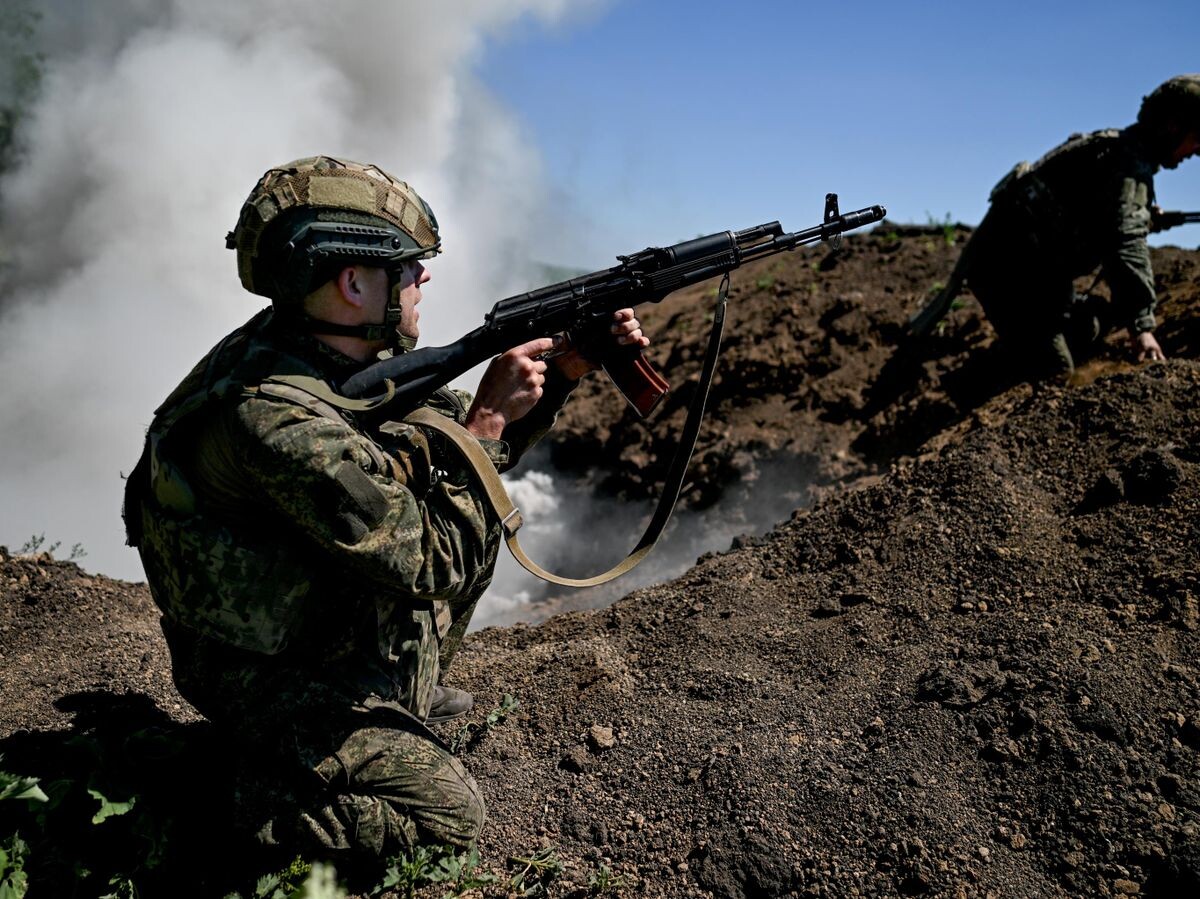
Russian philosopher Alexander Dugin answered the question of when the so-called "special military operation" will end.
"We better face the truth," mentioned Dugin, who points out in a post on his Telegram channel that "a significant percentage of the population in Russia still does not understand 'why the special military operation is taking place, for what reason it began, how much longer it will last, and when it will end'."
According to him, all this may not have been sufficiently explained to citizens from the beginning.
Dugin attempts to give his own answer to these questions.
Until we win...
Dugin argues that the operation was necessary to ensure the sovereignty of Russia, which, as he mentions, the country had almost lost due to the liberal policies of the 1990s.
When, under the presidency of Vladimir Putin, Russia began gradually and carefully to restore this sovereignty, it faced increasing pressure from the West.
"The special military operation arose because of the geopolitical confrontation between the unipolar Western world and the Russian state-civilization, as well as multipolarity, and not because of the personal decision of a single person.
The operation will continue until our decisive victory, when we liberate all of Ukraine from the pro-Western and Russophobic regime.
It will not end until we win," writes the philosopher.
The West can lead to a full-scale hot war
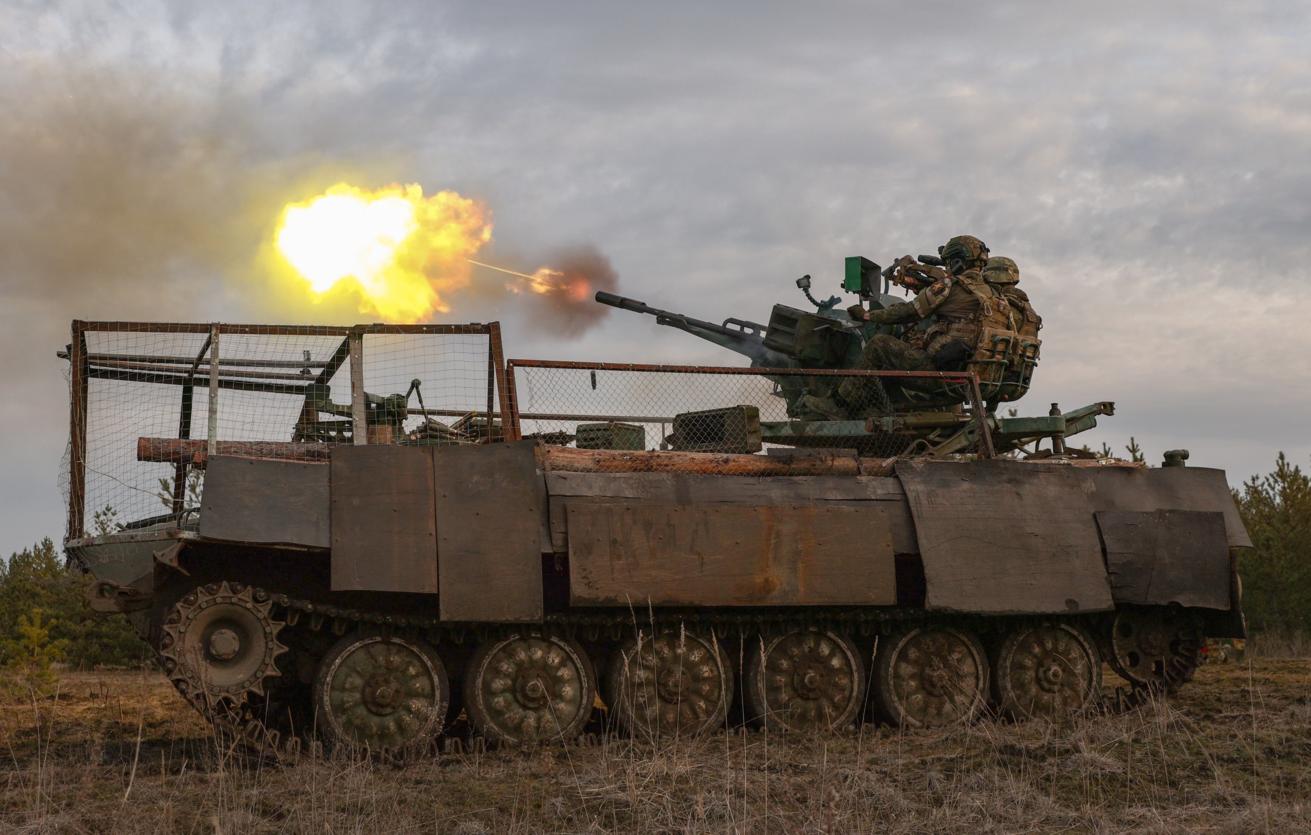
Dugin considers that the West, "with high probability", will lead the confrontation with Russia to a full-scale hot war.
"It is not excluded that it could also be nuclear," he adds.
"The world cannot be simultaneously unipolar and multipolar.
Either one or the other.
Since Russia wants to remain united and free, since it simply wants to exist, this is possible only in a multipolar world.
Therefore, it must win.
Not only Ukraine, but, if necessary, also the entire West," states Dugin.
Let us think how we will win
He also writes that "the war is just beginning and a return to pre-war conditions will never happen."
"This is a fact.
And everyone in Russia, absolutely everyone, must accept it as the only future.
It is better to face the truth and think together how we will win," concludes Dugin.
The attacks in Odesa
Nevertheless, Russia has essentially begun to isolate Ukraine from the Black Sea.
The attacks of the Russian army against Ukrainian port infrastructure cause concern both in Kyiv and in Western countries.
The results of this tactic already affect not only the organization of military transports, but also the state of the Ukrainian economy.
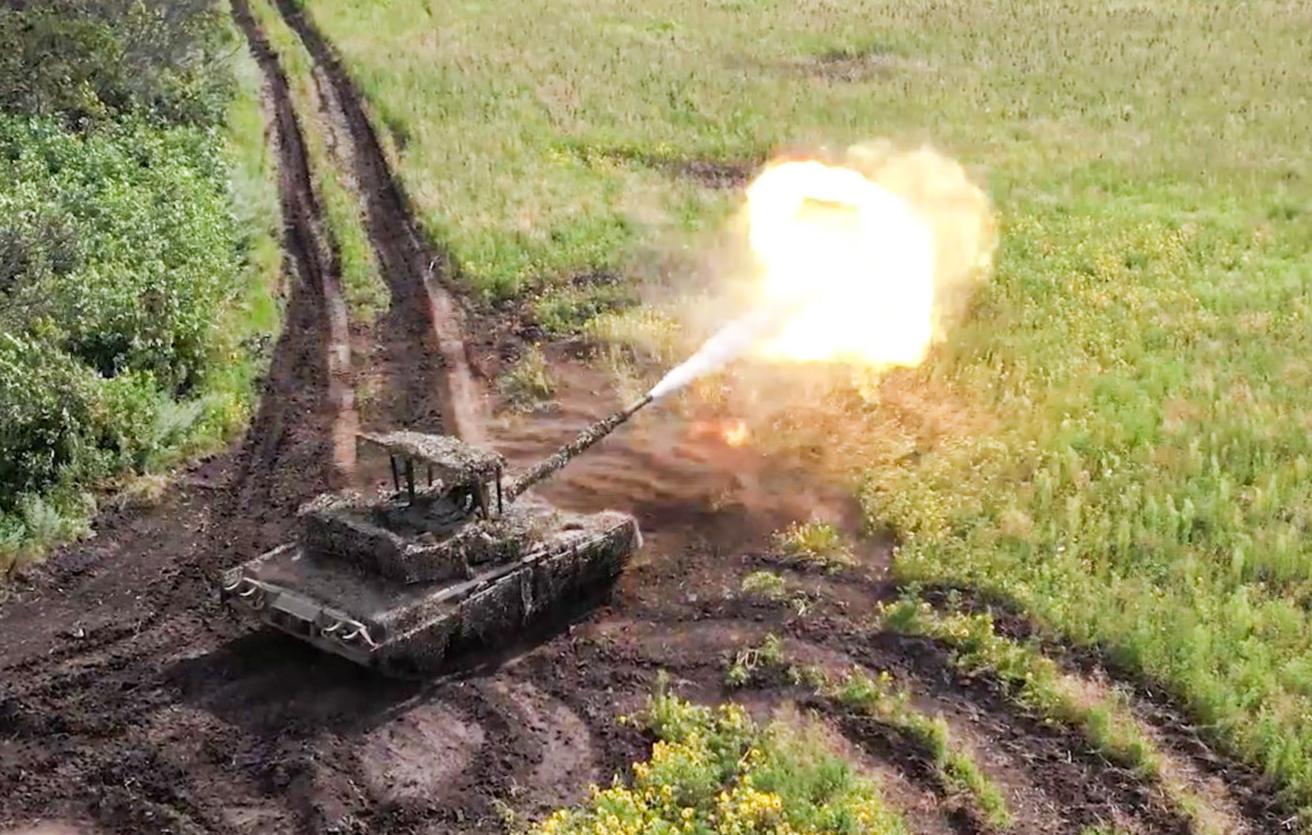
It is noted that in recent hours in the region of Odesa it is reported that a fuel station was destroyed, while drones also attacked two commercial bulk carrier ships and a cargo ship, which were carrying cargo for the Ukrainian Armed Forces to the port of Chornomorsk.
As reported, Russia systematically continues to strike the ports of Odesa, with the aim of cutting off the transport routes of Western weapons and fuel.
This is a tactic that is, among other things, a message to insurance companies that access to Ukrainian ports is becoming increasingly dangerous.
www.bankingnews.gr




Readers’ Comments