

Something is going terribly wrong for US military forces in the Middle East. At the exact moment US President Donald Trump attempts to project an image of absolute dominance, claiming that Iranian armed forces have been largely neutralized and lack air capabilities, a navy, or missiles, the actual facts behind this triumphalism reveal a starkly different reality. Dozens of American military personnel have been injured, US bases repeatedly sustain daily heavy Iranian strikes, Tehran's missile arsenal remains active, and the Pentagon faces accusations of concealing critical information regarding the true cost of the war. Both in terms of critical military equipment losses and human lives. Even leading US media outlets are now pointing to a lack of transparency, systematic suppression, and media management of a conflict that is unfolding very differently from what American officials attempt to present publicly.
Shock for 50,000 US troops
The United States cannot protect its 50,000 military personnel deployed in the Middle East from attacks by Iran, whose ballistic missile and drone arsenal remains substantial, the Wall Street Journal reports. US Central Command (CENTCOM) announced on July 18 the deaths of two American service members in Jordan during an operation to intercept Iranian missiles and drones. The report recalls the Iranian attack against the US Muwaffaq Salti Air Base in Jordan, during which the two service members lost their lives. According to US officials, that specific attack was one of three separate missile strikes that occurred within a 24-hour period last week.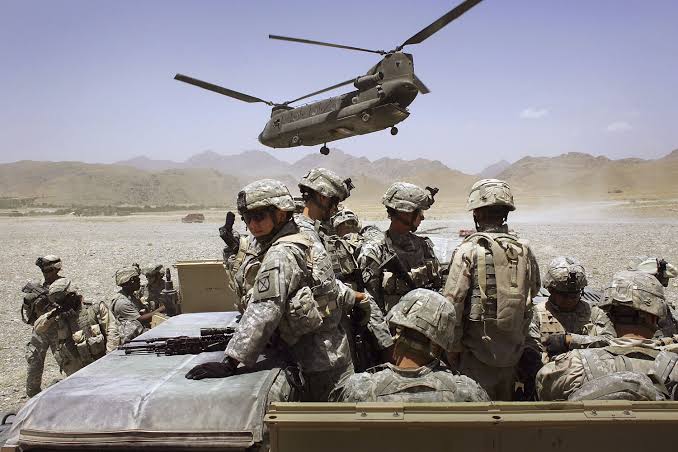
Unprotected
"The fact that three missiles managed to penetrate US air defense systems highlights the difficulties in protecting the 50,000 troops deployed in the region against Iranian forces, which continue to possess a significant number of ballistic missiles and drones," reports the Wall Street Journal. The newspaper, citing US officials, also notes that during the Iranian attack on the US Muwaffaq Salti base in Jordan, the missiles struck prefabricated housing units. At the same time, it reports that the body of another deceased individual was discovered at the military base, whose identity has not yet been verified.
Nearly 100 injured
On Monday, CBS News, citing the Pentagon, reported that nearly 100 US military personnel were injured in a series of Iranian attacks against American bases in the Middle East during July.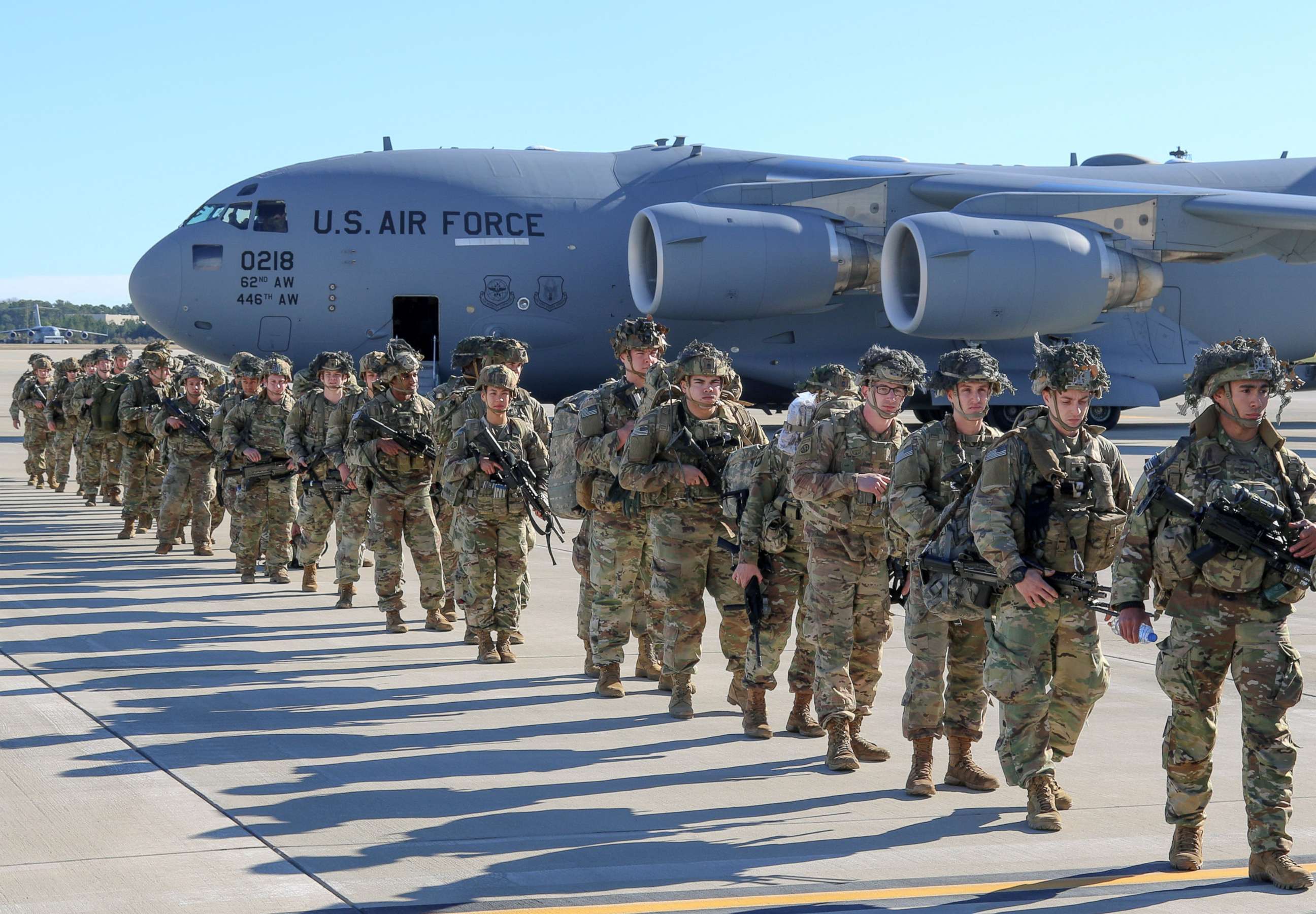
Why the Pentagon remains silent
As numerous US media outlets point out, the American public is entitled to transparency regarding the US war in Iran. Yet that is not what it is receiving — not by a long shot. The Pentagon has not held a press briefing in two and a half months. Defense Secretary Pete Hegseth has not explained the military strategy behind the renewed air strikes. His department has not disclosed the circumstances that led to the recent deaths of US military personnel.
Avoiding tough questions
All of this points to a broader effort to control information, restrict access, and avoid difficult questions about the war. During previous American military conflicts, Pentagon press briefings took place regularly, while military leaders often expressed respect — even if reluctantly — for the media's role and responsibility in informing service members, their families, and the rest of the country. Today, however, this appears to be a relic of another era, CNN notes.
Hegseth's stance
Hegseth has clashed with the media, including his former employer, Fox News, removing the press corps from the Pentagon building complex and noticeably restricting the free flow of information. Hegseth's public affairs office attempted last winter to replace — or at least supplement — seasoned military correspondents with journalists from pro-Trump (MAGA) outlets. However, even those outlets aligned with Trump no longer enjoy access. The Pentagon's last press briefing took place on May 5th. Responding to a request from CNN for comment on the prolonged absence of press briefings, chief Pentagon spokesman Sean Parnell stated that the US administration has "consistently provided comprehensive, real-time updates" regarding strikes in Iran.
What the Pentagon says
"President Trump and Secretary Hegseth are constantly updating the media and the American people directly through news outlets and the internet, offering a clear and unvarnished view of our goals and decisive actions," Parnell stated. "Furthermore, questions from Fake News journalists do little to inform the public. Their primary goal is to extract soundbites that can be used online to promote themselves and their own narrative," the Pentagon spokesman emphasized. Parnell's statement indicates that no new press briefing is expected in the near future.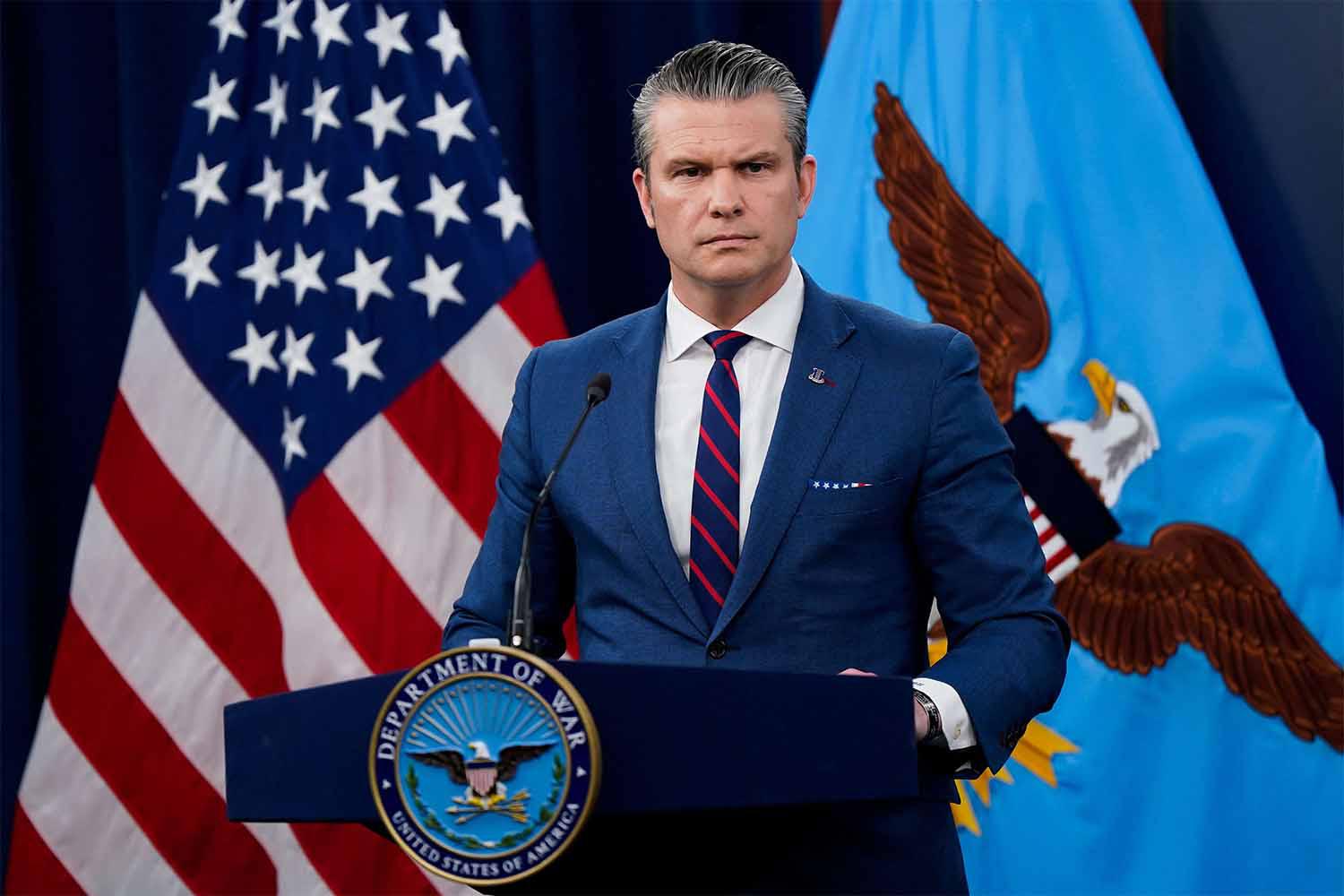
Leaks
Military correspondents report that they are now forced to rely more heavily on anonymous sources — the very sources Hegseth seeks to criminally prosecute. Last week, he announced the creation of a new anti-leak task force. "The atmosphere of intimidation has worsened since he established the task force in collaboration with the Department of Justice," stated a military correspondent under condition of anonymity. "Sources fear they will face criminal prosecution simply for speaking to journalists."
Anonymous sources fill the gaps
Most of what is known so far regarding the recent deaths of US military personnel in Jordan and Iraq is attributed to anonymous "officials". Reports from major news organizations state that the Pentagon declined to comment. The New York Times reported on Monday, July 20, that Iran "carried out three more strikes" against US forces in Jordan in recent days, injuring dozens of service members and damaging several helicopters. "However, the Pentagon did not disclose the previous strikes nor the casualties and damage they caused," wrote New York Times journalist Eric Schmitt.
Concealing the truth
Schmitt cited further examples of information concealment by the administration: "The Trump administration failed to reveal how the war with Iran depleted US stockpiles of critical and highly expensive weapon systems, as well as how Iran maintained and reconstituted significant missile capabilities." Over the weekend, the Washington Post cited an official who "spoke on condition of anonymity because they were not authorized to speak to the media," stating that the US is preparing for a broader war, while also warning: "We lack sufficient resources to safely maintain operations, and I do not believe the White House is aware of this." The obvious question arises: Did this individual speak to the Washington Post precisely to sound the alarm to the White House?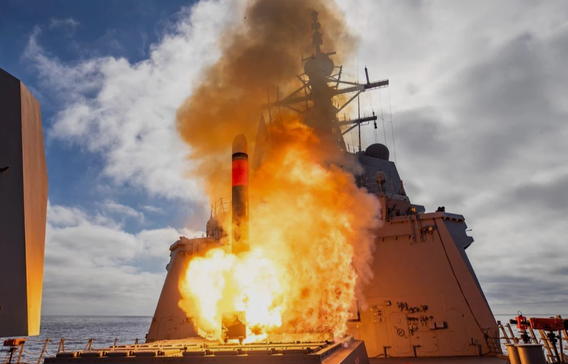
Inadequate explanations
"From the very first attacks, this war has been inadequately explained by the administration," wrote CNN analyst Stephen Collinson in a new analysis. "The return to something resembling a full-scale air war, following a ninth consecutive night of American air strikes, is no exception," the American analyst characteristically noted. Hegseth has said very little about the US strikes. Lately, he has mostly limited himself to reposting brief CENTCOM announcements. However, he has not remained entirely silent.
The... testosterone
Last week, he published an online video to promote a new mandatory testosterone testing program for military personnel. At the same time, he announced the creation of a "joint task force to IDENTIFY AND CRIMINALLY PROSECUTE LEAKS," but when journalists requested further information, the Pentagon did not respond. Meanwhile, President Trump continues to emphatically proclaim that the US is dominating Iran, a claim that creates stark cognitive dissonance. A video featuring Fox journalist Maria Bartiromo circulated widely on social media on Sunday.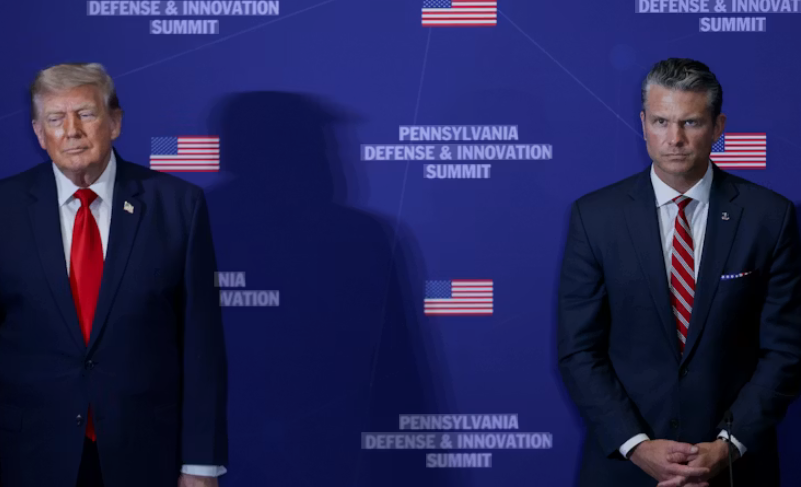
Trump... cannot understand
"I don't understand how it is possible for Iran to still possess such capabilities and continue launching attacks... after the US has flattened Iran's military and the president keeps repeating it," Bartiromo stated to a guest on her show. Trump has used the word "obliterated" dozens of times since the start of the war. Bartiromo's uncritical acceptance of this position was widely mocked by progressive critics on the X platform. Hasan Piker shared the video, commenting: "How do Trump supporters live like this?" On other Fox programs, some cautious criticism of Trump's war escalation was expressed. However, the following exchange, for instance, was not broadcast by Fox at all. On Sunday evening, AFP reporter Danny Kemp asked Trump: "Regarding Iran, Mr. President, you said at the beginning of the war that it would last four or five weeks..." and Trump interrupted him, stating: "What we are doing now is a much larger operation."
Why they delay
The Pentagon is slow to release information regarding injuries sustained by US service members during the ongoing war with Iran, avoiding public confirmation of the consequences of Iranian attacks and largely restricting the publication of total numbers to a military website that is updated with delays of several days or even weeks. Officials argue that this delay is intended to protect Armed Forces personnel. While during the early stages of the war US Central Command (CENTCOM), the military headquarters overseeing combat operations, provided periodic updates on injuries, in recent months it has ceased regularly disclosing non-lethal attacks.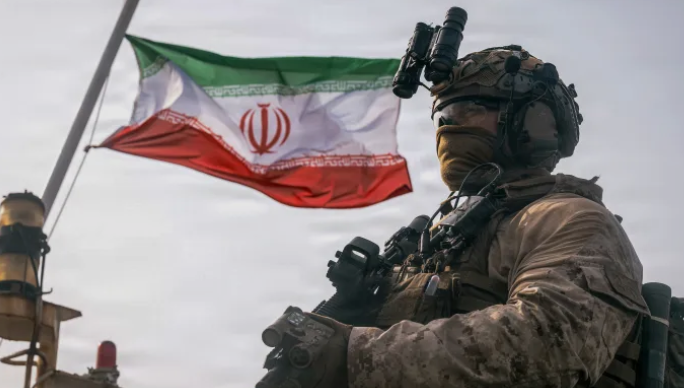
Tactical updates
This means that the Defense Casualty Analysis System (DCAS) now serves as the primary official source for the number of US casualties in the conflict. System data reviewed by CNN appears to indicate a significant delay in updates, while a Pentagon official stated that "it may take several days or even weeks for an injury to be recorded in military systems," due to required medical evaluations and verification procedures. However, the same official told CNN that the DCAS database is "updated regularly."
Aggregate reporting
Since the signing of the memorandum of understanding between the US and Iran in mid-June, DCAS had recorded one new US military death as of Monday afternoon. Navy Lieutenant Commander Gabriel Edwards, a helicopter pilot, was lost at sea following an accident on July 1 in the Arabian Sea. The system also displayed 14 newly wounded service members, the same figure disclosed in Friday's update. These injuries appear to be logged erratically and often in batches. One Air Force member was logged as injured in the July 13 database update, while ten soldiers and three sailors were recorded as injured in the July 17 update.
The 100 wounded
Following the initial publication of this report, the DCAS website was updated again on July 20, recording four new soldier deaths and 20 additional injured. However, according to chief Pentagon spokesman Sean Parnell, dozens of injuries remain unrecorded. Parnell stated Monday afternoon in a post on X that "nearly 100 members of the Armed Forces" have been injured since July 7th. As he noted, most injuries involve "mild concussions."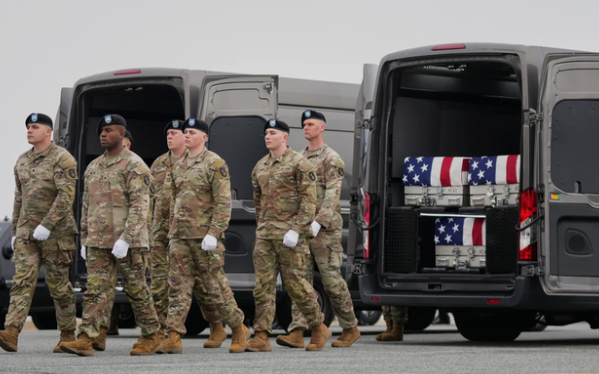
For protection reasons
Parnell previously stated that delays in releasing data are necessary to protect the more than 50,000 US military personnel stationed in the Middle East. "Providing real-time information to the media regarding non-lethal casualties is equivalent to providing that same information directly to our adversaries, which could place even more members of the Armed Forces at risk as adversaries gain direct access to this data," Parnell stated in a declaration. Parnell also maintained that the Pentagon and CENTCOM have "consistently provided comprehensive updates to the international community regarding US strikes and operations in Iran," adding that public statements and social media posts by President Donald Trump and Defense Secretary Pete Hegseth offer "a clear and unvarnished view of our targets and our decisive actions."
www.bankingnews.gr












Readers’ Comments