

The threats of new strikes on Iran are now launched with such frequency from the lips of US President Donald Trump, that the use of military power seems to have ceased to constitute the last resort and is turning into a tool of everyday politics.
At a time when the Middle East remains on the brink of a wider ignition as strikes and attacks by US and Iranian armed forces are now continuously recorded, more and more analysts warn that Washington risks getting trapped in a conflict without a clear goal, without a visible exit strategy, and with a cost that could far exceed the limits of the region.
Indeed, many analysts argue that the American strategy currently implemented by the Trump administration against Tehran, not only comes to overturn the principles followed by the US until now, but tests beyond Iran's endurance, the limits of American power as well.
And as it is proven, at least until today, the Iranians despite the continuous hits resist and endure.
And while Trump may be examining scenarios of further military escalation, analysts cite two very fundamental reasons why the American president will not ultimately unleash absolute chaos in the Persian Gulf.
Military power as a tool of pressure
It is the ultimate sanction.
And yet, for President Donald Trump, who once sought to win the Nobel Peace Prize for ending wars, the use of military power has been transformed into an almost daily option, a kind of stable background used to force Iran into negotiations.
The activation of the most powerful military machine in history constitutes the most serious duty faced by the commander-in-chief of the armed forces of the United States.
The Pentagon may have limited public information regarding American casualties and damage to its installations, but both continue to constitute an existing danger and reality.
Dozens of Iranians have lost their lives since the latest cycle of mutual attacks began, while since February the dead amount to thousands.
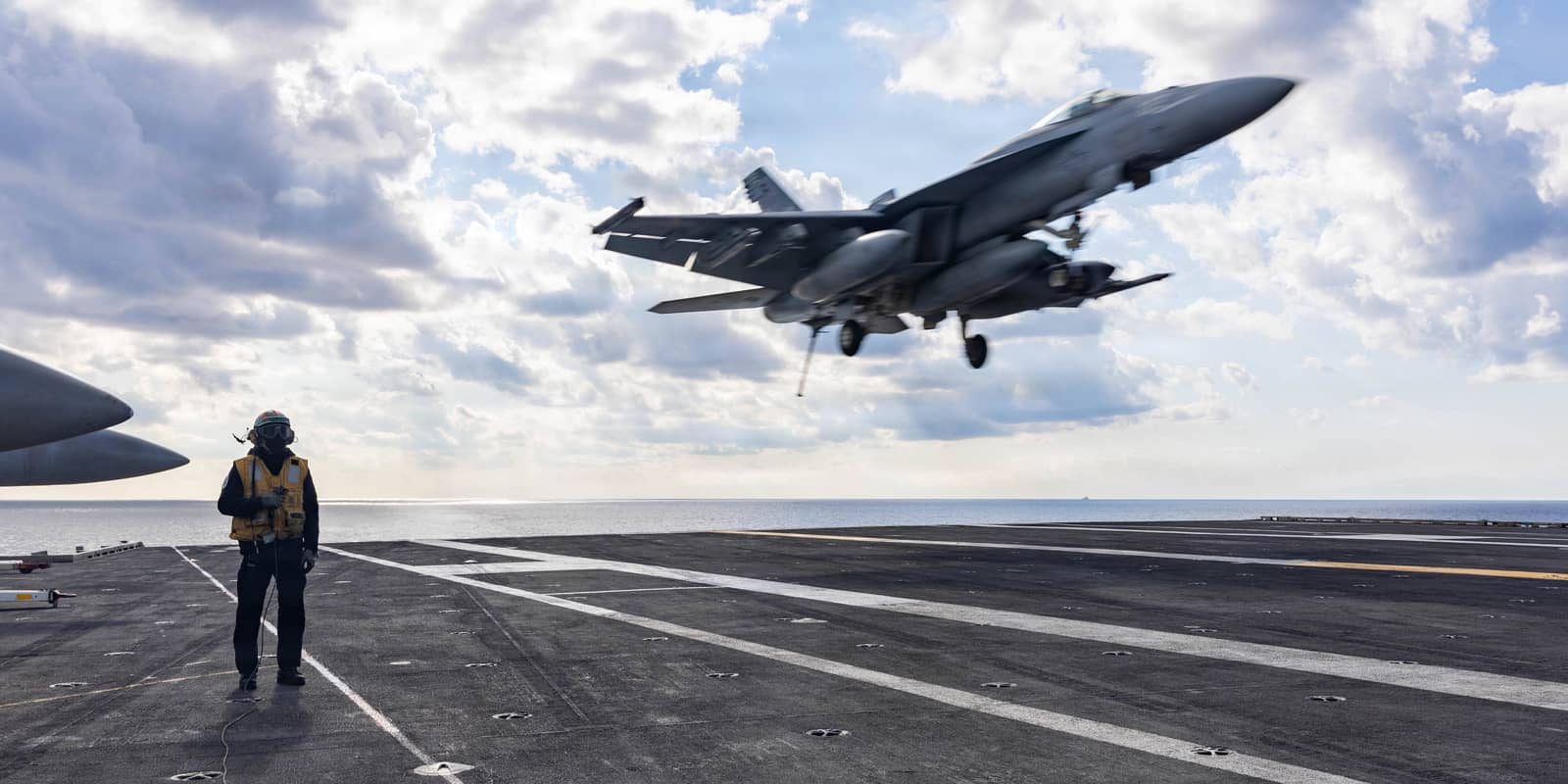
Original method
According to CNN, the normalization of violence should by itself constitute a non-negotiable red line and the resumption or even the threat of its use should not be treated as a casual reference.
The disruptive approach of the Trump administration may yield real, perhaps even unintended, benefits, while the president's method is undoubtedly original.
Catastrophic attack
However, as the collapse of the memorandum of understanding becomes increasingly apparent and the ceasefire that accompanied it seems impossible to maintain, Trump speaks about the possibility of a "catastrophic" attack against Iran almost in passing, as one more topic among the many he discusses with journalists.
This is a complex, if not alarming, moment both for the ethical use of military power and for its practical application as a means of deterrence.
The last resort
The nature of the threatened attacks gradually erodes the norms of behavior that for decades constituted one of the most important advantages of the United States.
Despite the criticism received by American foreign policy in recent decades, it remained clear that, at least at the level of declarations, the US attempted to adhere to international humanitarian law and presented the use of military power as a last resort.
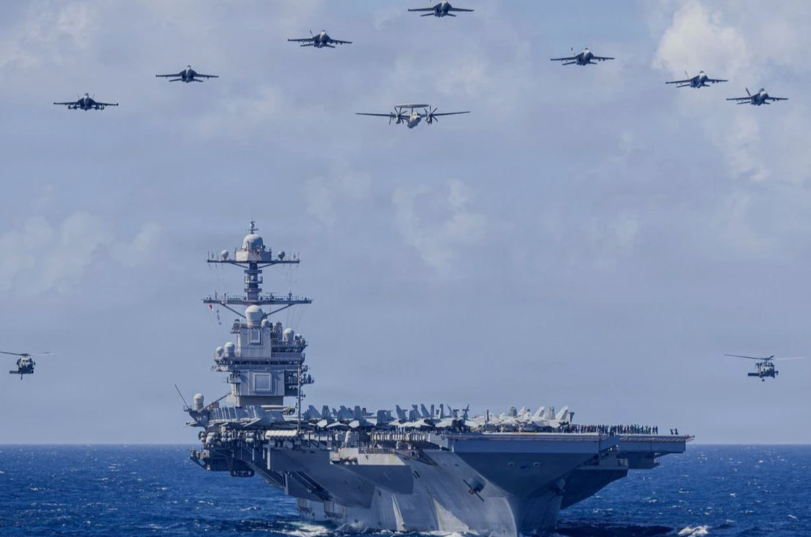
War crime
Instead of this, Trump speaks about the destruction of critical infrastructure in Iran, such as bridges and power generation plants.
Already, US forces launched the first attacks against bridges in Iran, with the argument that the goal was to cut off supply routes toward Bandar Abbas, where Iran possesses a naval base and uses it to attack ships in the Strait of Hormuz.
According to experts in international law and jurists, such attacks constitute a violation of international law and can be characterized as war crimes.
The supporters of Trump may argue that these legal interpretations belong to an older era and that the precedents of recent years have transformed the battlefield into a much more ruthless space.
However, the rules still apply, and indeed for serious reasons, while Trump speaks almost indifferently about their violation.
The case of Russia
When the President of Russia, Vladimir Putin, hits corresponding targets in Ukraine, the West reacts with strong condemnation.
The long-standing, even if superficial, hesitancy of the United States regarding the use of military power contributed to maintaining the deterrent power of the Pentagon.
The US participated in wars, but took care to explain the reasons carefully.
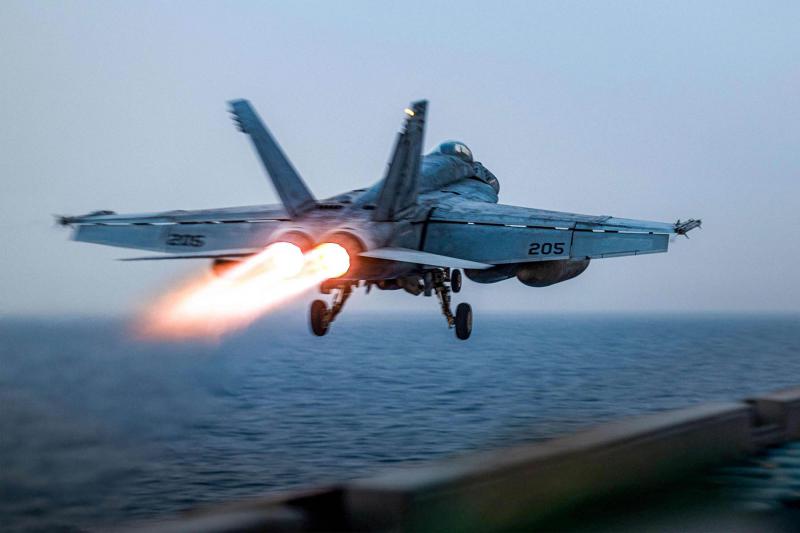
Overturn under Trump
During Trump's second term, American policy seems to have moved toward directions that his predecessors would avoid as a matter of principle.
The abduction of the until recently President of Venezuela, Nicolas Maduro, constituted a bold and high-risk operation, which gradually yielded results, as Caracas became more friendly toward the United States.
However, it shattered two fundamental principles: on the one hand, the international norm that prohibits the abduction of sitting heads of state from their capital city just because they are politically undesirable, and on the other hand, the peaceful image that Trump was trying to cultivate for a year, seeking, often in unorthodox but unsuccessful ways, to end the wars he inherited, particularly in the case of Ukraine.
Endless war
In the case of Iran, Donald Trump now seems to be heading toward the midterm elections having chosen his own endless war, a more limited version of a Forever War.
This is a conflict with an unclear strategic logic, shifting goals, and constantly diminishing domestic support, against an opponent that demonstrates greater commitment and resilience.
Vague ceasefire memorandum
The terms of the ceasefire were so vague, that they almost invited the hardliners of Iran to violate them.
The agreement provided that Iran would abandon something that Tehran itself claimed it neither possessed nor sought to acquire: a nuclear weapons development program.
At the same time, it left open the possibility for Iran to receive billions of dollars through the relaxation of sanctions, as an exchange for returning, more or less, to the situation that, according to the Iranians themselves, prevailed in February.
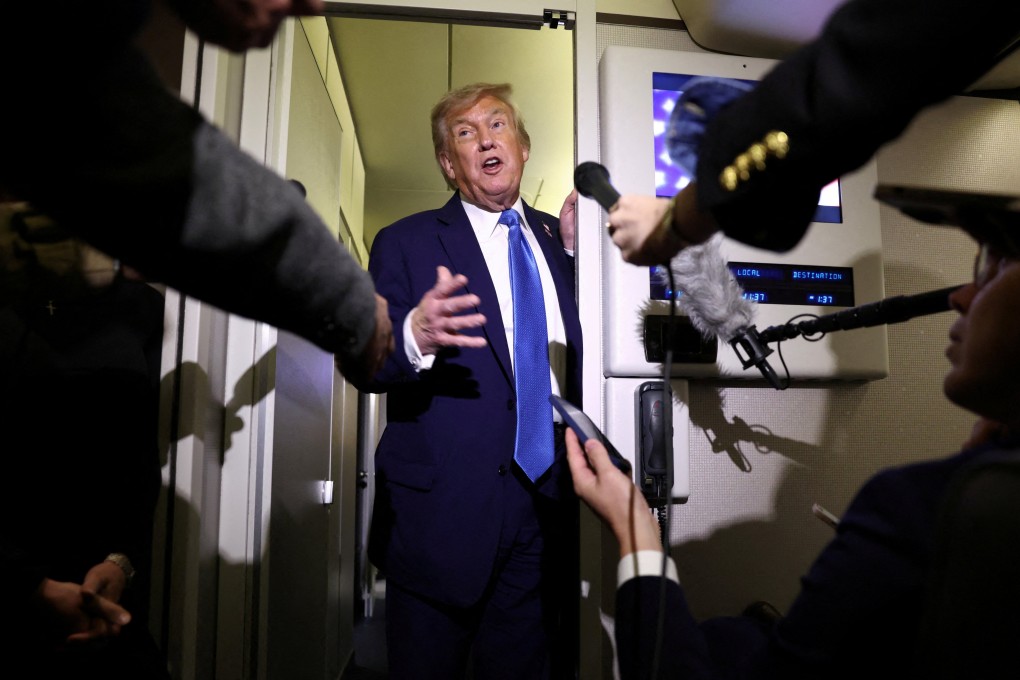
More than 13,000 strikes
Iran has suffered serious losses from more than 13,000 strikes, but managed to survive and reorganize, instead of receiving a decisive, mortal blow.
On the contrary, the United States seem to face greater difficulties in replenishing their munitions stockpiles than Iran in replacing its military commanders.
The limits of American power
This is the inherent problem of a power that remains largely unexploited.
It reveals up to what point the military force possessing it is truly prepared to go, but also the gap between its capabilities and the political will to use them.
Forever War
The term Forever War was used to describe the war in Afghanistan, where seemingly inexhaustible American military power, financial resources, and superiority in arms ultimately collided with the limits of endurance of American society and its disposition to continue a distant war.
The United States could have done more, but chose not to do so, even though the goal of the mission was revenge for the attacks of September 11 and the prevention of their repetition.
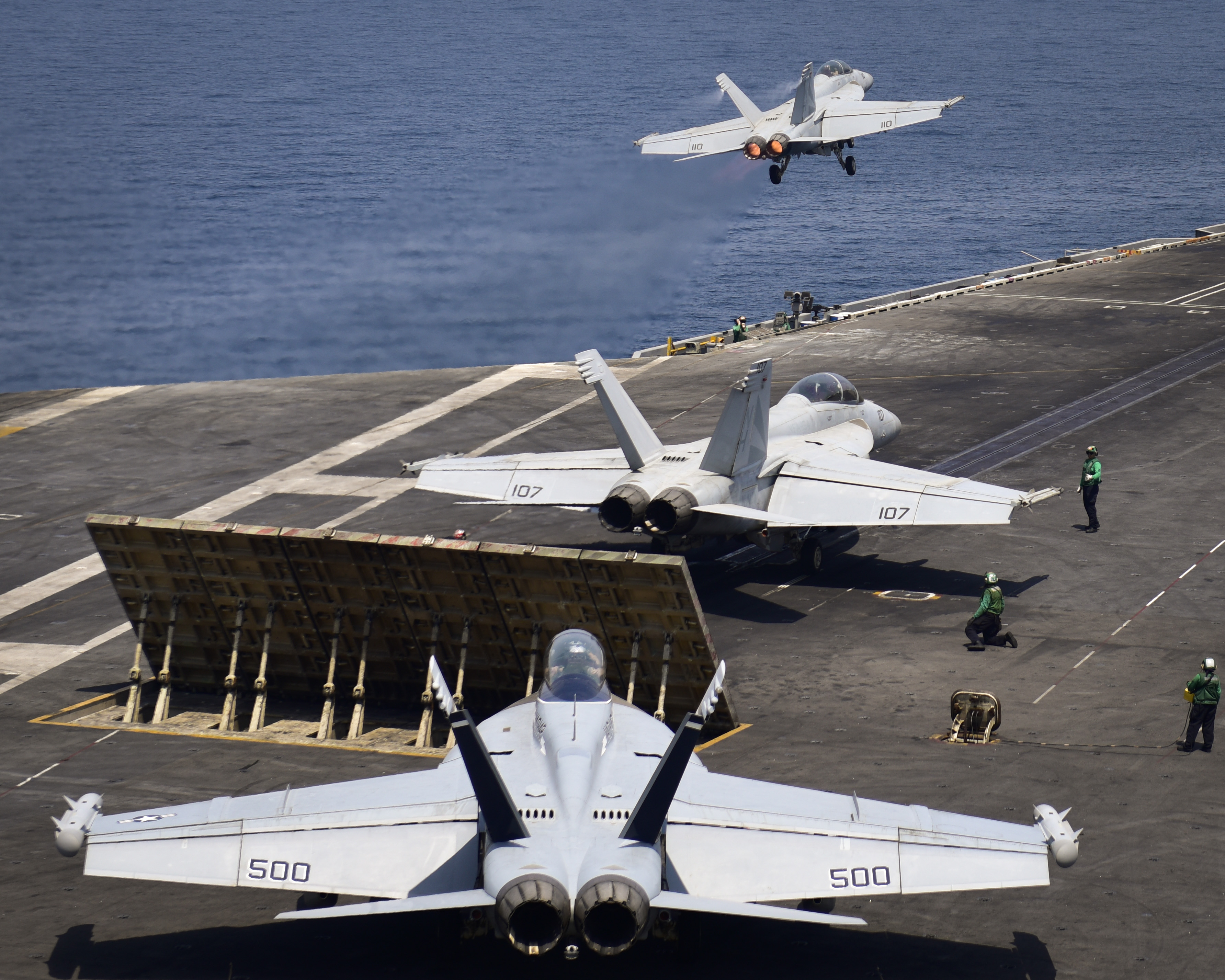
Iran a different challenge
Iran constitutes a different challenge.
At no stage did President Trump explain to American citizens why this war constitutes a matter of existential importance for the country.
It is the Coke Zero version of a war: Trump seems to believe he can consume it without paying any political cost.
He gives the impression that he simply decided to proceed to war, having been convinced that there was a window of opportunity by the Prime Minister of Israel, Benjamin Netanyahu.
No plan
But Trump possessed no plan for the next day, in case of a collapse of the Iranian regime; nor for the month that would follow after the first bomb; not even for two weeks later.
The way in which the conflict began, almost casually, also determines the way in which it is evolving today.
The message to Moscow, Beijing
The message received by the opponents of the United States is apparent not only in Moscow and Beijing, but also anywhere else where the same superficial perception with which Trump started this conflict is observed.
The fact that every night new dead are recorded in Iran is by itself abhorrent, particularly when treated almost with indifference.
It is worth remembering that even during the bombings of Baghdad in 2003, top commanders of the coalition had publicly expressed their sorrow for the way a clearly weaker opponent was receiving such heavy strikes.
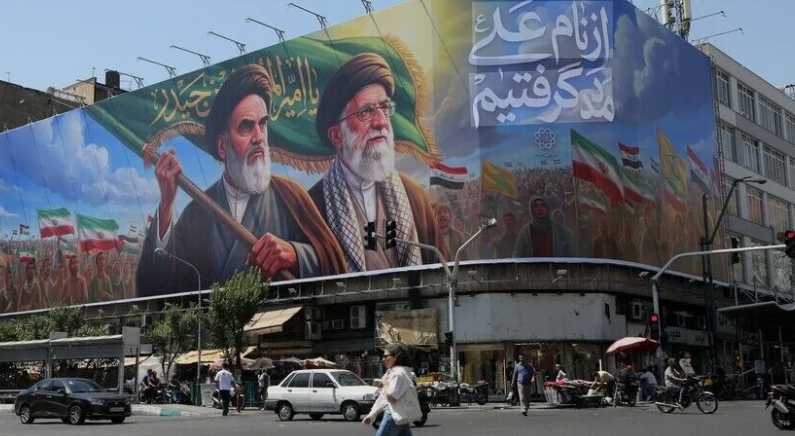
Iran endures
The resilience demonstrated by Iran during the conflict constitutes one more example of the limits of American power.
Donald Trump may threaten with a ground invasion for the seizure of strategic islands or with further escalation of the aerial campaign.
However, each time the threats for even greater violence are not implemented, they sound more and more empty of content.
The 2 factors
Two key factors limit the decisiveness of the United States to escalate the conflict.
The first is the price of oil, which seems to be approaching a crisis level once again as stocks decrease.
This development always constitutes a highly visible, often predictable but extremely volatile constraint on American military choices.
The second is the popularity of Trump itself, which records a continuous drop.
For an 80-year-old president who is in his second term, personal popularity might not be as decisive as delivering an economy in a manageable condition to his chosen successor.
However, the midterm elections may prove particularly painful for himself and his party.
Victory because it survives
The hardline regime of Iran achieves, in a way, a form of victory simply by surviving.
In January it was facing serious domestic social unrest.
It is rather unlikely to have become particularly more popular since then, but it did not collapse nor did it succumb despite the additional military pressure.
The Taliban in Afghanistan and the Iraqi insurgency managed to exhaust the United States through improvised explosive devices and persistent resistance.
However, these were not sovereign states.
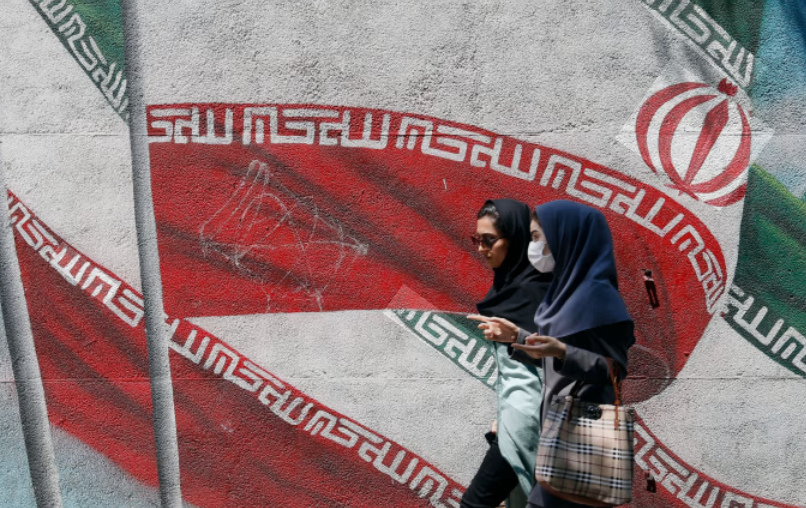
Tehran does not back down
The fact that Iran manages something corresponding has much wider geopolitical consequences regarding the way American power and its strategic concentration are perceived.
Iran managed to keep its state system functioning, despite the targeted assassinations on an unprecedented scale that have taken place over the last year.
At the same time, it forced the greatest military power in the world to resort to the use of armed force with the goal of forcing it to return to the negotiation table, so that a return to approximately the status that was in force in February could finally be discussed.
As pointed out, the development constitutes a characteristic example of American strategic error and casualness, while its consequences for the coming decades are now beginning to appear.
"In short, if you start wars in a way that shows you do not treat them with due seriousness, your opponent will consider that with the same casualness you treat their final outcome," CNN reports in its analysis.
Nightmarish scenarios in the Gulf: The appetite for US–Iran diplomacy has been lost
The latest conflicts between the US and Iran suggest that the "appetite for diplomacy" has now been lost, stated Trita Parsi, an analyst from the Quincy Institute for Responsible Statecraft.
"We are heading rapidly toward nightmarish scenarios, which until recently had been avoided," Parsi wrote in a post on platform X.
"Even if de-escalation cannot be achieved in the short term, further escalation can be prevented," Parsi added.
"And it must be prevented," the analyst pointed out.
www.bankingnews.gr






Readers’ Comments