

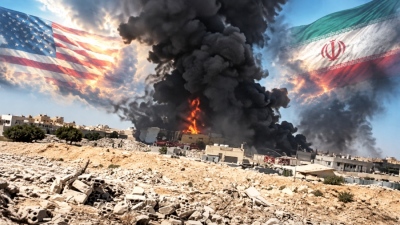
The global community stands a breath away from a generalized conflict in the Middle East, as the complete collapse of the Islamabad Memorandum of Understanding (Islamabad MoU) brings the US and Iran into a head-on military collision course, with American forces relentlessly hammering the Iranian South.
The American attacks on the southern axis of the country are not accidental.
Behind the explosions, however, hides a dynamic, evil strategic plan that is being adapted and developed behind the closed doors of the Pentagon.
Diplomacy has been suspended – At the most dangerous point of recent months
The situation is now at a breaking point.
As military and diplomatic analyst Alexandru Hudisteanu emphasizes, the time for diplomacy has now been "suspended."
"Diplomacy has not necessarily been lost definitively, but it has frozen.
In the end, both the US and Iran will have to find a way out of this war, as it benefits neither side.
Therefore, they will look for a conclusion," the analyst explains.
However, the major thorn remains: from the beginning of this conflict, the two sides had completely different goals and a different perception of what peace talks should include.
As a result, the region is trapped once again in a military snare, with the Strait of Hormuz turning into the ultimate flashpoint. We are now in the most high-risk phase of the last two months, in a game of extreme blackmail, brinksmanship, that can spiral out of any control at any moment.
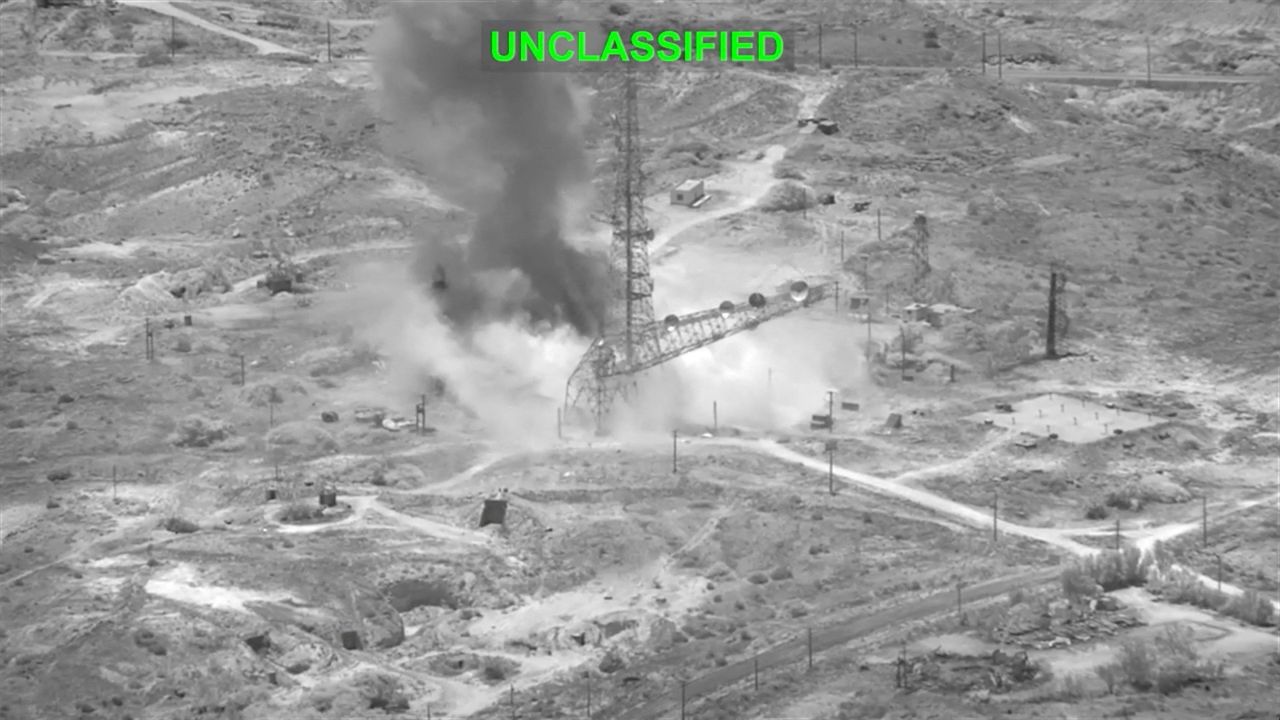
The three dangerous scenarios that judge the future of the region and the probability of a total war.
Security analysts uncover the confidential scenarios of the Pentagon which include everything from the seizure of the oil island of Kharg, to the ultimate diversion: the use of armed Kurdish organizations as a "Trojan Horse" for a surprise invasion that will lead to the dismemberment of Iran.
Scenario 1: Power diplomacy and the bargaining of concessions
The first and most optimistic analysis wants the US to escalate its military attacks in the South with the exclusive purpose of gaining the upper hand in future negotiations, forcing Tehran into painful retreats.
According to this model, the immediate and equally harsh military responses of Iran serve exactly the same purpose.
The two sides are "filling their fists" with military advantages, so as to approach the negotiation table from a position of strength.
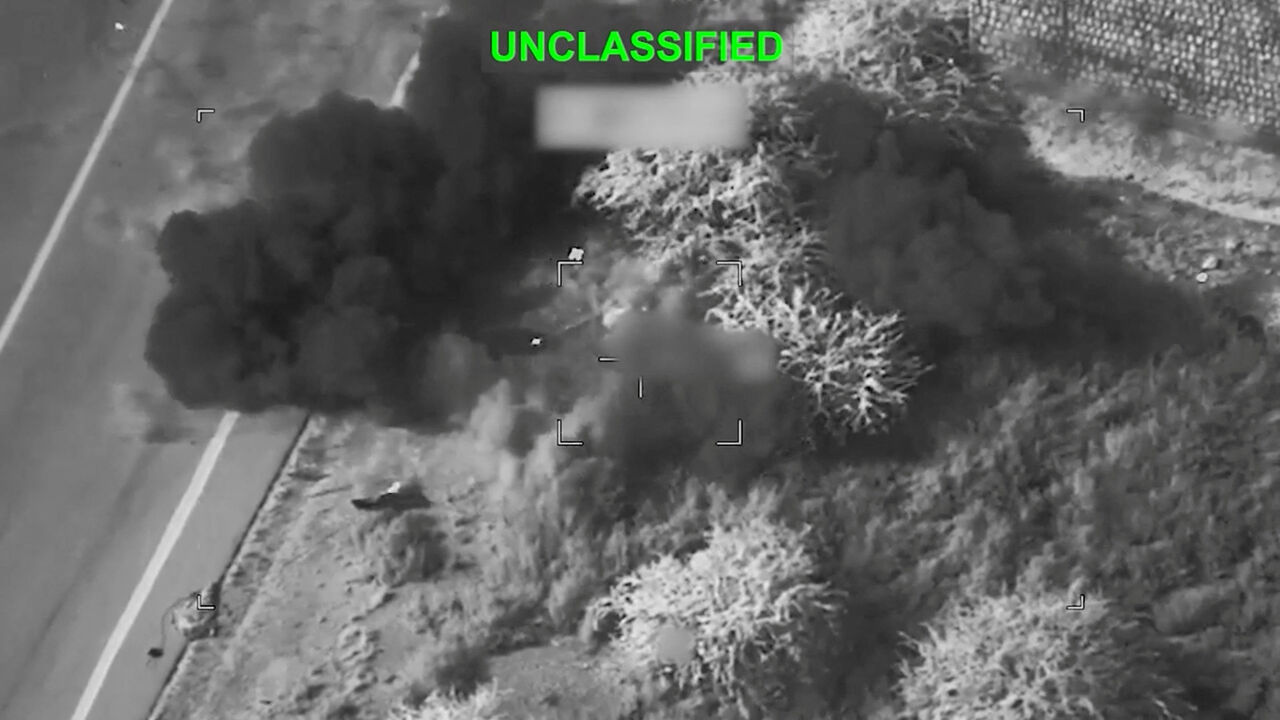
Scenario 2: Preparation for total war and the seizure of Kharg Island.
The second and clearly darker scenario shows that the two countries are already in a state of war.
The American attacks on naval units, surveillance towers, communication bridges, and military installations in the South constitute the prelude to a large, generalized assault.
The goal of the US is to blind the Iranian defense and limit Tehran's military access to the Strait of Hormuz and the Persian Gulf.
The next step in this plan includes a move that Donald Trump personally desires for a long time: the American seizure of the strategic island of Kharg, which constitutes the "heart" of Iranian oil exports.
Although such a landing of foreign forces carries an immense risk and the danger of mass human casualties, this possibility remains active in the staff plans.
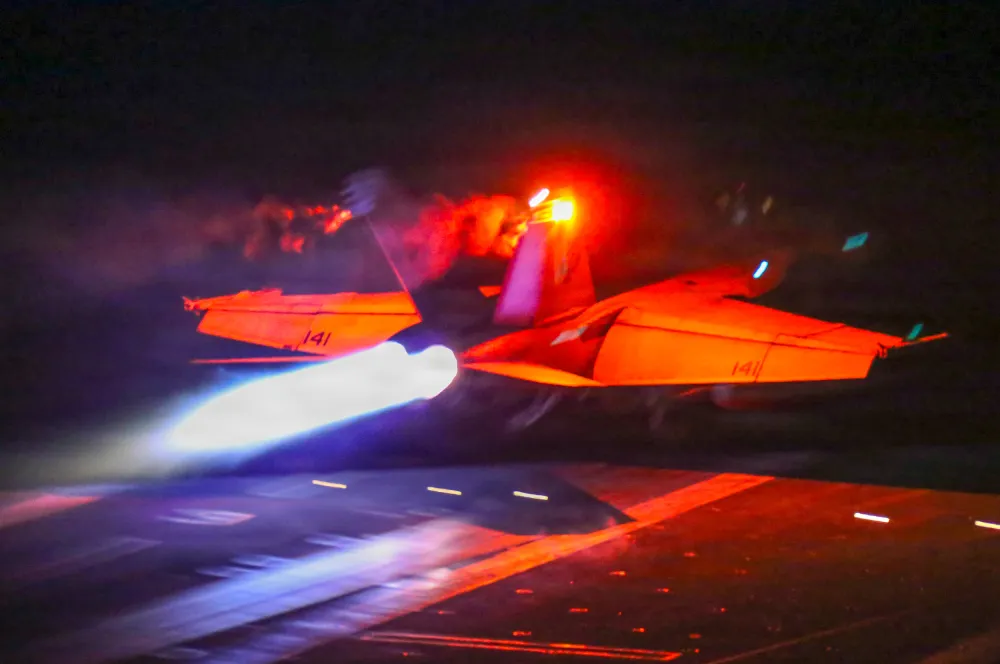
Scenario 3: The Kurdish Trojan Horse and the dismemberment plan
The third and most complex scenario concerns a strategy of absolute diversion.
The US is hammering the South to pin down Iran's attention and its best defensive forces there.
In this way, the northwestern borders are left exposed.
This will allow heavily armed Kurdish separatist organizations, which have been remaining on standby for years in northern Iraq, to carry out a surprise invasion into the Iranian provinces of West Azerbaijan and Kurdistan.
With the help of sleeper cells inside the country, the triggering of chaos, terrorist strikes, and the seizure of border territories is planned.
Although these groups do not have deep social roots among the Kurds of Iran, thousands of fighters in northern Iraq are waiting for the green light from Donald Trump to chase the vision of the Great Kurdish Republic, leading to the dismemberment of Iran.
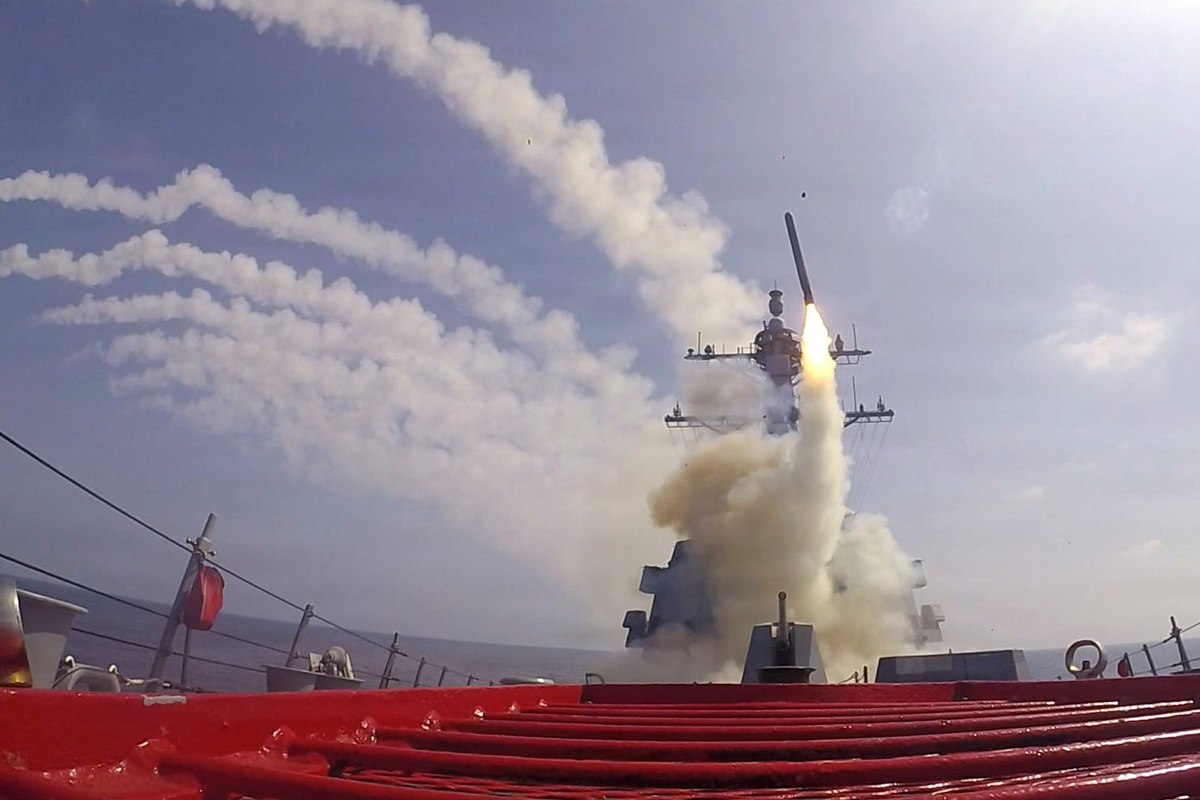
The next day...
Whichever scenario prevails, Iran is threatened with mortal danger.
Strengthening deterrence on the field, smart diplomacy, and removing extreme elements from decision-making centers constitute the only way out for the country to overcome this dangerous historical crossroads.
www.bankingnews.gr






Readers’ Comments