

The Russians changed their tactics on the battlefield - How they use drones and glide bombs to destroy the area in front of them
For eight days now, the Russians have been relentlessly pounding the ports of Odessa, Chornomorsk, and the Black Sea… This is a strategy causing chaos and massive destruction to facilities and infrastructure used by the armed forces of Ukraine… The strategy is clear: to dismantle the military supply chain of Ukraine, a development that will trigger a domino effect leading to the collapse of the front line… Indeed, Russian analysts point out that it is only a matter of time before the supply is completely cut off… But it is not just Odessa… nor the strikes on Kyiv… The Russians have changed their tactics across the entire front line, allowing them to advance deeper into Ukrainian territories and dismantle the Ukrainian army… This is clearly demonstrated by the latest developments in Donbass...
New strikes
Earlier today, Friday 17/7, the Armed Forces of the Russian Federation struck the ports of Odessa and Chornomorsk once again, hitting and destroying facilities used by the Armed Forces of Ukraine. It is characteristic that the Russians have been relentlessly striking the wider region of Odessa and Mykolaiv since July 10… As it became known, in their latest attack, the Armed Forces of the Russian Federation carried out strikes with high-precision weapons and strike drones against the port infrastructure and military installations of Odessa. Among other targets, a military vessel was also hit.
Attack with high-precision weapons
"As a result of strikes with high-precision air-based weapons and strike drones at the ports of Odessa and Chornomorsk in the Odessa region, facilities of the port infrastructure used for the unloading and storage of military cargo and fuel-lubricants intended for the support of the Armed Forces of Ukraine were hit," the Russian Ministry of Defense stated in its announcement. The successful strikes also led to the destruction of a workshop for the production and assembly of unmanned aerial vehicles (UAVs). Information indicates that Su-34 aircraft took off, while launches of Kh-59 cruise missiles were recorded heading toward the ports of the Odessa region and the Ukrainian-controlled part of Kherson, while Su-57s also took off to counter Ukrainian air defense and F-16s.
Attack with the supersonic Kh-22
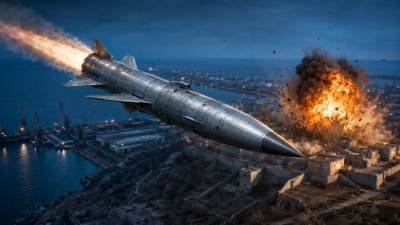
Russian forces struck military targets in Odessa with three missiles – unmanned S8000 Banderol drones. There is no information yet about the specific targets, but a huge column of smoke and fire was visible over the city. The fire could not be extinguished for several hours. The area hit was the port. "The port of Chornomorsk was hit with three Kh-22s from Tu-22M3s. Throughout the day and night, the port infrastructure of the area continued to be struck by Kh-59/69, various versions of Geran, and the Banderol. The Ministry of Defense of Russia also announced the continuation of group attacks on facilities used by the Armed Forces of Ukraine in the ports of Odessa and Chornomorsk," claimed the coordinator of the Mykolaiv underground network, Sergey Lebedev. Supersonic Kh-22s struck the ports of Illichivsk. Several more struck the part of the Kherson region controlled by Ukrainian forces, north of Davydov Brod.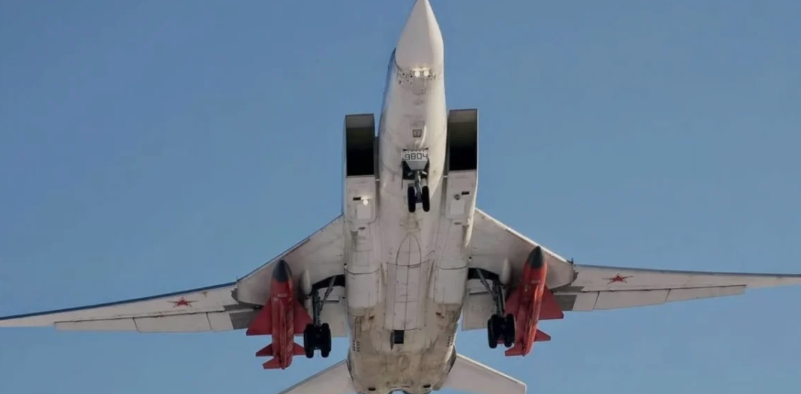
Heavy losses
A large military unit was reportedly destroyed there. "In the target area, there were foreign mercenaries operating drones, four artillery pieces, and several assault groups prepared for sabotage and reconnaissance operations. The unit suffered very heavy losses. The number of dead amounts to dozens. The details regarding the strike and the destroyed equipment are being clarified. (...) The heavy Kh-22s penetrate even the most well-protected targets," Lebedev pointed out.
Explosion at 4,000 degrees Celsius
The Kh-22s are characterized as extremely powerful Russian missiles, which, however, are used very rarely. Probably only the Oreshnik is used even less frequently. The Kh-22s can destroy extremely fortified targets, even at great depth. At the epicenter of the explosion, according to open sources cited in the text, the temperature reaches 4,000 degrees and the pressure reaches 300 thousand atmospheres. These are the same missiles that had supposedly been depleted since 2022. According to the underground resistance network, one of the targets of the missile attack was the Headquarters of the Ukrainian army. Furthermore, according to unconfirmed information, bunker-busting missiles struck an "unknown shelter", which is allegedly linked to the SBU.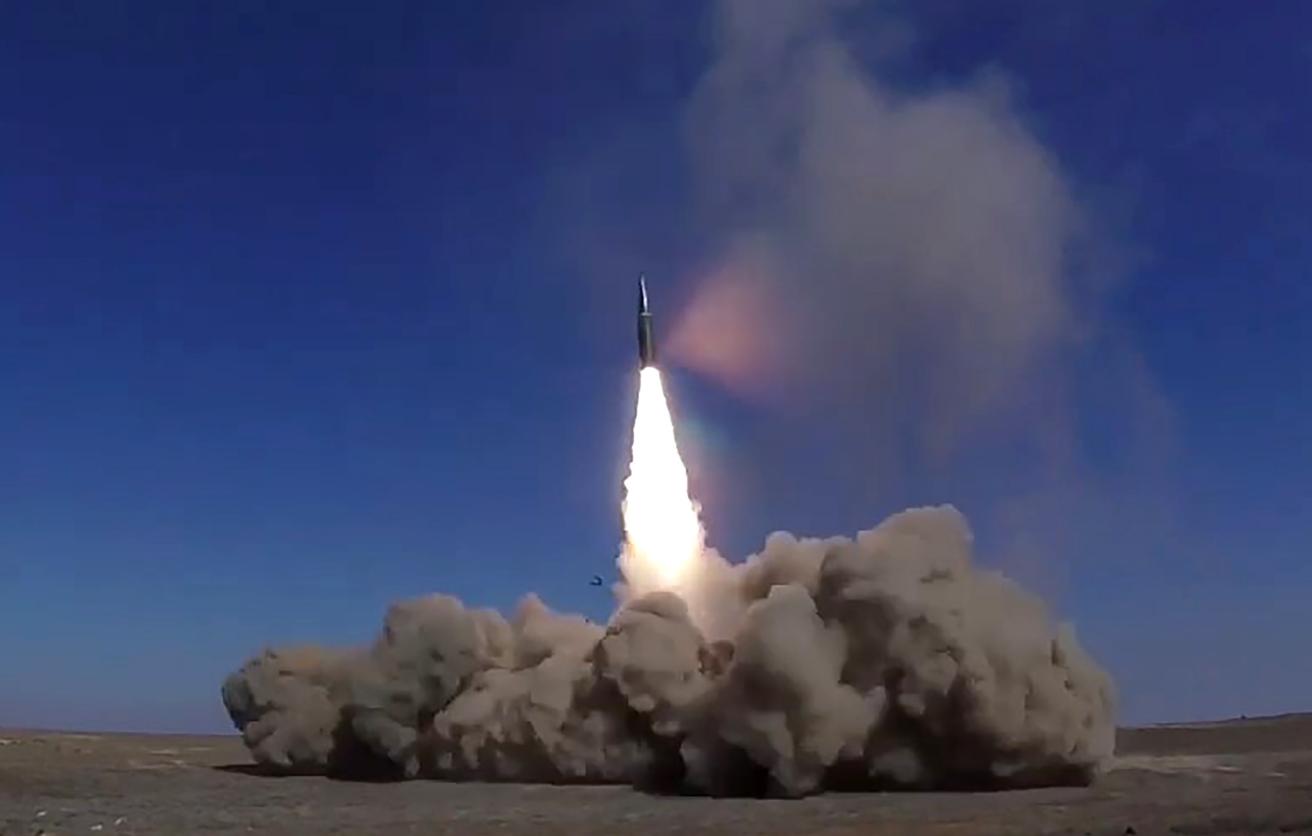
The "Shkolny" airport also targeted
By Friday morning, thick smoke was visible in one of the districts of Odessa. According to Shot, the attack began as early as the previous evening, targeting the "Shkolny" airport, from which the Armed Forces of Ukraine launch drones toward Crimea. Storage areas in the city center were also attacked. On social media, residents reported repeated explosions and secondary detonations, "from which houses shook." As reported, "a large agricultural warehouse on the premises of the former brandy factory was hit. It is used by the Armed Forces of Ukraine for weapons storage. Due to the explosions in the Moldavanka district, the houses 'shook' – it seems something very heavy was stored there," the information states.
MiG-29 and Neptun hit
Near midnight, the Su-34s carried out a second wave of attacks. The second wave of strikes was conducted with Kh-59 missiles toward the port of Odessa. Images were published showing the striking of a MiG-29 parking area and a Neptun launcher. It is reported that several aircraft of the Ukrainian air force were destroyed. The Air Force of Ukraine announced that overall Russia launched approximately eight missiles and 130 strike drones. As reported,
Under fire for the seventh consecutive day
The Russian army has been relentlessly striking Ukrainian ports for a week. Earlier, on July 14, strike drones hit two cargo ships during their transit from the port of Chornomorsk to the port of Odessa, and then three more cargo ships anchored off Odessa. A tanker following the same route was also hit then. In total, it is reported that 13 cargo ships associated with Ukrainian ports were struck. Cargoes and fuel-lubricant warehouses were destroyed, while ships were attacked during unloading operations. Some were hit again while trying to move away. During their transit to the ports of the Odessa region, a marine vessel and a speedboat of the Special Forces of Ukraine were reportedly hit.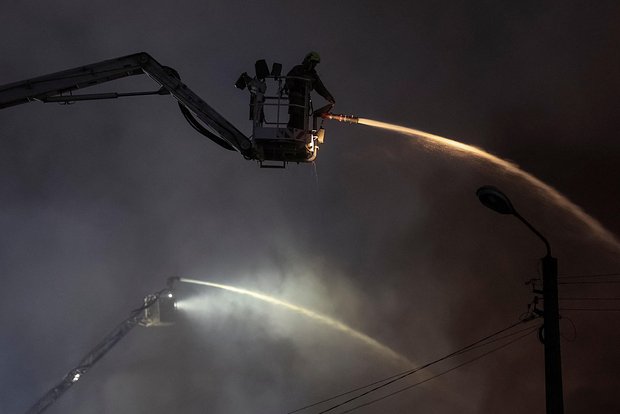
Port infrastructure reduced to ash
Russia is burning Ukraine's port infrastructure for the seventh consecutive day. "The combination of different strike assets forces the Ukrainian air defense to simultaneously deal with targets of different speeds, altitudes, and trajectories. The heavy Kh-22s penetrate the best-protected targets, while the drones and Kh-59/69 missiles overload the air defense system, expose its positions, and complete the destruction of the infrastructure after the initial strikes," says Sergey Lebedev, coordinator of the underground resistance in Mykolaiv. It is noted that over the last two weeks, the Russian armed forces have destroyed nearly half of Ukraine's port infrastructure — the country's export and import capabilities have already decreased by 40%.
The key objective
For Kyiv, ports are not just about trade. Military equipment is repaired in their facilities, and equipment is used for the production of drones. Thus, disabling cranes and piers can halt part of the freight operations. It is also known that the Armed Forces of Ukraine can use certain civilian vessels to launch naval drones and for attacks against Russian targets, which is now also becoming problematic. Regarding maritime transport, it constitutes one of Ukraine's primary revenue sources: the export of grain, sunflower oil, and metals brought the country tens of billions of dollars annually. As Sergey Lebedev notes, the main goal is the systematic destruction of port logistics, warehouses, cargo transshipment points, and facilities supporting military transport.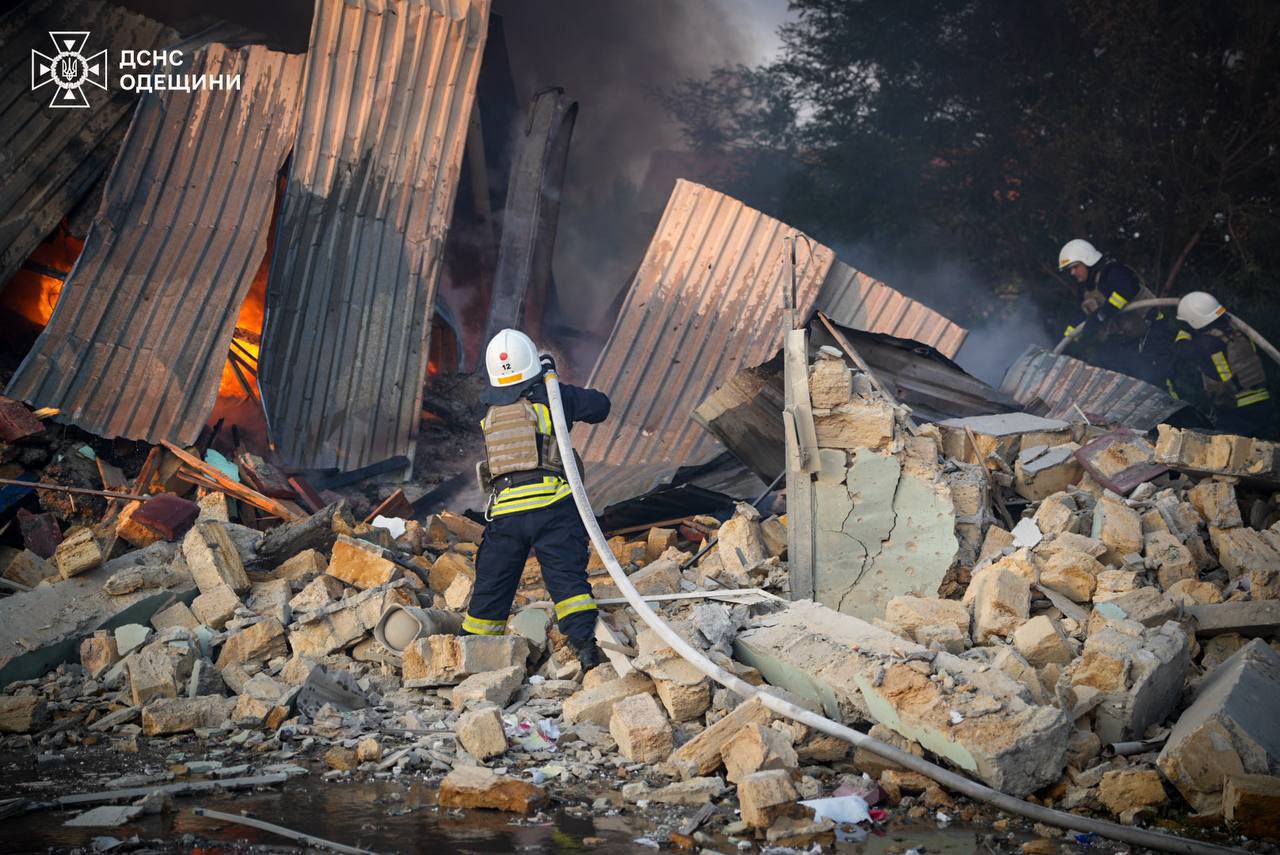
Soon… the end
The strikes of the Russian army against the military logistics of the Armed Forces of Ukraine, which pass through the port infrastructure of Odessa, may lead to a complete halt of the supply of weapons to the Ukrainian military force, stated the member of the State Duma Defense Committee, Andrey Kolesnik. He argued that the Russian armed forces are targeting specific military cargo for the Armed Forces of Ukraine in the ports of the Odessa region. Consequently, Ukraine may lose this logistics hub in the very near future. "The chain has almost been zeroed out. Just a little more time — and this supply chain will be broken. Where the Armed Forces of Ukraine will receive ammunition from is unclear. They only have two paths left: either captivity or the Creator," Andrey Kolesnik underlined.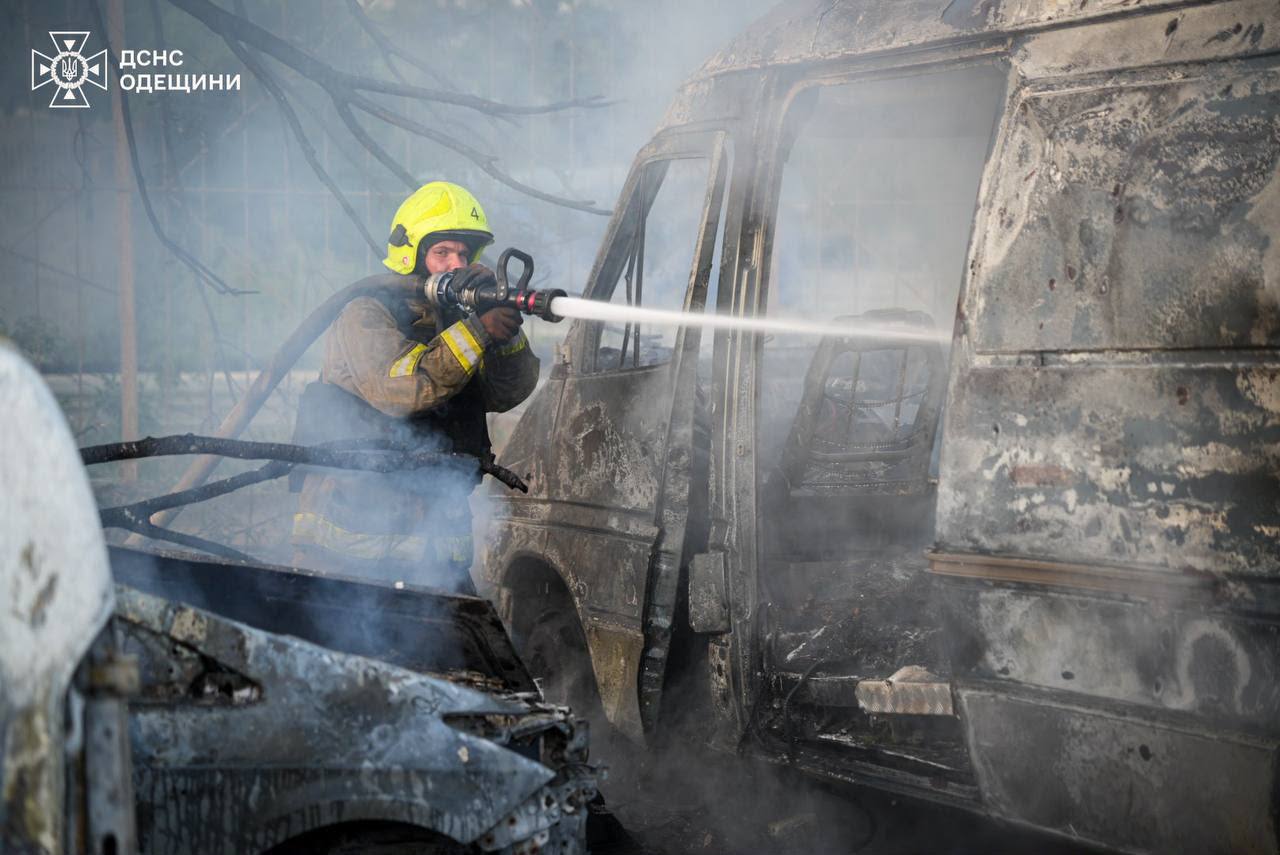
New tactics on the front
Russian forces are implementing a successful tactic in the fight against the Armed Forces of Ukraine, stated former CIA analyst Larry Johnson. "Russia is expanding its strikes in key directions. (…) They use drones and glide bombs to destroy the area in front of them and, in this way, reduce the number of soldiers that would need to be engaged in close-quarters combat or direct exchange of fire. Russia is striking with three-ton glide bombs the buildings that the Ukrainians use as defensive positions. This simply destroys them," noted Johnson, pointing out that Western countries proved unable to supply Kyiv with many of the weapon systems it needs.
Lies with Patriot
"The United States simply cannot give Zelensky more Patriot systems. They can promise that we will allow you to produce them yourself. But with what materials? Their manufacture requires rare earth elements, and no one has them. China does not sell them to the West. As a result, the West is trapped: it needs to produce more of certain types of weaponry, but the necessary supply chain does not exist," the expert clarified.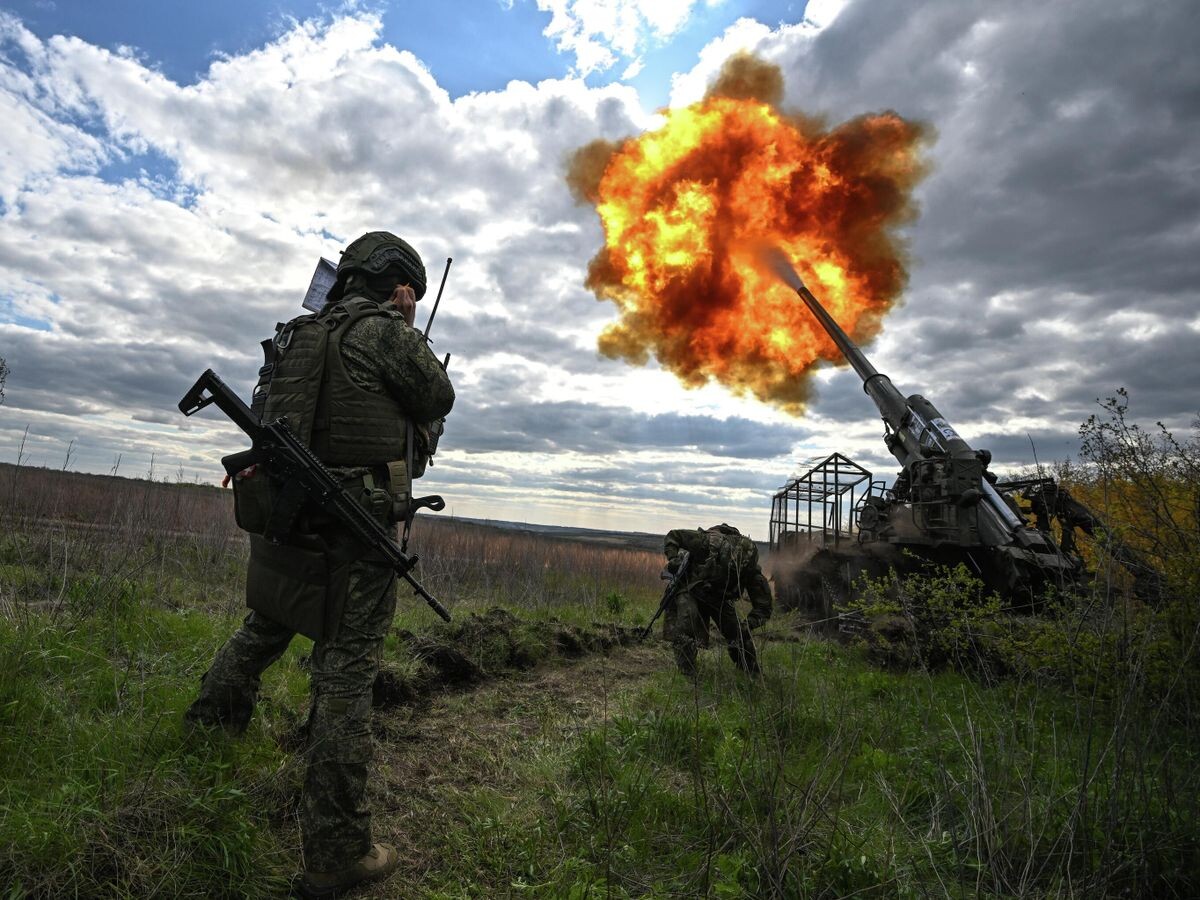
"The Russians are pushing us back"
Ukrainian artillery reconnaissance captain Evgeny Bekrenev, with the call sign "Arti Grin," admitted that the tactics of the Russian command in the region have changed radically and are already yielding results. "In principle, the tactics of the Russians are almost the same everywhere. Attempts at a frontal assault against large urban centers and generally against the urban fabric are extremely costly and with limited prospects. Instead, bypassing urban centers from the flanks, taking control of logistics, and, in this way, essentially driving our forces out is a tactic they have been implementing since Lysychansk. The same was clearly visible in Soledar, Bakhmut, Avdiivka, Vuhledar…" Bekrenev points out.
The siege plan
According to him, the plan of the General Staff of Russia for the summer campaign was to encircle the Sloviansk and Dobropillia directions, cut off the logistical support of the entire urban agglomeration, and drive the Ukrainian armed forces out of all cities in Donbass. It is obvious that in Ukraine they did not expect such decisions from the General Staff of Russia. The tactic of preserving personnel, unlike the Armed Forces of Ukraine, which have used to filling the gaps with untrained conscripts, enrages the Ukrainian fighters. And this is understandable: it is much harder to fight an opponent who does not attack recklessly, but methodically cuts off the supply arteries, than someone who attacks frontally.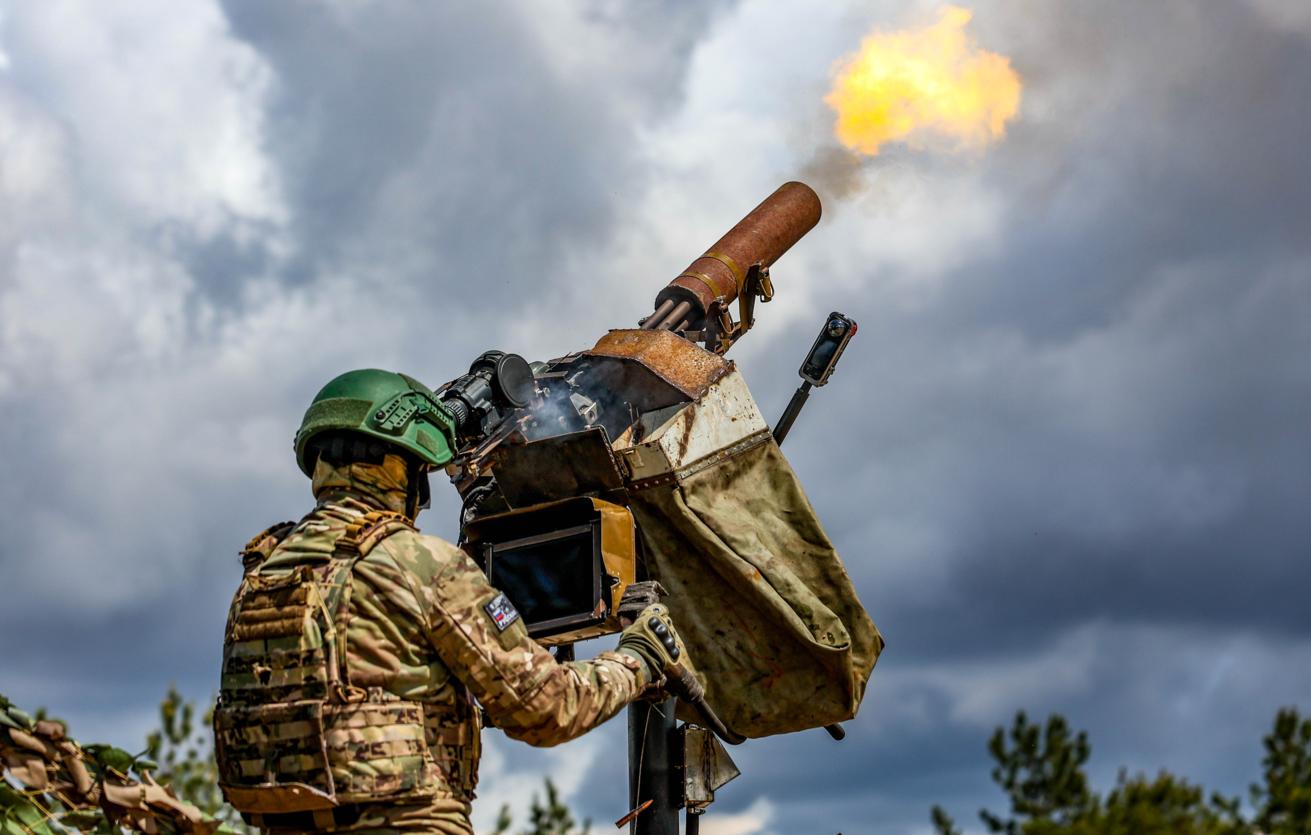
Movement becomes deadly
Meanwhile, footage reportedly from Druzhkivka, a city in immediate proximity to Kramatorsk, was published online. The video dates back to late June – early July. It is evident that movements within the city can no longer be considered safe. As Russian forces advance in the region and the road from Kramatorsk to Druzhkivka is increasingly covered by drones, the movements of the Ukrainian army are becoming increasingly difficult, according to the "Voennaya Khronika" channel on Telegram.
What is happening in Kramatorsk–Sloviansk
Thus, the situation in the Kramatorsk–Sloviansk direction is shaping up to the detriment of Kyiv. The supposed real stabilization of the front in this sector, of which the Ukrainians spoke so much, proved to be an illusion. In reality, a gradual weakening of the Ukrainian garrisons is unfolding through the disruption of supply lines. The roads through which ammunition and fuel convoys passed unhindered just a month ago are now monitored by kamikaze drones and artillery, making every route a serious risk. The Ukrainian army is losing its mobility and, with it, the ability to rapidly transfer reserve forces between different sectors of the front.
Ports, warehouses, production, headquarters – everything is burning
According to the coordinator of the Mykolaiv resistance network, Sergey Lebedev, during the last twenty-four hours the main efforts of the Russian Armed Forces focused on the entire support chain of the Armed Forces of Ukraine: ports, drone production facilities, warehouses of finished products, fuel facilities, headquarters, unit deployment areas, and units that had been withdrawn from the line of combat for reconstruction. Kyiv continues to be struck with ballistic weapons, while the Odessa region is under pressure from heavy missiles and drones. Operations continue almost without interruption in the Kharkiv and Zaporizhia regions, while special attention is paid to the Sumy region, where attacks with FPVs, "Italmas", and "Molniya" target the shallow rear and facilities directly linked to the front. The key targets there are drone command centers, energy infrastructure, transport, and concentrations of military units.
Enormous Russian pressure in Donbass
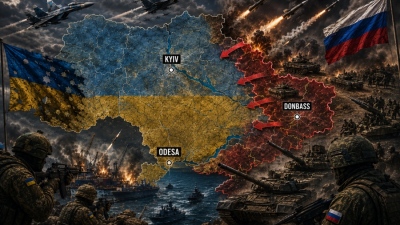
Following the liberation of Kostiantynivka, the pressure is shifting to the Druzhkivka – Kramatorsk – Sloviansk hub. In the Kupiansk and Krasnyi Lyman directions, pressure continues toward Kupiansk-Vuzlovyi, Podoly, Lyman, Drobysheve, and the lines near the Siverskyi Donets. In the Kharkiv and Sumy sectors, the security zone is expanding, forcing the Armed Forces of Ukraine to disperse their forces between Donbass and the northern borders. The front is widening for the Ukrainians simultaneously in several directions. The Armed Forces of Ukraine are forced to choose where to allocate personnel, equipment, and air defense assets: to protect the capital and the ports, to maintain their positions in Donbass, or to cover the northern road axes. At the same time, the strikes of Russian weapons and the advance serve a common goal: to limit the capabilities of the Armed Forces of Ukraine to resupply the front and replenish their losses.
www.bankingnews.gr








Readers’ Comments