

A new military reality is shaping up from the Black Sea and the Azov Sea to Sumy and Kharkiv, with Russia and Ukraine—as well as the West—constantly raising the level and intensity of the confrontation. Russian President Vladimir Putin has ordered a further expansion of the buffer zone deep into Ukraine, as fierce battles rage on the Kharkiv, Sumy, and Zaporizhia fronts, while Russia unleashes crushing attacks on Odessa, causing major damage to port infrastructure and destroying vessels carrying cargo for the Ukrainian military. At the same time, Ukraine is tightening the noose in the Azov Sea and Crimea, while also "selling" to the West the narrative that it is very close to reclaiming territories from the Russians in the Dnipropetrovsk region, although this remains officially unconfirmed. As German officials call for turning Kaliningrad and Crimea into Russia's "strategic weaknesses," it is clear that the war in Ukraine is sliding into an increasingly dangerous trajectory day by day.
Putin's order
Russian President Vladimir Putin has reportedly ordered the Russian army to expand the depth of the safety zone in the Sumy and Kharkiv regions. It is reported that Putin "called for the expansion of the so-called buffer zone within the Ukrainian regions of Sumy and Kharkiv, in order to push military threats further away from the Russian borders." Furthermore, Russia is categorically warning that its responses to Ukrainian strikes deep within Russian territory will not merely be symmetrical, but far more devastating.
Russia dismantles Odessa, attacks Black Sea ports
At the same time, Russia continues for a fifth consecutive day to target the wider region of Odessa and Mykolaiv, striking Black Sea ports with relentless military operations. The Russian Ministry of Defense announced earlier today that Russian armed forces struck four ships in the Ukrainian ports of Chornomorsk and Dnipro-Buzkyi, which Moscow claims were carrying cargo destined for the Ukrainian armed forces. According to the defense ministry statement, overnight into Wednesday, Russian forces continued their strikes against Ukrainian port infrastructure used for transporting military hardware to aid Kyiv's troops. "In the ports of Chornomorsk and Dnipro-Buzkyi, four vessels carrying cargo for the benefit of the Ukrainian armed forces were hit," the Russian defense ministry reported in its official statement. According to the Russian report, coordinated strikes using high-precision air-launched weapons and attack drones (UAVs) struck port infrastructure in Odessa and Chornomorsk used for unloading fuel, alongside fuel storage tanks intended for Ukraine's military. Additionally, local production and assembly workshops for unmanned aerial vehicles were completely destroyed. Russia also claimed that two more drone production and assembly facilities were destroyed in the port of Odessa, including a final assembly unit for mid-range UJ-22 UAVs produced by the Ukrainian company Ukrjet.
Over 120 drones and missiles launched
According to the Ukrainian Air Force, the offensive involved more than 120 attack drones alongside various types of tactical missiles. Despite reports that air defense systems were activated, Ukrainian sources reported fires at industrial sites in Odessa and near the Shkolny military airfield, which was reportedly used to launch reconnaissance drones. Russian lawmaker Andrey Kolesnik has argued that Russia will eventually need to "cut Ukraine off from the sea" by seizing control of Odessa. According to the lawmaker, as long as Odessa remains under Ukrainian control, the regions of Zaporizhia, Kherson, and Crimea will face a constant security threat, serving as launchpads for unmanned surface vessels and aerial drones. "If the situation continues this way and Ukraine refuses even favorable terms while the West prevents them from ending the war, then cutting them off from the Black Sea becomes a necessity," the Russian MP stated.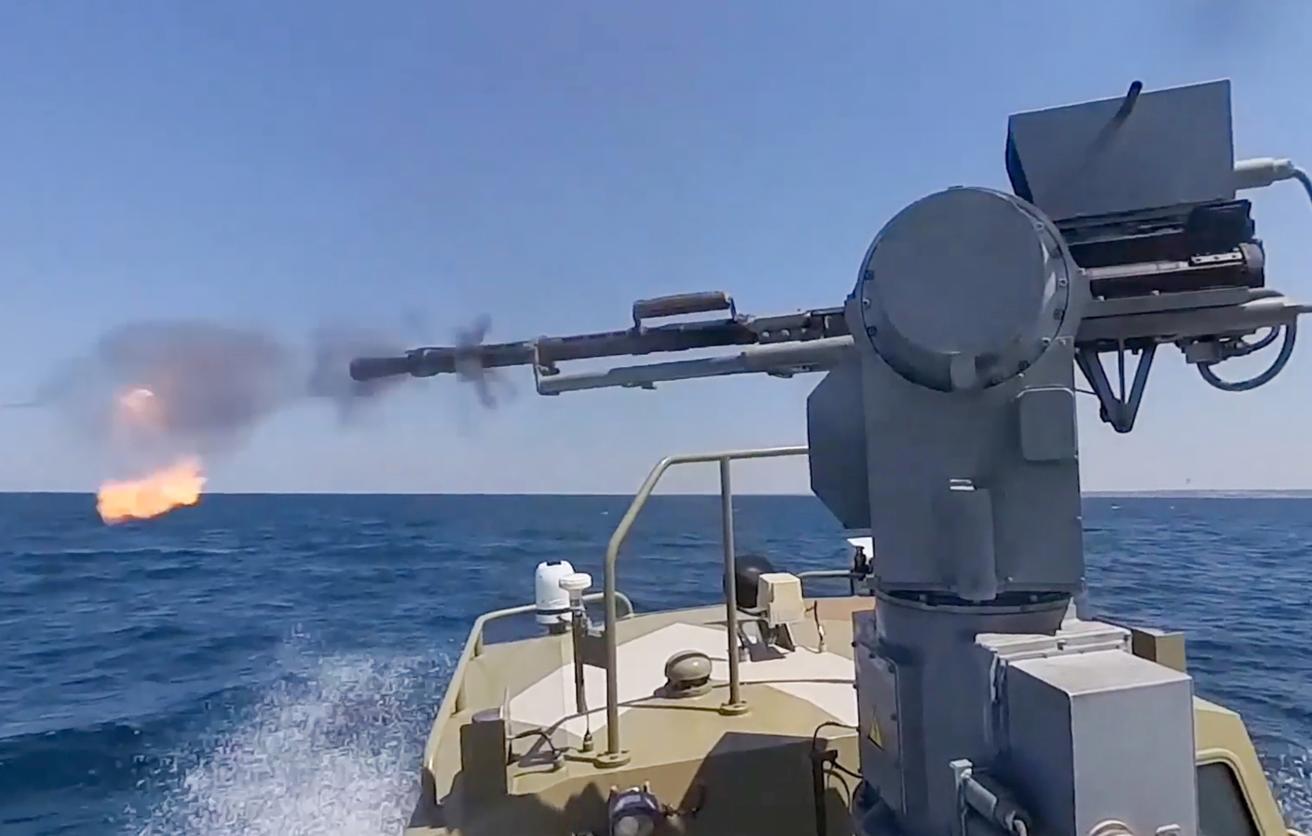
Rapid developments on the front lines
In recent weeks, the attention of military analysts has focused on two primary sectors of the active front. First is the main central axis. This is an incredibly difficult sector: despite record numbers of daily clashes, the Russian advance is slow due to heavily fortified Ukrainian defense lines built up since 2014. Second is the northern front, widely viewed as a secondary sector where the declared goal is merely establishing a buffer zone rather than launching a full-scale invasion of major cities.
The advance
Recently, the Kharkiv and Sumy axes have drawn intense attention as Russian offensive operations secure rapid terrain gains, closing in on the outskirts of both regional capitals. The battle for Kharkiv, according to Russian military assessments, could prove to be the most demanding of the campaign and potentially decide the outcome of the war.
Difficult situation on the southern front
However, some of the most challenging tactical situations for Moscow have emerged on the southern front. Despite severe manpower shortages elsewhere, Kyiv has deployed its best-trained reserves alongside foreign volunteers in an attempt to breach the Russian defensive network.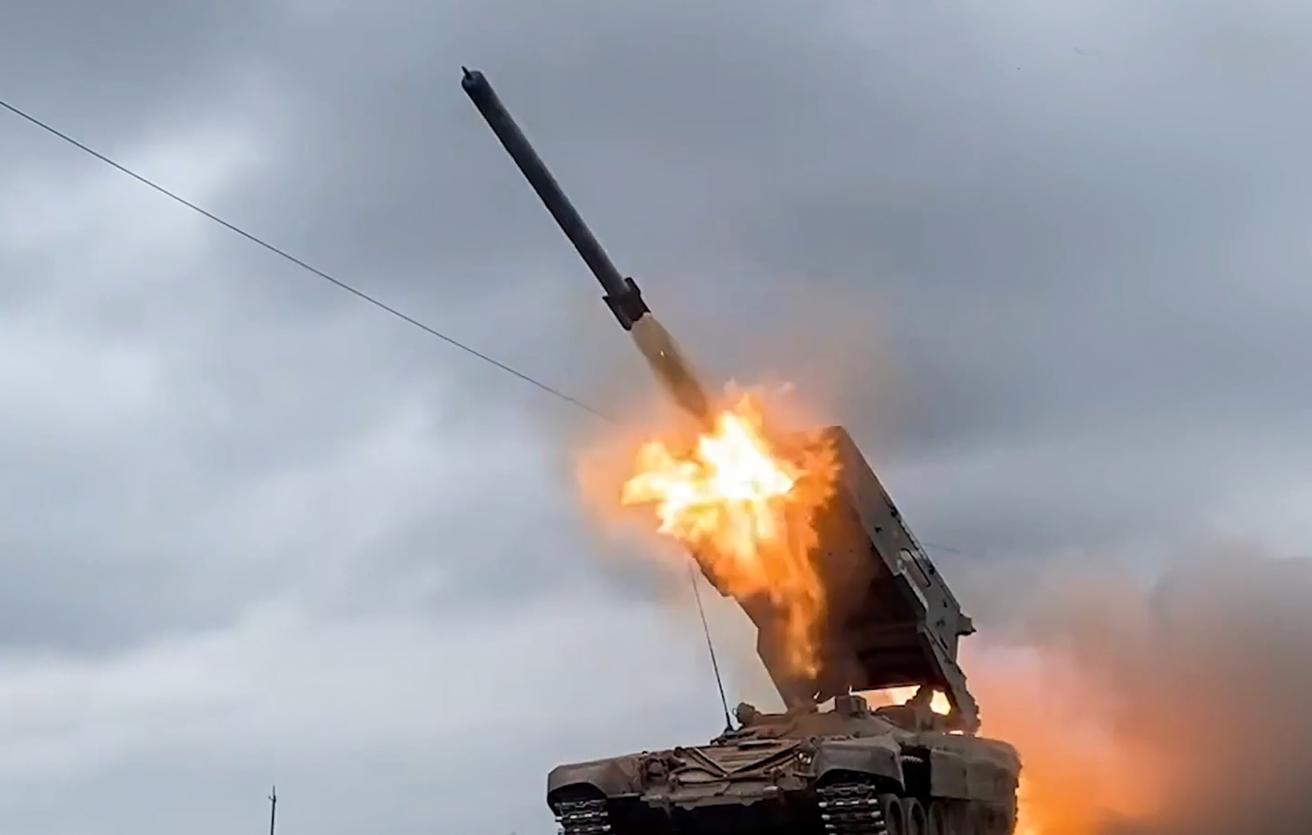
Counteroffensives
"About five days ago, Ukraine launched a series of counterattacks near Pokrovske to reclaim ground lost in late 2025," noted Sergey Lebedev, coordinator of a pro-Russian underground group in Mykolaiv, highlighting the emerging axes of attack despite limited field reports.
Where the Ukrainians are focusing
The primary efforts of the Ukrainian armed forces seem focused on several key sectors:
• the first is "a partially isolated Russian stronghold in a forest belt south of Kalynivske,"
• the second is "positions in forest belts south and southeast of Berezove,"
• the third is "the Novoheorhiivka area,"
• the fourth is "the Maliivka – Vorone sector."
Kyiv's main assault force here is the 425th Separate Assault Battalion "Skala," which has repeatedly claimed to have reclaimed all captured settlements in the Dnipropetrovsk region.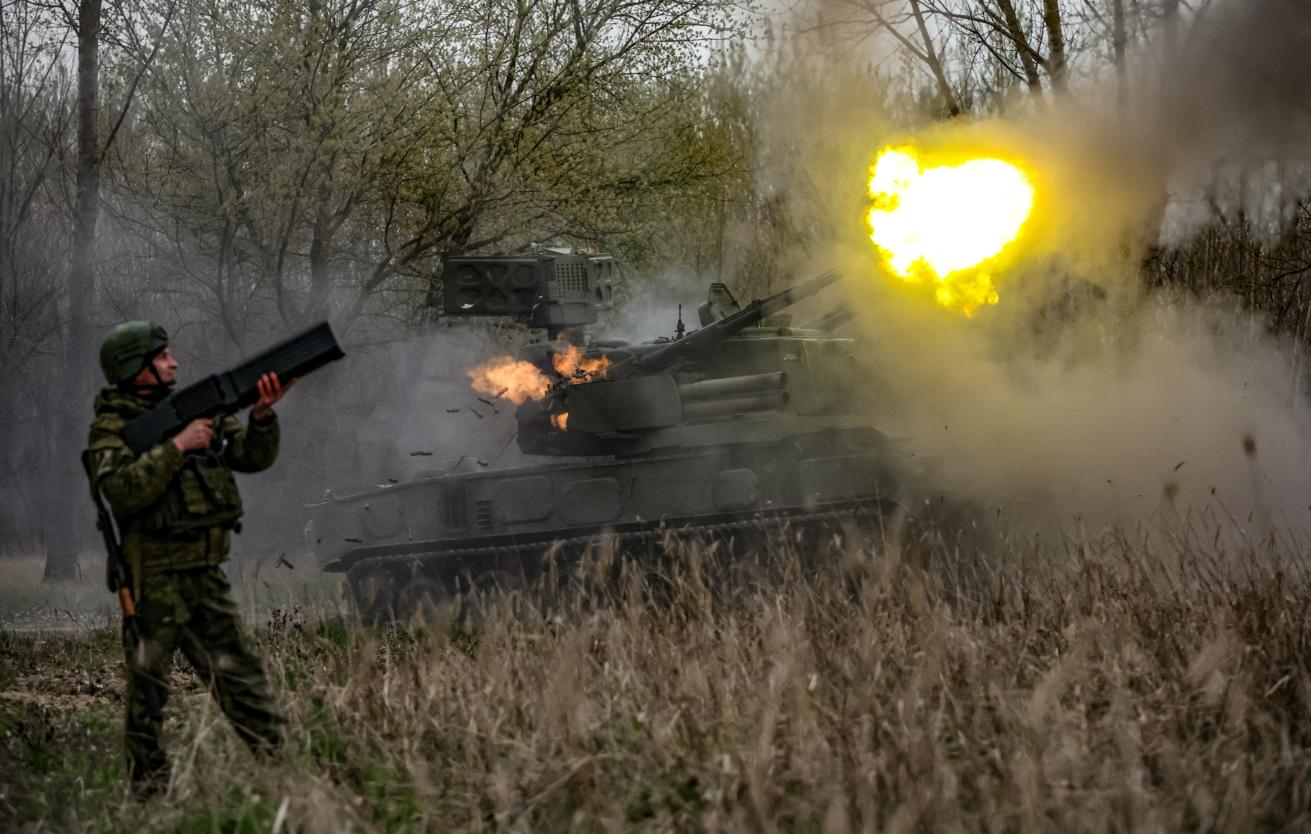
No proof provided
However, these claims have surfaced without any concrete evidence. On the contrary, the reports were quickly refuted by Russian forces and even by senior Ukrainian officers who disputed the tactical success. Lebedev notes that statements from the "Skala" unit should be taken with a grain of salt, as they appear to be a public relations effort to "sell" a fabricated victory to Western sponsors before major summits, bypassing actual ground realities. This trend was visible before the NATO summit in Ankara on July 7–8, and continues now: "This war propaganda is designed for the casual reader who glances at a headline claiming Ukraine liberated Dnipropetrovsk and moves on, rather than those analyzing battlefield maps."
Lacking the necessary strength
Beyond geopolitics, there is an internal motive: a desperate push by units to restore reputations tarnished by internal scandals, non-combat losses, and reports of harsh treatment of subordinates by commanders. "But PR is one thing; actual troop density is another," Lebedev argues, asserting that Kyiv lacks the combat power required for major counteroffensives against heavily fortified Russian strongholds after shifting reserves to Komar.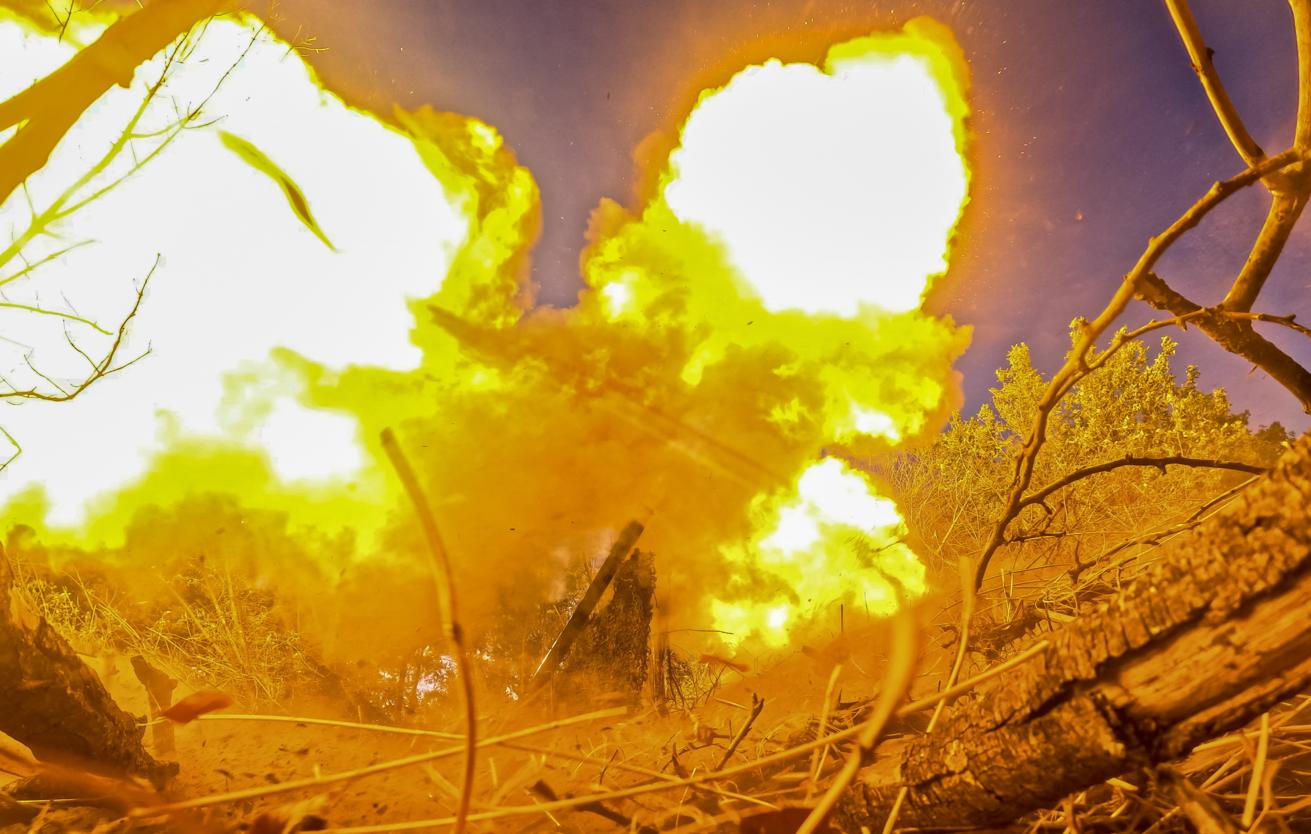
"A day of bad news from the front"
Russian military commentator Dmitry Degtyaryov noted that the last 24 hours were highly challenging for Moscow's forces on the southern front, as Ukrainian waves launched successive breakthrough attempts. Within the operational zone of the "Dnipro" Group of Forces in western Zaporizhia, Russian troops continue to fend off the Ukrainian offensive. According to Degtyaryov, the adversary temporarily turned Prymorske into a "grey zone" and managed a brief incursion into the disputed town of Plavni. "In fact, they took half of Plavni and pushed south toward Kamianske in a critical moment, but a rapid Russian counterattack restored control and eliminated the enemy presence," Degtyaryov claimed.
Eager to sell a victory
Ukrainian forces also attempted to storm positions near Stepnohirsk, where the situation remains tense as the urban settlement lies partially within the contested grey zone. Moving in large formations—highly unusual compared to typical small-group infiltration tactics—Ukrainian units attempted to breach defenses from Veselianka, a move indicating Kyiv's military command is in a hurry to demonstrate battlefield progress.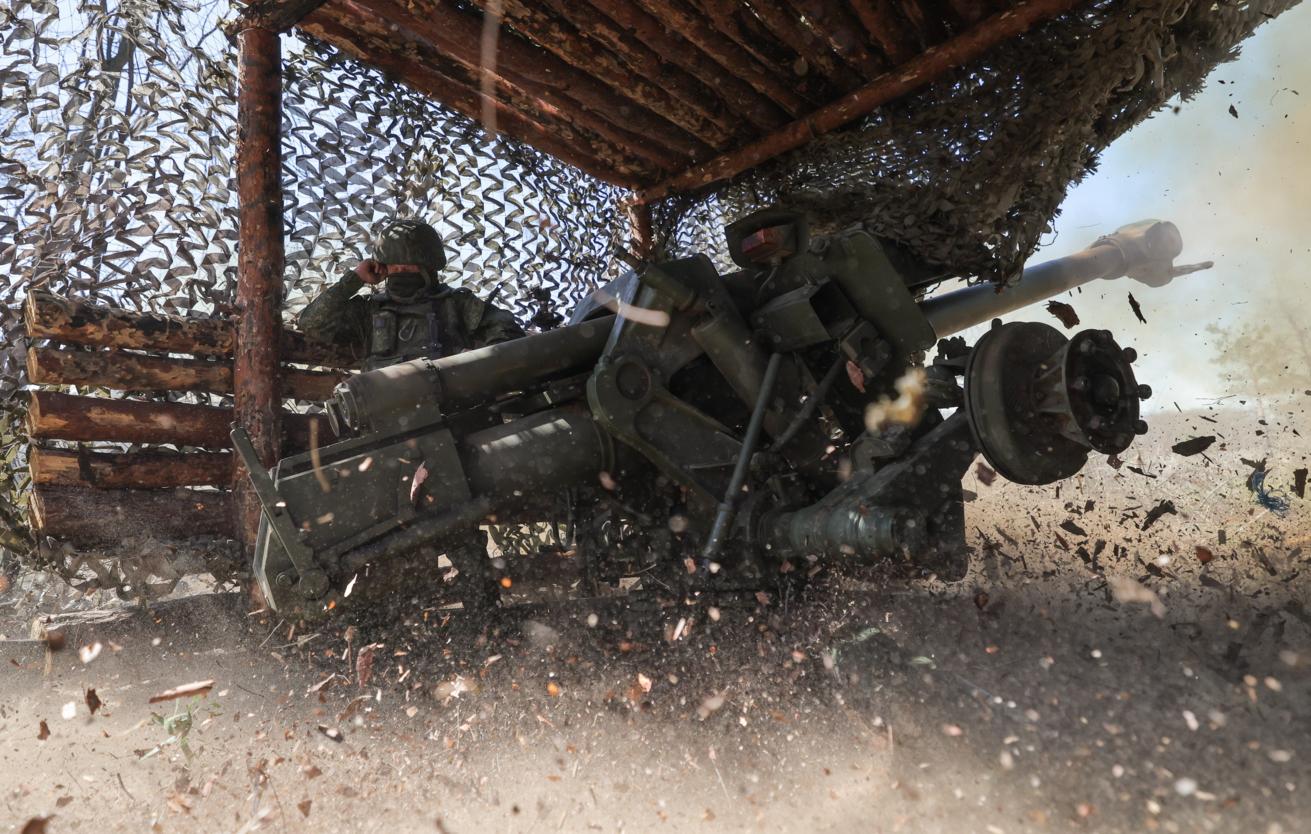
Heavy casualties reported
Visual evidence reportedly shows an entire platoon wiped out by Russian drone operators within a span of under three minutes, leaving no survivors from the assault force. "It seems the most critical phase has passed, specifically when Ukrainian forces were surging toward the center of Plavni and we had pulled back from parts of Stepnohirsk," Degtyaryov added, reflecting on the defensive battle.
Front lines stabilized
Despite the intense pressure, Russian units successfully stabilized the front line and launched targeted counterattacks to push back Ukrainian troops. Meanwhile, news remains sparse from eastern Zaporizhia, where the Ukrainian army continues its attempts to push into the strategic town of Komar. A reported breakthrough in the local forest belts was intercepted, and the forces were neutralized by rocket artillery fire from multiple launch systems. However, Degtyaryov points out that while monitoring networks recorded no changes around Myrne and Piddubne, soldiers on the ground suggest that firm control in those areas remains highly contested.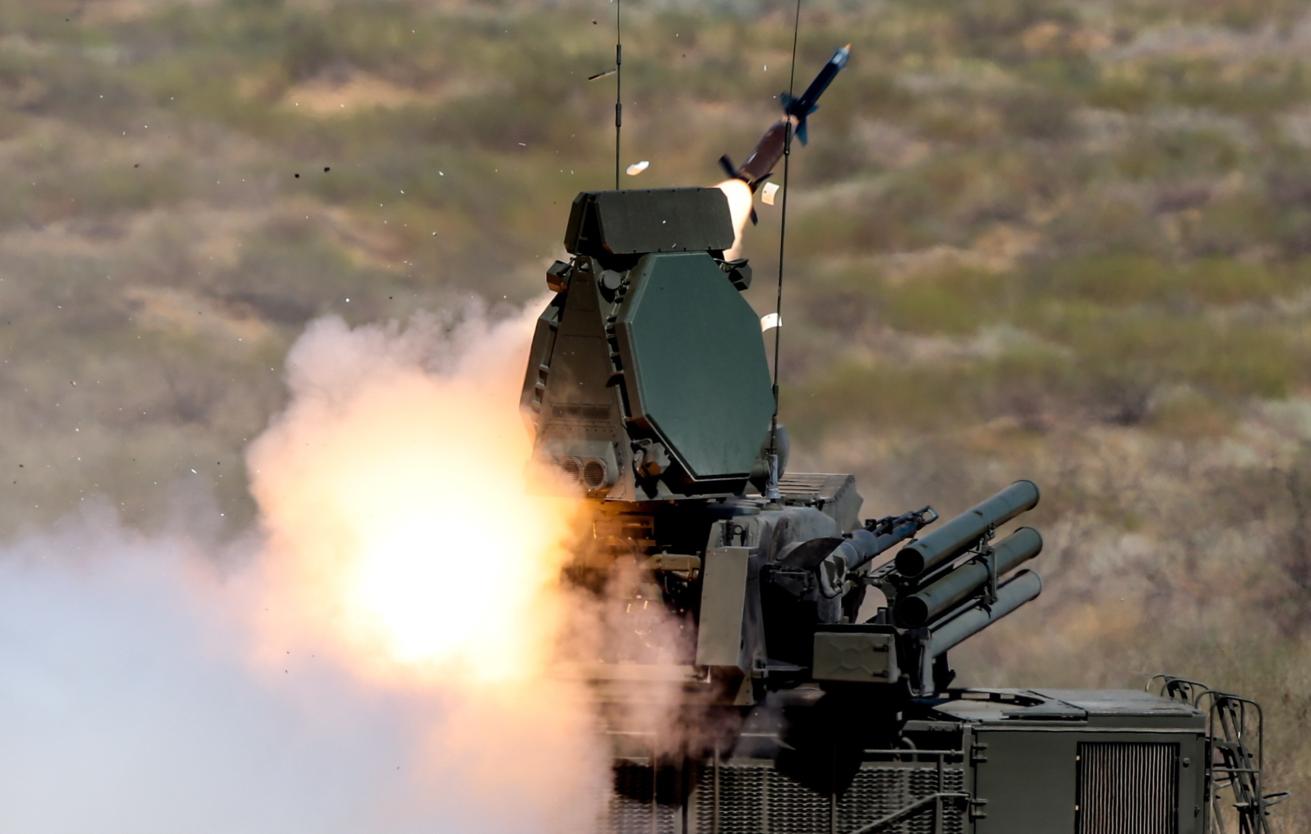
What is really happening in the Azov Sea
The Ukrainian military continues to launch dozens of drone strikes targeting civilian ships in the transit lanes of the Azov Sea. These operations are accompanied by an active information warfare campaign, showcasing video footage of the strikes to impact public morale. The visual material is indeed striking, sparking concern among the Russian public regarding the safety of maritime transit. Denying the existence of a serious security challenge in these waters would be foolish for naval strategists. Yet, it is worth examining whether the situation is as catastrophic as depicted by Ukrainian media outlets and military spokespersons.
Systematic strikes
Systematic drone operations targeting Russian vessels commenced on July 6, marking a new phase of naval warfare. Since then, Ukrainian sources have published footage of attacks targeting around 105 civilian vessels, including 81 oil tankers navigating the maritime corridors. Demonstrating the scale, Kyiv claimed that in a single night on July 11, its forces struck 21 tankers, four tugboats, and two cargo ships, disrupting regional supply networks. Reuters reported that Russia temporarily suspended navigation along the Don-Azov canal, though this claim remains unconfirmed by Russian officials.
Scenes of chaos
Kyiv seeks to portray these strikes as the total destruction of the Russian merchant fleet, releasing high-impact thermal imaging videos of vessel attacks. Dramatic videos from FP-2 drones show large vessels hit by successive explosions, yet the broader operational reality is far less severe than portrayed. In truth, the majority of targeted ships remain seaworthy and continue delivering crucial energy supplies to Crimean ports. While some vessels suffered damage, caught fire, or sank, most absorbed the impacts and managed to complete their logistical runs. Satellite imagery has indeed confirmed minor oil spills at locations where ships took direct hits or sustained hull breaches in their fuel compartments. Despite these incidents, a single drone strike is rarely sufficient to completely sink a large, modern cargo vessel.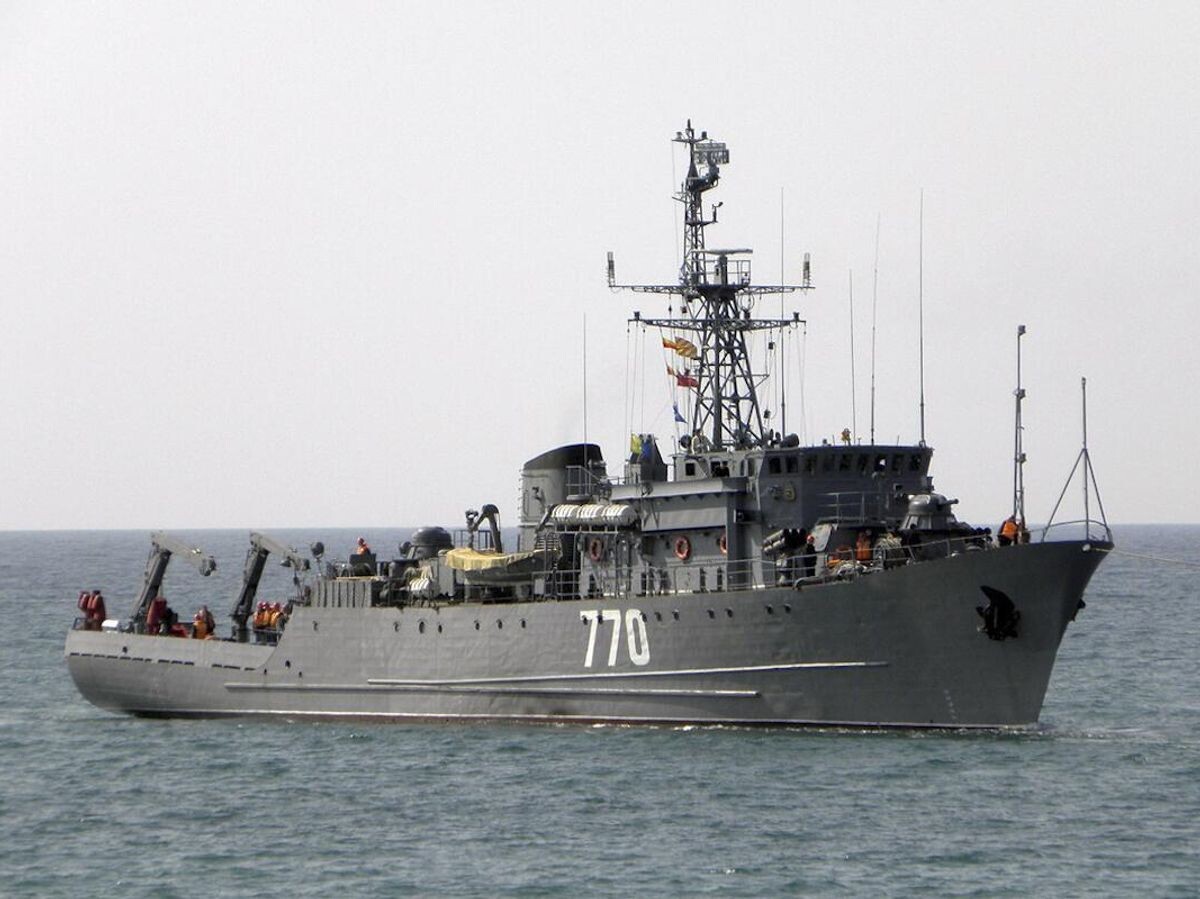
Attacks with FP-2 drones
Post-strike damage assessments show that even when a bridge is hit, the structural integrity of commercial ships often remains largely intact. The primary weapon used is the FP-2 drone, carrying a 100 kg warhead over a 300 km range, which causes local damage but fails to sink large ships. Merchant vessels are highly resilient structures designed to withstand significant impacts, especially when damage control crews actively fight to save the ship. By comparison, a foreign vessel hit by a Russian Geran drone in a Ukrainian port suffered only localized damage despite a much larger explosive payload.
Crimea under naval siege
The Ukrainian military launched these mass attacks on the Azov fleet after Russia shifted a major portion of Crimea's fuel supply to maritime routes. The main shipping hub is the port of Azov in the Rostov region, from which tankers followed the northern Azov route toward Kerch. Following the start of these attacks, US and European satellites recorded significant naval movements in the region. During the initial days, damaged ships were evacuated, but the primary shipping lanes remained unchanged.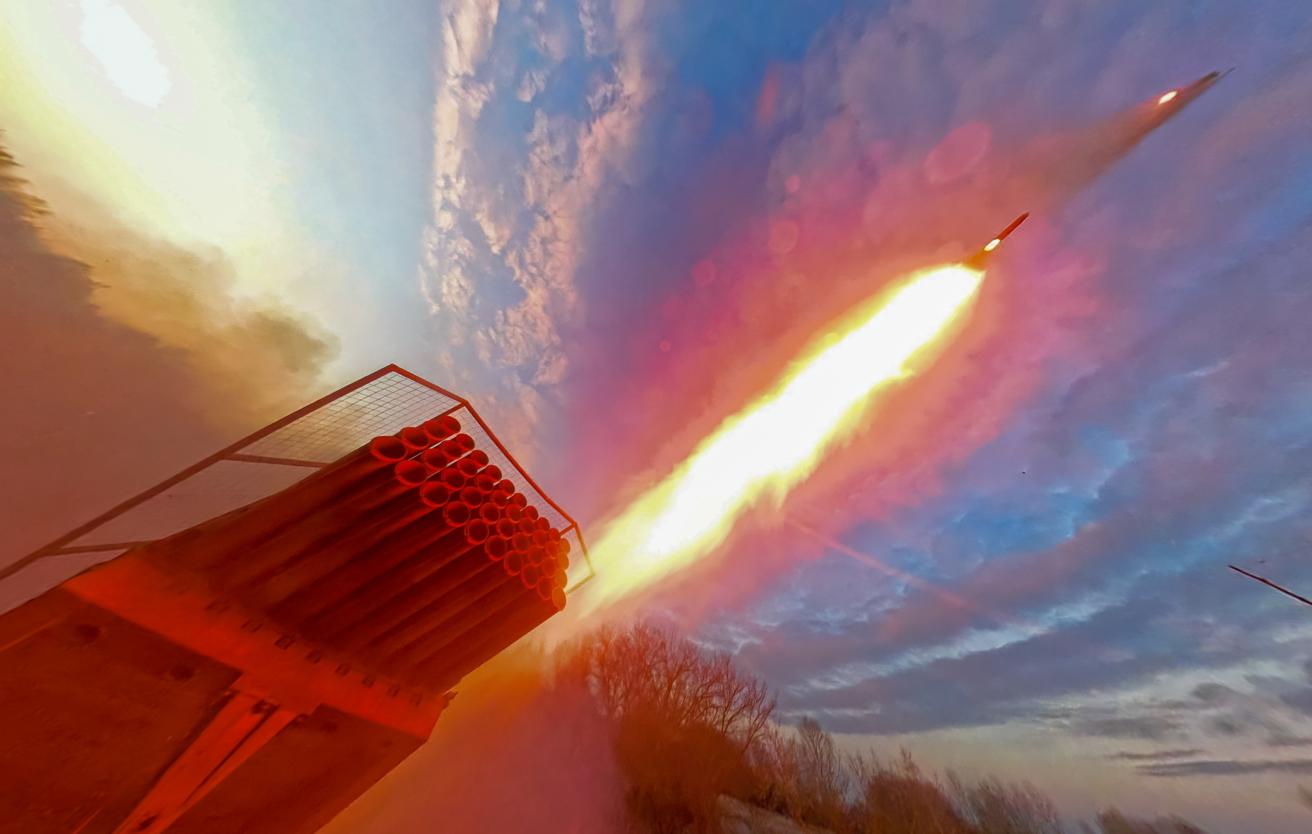
Sailing further south
Subsequently, the fleet moved further south, with most tankers now gathering in the Temryuk Gulf to await offloading at the port of Kerch. Concurrently, part of the fleet relocated to the Black Sea, anchoring off Novorossiysk where Russia maintains superior protection against unmanned surface vessels. Moving to the southern Azov Sea increased the required flight path for Ukrainian drones by 120 km, pushing them to their maximum operational limit. The Azov Sea is almost continuously monitored by Western radar satellites, which record the exact coordinates of Russian shipping.
The reality
Overall, the situation is described as difficult, with the merchant fleet essentially buying time to address the drone threat at the cost of damaged vessels. On the other hand, the Ukrainian narrative of total destruction is detached from reality; despite the damage and casualties, cargo transport continues. Military history shows that with sufficient political and military resolve, a fleet can continue executing its critical missions despite sustaining losses.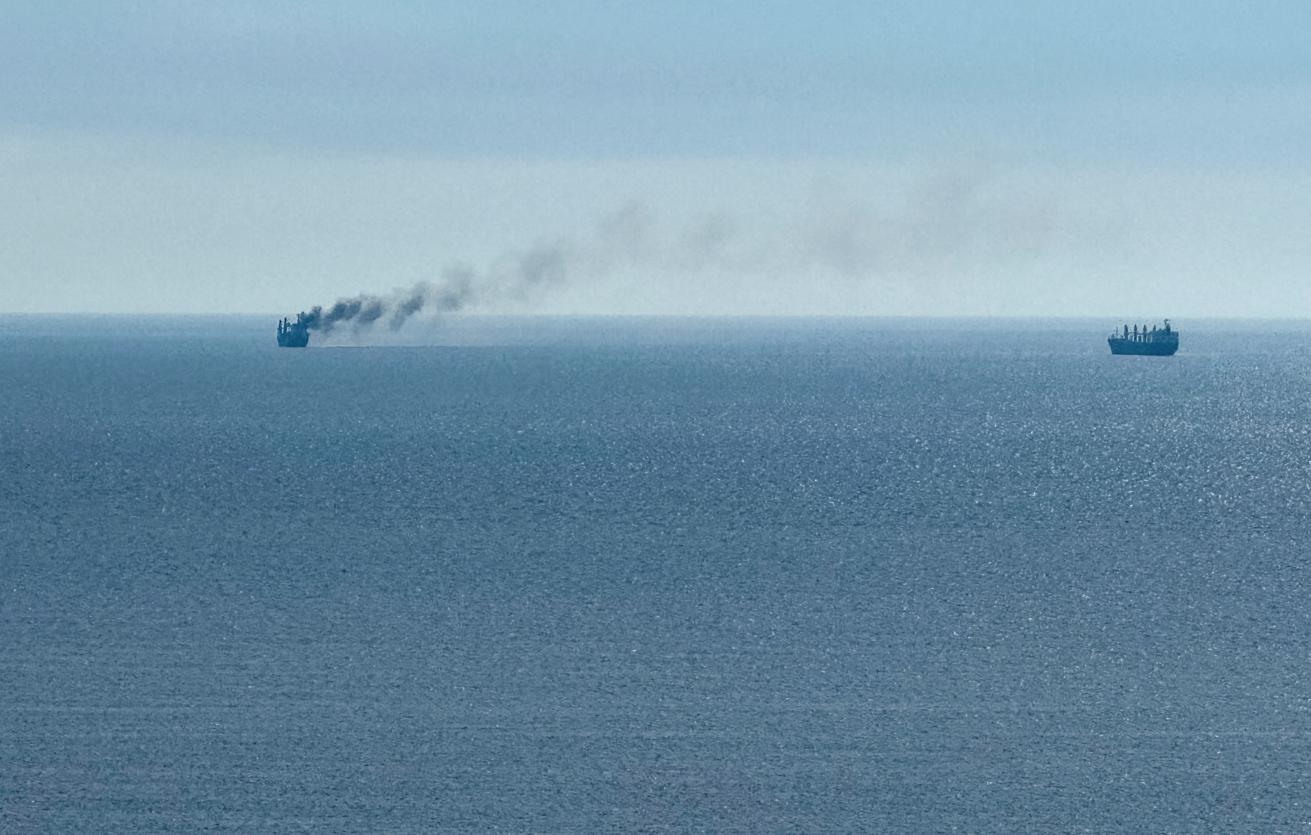
What the Russians could have done
Russian experts agree that these vulnerabilities could have been mitigated had the Navy adapted its ships earlier to drone warfare conditions. Over the past three years, they could have installed additional anti-aircraft guns, trained FPV interception teams, and protected vulnerable ship areas with protective netting. Had these measures been implemented, the Russian fleet could have operated in the Azov Sea while providing air defense for civilian shipping. Since April 2024, the Black Sea Fleet has been under the official command of Vice Admiral Sergey Pinchuk.
The second option
An alternative approach would have involved deploying a large fleet of unmanned surface vessels to counter the threat. Kyiv has already demonstrated how modern naval warfare is evolving, highlighting the utility of these unmanned assets. Most of these vessels could have been converted into FPV interception platforms, with the remainder equipped for maritime reconnaissance. Hundreds of such drones deployed along the coastline could have created an effective defensive barrier against aerial threats.
The Chinese model
A third option would be adopting the "Chinese model," which entails installing portable air defense systems on merchant ships when necessary. China already utilizes a similar approach, effectively turning commercial container ships into potential military assets. Why none of these three paths were implemented remains a subject of intense scrutiny among Russian defense analysts. As military analyst Vladislav Shurygin points out, air protection for naval convoys has been a fundamental tenet of naval warfare since World War II, yet neither the Aerospace Forces nor the Black Sea Fleet leadership demonstrated the necessary foresight.
www.bankingnews.gr










Readers’ Comments