

The situation in the Persian Gulf is not de-escalating, hostilities continue, and bombardments are intensifying; the operational deadlock for the Americans remains as the Iranians are not only resisting but are leveling American bases in the Persian Gulf states until final victory. The three critical questions are:
-
Can the naval blockade of Hormuz succeed?
-
Can the US attempt a land invasion of Kharg Island?
-
In an environment of hostility and hatred between the US and Iran, can the two countries return to the status of the Memorandum of Understanding with the 14 points, or has the Memorandum simply foundered definitively?
Trump in a state of frenzy: If Iranians don't negotiate, we will target bridges and energy
If the Iranians do not return to the negotiating table, we will target all their bridges, emphasized Trump, the American President who finds himself in a deadlock. We will attack Iran hard tomorrow and the day after, and in the final stage, we will target power generation stations and bridges, Trump told Fox News. My representatives spoke with the Iranians an hour ago, Trump mentioned. However, Trump made a peculiar comment: "The United States is having difficulty identifying Iranian targets along the Strait of Hormuz." "You know, if you look at the Strait of Hormuz, right now, when we examine it, it becomes difficult for us to determine where they have anything," Trump stated. When Trump was asked if it was possible to talk about a resumption of the war between the US and Iran, he replied that this could be interpreted in any way. When asked by Fox News if the US plans to seize Kharg Island, Trump replied, "I can't tell you that, because it would be foolish to tell you."
"Well, I guess you can define it however you want, but we will certainly hit them hard. They will have to be hit hard." We must keep the Strait open. I intended to charge tolls for this, but they chose to make a massive investment in the United States, and frankly, that is a better option because I do not like the idea of charging tolls. When asked "Do you rule out a limited ground operation?", Trump replied, "No. Sometimes ground operations are required." Ultimately, we will target energy infrastructure in Iran. Next week, it is the bridges. We will destroy all power generation stations. We will destroy all their bridges unless they come to the negotiating table. Fox News asked, "Vessel tracking data shows that only 10 ships passed through the Strait of Hormuz on July 13, less than 10% of normal traffic through this vital waterway. What do you mean when you say the Strait is open?" Trump replied, "If people want to pass, it is open. It is open now." I will not sign an agreement that does not guarantee that Iran will not acquire nuclear weapons, Trump stated.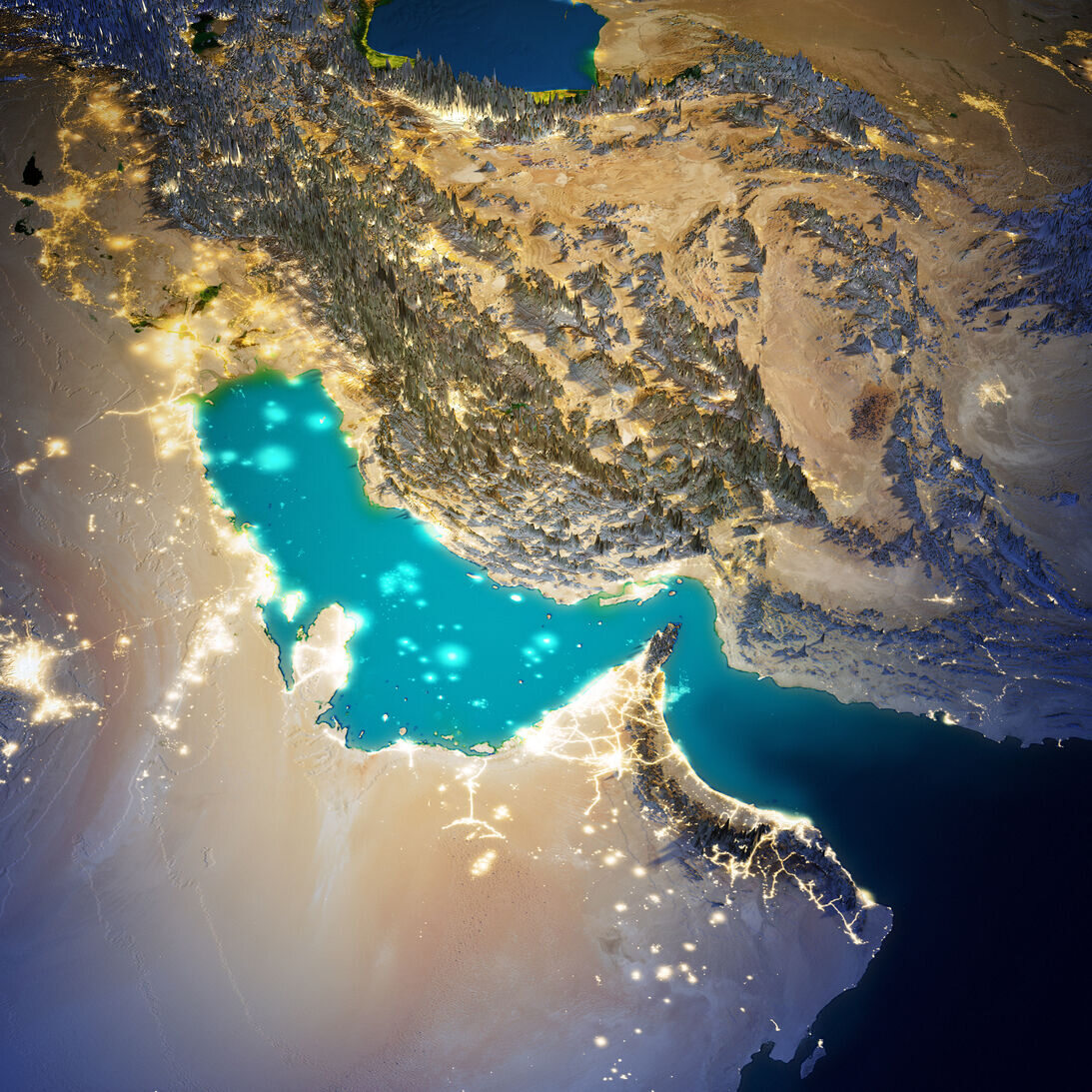
The US naval blockade in Hormuz is cracking
The US Central Command (CENTCOM) announced another round of offensive strikes against Iran, saying: "These attacks come as American forces prepare to resume the naval blockade of Iranian ports and coastal areas." The blockade has already begun. The first round of the American blockade of Iran took place from April 13 to June 18, 2026, but had no material results... however, in Iran, it sent oil soaring... Brent is currently at $85 per barrel. CENTCOM previously announced that the naval blockade and the deterrence of movement toward Iranian ports will resume under Trump's orders. CENTCOM stated that by order of the US President, American forces will implement the blockade against ships traveling to and from Iranian ports and coastal areas.
CNN: US military faces challenges, not ready for naval blockade
Prior to the new round of the naval blockade, CNN quoted military officials as saying that the military faced many challenges during the previous blockade against Iran. US officials stated that there was no official operational directive to enforce a blockade on such a large scale and that such an action had not been taken in decades, since the Cuban Missile Crisis. As part of the blockade effort, the US military used fighter jets, which are not designed for maritime patrol, to monitor vessels and, if necessary, take action with weapons. In the previous blockade, about 10 oil tankers were targeted after ignoring multiple warnings from American forces.
The resumption of the blockade also increases the intense pressure currently exerted on US destroyers—destroyers that must both monitor and take action against violating vessels and protect the 20,000 sailors at sea. American officials also stated that the Arabian Sea is a vast body of water and ensuring that no oil tanker passes through it will be extremely difficult. The United States has resumed strikes on Iranian territory since July 7, 2026, following allegations of attacks on several vessels transiting the southern Strait of Hormuz. The President of the United States announced on the sidelines of the NATO summit in Ankara that there is no longer an understanding with Iran and that the ceasefire has ended. With the resumption of US military aggression against Iran and Iran's defensive reactions against the American bases that were the source of these attacks, global attention has once again turned to the Strait of Hormuz as the epicenter of a new conflict between Iran and the United States.
IRNA: Iranian army has attacked US bases six times recently, will continue until final victory
The Iranian military announced its intention to continue operations against American bases in the Middle East "until final victory." "The Iranian army has carried out six series of drone operations against US terrorist military bases in the region since the US ceasefire was violated and they launched attacks on areas of our country. These operations will continue until the final victory," the military said in a statement, according to the IRNA news agency. Earlier, the Iranian military stated that it hit the US Al-Azraq base in Jordan with drones.
IRGC launched missile attack on Mina Abdullah, a US logistics hub in Kuwait... and the 5th Fleet command in Bahrain
The Islamic Revolutionary Guard Corps (IRGC) announced an attack on a US military logistics center in Kuwait and the command center of the Fifth Fleet in Bahrain, according to the Iranian state broadcaster IRIB. "As part of the fourth wave of Operation Nasr-2, the main logistics center of the US military in Western Asia, located at Mina Abdullah in Kuwait, was completely burned down," the IRGC reports. The command center, warehouses, and fuel storage facilities of the US Fifth Fleet in Bahrain were also reportedly attacked. The Ministry of Interior of Bahrain had previously issued an air raid alert and asked residents to seek shelter in a safe location. The Kuwaiti military reported that it intercepted Iranian drones. The Iranian military pledged on Wednesday night to continue operations against US bases in the Middle East "until final victory."
Iran attacked F-18s at Al-Azraq base in Jordan and Al-Shuiba in Kuwait causing chaotic explosions, Patriots failed
American bases in Jordan were targeted simultaneously with massive explosions in Kuwait. Iran launched ballistic missiles at bases hosting American troops in Jordan. Specifically, they hit an F-18 fighter jet position at the Al-Azraq base in Jordan. There were simultaneous reports of massive explosions and fires at a vital and important center in Kuwait, indicating an unprecedented escalation of the security crisis in the region. NASA's thermal map shows that Iranian drones struck a US warehouse in the "Al-Shuiba" industrial park in Kuwait and caused a fire. The Kuwaiti military announced the activation of the country's air defenses to counter the drones from Iran. Arabic media reported that multiple massive explosions occurred, causing a fire at a vital facility in the "Al-Shuiba" industrial park in Kuwait. Following the transit of Iranian missiles through the region's airspace and their movement toward designated targets, the skies of Jordan have experienced unprecedented chaos and turmoil. Published images and reports show that the Jordanian army has activated its air defense systems nationwide. Also, images of the failed attempt or counterattack by the Jordan-based Patriot defense system to intercept Iranian ballistic missiles are circulating in cyberspace.
China's intervention: US leads world to brink of abyss with attacks on Iran
China's ambassador to the UN, Sun Lei, stated that the United States, by launching "major attacks against Iran," has "once again" led the region "to the brink of the abyss." Sun Lei made these statements after US envoy Mike Waltz claimed that China is not making sufficient efforts to prevent the flow of goods to Iran and Yemen, an allegation that Sun Lei called "completely baseless." "China exercises strict control over specific exports," he said. "The priority right now is for the United States to stop creating new conflicts and turmoil in the Middle East."
Kharg Island to become a tombstone for American forces... if they invade with ground forces
Can the United States capture Kharg? The claim by the head of CENTCOM regarding the possibility of an attack on Kharg Island has once again brought the issue to the media's attention. The head of CENTCOM claimed that an attack on Kharg Island could be a good tool and advantage for the United States in future negotiations with Iran. Trump also threatened to attack Kharg.
Diplomacy through strength
This shows that the United States intends to prepare for potential future negotiations by gaining various advantages on the ground. This is precisely the issue that makes sense within the framework of Trump's "diplomacy through strength." For Trump and his administration, war is a tool to advance America's goals in negotiations and force the other side to accept US terms. Some believe that US attacks on various regions of Iran, attacks on military and civilian centers, and damage to infrastructure make sense in this direction. In reality, the Americans seek to force Iran to accept their terms and make maximum concessions, thereby winning both on the field and in diplomacy.
Is a ground landing on Kharg a realistic scenario?
There is an important issue in this, an issue that can be examined from two aspects, and it seems that the United States has not paid attention to either of these two aspects. What is clear is that the attack on Kharg Island can neither be fruitful from a diplomatic point of view nor can it be considered a victorious operation for the United States on the battlefield, and it will likely end with the defeat of the Yankees or Americans.
The Americans still have not understood
The Americans have repeatedly shown that they do not have an accurate understanding of the political and social situation in Iran, as well as the power structure in Iran. The meaningless and simple plan to arm the Kurds, agree with a group of domestic politicians to carry out a coup, call for a general uprising, and seize police stations and barracks clearly shows that they do not know the power structure in Iran. The issue of the attack on Kharg also proves precisely this lack of understanding. The attack on Iran and the seizure of Kharg Island, followed by an agreement with government forces for its return in exchange for political and economic concessions, does not correspond in any way to the political and military policy of a "revolutionary Iran." Iran has not yet reached an agreement with the United States on its nuclear program. Therefore, it is highly unlikely that it would be willing to make a deal with the United States on its territorial issues, which are a matter of honor for it.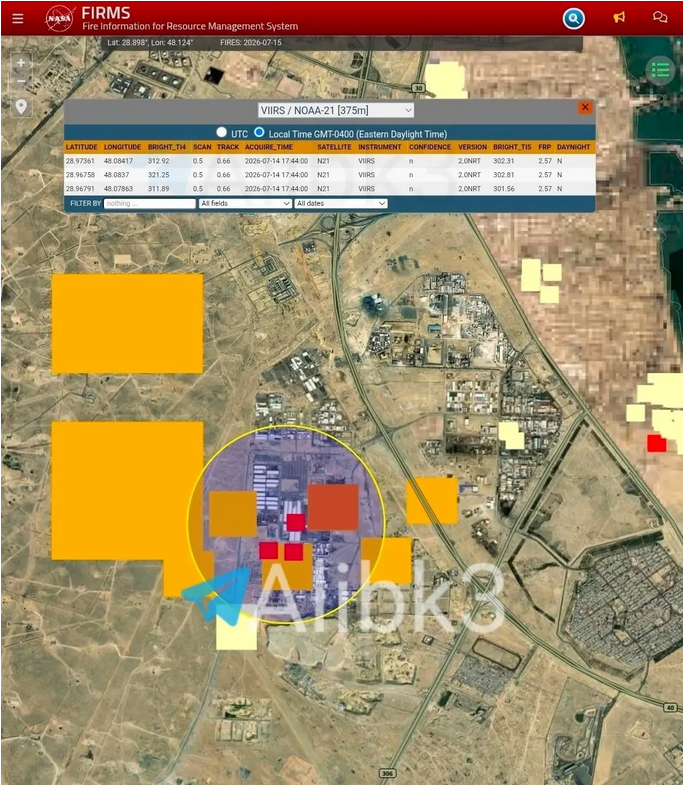
Attack on Kharg: A tombstone for the Yankees
On the battlefield, various scenarios are being discussed regarding the attack on the Iranian island of Kharg. One of the possible scenarios is the "coordinated and multi-layered" entry of the US naval fleet into Kharg. According to this plan, the US would have to launch an attack in several steps: A. Several destroyers enter the Persian Gulf surrounding the US aircraft carriers. B. The destroyers station near the island. C. They create a defensive layer and establish missile superiority. D. The entry of the aircraft carrier groups Abraham Lincoln and Bush, along with the Boxer with full escort, into the Persian Gulf.
Destruction lies in wait
But this plan will face several problems. First, this model does not comply with US Navy standards and is usually considered a high-risk plan and rejected. Second, this plan could cost the US an immense human and financial toll. Iran could inflict terrible losses on the US with naval mines, saturation missile and drone attacks, its missiles, and artillery. If American forces station on Kharg, these costs will multiply, and the Americans will be forced to retreat quickly and abandon the island. The Yankees will suffer a disaster.
China revealed the goal of the new US attacks on Iran
The US launched new attacks against Iran and renewed the blockade of Iranian seaports to gain additional leverage in negotiations with Iran, but this will only complicate the dialogue, emphasized Zhu Yongbiao, Director of the Institute of Policy and International Relations at Lanzhou University. According to him, US actions and threats against Iran should be viewed as a "maximum pressure tool" used to secure a significant advantage in negotiations. At the same time, the expert noted that this "game of chicken" could escalate into a prolonged conflict. "The renewed military confrontation stems from a serious lack of strategic trust between the US and Iran. Both sides, especially the US, are dissatisfied with their goals and the negotiating cards they held from previous rounds of negotiations. The cycles of armed conflicts followed by negotiations will continue, making it difficult to achieve a smooth path toward reducing tensions between Washington and Tehran," concluded Zhu Yongbiao. Earlier, the US President addressed a harsh ultimatum to Iran: "You better make a deal. You won't have anything left. You won't have anyone left."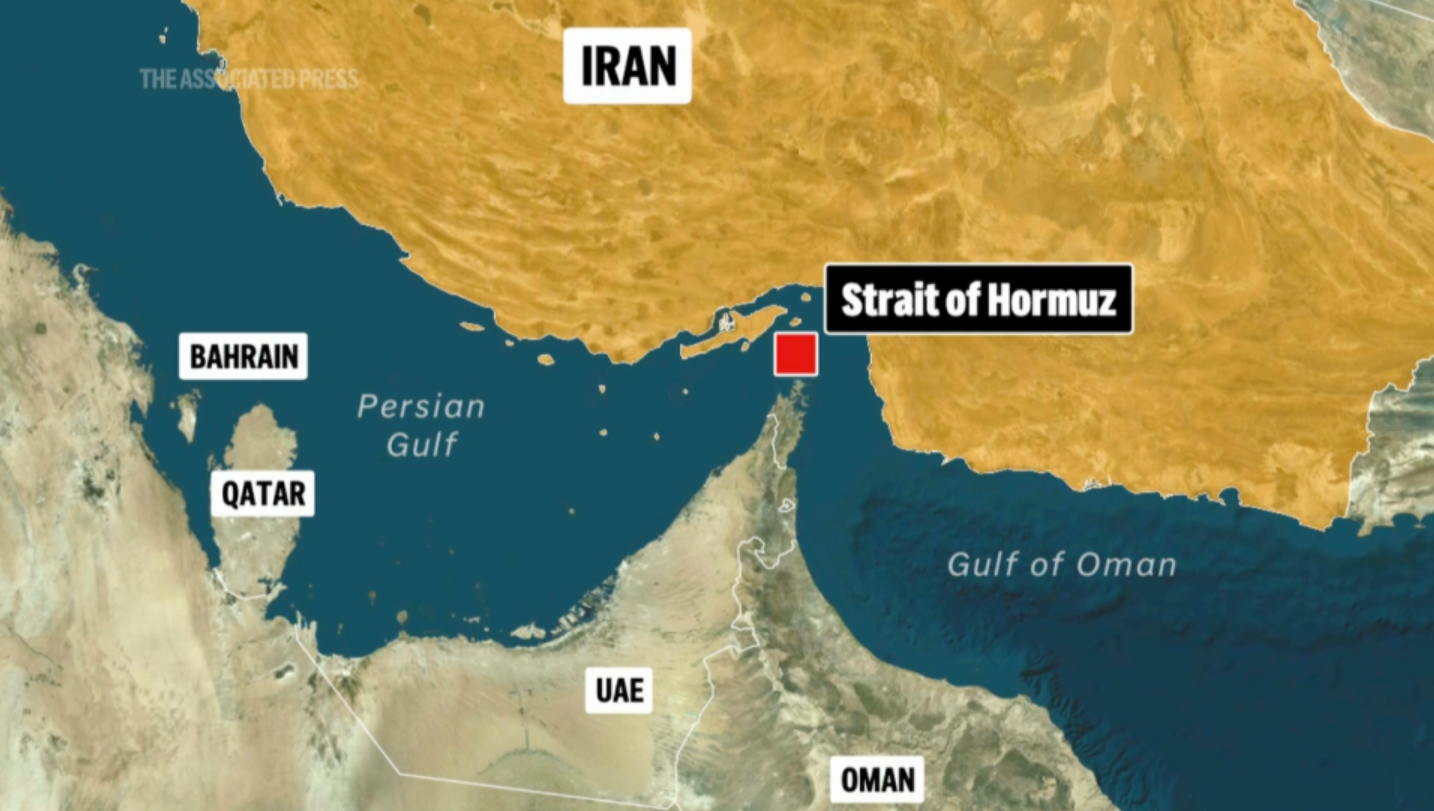
www.bankingnews.gr









Readers’ Comments