

There is absolutely no doubt that Donald Trump is facing the first major strategic deadlock of his presidential term, as the war with Iran is not only failing to evolve according to American plans, but threatens to turn into a protracted conflict with serious repercussions for the US and global economy, as well as for energy security. Tehran appears to be negotiating from a position of strength, utilizing its control over the Strait of Hormuz as a key strategic leverage point, while Washington seeks a way out of a crisis it believed had already been resolved. Against this backdrop, mutual military attacks, mutual accusations of treaty violations, and the complete halt of shipping in the planet's most vital energy corridor compose a scenario that heightens the risk of wider destabilization in the Middle East and poses a critical question: how will the American president extricate himself from a war he repeatedly claimed he had already won? The most striking part is that he doesn’t even know himself... And it is not surprising at all that the Russians are mocking his intention to impose a 20% tariff on the cargo of ships transiting through Hormuz, especially when the US does not control the Strait... "The circus left, but the clowns remained," a Russian political analyst commented.
Iran plays Trump by its own rules
US President Donald Trump complained on Monday, July 13, that he cannot trust Iran to uphold an agreement, accusing the Islamic Republic of a tactic that is a trademark of his own. "It was a done deal, and then they violated it. They always violate agreements," he told Fox News, referring to the memorandum of understanding (MOU) that had led to a temporary pause in the war.
Irony
Trump did not seem to perceive the irony of his statement, given that he has repeatedly withdrawn from international agreements, including the Paris Climate Agreement (twice). His critics argue that the current crisis began when, during his first term, he withdrew the US from the Barack Obama-era agreement aimed at curbing Iran's nuclear program.
The tariffs
Later, Trump threatened to impose American fees on vessels transiting the Strait of Hormuz. Tehran responded with a clear dose of irony. "The US President is absolutely right," Iranian Foreign Minister Abbas Araghchi wrote on the X platform, arguing that Trump essentially legitimized Tehran's stance on imposing transit fees through the strategic maritime passage. "20% is of course excessive. We will be fair," he added mockingly.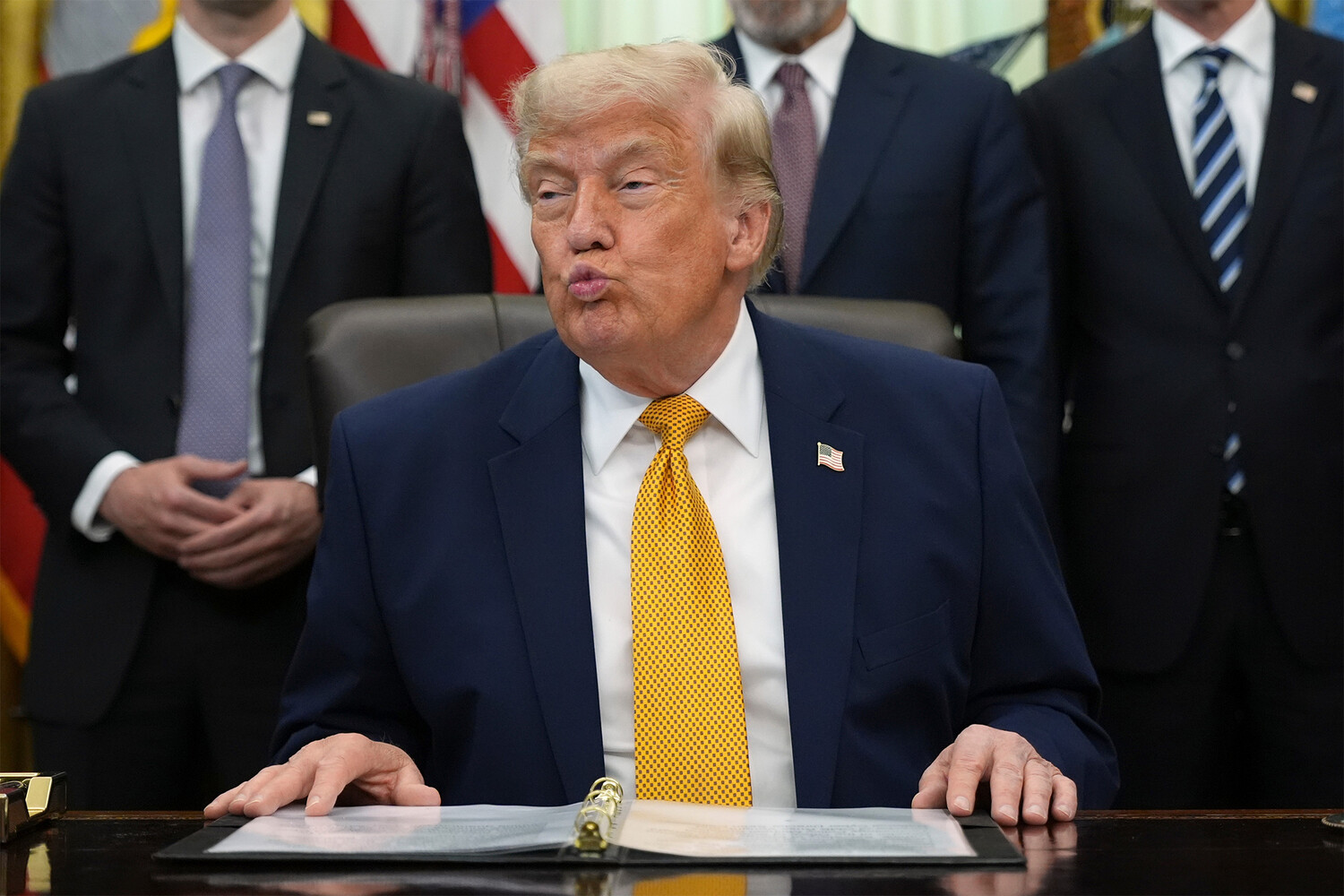
Mockery from Russia as well
The Russians also commented on Trump's intention with an intensely sarcastic tone. The statement by US President Donald Trump that the United States is taking control of the Strait of Hormuz and the decision to impose a 20% fee on the value of passing cargo constitute political absurdity on the part of the American president, emphasizes Russian political analyst and expert on American affairs Rafael Ordukhanyan. "It could be characterized as blackmail if the US had the physical capability to implement all these measures. We understand very well that the United States, even with the support of its allies, is not in a position to do so... Such statements are ridiculous, another political absurdity that provides no basis for anyone to trust them... The circus left, but the clowns remained," Rafael Ordukhanyan stressed, pointing out that, in reality, the US has not placed the Strait of Hormuz under its control, while Iran continues to play the dominant role in the region. "This is absolute grandiosity on the part of the US. All ships transiting with the consent of Iran successfully pass through the Strait. Conversely, all ships attempting to pass without Iran's approval—whether under US guarantees or without them—are exposed to danger and, in some cases, are even attacked. That is the whole difference," the expert stated.
Iran negotiates from a position of strength
Trump is now realizing that Iran is a particularly tough negotiator and has its own interpretation of the memorandum's content. At the same time, he has not clearly explained to the American public why he restarted a war that he previously proclaimed he had already won. A few weeks after declaring that the MOU had put a definitive end to Iran's nuclear program and brought peace to the Middle East "for the first time in 3,000 years," he changed his stance. In an interview with Hugh Hewitt, he now characterized the memorandum as a "test" that Iran failed to pass, claiming that "it didn't matter much." Once, his supporters argued that his constant contradictions were a sign of a complex strategy. Today, however, the situation looks more like a diplomatic deadlock.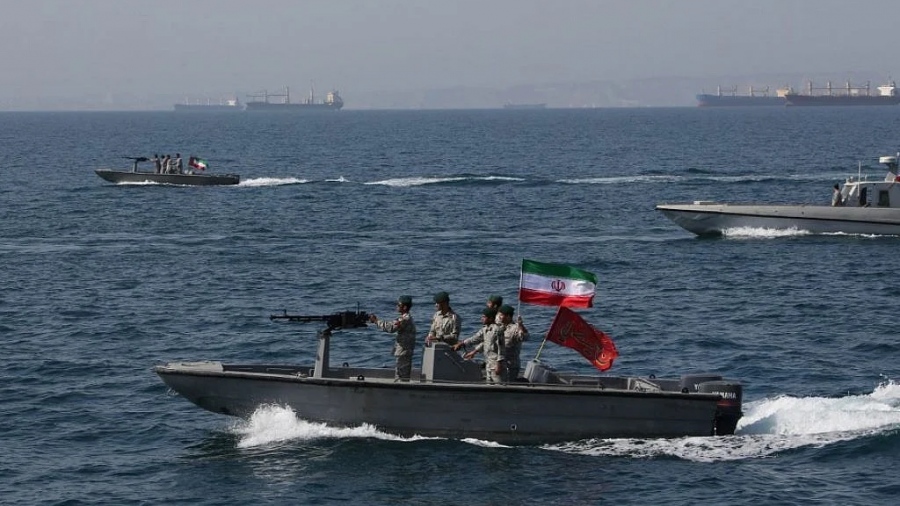
The war is not evolving as Washington desires
The memorandum collapsed because Iran moved to preserve its most important strategic gain: effective control of the Strait of Hormuz. This serves as an unpleasant reminder of a harsh reality for the US: despite their military superiority and Trump's threats, Tehran still largely determines the dynamics of the conflict. According to a CNN analysis, the Trump administration rushed to sign an MOU with vague wording.
How Iran capitalized on the Trump administration's ambiguity
The negotiating team, led by Vice President J.D. Vance, apparently failed to foresee that Iran would leverage this ambiguity to its advantage. The text provided that Tehran would take measures to ensure the safe passage of commercial vessels through the Strait of Hormuz for 60 days and would cooperate with Oman to determine the future management status and shipping services in the area. For the US, this ensured the smooth operation of the passage. Iran, however, seems to consider that this wording indirectly recognizes its future control over the Strait, which explains why it seeks to shape the new status quo.
Questions over Trump's strategy
CNN points out that Washington had already underestimated the probability of Iran closing the Strait of Hormuz, while the failure to reach a definitive agreement within the 60 days shows that the initial timeline was overly optimistic. It also remains unclear whether the new American attacks and the reinstatement of the naval blockade can alter the calculations of the Iranian leadership, given that Iran demonstrated it needed only a limited number of missiles and drones to disrupt navigation once again. Meanwhile, the spike in oil and diesel prices creates political and economic pressures for Trump, who has previously stated that he does not wish to shoulder the costs of a prolonged conflict.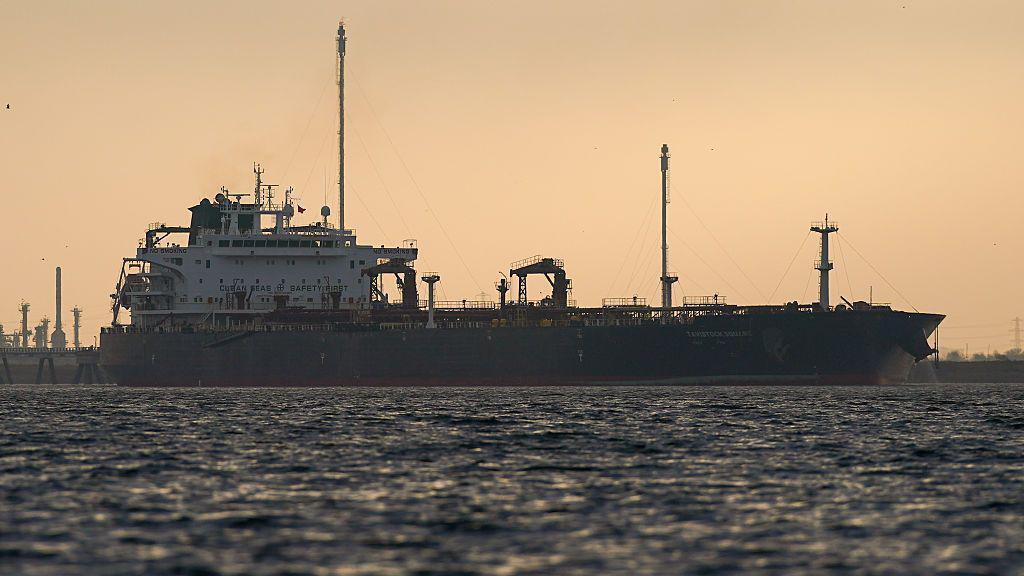
Why there is still room for diplomacy
At the same time, it is estimated that the new clashes may represent an effort by both Washington and Tehran to enforce their own interpretation of the memorandum in order to create better conditions for future negotiations. Trump has shown no disposition to proceed with an invasion of the oil hub of Kharg Island, an option that would entail significant casualties for US forces. Unlike other American presidents, such as Lyndon Johnson and George W. Bush, he has so far not chosen massive escalation.
He does not follow through on his threats
Although an American strike accidentally hit a school in Iran at the beginning of the war, resulting—according to Iranian authorities—in the deaths of 168 children and 14 teachers, Trump did not follow through on his threats to attack bridges or energy infrastructure that would have far greater impacts on the civilian population. Concurrently, Iran has also restricted its own responses, avoiding a broader escalation against American bases or Gulf states. Danny Citrinowicz, a senior research fellow of the Iran and Shia Axis program at Israel's Institute for National Security Studies, told CNN that there is still room for diplomacy despite the new attacks and Iranian responses. However, he warned that continuous attacks increase the risk of an uncontrollable escalation. The fundamental question, however, remains unanswered: How will Donald Trump manage to disengage from the war?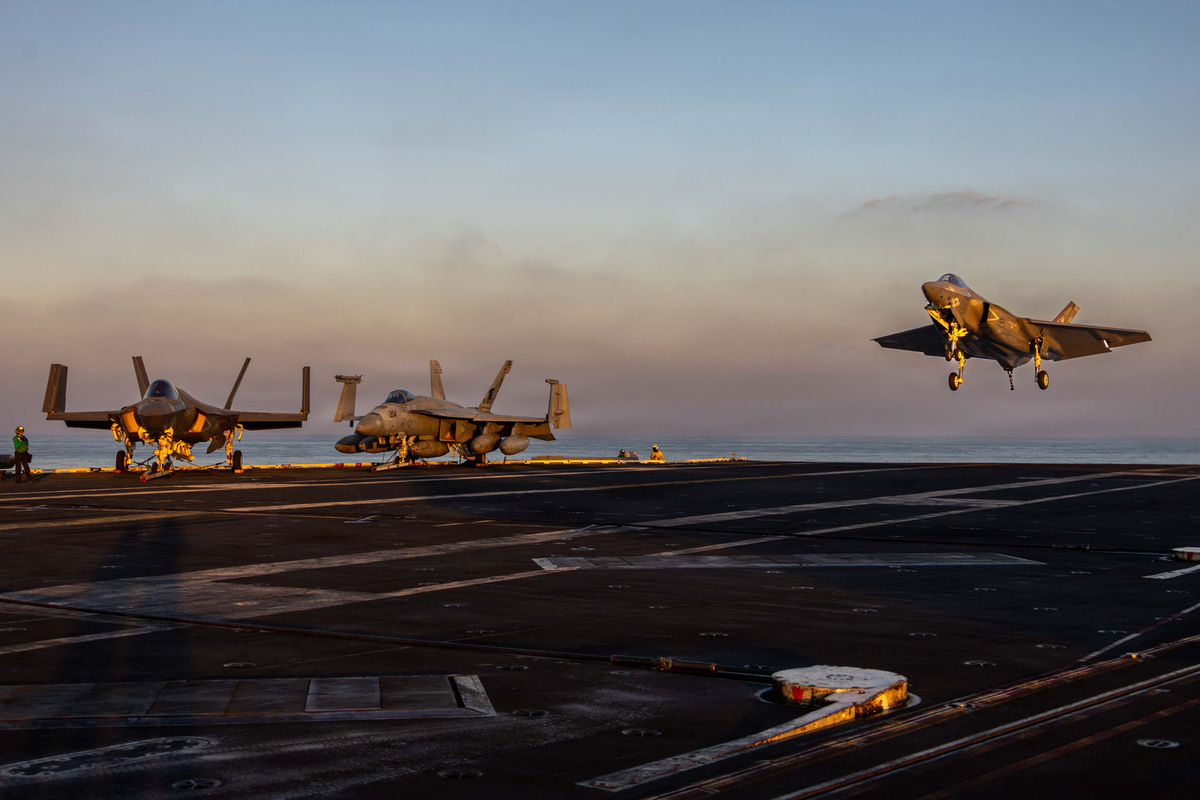
Hormuz is closed
According to Bloomberg, vessel traffic in the Strait of Hormuz has come to a near-complete standstill since Tuesday morning, July 14, as indicated by shipping data. Bloomberg reported that, based on available maritime tracking information, the transit of ships through the Strait of Hormuz has virtually stopped. According to the publication, recent American attacks against Iran in the area of the Strait of Hormuz have led to a further deterioration of safety and stability. The Islamic Republic of Iran has repeatedly emphasized that ships must transit through the safe maritime route designated by Tehran in the Strait of Hormuz. Yesterday, the Iranian Foreign Minister, in a phone call with his Cypriot counterpart, argued that the worsening security in the Persian Gulf and the Strait of Hormuz region is a direct result of the military aggression by the United States and Israel against Iran.
Alex Vatanka (researcher at the Middle East Institute): The Strait of Hormuz has become a sovereignty issue for Iran
Alex Vatanka, a senior fellow at the Middle East Institute, argues that the ceasefire reached between the US and Iran on June 16 was "fragile" from the outset. "And every time the two sides display their military might, it happens in and around the Strait of Hormuz," Alex Vatanka told Al Jazeera, "because that is essentially Iran's strongest bargaining chip today." Regarding the US, Vatanka estimated that Trump seems to be betting that "if the Iranians are punished enough, then they will change their stance and return to negotiations." However, he characterized this approach as a "gamble," warning that it could lead to escalation, as Iran has repeatedly made it clear that it will respond to pressure with retaliation rather than concessions. Alex Vatanka also cautioned against treating the dispute over the Strait of Hormuz as a standard sovereignty dispute. "It wasn't a sovereignty issue before the US and Israel attacked Iran, and it became a sovereignty issue [for Iran] only because that was the only card it had left," he noted. "After its nuclear program suffered a devastating blow, what else was left for Iran to use in its negotiations with the Americans?" he wondered. However, "thanks" to this year's war between the US-Israel alliance and Iran, Tehran realized that it possesses significant bargaining power in the Strait of Hormuz, which affects "the entire region, not to mention the rest of the world," Alex Vatanka said. "And I believe they will continue to use this card as long as the diplomatic process still has even a single chance of yielding results," the analyst concluded.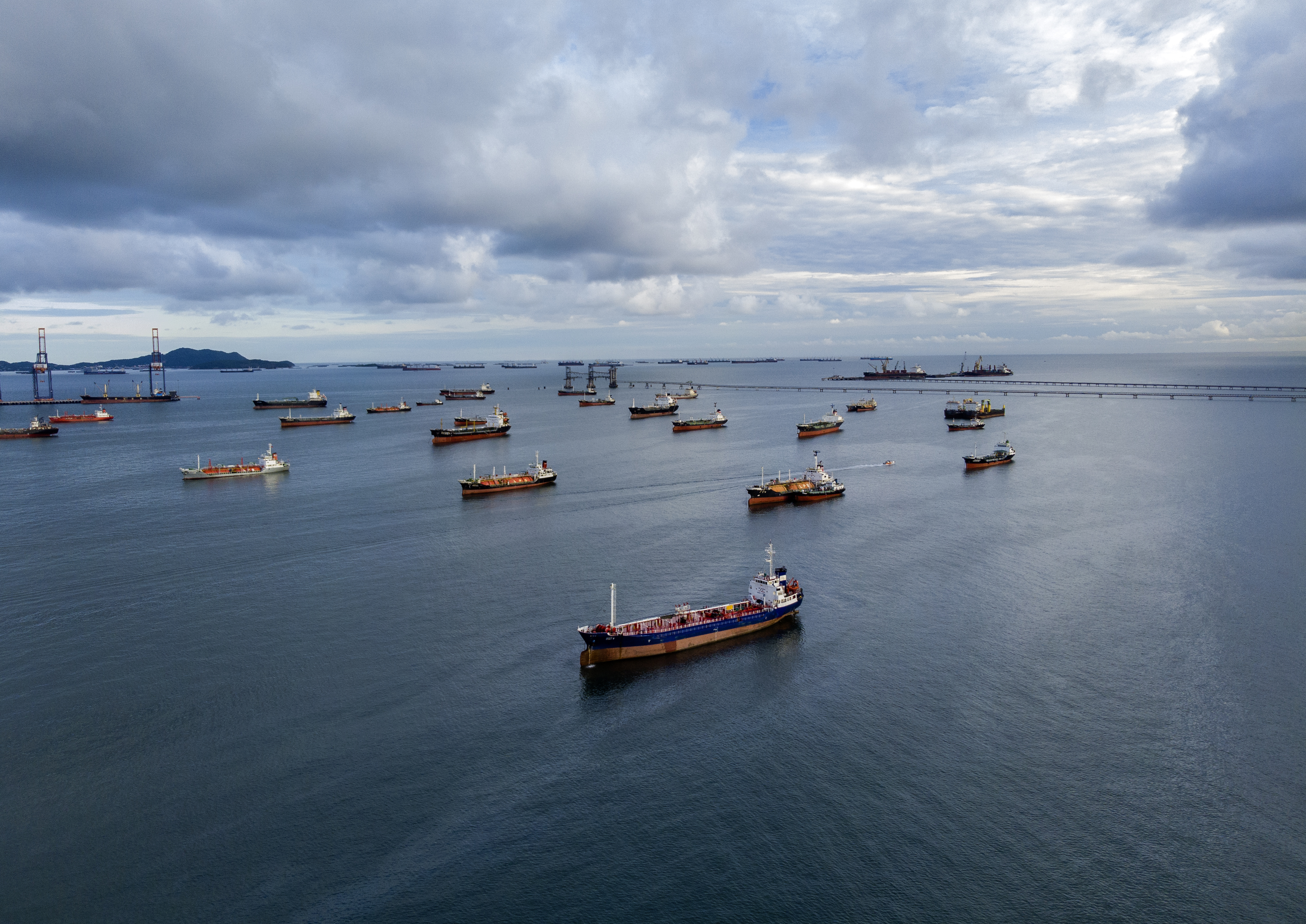
Iran: The real power of the Strait of Hormuz lies in control and not just free navigation
In recent weeks, as discussions intensify regarding the future of the Strait of Hormuz, analysts, experts, and both former and current Iranian officials argue that the true strategic value of the passage does not simply lie in it remaining open, but primarily in Iran's ability to control its operation. According to the Iranian news agency Tasnim, the prevailing view is that the importance of the Strait of Hormuz stems from the fact that a significant portion of global trade, energy, and commodities passes through it. The greater the volume of international transactions through this specific maritime corridor, the stronger the negotiating position of the Islamic Republic of Iran becomes. However, as pointed out, several analysts express the view that a long-term disruption of shipping in the Strait, although it would cause severe short-term turmoil in international markets, would ultimately lead oil-exporting and importing countries to develop alternative transport routes, gradually diminishing the geopolitical importance of Hormuz.
"Iran did not close the Strait for economic reasons"
The report rejects this approach, arguing that Tehran did not attempt to restrict navigation either for financial gain or to exert pressure on the international community. On the contrary, it maintains that any decision to restrict traffic in the Strait of Hormuz would be a response to direct threats against Iran's national sovereignty and territorial integrity. Tasnim further notes that Iran has never imposed tolls or transit fees on vessels using the passage, despite the fact that, as it claims, it has contributed for decades to maintaining the region's security.
Can Hormuz be completely bypassed?
The key question, according to the publication, is whether the capability to completely bypass the Strait of Hormuz truly exists. The Iranian agency reports that approximately:
-
30% of global oil trade,
-
20% of natural gas,
-
30% of chemical fertilizers,
-
11% of agricultural products,
-
25% of aluminum,
-
28% of steel structures, and about 5% of global grain quantities are moved through the Strait of Hormuz. Consequently, as noted, the creation of alternative routes concerns not only oil exports, but also the transportation of vast quantities of commodities and raw materials.
Alternative routes are insufficient
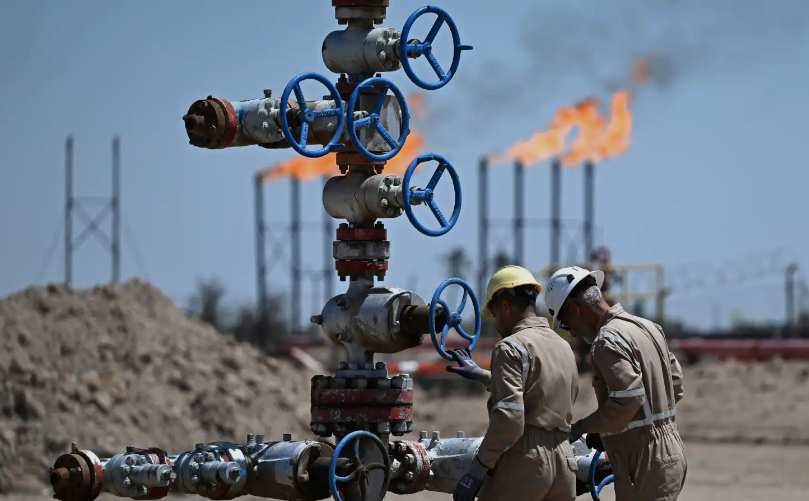
According to the report, existing pipelines from Saudi Arabia to Yanbu and from the United Arab Emirates to Fujairah can transport a combined total of about 7 to 8 million barrels of oil per day. However, approximately 20 million barrels pass through the Strait of Hormuz daily, meaning that even with full utilization of the existing infrastructure, the Strait would still be required for the transport of about 13 million barrels per day. Tasnim also estimates that the development of new pipelines and infrastructure would require investments on the order of 100 billion dollars and a timeframe of at least five to seven years.
Even with new pipelines, Iran's influence does not vanish
The publication argues that even in the case of developing alternative pipelines, this does not mean these routes would be outside Iran's strategic reach. Concurrently, it is highlighted that the largest part of the commodities passing through the Strait cannot be transported via pipelines, while the region's existing rail and road infrastructure lacks the required capacity to replace maritime transport. Furthermore, of the six Persian Gulf states, three share no land borders with third countries and depend almost exclusively on maritime transport through the Strait of Hormuz.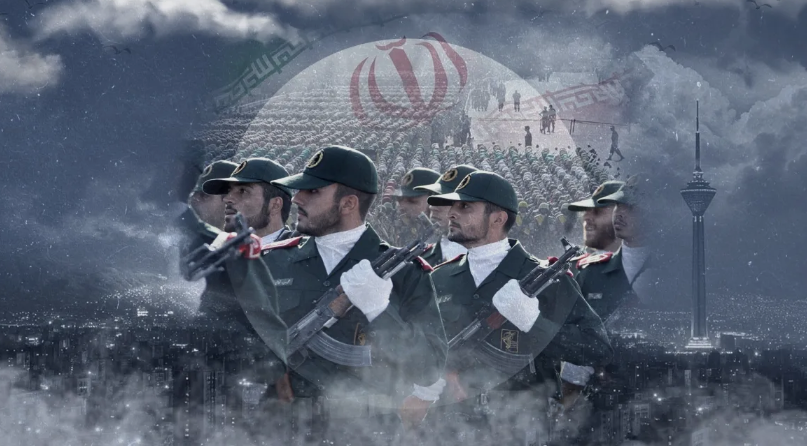
"The strategic value lies in control"
The report concludes that even in the extreme scenario of a complete halt to navigation, Iran's geopolitical importance would not vanish. On the contrary, it argues that as long as Tehran retains the power to decide when and under what conditions free transit through the Strait will be restored, both its deterrent power and its international geopolitical stance are enhanced. According to Tasnim, the real dilemma is not about whether the Strait of Hormuz should remain open or closed, but whether its strategic value derives exclusively from free navigation or from Iran's ability to control and manage this critical maritime corridor during periods when it considers its national security to be threatened.
Azizi (Iran): Parliament tabled a bill for the control of Hormuz
A senior Iranian lawmaker stated that Parliament has officially tabled a bill to exercise control over the Strait of Hormuz, amid escalating US actions. The chairman of the Parliament's National Security and Foreign Policy Committee, Ebrahim Azizi, announced the development in a post on the X platform on Tuesday, pointing out that the tabling of the bill coincided with the downing of American unmanned aerial vehicles in the region. "Last night, simultaneously with the destruction of the American drones, the 'Strategic Action Plan to Ensure the Security and Sustainable Development of the Strait of Hormuz and the Persian Gulf' was announced and tabled in the open session of Parliament," Azizi stated. The lawmaker maintained that Iran remains steadfast in its commitment to defend its "red lines," particularly regarding the management of the Strait of Hormuz. "This is the first step. Other measures will follow," Ebrahim Azizi stated, hinting that Tehran might proceed with further actions to strengthen its position regarding maritime security in the Persian Gulf.
www.bankingnews.gr





Readers’ Comments