

Africa is rapidly turning into the new, invisible front of the conflict between Russia and Ukraine, as the confrontation between the two countries now appears to transcend Eastern Europe's borders and assume global dimensions. Moscow, through Foreign Minister Sergey Lavrov, openly accuses Kyiv of attempting to undermine Russian influence on the African continent, claiming that Ukrainian mercenaries and military instructors are active in several conflict zones, from Mali and Niger to the Democratic Republic of the Congo and Mozambique. At the same time, Russia is strengthening its military, diplomatic, and economic presence in the region, believing that not only its influence in Africa is at stake, but also its overall position in the emerging multipolar world. However, behind this strategy, a critical question arises: is Moscow attempting to build a new geopolitical bridgehead, or does it risk getting trapped in a costly and protracted confrontation on a continent where energy interests, natural resources, regional powers, and the ambitions of major global players clash, and where there is... no stability?
Second front
Russian Foreign Minister Sergey Lavrov confirmed that Ukraine has opened a second front against Russia in Africa. During the Russian Foreign Minister's tour of Ethiopia, Niger, Mozambique, and Burundi, which was dedicated to preparing for the third Russia–Africa Summit, the Ukrainian issue was frequently at the center of discussions.
Toward escalation
The war between Russia and Ukraine in Africa has become a reality and is set to escalate. In fact, in all cases, with the exception of Sudan—where a civil war rages and where, for a variety of reasons, Moscow and Kyiv support the "legitimate authority," leaving their mutual confrontation for later—the same picture is observed: Russia supports the official African governments, while Ukraine backs the rebels and terrorist organizations seeking to dismantle existing states or seize power.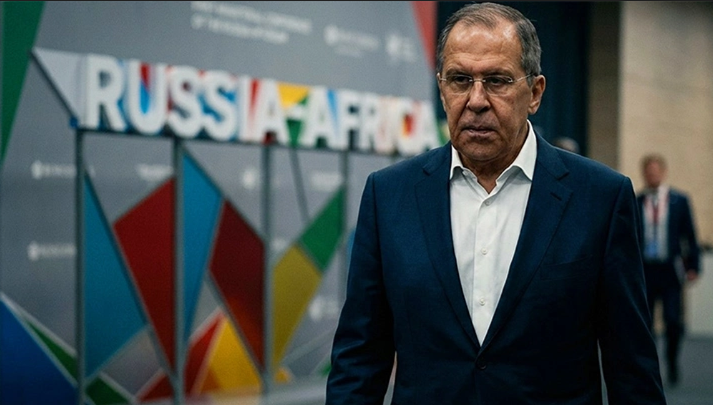
What Lavrov claims
While the public was already aware of the fronts in Libya and Mali, Lavrov spoke openly about the front in the Democratic Republic of the Congo (DRC) while in the capital of Burundi, which holds the presidency of the African Union for 2026. Specifically, Lavrov pointed to examples of blatant external interference in African affairs, such as the case where the DRC—under its legitimate government—with the support of Burundi, is repelling aggression from the so-called M-23 rebel group, which is backed by foreign representatives, including Ukrainians. Lavrov explained the specifics of Kyiv's policy in Africa: intervening in numerous conflicts on the side of opponents of "legitimate governments" to "establish itself as a political player on the African continent and, above all, to create problems for countries maintaining friendly relations with Russia." According to him, this is actively taking place.
The same in Mozambique
This specific issue was also raised by Lavrov during a press conference in Maputo, the capital of Mozambique, where his talks touched upon the situation in the Sahara–Sahel region, the conflict between the Democratic Republic of the Congo and Rwanda, and other crisis points. In his statements, Lavrov said that Russia supports resolving these conflicts through negotiations alongside suppressing terrorist threats. Furthermore, he pointed out that recently, Ukrainian mercenaries have been actively utilized in these terrorist raids. According to Sergey Lavrov, Moscow continues to support the efforts of Mozambican President Daniel Chapo to stabilize the situation in the northern part of the country, eliminate the terrorist threat, and consolidate Mozambique's true sovereignty.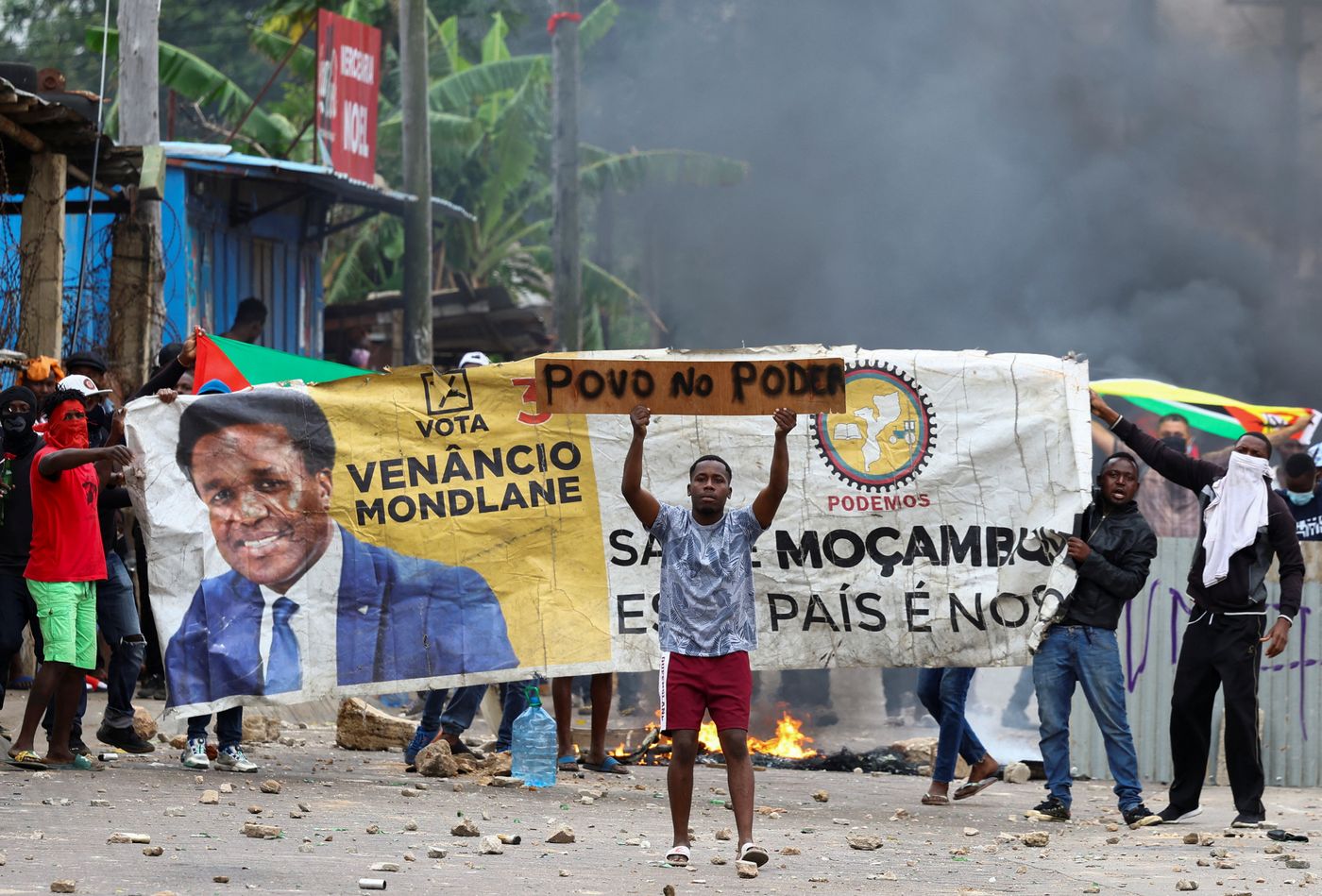
Russia supports the government
The Russian Foreign Minister acknowledged that Russia is already providing Maputo with "support, including through personnel training and the supply of necessary weaponry and equipment" to stabilize the situation in northern Mozambique. Lavrov told the country's president that within the framework of their "strategic partnership" relations, Russia is ready to participate in the "joint fight against terrorism" and the "elimination of the terrorist threat that persists in the northern part of the country."
Chaos over gas deposits
What is happening there? In an underdeveloped, impoverished, and neglected province separated by religious divisions (between Muslims and Christians), a conflict is escalating over the control of the largest natural gas deposits in Africa. Within the context of this confrontation, local elites receiving foreign backing are attempting to break away from the control of the "legitimate government," while the most radical among them operate under jihadist slogans, attracting mercenaries and funding from various sources.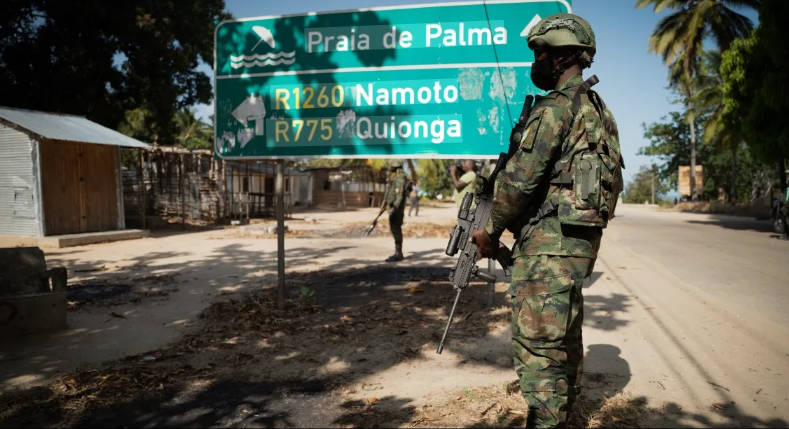
Russian involvement
In the natural course of events, given the vast economic interests and the prospect of establishing a foothold in a region rich in natural gas, it is inevitable that Ukrainians—who are highly valued in Africa as drone specialists—will appear there, if they have not already. Timber and drug smuggling are also factors that will attract them. Thus, in Mozambique, where a Sudan-style scenario is deemed unlikely, another front of the war with Ukraine in Africa is taking shape. Sergey Lavrov's words can hardly be interpreted as anything other than an indication that Moscow accepts the possibility of becoming involved in this emerging conflict. This is because, according to the prevailing view, there is no one else who can protect Maputo: North Koreans are too far away, while the Chinese are businessmen, not warriors, as is characteristically noted.
Terrorists trained in Ukraine
What Mozambique has yet to face has already become a reality in Mali. This was stated in an interview with TASS by Fousseynou Ouattara, Vice-Chairman of the Defense Committee of Mali's Transitional Council, who argued that authorities possess evidence that some of the terrorists carrying out attacks in Mali were trained in Ukraine. According to him, these are kamikaze drone operators. The Malian official also stressed that all unmanned aerial vehicles used by terrorist groups in his country are of Ukrainian origin.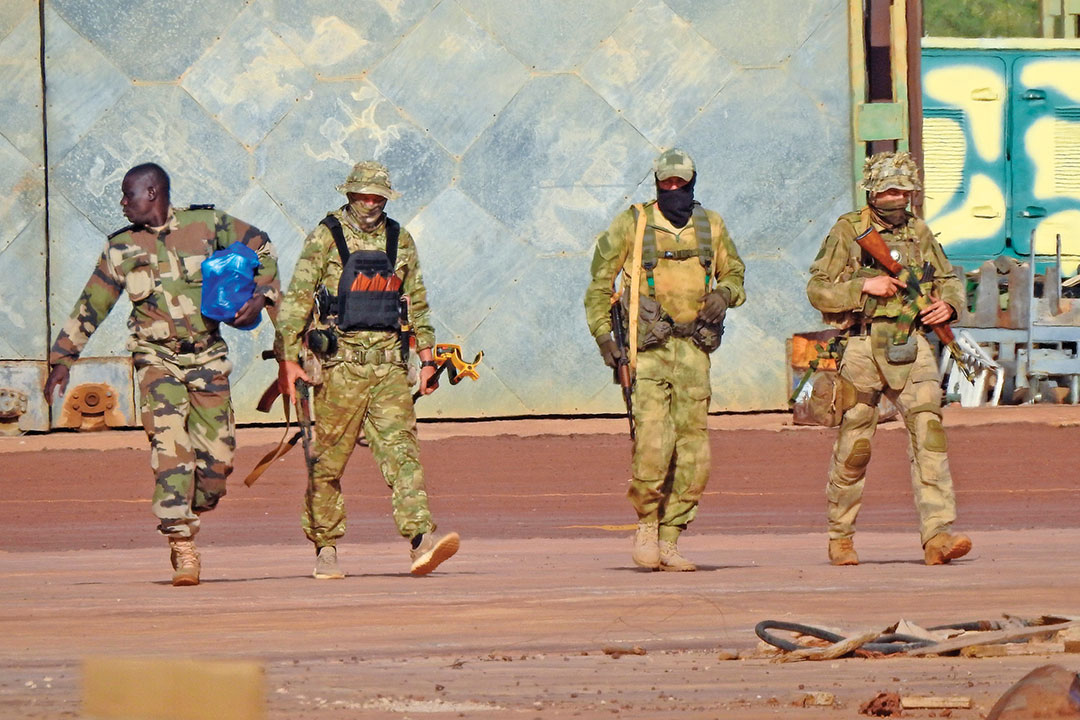
Training from the French Foreign Legion as well
Furthermore, according to Ouattara, armed groups are receiving manpower reinforcements from Algeria and Libya while being trained by specialists from the French Foreign Legion and Ukrainian instructors. In short, French money, Ukrainian ingenuity, and the martial traditions of the Tuareg and their local allies seeking secession or even the dissolution of Mali have proven to be a highly effective combination.
Mali holds on
Mali continues to hold on thanks to the Russian "African Corps", which previously repelled their attacks—with the government army not collapsing due to the Russian presence, even though it was forced to abandon part of its territory—while, during Lavrov's African tour, it carried out a successful military operation, pushing terrorists away from the strategically important Malian city of Anefif, inflicting heavy losses on them. Unfortunately, however, this is merely an episode in a war that will continue, as the root causes that triggered it persist. The main cause is the inability of the "legitimate" authorities of former European colonies in Africa, which gained formal independence, to control and develop their countries within internationally recognized borders. This is due to both their own weaknesses and the obstacles posed by the West, which continues to implement neocolonial practices.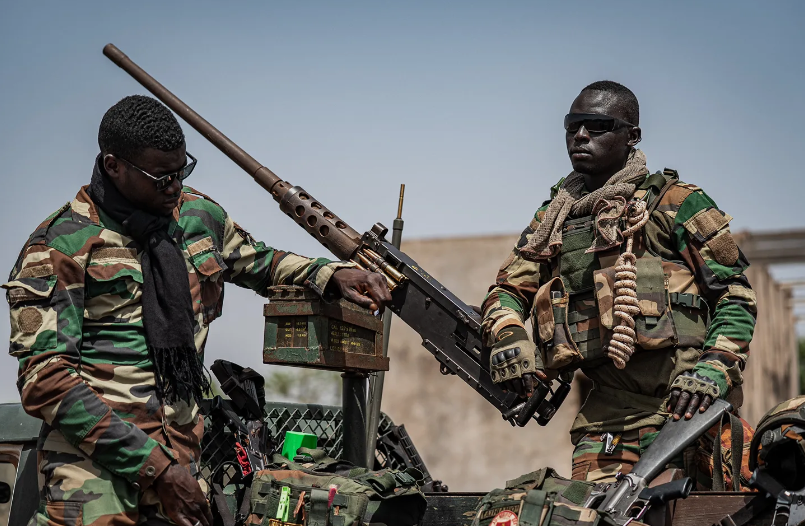
Ukrainian mercenaries
Information regarding the presence of Ukrainian mercenaries in the Sahel region, which includes Mali, as well as weapon trafficking between the Sahel and Ukraine, is regularly published in African and French media (France being the former colonial power in these areas). This was also confirmed in May by Mali's Foreign Minister Abdoulaye Diop. Already by August 2024, the Republic of Mali had severed diplomatic relations with Ukraine, citing Kyiv's support for terrorist groups operating on its soil. A particularly active role is played by the Ukrainian military intelligence service (GUR), which cooperates closely with French intelligence. The "terrorists with a European appearance" who spoke "a language similar to Russian, but not exactly," and occasionally uttered the word "Ukraine"—as reported by the Malian news portal Bamada, citing residents of the city of Kidal who survived an armed attack—were, according to the publication, Ukrainians. The same outlet cites testimony from another eyewitness, according to whom a Frenchman was conversing with a Ukrainian in the terrorist-captured city of Kidal, expressing regret that they did not have enough forces to capture Bamako, the country's capital. According to the testimony, the latter initially replied in his own language and then repeated in French: "Ukrainians are ready."
A similar situation in the Sahel states
To a greater or lesser extent, the situation in Mali is characteristic of other countries in the Sahel region, whose foreign ministers gathered in Niamey, the capital of Niger, for a meeting with Sergey Lavrov. Representatives of the Alliance of Sahel States (AES)—Niger, Burkina Faso, and Mali—signed a series of joint documents and held a meeting of the Council of Ministers within the Russia–AES framework. Following the conclusion of Lavrov's visit to Niger, where he also met with President Abdourahamane Tchiani, the Russian Foreign Ministry stated that Moscow supports Niger in its fight against foreign-funded terrorism, as well as in "strengthening security in Niger and the Sahara-Sahel region as a whole." At the same time, the intention to intensify bilateral cooperation in various fields was confirmed, and both sides agreed to strengthen their coordination.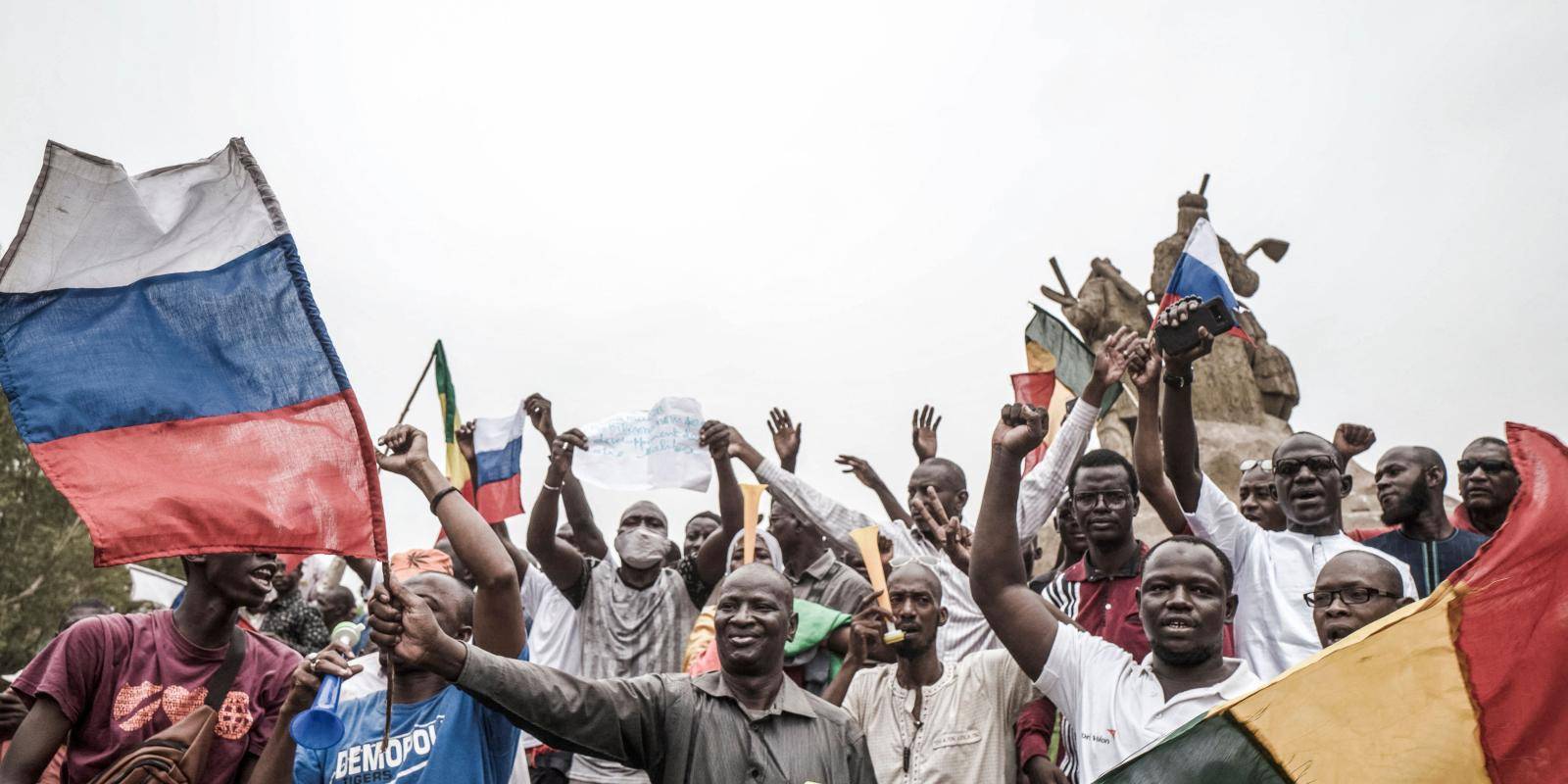
The assistance is not only military
Of course, it is not just about military aid, but it is obvious that this is the top priority, as nothing else could exist without it. After all, Sergey Lavrov himself confirmed: "Undoubtedly, the issue of combating terrorism occupied one of the primary positions in our discussion." During the press conference following the Russia–Alliance of Sahel States (AES) ministerial meeting in Niamey, Lavrov spoke extensively about the economy, pointing out that Russia, following the example of the Soviet Union, will actively and on a large scale support the economic development of African countries, that much has already been done in this area, and even more is to be done. At the same time, it was emphasized that African countries wish to manage their own natural resources, end their economic dependence on former metropoles that still essentially plunder them, and acquire real international legal standing.
Fine words
These are fine words, but the reality is different. How feasible are these ambitious goals when the West—which reacts with intense anger to this prospect—and particularly France, which has chosen to rely on Ukrainians to confront the Russians in Africa, will do everything to prevent such a development? This is especially true considering that modern Russia is far from the Soviet Union, both economically and militarily, as well as in terms of generosity in debt write-offs—an element that contributed to its great popularity in Africa, whereas with the Chinese, as is characteristically mentioned, "such practices do not pass." At the same time, the international arbitrariness of the West has reached much greater proportions compared to the Soviet era: Russia's allies will face severe sanctions, military attacks, and regime change.
The Africa Corps
This is not yet happening in Africa only because Russia has not yet fully exposed itself or spent enough of its limited resources on a cause characterized from the outset as a losing battle. The "lure" of cooperation still works because the benefits of cooperating with Africa likely end up in private pockets: some acquire new titles and privileges, while the cost is covered by the state budget. Of course, no one disputes the fighting capabilities and courage of the soldiers and officers of the "Africa Corps," although the private military company "Wagner" operated more effectively, as recent events in Mali have reportedly shown. However, the supply of the "Africa Corps" essentially depends on the Russian airbase of Khmeimim in Syria, and this fragile supply line would not be particularly difficult to sever, should there be the will to do so.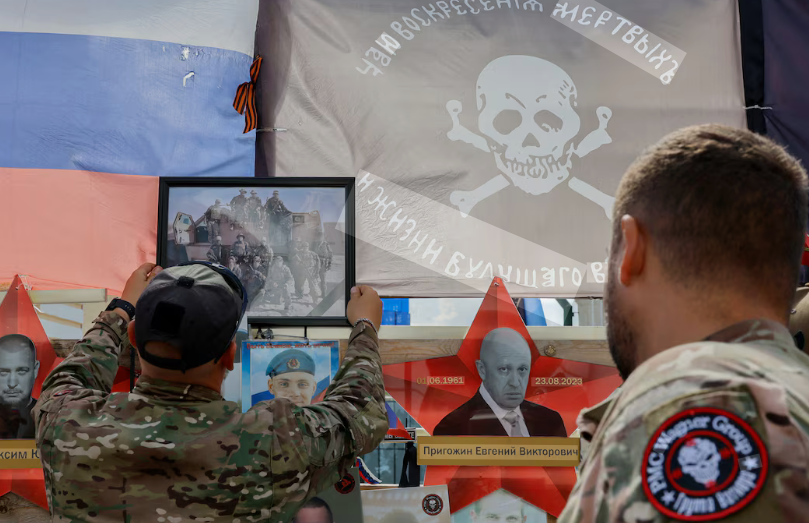
The World War II example
Another "Africa Corps" had also operated in Africa during World War II. Its opponents feared it greatly, as the Germans fought far more effectively. Nonetheless, it suffered a crushing defeat due to the imbalance of forces, the weakness of its allies (the Italians), and, above all, supply problems. Additionally, the British and Americans had managed to decrypt their communications and thus knew their plans. If the West, with the Ukrainians on the front line, decides to expel Russia from Africa to preserve its "right" to continue exploiting the continent, and approaches the issue seriously by combining military actions against the Russians with extremely strict economic and financial pressure on African countries, then the chances of success for such a plan are highly significant.
Russia expands its presence
During a press conference in Addis Ababa, the capital of Ethiopia, Sergey Lavrov stated that Russia plans to open diplomatic missions in Gambia, Liberia, Togo, and the Comoros within the next two years, while reminding that embassies were opened last year in Niger, Sierra Leone, and South Sudan. All of this is happening on a continent where borders were drawn by external powers, tribes clash over control of natural resources, the population is growing rapidly, further fueling conflict potential, while former colonial powers closely watch to prevent new players, especially Russia, from gaining influence in their former colonies—having at their disposal Ukrainians willing to fight Russia and profit from all kinds of activities.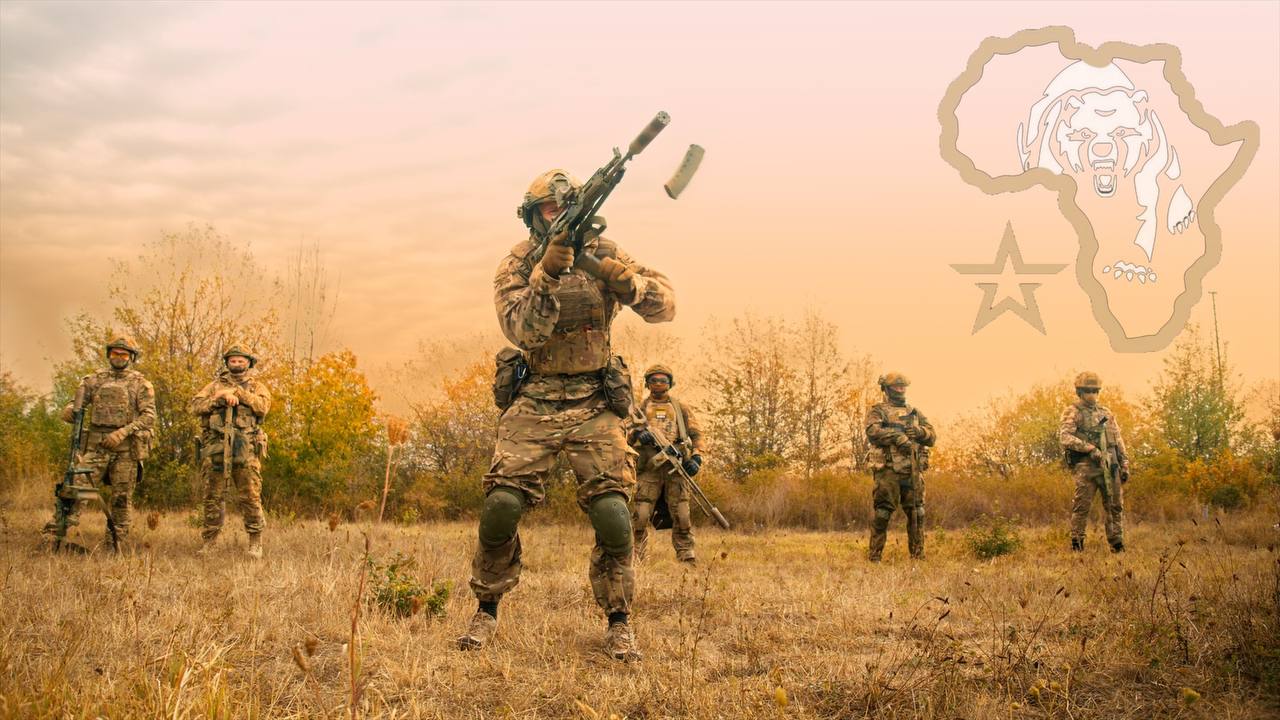
What does this mean?
It means that Russia, which lacks sufficient resources even for its own development and whose economy has not yet acquired the required momentum, is being dragged into the "African swamp". Russian military personnel will be called upon, with limited compensation, to wage a fight that is ultimately doomed to fail, with the aim of keeping in power the "legitimate" governments of countries in the process of disintegration. This is equivalent to swimming against the current, whereas the Ukrainians do not face a similar problem in most cases, as they support those seeking to overthrow the existing regime. For this reason, Russian analysts estimate that Russian businessmen operating in the above countries will also lose in the end, having found space only because Western companies are currently avoiding operating there.
Another dimension
However, there is another dimension. If the Russian military succeeds in restoring order in certain countries and strengthening their "legitimate" governments, the latter, instead of showing gratitude, might turn back toward the West—especially if they are offered more favorable terms of cooperation than in the past. As noted, similar examples have already occurred, and Moscow should not ignore them. As Russian analysts point out, there are currently no reasons for optimism.
The best-case scenario for Moscow
The best possible scenario, should Russia's current strategy in Africa be maintained, would be for Russian forces to protect Chinese businesses—as China has far more to offer African countries in almost all sectors, while Russia can only offer in a few. The correct policy—according to Russian analysts—would be the development of relations with African states that do not require excessive economic and military support from Russia. Specifically, with countries that wish to strengthen their relations with Moscow, even for security reasons, so they can maintain a neutral stance toward the increasingly intense global confrontation between the United States and China. Russia should focus on smaller-sized states, which are economically more manageable for its current reality. Such a direction already exists in Russian foreign policy, citing the Seychelles, Eritrea, and other countries as examples, and this foreign policy strategy should be strengthened.
www.bankingnews.gr













Readers’ Comments