

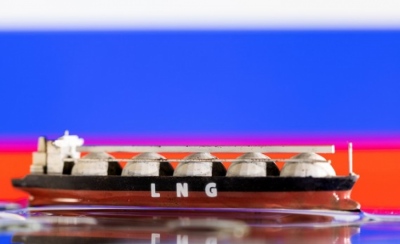
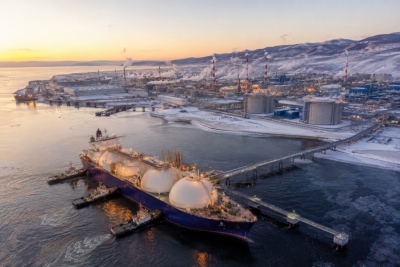
Europe's energy decoupling is turning into a massive fiasco, as while Brussels prepares to shut the door on Russian LNG, European countries have rushed to increase their purchases to record levels, channeling billions of euros to Moscow just before the embargo takes effect. European Union countries imported record quantities of liquefied natural gas (LNG) from Russia's Yamal facility during the first half of 2026, according to EU data, just months before the ban on Russian supplies is set to come into force. The European Union banned imports of Russian LNG via short-term contracts starting in April, but supplies based on long-term agreements can continue until January 1, 2027. According to data from commodity analysis firm Kpler, EU countries imported 136 LNG cargoes from Yamal, totaling a volume of 9.97 million metric tons, during the January–June period. This volume represents a 16% increase compared to the corresponding period of the previous year.
Yamal LNG and Europe's strategic dependence
The Yamal LNG project in the Russian Arctic is controlled by the Russian private company Novatek, while stakes are also held by China's CNPC and France's TotalEnergies. More than 97% of Yamal LNG deliveries between January and June were directed to European ports, according to an analysis by the environmental organization Urgewald. The organization argued that these data capture the extent to which Europe continues to support the Russian LNG sector, even while the EU supports Ukraine in its war with Russia. "It absorbs almost the entire production of one of Russia's most strategically important LNG projects," Urgewald stated.
Nearly 6 billion euros into Russian coffers
LNG purchases from Yamal during the January–June period are estimated to be worth approximately 5.96 billion euros ($6.82 billion), according to Urgewald. The three largest destinations for the Russian cargoes were France, Belgium, and Spain. The European Union, in its effort to curtail Russia's revenues funding the war in Ukraine, agreed to completely ban imports of Russian natural gas following the full-scale invasion in 2022. However, the implementation of the ban is taking place gradually, so that companies have time to secure alternative supply sources. The final deadline for ending imports of Russian natural gas via pipelines has been set for September 2027.
Europe increases overall purchases of Russian gas
The increased deliveries from Yamal are part of a broader trend of strengthening Russian natural gas imports into Europe over the course of 2026. According to the EU Agency for the Cooperation of Energy Regulators, imports of Russian pipeline gas increased by 7% year-on-year during the January–May 2026 period, while imports of Russian LNG increased by 11%.
The European regulatory authority attributes the rise to two main factors:
-
First, companies proceeded to accelerate deliveries ahead of the full implementation of the EU ban.
-
Second, the ban on re-exporting Russian LNG imposed by the EU in 2025 resulted in larger quantities remaining in the European market instead of being transferred to third countries.
The contradiction of Europe's energy policy
The surge in imports from Yamal highlights the difficult balance that the European Union is trying to manage: on one hand, it seeks to restrict the financing of the Russian war machine, and on the other, it still depends on Russian energy flows to meet its needs. The result is that, despite the sanctions and the decoupling strategy, significant funds continue to be directed toward the Russian energy industry until the transition to alternative sources is completed.
www.bankingnews.gr


Readers’ Comments