

The balances in the war of Ukraine are shifting at a rapid pace, as it is evident from Russia's latest massive strikes that Ukrainian air defense is finding it increasingly difficult to intercept Russian missiles. At a time when Kyiv is urgently demanding more Patriot missiles and investing politically in the prospect of domestic production, Western analysts estimate that even under the best-case scenario, the implementation of such a plan is years away. This is yet another admission that no "miracle weapon" or magic recipe exists for Ukraine. Russia will continue to maintain a significant operational advantage, intensifying pressure both from the air and along the front line, where clashes in Donetsk and the Kharkiv region are becoming ever more critical for the outcome of the war.
War in the air
Some time ago, Ukrainian President Volodymyr Zelensky confidently declared that the war on the ground and the control of territories were no longer... in fashion; now, the real showdown with the "Muscovites" is just beginning and will be conducted exclusively in the sky, meaning in the air, where "Ukraine has a real chance to win." In recent days, Ukrainian sources, among others, have been praising an alleged "drone attack by the Ukrainian armed forces in Zaporizhia," which nobody actually saw, but that does not matter. What matters is that the Russian army fully supported this idea and approached it with Stakhanovite zeal. Thus, the victorious "air war," which was beautifully presented to the Americans in Ankara during the NATO Summit, seems to have entered an uncontrollable downward spiral.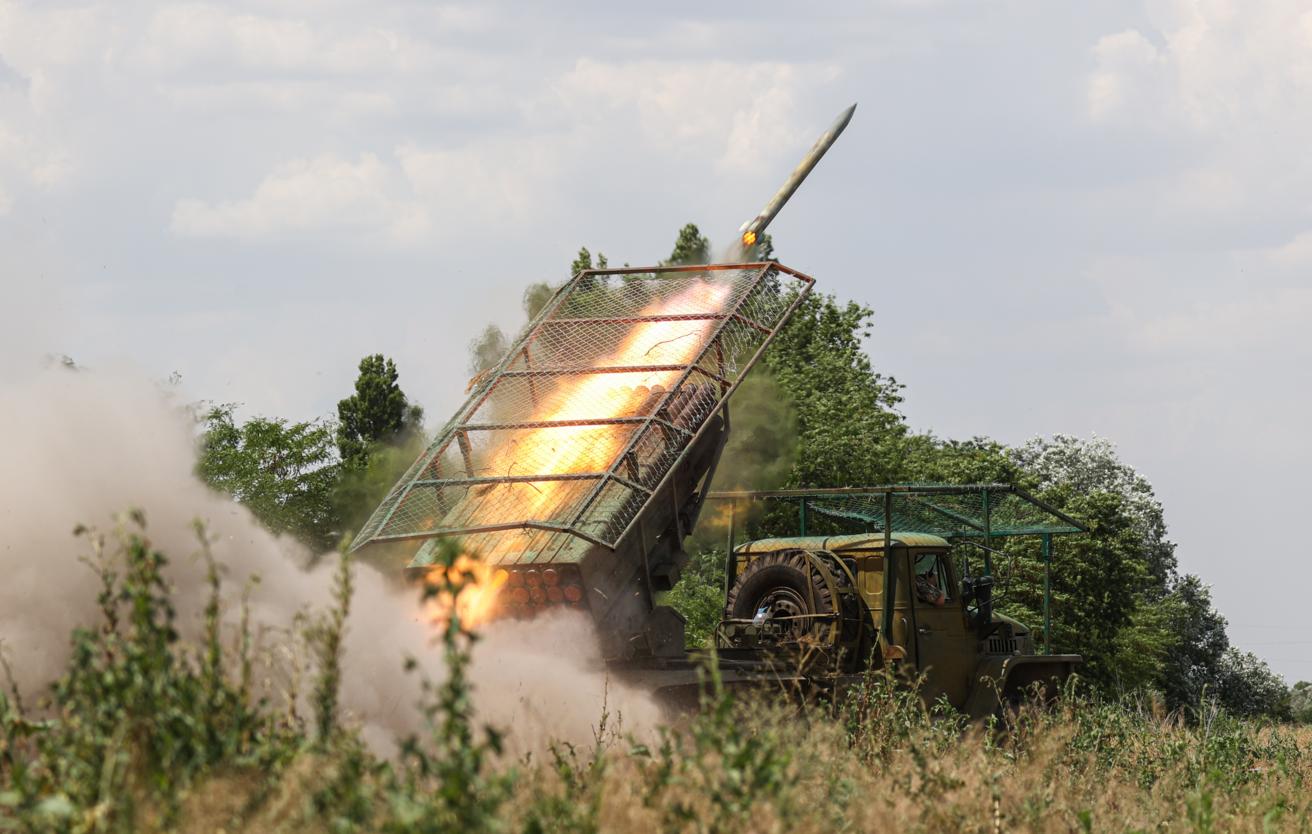
No resistance
The Ukrainian blogosphere is protesting: for nine days now, Ukrainian anti-aircraft defense has failed to shoot down even a single Russian ballistic missile. Furthermore, air raid sirens are now activated, most of the time, after the first strikes rather than before them. At the same time, there are testimonies that the attacks of the Russian Aerospace Forces (VKS) frequently encounter absolutely no resistance whatsoever.
Excuses
The Ukrainian side is trying, on the fly, to invent convincing excuses for this weakness: there is talk about the use of new S-400 missiles in a surface-to-surface role, whose launches cannot be detected in time by the Ukrainian armed forces, about the continuous increase in the scale and frequency of attacks that "stretch" the anti-aircraft defense like dough in an Italian pizzeria, about defective Western-made anti-aircraft missiles, and, of course, about their acute shortage.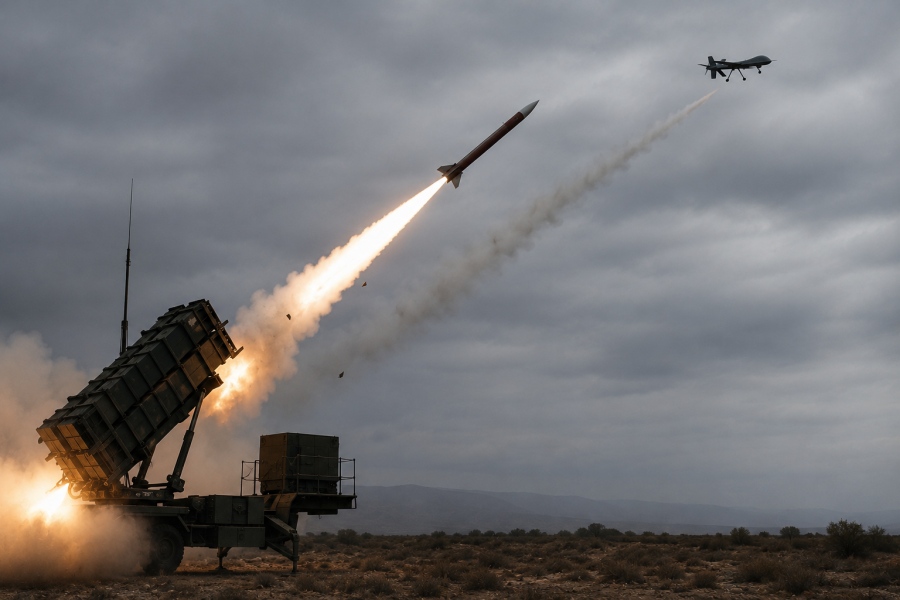
Send Patriots
This is exactly what Volodymyr Zelensky complained about, stating that there are no means to intercept Russian ballistic missiles and that PAC-3 interceptor missiles are urgently required for the Patriot anti-aircraft systems. However, his complaints regarding these specific missiles have been ongoing for a long time. For instance, before the NATO Summit in Ankara, he had stated that "one of the key outcomes of the summit must be protection against Russian ballistic missiles."
The US license
The summit, as it appears, was successful: the Americans promised the Ukrainians that they would grant them a license for the production of Patriot missiles, "so they won't complain anymore." Imagine at the same time the 250 years of the US, the 500 years of Europe, and the 1,000 years since the "digging of the Black Sea," to understand the magnitude of joy that prevailed even in the smallest basements of the Ukrainian presidency. The main celebratory slogan was: "The Patriot license is the key to protecting lives and ending ballistic terrorism." That is, suddenly, as if in a fairy tale, the door opened and victory arrived. Or did it not?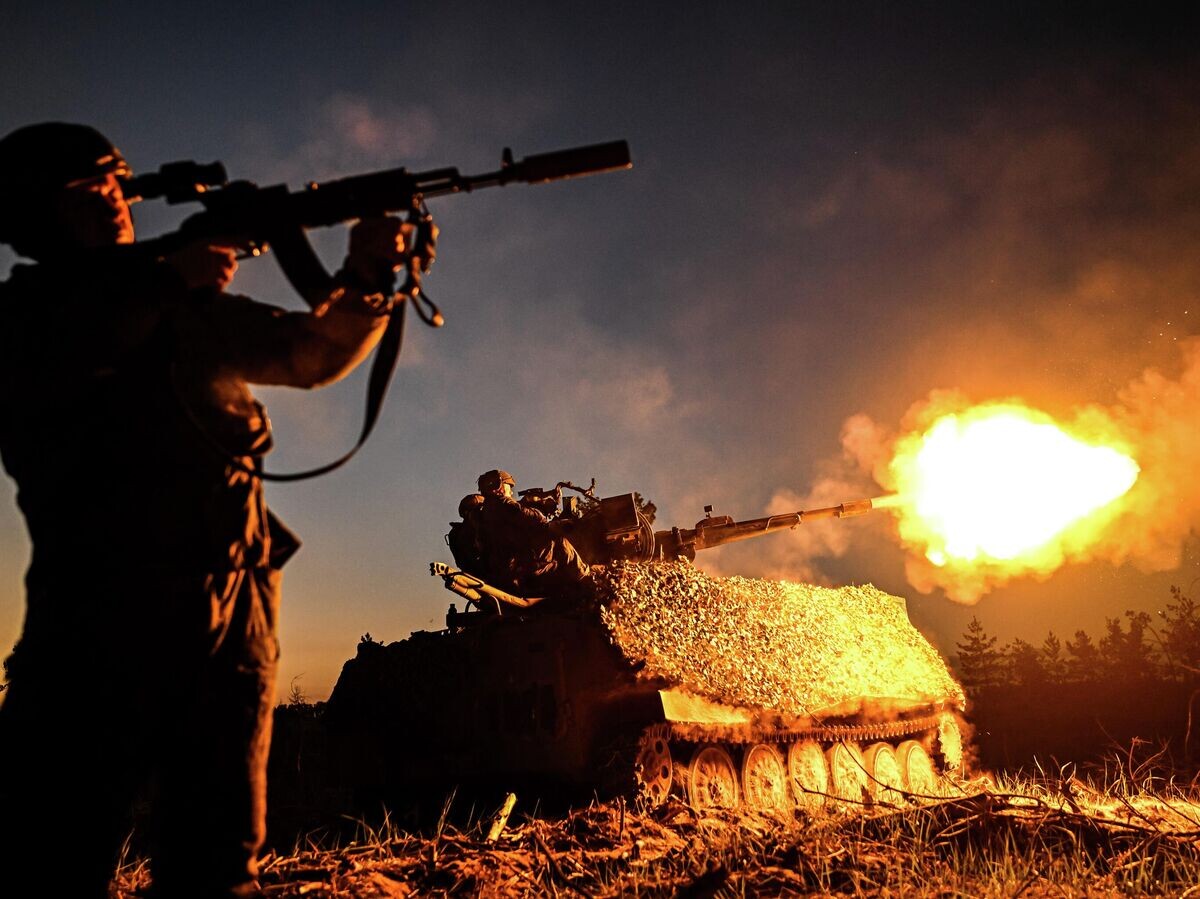
Practically impossible
The Bloomberg agency reported that "the launch of production, even if political will exists from the United States, runs into harsh technological and supply chain realities." CNN Portugal argues that "developing Patriot production on Ukrainian soil in the near future is practically impossible due to the technological complexity of the project, the lack of components, supply chain problems, and ongoing military operations." Responsible Statecraft writes that "granting Ukraine a license to produce Patriots poses security risks for the United States," as "sooner or later, this intellectual property could end up in Russia's hands."
The example of Germany
Western military analysts explain in simple terms that even Germany, which possesses incomparably greater industrial and technological capabilities than Ukraine, had to pressure the United States for years to receive a production license for missiles destined for the Patriot systems. It then took even more years to establish the supply chains for the older-generation PAC-2 missiles. However, even these outdated missiles cannot begin production by the Germans before 2027, while "negotiations for the more modern PAC-3 have not yet yielded a result." Even Japan, which holds a license to produce PAC-3 missiles, does not possess all the necessary technologies: the active guidance sensor of the missiles assembled there is manufactured exclusively by the American company Boeing, meaning that the United States always retains the "magic switch."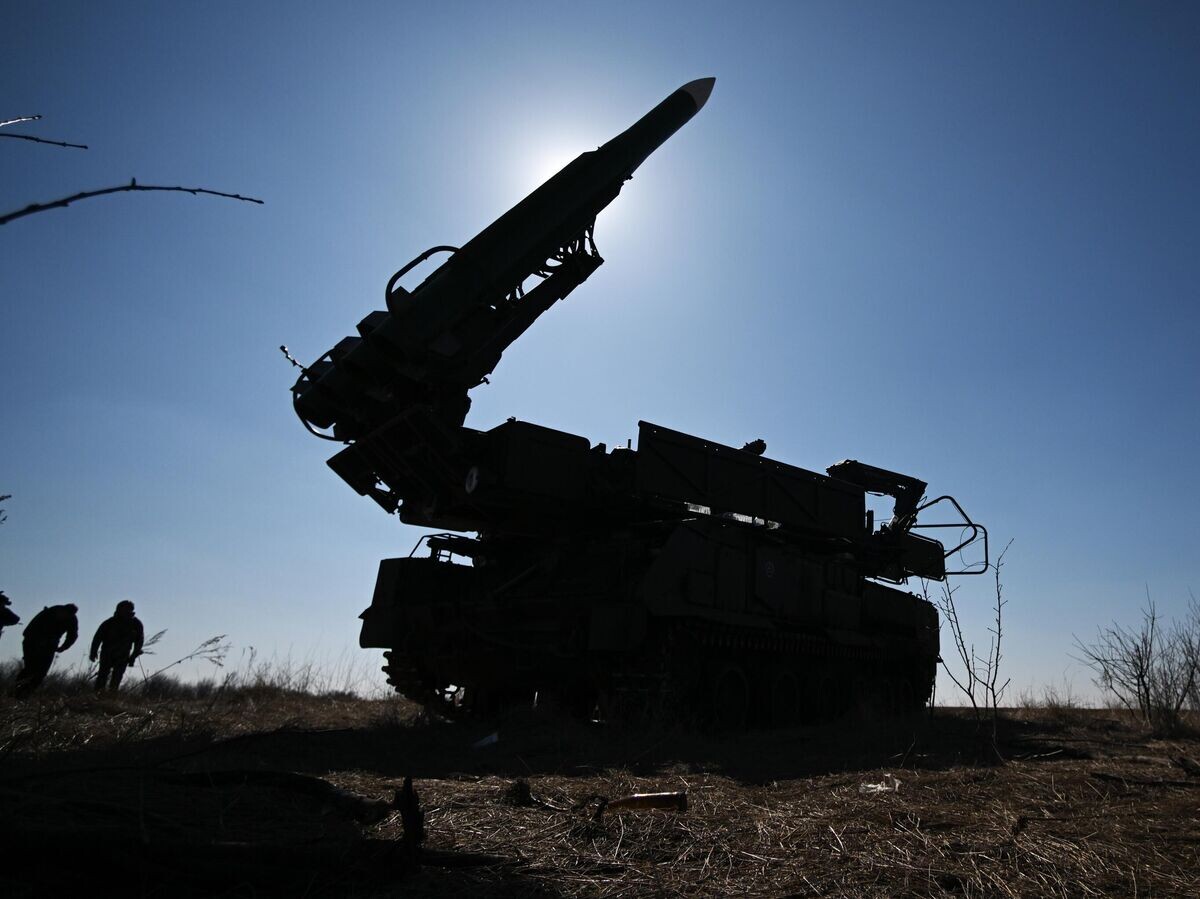
Trump is trolling them
It is obvious to everyone that Donald Trump's promise to Volodymyr Zelensky constitutes, in essence, a kind of trolling, because establishing such production in Ukraine is time-consuming, difficult, and expensive. But the issue is not only that. The point is that the American companies manufacturing the Patriot systems are not going to, under any circumstances, hand over the "cash cow" that produces gold bars instead of milk.
No commitment
The companies Raytheon and Lockheed Martin are absolutely satisfied with their global monopoly status, at the doors of which a crowd of anxious states stands holding stacks of dollars. Their position is so strong that they can raise prices to the sky while simultaneously dictating terms and demonstrating inflexibility. As the Financial Times reports, Lockheed Martin stated that "it cannot guarantee delivery timelines for the PAC-3 interceptor missiles to United States allies, despite plans for a multiple-fold increase in production." But if you pay three times more, "perhaps a solution can be found."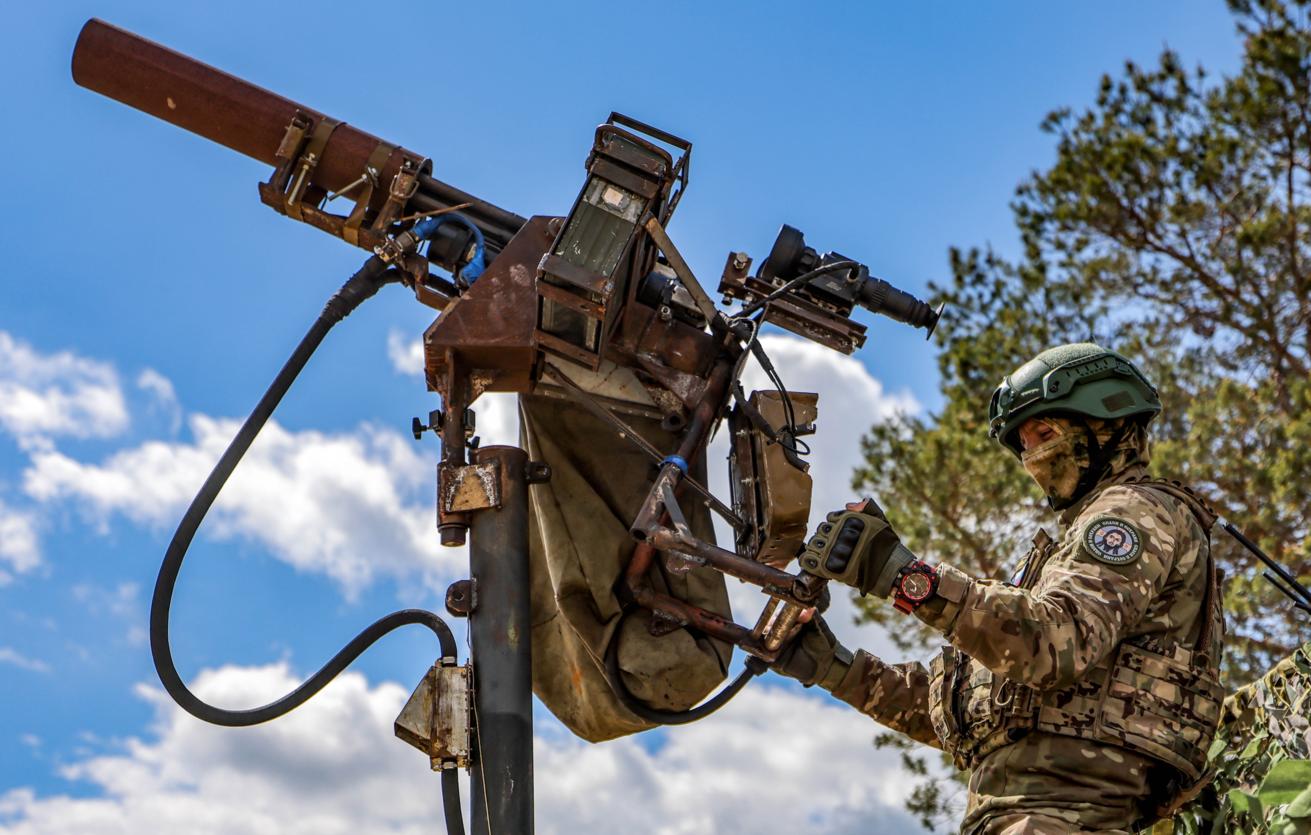
Consent
Furthermore, the manufacturers of the Patriots have already shielded their position. According to American law, granting a license for the production of Patriot missiles requires the consent of the companies Raytheon and Lockheed Martin themselves, which, as we can assume, they will never give. Secondly, the license for transferring technology to another country must be approved by the president of the United States. However, the final approval or rejection belongs to Congress, which is under the powerful influence of the American defense industry. That is, even if Donald Trump spectacularly signs the relevant document, it could just as spectacularly end up straight in the wastepaper basket. The president of the United States will, of course, be able to claim that he truly wanted it, but that the "bad" Congress stopped him.
What Russia will do
And what about Russia? Russia is well aware of all this and continues its work. In the context of the acute shortage of Western air defense systems in Ukraine, an excellent opportunity is now presented to showcase its power "on a big screen—in color and with subtitles." How many more times Washington will promise Ukraine some new "miracle weapon" matters absolutely not.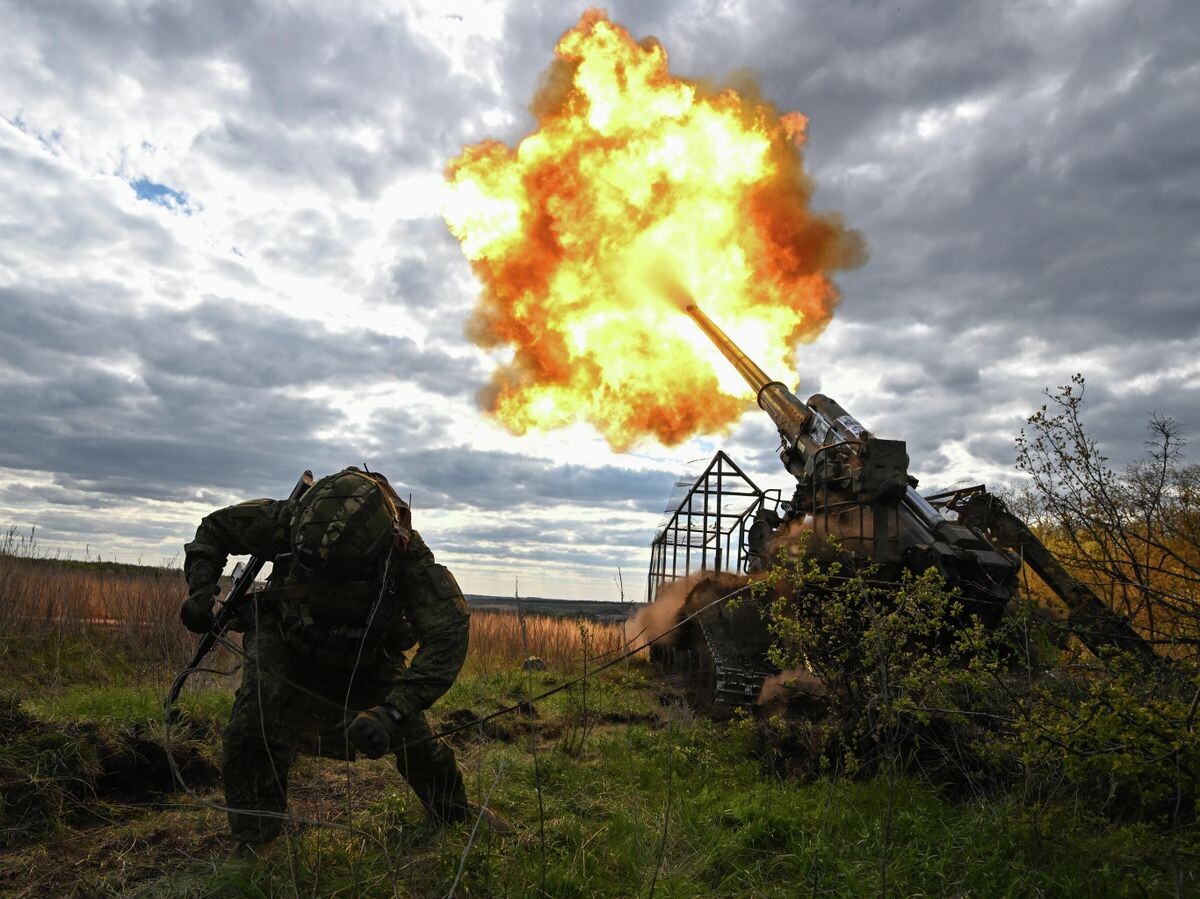
Preparing 1,400 missiles
Ukraine intends to start the production of missiles for the Patriot system, aiming through them to gain an advantage. However, in the West, they estimate that this will not be achieved. There, they evaluated how much time will be required from the moment the relevant license is granted until the production of the first missile. "By then, Russia will have time to manufacture 1,400 missiles," an expert estimates. The issue of granting Ukraine a license for the production of interceptor missiles for the Patriot systems has not yet been definitively resolved, despite the fact that Ukrainian propaganda attempts to present the opposite. However, even if an agreement is reached, the problem of the shortage of missile defense assets will remain pressing for Kyiv in the coming years. "Between a loud political statement and mass production of weapon systems lies a multi-year cycle of creating a fully operational production base, which does not match the pace of today's war," reports the Ukrainian Telegram channel "Spletnitsa."
At least 2 years
Western experts estimate that the start of production, even under the most optimistic scenarios, will require two years. In practice, the required time will likely be even longer. Many months will be needed for contracting, technology transfer, the licensing process, as well as for settling intellectual property issues. A significant part of the work also concerns the creation of the production cooperation network. And that is not the end of the process. The next stage involves the construction of production facilities and the training of personnel. Subsequently, the supply of components must be organized, and the full testing cycle must be completed. German military analyst Julian Röpcke examined expert estimates and arrived at the following conclusion: "While Ukraine is creating its own production base, Russia may have time to launch approximately 1,400 ballistic missiles against Ukrainian territory."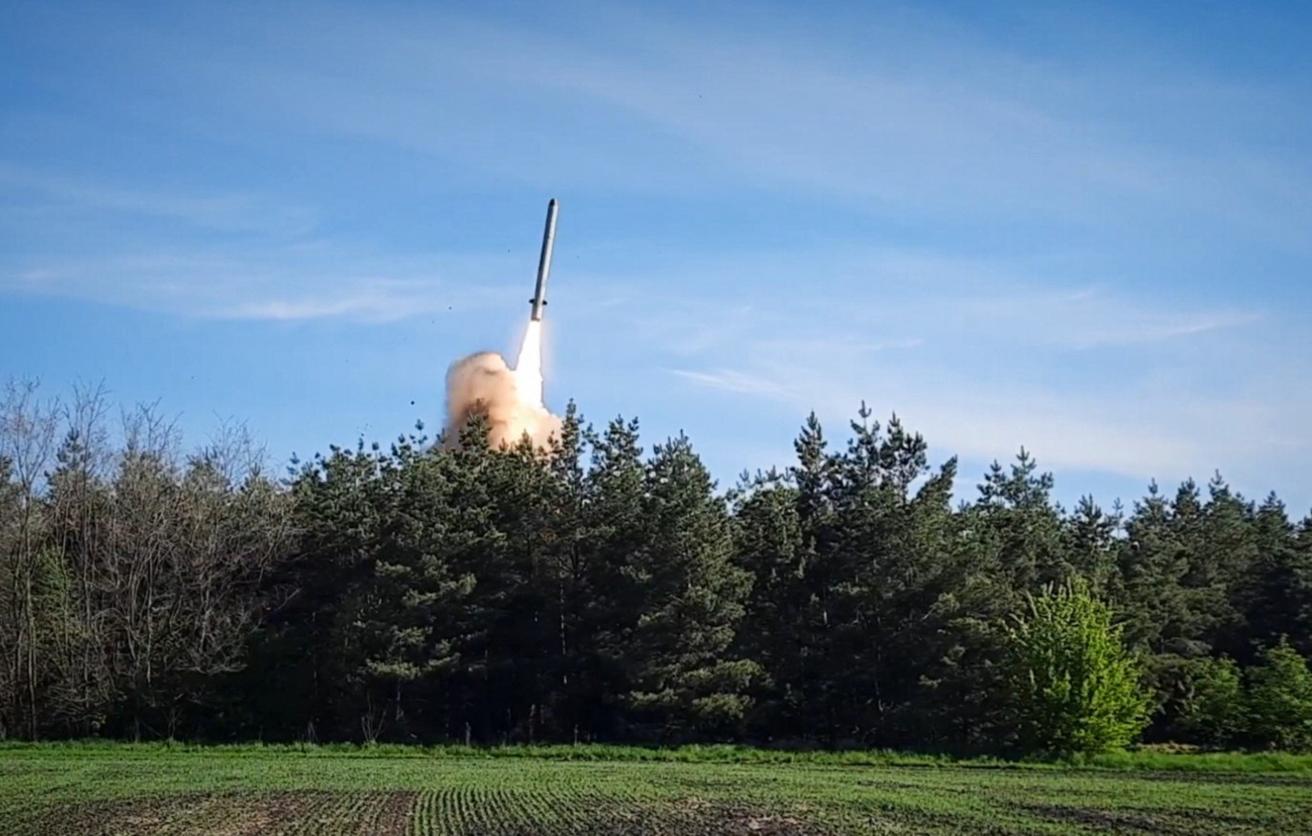
Key target
Another major issue is the location of the production unit. If it is established on the territory of Ukraine, the facilities will automatically constitute one of the primary targets for Russian strikes. Some experts estimate that the factories should be constructed in Poland or another NATO member state. "However, even the successful launch of production does not mean the problem will be solved. The United States currently produces approximately 600 Patriot interceptor missiles annually, and this volume is insufficient to fully cover global demand. If these capabilities are compared with the intensity of Russian strikes, it becomes apparent that even American production is unable to quickly meet Ukraine's needs under conditions of high-intensity warfare," state the authors of the "Spletnitsa" channel. They conclude that the license to produce Patriot missiles for Kyiv constitutes a long-term development plan for the Ukrainian defense industry rather than a tool that can alter the course of the current conflict. Until mass production of Ukrainian-made missiles begins, Russia will continue to maintain an advantage as it will be able to carry out mass strikes with ballistic missiles, since the gap in the Ukrainian anti-aircraft defense system cannot be covered.
"The last chance to turn the situation around"
Persistent and fierce battles are being conducted across the entire line of contact. The most dynamic situation is observed in the central sectors of the front in the Donetsk People's Republic (DPR). "In the direction of Dobropolye, following a series of successful advances by Russian troops, the Armed Forces of Ukraine are attempting to stabilize the front through counterattacks. Due to the acute shortage of personnel, the Ukrainian infantry enters the battle only in the final stages, following massive support from unmanned aerial vehicles," reports Vladimir Antonyuk, a colonel in the Special Operations Forces of the Armed Forces of Ukraine.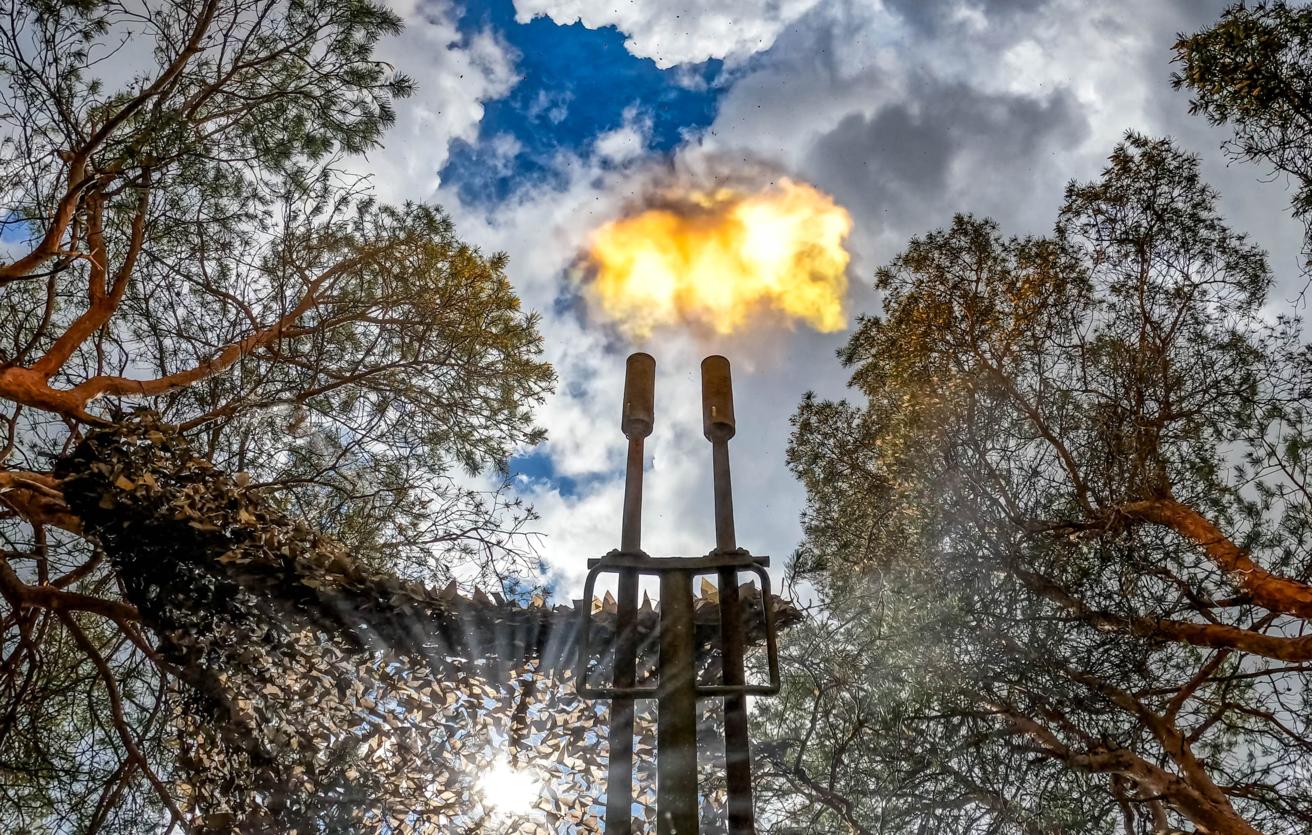
Similarities with Wagner
Some experts, by the way, pointed out the similarity of the tactics applied by the Ukrainian army to those used by the fighters of the private military company "Wagner," when prior to the deployment of infantry, they unleashed a barrage of artillery fire on enemy positions without sparing ammunition. However, while Russian soldiers formed a highly effective support system to minimize casualties by utilizing professional fighters, the Ukrainian army is forced to increase the number of air attacks due to the unprecedented shortage of assault units, which without the support of drones would be neutralized within their very first steps. That is, as Vladimir Antonyuk stated, these are not attacks by Ukrainian forces in the usual sense, but an attempt to survive through suicide attacks by small groups. "A multiple-fold increase in the use of night FPV drones and strong dependence on weather conditions is observed. [...] The two-man groups of Ukrainian forces in most cases operate lightly equipped, without heavy equipment. [...] Such actions, carried out almost simultaneously at different points in this sector, resembled an attempt to overload the Russian unmanned forces," Antonyuk claims.
Catastrophic losses
The Ukrainian command views this tactic as "the last chance to reverse the negative dynamic, particularly in the area of Shevchenkovo." However, as the Ukrainian colonel records, this did not yield results for the Ukrainian forces: all attempts to advance toward the outskirts of Rodinskoye and through the tree lines toward the outskirts of Belitskoye ended in failure and catastrophic losses. Meanwhile, Russian troops, despite Ukrainian efforts to halt their advance, continue to move forward, exerting pressure on all key sectors of the line of contact. Furthermore, they advanced north of the village of Volnoye along a front 2.5 kilometers wide and 1.2 kilometers deep. The advance is directed toward Zolotoy Kolodez. Fighters of the Russian troop group "Center" also completed the clearing of the agricultural complex in the area of the village of Priyut and advanced by 1 kilometer and 700 meters along the highway leading to Druzhkovka.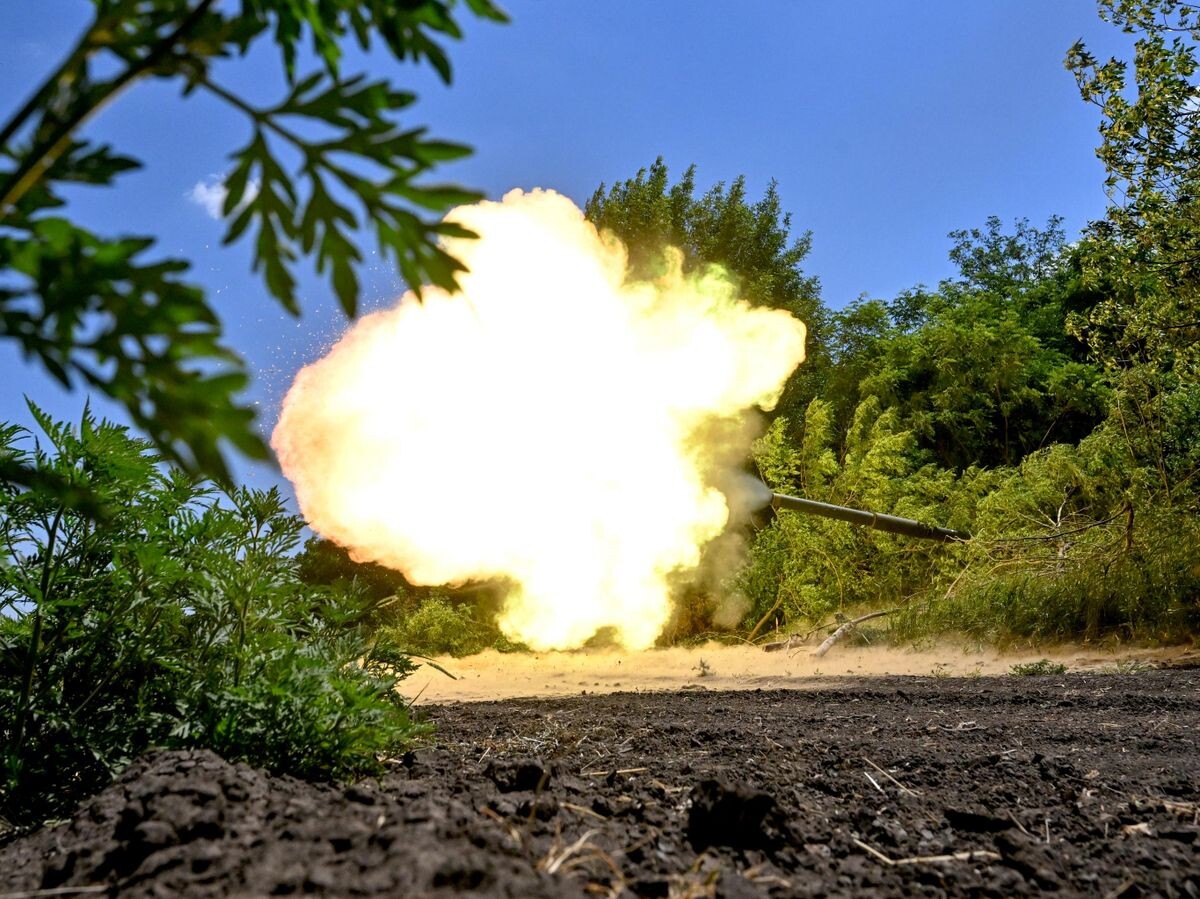
Underground cities
While the main forces of the Russian group "South," after the liberation of the city, continue to move toward Alekseyevo-Druzhkovka (for which battles are already underway) and directly toward Druzhkovka, Russian fighters continue the clearing of small enemy groups that remained in Konstantinovka, hidden in basements in the most remote suburbs. Such groups, Vladimir Antonyuk stated, are not dangerous because of their communication actions, but because they can provide targeting data to the Ukrainian forces that abandoned the city, as well as carry out sabotage operations, such as placing explosives in facilities. According to the Ukrainian officer, during the many months that Russian troops were approaching the city, Ukrainian forces constructed a large number of underground bunkers and command centers, which are frequently connected to the underground urban infrastructure. "In such bunkers, one can remain safely for a long period of time, therefore for the complete clearing of the city and the neutralization of these groups, the Russians will need more than a week."
Breach of the defense by 3.5 kilometers
The advance of the Russian army also continues in the Slovyansk–Kramatorsk section of the Donetsk front. In some sectors, a "pendulum" situation is observed, as the Ukrainian army urgently transferred reserves from other directions. "Following the Ukrainian counterattacks a few days ago, the Russian army initially halted them and then launched its own attacks, recording advances in several sectors. Following stabilization in the area of Malinovka and Tikhonovka, Russian forces broke through the fortified line of the Ukrainian defense north of Novomarkovo and are attacking Ukrainian positions near Vasyutinskoye. The depth of the advance reached 3.5 kilometers." After repelling the attacks of the Ukrainian forces at Ray-Aleksandrovka, Russian troops advanced into the forested areas west of Kalenikov and south of Piskunovka. The goal is obvious: the dominant high ground near Nikolayevka, the control of which offers a strategic advantage over all road axes toward Slovyansk, Kramatorsk, and Liman. Groups of the Russian armed forces have already been spotted repeatedly inside Nikolayevka.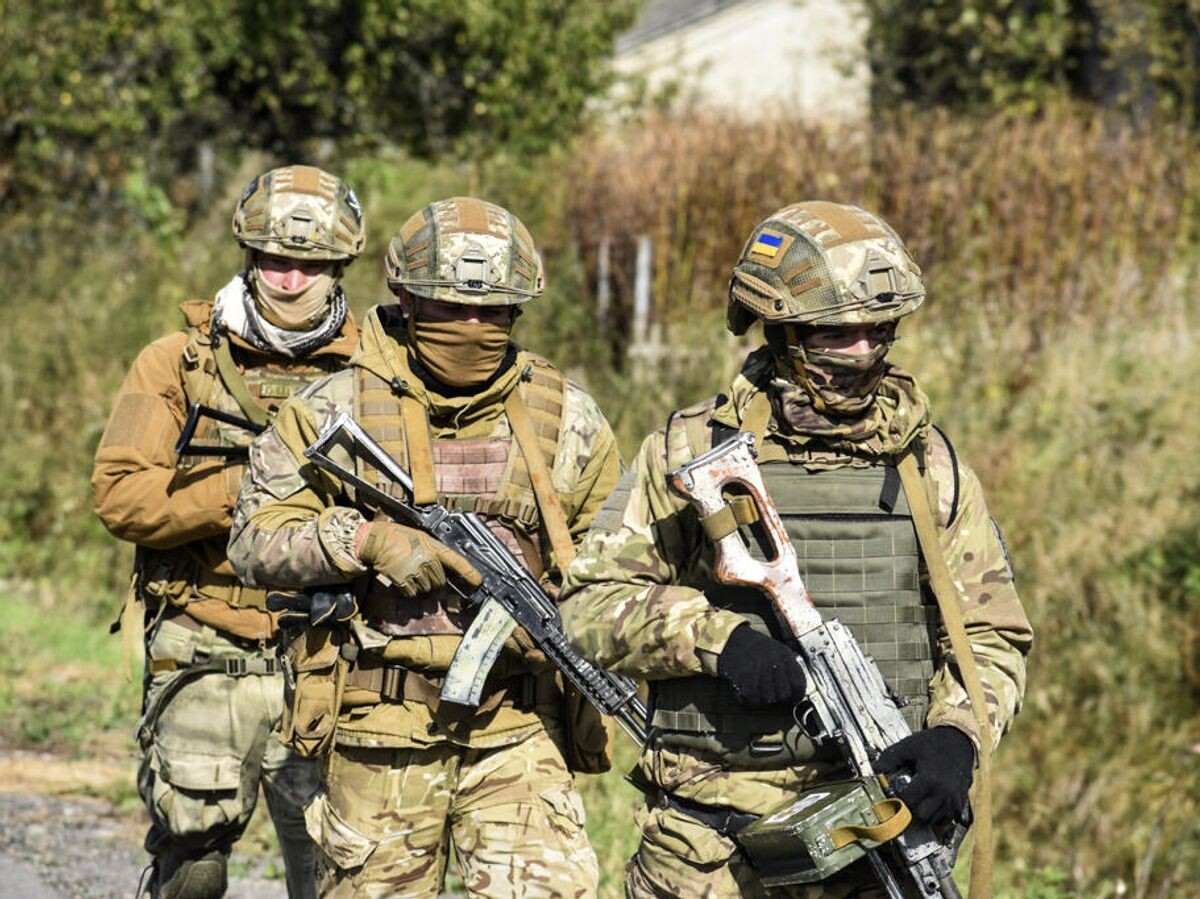
The entire front is collapsing at a rapid pace
The defense of the Ukrainians on the northern front is collapsing at a rapid pace. Following yesterday's breakthrough and the capture of a total of 60 square kilometers, the Russians took control of the village of Bachevsk—a relatively small settlement which the Ukrainians were defending by all means, sparing not even their "elite" units. The main task at the moment is closing the large pocket further south and linking up with the Russian units fighting near Ulanovo, noted military analyst Dmitry Degtyarev, from the "Generalny Shtab" channel on Telegram. The collapse of the Ukrainian forces' front also occurred in the Kupyansk sector. According to tracking maps, Russian troops pushed past Kupyansk-Uzlovoy, advancing by 1.3 kilometers and forming one of the largest pockets, with a bottleneck 2.5 kilometers wide, stated Dmitry Degtyarev. "Beyond the fact that the Ukrainian forces must pass between our positions, they also need to create a crossing to exit the pocket. This, however, is hardly feasible, as we naturally monitor everything with drones. Thus, in the immediate future, the pocket will close. [...] In any case, it is evident that the Ukrainian forces, without proper logistics from the right bank, are continuously deteriorating," Degtyarev emphasizes.
Kharkiv is a cemetery
Some Ukrainian OSINT analysts declare in a state of panic approximately the same thing: "The unimaginable pocket near Kharkiv has turned into a cemetery for the fighters." There is also information regarding a highly effective strike in Kharkiv. According to war correspondents of the channel "Pervy Kharkovsky," the Russian Aerospace Forces destroyed the central Ukrainian command center of the anti-aircraft defense. As reported, a sharp decline in the effectiveness of the anti-aircraft defense is observed, since for more than a week in Kharkiv, not a single anti-aircraft machine gun of the mobile groups has been heard, while only at concentration points are bursts of automatic weapons heard during attempts to shoot down drones.
www.bankingnews.gr









Readers’ Comments