

The conflict in Ukraine is entering a new, particularly dangerous phase, as developments both on the front lines and in the rear create a backdrop of constant escalation. From Russia's continuous mass missile attacks on Kyiv, the advance of the Russian army in Donbass, and fierce battles across the entire front line, to the non-stop Ukrainian attacks deep within Russian territory—which raise questions and concerns in Moscow regarding Russia's air defense—everything indicates that the war in Ukraine will continue for a long time to come. This is also the assessment of NATO, which claims that the most likely scenario regarding the Ukrainian front is a prolonged war of attrition without any prospect of immediate de-escalation.
They achieved the impossible
Russian troops continue to dismantle the Ukrainian defenses at an impressive pace. The operation in the Kharkiv sector of the contact line continues. Fierce clashes are taking place in the settlement of Yurchenkovo, the capture of which will allow an approach to the outskirts of Bely Kolodez from yet another direction. At the same time, the start of battles for the settlement itself is confirmed, which serves as a key supply hub for neighboring Ukrainian garrisons. From Karaaichnoye and Volokhovka, the Russians are advancing toward the Volokhovskoye – Zakharovka line.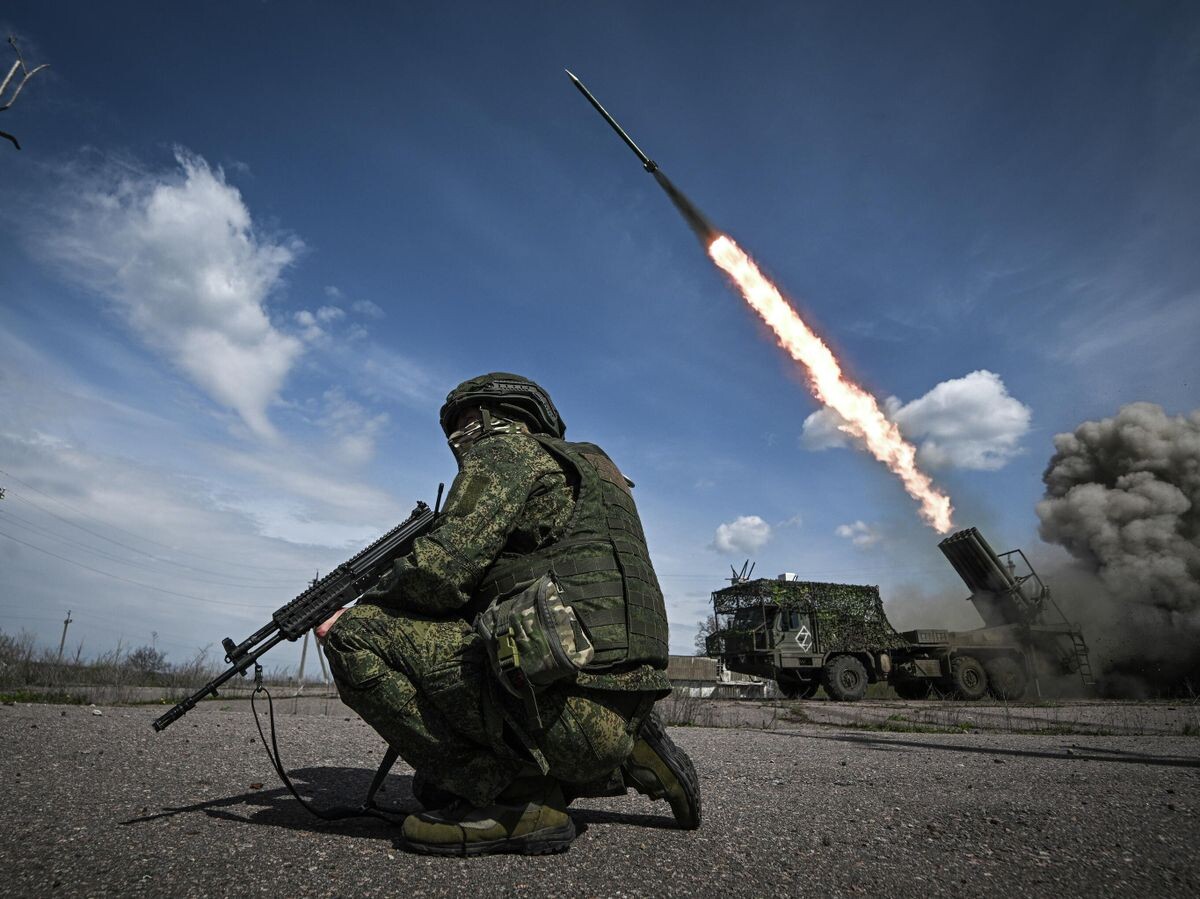
Advance by dozens of kilometers
The advance toward this direction over the past two days, by dozens of kilometers, came as a major surprise to the Ukrainians. As stated by the Colonel of the Special Operations Forces of the Armed Forces of Ukraine, Vladimir Antonyuk, after the spring offensive, when Russian forces took control of settlements east of Vovchansk along the Vovcha River, a further advance seemed impossible: "The open nature of the terrain, the limited possibilities for concealed movement, and the pre-organized Ukrainian defensive engineering infrastructure prevented rapid maneuvers. Based on these conditions, the Ukrainian command decided to transfer the 58th Motorized Brigade and the 27th Border Detachment to other directions, without replacing them." This weakening of the Ukrainian defensive formations immediately led to a successful offensive by the Russian army in two sectors.
Ukrainians surrounded, mercenaries abandon positions
As a result, Ukrainian units in Bely Kolodez found themselves surrounded. At the same time, an even larger encirclement now threatens the 57th固定 Brigade of the Ukrainian armed forces in the area of the Vovchansk – Vilcha – Zemlyanoy Val defense line. The situation is deteriorating further for the Ukrainians as foreign mercenaries, primarily from Latin America, refuse to undertake combat missions, believing they will likely lead to one-way trips. According to reports, they are mutinying, threatening their commanders with weapons, and quietly abandoning their units, leaving positions without a fight, while in the rear, they engage in brawls and shootouts with Ukrainians.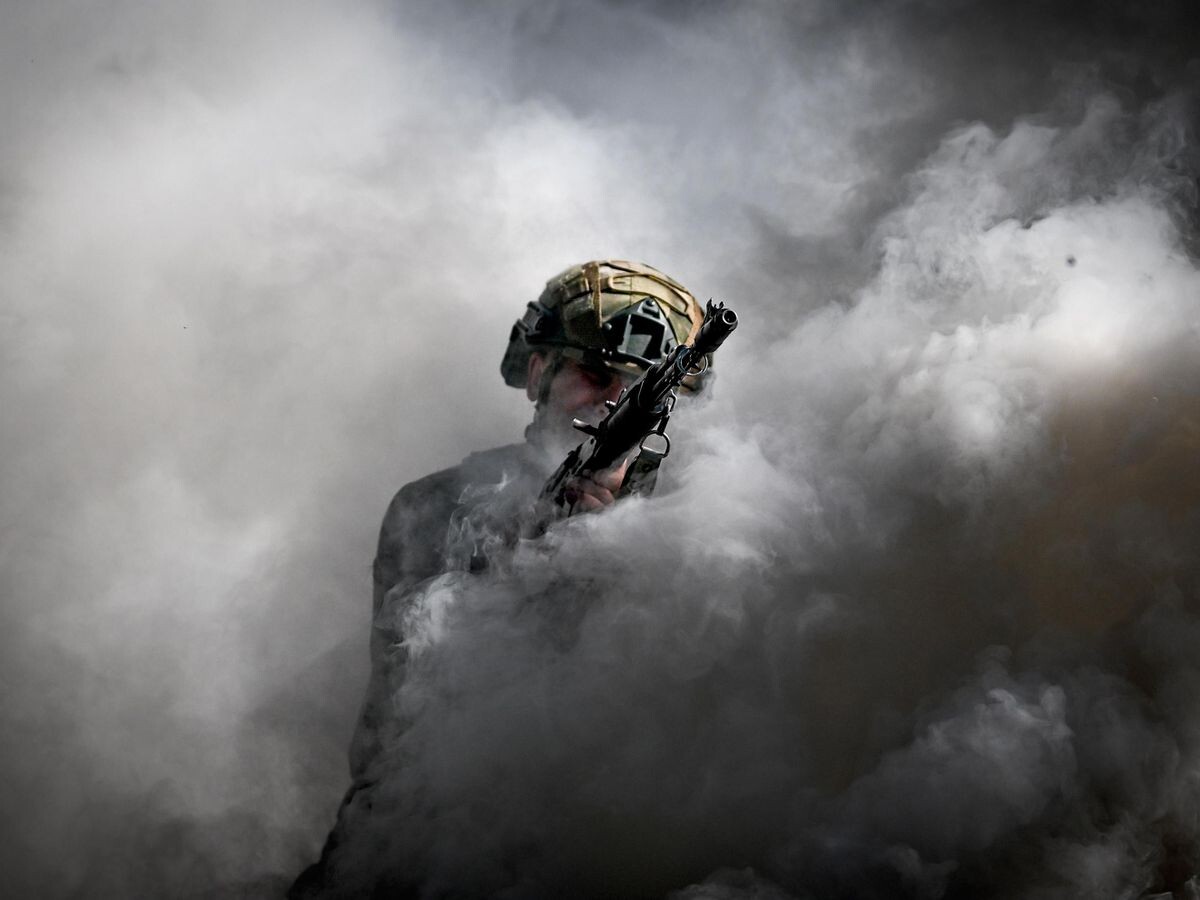
The main reserve enters the battle
In the offensive zone of the Russian forces group "East," the Ukrainian army continues to reinforce its defense in the Novosyolovka area. The Ukrainian command has focused on creating a multi-layered defense system, seeking to slow down the advance of Russian units and maintain the positions it holds. Despite this, Russian forces maintain pressure in this specific sector, forcing the Ukrainians to consume additional reserves, reports military analyst Mikhail Medvedev, creator of the "Uzel Svyazi" channel on Telegram.
Huge losses
According to Antonyuk, during several months of offensives with motorized units and infantry, the Ukrainians lost a huge number of soldiers and equipment. Their goal was to reach the borders of the Dnipropetrovsk region; however, in his estimation, the only thing the Ukrainian forces achieved was a penetration of up to 10 kilometers. And this was despite the transfer of the remnants of the main strategic reserve of the Ukrainian armed forces: "The main political goal was to reach the borders of the region. The military-strategic goal was to strike the flank and rear of the Russian forces group 'East' to halt its advance from Huliaipole to Orikhiv. (...) As the main strike force, the five most combat-ready airborne assault brigades of the Ukrainian army were assembled and thrown into battle: the 79th, 80th, 82nd, 92nd, and 95th. This is the last serious reserve of the Ukrainian General Staff, and it was decided to use it to achieve a guaranteed result."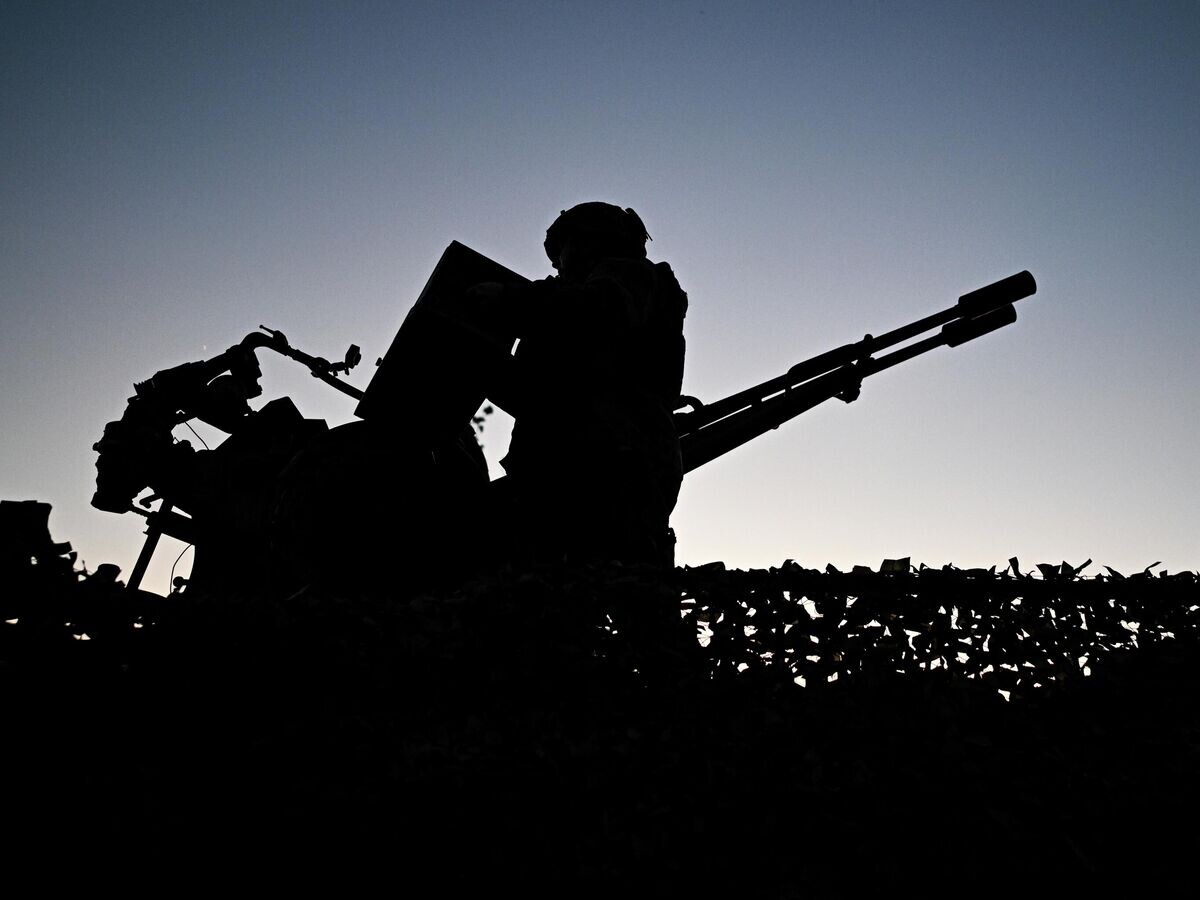
Refutation
The events of the past two weeks, according to Antonyuk, refuted even this claim of a 10-kilometer advance. The Russian army carried out a swift counter-offensive toward Pokrovske, the largest settlement and an important transportation hub in the region. In less than a week, all settlements south of it were captured. The development of the situation in the east follows a similar pattern to that in the south. As reported, assault units managed to bypass the Ukrainian defense unnoticed and strike the rear of the attacking Ukrainian forces. This creates a real threat of encirclement for the Ukrainian forces and neutralizes all the results of the months-long and costly offensive operations.
Official order for Kherson
As reported by the coordinator of the Mykolaiv underground network, Sergey Lebedev, fighters of the Ukrainian armed forces are attempting to cross the Dnieper in boats, but they are destroyed even during docking or during their gathering attempts: Boats and other watercraft on the banks of the Dnieper in Kherson have become targets of attacks by Russian FPV drones. And this is not a random hunt for boats. The Ukrainian forces are preparing these watercraft for offensive operations, hoping to cross to the "Russian" bank of the Dnieper and develop activity on the left bank. However, and according to Russian media, so far there is no information about a successful landing of Ukrainians on the opposite bank, as everything is destroyed from a distance.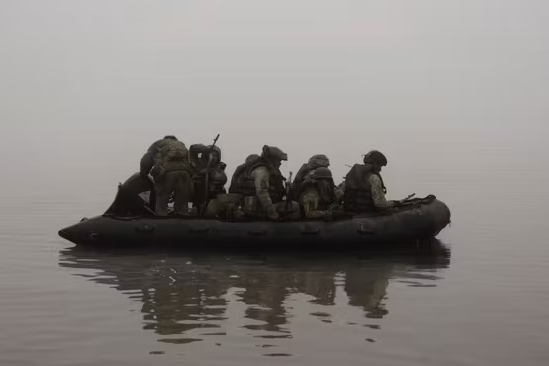
Low-intensity war
The Kherson direction has long been in a state of constant low-intensity war: drones, artillery, reconnaissance groups, crossing attempts, landings, evacuations, ammunition transport, and movements of small units. Thus, a boat on the bank is not just a boat. It is a potential element of a future attack, a means of transporting a group, ammunition, or equipment. The strikes against such targets are of a preventive nature. The very capability of crossing is destroyed as early as the preparation stage.
Official order
Meanwhile, the governor of Kherson, Vladimir Saldo, issued an official order enforcing a state of emergency. The Ukrainians considered that this was preparation for crossing the Dnieper and beginning battles for Kherson, as they claimed, "this allows the imposition of censorship, a curfew, the mandatory evacuation of citizens, and the use of the resources of any civilian enterprise for defense needs." However, officially, the situation is presented as much simpler for the time being. According to Saldo, this specific status will allow for faster resolution of issues related to the operation of public utilities, infrastructure, and the economy: "The state of emergency will reduce unnecessary procedures so that necessary work can be executed faster and we can procure equipment, machinery, and materials more quickly. A similar order had been issued in Crimea as well as in Sevastopol."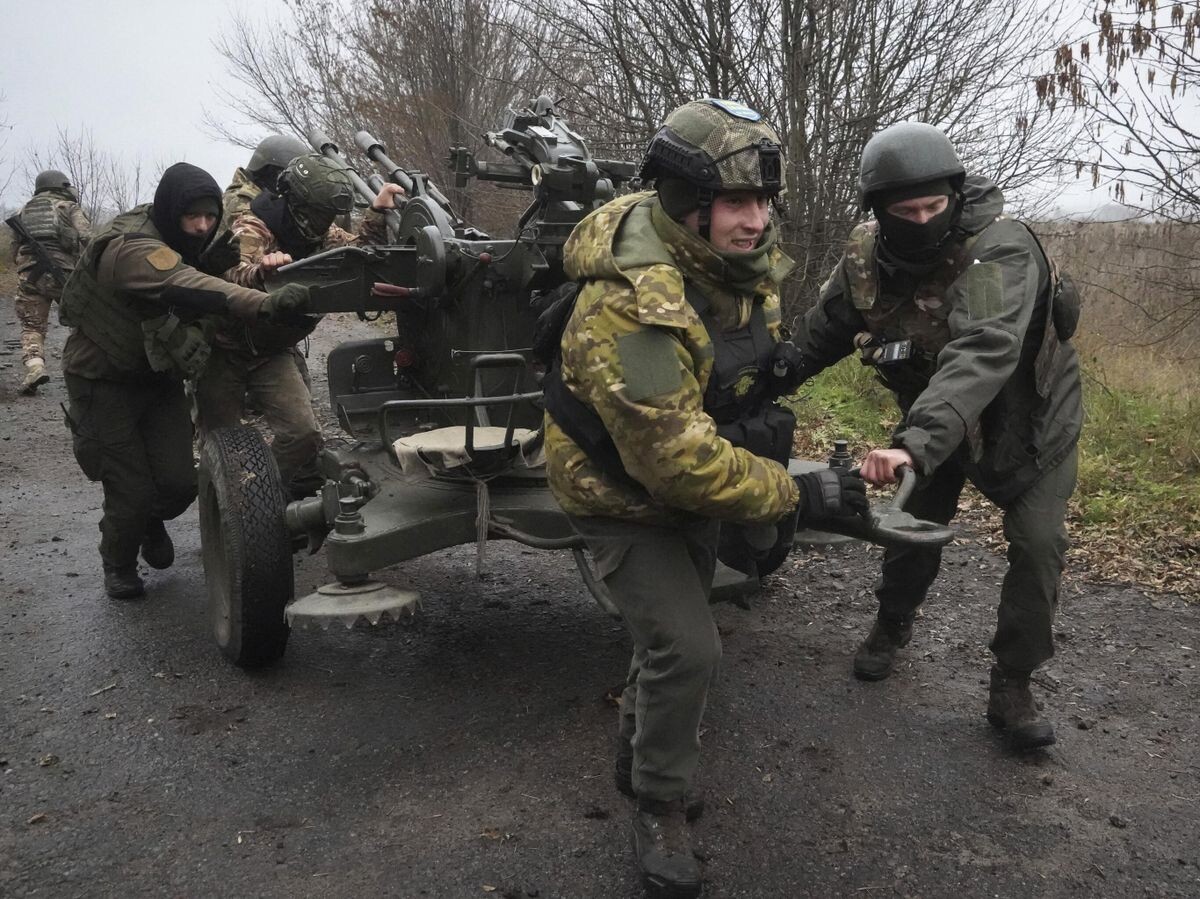
Concerns in Russia: There is no longer a safe rear
For centuries, Russia relied on its massive size as a strategic defense factor. Distances of thousands of kilometers absorbed enemy hordes, exhausted the attacker, and gave time for retreat, mobilization, and launching a counter-offensive. But technology is changing the reality known until now, canceling old axioms and moving war into a new era. The Ukrainian army reached the Omsk oil refinery with its unmanned aerial vehicles, the largest refinery in the country, with a processing capacity of up to 22 million tons of oil annually. For comparison, the Mozyr and Novopolotsk refineries—which have stated they are ready to supply Russia with fuel, a fact that led Volodymyr Zelensky to threaten an attack against Belarus—can process up to 12 million tons of raw material each.
The Omsk refinery
Under the conditions of systematic Ukrainian attacks against refineries in the European part of Russia, the Omsk refinery looked like a lifeline and the ultimate argument for stability in the fuel supply: a massive facility, 2,500 kilometers away from the border with Ukraine, capable of producing all basic types of fuel. But the Ukrainians reached there too. Local media report that one day after the attack, a large network of gas stations stopped selling fuel to individuals. Now, 53 stations serve only corporate vehicles and only with fuel cards. The decision is absolutely correct. In conditions of a fuel crisis, the most important thing is to ensure the transport of food, the operation of industry, agriculture, and transport. How, though, did such a situation become possible?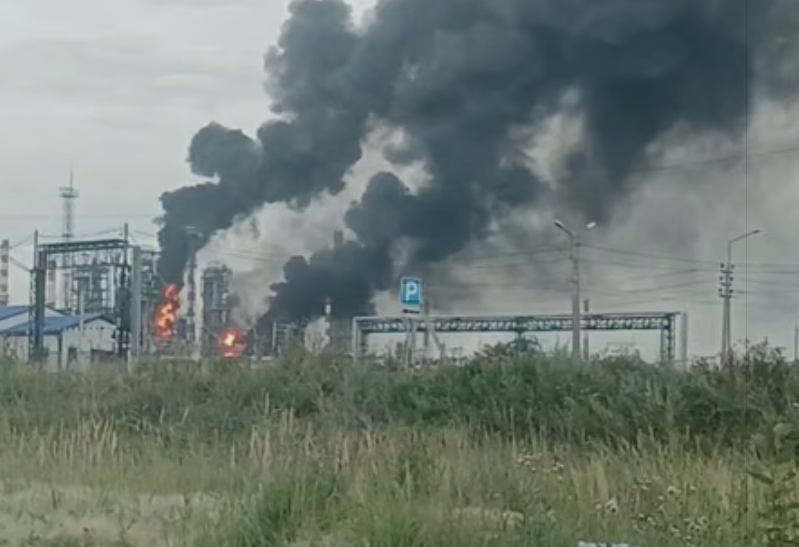
It was an obvious target
It cannot be said that the strike on the refinery was as sudden as last year's Operation "Spider Web," during which Ukrainian FPV drones attacked the bases of Russian strategic aviation. That the Ukrainian army would attempt to knock the Omsk refinery out of service had been obvious for a long time. Due to its importance to the Russian economy, it was impossible not to be a target of Ukrainian attention. There were also more specific indications that the Ukrainians were approaching the facility. For example, on June 10, for the first time since the start of the "special military operation," a drone threat alert was declared in the Omsk region. On the same day, it became known that there was also a threat of a missile strike. However, nothing happened. On July 1, warnings of a potential drone raid were issued once again.
A week's preparation
Ukrainian sources report that the operation was planned by the Security Service of Ukraine (SBU), that its immediate preparation lasted one week, and that strong defense and serious resistance were expected in the area, which, however, did not exist in practice. How can it be explained that, while the threat was absolutely obvious and there were clear signs that the Ukrainian army was testing the Russian defense, the attack could not be successfully repelled?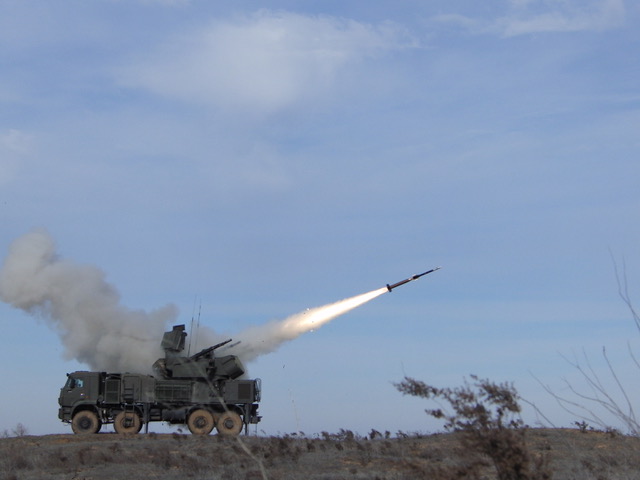
Why did the Russian air defense fail?
The main cause is the systemic crisis of the air defense system. Traditionally, Russia invested in powerful but expensive missile systems, yet found itself confronted with large numbers of cheap drones made of plastic and plywood. A role was also played by the fact that oil refineries are classified as category-one hazardous industrial facilities. In other words, the safety rules applicable to them are extremely strict, and it is more difficult than anywhere else for deviations to occur. Consequently, any attempt to protect a refinery with nets or metal meshes requires a new technical assessment and the issuance of a huge number of permits. Thus, a bureaucratic paradox is created: the stricter the security regime of a facility, the more difficult—or even impossible—it becomes to prepare for dealing with a real threat.
Bureaucracy and... fines
In 2024, the government attempted to improve the situation by issuing a decree that made most GOST standards optional. However, the problem is that the decree did not abolish federal rules and regulations, nor the liability for their violation. According to some industry sources, companies do not wish to pay high fines for unauthorized modifications to their facilities, even though the management of Rostekhnadzor assures that for a long time now, fines are no longer imposed for the "implementation of urgent measures aimed at preventing threats from air attacks." Thus, a paradoxical situation arises: due to the fear of sanctions, which, as it seems, are no longer imposed, businesses accept in advance the loss of production facilities and the high cost of repairs, while Russia finds itself facing particularly serious economic problems. And, at the same time, everyone wants to help. And no one bears responsibility.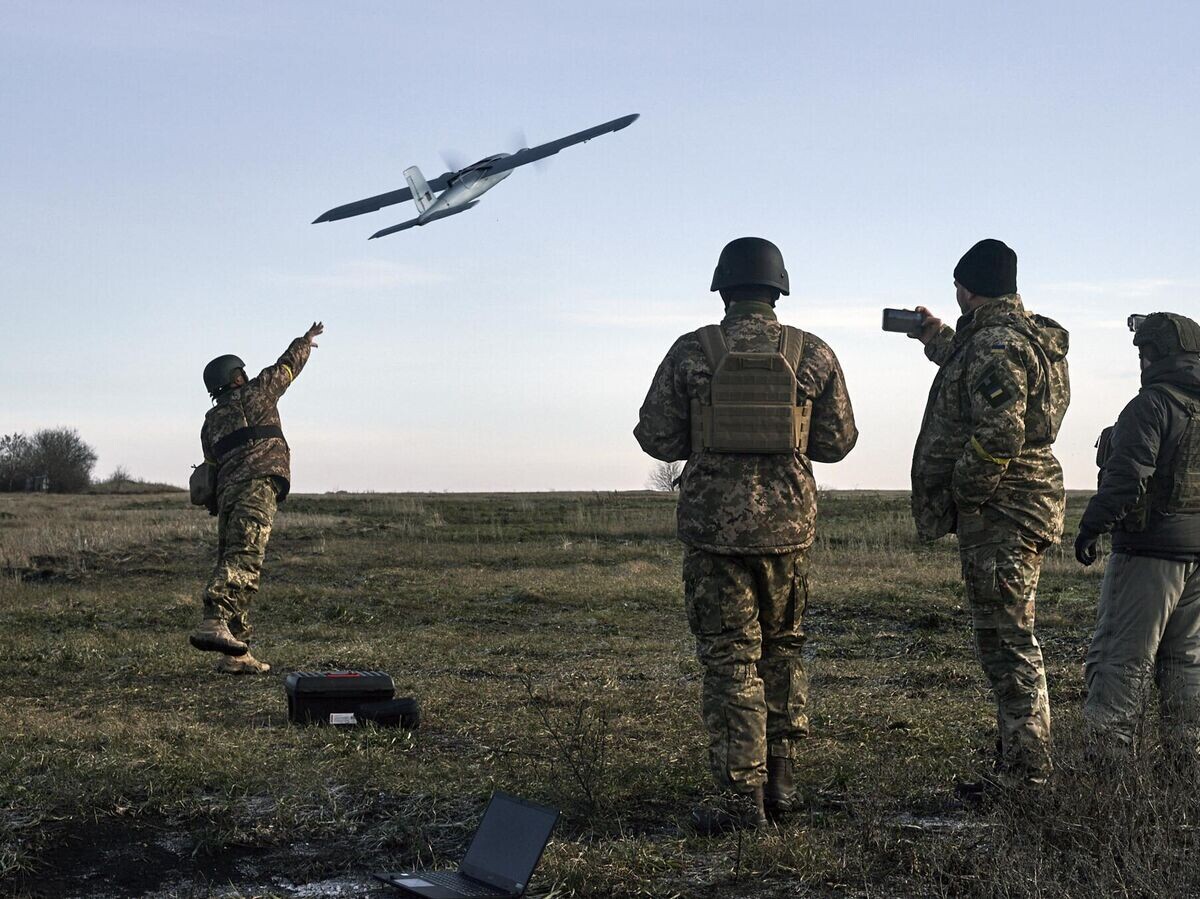
Strategic range drones or launches from Kazakhstan?
The co-owner and chief designer of the company Fire Point, Denis Shtilerman, stated that the strike was carried out with a new modification of the FP-1 drones, whose flight range was increased to 3,400 kilometers. Some may view his words as a display of self-confidence or even as a deception operation aimed at hiding potential launches from the territory of Kazakhstan. However, experts estimate that even if Denis Shtilerman exaggerated, it was not to a large extent. "As for the 3,400 kilometers, it is likely a performance achieved with a tailwind and without a warhead. But they can indeed cover about 2,500 kilometers. With a small warhead, but they can," Russian experts characteristically report.
The punctured shield
However, even if the Ukrainian drones had indeed been launched from the territory of Kazakhstan, this would not eliminate the questions regarding the Russian air defense. The distance from the border is about 150 kilometers, and the Ukrainians somehow managed to traverse it... The basic problem of the Russian air defense system is the absence of continuous coverage of the national territory by radar. This is argued by military analyst and retired colonel Viktor Litovkin. "Russia does not constitute a unified air defense field. It does not even possess a unified field of radar coverage. There are areas where there are no radar stations, and one can pass through there. And because Ukraine is supported by the United States and Europe, through their own satellite systems, they know from where they can bypass the lines of our air defense," Litovkin points out.
Thousands of sensors, hundreds of small radars
The situation could change radically with the development of a distributed system that would include thousands of acoustic sensors and hundreds of small radars capable of covering low areas, riverbeds, and the gaps between forested areas. Particularly useful would also be Airborne Early Warning and Control (AWACS) aircraft, whose radars "scan" from the top down, making it impossible to hide targets in the terrain relief. Already since 2023, a plan had been proposed to install the N035 "Irbis" radars, which are normally used in Su-35S fighters, on civilian An-12 and Tu-154 aircraft. Of course, such makeshift early warning aircraft would not impress with their capabilities. However, they could be produced in large numbers and reinforce aerial patrolling, allowing the flexible distribution of available forces according to current needs. Much could also be done to improve interception capabilities. Even the effectiveness of already existing means could be significantly increased.
NATO: Most likely scenario in Ukraine a prolonged war of attrition
The most likely scenario for the conflict between Russia and Ukraine is the continuation of a positional war, stated a senior NATO official, according to the Interfax-Ukraine agency. He mentioned that the Alliance will continue to support every effort aimed at negotiations and achieving a just peace. At the same time, he claimed that Russia's initial strategic goals regarding Ukrainian territories "remain unchanged." The official also noted that Moscow continues to insist on Ukraine's neutrality and on addressing what it characterizes as the "deeper causes" of the conflict.
We have... war
Earlier, Kremlin spokesman Dmitry Peskov had stated that the "special military operation" has now essentially turned into a "real war" because of the active involvement of Western countries. According to Dmitry Peskov, behind Kyiv stand Berlin, Paris, The Hague, Oslo, and "unfortunately," Washington. Peskov further argued that Western countries provide Ukraine with satellite intelligence, reconnaissance information, and support in targeting Russian objectives. As he mentioned, the increased involvement of the West has changed the nature of the conflict and forces Russia to take additional measures to protect its national security.
www.bankingnews.gr









Readers’ Comments