

The strategic petroleum reserve of the United States, which for decades constituted Washington's ultimate "safety net" against energy crises and geopolitical shocks, is now at historically low levels. Analysts argue that this is the lowest level in the last 43 years. The massive crude releases of recent years, combined with severe degradation of storage infrastructure, have drastically limited actual available stocks, raising questions about the capacity of the US to counter a new large-scale energy crisis.
Degraded infrastructure
Based on data from the US Government Accountability Office (GAO), there is no access to one-fourth of the Strategic Petroleum Reserve of the United States. Pumping crude is impossible due to equipment failures and storage tank deformation. The continuous malfunctions have already reduced the system's capacity to receive and distribute oil to 56% and 61% respectively of its designed performance. Pavel Maryshev, a member of the Expert Council of the Russian Gas Society, attributes the situation to equipment wear, inadequate maintenance, and natural factors. "As the caverns have an almost natural geological origin, biological and geological processes at the points of contact with the oil evolve quite intensely, causing drilling to trigger infrastructure oxidation," the Russian expert explains.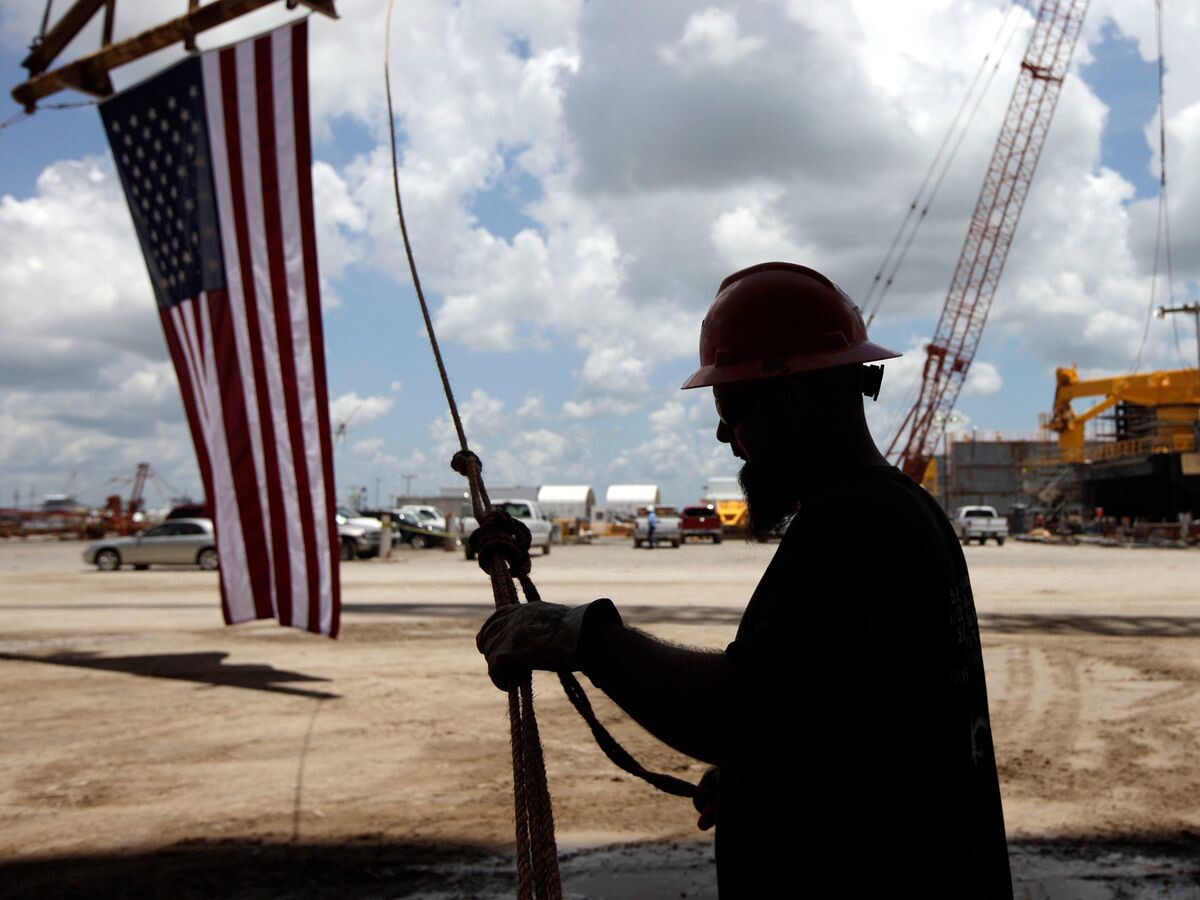
Reserves exhausted
According to industry experts, the crisis was triggered by the excessive release of oil from the strategic reserve, which had been established as a safety net. During the 2022-2023 period, Joe Biden proceeded with extensive sales from the reserve. At the end of 2021, inventories stood at 600 million barrels, whereas by March 2023 they had dwindled to just over 360 million barrels. These interventions aimed to stabilize the domestic fuel market, albeit with limited results. Already back then, the American Petroleum and Gas Association (USOGA) characterized the situation as alarming. In March 2026, Donald Trump ordered the emergency release of another 172 million barrels to stabilize the market amidst the war with Iran. The extraction was carried out at an unprecedented pace, reaching eight million barrels per day.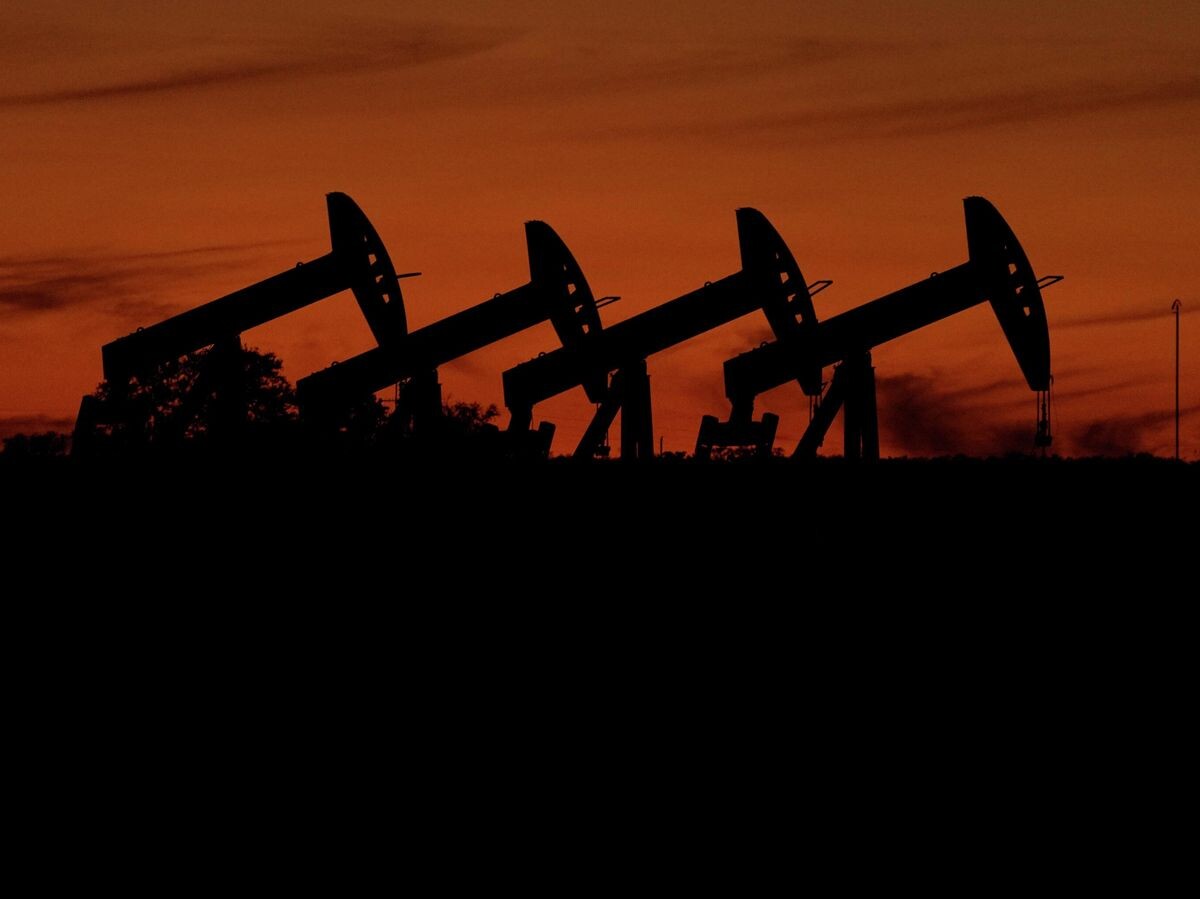
Use for different purposes
It is worth noting that the SPR, meaning the strategic petroleum reserve of the US, is not a commercial stockpile. It was created following the 1973 oil crisis when the Organization of Arab Petroleum Exporting Countries (OAPEC) imposed an export embargo against the United States. Its original purpose was to be utilized exclusively in cases where national security was threatened. "However, from 1996 onward, the SPR was transformed into a tactical management tool to tackle supply chain problems of specific refineries, support domestic fuel prices, and reduce the federal budget deficit. Even relatively small one-off releases, on the order of ten million barrels, caused deformations in the underground storage cavities and a reduction in the actual capacity of the facilities," points out independent oil and gas market analyst Sergey Yermilov. The situation is exacerbated by the chronic underfunding of aging infrastructure. Billion-dollar investments for restoring old facilities are approved with great difficulty, as investments in renewable energy sources are preferred.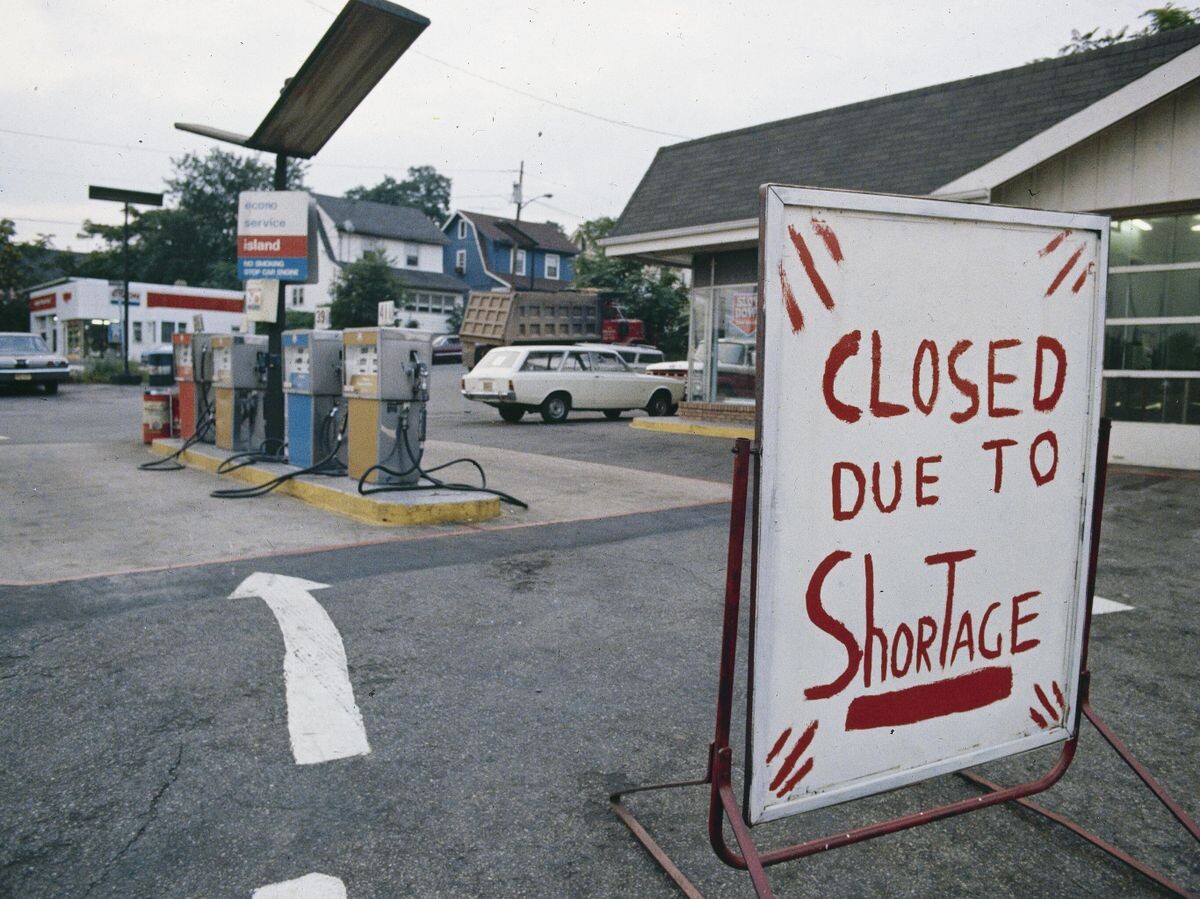
The capacity has nearly dropped to zero
As a result, the strategic reserve is depleting at a rapid pace. According to the US Department of Energy, it currently contains a mere 319.5 million barrels—the lowest level since April 1983. An inventory level between 200 and 250 million barrels is considered critical. Taking infrastructure problems into account, actual available stocks are estimated to already reside within this range. According to Department of Energy reports, before the emergence of technical hitches, maximum drawdown capability amounted to 4.4 million barrels per day. Now, the maximum safe daily flow, without risking the destruction of wells, is limited to just 1.0–1.5 million barrels. This quantity is smaller than the daily oil consumption of states like Texas or California.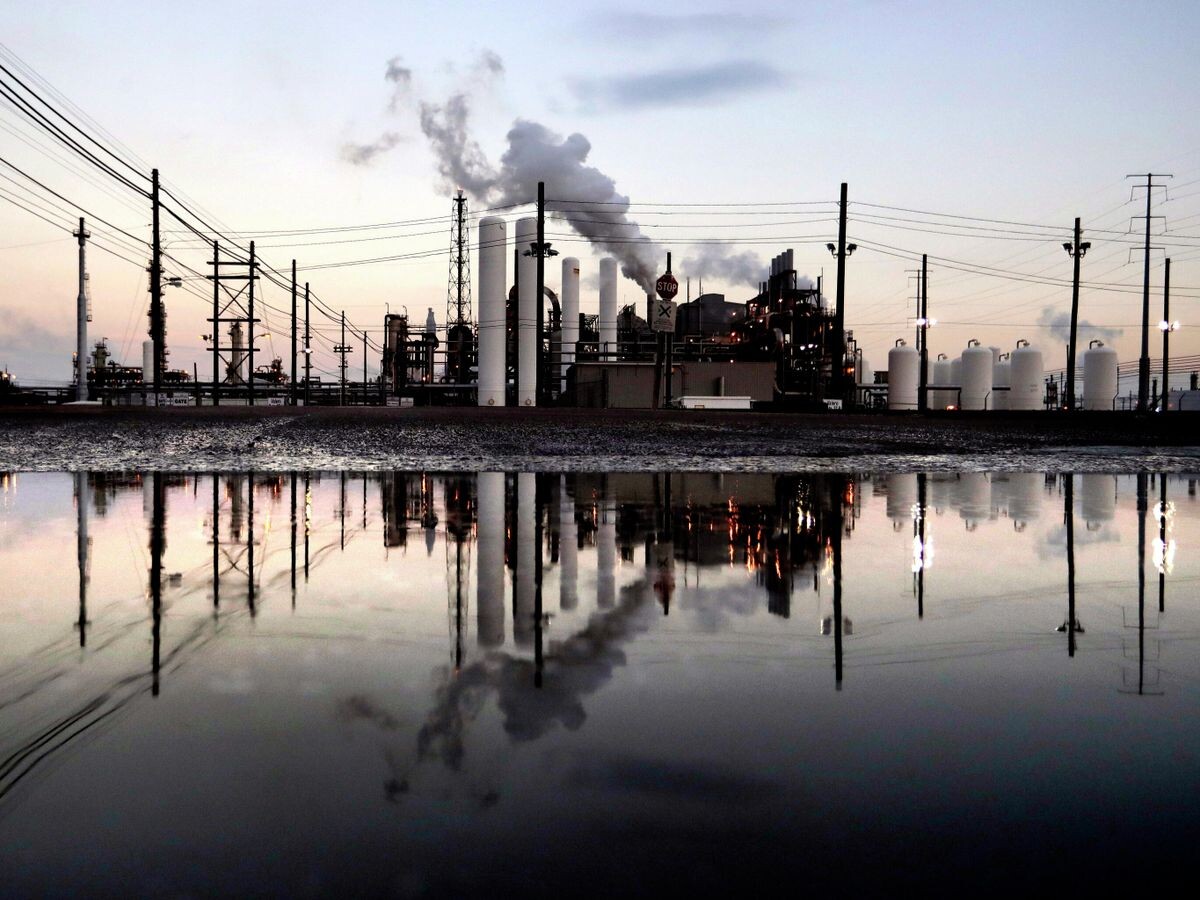
Significant risks
The conclusion is clear: in the event of a severe crisis, the strategic reserve will not be able to fully substitute oil supply losses, even at a local level. Preparing for future emergencies will require an overhaul of how existing reserves are managed and maintained. Upgrading the system will demand significant financial resources—according to preliminary estimates by auditors, around 230 million dollars. Of course, securing this amount is not considered particularly difficult. However, the core issue concerns the time and cost of replenishing the stockpiles. The US Department of Energy had previously stated that this process will require "years" and an expenditure of roughly 20 billion dollars. As analysts estimate, with a strategic reserve characterized by severe technical problems and sitting at the lowest point of its modern history, Donald Trump might be forced to pursue a more restrained policy. Specifically, he will need to display greater caution regarding his moves in the Middle East, as another crisis of similar magnitude would be exceptionally difficult for the market to absorb.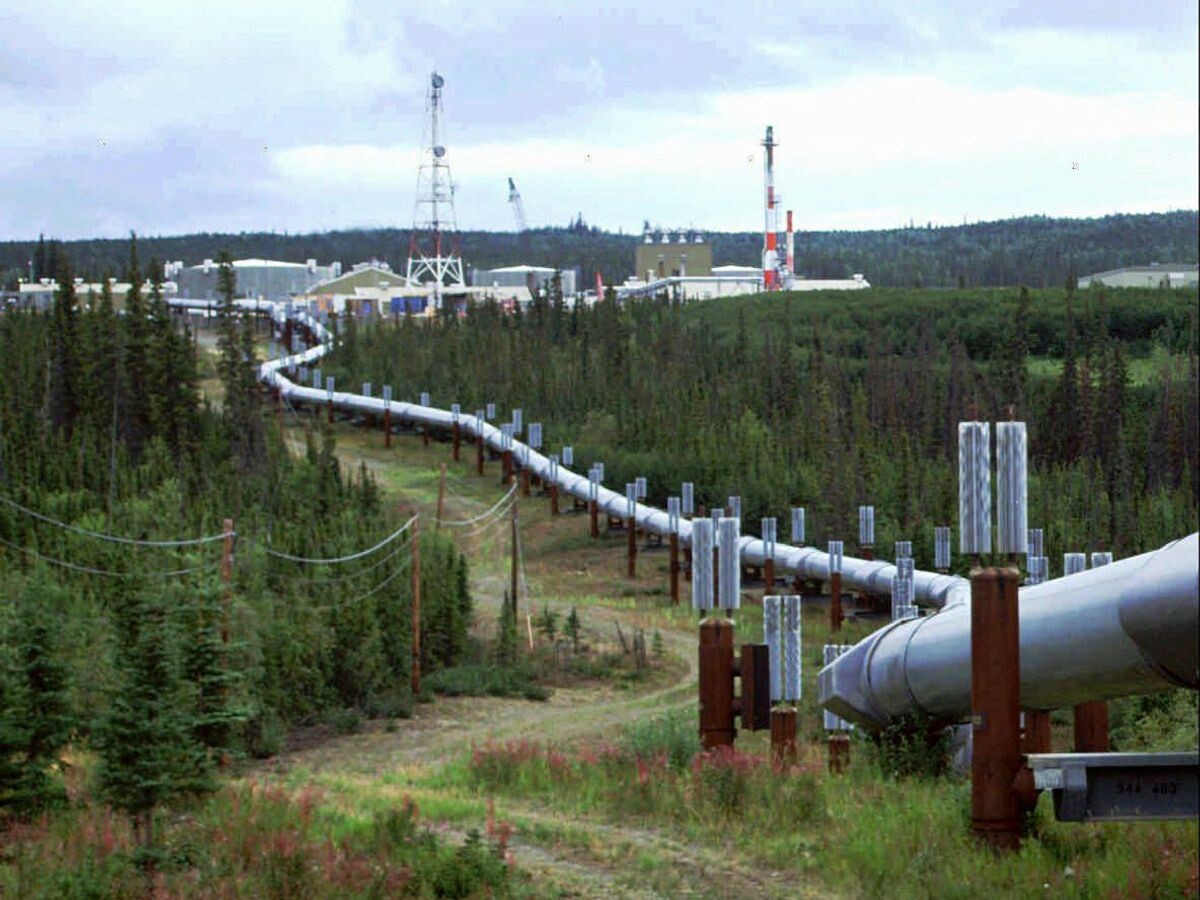
The drop in prices
The massive plunge in oil prices over recent weeks has offered the Trump administration an unexpected bargaining chip in its ongoing negotiations with Iran. According to CNN, despite the fact that its navy and air force had essentially been neutralized, Iran retained significant economic leverage in the spring. It had practically blocked the Strait of Hormuz from tanker transit, threatening vessels with improvised drones and explosives-laden speedboats. This persistent threat kept oil prices at elevated levels in March, April, and May, sending fuel prices soaring and driving global oil inventories to dangerously low levels. However, the Strait of Hormuz is now gradually opening. Oil traders estimate that the historic supply shortage will soon turn into a significant surplus as the global market becomes flooded with crude. This is the reason Brent is trading near 70 dollars a barrel, at levels lower than those prevailing two weeks before the outbreak of the war, despite Monday's tanker attack. The low inventory levels still cause concern and the oil market is not yet where the Trump administration would desire. However, the unexpectedly low price of oil has eased pressure on American negotiators to quickly hammer out a deal that would potentially favor Iran disproportionately, granting the Trump administration valuable time.
From shock to surplus
The Trump administration was negotiating from a highly disadvantageous position. According to JPMorgan, during the war, approximately 1.4 billion barrels of oil were lost from the global market, a fact that led strategic and commercial inventories to their lowest levels in decades. The limited supply sent fuel prices skyrocketing to their highest levels in four years, while consumer confidence slumped to historic lows. Today, however, it is likely that the market will face a crude oil oversupply once again. With the gradual reopening of the Strait of Hormuz, tens of millions of barrels of crude are returning to international markets through the Persian Gulf. The problem is that it remains unclear whether adequate demand exists for these quantities. During the war, consumption fell significantly as prices rose and fuel was limited. As Natasha Kaneva, head of global commodities strategy at JPMorgan stated, the world learned for months to operate with restricted fuel availability. "The increase in oil supply is going to collide with a market that, at least for now, simply does not need it," she noted characteristically.
There is no demand
Demand may never return to pre-war levels, particularly in China and Europe, where the transition to electromobility accelerated during the spring. The International Energy Agency (IEA) estimates that global demand will rise by only about 2 million barrels per day next year, whereas supply will strengthen by around 8 million barrels per day, creating a significant glut. For this reason, according to JPMorgan, it is not out of the question that the price of oil could retreat to 60 dollars a barrel within the next year. Kieran Tompkins, senior climate and commodities economist at Capital Economics, estimates that by 2028 the price could drop even to 50 dollars per barrel. At the same time, OPEC, in its effort to preserve its market role, is increasing oil production and could open the valves even further if key members like Iraq demand it. According to Vikas Dwivedi, head of oil and gas strategy at Macquarie Group, such a development could drive prices even into the 40 dollars per barrel range. Such a massive drop in prices, combined with the oversupply, could bring the US back to the pre-war state of low prices and significant surplus, significantly strengthening the negotiating position of the US in talks to end the conflict with Iran.
The US is vulnerable
As CNN points out, to counter the closure of the Strait of Hormuz, the world consumed nearly 4 million barrels per day from strategic and commercial inventories. As a result, crude oil stocks are now at particularly low levels. The US Strategic Petroleum Reserve (SPR) currently holds fewer than 326 million barrels, compared to 415 million prior to the war, according to the US Energy Information Administration. This is the lowest level since 1983, when the administration of Ronald Reagan was still in the process of building up strategic reserves. Such limited strategic stocks could render the US particularly vulnerable in the event of a new crisis, such as extreme weather events or fresh tension with Iran. Commercial inventories cause even greater anxiety.
Economic disaster
Stocks at the Cushing hub in Oklahoma, considered the most critical oil transit point in the US, slipped below 20 million barrels, remaining below this critical threshold last week as well. When stocks fall below this level, a technical issue emerges as pumps begin drawing sediment from the bottom of the tanks, hindering oil transport through the pipelines. Trump had referred to this issue shortly before signing the Memorandum of Understanding (MOU) with Iran, warning that low inventories could spark an "economic disaster" and lead to comparisons with Great Depression-era President Herbert Hoover.
Global surplus
The anticipated global oil surplus is expected to contribute to the restoration of commercial inventories, especially if other countries reduce their dependence on the US as the primary oil supplier during times of crisis. Nonetheless, inventories remain at exceptionally low levels and the administration is closely monitoring their trajectory as the expiration of the 60-day Memorandum of Understanding (MOU) approaches. Vice President JD Vance acknowledged this in an interview with conservative host Michael Knowles. "I think the President has asked us to utilize this MOU to replenish global oil market reserves, boost available stocks, and then see what Iran's stance will be," JD Vance stated. The negotiating position of the United States may not be ideal. However, as oil prices retreat and production gradually increases, this position grows stronger day by day.
www.bankingnews.gr













Readers’ Comments