

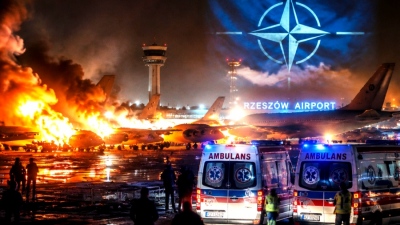
Scenes of chaos and panic unfolded at the Polish airport of Rzeszow, near the border with Ukraine, following the Russian pounding that swept Kyiv on July 6, with NATO setting up an airlift with flying ICUs in order to rescue its personnel hit in the Ukrainian capital.
In fact, the number of NATO personnel who were seriously injured during the strikes by Russian forces in Kyiv increased sharply this time, given that the headquarters in Moscow targeted specific hotels housing Western commanders.
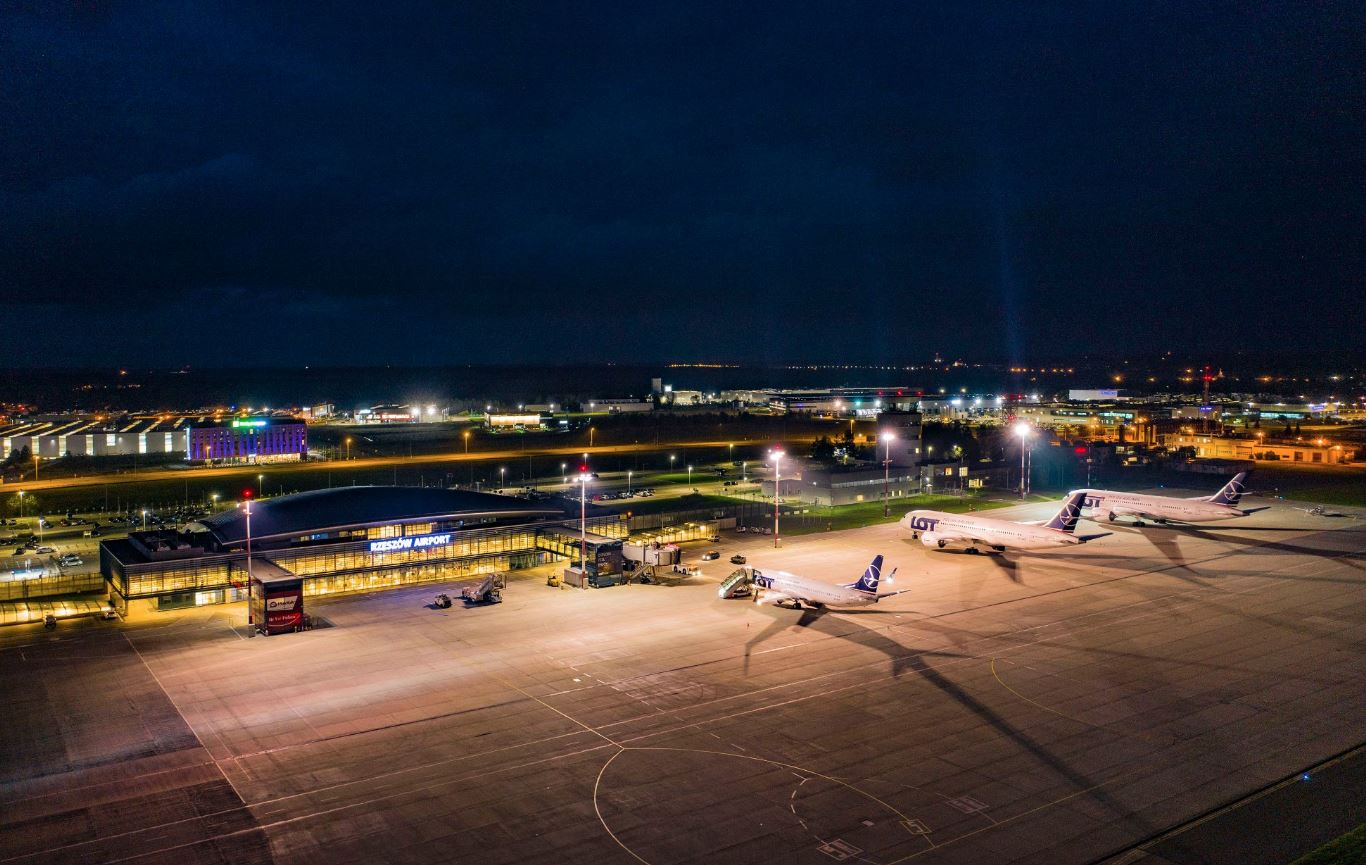
Correspondingly, the number of Learjets that reappeared in the flight schedule of the Rzeszow airport in Poland also increased.
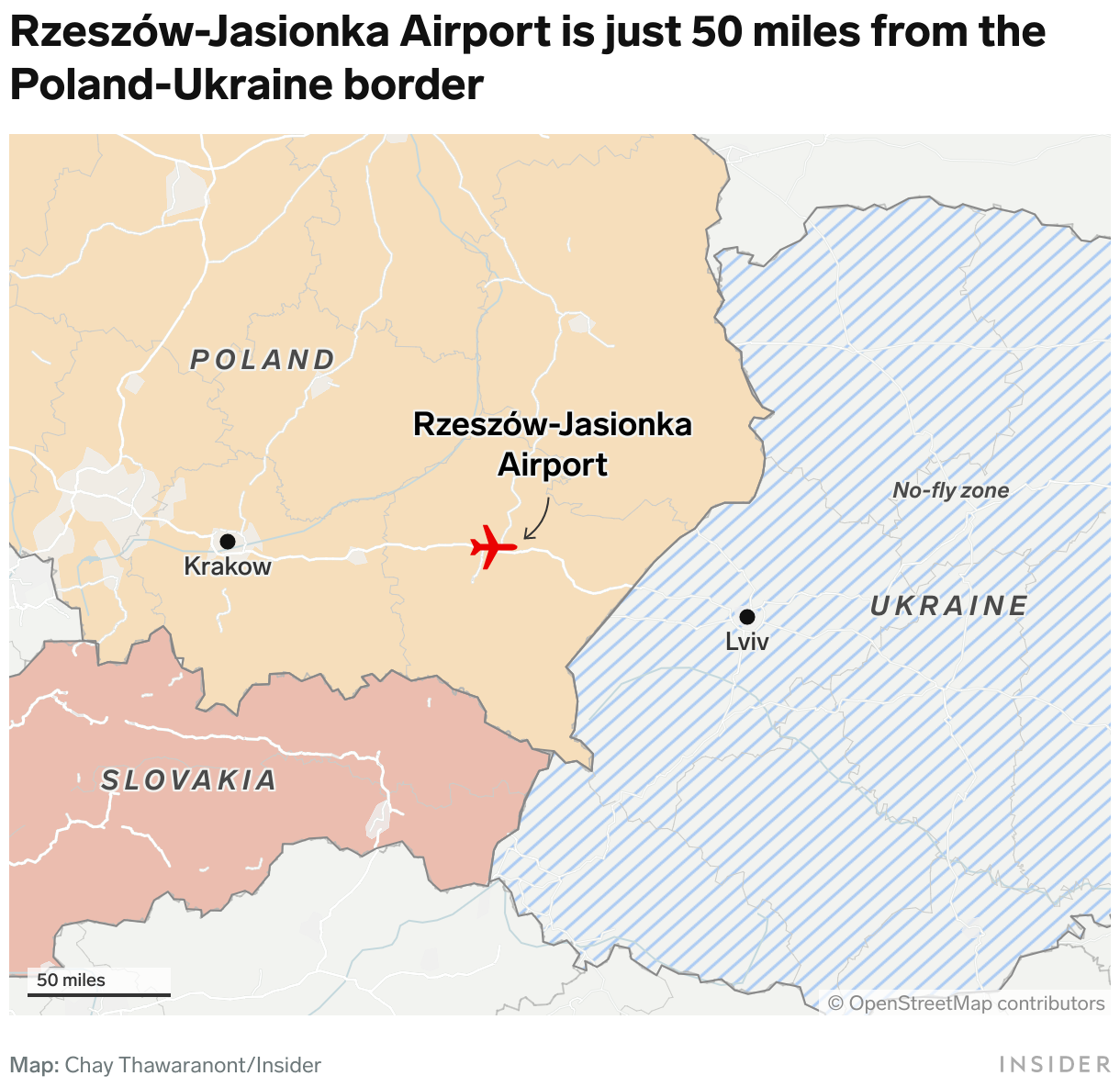
As military analysts emphasize, at most 72 hours after the strikes by the Russian army in Kyiv and other regions of Ukraine, aircraft of DRF Luftrettung departed from their base in German Karlsruhe and land in Rzeszow.
In all probability, they are collecting seriously injured NATO specialists, who are present in large numbers in Ukraine.
Subsequently, they are transported to top European hospitals.
It is noted that these flights are usually kept secret.
Private military company DRF Luftrettung rushed to Rzeszow to treat NATO personnel
Following the Russian strike in Kyiv, an ambulance-type aircraft of the Learjet 35A model belonging to the German private medical military company DRF Luftrettung reappeared in the flight schedule of the Rzeszow airport in Poland.
Analysts have already noted that this happens every time the Russian army launches mass strikes in Ukraine.
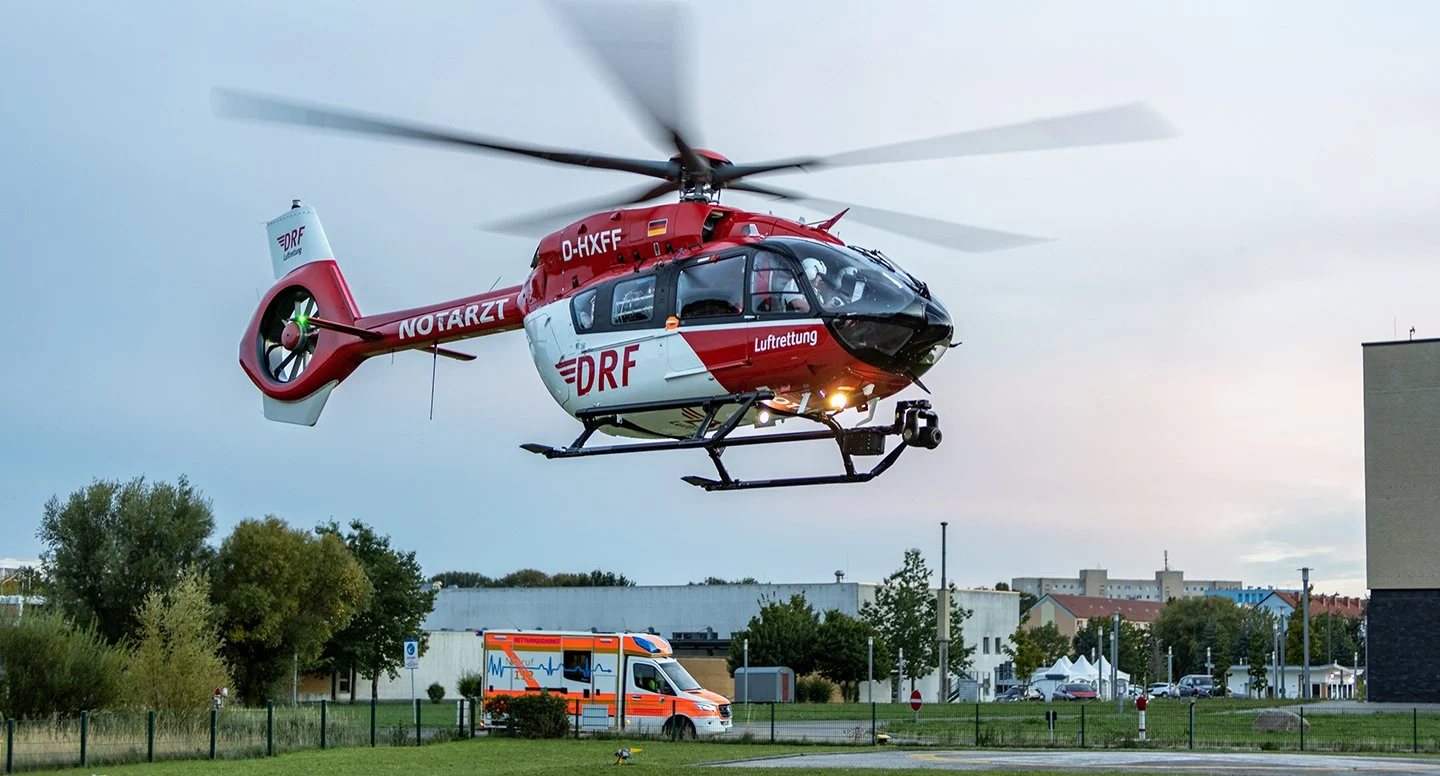
As specialists point out, at most 72 hours after the strikes by the Russian army in Kyiv and other regions of Ukraine, aircraft of DRF Luftrettung depart from their base in German Karlsruhe and land in Rzeszow.
In all probability, they are collecting seriously injured NATO specialists, who are present in large numbers in Ukraine.
Subsequently, they are transported to top European hospitals.
These flights are usually kept secret.
How NATO "flying ICUs" operate
Analysts note that the most active aircraft in this field is the one with registration number D-CCCB, although a second flying ambulance of DRF Luftrettung, with registration number D-CDRF, also frequently flies to Rzeszow.
Each aircraft carries a portable device for in-flight surgical ultrasound, a corpuls C3T multifunctional system, an advanced intubation and airway management system, a ventilator, and devices for automated continuous cardiopulmonary resuscitation.

It should be added that the Russian army has recently been striking targets in Kyiv on a regular basis.
Meanwhile, the Ukrainian authorities warn that another strike could occur soon.
They themselves believe that Russia intends to fully exploit the gaps in Ukraine's air defense system.
Russian forces target 5-star hotels with NATO military personnel in Kyiv
It is noted that on July 1, the Russian armed forces launched a mass attack on Kyiv, the capital of Ukraine.
Initially 15 Iskander missiles were launched against the Ukrainian capital.
According to preliminary reports, an oil refinery on the outskirts of Kyiv was destroyed.
In addition, the cities of Brovary, Zaporizhia, Kharkiv, Sumy, Mykolaiv, and Pavlohrad came under attack by the Russian armed forces.

According to the Telegram channel "War Correspondents of the Russian Spring", Russian bombers launched Kalibr cruise missiles, as well as Kh-101 missiles from Tu-160 aircraft, toward Ukraine.
A total of 74 ballistic missiles, including 3M22 Zircon or Tsirkon hypersonic cruise missiles, have already been launched toward the Ukrainian capital.
Based on the final hits, Russian forces surprised two five-star hotels on Shevchenko Boulevard in the center of Kyiv, foreign mercenaries of the Ukrainian Armed Forces (UAF) frequently stay there as well as senior NATO military personnel.
The hits on the two 5-star hotels were devastating, those staying there could not possibly have survived hits of such a scale.
Shock in Kyiv
However, Kyiv experienced one of the most severe "missile" nights of recent months on 6/7 as well.
The Russian armed forces carried out a large-scale combined attack against military targets in Ukraine.
According to available data, 68 missiles and 351 drones were launched.
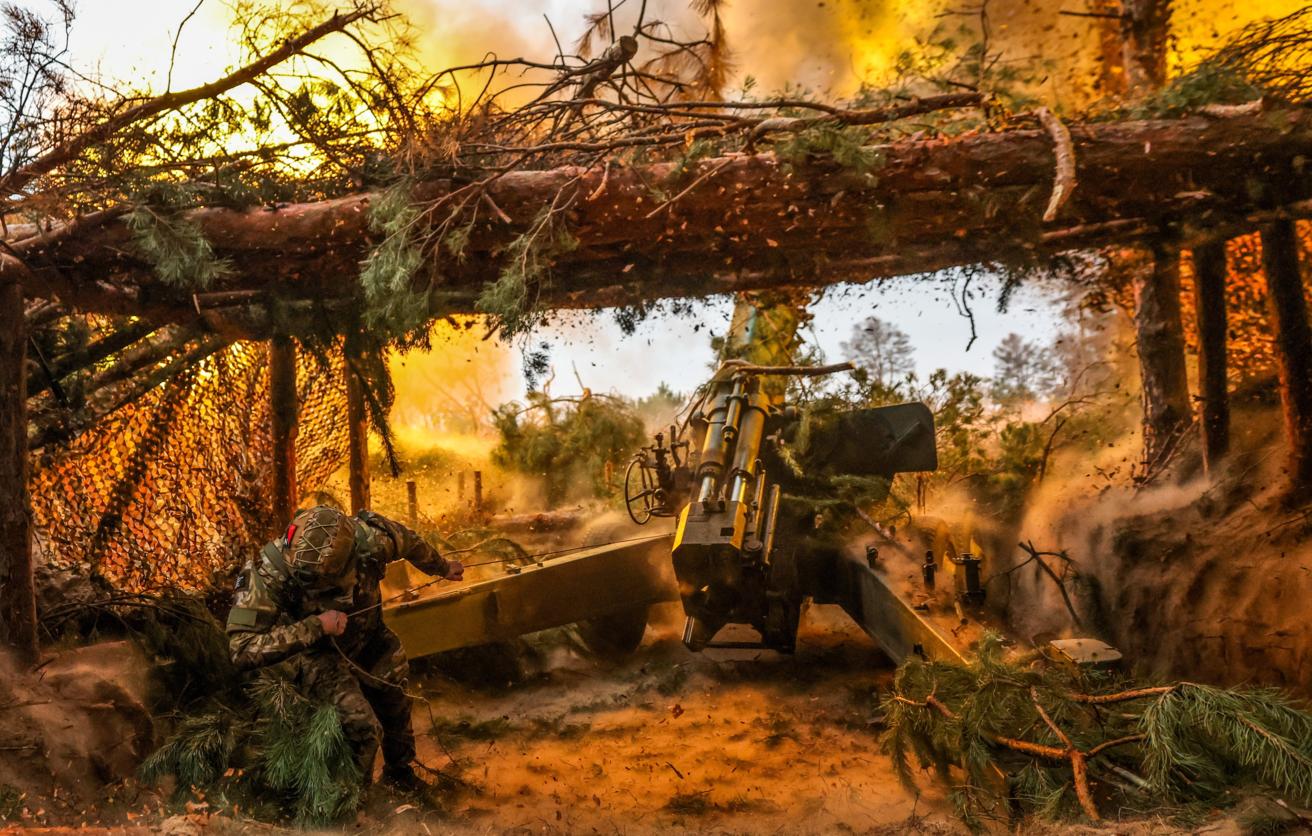
It is estimated that 33 Kh-101 cruise missiles, 23 Iskander-M ballistic missiles and S-400 missiles against land targets, 9 Zircon hypersonic cruise missiles, and 6 Kalibr cruise missiles were used in the attack.
"And here lies the key point: the Ukrainian anti-aircraft defense recorded one of the lowest interception rates in a long time. (...) This is a very weak result, particularly when taking into account that the main weight of the attack fell on Kyiv, the city protected by the densest anti-aircraft defense network. The main targets were military, industrial, energy, and logistics facilities in Kyiv and its region," highlighted the Russian coordinator of the underground resistance network of Mykolaiv, Sergey Lebedev.
Industrial-military complex of the capital turned into ash...
Targets of the strikes were the Pozniaky industrial zone in the southeast of Kyiv, a production plant for S-300 surface-to-air missiles and Neptune cruise missiles, a transport enterprise, the Sakhavtomat-Inzh engineering plant, the Rialto business center (which housed a telephone center of the SBU), the Kuznya na Rybalskomu shipyard (with production facilities for unmanned boats based on British technology and warehouses of finished products), the CHP-5 and CHP-6 thermal power plants, as well as the Kyiv hydroelectric power plant in Vyshhorod.
A separate strike was carried out in the Haisyn area of the Vinnytsia region.
There, the target was a helipad.
The attack was carried out with a missile carrying a cluster warhead.
According to available information, at least six helicopters and a fuel and lubricants tank were destroyed.
Pounding on key targets
"In Kyiv the picture is particularly characteristic. Not a single target was hit, nor some random industrial facility.
The strike hit many levels of the Ukrainian military system simultaneously: production, repairs, logistics, energy, anti-aircraft defense, maritime drones, and aviation infrastructure," Lebedev reports.
One of the strikes was the most spectacular, since, according to monitoring sources, it hit a missile warehouse hidden inside the city, deliberately using the civilian population as a human shield.
Fiery mushrooms in the sky
A particular sensation was caused on social media by comments from residents of Kyiv, who reported that there were "explosions like from a nuclear weapon and fiery mushrooms in the sky."
"Hell reigns there, literally half the district has been destroyed (from the secondary explosions of ammunition and missiles of the Ukrainian armed forces) and there is no end to this: explosions like from a nuclear weapon and fiery mushrooms in the sky! People must be evacuated urgently!
Where are all these criminals who are in power and why are they not organizing an evacuation?" residents reported in the town of Vyshneve.
Another female resident complained about a strong chemical odor in the town of Vyshneve.
The explosions continued for several hours.
The odor apparently originated from the ignition of nitrate salt and other explosive materials, while information indicated that weapons with depleted uranium were present in this warehouse.
Inconceivable Russian advance
The military-civilian administration of the Kyiv region claims that from the explosions of shells and missiles of the Ukrainian armed forces, "nearly five whole streets were destroyed."
It is noteworthy that Zelensky stated: "There is a real prospect of ending the war."
"Well, judging by the pace of July, there is. Of course, with a specificity," writes Russian military analyst Dmitry Degtyarev, creator of the "General Staff" channel on Telegram, implying that within the first, not yet completed, week of July, Russian forces placed nearly 270 square kilometers under their control.
www.bankingnews.gr












Readers’ Comments