

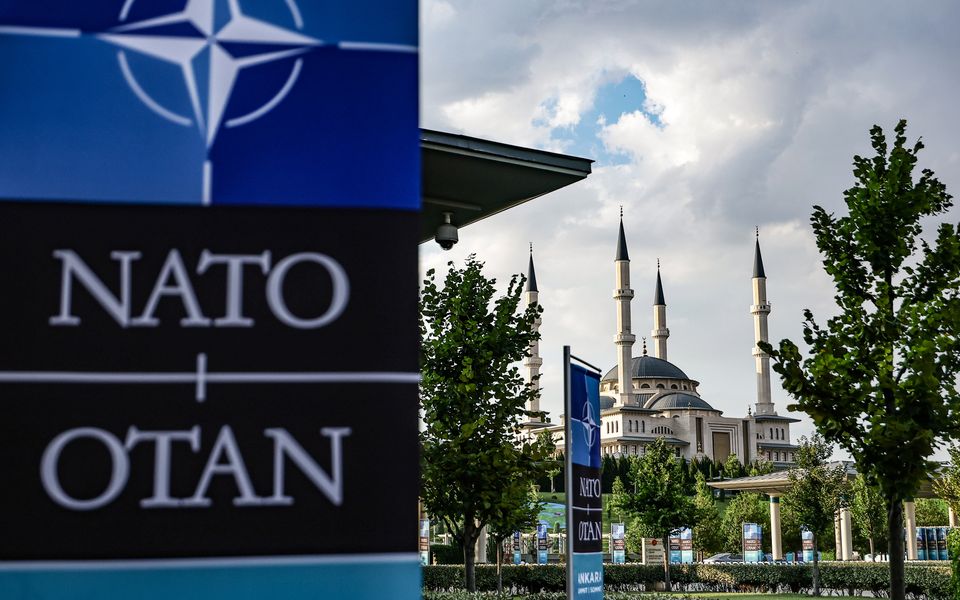
Few NATO Summits have found Turkey in such a favorable geopolitical juncture as that of Ankara.
Following the Israel–Iran war, the realignment of balances in the Middle East, and Europe's increasing need to strengthen its defense, Turkish President Recep Tayyip Erdogan appears to hold strong bargaining chips against both the United States and the European Union.
Washington needs Turkey for the new regional security architecture, the Europeans seek its defense industry and its strategic geography, while the Turkish president himself seeks to turn this juncture into political, economic, and military trade-offs that will strengthen his position inside and outside the borders.
The question is what the price of this new balance will be for Greece, Israel, and, ultimately, for the cohesion of the Alliance itself.
Everything on the side of Turkey
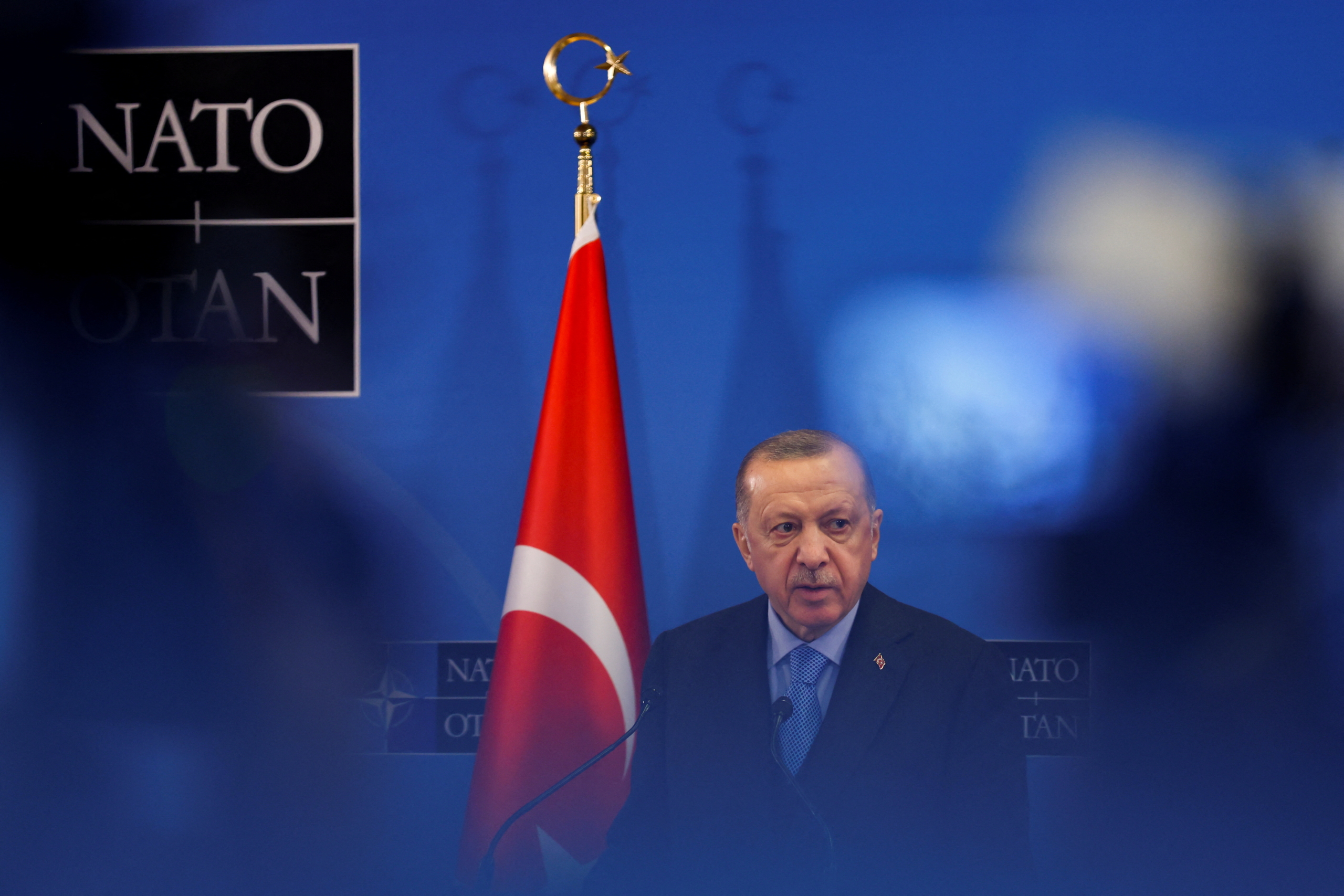
Whatever the expectations for the NATO Summit, the proceedings of which begin in a few hours in Ankara, Turkey, the geopolitical juncture favors Turkish President Recep Tayyip Erdogan so much that it is almost certain he will emerge as the big winner, if, of course, one can speak of winners at NATO summits.
In the aftermath of the devastating war with Iran, both the timing and the venue of the summit are exceptionally favorable for him.
Exclusively for Erdogan
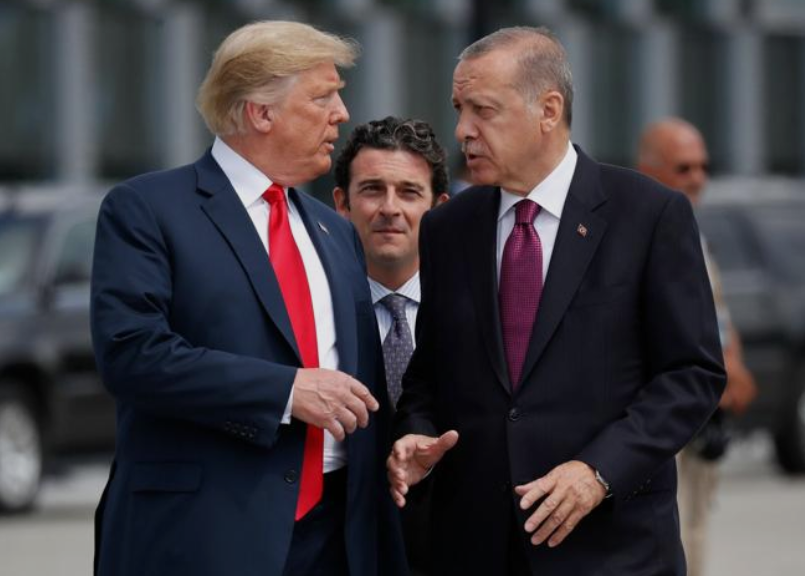
US President Donald Trump told reporters that he is traveling to Ankara exclusively for Erdogan, yet another small but symbolic victory.
The strongman of Turkey approaches the summit possessing immense bargaining power and particularly high expectations.
The strengthening of his personal image as an experienced political leader, perhaps even as a mediator between Europe and the United States, is probably the least important element of his agenda.
Billions in profits
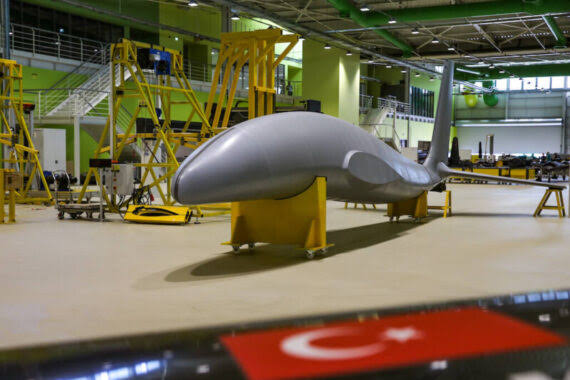
According to an analysis by Foreign Policy, at the top of his list of aspirations are securing critical American financial lifelines, including a potential currency swap line, the reintegration of Turkey into American defense industry supply chains, among other things through the sale of F110 engines for the Turkish KAAN fighter jet program, as well as enforcing the integration of Turkey into the new European Union defense procurement system, worth 150 billion euros (171 billion dollars).
Realpolitik from Trump
As the geopolitical needs of the juncture weigh heavier and heavier on the decisions of policymakers in Europe and Washington, Trump's agreement with a reporter's question on whether he will arrive in Ankara carrying "a big bag of gifts" for Erdogan does not constitute just another characteristic manifestation of his well-known fondness for strong leaders.
On the contrary, it is pure power realism (realpolitik), reminiscent of Kissinger in its calculation.
Essentially, Trump has few other options.
Why?
Turkey... in the vision
The position of Washington in the region, and, in reality, in both regions that Turkey connects, namely Europe and the Middle East, is at its lowest point.
Alternative security architectures are already taking shape, while Trump does not seem to possess the political stature required to restore the United States to its leading role, at least to the extent that its allies in both regions need it.
Turkey seems to be an integral part of Trump's vision for the new Middle East, and Washington has few viable alternatives.
The Russian factor
Perhaps even more important is the Russian factor.
As the Europeans strengthen their defense capabilities, they are in desperate need of what Turkey can offer them.
This includes both "hard" hardware, specific types of ammunition, advanced drone production, and other defense industry capabilities, and "hard" geography.
Turkey is located at the southern tip of Russia, projects power deep into the Caucasus, borders Iran, and, of course, controls two strategically important maritime straits.
If to these a by no means negligible "soft power" is added, the maintenance of open channels of communication with Moscow and Tehran, alongside very good relations with Syria, then Turkey appears today even more vital for the NATO architecture than it was even during the Cold War.
The "problem child"
And yet, Turkey has for years been the "problem child" of NATO.
One could refer to the consequences of Ankara's purchase of the Russian S-400 anti-aircraft systems or to the prolonged obstruction of Sweden's accession to the Alliance.
The retreat of political liberties and the overall state of Turkish democracy under Erdogan continue to be serious points of friction.
The Blue Homeland doctrine
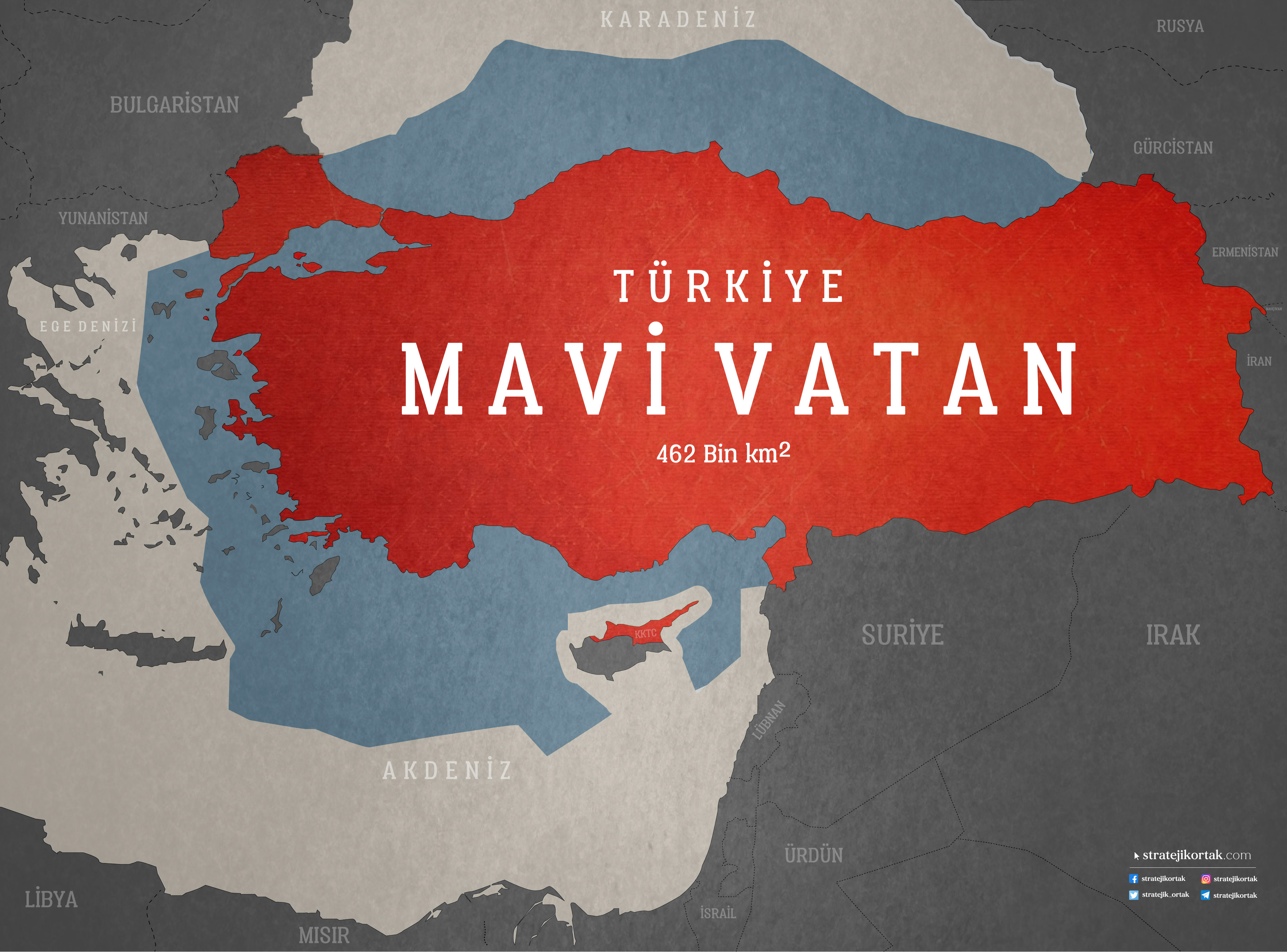
However, the element expected to prove particularly critical at this summit is Ankara's stance toward its own strategy of power projection: the "Blue Homeland" doctrine.
Through this aggressive naval strategy, the Turkey of Erdogan claims vast maritime areas in the Aegean and the Eastern Mediterranean, offering the ideological background for its continuous bellicose rhetoric toward Greece.
This doctrine is deeply embedded in the political transformation of Erdogan during the last decade, which relied on his alliance with ultranationalist, according to some fascist, political forces.
A careful reading of his speeches reveals that this is not regional rhetoric; it constitutes a key component of the cohesive substance that keeps his domestic political alliance united.
He must appease Greece
Conversely, his anti-Israel rhetoric, as well as his support for Hamas, are older and date back to his Islamist roots.
However, the aggressive rhetoric against Israel also resonates particularly positively with his ultranationalist supporters at home.
However, for Erdogan to achieve what he seeks from the summit, ways must be found to appease Greece, since as a member state of NATO and the European Union it can block critical upgrades in trade relations and key mechanisms of defense cooperation.
The question is: how can Erdogan limit the provocations without betraying his ultranationalist electoral base at home?
Master of politics
What external observers often fail to understand about Erdogan is that, above all, he is a master of politics.
He is not only a charismatic orator and a sharp strategic mind, though of course he is also capable of serious miscalculations, as Turkish foreign policy in the Middle East as a whole demonstrated during the period of the Arab Spring, but also an exceptional reader of the domestic political climate.
He has proven repeatedly that he knows exactly how to utilize a crisis to his advantage.
He used the 2016 coup attempt to purge Turkish society on an unprecedented scale, thereby laying the foundations of his "super-presidency."
At the same time, his skillful diplomatic maneuvers after the outbreak of the Russian-Ukrainian war allowed Erdogan to significantly expand his geopolitical influence.
Tactical retreat
If the "Blue Homeland" doctrine needs to undergo a tactical retreat in Ankara in order to achieve his broader goals, such as, for example, through an informal agreement to limit oil and gas exploration in disputed maritime areas or even a more formal agreement on parts of the maritime borders with Greece, he himself will offset this retreat at a rhetorical level domestically.
At election rallies, he will denounce Western deceit, while simultaneously proclaiming the eternal and unhindered power of Turkey.
The big "game"
Erdogan and his political representatives have built an entire narrative system around an alleged big "game" being played at the expense of Turkey by an anonymous alliance of foreign interests.
This narrative revises history and can trace back to the notorious Treaty of Sèvres, the late Ottoman Empire, or even the entire period from the Crusades onward.
It is phrased in such a vague way that it can include all kinds of states and personalities, such as the former Chancellor of Germany Angela Merkel, the former US President Barack Obama, and the billionaire George Soros, either as protagonists or as pawns of the real enemies of Turkey and the Muslim world.
This narrative often carries strong antisemitic undertones.
The explanation for everything
This rhetoric has evolved into a general explanation for everything.
The Turkish economy is slowing down and inflation is skyrocketing, it is the "game."
The Gezi protests, it is the "game."
The 2016 coup attempt, it is obviously the "game."
The same applies to many forms of internal opposition, which are also integrated into the same narrative, from the philanthropist Osman Kavala, who remains imprisoned to this day, to protesting students, independent journalists, and the parties of the traditional opposition.
They too are presented either as conscious accomplices or as naive pawns of the great conspiracy against Turkey.
Manufacturing enemies
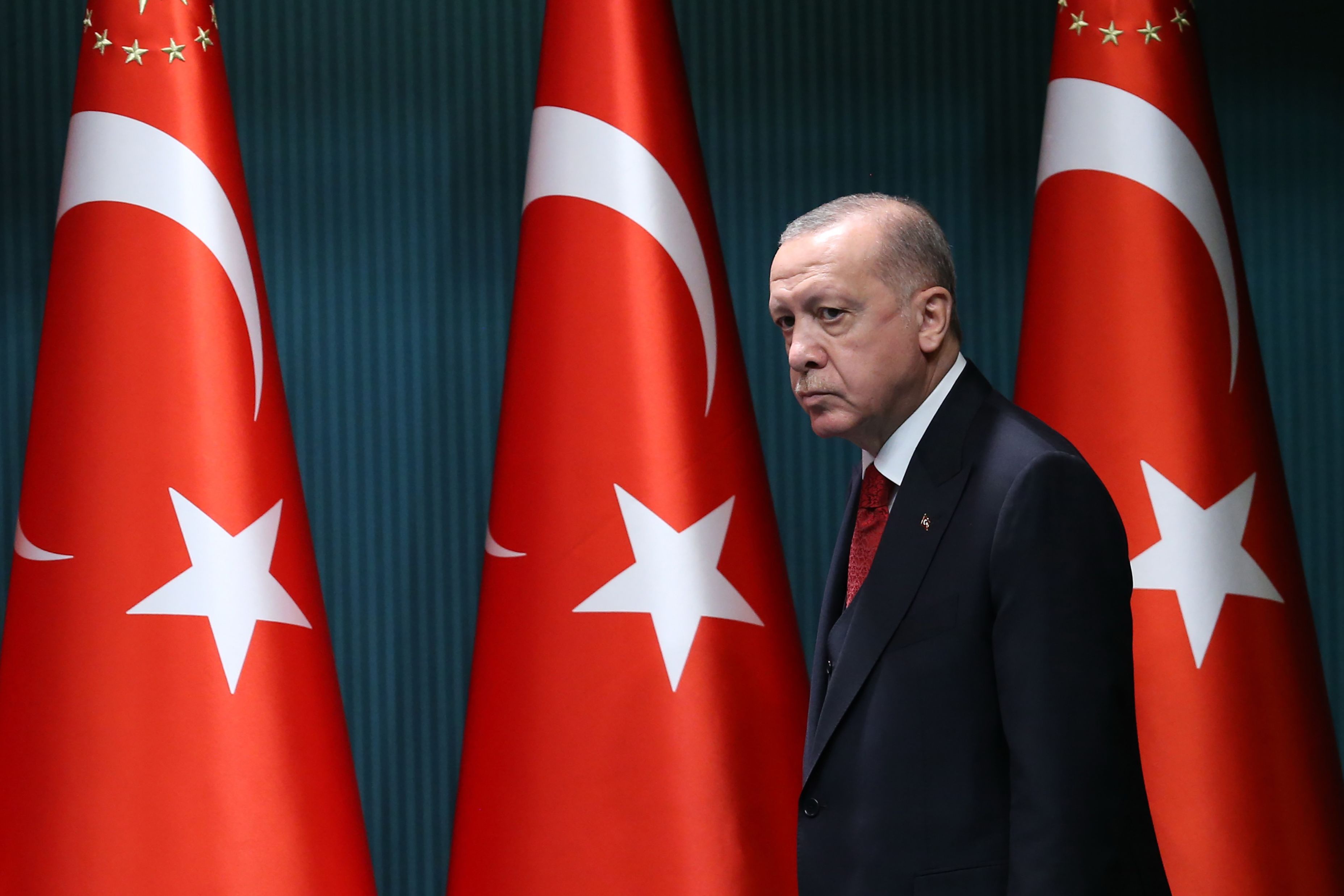
Erdogan excels at manufacturing enemies and shifting blame to others for his domestic audience.
He moves with exceptional skill within this narrow margin, where he can simultaneously satisfy his electoral base and his hardline government allies at home, while at the same time cooperating with his allies abroad.
A rejection by his partners in NATO or the European Union turns simply into yet another ordinary proof of the "game," destined to constitute a key element of his demagogic rhetoric.
One can choose whichever characterization they prefer for his regime out of an entire "industry" of relevant terminology: "illiberal democracy," "ballot-acracy," "democratorship," "electoral dictatorship," "electoral authoritarianism," or "democratic authoritarianism."
Decisive months
Whichever position one attributes to Erdogan on the spectrum spanning from full democracy to pure dictatorship, the coming months are likely to prove decisive for the course of Turkey.
His presidential term concludes in 2028.
According to the Constitution that he himself shaped, no one can hold the presidency of Turkey for more than two terms.
However, if the Parliament is dissolved early, a constitutional "window" allows him to seek a third term as well.
Will Erdogan manage to trigger early elections so as to become a candidate once again?
In what way will he achieve it?
Will he feel obliged, along this path, to dissolve even the last remnants of Turkish democracy?
The dilemma
Erdogan is faced with a classic "exit dilemma", quite simply, he cannot allow himself to be removed from power through the ballot box.
The path toward the Ankara summit has already provided a convenient pretext for a new wave of arrests targeting opposition figures.
However, NATO, just like the European Union, the UN, and other Western-dominated supranational institutions, is structurally ill-equipped to deal with authoritarian strong leaders.
The very methods that these leaders use to consolidate and legitimize their power turn the usual diplomatic mechanisms at NATO's disposal into fuel for their internal propaganda, in this case, for the "game."
Military adventures
However, the ultranationalist rhetoric of Erdogan, fed by the feeling of injustice and grievance, will not be enough to secure his position in the long term.
The alternatives to the controlled continuation of his success could indeed prove dangerous: potential scenarios of a future in which he does not secure what he needs electorally range from internal unrest to desperate military adventures in the Eastern Mediterranean and closer alignment with Russia, China, and Iran.
Ultimately, the pressures he will exert at the summit and the concessions he will inevitably extract are probably the least dangerous outcomes available to the Alliance.
Question for NATO
There is, however, yet another dilemma, this time for NATO itself: what will happen if the Turkey of Erdogan slides into full authoritarianism?
Could the Alliance include in its ranks and operate with a consolidated authoritarian regime?
And, even more importantly, could Washington and Europe ever bear the cost of expelling such a Turkey, even if a relevant mechanism existed, which is not the case?
They will bypass a Greek veto
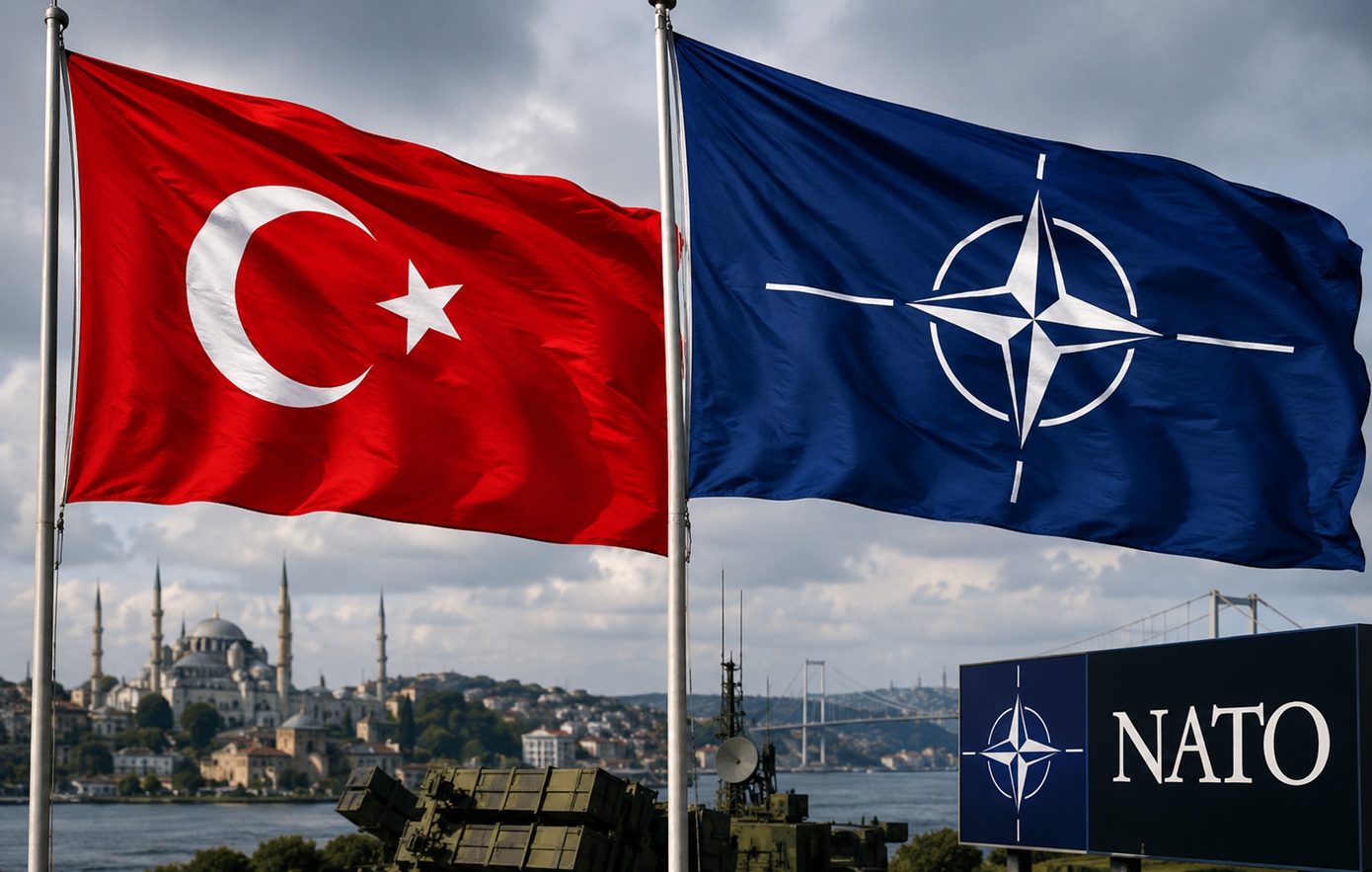
The most likely outcome is that a bypass will be found to integrate Turkey into the newly established European defense procurement framework, bypassing a potential Greek veto.
This, combined with other initiatives, from Trump's potential "big bag of gifts" to various financial arrangements aimed at stabilizing the Turkish economy, could provide Erdogan with enough of the resources he needs to organize early elections and secure yet another term.
If this happens, NATO will not need to face the reality of an authoritarian member state, this dilemma will simply be passed on to the next generation of leaders.
Defeat for Greece, Israel
If Erdogan indeed reaps major benefits from the Ankara summit, this will look like a win-win geopolitical deal: Europe, Washington, and Erdogan will all receive what they imperatively need.
But it will certainly not be a victory for Greece or Israel, where, at the very least, the aggressively hostile rhetoric of Erdogan over the last decade will continue to fuel intense concerns.
It will probably not be a victory for the Turkish people either.
The Alliance, however, will remain strong, stronger than it has been in quite some time.
www.bankingnews.gr













Readers’ Comments