

A three-day hell is being prepared by Russia in Ukraine, as a shocking plan has leaked that could alter all current parameters of the military conflict. At the center is an operational plan that, according to sources, foresees a devastating strike with the Oreshnik missile system within the next 72 hours. At the same time, information indicating that the Ukrainians are hastily evacuating areas of Chernihiv, combined with the Russian army advancing deeper into Sumy and Kharkiv, reinforces this terrifying scenario—essentially confirming the sweeping advance of the Russian military. If nothing else, an explosive backdrop is taking shape, with the next moves considered extremely critical for the evolution of the war.
The shocking message
Ukrainian media outlets and Telegram channels appear to be on high alert as, according to reports, there is a warning of a potential massive Russian strike within the next 72 hours, with scenarios even involving the deployment of the "Oreshnik" missile system. As reported, the US has allegedly informed the Ukrainian side about a potential escalation, though there is no official confirmation of this information by independent sources.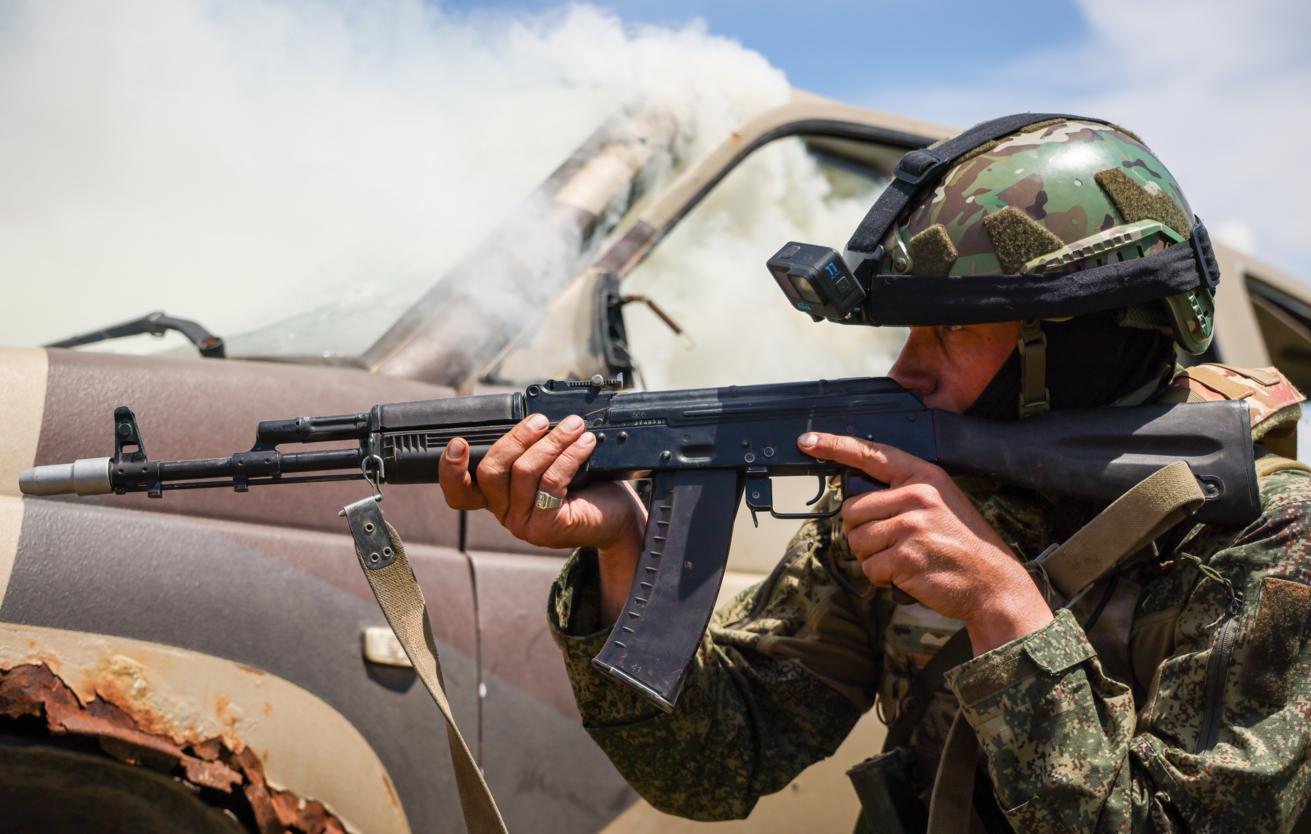
The "Oreshnik" system and military reports
The Russian "Oreshnik" missile system has been referenced in the past as a means utilized with inert warheads aimed at precision targeting. According to military analyses, its interception is considered exceptionally difficult, while radar systems may only detect it at a very short distance from the target. The same reports maintain that its potential operational use could target critical infrastructure in Kyiv, logistics hubs, or other strategic targets.
The explanations of Vasily Dandykin
Military analyst and retired captain first rank of the Russian Navy, Vasily Dandykin, noted that international agreements exist which oblige Russia to notify the United States about ballistic missile launches to avoid accidental escalation. According to him, this is the reason the US can relay warnings to Ukraine, although—as he points out—Kyiv occasionally denies receiving such intelligence briefings.
"Targeted attacks on infrastructure"
Dandykin estimates that a potential use of the "Oreshnik" would bear a surprise and highly powerful character, with potential targets including decision-making centers, major military or logistical hubs, and storage facilities for Western weaponry. At the same time, it is noted that Russia continues systematic strikes on Ukrainian infrastructure, emphasizing energy facilities and fuel depots. According to the same analyses, combined attacks using missiles and drones aim at the gradual depletion of Ukraine's air defenses.
"Long-term operational pressure"
Military commentators describe this strategy as a "continuous, technically repetitive process" of pressure, aiming for the progressive exhaustion of Ukrainian defensive capabilities. Within this context, the potential use of the "Oreshnik", as reported, could cause significant destruction to high-value industrial or military targets, especially if it carries a live warhead instead of inert payloads.
Ukrainians evacuate Chernihiv
Simultaneously, a population evacuation was announced in the Chernihiv region, as according to information, Russian forces are heading toward Kyiv. The Russian army might launch an offensive in the Chernihiv region, stated the Commander-in-Chief of the Armed Forces of Ukraine, Alexander Syrsky. "Russia may launch an offensive in the Chernihiv direction, we are preparing for it," Syrsky stated. Indeed, Syrsky spoke about the possibility of a Russian offensive toward Chernihiv and the preparation of Ukrainian forces for defense. Such statements are made within the framework of the current operational situation and should be taken as the official stance of Ukraine's military leadership. "In the Chernihiv region, following Syrsky's statements regarding the alleged preparation of a new offensive by the Russian Armed Forces toward Kyiv, mixed police detachments began forming which, beyond evacuating the civilian population, are also engaged in locating draft evaders. Units of the adversary are settling into the 'vacated' homes," reports the Russian military Group of Forces "North", according to the "Dva Mayora" Telegram channel.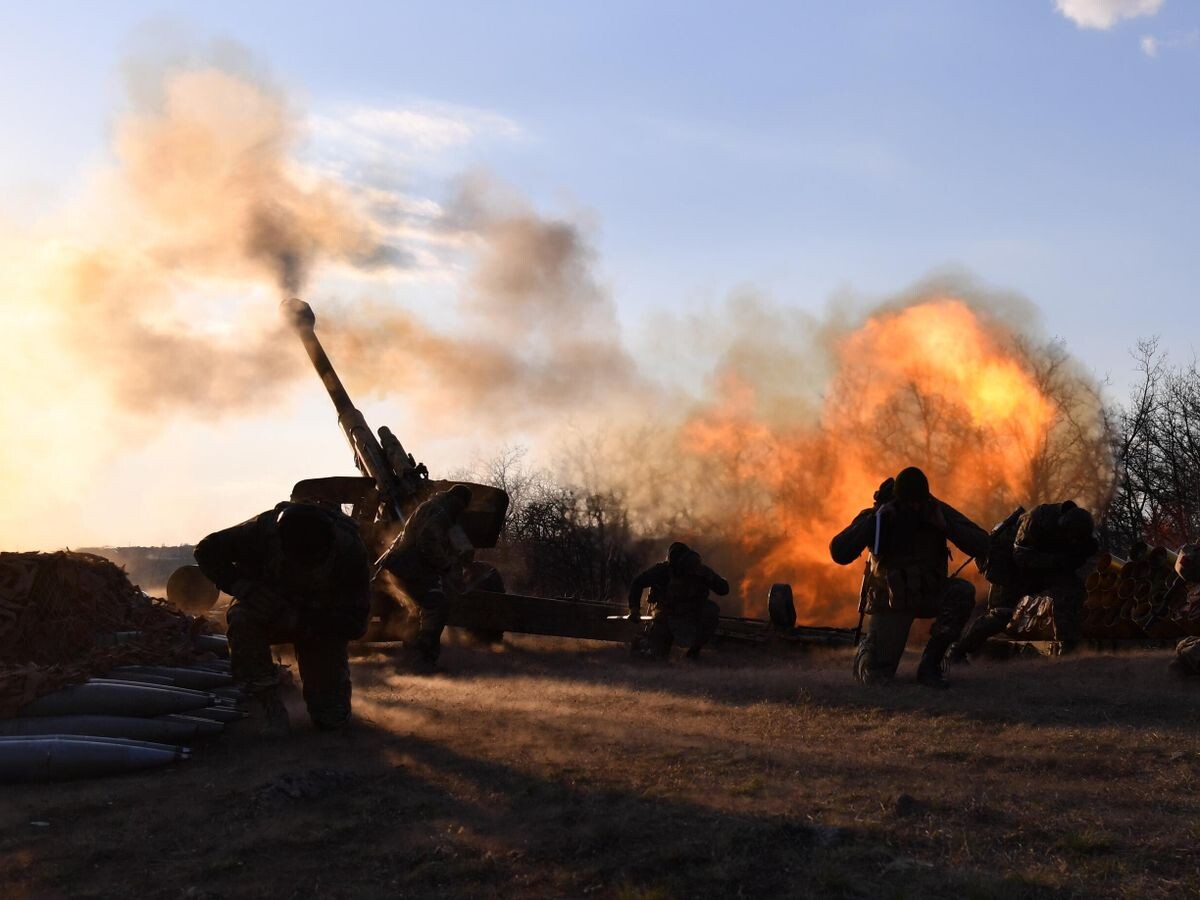
Northern front heading toward collapse
All this is unfolding while the Russian offensive continues in the regions of Sumy and Kharkiv. Everything points toward a gradual collapse of the Ukrainian defense on the northern front. "In the Sumy direction, in the Shostka area, assault units of the Group of Forces 'North' continue small-arms engagements in Bachevsk and the outskirts of the settlement. In the Sumy region, Russian forces are fighting in Pysarivka, Maryino, the village of Nova Sich, and the settlement of Khoten.
Russians are creating the Sumy People's Republic
"For two consecutive days, we have had interesting statements from the authorities regarding the Sumy region. Putin, if you remember, stated that the price for the invasion of the Kursk region will be the territories currently occupied by the Group of Forces 'North' in the Sumy region. The same was stated yesterday by Kremlin spokesperson Dmitry Peskov. In total, even if the war ends, whatever is captured in the Sumy region is not going to be returned to Ukraine," noted Degtyarev. According to him, if the war continues for another year or year and a half, Ukrainian forces may no longer remain in the Sumy region. "In essence, battles are being fought for this entire powerful defensive line in front of the Sumy forest. And if this is breached across its entire width—something that will happen sooner or later—then, as the expression goes, everything will be over," says Degtyarev, who estimates that the battles for the city of Sumy could begin as early as the summer of 2027.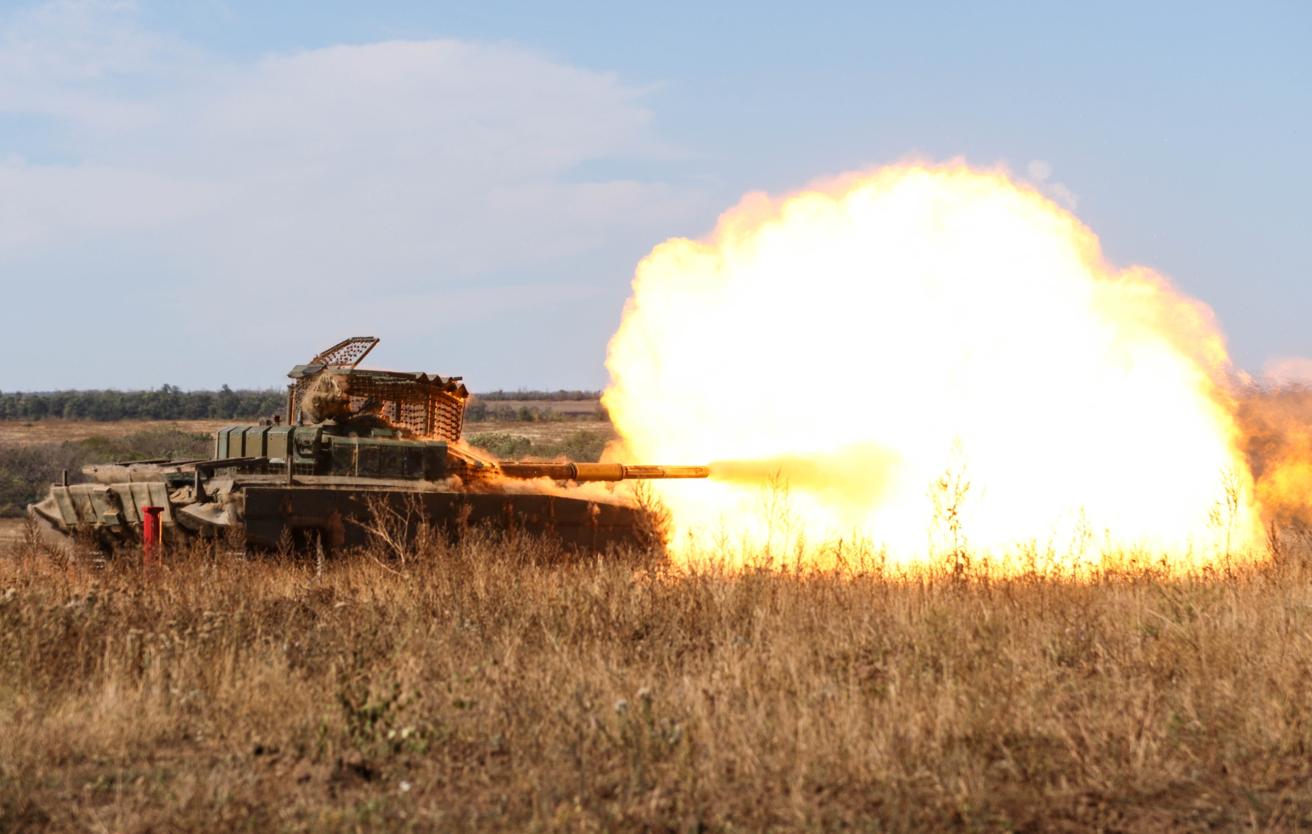
Sweeping advance
In the Slavyansk direction, following a series of severe setbacks, the Ukrainian armed forces are attempting to restore their defensive line along the Siverskyi Donets–Donbas canal. "Initially, the Ukrainian command calculated that the triple line of engineering fortifications, with a depth of 400 meters, would pose a substantial obstacle to the rapid advance of the Russian infantry. However, these expectations were not validated. The Russian army managed to capture Ukrainian positions beyond the canal in at least four settlements," stated Colonel of the Special Operations Forces of Ukraine, Vladimir Antonyuk. An additional problem for the Ukrainians was the widening of the breach created by Russian forces in the Rai-Aleksandrovka area, a fact that required an immediate operational response. The Ukrainian General Staff decided to launch simultaneous counterattacks at all specific points, hoping that at least one would succeed. However, these efforts did not pay off and failed on all fronts.
Counteroffensive drowned in blood
In the area of Fedorovka Vtoraya, the Ukrainian army did not even manage to reach the assembly point, as Russian forces detected their positions and destroyed their units using FPV drones. "The attempt by the Ukrainian armed forces to carry out a wider-scale operation in the Rai-Aleksandrovka area ended in a communications failure. Without waiting for confirmation of the actual results, Ukrainian media rushed to announce a major success, publishing a map of the alleged advances on social media. However, on that very same day, this information was debunked," Russian experts point out.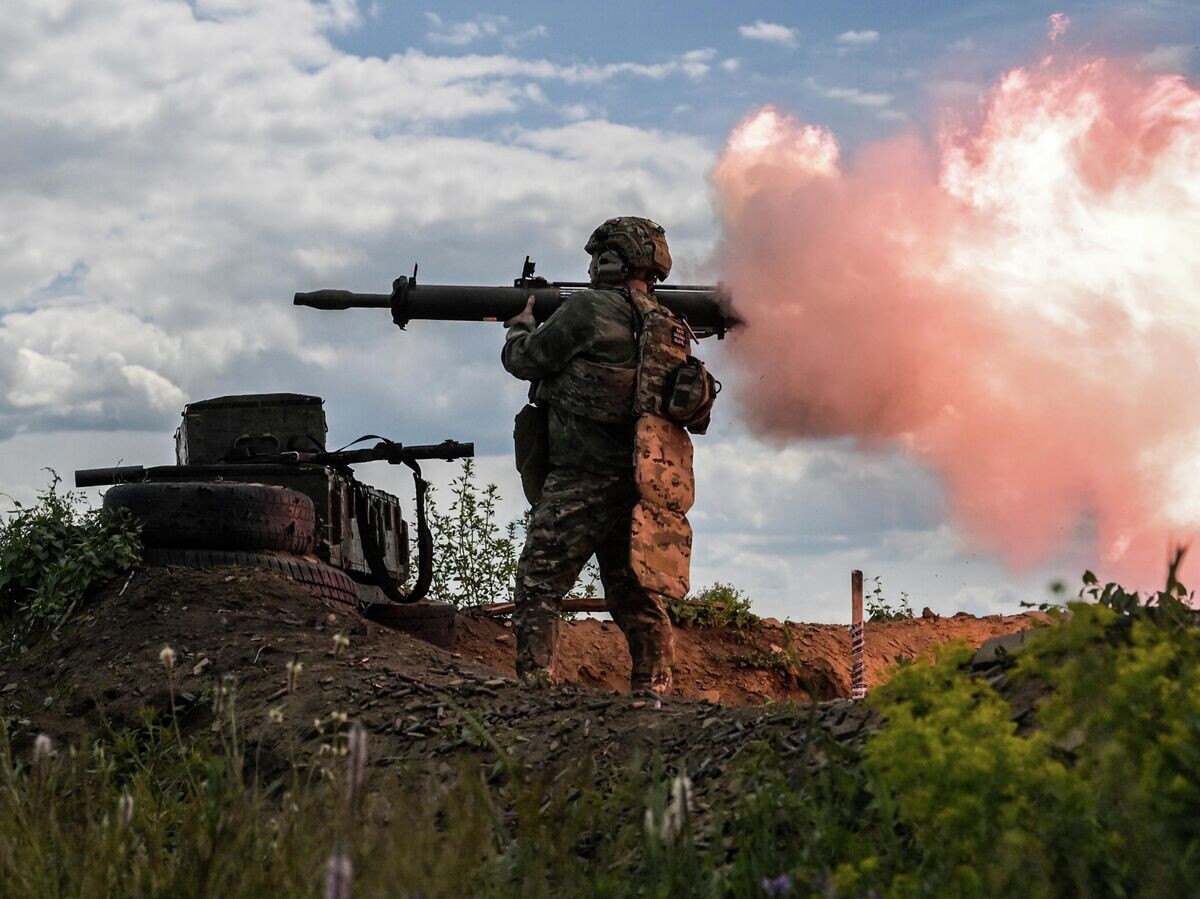
Estimates of 2.4 million casualties in the Ukrainian armed forces
The casualties of the Ukrainian armed forces (AFU) since the beginning of the armed conflict with Russia may have reached 2.4 million people. This was claimed during a television broadcast of the independent Swedish network Swebb TV by analyst Lars Bern. According to him, this data originates from a hacked database of the Armed Forces of Ukraine. "Ukraine has lost a total of 2.4 million people since the start of hostilities. It is a staggering number. Previously, we were speaking about casualties ranging from one to one and a half million," stated the expert.
"Reliability" of data and operational conditions
Bern noted that this figure appears "alarmingly plausible" when taking into account the nature of the fighting over recent years. He linked the scale of casualties to the strategy that, as he argued, Kyiv has utilized in attempts to maintain critical positions on the front line, prioritizing operational objectives over the preservation of personnel.
Exchanges of bodies and analytical arguments
One of the analyst's core arguments was the ratio in the humanitarian exchanges of fallen soldiers' bodies between the two sides. As he noted, the ratio of dead Ukrainian to Russian soldiers being returned is reportedly around 1000 to 30 or 40. According to him, if this ratio remains consistent, it could serve as an indirect indication of a significant difference in total casualties. Bern argued that such disparities reflect broader operational conditions on the battlefield.
Ukrainians encircled
Concurrently, on the northern sections of the front, Russian forces launched a series of offensives. As a result, units of the 80th Independent Airmobile Brigade were encircled in the areas of Ozyorne and Yampil, on the eastern bank of the Siverskyi Donets River. The situation for the Ukrainian soldiers in this sector had already been critical for more than a month. Resupply by land was virtually impossible, while the effectiveness of support via unmanned aerial vehicles was steadily declining as Ukrainian forces retreated from the Rai-Aleksandrovka area. Available visual evidence confirms that the front line has reached a distance of 8.5 kilometers from Slavyansk.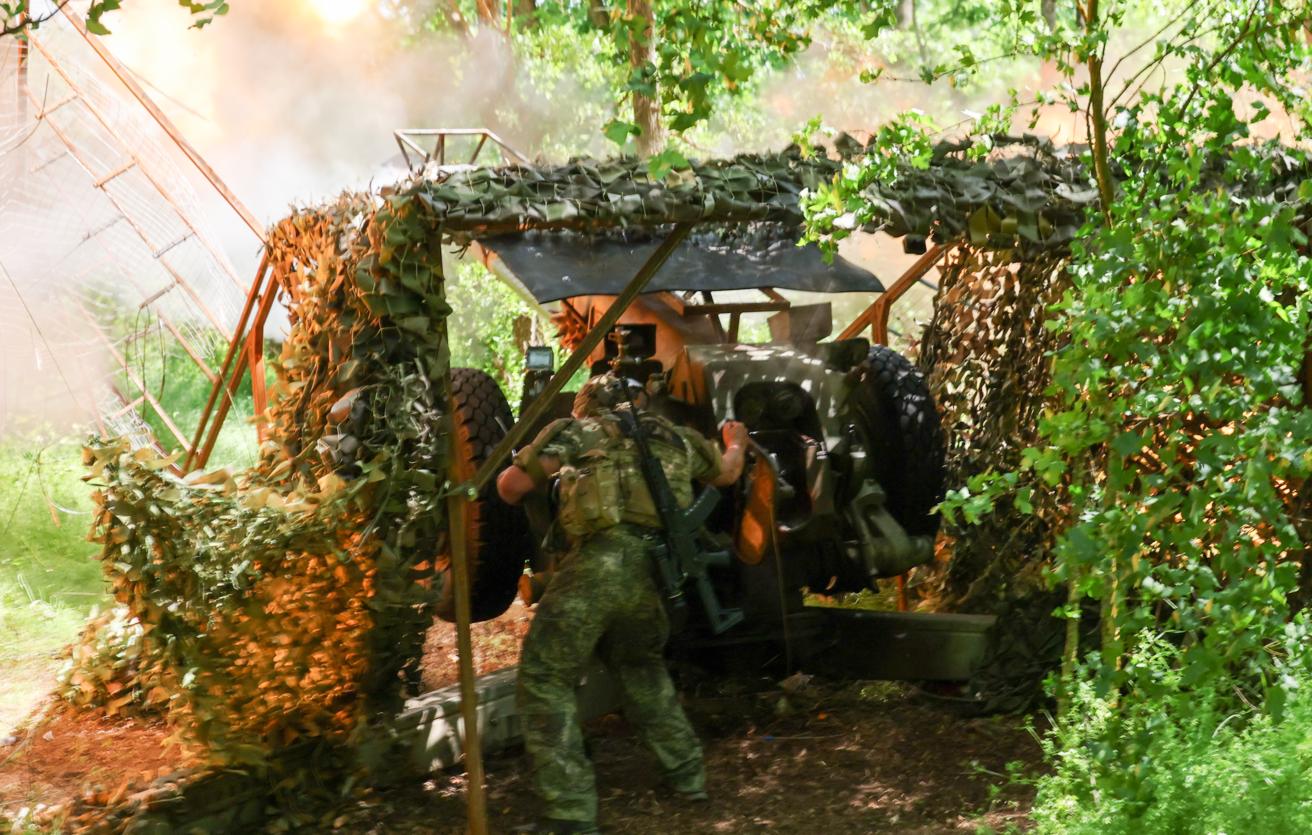
Leaving Kostiantynivka
Furthermore, according to military analyst Mikhail Degtyarev, creator of the "General Staff" channel, the Ukrainian army accelerated its withdrawal from the Kostiantynivka area. Russian forces have already begun entering the next settlement, the small town of Alekseyevo-Druzhkovka, which before the war had a population of approximately 8,000 residents. Drone operators destroyed warplanes and ground support equipment of the Ukrainian air force in Voznesensk of the Mykolaiv region. If the current pace of advance is maintained, then, without exaggeration, Russian forces may capture Druzhkovka as early as autumn, thereby encircling the Slavyansk–Kramatorsk urban agglomeration, while simultaneously advancing from the direction of Mykolaivka.
The battle for the most critical supply hub
In the Kharkiv direction, Russian forces are achieving two objectives: expanding the security zone along the state border and simultaneously dispersing Ukrainian forces. This not only prevents the transfer of Ukrainian brigades to other fronts but also forces the Ukrainian armed forces to reinforce these specific areas with additional units. In the Kozacha Lopan area, Ukrainian forces attempted a counteroffensive. However, Russian artillery and drones struck the Ukrainian units already during their deployment phase. Ukrainian soldiers admit that, despite their perceived numerical advantage in the area, they lag significantly behind Russian forces in artillery and drones. Consequently, without additional reinforcement with UAV units, the repetition of offensive actions is considered ill-advised. Reconnaissance units of the 1st Tank Army carried out successful attacks on the road between the settlements of Vyssheye Solyonoye and Nizhneye Solyonoye in the Kharkiv region.
www.bankingnews.gr











Readers’ Comments