

Israel is reportedly ready to assassinate Iran's Supreme Spiritual and Political Leader, Mojtaba Khamenei, on the day of the funeral of his father and predecessor, triggering a fierce new round of conflict with Tehran, as revealed on June 30 by a distinguished former CIA agent. The person in question is Larry Johnson, who emphasizes that "if Israel dares to do such a thing," then nothing could hold Iran back anymore. "At that point, Iran would wipe Israel off the map," he noted characteristically. According to him, the most serious consequences would be political. As he mentioned, inside Iran, hardliners have been arguing for years that the country will never be safe as long as Israel exists, while other circles promoted a more conciliatory approach. And while the former US intelligence analyst makes these revelations, the Israeli Defense Minister signals that the war against Iran could restart even... within 48 hours. The Middle East is currently a boiling cauldron, and it seems that no memorandum can contain the inevitable outbreak of a third and more deadly round of military conflict.
?? ?? If Israel touches Khamenei's son at the funeral, nothing holds Iran back.
— Mario Nawfal (@MarioNawfal) June 30, 2026
Fmr. CIA analyst Larry Johnson weighs in on the fear hanging over this weekend's funeral, that Israel might try to assassinate Mojtaba Khamenei during what would likely be his first public… https://t.co/l7dTOlrhLy pic.twitter.com/89rc92ioL5
Bomb by Larry Johnson (CIA): The Israelis aim to assassinate Mojtaba Khamenei – How Iran will respond
More specifically, former CIA analyst Larry Johnson commented on the fears prevailing ahead of Ayatollah Ali Khamenei's funeral on the weekend of July 4 and 5, according to which Israel may attempt the assassination of Mojtaba Khamenei, in what will likely be his first public appearance. His warning was categorical: "If Israel dared, if it even attempted to assassinate him, then nothing could hold Iran back anymore. At that point, Iran would destroy Israel." The American analyst argued that Tehran possesses the required missile technology to implement such a threat, while an assassination attempt would lead, as he said, to the exhaustion of Israel's capabilities.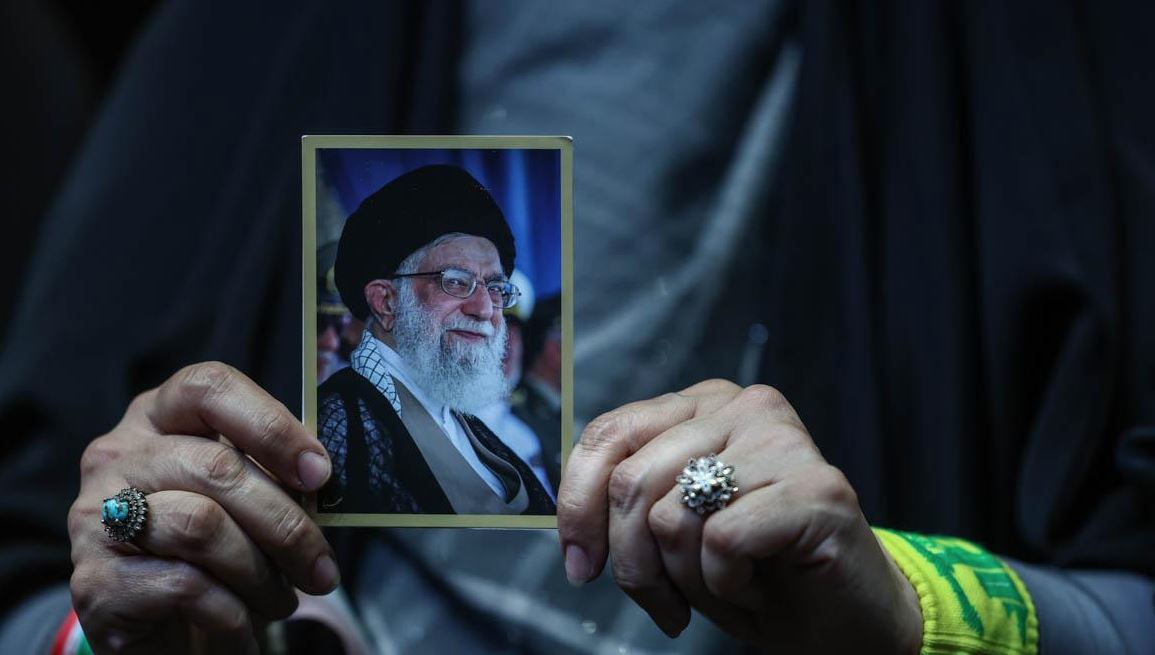
According to him, the most serious consequences would be political. As he mentioned, inside Iran, hardliners have argued for years that the country will never be safe as long as Israel exists, while other circles promoted a more conciliatory approach. Johnson estimates that a strike during the funeral would put a definitive end to this debate, turning the destruction of Israel into a central strategic goal.
"Israel cannot fight Iran alone without US support"
Israel threatens that it can strike Iran even without American assistance; however, former CIA analyst Larry Johnson rejects this possibility as unrealistic. As he argues, the critical missing element is aerial refueling support. According to Larry Johnson, without American KC-135 refueling aircraft, the operational range of the Israeli air force is significantly limited.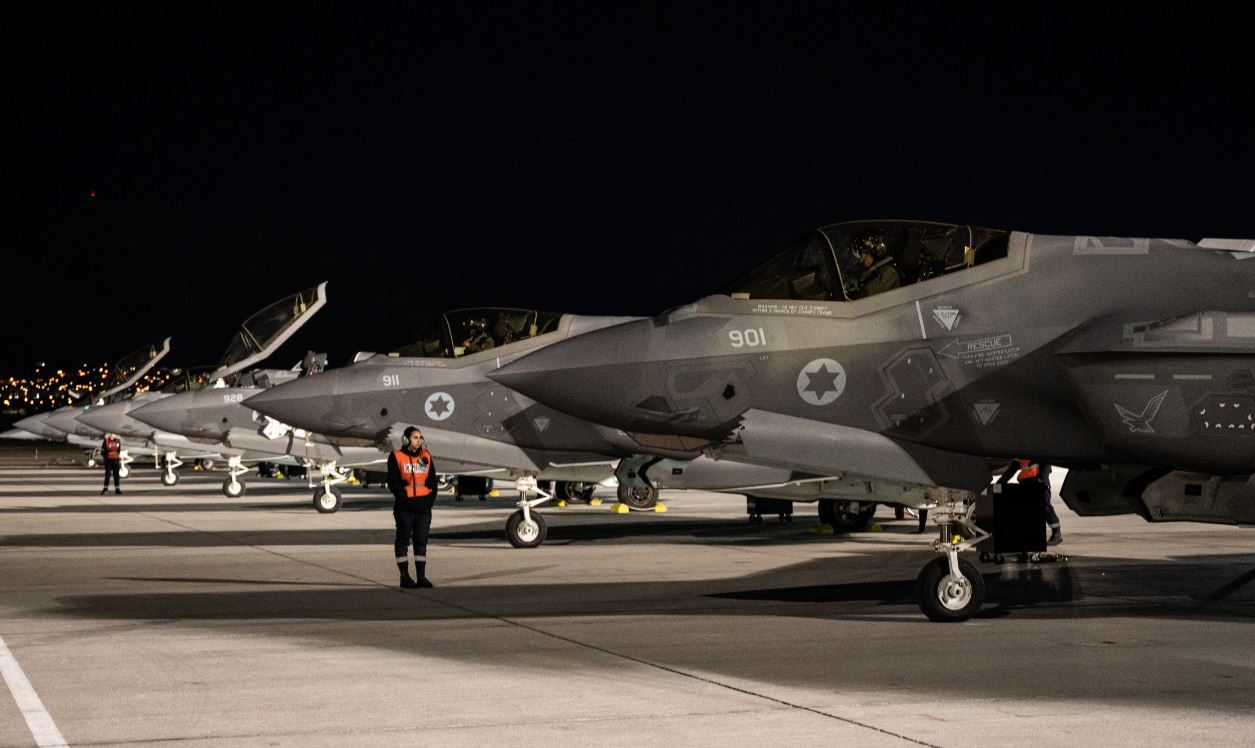
At the same time, he warns that if Israel launches attacks against Iran, the response will be overwhelming. "As soon as they start attacking Iran, Iran will unleash real hell against them. And they do not possess the capability to intercept the missile strikes. All of this is just big talk." His conclusion is particularly harsh. If Israel attempts to implement its threats, he argues that it will pay a very heavy price and, as he characteristically stated, "it will probably deserve it."
"Trump invents non-existent Iranian requests"
A few days ago, Trump claimed that Iran requested a meeting, but Tehran categorically denies the allegation. Former CIA analyst Larry Johnson commented strongly on Trump's recent post, according to which Iran requested new talks. "It's a lie. Iran has requested absolutely nothing. He invented it." On the same day, the Iranian side made it clear that there is no scheduled technical meeting with the United States.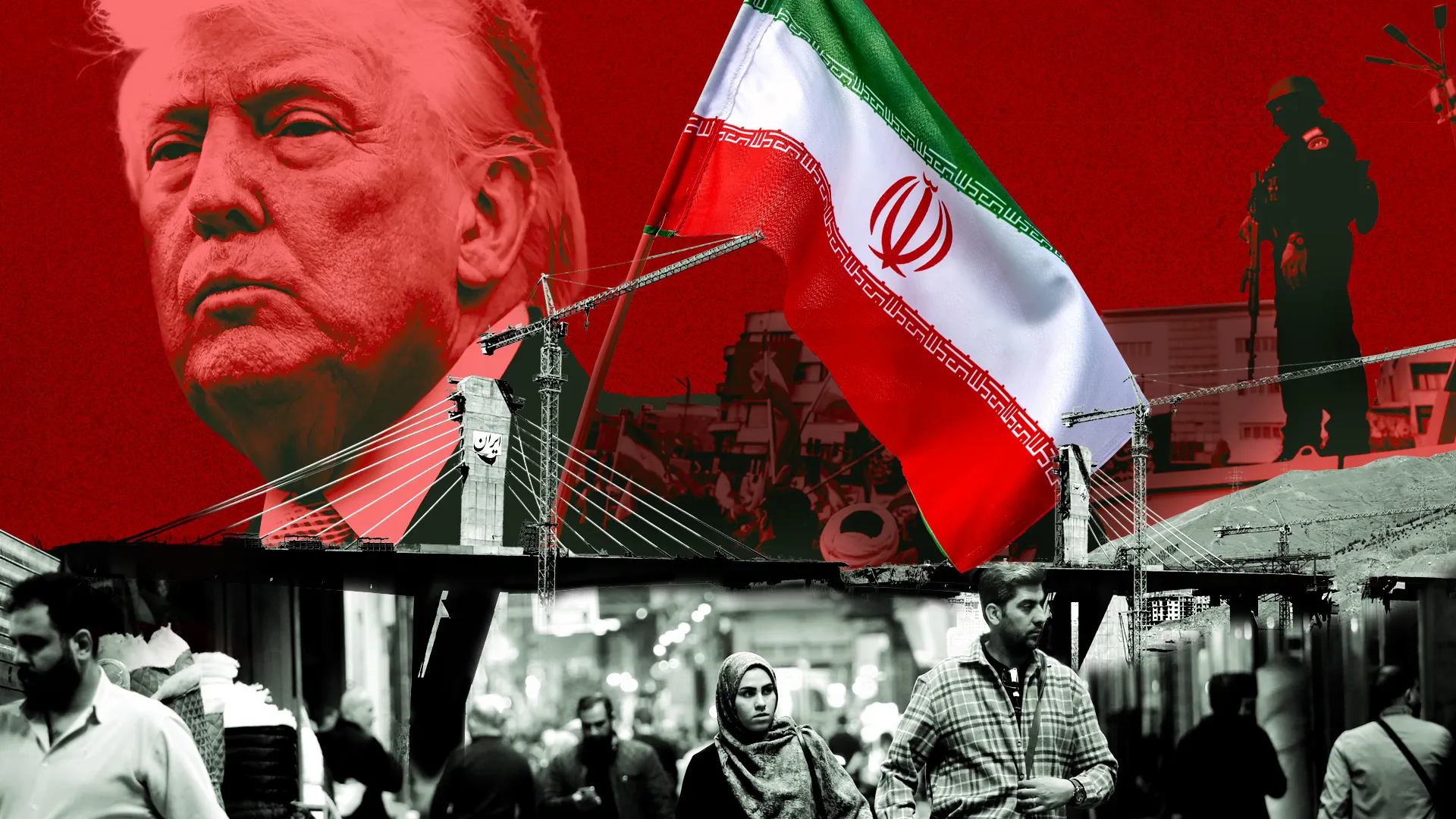
According to Johnson, an Iranian delegation is going to Doha exclusively to see if Washington is implementing what is provided for in the already signed Memorandum of Understanding (MoU), such as the release of frozen funds and the lifting of sanctions. Regarding potential negotiations with Witkoff and Kushner, the position of the Iranian side, according to him, is clear: there is no such possibility. Larry Johnson further argues that paragraph 5 of the Memorandum of Understanding grants Iran complete control over the Strait of Hormuz, with no reference to other countries in the region or the United States.
Shocking statement from the Israeli Defense Minister: The war with Iran could restart even... tomorrow
For his part, in a shocking assessment, Israeli Defense Minister Israel Katz believes that a resumption of the war with Iran is possible in the coming days. "Even tomorrow, we could find ourselves in a state of war with Iran. I repeat our policy: if Iran launches missiles against Israel, Israel will strike Iran with force. This could happen within a few days. The IDF expects this and is in a state of maximum readiness," stated Israel Katz during a briefing for Israeli journalists, as reported on June 29 by Ynet.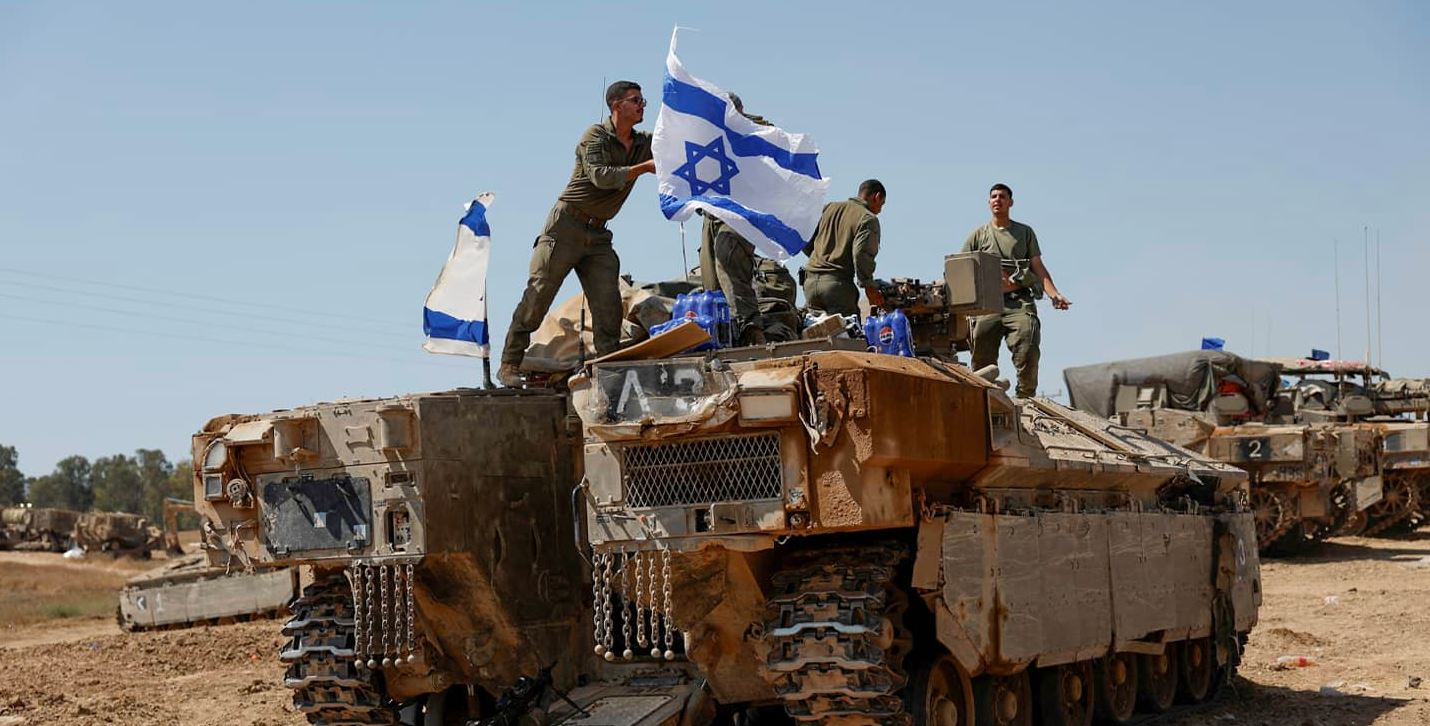
According to the head of the Israeli Ministry of Defense, "there are two scenarios for a new war with Iran." "The first is if Donald Trump decides that negotiations are exhausted and decides to attack, and the second is if Iran attacks Israel," he said, noting that Israel "does not want to hinder President Trump on the path he has chosen." However, "if Iran attacks, there will be a Third War with Iran," Israel Katz continued.
"Iran is planning a large-scale attack on Israel"
According to the head of the Ministry of Defense, Iran is specifically considering attacks against Israel in response to Israeli strikes in Lebanon. On June 6, the Israeli Air Force launched intensive strikes in the Nabatieh Governorate in southern Lebanon and in the Western Bekaa region, and on June 7, against a Hezbollah facility on the outskirts of Beirut. According to the Israeli side, this was done in response to the Shiite organization's bombardments against Jewish territories.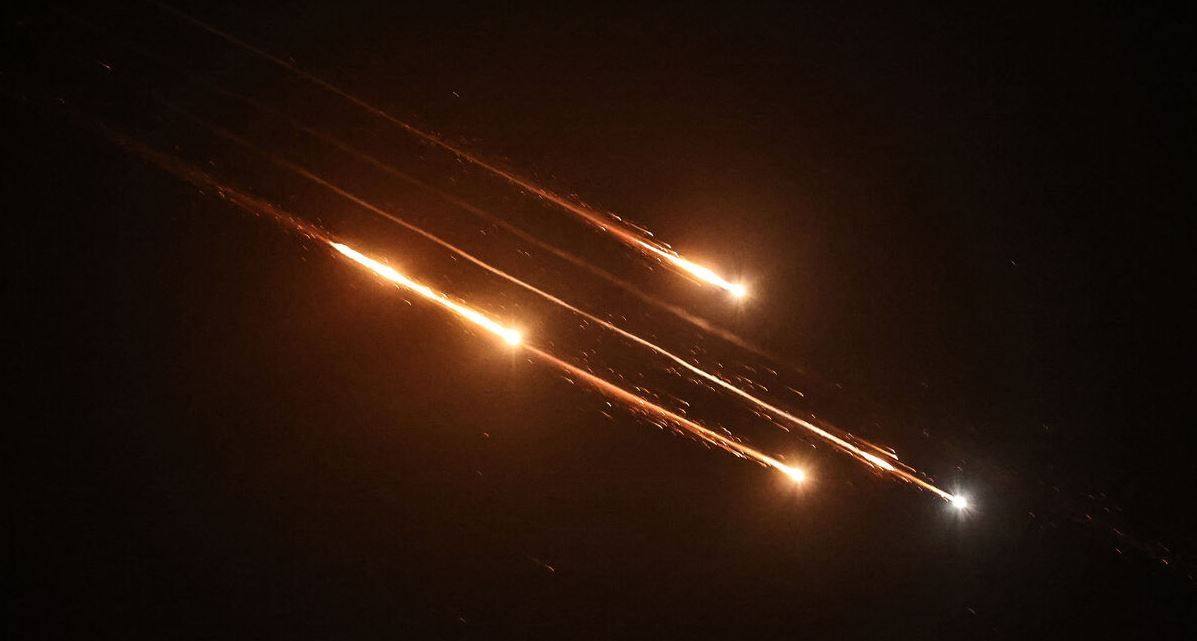
It is noted that on the evening of June 7, Iran launched missile strikes against northern Israel in response to the Israeli actions. Tehran had previously warned that it would strike Israel if it attacked the Lebanese capital. Subsequently, on the night of June 8, the Jewish state launched a retaliatory strike against Iran, targeting military installations in the western and central regions of the country. Facilities at a petrochemical plant in Khuzestan province suffered damage. That morning, the Islamic Republic responded to the Israeli attack by launching further missile strikes against its territory.
"The US was the first to violate the Memorandum of Understanding"
The United States attacked Iran without, as the former CIA analyst subsequently emphasized, any provision in the Memorandum of Understanding to justify such an action. As he stated: "The United States was the one that violated it first. And Iran responded by saying: 'Since you are violating it, we will strike back.'" Closing, Larry Johnson argued that Washington ultimately backed down in the face of Tehran's reaction.
Iran prepares for Ali Khamenei's funeral
It is noted that after months of delays, Tehran is in the final phase of preparing a six-day state funeral for the late Ayatollah Ali Khamenei, which will take place in five cities under draconian security measures, and while negotiations between the United States and Iran over the Strait of Hormuz, the nuclear program, and sanctions remain particularly fragile. The Iranian government is preparing the largest state funeral in the history of the Islamic Republic. The ceremonies will last six days and will take place in five cities in Iran and Iraq, starting Saturday, almost four months after the death of Ayatollah Ali Khamenei, who was killed during the first US-Israeli strikes of the war on February 28. Ayatollah Ali Khamenei served as the supreme religious leader of the Islamic Republic for 37 years, making him the second longest-serving holder of the office since the founding of the regime after the 1979 Islamic Revolution.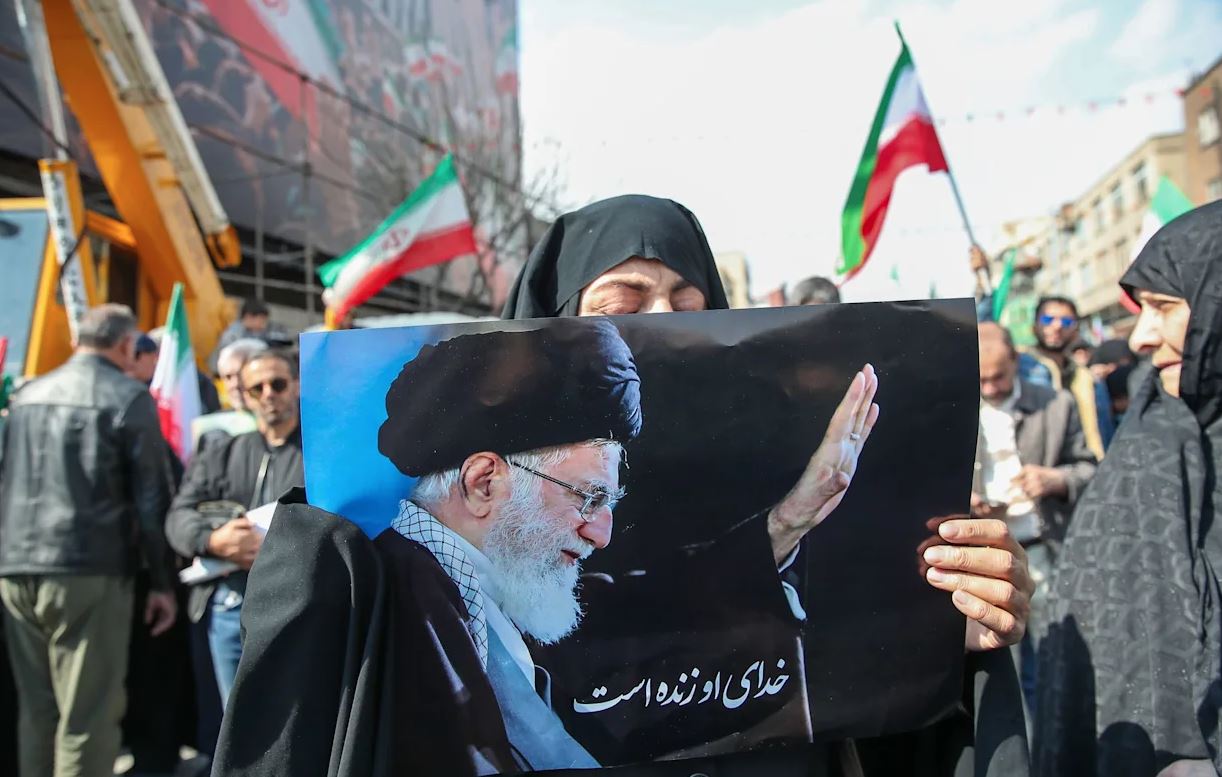
Born in 1939, he served as president of Iran from 1981 to 1989, before being selected as supreme leader by the Assembly of Experts, the elected body of Islamic theologians responsible for appointing the supreme leader, following the death of Ayatollah Ruhollah Khomeini. His body had been lying in state since the start of the war. The four-month delay in the burial was attributed to military operations, the ceasefire that followed, and subsequently to the negotiation process. Iranian authorities argue that the timing was chosen because a relative de-escalation now prevails, with Iran and the United States having temporarily halted hostilities while talks on the Memorandum of Understanding continue. Tehran seeks for the ceremony to take place without any incidents, in the presence of an international audience and foreign delegations.
The schedule of ceremonies in Tehran and Qom
The events will begin on Saturday and Sunday in Tehran, at the Mosalla prayer complex, the main venue for major state religious ceremonies. The Mosalla, which means "place of prayer," has previously hosted the funerals of top figures of the Islamic Republic and constitutes the symbolic epicenter of official ceremonies of national mourning. The central funeral procession will take place on Monday, following a route of approximately ten kilometers, from Imam Hossein Square to Azadi ("Freedom") Square, a location that has been linked to the most important mass gatherings in modern Iranian history. The mayor of Tehran estimated that approximately 20 million people will participate in the events, characterizing them as "the largest gathering in the history of the city."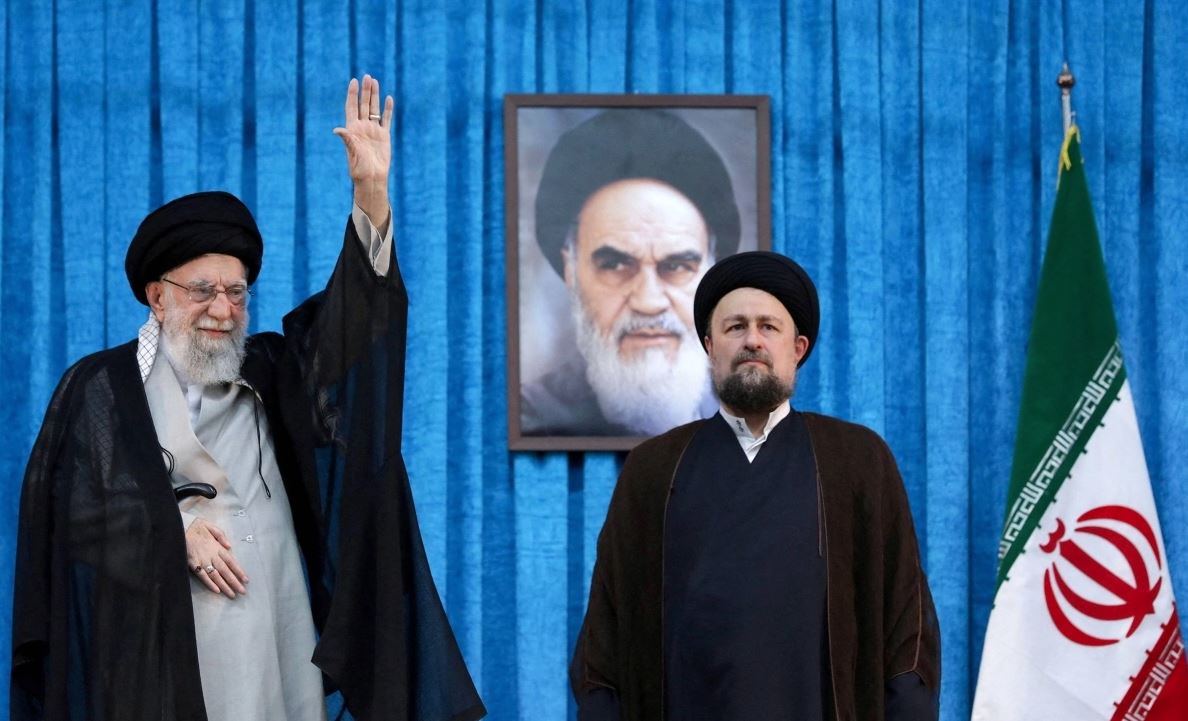
On July 7, the procession will move to the city of Qom, where the ceremonies will take place between the shrine of Fatima Masoumeh and the Jamkaran Mosque. Qom constitutes the most important center of Shiite theological studies in Iran and one of the most important cities in the Shiite world. The Jamkaran Mosque, on the outskirts of the city, is connected to the Hidden Imam, the Mahdi, and constitutes one of the most important pilgrimage sites of Shiite Islam. It is worth noting that temperatures during the ceremonies are expected to reach approximately 45 degrees Celsius.
Transfer to Iraq and final burial
Subsequently, the body will be transferred to Iraq, where ceremonies are scheduled in the cities of Najaf and Karbala, the two holiest sites of Shiite Islam, which house the mausoleums of the First Imam Ali and the Third Imam Hussein. The Minister of Foreign Affairs of Iran, Abbas Araghchi, recently visited both cities, where he had meetings with local authorities as part of the preparation for the events. The final burial will take place on July 9 in Mashhad, the birthplace of Ayatollah Ali Khamenei. Mashhad is considered the holiest city in Iran, as it hosts the mausoleum of Imam Reza, the Eighth Imam of Shiite Islam, as well as the Astan Quds Razavi, the country's most powerful religious foundation and an economic organization with extensive connections to state institutions, including the Islamic Revolutionary Guard Corps. The Iranian authorities estimate that between eight and ten million people will attend the burial ceremony.
www.bankingnews.gr













Readers’ Comments