

Venezuela was already in a deep crisis long before the two powerful earthquakes last Wednesday rocked the country and further destabilized it. Today, the prevailing image is heartbreaking: destroyed neighborhoods, shattered infrastructure, and hospitals operating at the brink of collapse. At the Dr. José Manuel de Los Ríos Pediatric Hospital in Caracas, Dr. Huníades Urbina-Medina can treat only four children in the intensive care unit at one time. "We used to be able to accept up to 10 patients in the ICU," he noted. "But for at least 10 years, we haven't had enough staff, we don't have enough medicine, we don't have enough ventilators."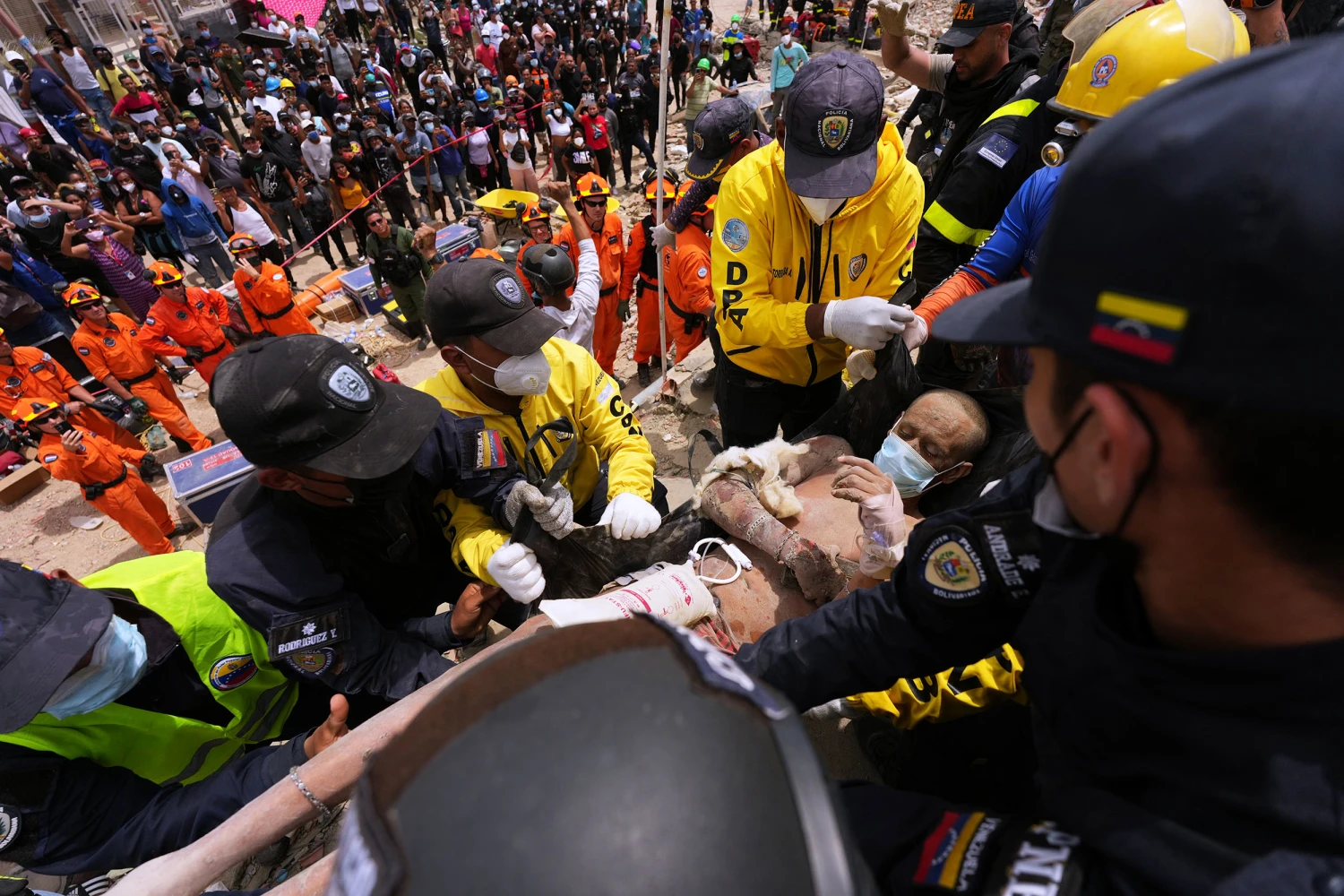
Children under the rubble…
One of the four children being treated is a 12-year-old girl who was crushed by the debris of a multi-story building. She has suffered severe, life-threatening injuries and is fighting to survive. About 100 other children have received treatment in other wards of the hospital since last week, a number that represents only a small portion of the injured. The Venezuelan government has gradually announced the death toll, which now exceeds 1,700 dead and 5,000 injured.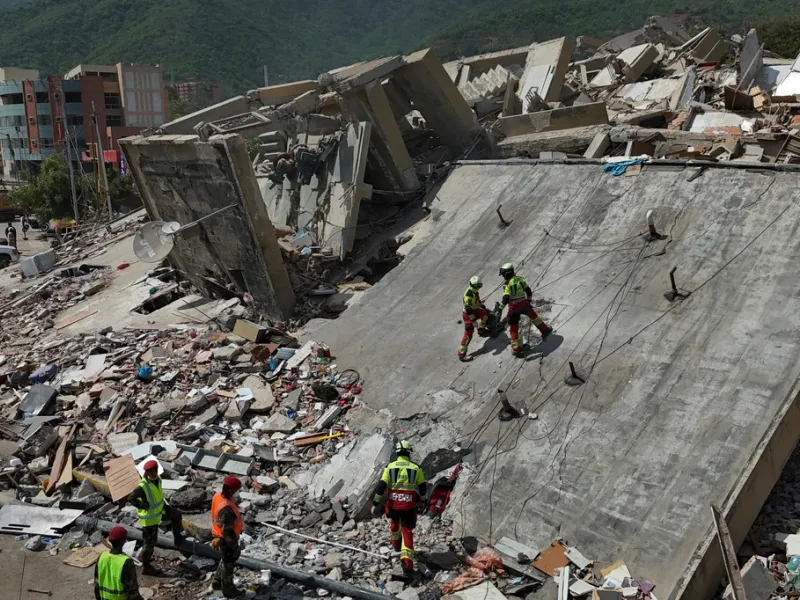
Rescuers and the "window of life" that is closing
On Monday, rescuers from Ecuador reported that they pulled a 12-year-old boy alive from the rubble in La Guaira state. However, rescue operations are expected to decrease dramatically, as the so-called "golden window" of survival after an earthquake has now passed. The US Geological Survey estimates that the two earthquakes of 7.2 and 7.5 magnitude may have caused tens of thousands of deaths. The exact toll may never be known, just as it was after the 1999 earthquake in La Guaira.
Destroyed schools and overcrowded shelters
The government has extended the closure of schools, while according to initial estimates, 432 school units have suffered damage in Caracas alone. Buildings that were not destroyed are now being used as temporary shelters for thousands of displaced people.
"No country was prepared" – Collapse of the health system
Dr. Urbina-Medina emphasized that no hospital in Venezuela was prepared for a disaster of such scale. "No hospital is ready even for everyday life," he said. "But with this disaster, the situation is worse, because we lack medicine, staff, and equipment." Doctors who spoke to CNN describe a similar picture. Dr. Andrés Cortiz, a volunteer with the organization Healing Venezuela, reported that eight hospitals in Caracas have closed, while the rest are overloaded and lack basic sanitation supplies.
A crisis that predated the earthquakes
The situation worsened after years of economic and political instability. The country has lost much of its medical and educational personnel, as thousands of professionals migrated abroad seeking better conditions. At the same time, the departure of foreign medical missions, such as the Cuban one, has further limited the capabilities of the health system.
The "smell of death" in the neighborhoods of Caracas
Just 24 hours after the earthquakes, the stench of decomposition began to emerge from the ruins. Today, the smell of death is pervasive throughout destroyed areas of the city. Families remain beside the rubble, waiting for news about their loved ones.
Hope among the ruins
On a board near the site of the disaster, the dead, the rescued, and the missing are recorded: 12 dead, 3 rescued, and 20 trapped, with no new rescues in recent days. Despite the fact that the chances of survival decrease dramatically after the first 72 hours, families are still hoping.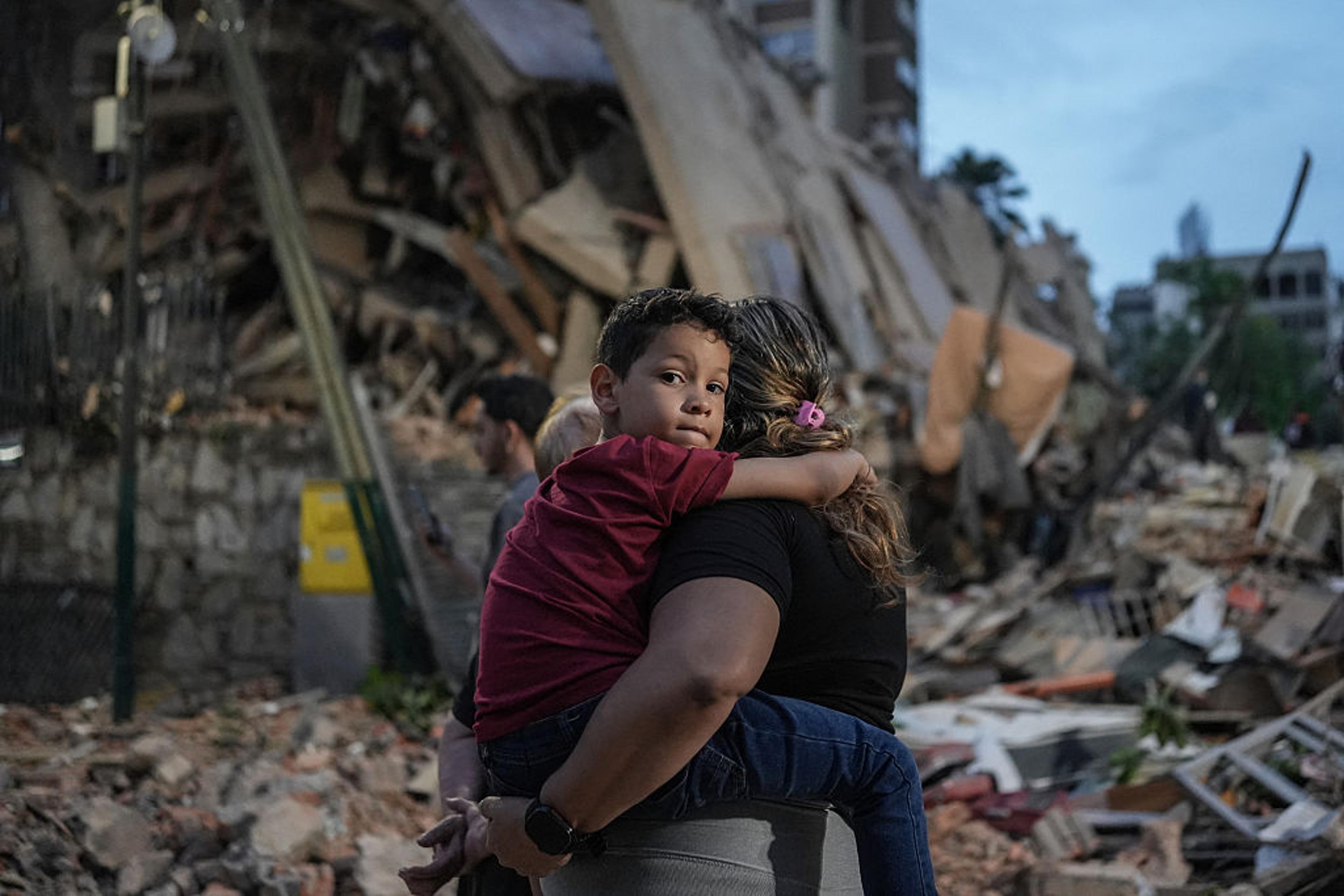
New earthquake and fear of return
On Monday morning (29/6), a new 4.9 magnitude earthquake occurred, causing panic among residents and displaced people who rushed back out onto the streets. Although no new damages were reported, many residents cannot return to their homes due to cracks and the risk of collapse. In several areas, a building assessment system with "traffic lights" is now being applied: green for habitable, yellow for partially safe, and red for dangerous and at risk of collapse.
www.bankingnews.gr






Readers’ Comments