

Artificial intelligence, which until now has been the main driver of international market growth, could evolve into the greatest source of instability for the global financial system. This is the core warning of the annual report from the Bank for International Settlements (BIS), which points out that a potential collapse of the AI market, combined with persistent inflation and bloated public debts, currently constitute the three most significant risks to the global economy. According to the BIS, the global economy is facing conflicting forces of progress and uncertainty, while the resilience of the financial system is being tested more than at any other time since the pandemic.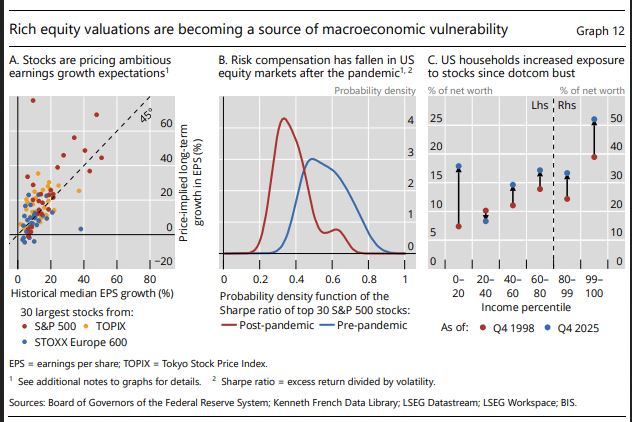
Artificial intelligence can turn from a growth driver into a cause of crisis
The report points out that the massive investments currently flowing into artificial intelligence may not yield the expected returns. In such a scenario, funding for the sector could be sharply restricted, turning today's investment "rally" into a multi-year period of investment collapse. The BIS warns that a major correction in stock markets would have much more serious consequences for the real economy today compared to previous decades, as artificial intelligence has evolved into a primary recipient of global capital.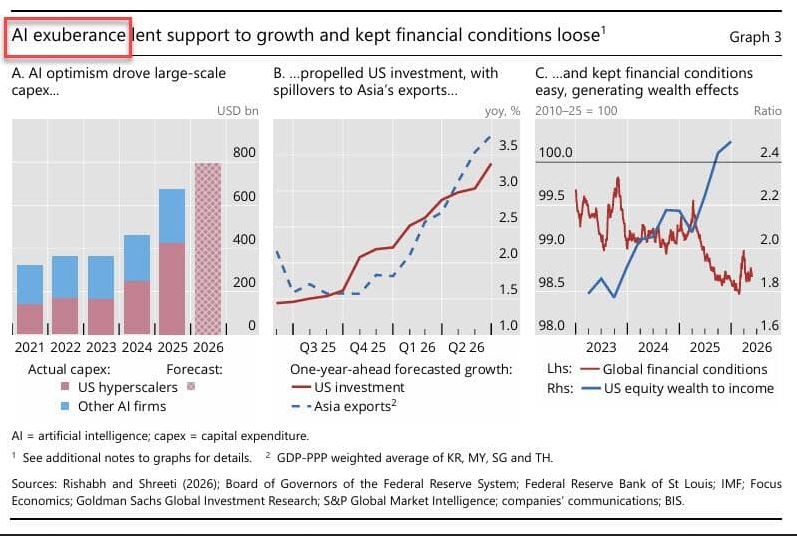
Complex AI financing schemes in the crosshairs
Of particular concern to the BIS are the complex financing agreements that have developed around artificial intelligence. These are structures where microchip manufacturers, hyperscalers (cloud providers), AI startups, and data center developers are connected through equity stakes, loans, and long-term supply contracts. According to the report, the terms of many of these agreements are not sufficiently disclosed, and there is a risk that the same assets are being used as collateral in multiple transactions, creating a highly fragile financial ecosystem. The BIS estimates that a potential collapse of these "circular financings" could trigger chain reactions similar to those that led to the 2008 financial crisis.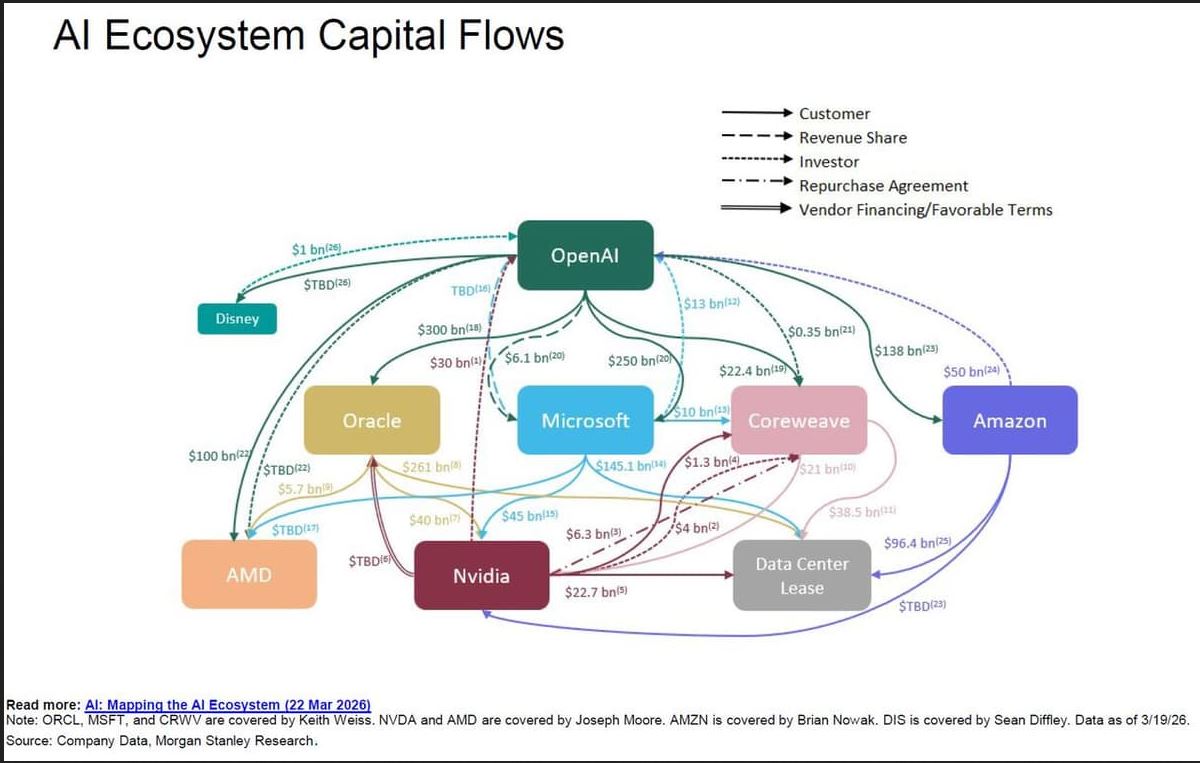
Similar risks in the credit market
The warnings are not limited to artificial intelligence. The BIS believes that the corporate credit market also exhibits significant vulnerabilities, as a sharp repricing of risk, whether due to higher interest rates or disappointment from AI investments, could cause serious disruptions to the financial system.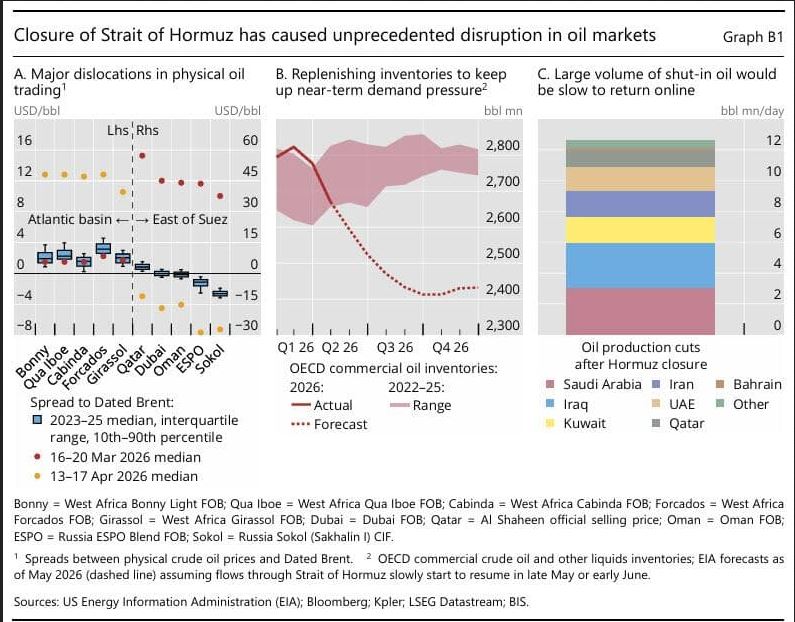
Inflation continues to be a threat
Despite the relative de-escalation of energy prices following recent geopolitical developments in the Middle East, the BIS estimates that the risk of inflation re-emerging remains particularly high. Disturbances in energy supply chains have not been fully eliminated, and infrastructure restoration takes time. At the same time, recent inflation data in the US showed the highest annual rate of price increases in the last three years, while inflationary pressures in the Eurozone also remain above the 2% target. The head of the BIS, Pablo Hernandez de Cos, underscored that the 2022 price shock continues to affect the expectations of households and businesses, increasing the risk of a second wave of inflation.
Public debt remains the big "ticking time bomb"
The report also revives concerns regarding the continuous increase of public debt in most developed economies. The BIS notes that hedge funds have evolved into key buyers of government bonds, yet they are financing their positions with particularly high leverage and short-term borrowing. In the event of deteriorating market conditions, these investors may be forced into mass sales of government securities, increasing volatility and transferring the crisis to the entire international financial system.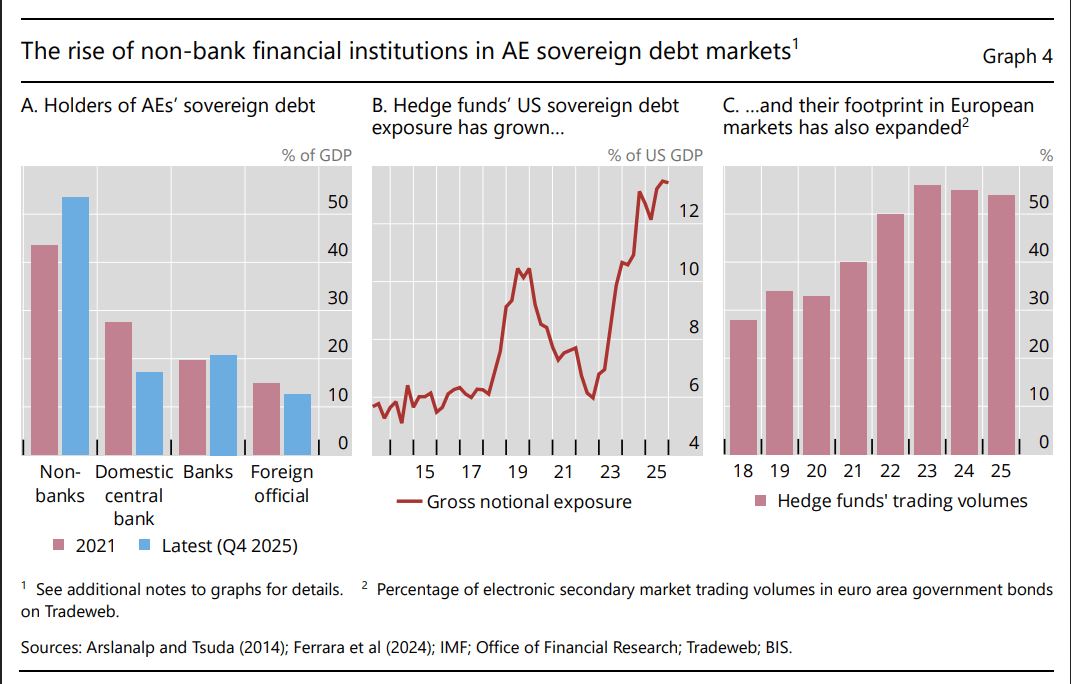
Recent turmoil shows how vulnerable markets are
The BIS reminds us that during 2026, significant pressure has already been recorded in government bond markets. Heavy sales of British government securities revived memories of the 2022 crisis, while similar developments in Japan caused repercussions that extended even to the US Treasury bond market. According to the BIS's assessment, such reactions can be triggered at any moment by political or economic events.
Recommendation to central banks: Do not hesitate to raise interest rates
The BIS calls on central banks to maintain a strict monetary policy, even if it entails a slowdown in economic growth. As it points out, the credibility of monetary policy is a key prerequisite for containing inflationary expectations. At the same time, it demands fiscal discipline from governments and stricter supervision of financial markets to strengthen the system's resilience against future crises.
The key conclusion
The BIS report concludes that the global economy is entering a period of increased risks, where the potential overvaluation of the artificial intelligence market, the re-emergence of inflation, and the ballooning of public debt can act in combination, causing new financial turbulence. The Bank for International Settlements believes that maintaining fiscal and monetary discipline is the primary defense against an environment characterized by growing uncertainty and heightened systemic vulnerabilities.
www.bankingnews.gr













Readers’ Comments